


The 10 most Lynchian movies that David Lynch didn’t actually direct

David Lynch was such a singular filmmaker that his name has become shorthand when describing a specific visual, aesthetic, and narrative style, and while he wasn’t the first director to utilise surrealism, he developed dreamlike logic and enchanting mysticism in his films that have held up and continue to inspire conversation and analysis.
Although his films were frequently terrifying, they also had an avant-garde sense of comedy and often felt genuinely heartfelt, plus he was so well-regarded as a person that his legacy has become unassailable, given that nearly everyone he has worked with has some sort of amusing tale about what a constructive collaborator he was.
Many overt attempts to be Lynchian fail because they are attempting to replicate the specific idiosyncrasies in Lynch’s work, which is impossible since he simply had a peculiar way of looking at the world that informed how he made films. That being said, there are other artists who have taken the same authentic approach to telling their stories, resulting in films that feel like they are working in Lynch’s tradition.
Even though Lynch was rather notorious for not offering any concrete explanations for what his films were actually about, he would frequently praise the work of other directors whom he admired. Nearly all of his films draw upon some focal point in cinematic history, so it can become interesting to also look back at his influences and see how they are reflected in his work, as well as how his work has paved further filmmaking lives.
The 10 most Lynchian non-Lynch films:
‘I Saw The TV Glow’ (Jane Schoenbrun, 2024)
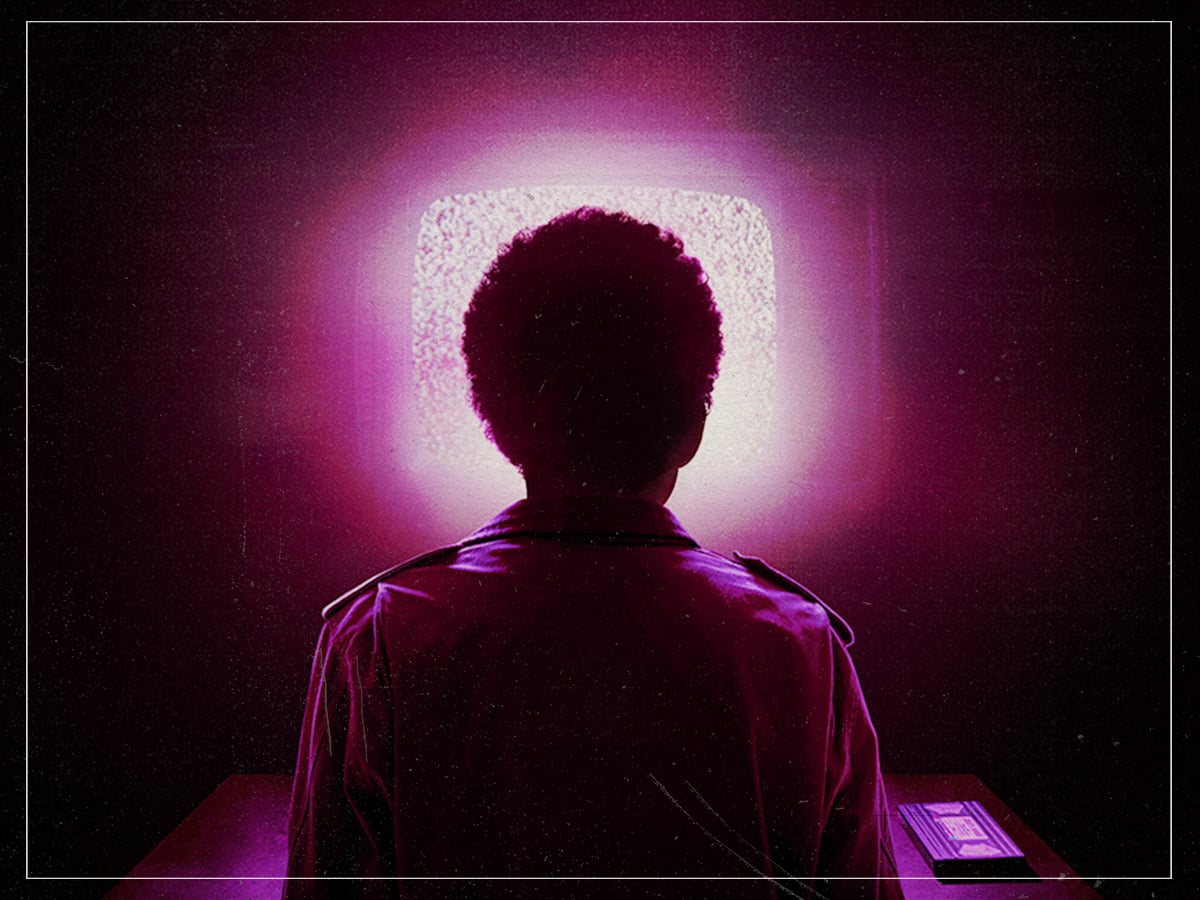
A24 has taken smart bets on young, talented filmmakers with something to prove, and Jane Schoenbrun has proven to be a visionary with a particular affinity for the dreamlike logic of Lynch. Given that Lynch’s films often explore themes of transient identity and out-of-body experiences, I Saw The TV Glow is an informed homage that examines the filmmaker’s personal impressions of being a trans artist.
The film is steeped in references to 1990s television, making it impossible to not think about the power that Twin Peaks had as one of the original ‘water cooler’ shows that attracted a niche fandom, and the fact that a significant part of I Saw The TV Glow revolves around the trauma that the characters deal with after the show they love is cancelled, it mirrors the experiences of many Twin Peaks fans when ABC pulled the plug.
‘Night of the Hunter’ (Charles Laughton, 1955)
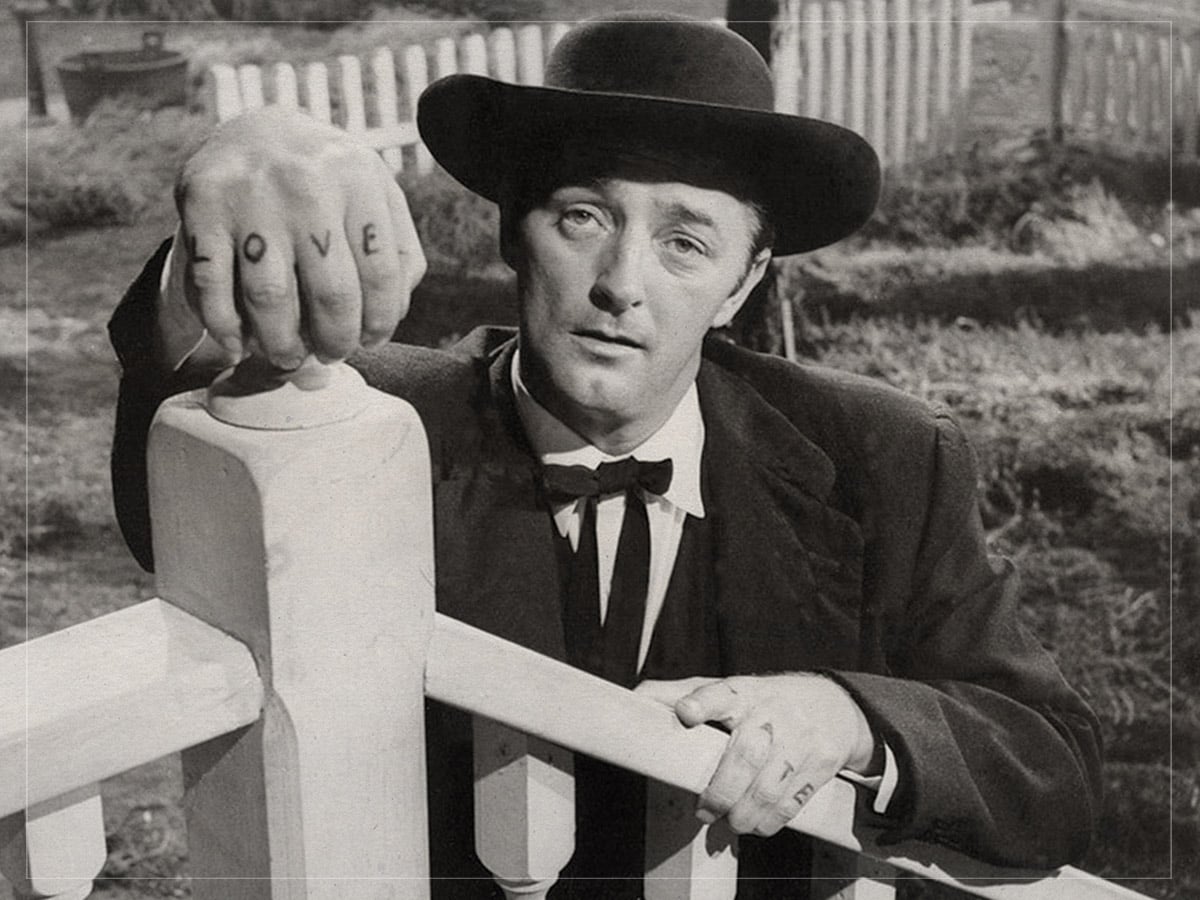
Actor Charles Laughton only ever directed one film, but his masterpiece Night of the Hunter has been widely praised as a groundbreaking masterpiece in noir gothic horror, and among the filmmakers who have drawn inspiration from it are Guillermo del Toro, the Coen brothers, Spike Lee, and Steven Soderbergh, with Lynch particularly indebted because of how he drew upon similar themes about a lurking evil that masks itself within an idealised American community.
Lynch’s films often deal with the notion of a family unit being split apart and divided, and Night of the Hunter may have kicked off those ideas because it is told from the perspective of two children who watch as their town is seduced by a mysterious preacher, played by Robert Mitchum, who is actually a psychopathic killer looking to steal their family fortune.
‘Under the Silver Lake’ (David Robert Mitchell, 2019)
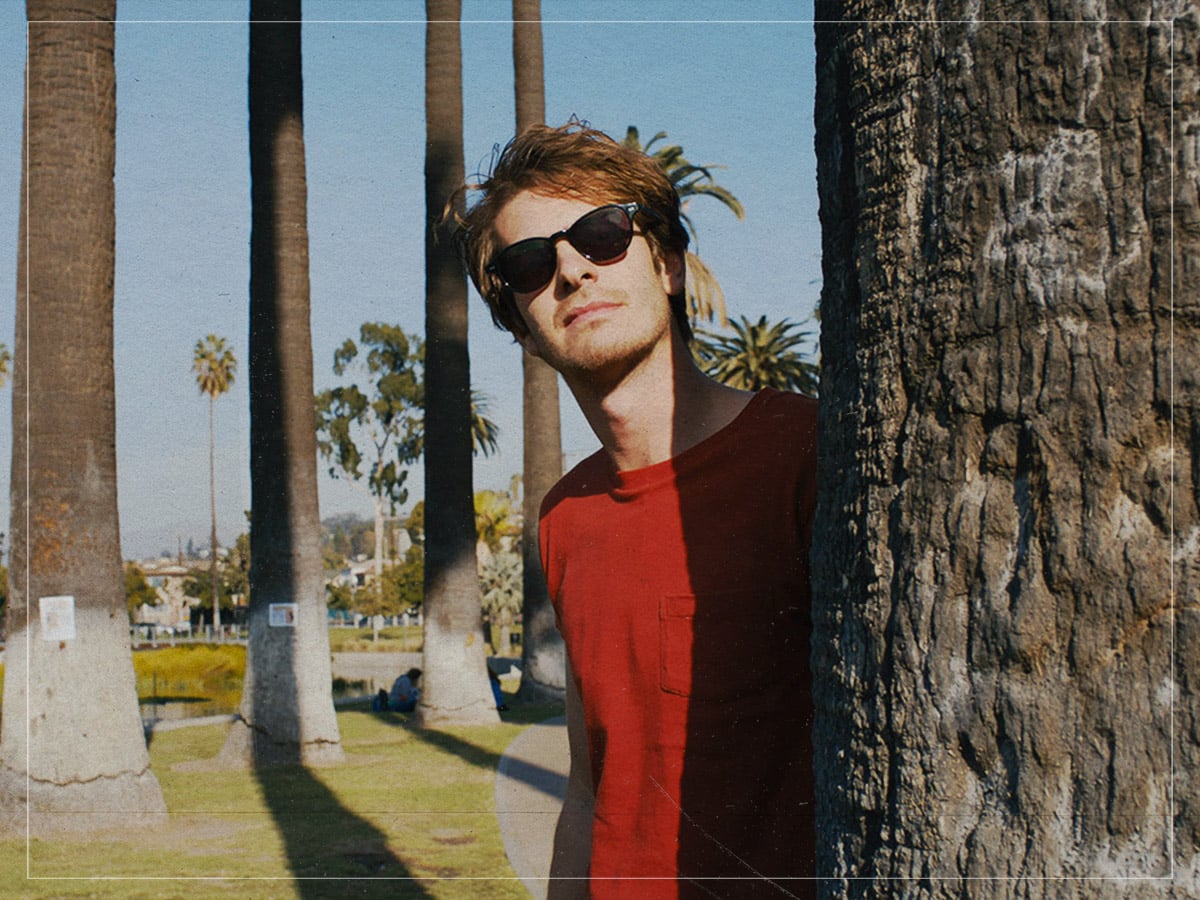
Andrew Garfield is known for being such a nice guy that it’s truly impressive that he was able to transform into a scuzzy, dejected weirdo in David Robert Mitchell’s underseen crime comedy Under the Silver Lake. The film is set in Los Angeles and explores the dark side of the ‘City of Angels’ and Hollywood’s treatment of women in a manner that is similar to Mulholland Drive.
The most Lynchian component of the film is the notion of a spiraling, complex mystery that really serves the purpose of exposing the duplicity of its environment and presenting a series of fantastical situations; this is similar to the investigation into the death of Laura Palmer in Twin Peaks, as Lynch used the MacGuffin of a ruthless killing to examine the various secrets held by the different residents in her home town.
‘Resurrection’ (Bi Gan, 2025)
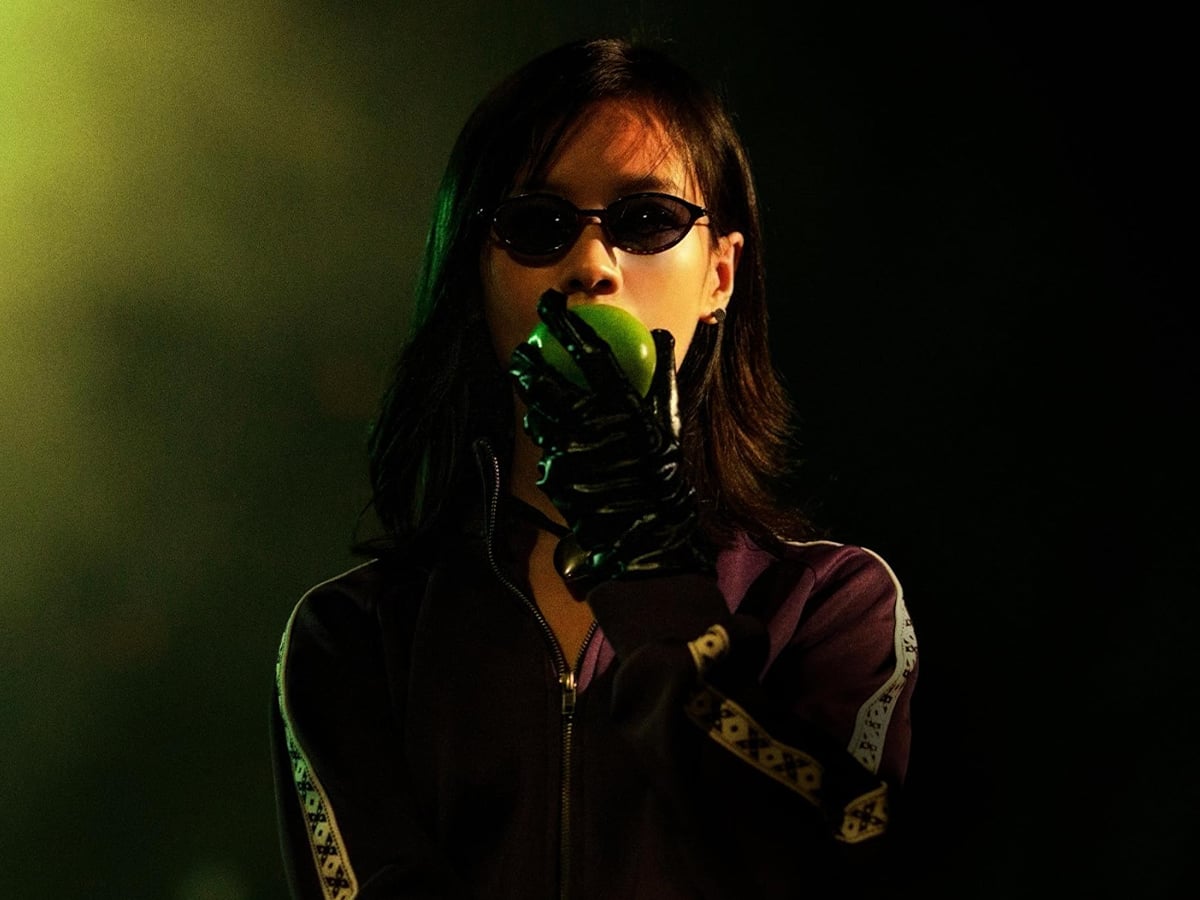
China is responsible for some of the most groundbreaking avant-garde cinema in the world, and Bi Gan’s beguiling masterpiece Resurrection is destined to attract a similar cult following to Lynch’s films because it requires the viewer to pay close attention to pick up on its subtext. Although the narrative of the film is highly complex, it is essentially a love story that explores the evolution of cinema over the course of a century, and makes use of different forms in order to explore how the filmmaking experience is so vital.
Looking back on the gradual maturation of cinema as an art form is something that Lynch began to do more frequently in the latter half of his career, where Inland Empire explored the parasitic relationship that actors had with their work, and Twin Peaks: The Return looked at the birth of the contemporary industry after World War II.
‘Return to Oz’ (Walter Murch, 1982)
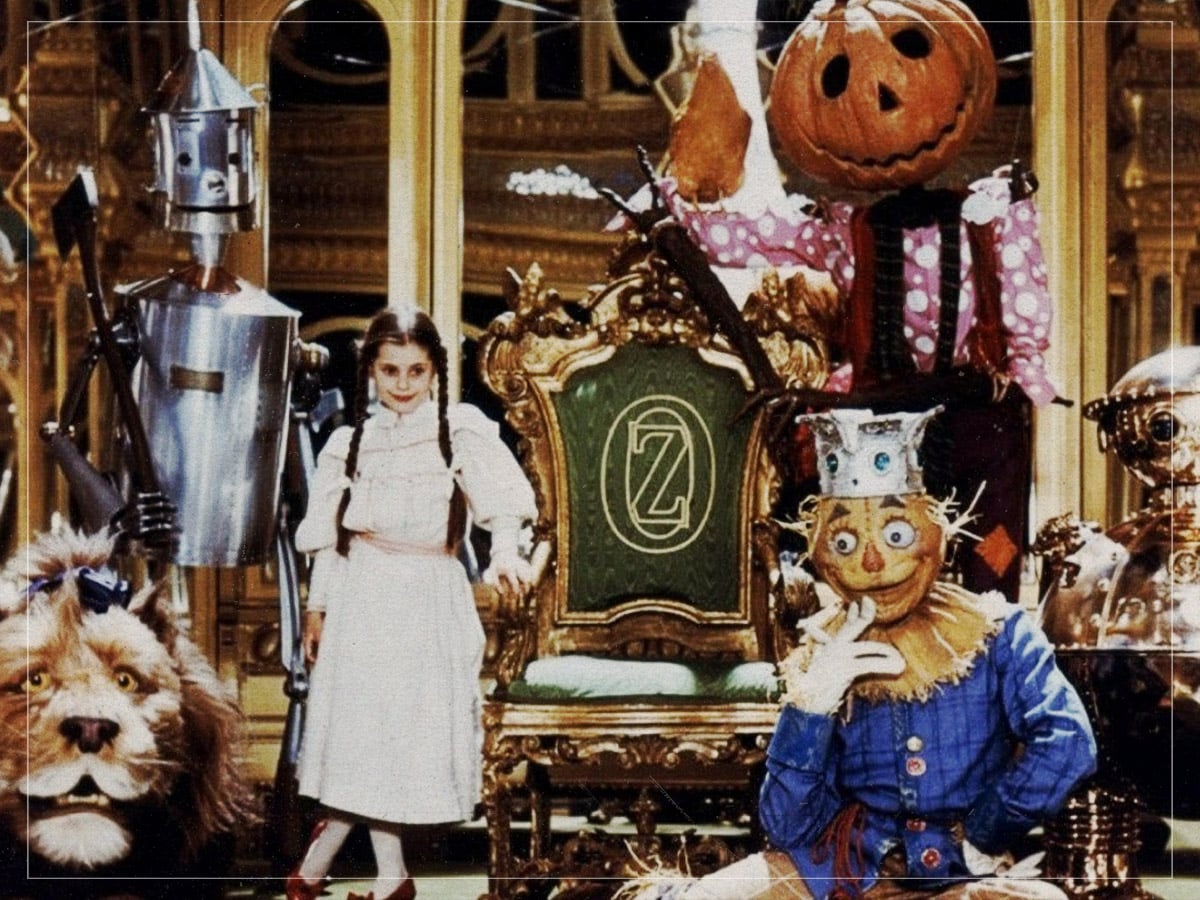
The Wizard of Oz is a film that Lynch has often cited as one of his all-time favourites, as there has even been a documentary called Lynch/Oz that examined the connection, with references to The Wizard of Oz popping up in his work, including the character Dorothy in Blue Velvet and the red slippers in Wild at Heart. Lynch wasn’t the first director to look at the dark themes surrounding The Wizard of Oz, as Walter Murch made one of the most bizarre sequels ever with Return to Oz, which picked up with Dorothy after she had been sent to a psychological institution following her return to Kansas.
Dorothy is positioned as a figure not unlike the female leads in Lynch’s films, as she is transported into a strange and upsetting world when she returns to Oz, only to discover that it has been corrupted since the events of the previous film.
‘Southland Tales’ (Richard Kelly, 2006)
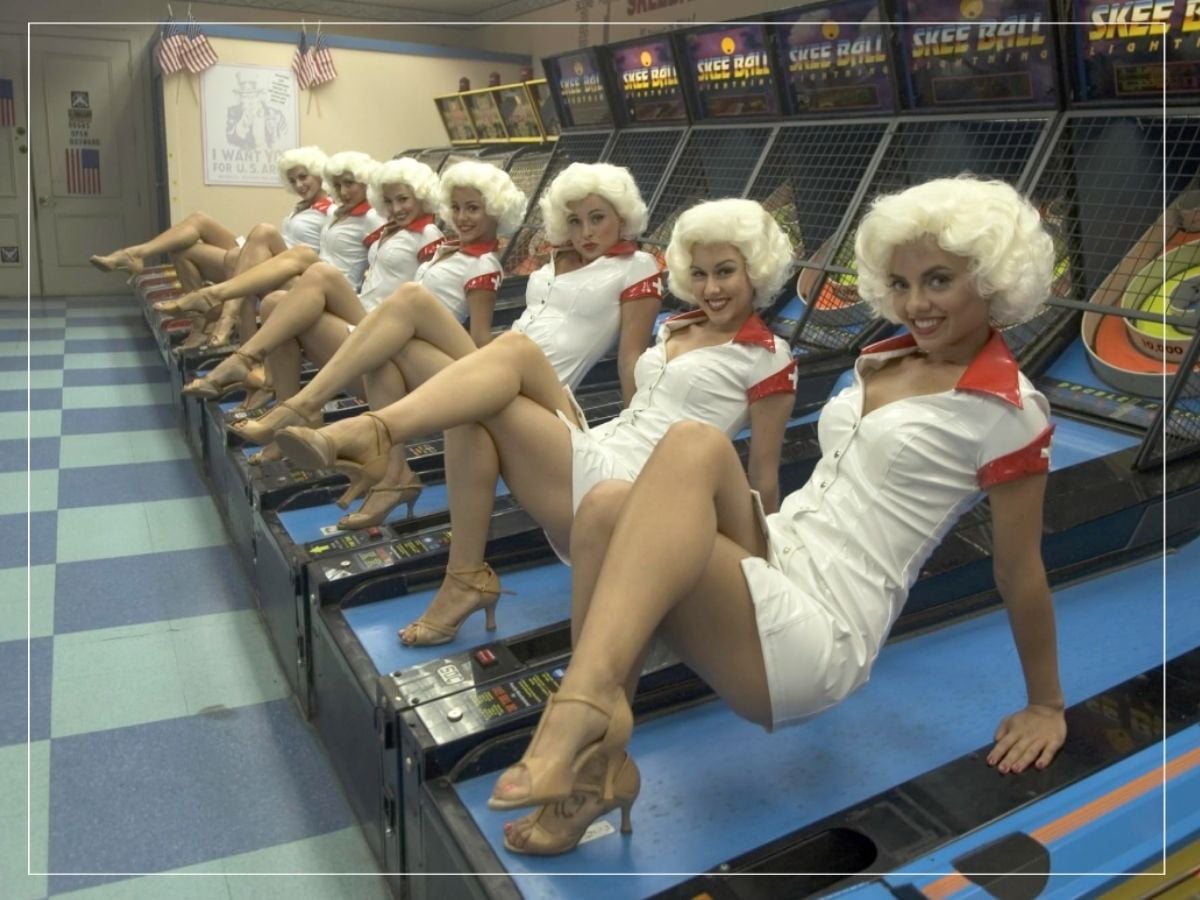
Richard Kelly is a visionary filmmaker who has sadly disappeared because of his subsequent films’ underperformance, but his prophetic masterpiece Southland Tales has proven to be even more relevant in recent years because of the precision with which it predicted the radicalisation of American politics. Lynch often used bizarre comedy and supernatural components in order to peek into the dark side of the American dream, and Kelly adopted a similar technique with Southland Tales by hiring many veterans of Saturday Night Live and examining an alternative version of the 2008 presidential election and the Iraq War.
Lynch has been known to use popular music in a subversive way, and Southland Tales features some very unusual needle drops, including a rather infamous scene in which Justin Timberlake’s character drinks beers and lip-syncs the words to ‘All These Things That I’ve Done’ by The Killers.
‘Universal Soldier: Day of Reckoning’ (John Hyams, 2012)
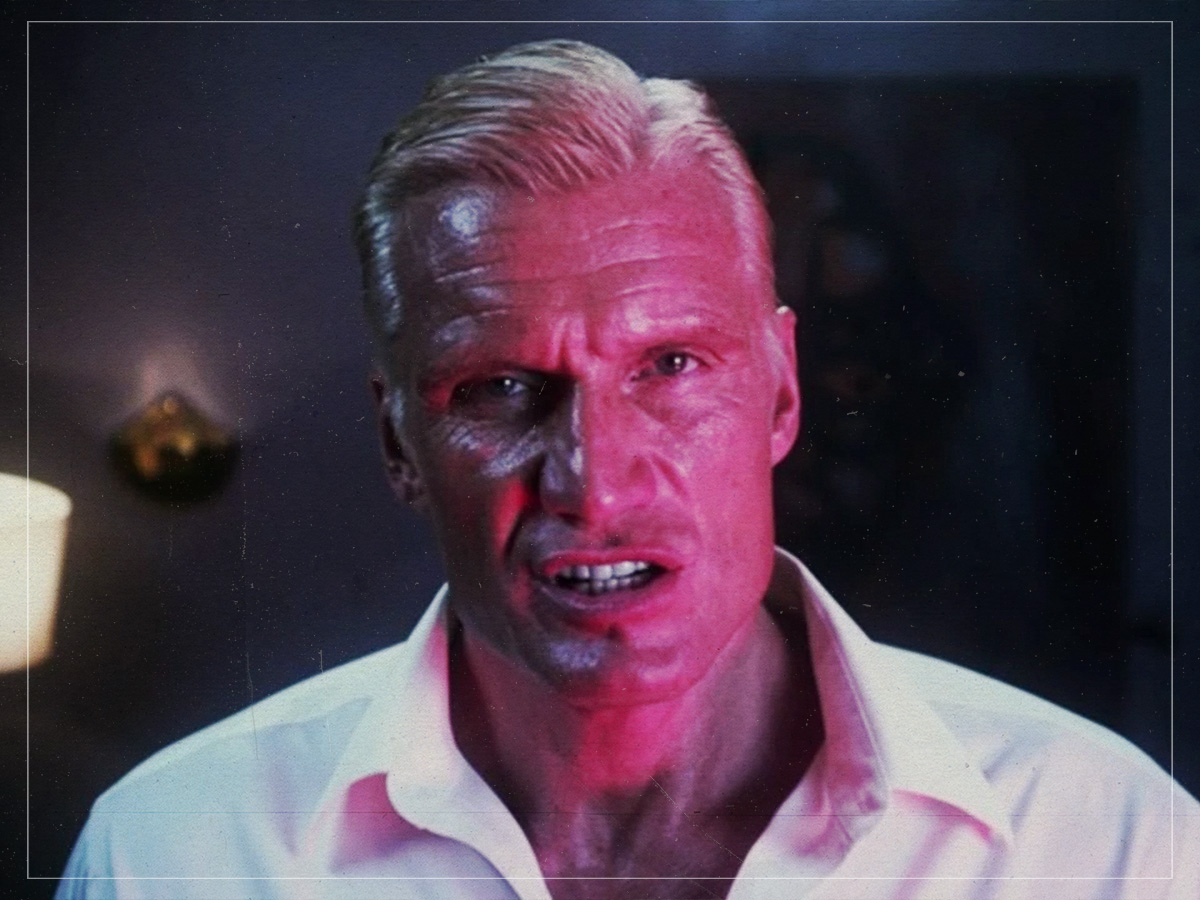
Dolph Lundgren and Jean-Claude Van Damme didn’t do anything special in 1992 when Roland Emmerich recruited them to star in Universal Soldier, a generic science fiction blockbuster, but the franchise surprisingly became a vehicle for experimentation, thanks to the recruitment of director John Hyams, who took a risk on rehiring the two leads when he made 2009’s Universal Soldier: Regeneration.
Hyams’ second outing in the franchise is a bizarre psychological thriller in which the characters from the original film have become part of a psychotic doomsday cult that recruits impressionable, angry young men to be part of their military regime, awash with the idea of corruption and indoctrination, something Lynch tackled in Twin Peaks, and the chilling opening home invasion sequence in Day of Reckoning bears striking parallels to both Blue Velvet and Lost Highway.
‘Lolita’ (Stanley Kubrick, 1962)
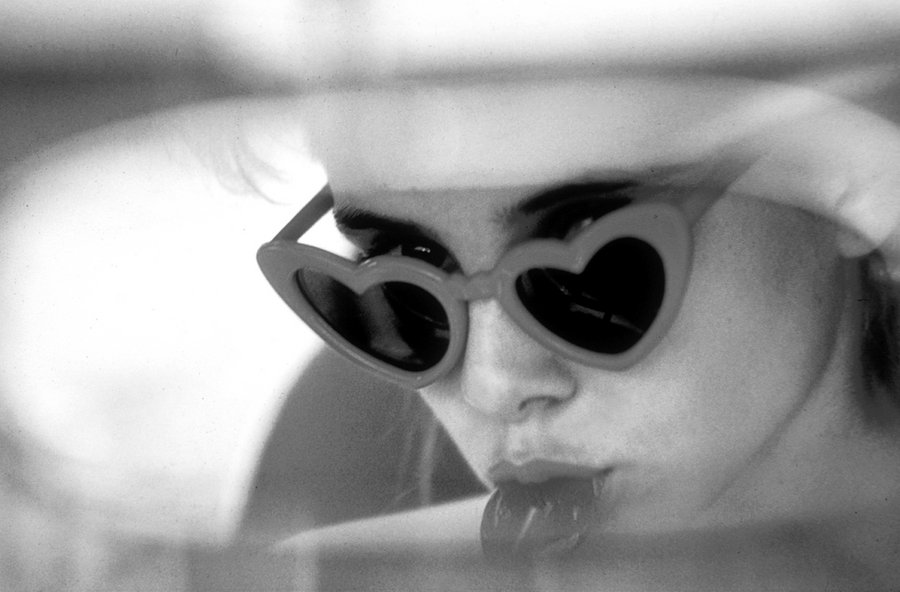
Stanley Kubrick is admired by many directors, including Lynch, and while 2001: A Space Odyssey is often cited as his masterpiece, Lynch made an unusual selection when he stated that his favourite was actually Lolita, the controversial adaptation of the novel of the same name. Lolita invites comparisons to Twin Peaks and Blue Velvet because it examines how evil attempts to ensnare and corrupt young women, but it also examines the bizarre reframing of acclaimed movie stars who are cast against type.
Kubrick made the choice to cast the iconic leading man James Mason as Lolita’s unlikable main character, and Lynch made similar subversive casting choices when he hired Richard Beymer and Russ Tamblyn (best known for their roles in the original West Side Story) to appear in Twin Peaks as two of the town’s shadier characters.
‘Sunset Boulevard’ (Billy Wilder, 1950)
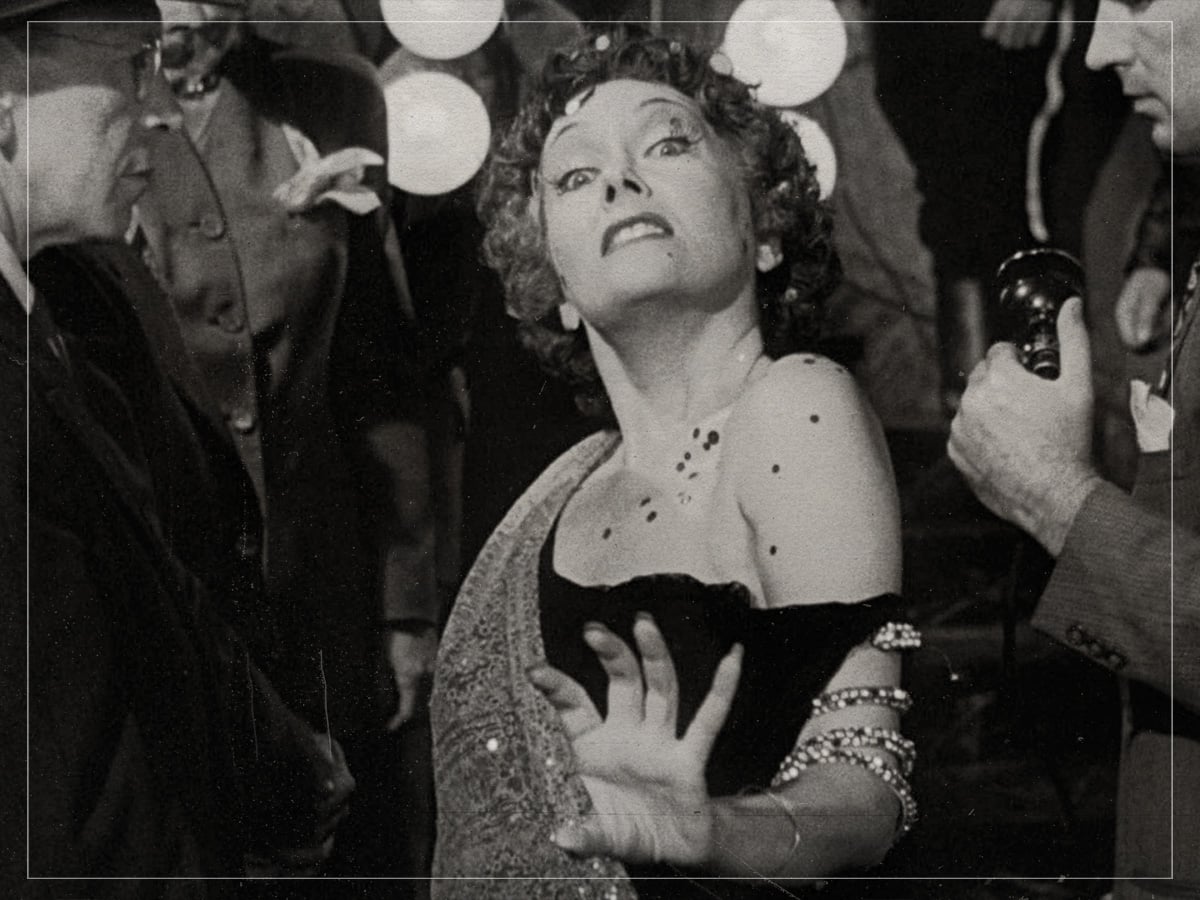
Billy Wilder made the ultimate film about Hollywood with Sunset Boulevard, which is another classic that Lynch has consistently cited as one of his favourite films ever. It’s a mystery noir about the Golden Age of cinema that doubles back to show the dark side of ambition, so it’s not a surprise to know that Lynch was obsessed with it, and why it was considered such a high point in Wilder’s career.
What’s so groundbreaking about Sunset Boulevard is that it is a film that both seems to love what cinema can do and reject the cynicism that is often inherent to the industry, which is something that Lynch has addressed within the way that Naomi Watts’ character is treated in Mulholland Drive, and through the identity crisis that the actor played by Laura Dern suffers in Inland Empire.
‘8½’ (Federico Fellini, 1963)
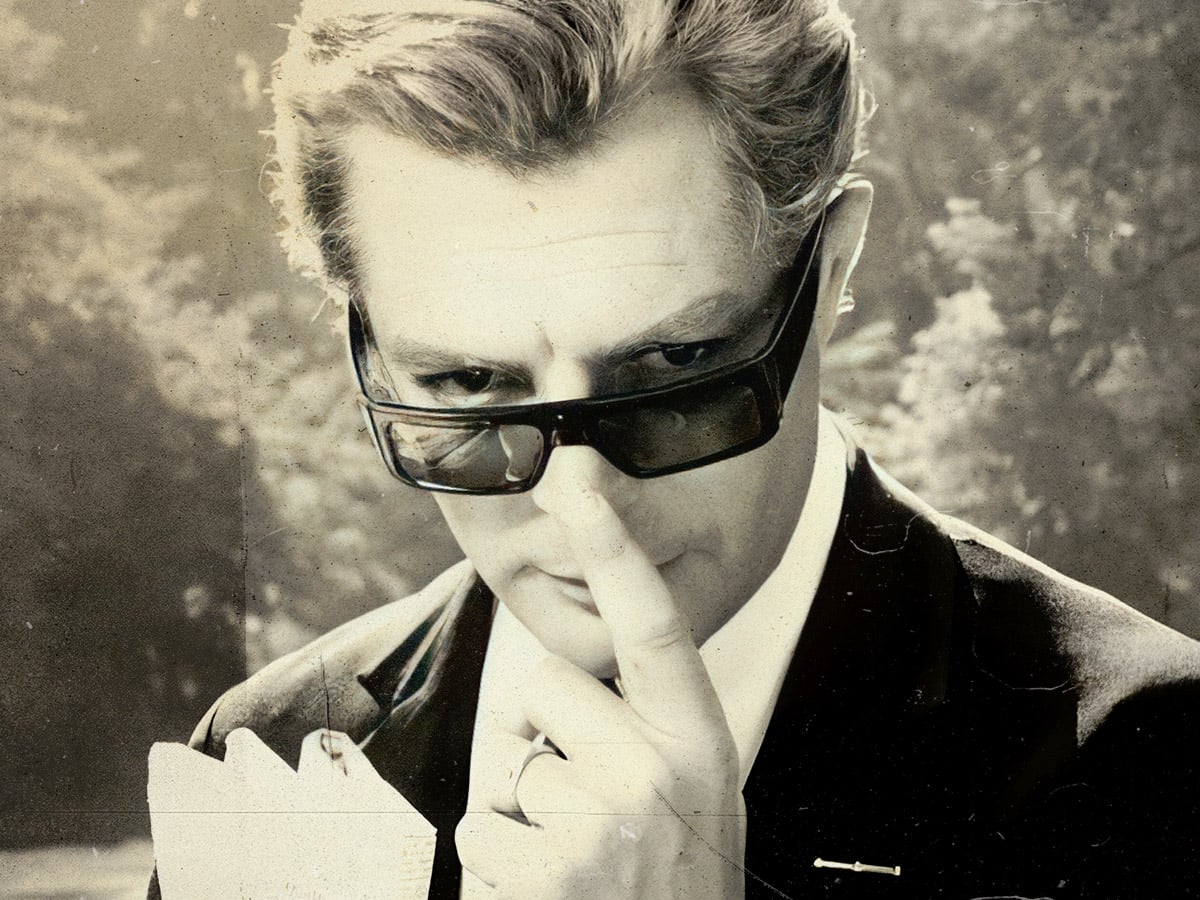
Lynch was one of the few filmmakers on Frederico Fellini level as he too created a whole new cinematic language, which made it impossible to mistake any of his work as being from someone else. Of all of Fellini’s films, Lynch has been most emphatic about his obsession with 8½, which also happens to be the best of the director’s amazing body of work.
8½ is a great film about filmmaking because it is told from the perspective of a director, who serves as a stand-in for Fellini himself. Lynch has shown a similar degree of self-awareness because he has taken on acting roles in many of his films, most memorably appearing as FBI Agent Gordon Cole throughout the run of Twin Peaks, who was boosted to being one of the main characters in Twin Peaks: The Return.
