


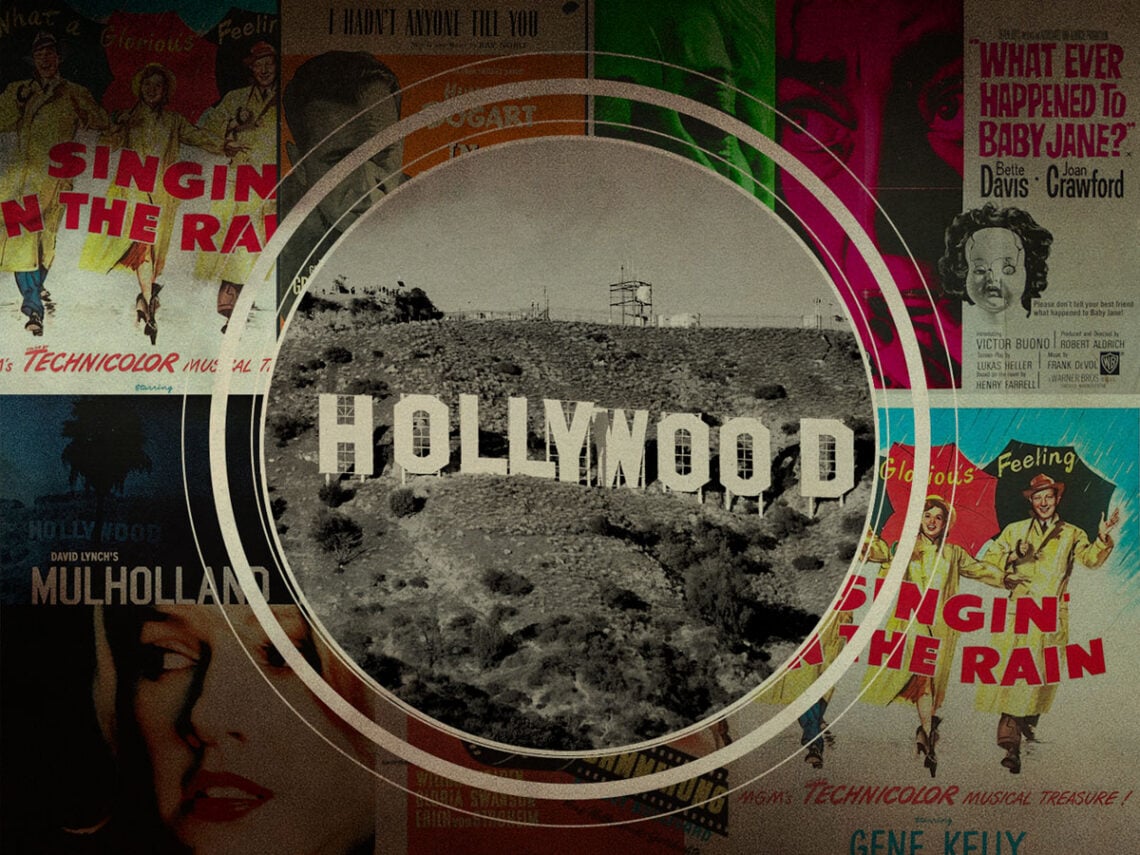
Five great movies set in Hollywood

Hollywood has forever been associated with some kind of unattainable glamour; it’s a goldmine of opportunities as much as it’s a landscape full of tragedy, and it’s no secret that all kinds of dark games go on behind closed doors.
From long-running child exploitation to the casting couch, it’s a messed-up place, but it’s also a monumental vision of those assets that most of us, perhaps deep down, long to possess. Money, fame, excess, it’s all found in there, if you’re lucky, that is, and it’s where many dreams go to die; however, you’ll be hard-pressed to find a film set in Hollywood that doesn’t highlight the corruption that mars its very walls.
Whether it’s the drama of moving from silent cinema to talkies, resulting in conflict and backstabbing, or more pressing issues like individuals taking advantage of those more vulnerable who are willing to do whatever it takes to become successful, cinema about Hollywood is always, to some degree, quite meta.
There have been many great films about filmmaking made throughout cinema history, from French movies like Day for Night and the Italian 8½, but there’s something so specific about a movie set in Hollywood, the epicentre of tragedy and glamour, so here are five great movies set in that iconic world the average person will never truly get to reach.
The five best movies set in Hollywood:
‘In A Lonely Place’ (Nicholas Ray, 1950)
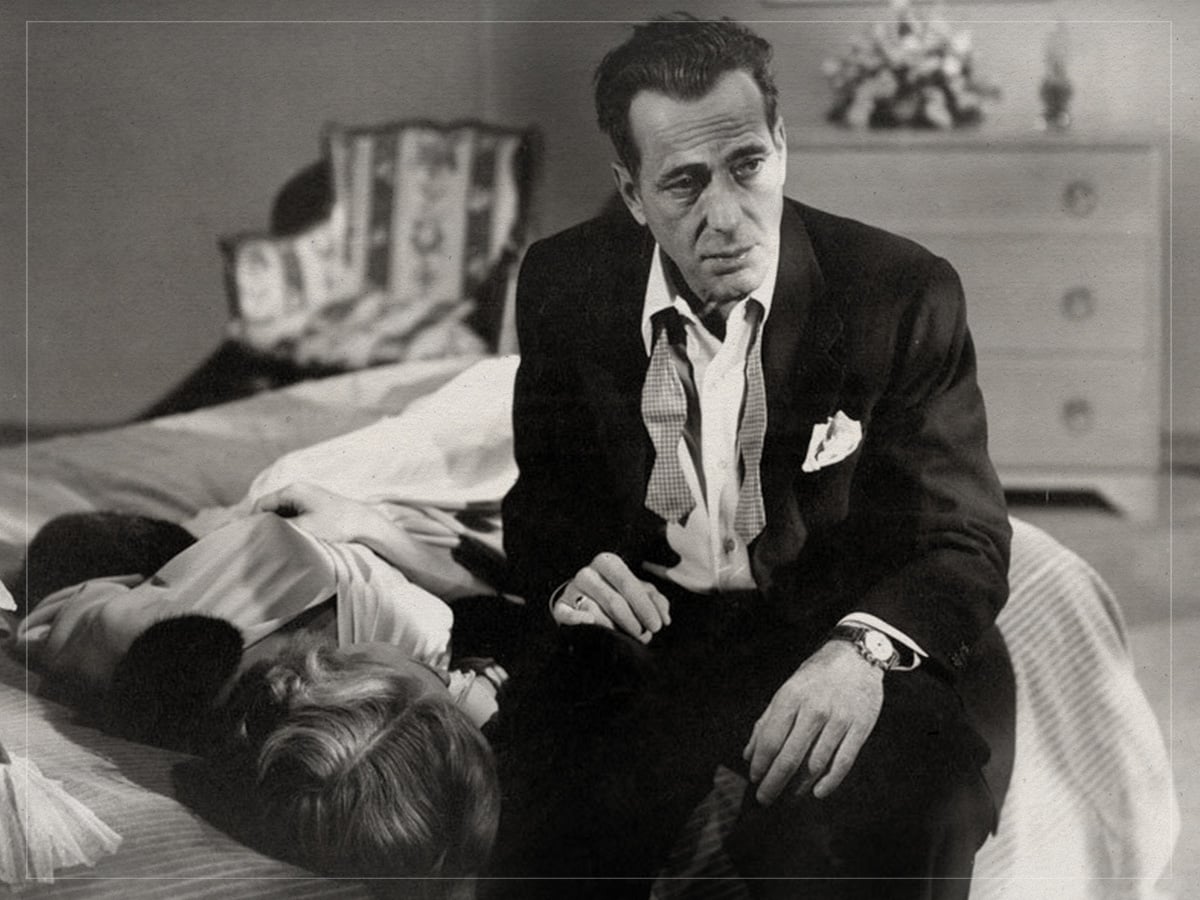
Humphrey Bogart was a classic iconic of Hollywood, a timeless figure of elegance and smoky black and white cinema, so of course, he opted to star in a movie about the industry, appearing in Nicholas Ray’s In A Lonely Place in 1950, alongside Gloria Grahame. Playing a screenwriter accused of murder, Bogart is excellent, becoming increasingly suspicious despite Grahame’s conviction that he is innocent.
Exploring themes of deception and the breakdown of propriety in Hollywood, the film is a noirish masterpiece which uses the location as a vital backdrop. Not only does the film directly comment on the uncertain nature of the industry, but it also uses it as a metaphor for the distinction between truth and fiction, which is sometimes incredibly hard to decipher.
‘Whatever Happened to Baby Jane?’ (Robert Aldrich, 1962)
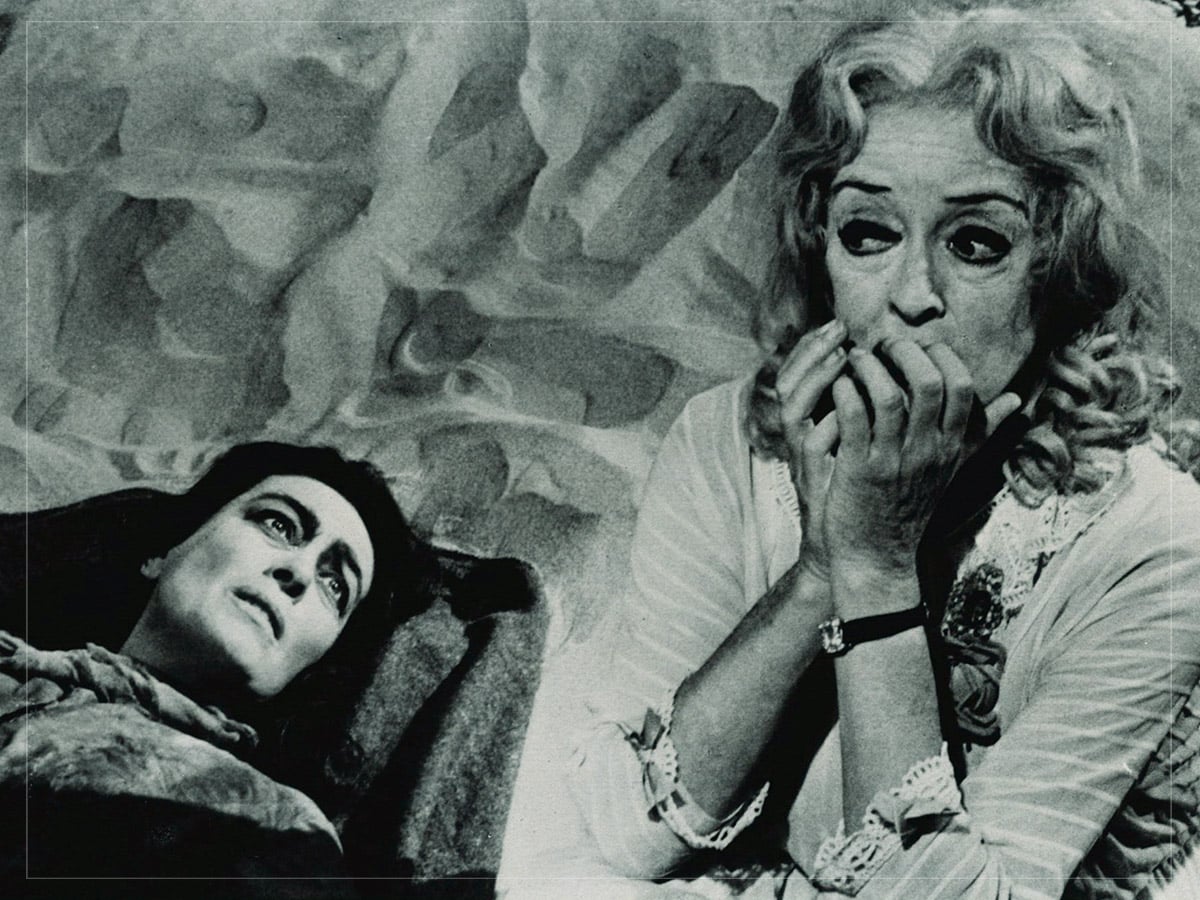
A great Hollywood movie often peels back the curtain on the industry’s cruelty, which is really quite bold when you think about how often studios censor other issues, but filmmakers know best how double-edged Hollywood can be: it’s a factory of dreams and glamour as much as it’s a murky landscape of untrusting people and deception. In that, Whatever Happened to Baby Jane?, released in 1962, saw Robert Aldrich take Lukas Heller’s screenplay and direct it to absolute perfection, crafting one of the greatest psychological horror movies ever made.
While Joan Crawford and Bette Davis would go on to have one of the most infamous feuds in Hollywood history, their performances in the film are faultless, giving us the unforgettable image of Davis looking absolutely deranged, with white face makeup and curly blonde ringlets. Set in a dilapidated Hollywood mansion, the movie sees the two former stars of the silver screen struggle against one another, with Baby Jane being particularly tormenting; it’s incredible.
‘Singin’ in the Rain’ (Stanley Donen and Gene Kelly, 1952)
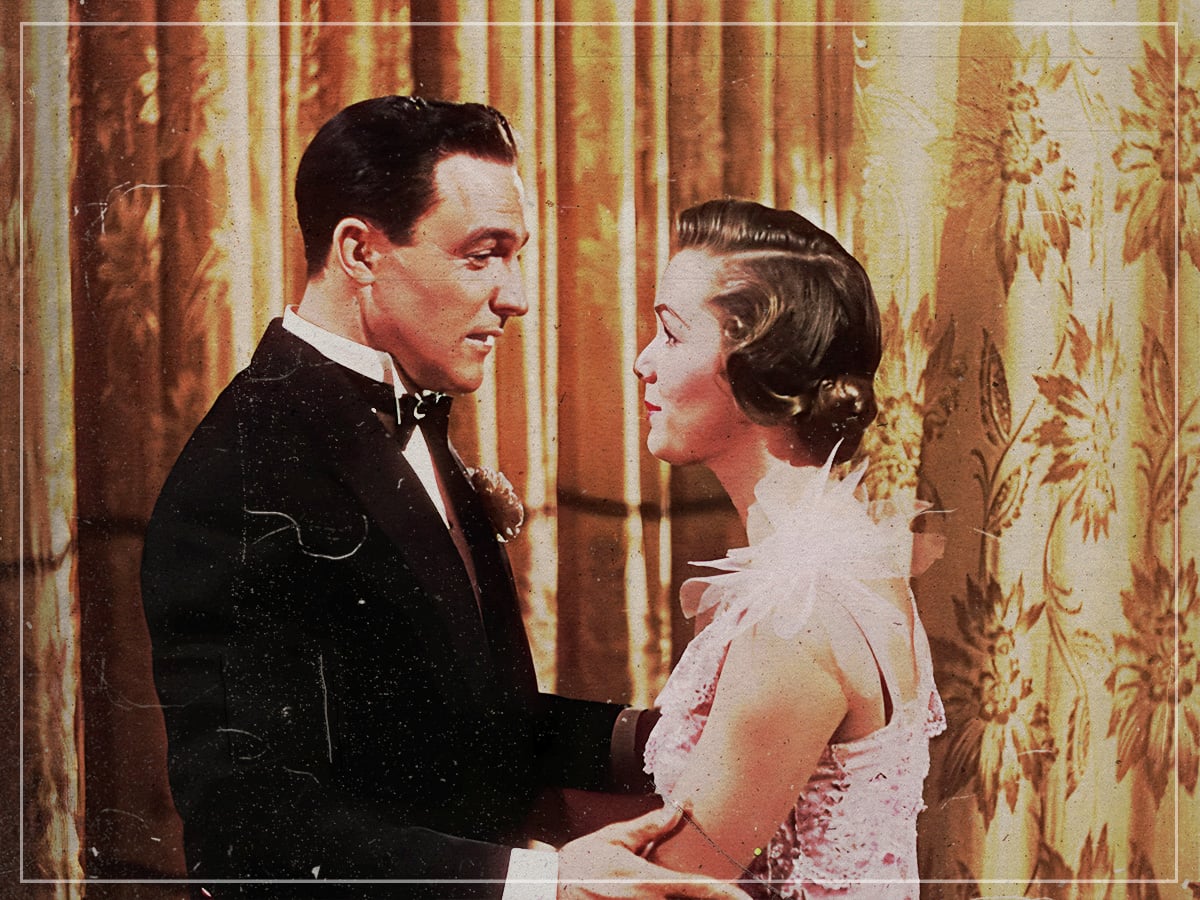
One of the quintessential Hollywood movies is, of course, Singin’ in the Rain, a classic musical which saw Gene Kelly dance around lamp posts without a care in the world, while co-directing it with Stanley Donen. Kelly brings to life Don, a silent movie star who lies about his background, and also plays into romantic rumours between him and his co-star, Lina, whom he can’t stand.
He butts heads with Debbie Reynolds’ Kathy, too, although he soon finds himself performing alongside her, and as the characters struggle to get to grips with the new invention of talkies, various blunders, exhilarating dance routines, romantic moments, and meta commentary collide. Singin’ in the Rain doesn’t hide the fact that it’s a movie about movies, but leans into this reflexive lens and revels in it with a song and a dance, acknowledging the fabrications and drama that operate within Hollywood while managing to be just as entertaining.
‘Sunset Boulevard’ (Billy Wilder, 1950)
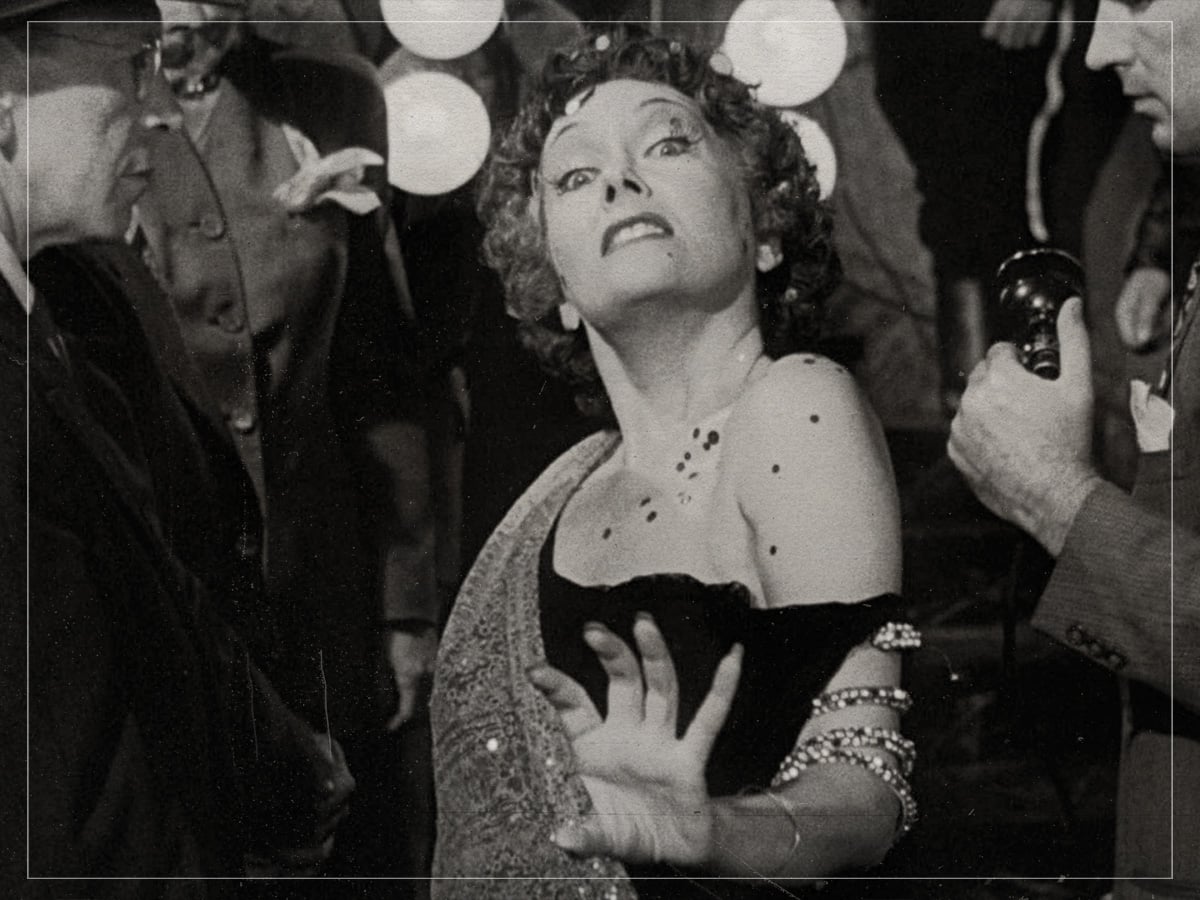
They say to write what you know, and as a master of witty and clever screenplays and directing terrific Hollywood movies, it was only fitting that Billy Wilder would soon turn his lens to the film industry, and Sunset Boulevard is one of his most indelible. Like Singin’ in the Rain, Wilder explored a silent star’s struggles to get to grips with the new way of cinema, with screenwriter Joe, played by William Holden, finding himself dragged deep into the actor’s messed-up world.
Gloria Swanson gives an incredible performance, with her casting perfect, having spent years of her life performing in silent movies when she was young, and while her cinematic career had slowed down during the 1930s and 1940s, when Wilder brought her back for his 1950 movie, it was clear that there couldn’t have been a better choice for Norma Desmond. Additionally, Sunset Boulevard served as a huge inspiration for David Lynch, who certainly drew from it when making his similarly Hollywood-street-named Mulholland Drive.
‘Mulholland Drive’ (David Lynch, 2001)
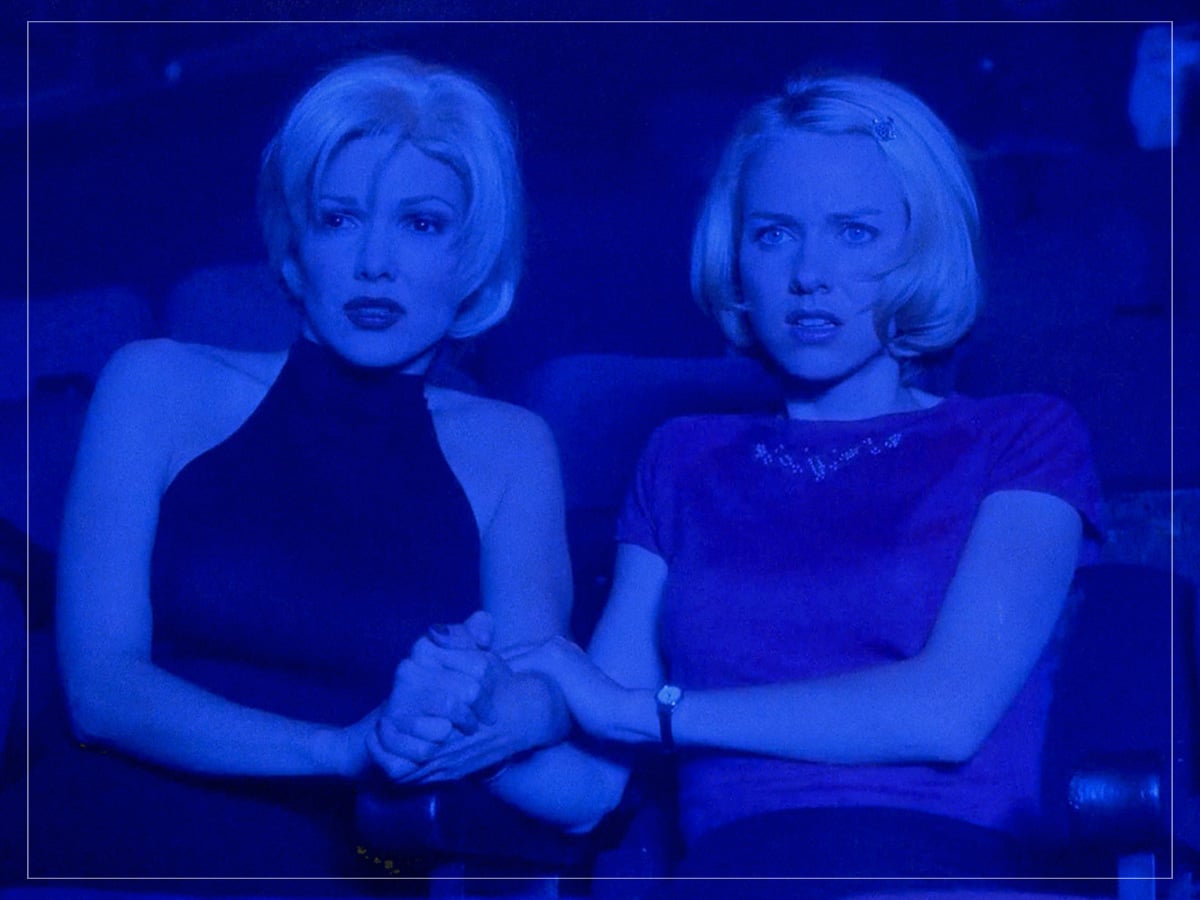
David Lynch made several movies set in Hollywood, like Lost Highway and Inland Empire, but it’s Mulholland Drive which stands out as his greatest achievement, truly capturing the tragedy that has long surrounded such a darkly glamorous world, using dual identities and a blurring of dreams, nightmares, and reality to evoke a landscape of both seduction and pain, where corruption can be found among the bright lights, and darkness lingers in the not-so-distant hills.
Naomi Watts stars as a budding ingenue, Betty, who comes to Hollywood, where she meets the mysterious amnesia-ridden femme fatale Rita, and through her, we get access to auditions, film sets, and swanky Hollywood homes, all nicely contrasted by tormenting images, like the person outside of the diner and a dead body in the bed. In playing with Hollywood archetypes, Lynch crafted a tale that was equally beautiful and harrowing, a perfect emulation of life in the industry.
