


Once and never again: five great directors who made one horror movie

These days, horror is becoming one of the easiest routes to fall into the industry, which is interesting considering the historical disregard for the genre from many prestigious institutions.
It has worked for many of the most popular filmmakers of the current era, like Robert Eggers, Ari Aster, Julia Ducournau, and Jordan Peele, all of whom have made more than one film in the genre, finding themselves right at home on the spookier side of Hollywood. For other directors, it only worked for them once, and despite making a great addition to the ever-expanding umbrella, they never returned to it for reasons unknown.
It’s a tragedy in some cases, because why did we only get one Stanley Kubrick horror film when The Shining was that good, and Quentin Tarantino has surely seen enough horror movies in his life to warrant making something even scarier than Death Proof?
There’s always a risk of being stereotyped as a horror director, even when you do much more than that, as demonstrated by the likes of Tobe Hooper and John Carpenter (although the latter has action also pretty solidly nailed). Still, it’s just not always meant to be, and one horror movie under the belt is sometimes enough.
Five great directors who made only one horror movie:
Charles Laughton
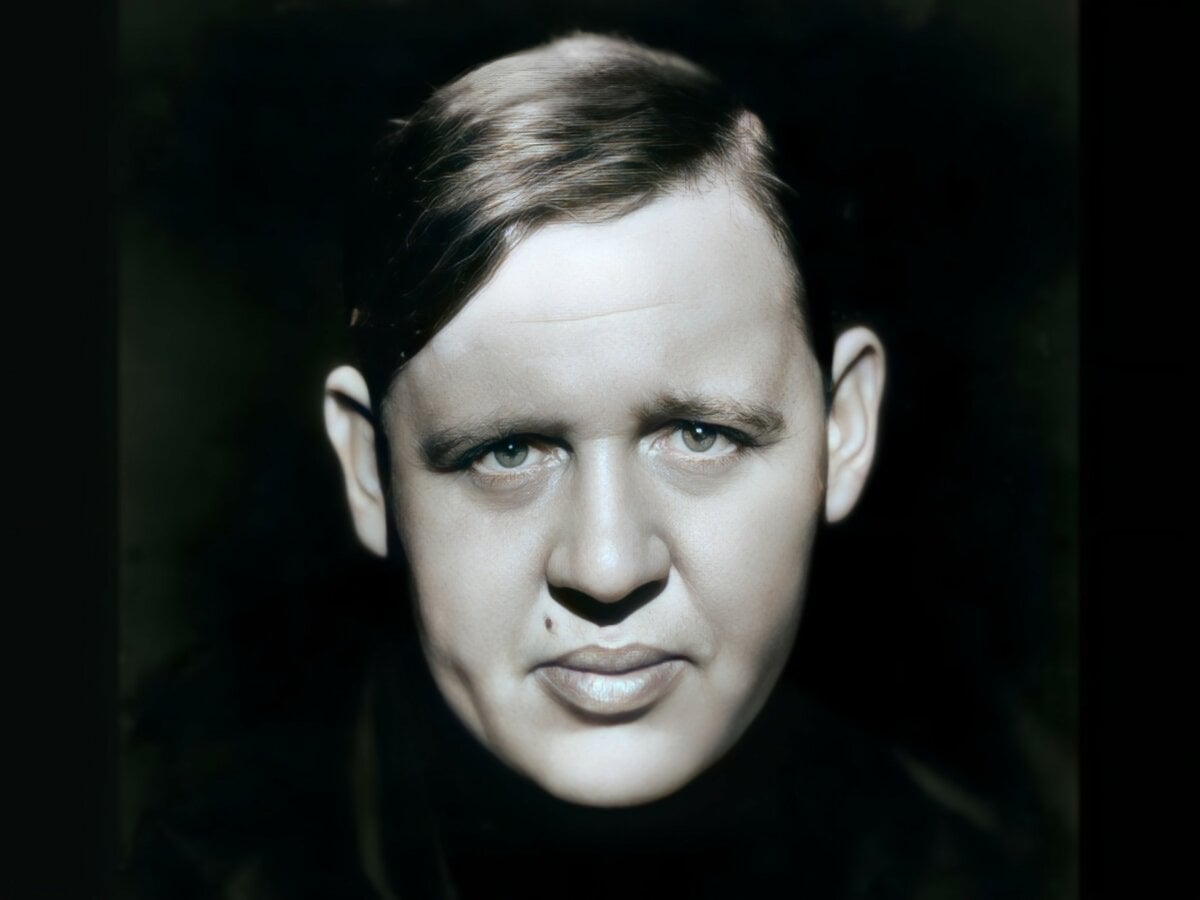
I might be slightly cheating here, because Charles Laughton didn’t just make one horror movie in his career, but one movie full stop, and what he made was a masterpiece that left fans wondering why he didn’t release anything else.
Released in 1955, The Night of the Hunter had Robert Mitchum in the lead, playing the violent serial killer Harry Powell, a real person; it’s always scarier when you know that what you’re watching is based on true events, and Laughton’s film is no exception.
The actor made his directorial debut with the movie, expressing a real knack for poetic storytelling that has gone on to inspire generations of filmmakers (the movie was even pivotal in shaping a scene from Spike Lee’s Do the Right Thing). Why he didn’t return to the director’s chair to make another movie, especially a horror film, is one of Hollywood’s greatest mysteries and losses.
Quentin Tarantino

Most Quentin Tarantino fans will tell you that Death Proof, his 2007 interpretation of a slasher made as part of Grindhouse alongside Robert Rodriguez’s Planet Terror, is his worst movie, and I’ll tell you that those people just don’t know how to have fun.
With Kurt Russell delivering a stellar performance as Stuntman Mike, a mysterious figure who stalks some young women before tearing them to pieces with his car, Death Proof is an homage to vintage horror, albeit with an excess of foot shots.
It might not be as strong as Pulp Fiction or Inglorious Basterds, but you can’t deny the thrill of those final 20 minutes, and it’s also the only thing Tarantino has ever made that you could consider a horror movie, and he has never returned to the genre since. As a horror lover, you’d think he’d want to give it another go, but at the rate Tarantino’s supposed final film is going, it seems unlikely that we’ll ever get another terror vehicle from him, even though his style suits the genre perfectly.
Robert Altman
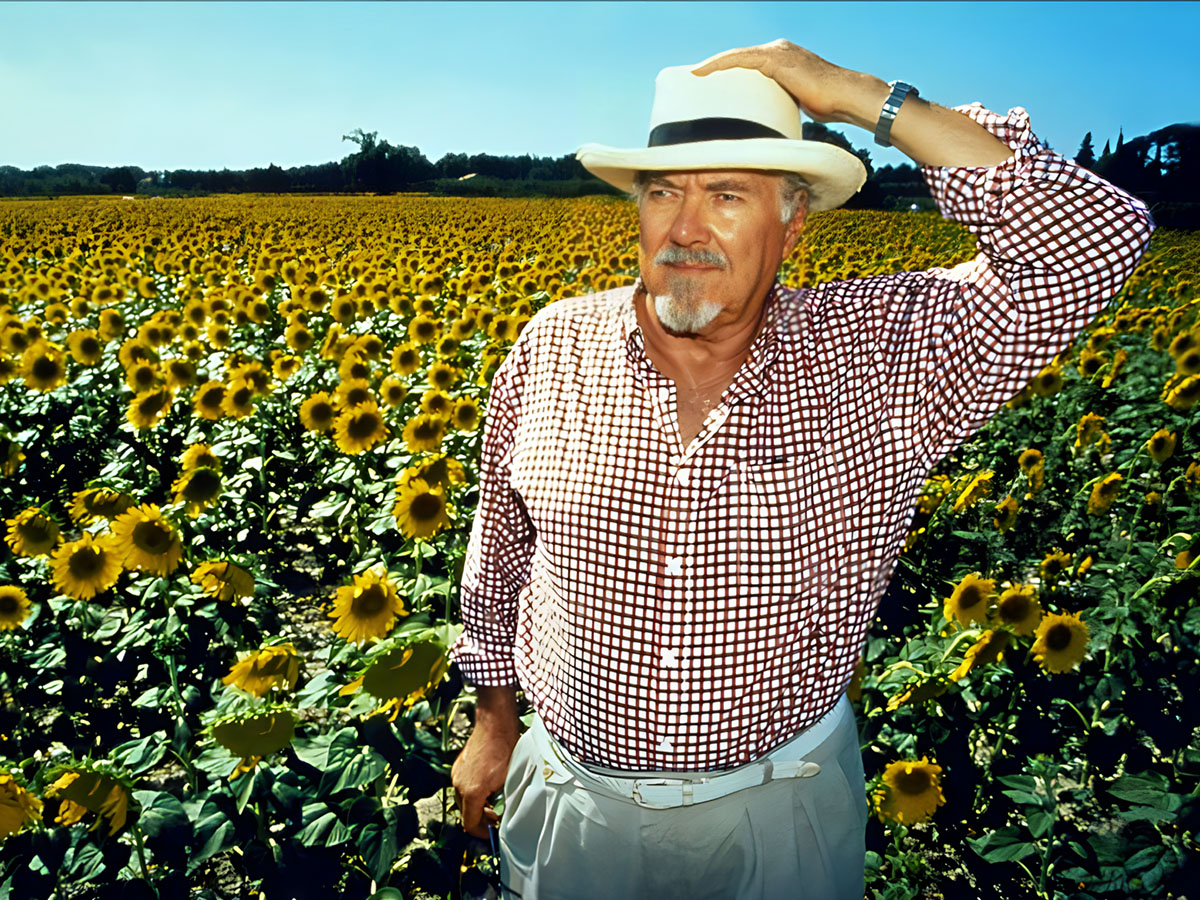
Few filmmakers had such a sway over the 1960s and beyond as Robert Altman, who made some truly iconic works of cinema during his time, spanning Nashville and 3 Women to Popeye and Gosford Park, but it was Images, released in 1972, which stands as his only proper attempt at a horror movie.
Starring Susannah York as an author who starts to lose her grip on reality while staying in a remote village, the movie draws influence from the burgeoning folk horror genre that was becoming particularly popular at the time.
It’s a fantastic film which only helped to cement Altman as one of the masters of his craft, but following its release, he ditched scary movies in favour of more psychologically-focused ones. 3 Women has the unsettling air of a horror film, for example, but it doesn’t dig into the genre like Images, which was arguably his scariest piece of work.
Martin Scorsese

When you think of Martin Scorsese, gangsters with thick New York accents come to mind, terrifying you with their cold glances and vitriolic wit, and not vampires or monsters.
Horror isn’t exactly Scorsese’s forté, preferring to dig into the psychological elements of someone’s mind (which can be just as scary), but in 1991, he made Cape Fear, which many consider to be his attempt at a horror film; it is rather horrifying, after all.
Based on the original 1962 film, Scorsese presents us with a true monster, Robert De Niro’s Max, a violent rapist. Despite the success of Cape Fear, which was, at the time, his biggest box office success to date, Scorsese has never dipped his toes into the murky, blood-stained world of horror again; however, you could argue that the behaviour of Jordan Belfort and his cohort in The Wolf of Wall Street comes pretty close.
Stanley Kubrick

It’s not hard to argue that many of Stanley Kubrick’s films are horrific, from the grooming pedophilia of Lolita to the brutal crimes committed in A Clockwork Orange and the terrifying masked orgy in Eyes Wide Shut, but The Shining was his only true commitment to the genre.
The filmmaker certainly knew how to make a good movie, no matter the bracket he was thrust into, and following the success of Brian De Palma’s Carrie, adapted from the Stephen King novel, Kubrick tried his hand at bringing one of his stories to life, too.
The movie, with its incredibly eerie soundtrack courtesy of Wendy Carlos, and haunting performances from an unhinged Jack Nicholson and a petrified (and overworked) Shelley Duvall, is understandably one of his most popular works. Indelible movie moments have come from The Shining, from some blue-frocked twins to a blood-spilling elevator, but it would be the only time Kubrick would try his hand at the genre outright.

Never Miss A Take
The Far Out Quentin Tarantino Newsletter
All the latest Quentin Tarantino content from the independent voice of culture.
Straight to your inbox.