


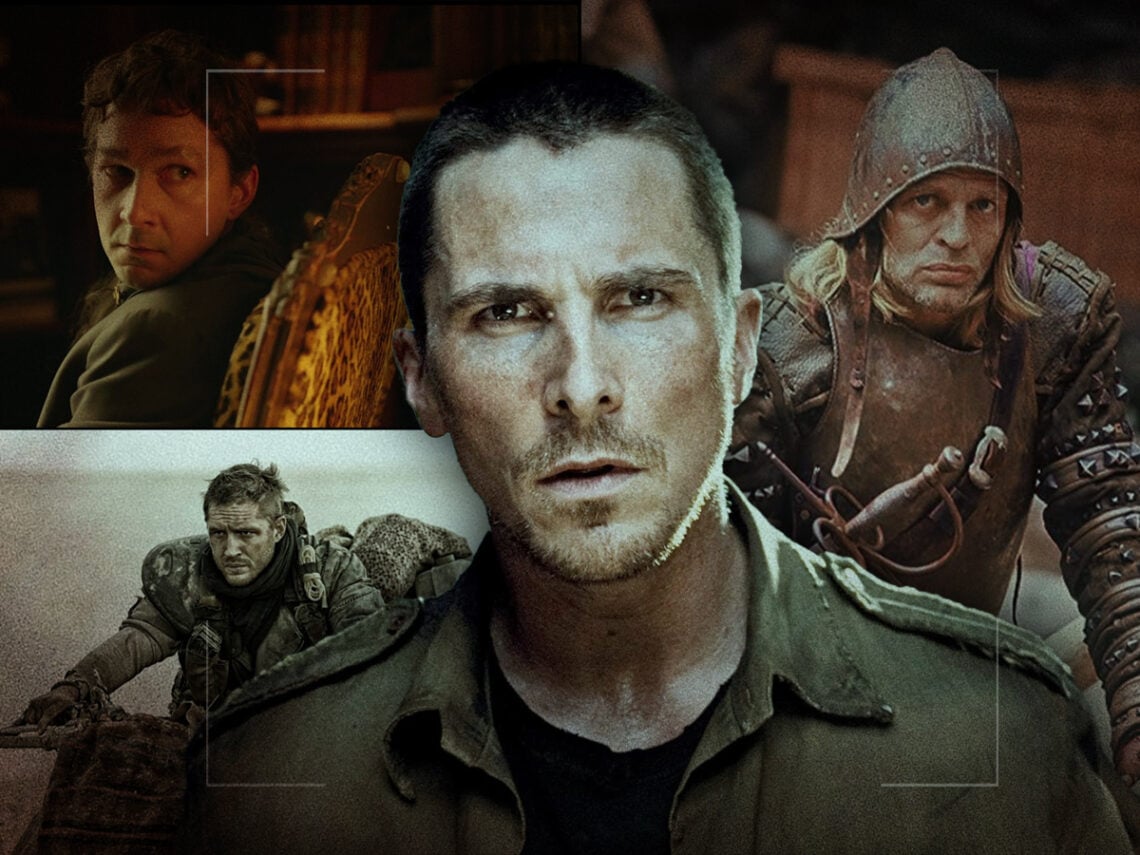
The 10 most infamous behind-the-scenes meltdowns in Hollywood history

If there is one thing that is in abundance in Hollywood, it’s drama.
Hollywood has never offered opportunities for the faint of heart, as making films is a gruelling endeavour that isn’t always instantaneously rewarding. It’s hard for those who haven’t worked in the business to understand just how much goes into every minor decision on set. While there’s always going to be some sort of backlash that emerges after a film is released, the fact that one is completed is itself a victory.
There are some films viewed as all-time classics that were nearly ground to a halt because of all the complications involved in their production. There’s ego to spare in the industry, as most on-set clashes result from conflicting voices. Directors, writers, studio executives, and actors all have specific ideas in mind for what they imagine the end result might look like, and the battle for creative control can span far beyond what goes down during filming. Blade Runner went through multiple edits as a result of Ridley Scott’s disputes with Warner Bros over the final cut, and the ongoing saga of It Ends With Us involving Blake Lively, Justin Baldoni, and Ryan Reynolds seems doomed to last forever.
However, at times, breaking points are reached when any semblance of professionalism is thrown out the window. Even though there are likely many people to blame in most of these situations, one participant in the production is always tinged with the reputation of having gone too far.
10 most infamous behind-the-scenes meltdowns in Hollywood:
Tom Hardy – ‘Mad Max: Fury Road’ (George Miller, 2015)
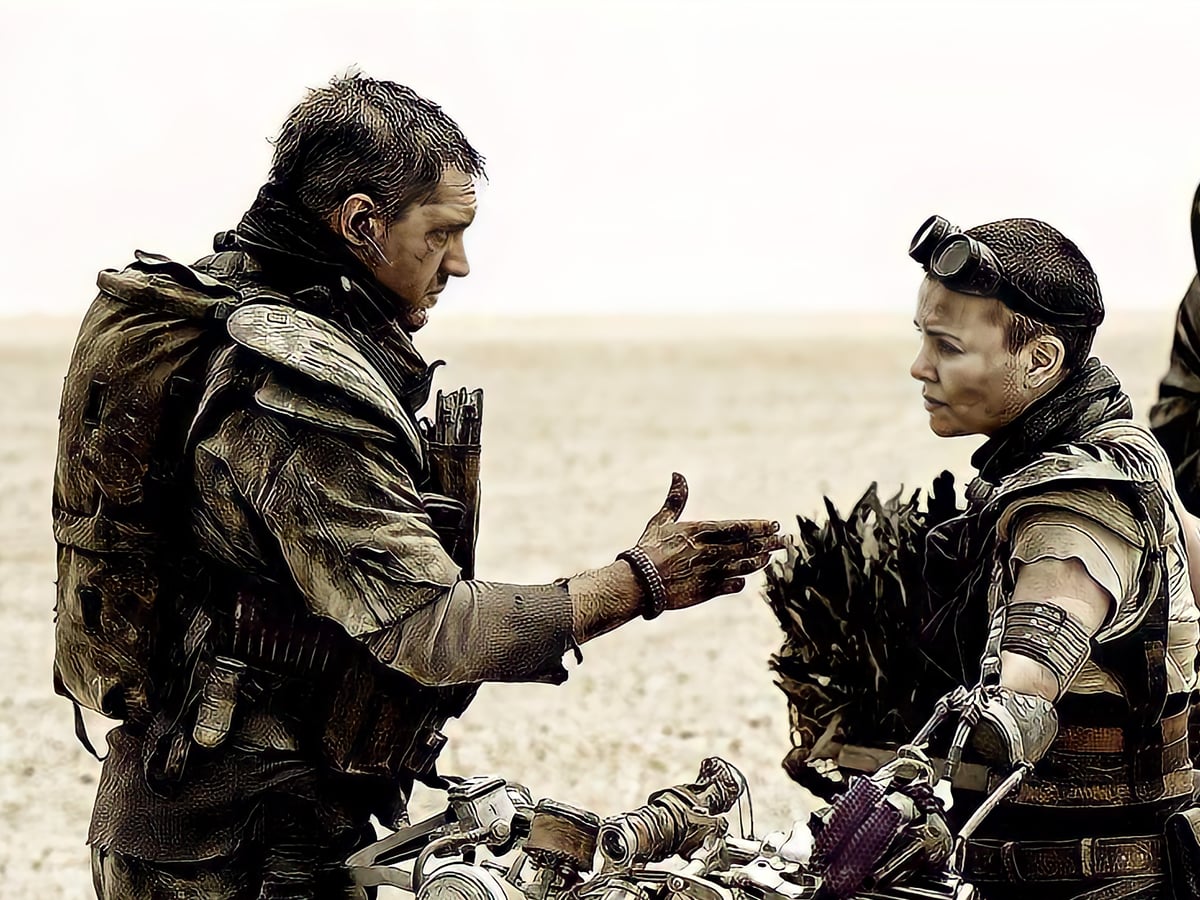
Tom Hardy has seen his reputation crater recently as more reports have come out about his on-set behaviour. He’s never been associated with any sort of abuse scandals, but Hardy has been known to be uncooperative and dismissive, which has made some productions even more dramatic than they needed to be. Mad Max: Fury Road was a gruelling shoot that spent decades in development hell before it began a laborious desert shoot, in which Hardy frequently questioned George Miller’s direction and feuded with Charlize Theron.
Despite the immense budget needed to pull off Miller’s vision, Hardy would remain in his trailer, showing up late, sometimes staying behind just to play video games, and it says a lot about how bad things got with him that, in comparison, Mel Gibson was the Mad Max actor who was considered easier to work with.
Dustin Hoffman – ‘Kramer vs Kramer’ (Robert Benton, 1979)
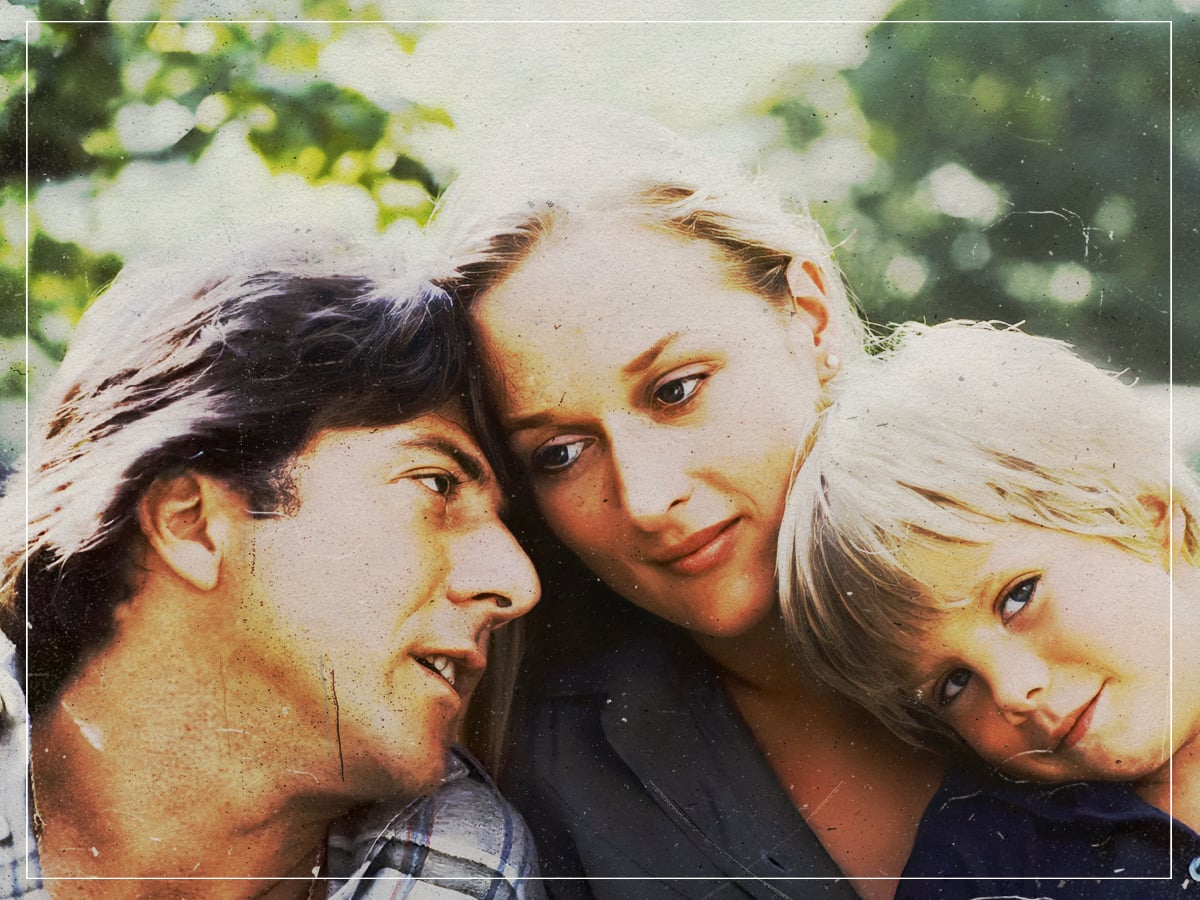
Dustin Hoffman and Meryl Streep played a divorcing couple in Kramer vs Kramer, and their on-set relationship was just as hostile as it was in the finished film. The feud started when Streep attempted to bring script amendments to director Robert Benton on how to flesh out her character, only for Hoffman to scream at her. The tension reached a boiling point during the filming of an argument scene in which Hoffman slapped Streep for real in an unscripted moment. The film was released to great success and won both actors their first Oscars, but they haven’t shown any signs of reconciliation since.
Although Hoffman’s past misdeeds have been called into question in recent years, he has yet to make any formal apology, even though Streep has clearly recalled the incident and mentioned being “terrified” by her older and more powerful co-star.
Shia LaBeouf – ‘Megalopolis’ (Francis Ford Coppola, 2024)
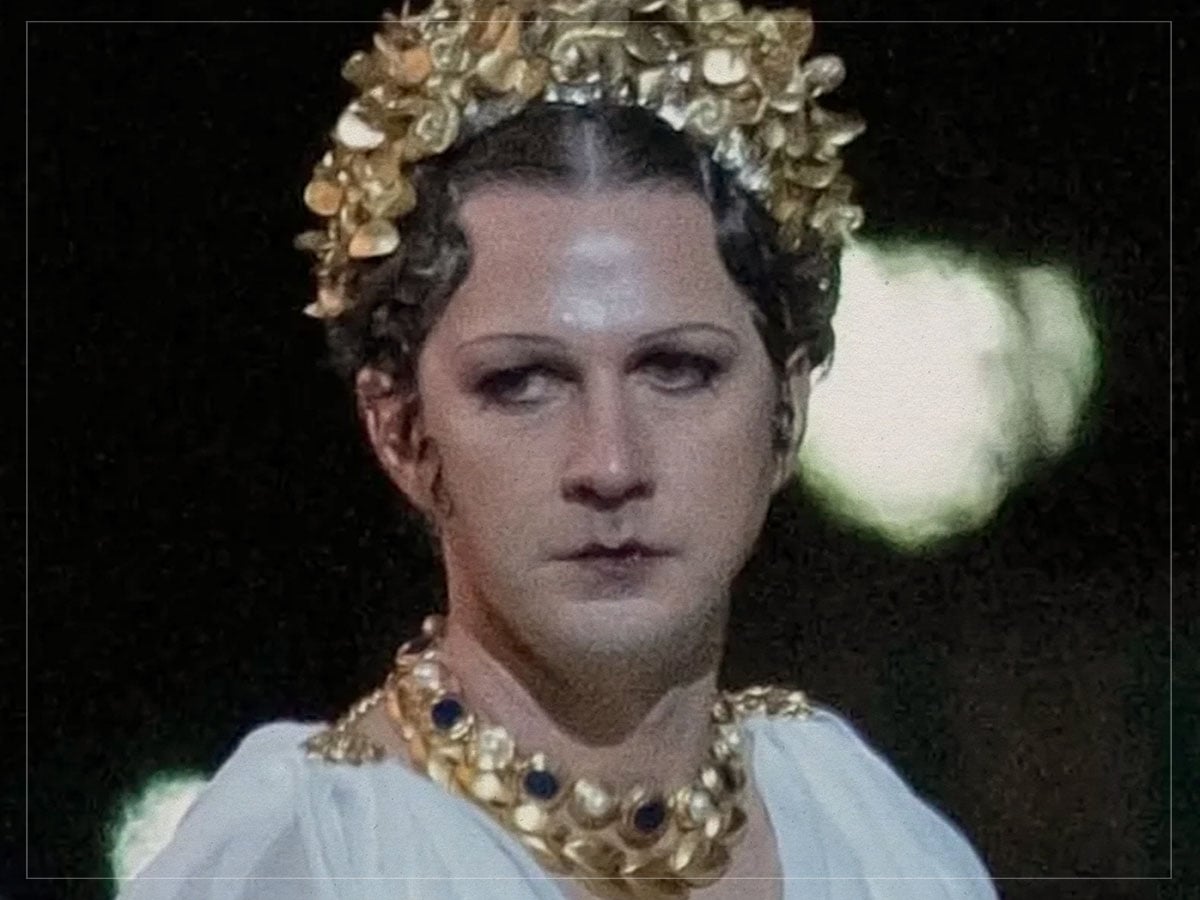
Francis Ford Coppola has claimed that Shia LaBeouf is the most difficult actor he has ever worked with, which is no small statement considering that he’s directed Marlon Brando, James Caan, Vincent Gallo, Mickey Rourke, and Jon Voight. Coppola had aimed to cast ‘cancelled’ actors in Megalopolis in order to fit in with the film’s themes, but LaBeouf consistently questioned his director and was uncooperative.
The behind-the-scenes exploration of the bizarre production was captured by the filmmaker Mike Figgis in the documentary Megadoc, which paints a fairly positive portrayal of some actors, such as Adam Driver and Aubrey Plaza, who seemed to be confused as to what exactly Coppola had in mind, but LaBeouf comes across as a temperamental, pretentious jerk who put extra pressure on a film that was already collapsing as it was being made.
David O Russell – ‘I Heart Huckabees’ (David O Russell, 2004)

David O Russell has the most toxic reputation of nearly any filmmaker who is currently working, as he has somehow survived ‘cancellation’ in a way that Bryan Singer, Brett Ratner, and Kevin Spacey have not. Although O Russell’s maliciousness was first reported on the set of Three Kings, in which he got into a fight with George Clooney after mistreating extras, he stooped to a new low during the making of I Heart Huckabees when he started screaming at Lily Tomlin. The exchange was filmed and went viral, but actors still seemed willing to work with O Russell.
He allegedly mistreated Amy Adams in a similar way on the set of American Hustle, abandoned the production of the romantic comedy Accidental Love in the midst of production, and has already been in hot water due to racially insensitive comments made during his upcoming film Madden.
John Boorman – ‘Deliverance’ (John Boorman, 1972)
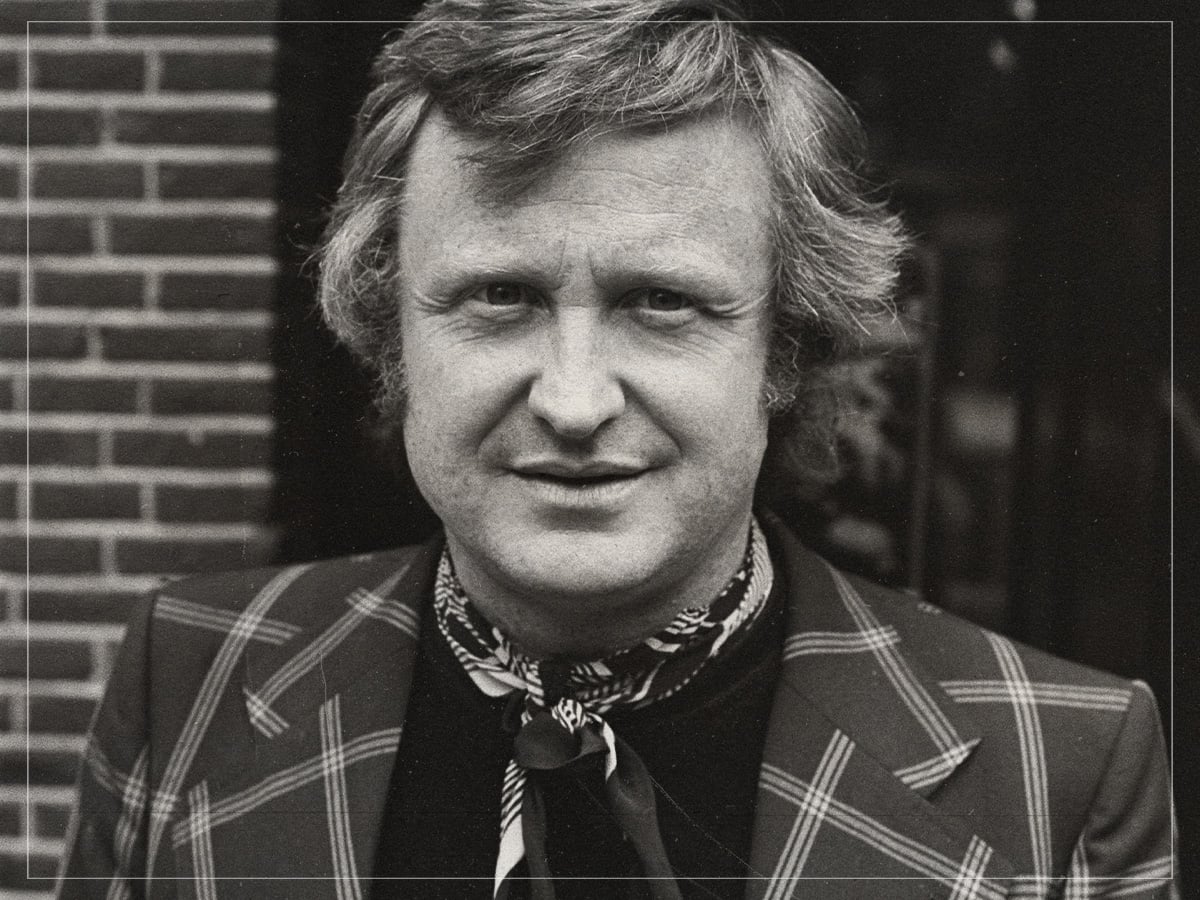
Although there have been disputes about all of the issues that occurred during the making of Deliverance, it was unquestionably a harrowing shoot with many significant safety concerns, as both Jon Voight and Burt Reynolds sustained serious injuries. Director John Boorman was called out for the dangerous working conditions multiple times, but the most significant clash occurred when the author James Dickey, who had written the original novel, turned up on set furious because his script had been rewritten.
Boorman and Dickey got into a fistfight that resulted in the director breaking his nose, but the film was already so behind that no one had time to press charges. Although Boorman and Dickey reconciled after the incident, the legacy of Deliverance is one of harrowing endurance, as everyone involved seems to have a different tall tale about everything that went down.
Klaus Kinski – ‘Aguirre, The Wrath of God’ (Werner Herzog,1977)
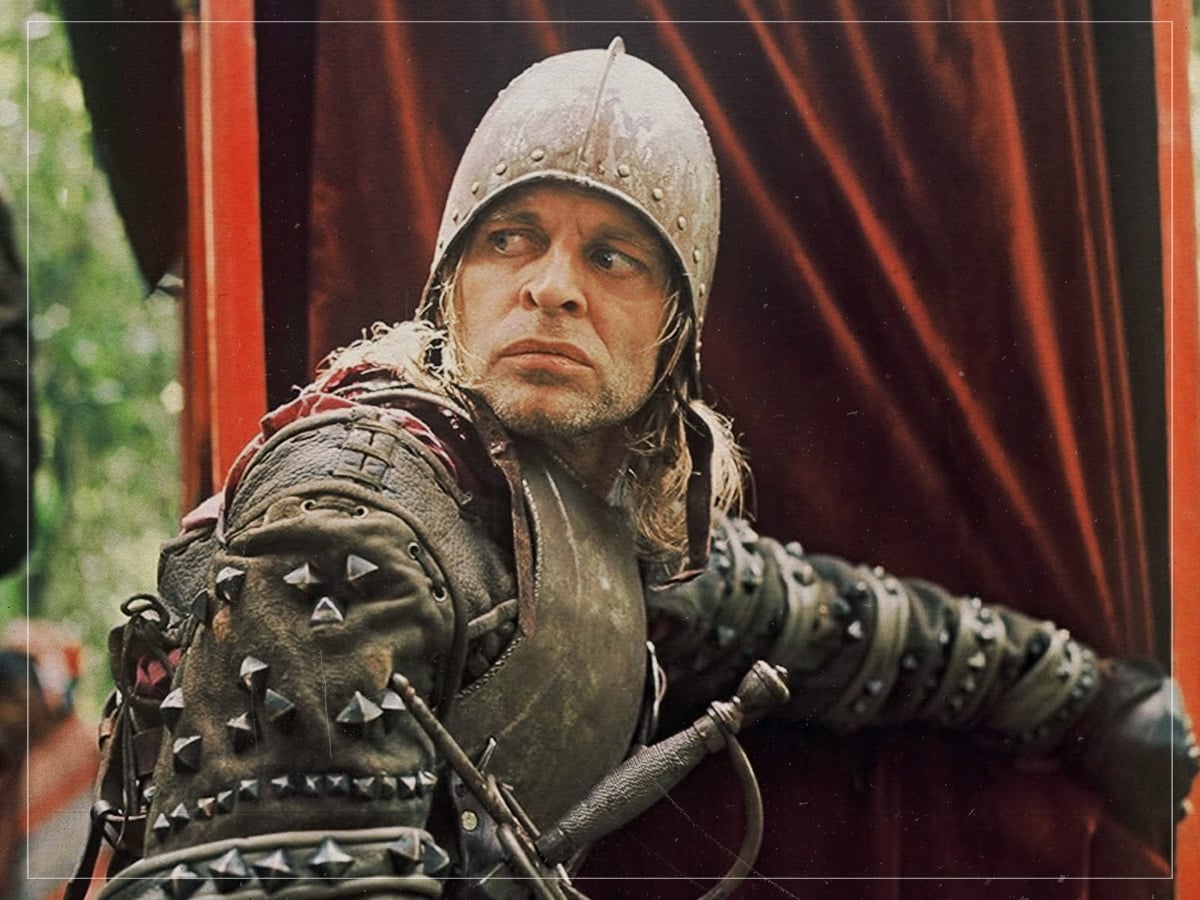
Klaus Kinski and Werner Herzog had a fascinating relationship, as the two men frequently worked together, but managed to get into some sort of fight on nearly every film that they collaborated on. Herzog felt that Kinski’s character in Aguirre, the Wrath of God, should be aggravated and paranoid, and so he intentionally infuriated the actor in order to get a natural performance out of him.
Kinski had become so agitated that he fired a gun on set, injuring an extra, and was threatened by Herzog, who claimed he would shoot them both if filming didn’t continue, but the feud didn’t stop there. Herzog and Kinski got into another heated situation while making Fitzcarraldo when the production went over budget and off-schedule, and the director later made a documentary about Kinski that documented their unusual relationship over the years.
Harvey Keitel – ‘Eyes Wide Shut’ (Stanley Kubrick, 1999)
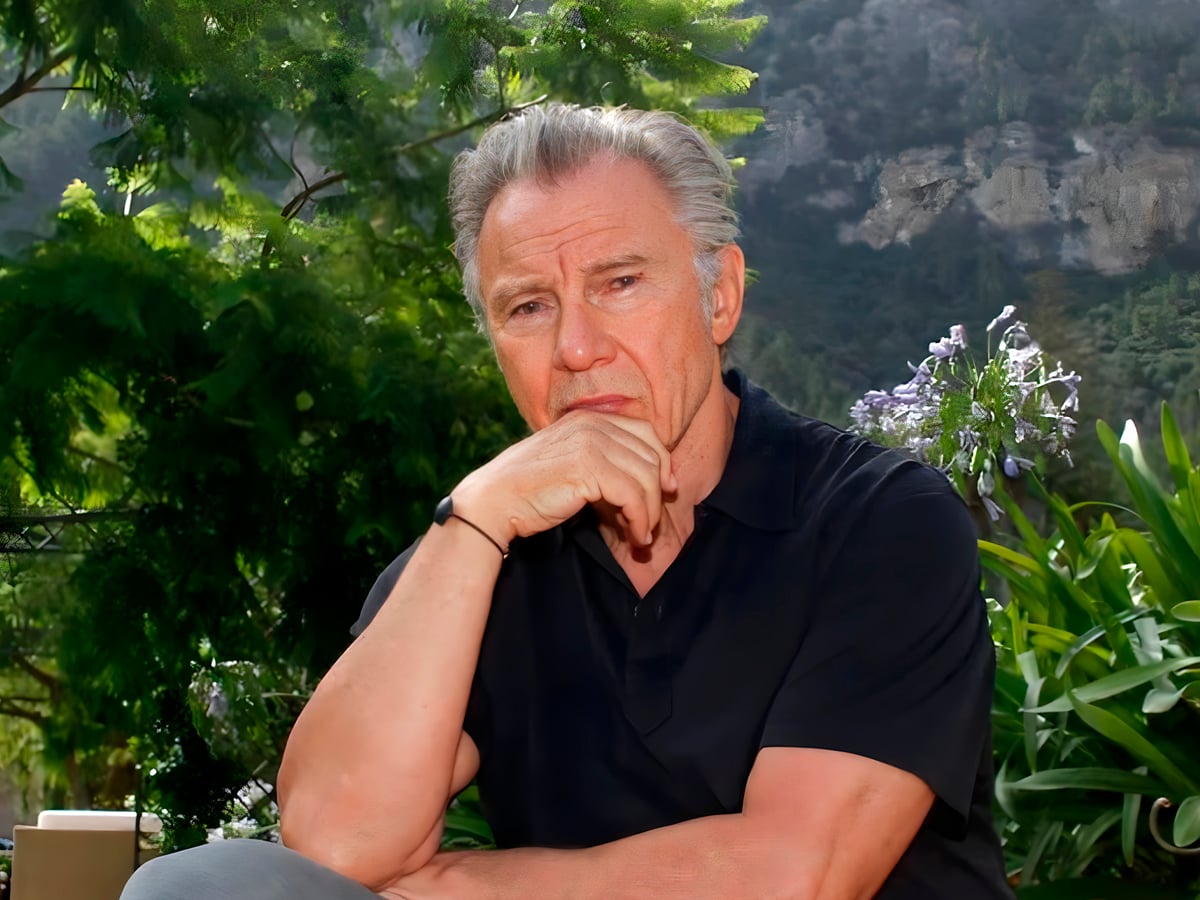
Stanley Kubrick’s exacting nature made for many challenging film shoots, and he certainly ended his career on a high note with Eyes Wide Shut. The demanding shoot lasted for nearly a year and is believed to be the root cause of Tom Cruise’s divorce from Nicole Kidman. Harvey Keitel was hired to play Victor, but quickly grew exasperated when Kubrick demanded over 60 takes for a simple scene in which he was walking through a door.
The actor had become agitated enough by Kubrick’s “disrespectful” nature that he decided to quit the production and was eventually recast with Sydney Pollack. There have been many more rumours about other controversies and conflicts on the set, but many of them might remain unanswered because of Kubrick’s shocking death from a heart attack only shortly before the film was scheduled to be released.
Megan Fox – ‘Transformers: Revenge of the Fallen’ (Michael Bay, 2009)
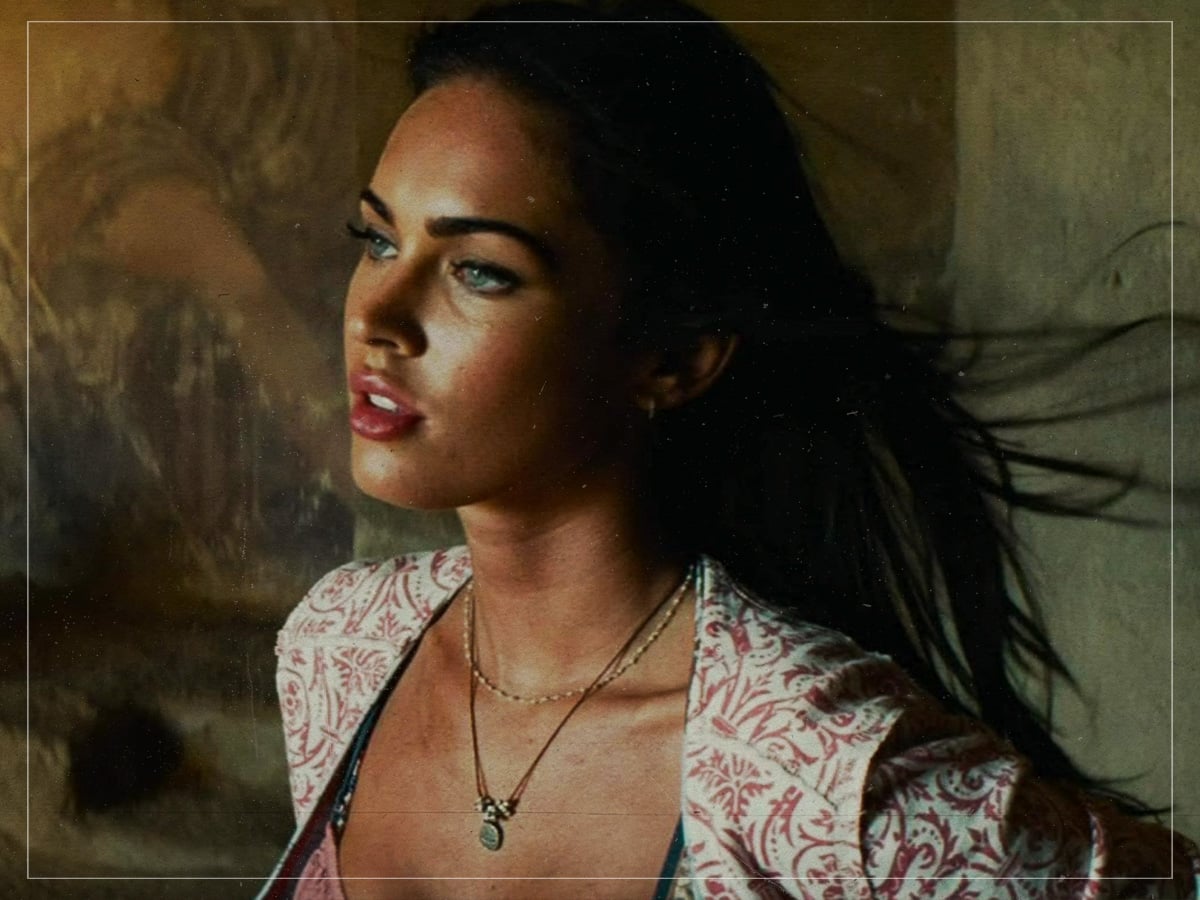
Transformers: Revenge of the Fallen was already a challenging shoot because it began production in the midst of the WGA strike, which meant that Michael Bay was filming complex action scenes with extensive special effects without a completed script. His relationship with Megan Fox had grown worse over the course of the sequel, as she compared him to Hitler and grew exasperated when he didn’t answer questions.
Bay offered a different side of the story, claiming that Fox was entitled and had only been asked to do the minimum amount of work needed for a production of this scale, stating that the actor had simply been trying to create drama, and fired her from appearing in the next film, Transformers: Dark of the Moon, with Rosie Huntington-Whitley stepping in to play a new love interest for LaBeouf’s character, Sam Witwicky.
Christian Bale – ‘Terminator: Salvation’ (McG, 2009)
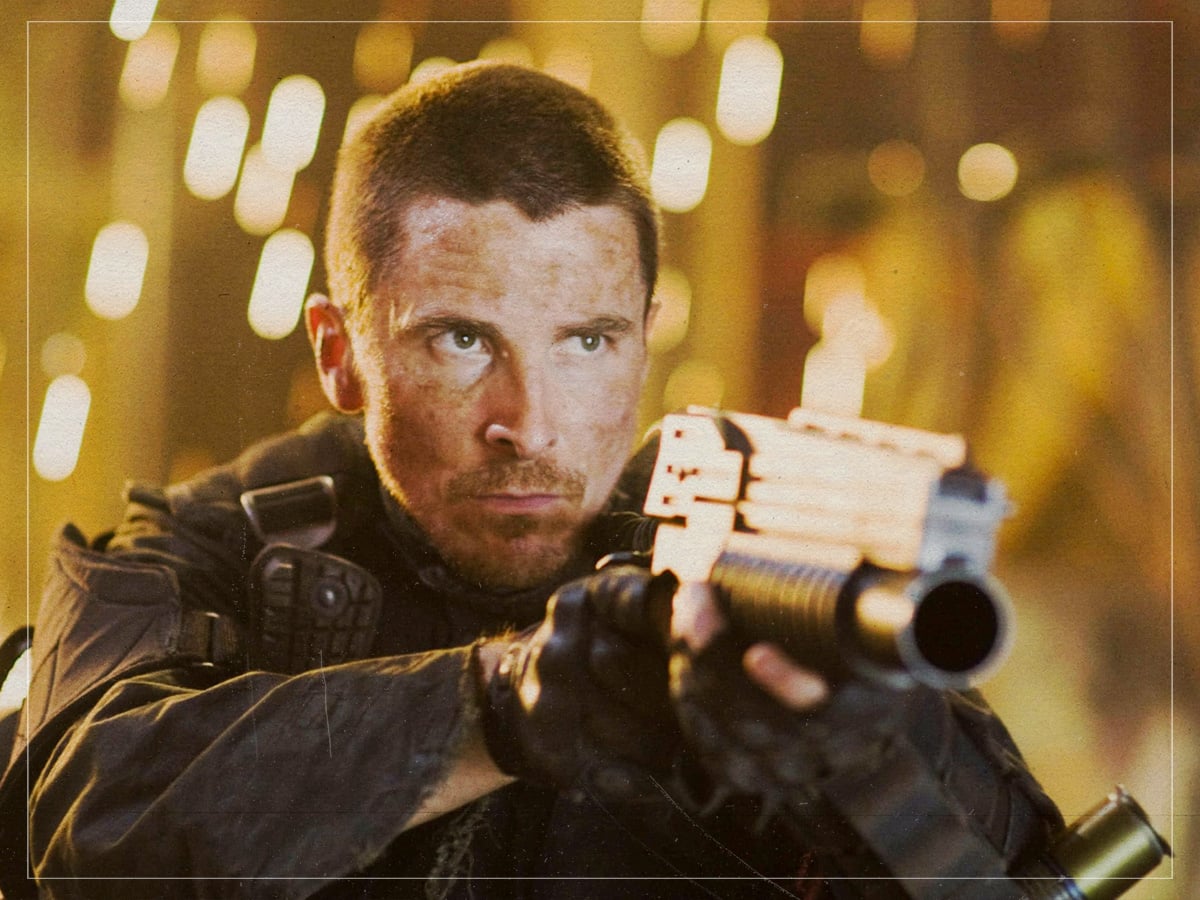
There haven’t been many on-set meltdowns that have become as infamous as the rant Christian Bale went on during the production of Terminator: Salvation, where he screamed at cinematographer Shane Hurlbut when he continuously walked into the actor’s eyeline during the filming of an intense scene.
Although Bale rightly caught a lot of criticism for the incident, some set reports indicated that this wasn’t the first time Hurlbut had disrupted a shot, as he had been warned several times about distracting actors who were trying to get in character. Nonetheless, Bale’s profanity-laden tirade was clearly a breaking point for him after what was already a challenging shoot, but to his credit, he both issued a formal apology to the crew and joked about the incident while accepting the Academy Award for ‘Best Supporting Actor’ for his performance in The Fighter.
John Huston – ‘The African Queen’ (John Huston, 1951)
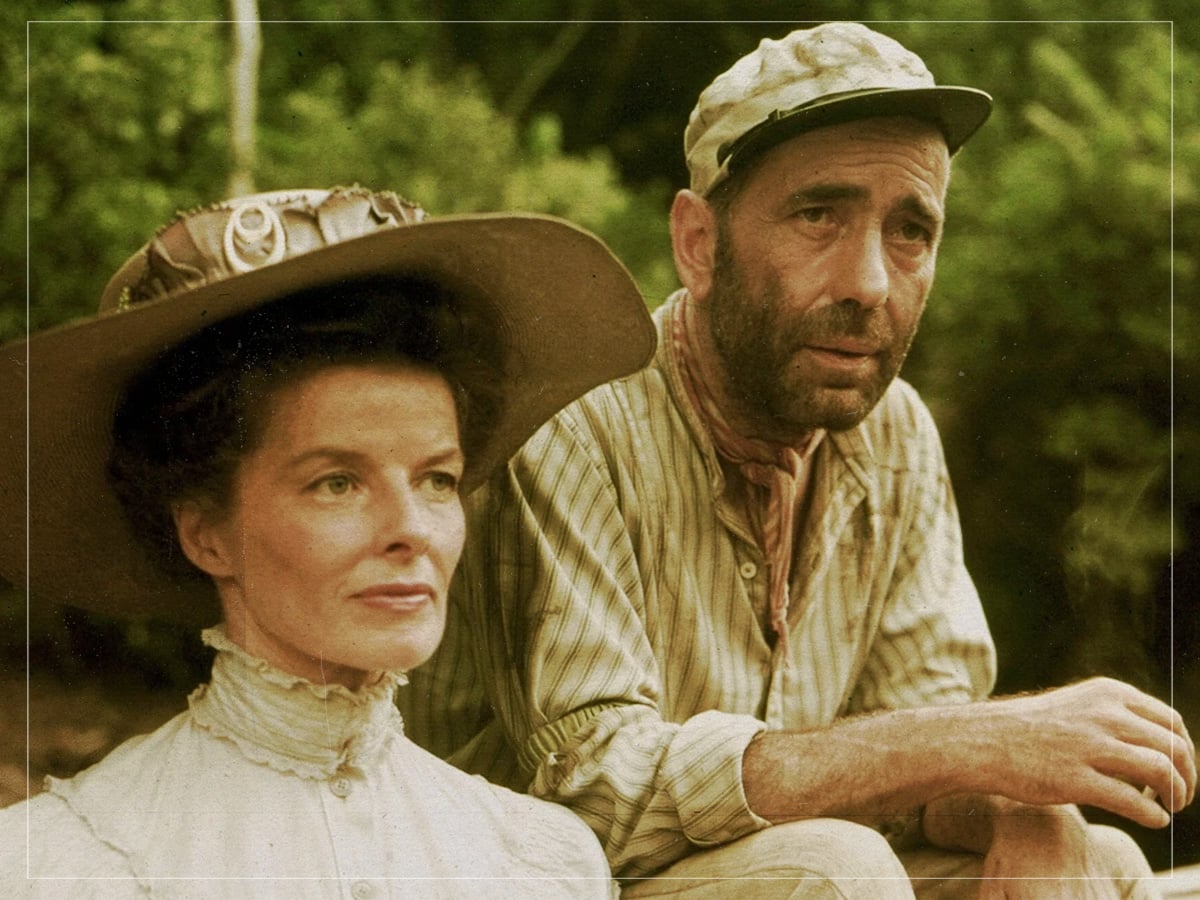
John Huston was a famous cinematic madman who would travel to exotic locations for the required realism for his adventure films, but he met his match while in Africa for his 1951 film The African Queen. Huston had already been agitated and paranoid before shooting began, and became even more unpredictable after the cast and crew got sick, and several sets were damaged.
It was famously the film that finally won Humphrey Bogart his first and only Academy Award for ‘Best Actor’, perhaps because voters felt sympathy for what he had to deal with while working with Huston during the dangerous production. The stories became so legendary that Clint Eastwood even made a film called White Hunter, Black Heart, in which he portrayed an obsessive director, clearly inspired by Huston, on a hellish shoot in Africa.
