


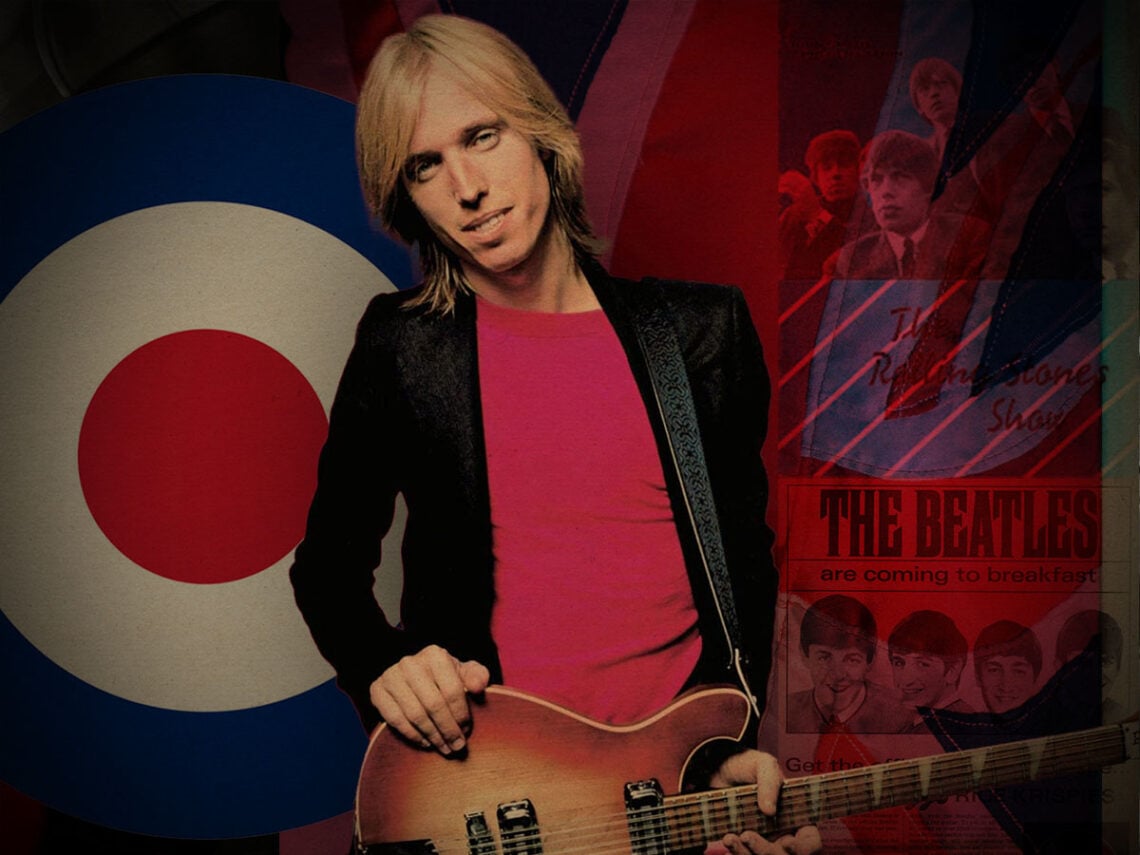
The 10 greatest British invasion songs ever released, according to Tom Petty

Florida is only about a third smaller than Britain, but to a young Tom Petty, one seemed puny and the other felt gargantuan.
“Most people come to Florida to escape something: cold weather, their past, whatever,” he told Spin back in 1989, “And they’re very content about it. I was always uncontent. I ran a little faster than Florida”. Like many youths of the postwar generation, he was hungry for something different, something to call his own; he couldn’t get by on sunbathing alone.
This mindset was defibrillated by the riff-focused pop and fizz of British pop. Exotic and otherworldly, when The Beatles landed amid a funereal February of 1964, hot on the heels of the tragic assassination of JFK, young Petty was only 13, but despite his tender age, in an instant, his bags were proverbially packed, and the guitar slung over his shoulder was his prized possession.
“In the mid-60, the British had a more romantic view of rock & roll than the States did. We didn’t take it as seriously,” he told Rolling Stone in 2010, “The energy that came with the British invasion was the difference, these guys brought the guitar to the fore. You weren’t getting guitar off The Shirelles.”
The same vague malaise that maladies millions of teenagers for reasons that are never all that clear had made Petty feel trapped in Gainesville. But now, the humble guitar felt like more than a merely metaphorical ‘axe’, as the classic rock musos like to call them, and closer to the Real McCoy: a tool Petty could use to chop away the shackling reeds of a working-class youth.
The Beatles embodied this the moment that they strolled into The Ed Sullivan Show studio. “There was a way to do it. You get your friends, and you’re a self-contained unit. And you make the music. And it looked like so much fun. It was something I identified with,” he figured.
“I had been a big fan of Elvis,” he continued; he had even met him in his youth. “But I really saw in the Beatles that here’s something I could do,” he told NPR, “I knew I could do it. It wasn’t long before there were groups springing up in garages all over the place.”
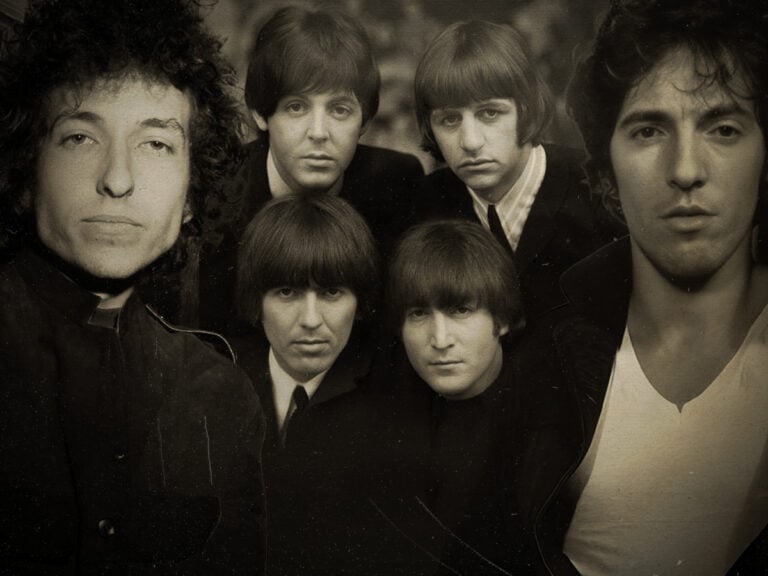

That’s pretty much how the counterculture revolution began, and at its core were liberating discs that washed over from Britain like manna from heaven. In 2010, Petty compiled the ten best of them.
Tom Petty’s 10 greatest British invasion songs:
‘I Want to Hold Your Hand’ b/w ‘I Saw Her Standing There’ – The Beatles (1963)

It took a while for Brian Epstein to convince Capitol Records, EMI’s American subsidiary, that the Fab Four could make an impact in the States. But when he did, the timing was perfect. On Boxing Day in 1963, ‘I Want to Hold Your Hand’ hit the US with ‘I Saw Her Standing There’ as the B-side, and it quickly became what everyone wanted to spend their Christmas cash on.
Petty liked what he heard. “The Beatles were superior to everything. This came on the radio, and overnight everything was different,” he recalled, “If you weren’t there, it’s hard to believe. But everything changed instantly. In ‘I Want to Hold Your Hand’, John and Paul are singing the lead vocal in unison. It almost makes another voice; just a sonic pleasure.”
‘You Really Got Me’ – The Kinks (1964)
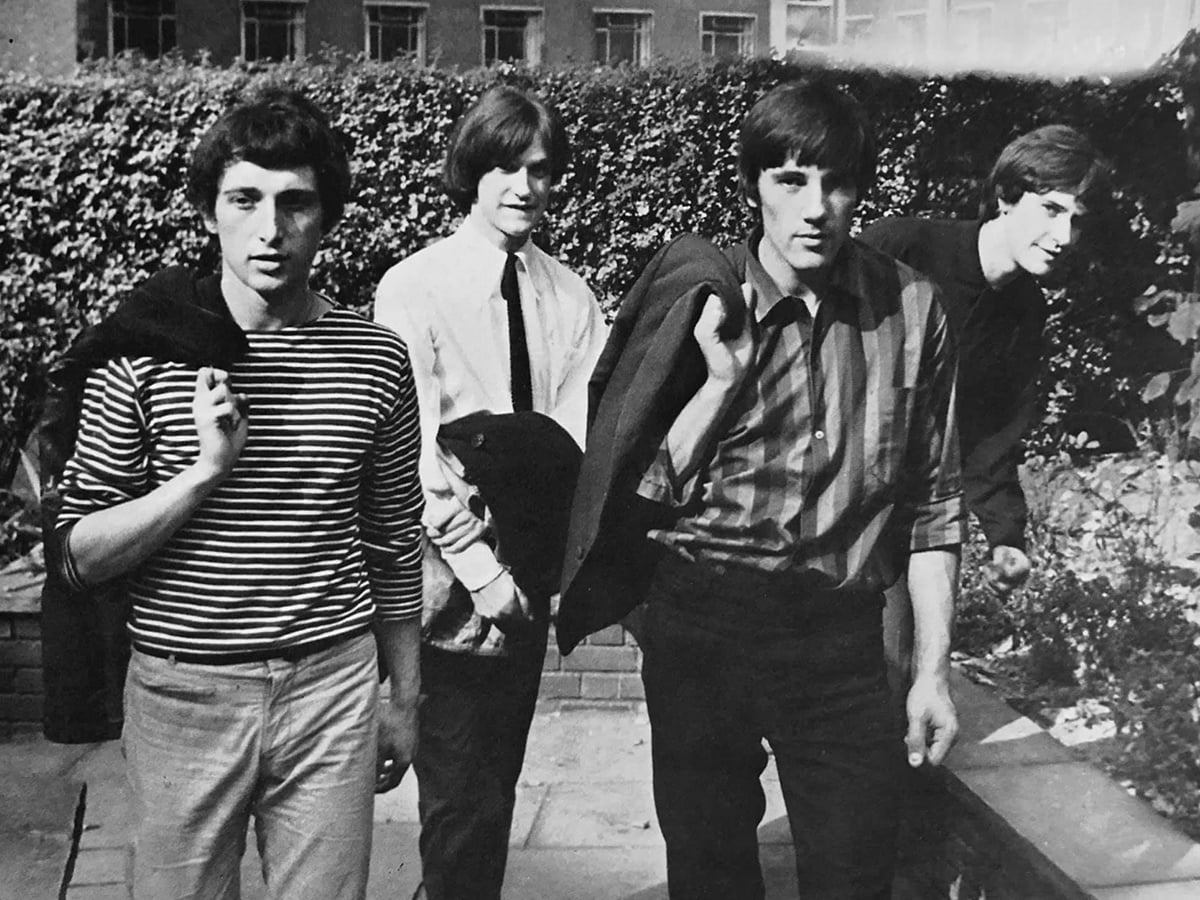
Beyond the wit and charm of the British invasion, there was a fair bit of bite, too. Inherently, that imbued the tracks with a revolutionary feel. When Shel Talmy was producing this riffing classic from The Kinks, that’s exactly when he thought. “When I first heard [‘You Really Got Me’], I said, ‘Shit, it doesn’t matter what you do with this, it’s a number one song’. It could have been done in waltz time,” the hit producer exclaimed, “and it would have been a hit.”
Petty pretty much thought the same. “I heard that song for the first time at a dance,” he vividly recalled, “The DJ player it really loud, and the whole room went still. Then everyone erupted in applause, for a record. That guitar break, I’d never heard anything that wild in my life.” In truth, nobody had, so it swiftly rose to seventh in the US charts and ensured that there were even more new Britons on the block (visa permitting).
‘We’ve Gotta Get Out of This Place’ – The Animals (1965)

If the future Heartbreaker had thought Florida was a small town that he needed to look beyond, then this was the single that gave voice to Petty’s pretty universal feeling. “This made me want to run away from home,” he admitted, “That bass riff is classic. These arrangements were tidy. Each instrument had a job to do.”
The Animals, from up in Newcastle, had similar working-class roots, and for almost the first time, that was thrust to the forefront of pop. While the title might have been more metaphysical than Petty’s rather literal interpretation, the gritty energy was unmistakable. Tragically, it would also resonate hugely with GIs in the Vietnam War, giving the song a second life following its initial underwhelming chart performance.
‘She’s Not There’ – The Zombies (1964)

‘Flower-power’ and ‘peace and love’ are the narratives that will emerge from the 1960s. But lost amid the retrospect is the fact that the decades were far more fraught than any time in modern human history. Daily advancements and cataclysms coincided, so it is hard to soberly reflect on how dramatic the times may have seemed. This classic from The Zombies, however, does a perfect job of capturing the eerie side of things.
“That piano break was over our head at the time, but so right,” Petty said of its new mysticism, “Colin Blunstone’s voice was a sound I had never heard. I thought if a zombie sang, that’s how he would sound.” It rocketed to number two in the US (and 12th in the UK), proving how much it encapsulated the Stateside feeling of a spooky revolution lingering somewhere.
‘When You Walk in the Room’ – The Searchers (1964)
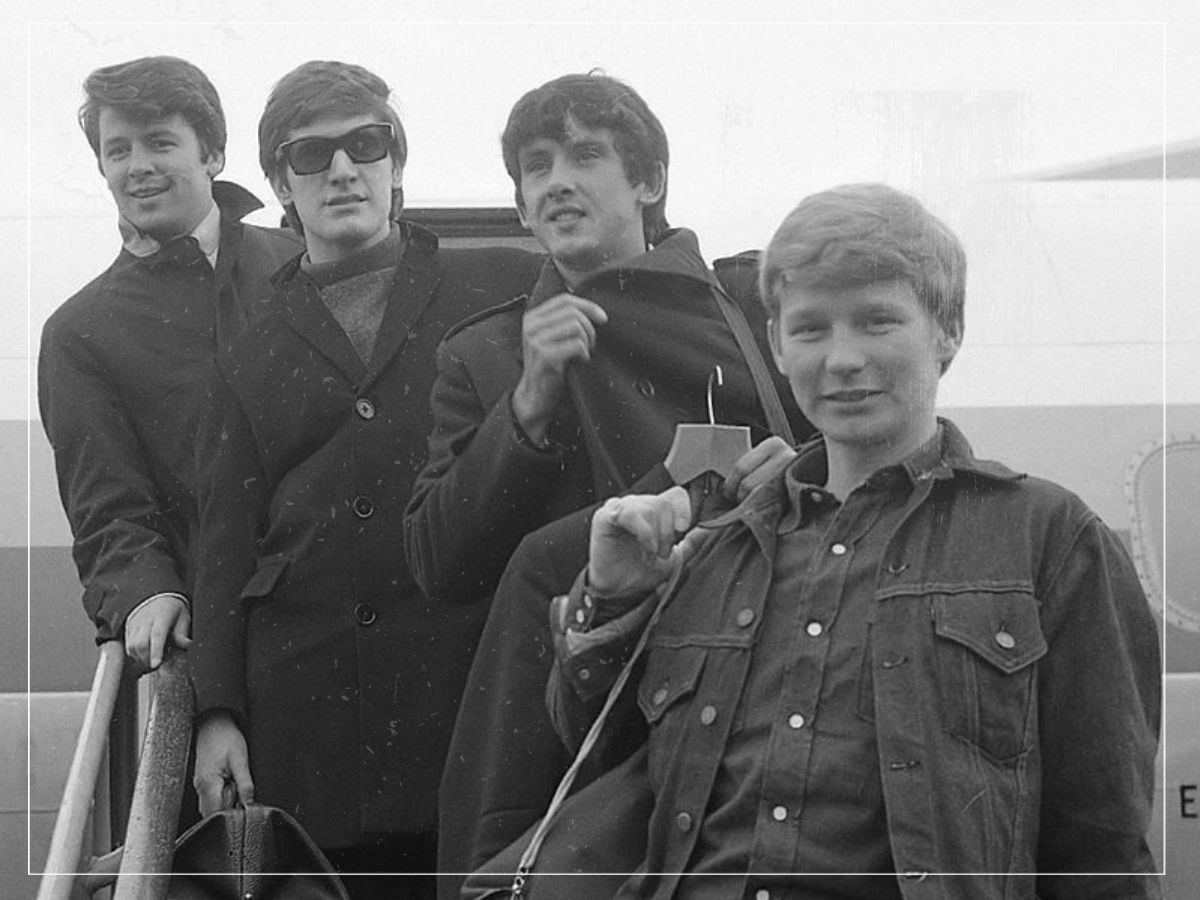
As pioneers of the Merseybeat who formed in 1959, The Searches are very much the band who could’ve been The Beatles. They had the charm and the tunes, too, as Petty’s appraisal attested, “I restrained myself from listing a bunch of their records. The 12-string guitar fascinated me, and they had great voices.”
But the fact that this track was actually written by Jackie DeShannon might have worked against them. Sure, it might have sounded unique, but arriving as a pop cover, it crossed a little too closely into the ‘made for radio’ lane, and Motown had that sewn up. In fact, offering the alternative is what drove the British invasion to such lofty heights.
‘I’m Alive’ – The Hollies (1965)<br>

For any band, being mentioned in the same sentence as The Beatles is quite an achievement, and Petty took that a step further when it came to The Hollies. “Those voices were incredible,” the ‘American Girl’ singer said, “They were the best singers, other than the Beatles, as far as singing harmony and knocking you dead.”
Perhaps the Fab Four recognised that threat, because during their reign, The Hollies were the only band they really bashed in the press. As George Harrison quipped, “They sound like session men who’ve just got together in a studio without ever seeing each other before. Technically good, yes. But that’s all.”
‘I’m a Man’ – The Yardbirds (1965)
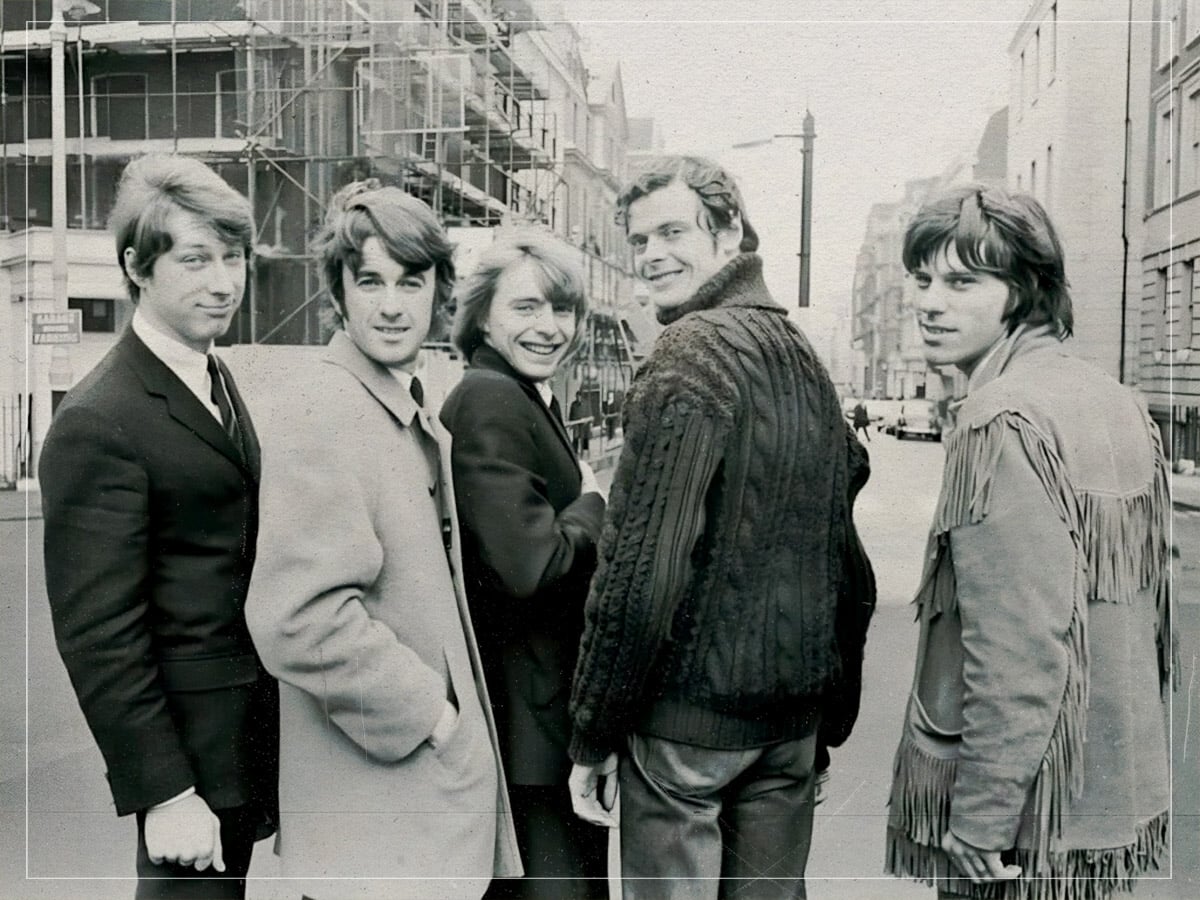
Alongside the pop and fizz, the British invasion also brought dramatic innovation to the fore. As Petty identified, the importance of the guitar was rising, and the singular need for a song to be a ‘hit’ was on the wane. That progressive leap forward for pop compositions was perfectly displayed on this classic by The Yardbirds. “That break, when they go into double-time, is downright psychedelic,” the ‘Wildflowers’ singer gushed, “And Jeff Beck is playing in unison with the harmonica. It’s a short record, and they still have the rave-up at the end. They got it all in.”
With the first-rate musicianship in their band, that’s hardly a surprise. This gut-punch to the simplicity of the 1950s completely reimagined Bo Diddley’s original version in thunderous style.
‘Anyway You Want It’ – Dave Clark Five (1964)
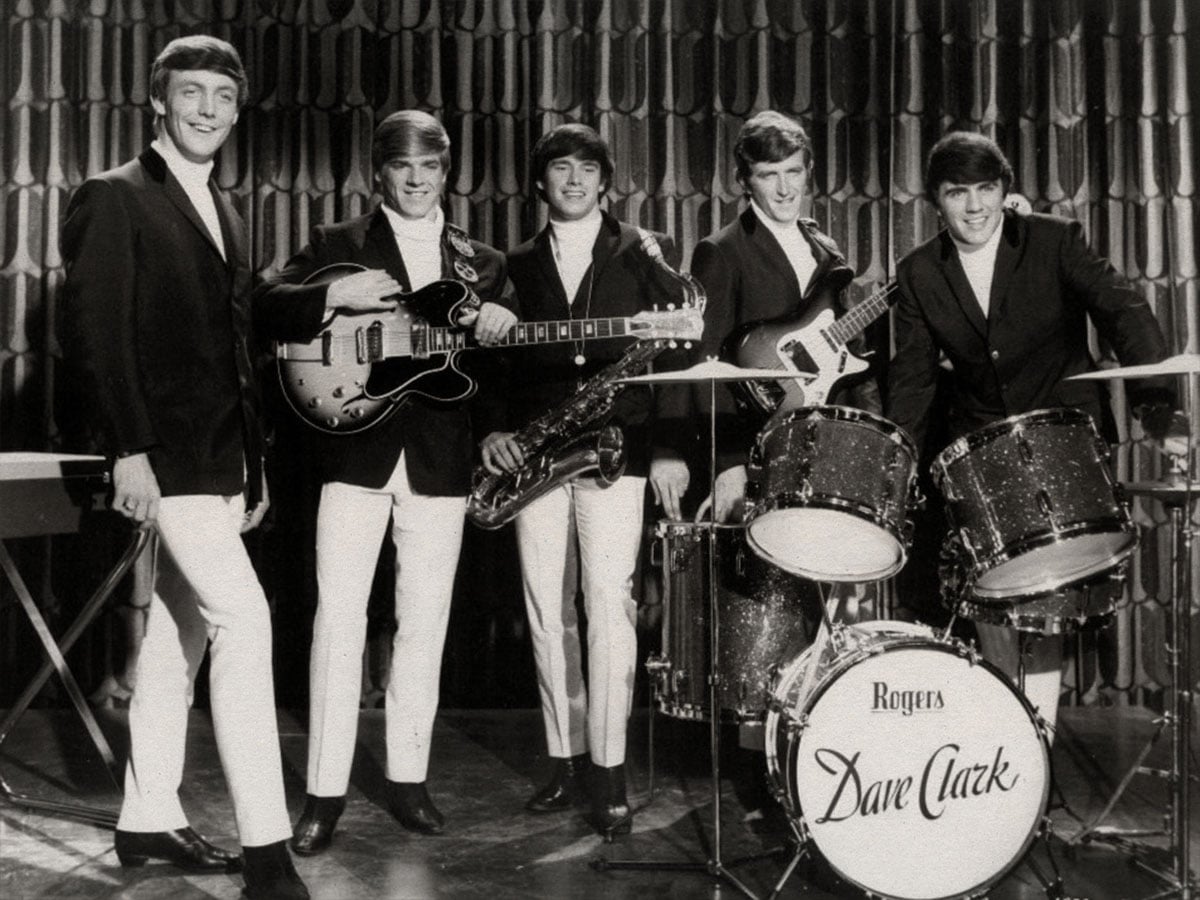
It seems to have been oddly forgotten in the aftermath of the 1960s that, for a time, the Dave Clark Five were a giant force. As Andrew Loog Oldham once said, “If The Beatles ever looked over their shoulders, it was not The Stones they saw. They saw the Dave Clark Five”. Gene Simmons ratified this, too, adding, “The DC5 were so underrated and so spectacular. It’s interesting: they were, in fact, bigger than The Beatles for a short time”.
Their sound tapped into the sense that a cultural tidal swell was afoot, and Petty felt the waves break with force. “They were badass,” he said, “This song sounds like a runaway train, with that sax honking down low. That was a big step, to blow the echo out that heavy. I’d go crazy every time I heard it.”
‘I Can’t Explain’ – The Who (1965)

It’s a mind-blowing fact, given their status within music, that The Who never achieved a number one on either side of the Atlantic. If anything, that only proves the level of competition around at the time. Once again, Shel Talmy produced the track, but this time, he wasn’t able to spring a hit. It might have been covered countless times over, but ‘I Can’t Explain’ only rose to 93rd in the US.
Despite that, it was a giant leap for The Who. Roger Daltrey still points to it as a clear moment that Pete Townshend’s songwriting class crystallised, and Petty seemed to agree. “What was great about Pete Townshend’s early stuff was you identified with what he was saying,” he said, “And he’s using a Rickenbacker 12-string in a way no one else did. The guitar break is almost not a guitar break; he’s moving the tone switch back and forth.”
‘(I Can’t Get No) Satisfaction’ – The Rolling Stones (1965)
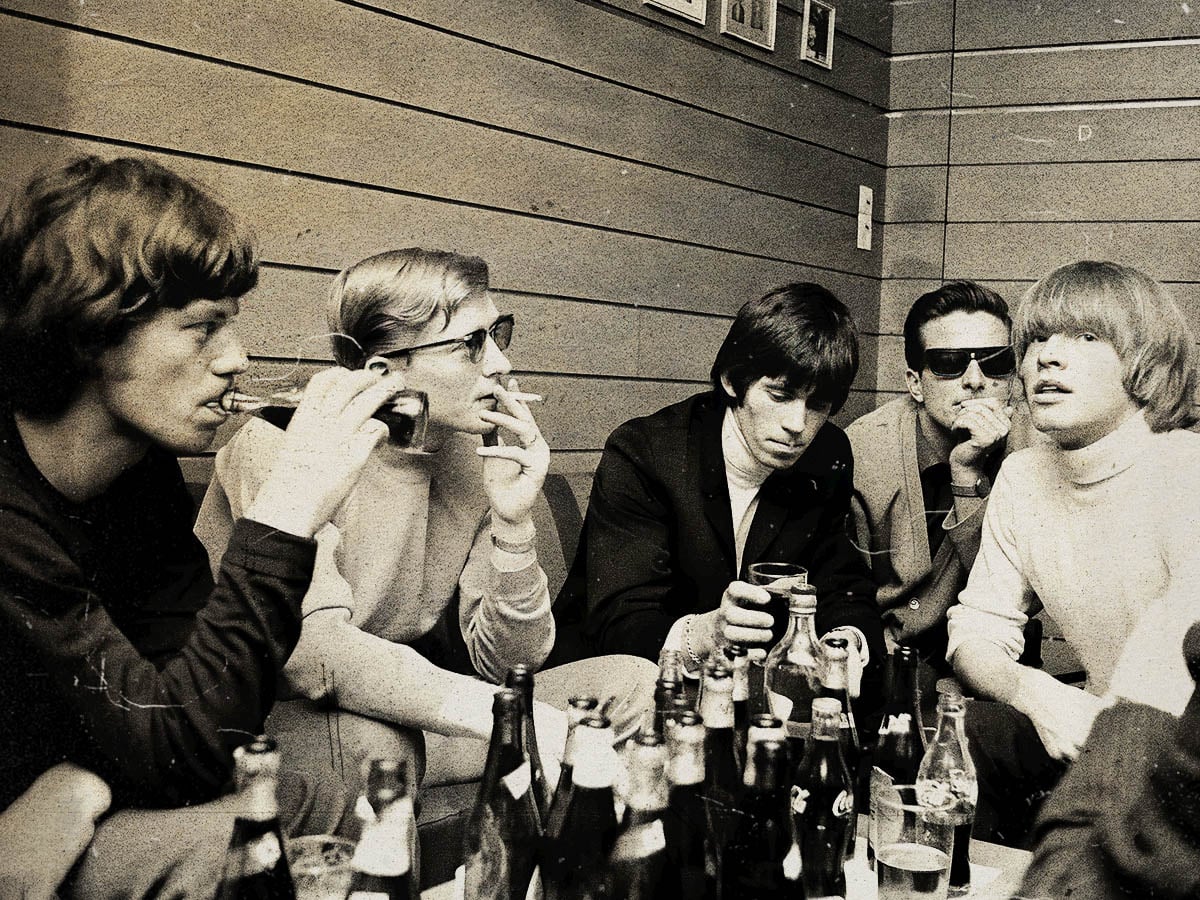
The iconic ‘(I Can’t Get No) Satisfaction’ arrived in Petty’s youth, just as he was turning 15 in 1965, and shepherded his mind just a few miles further afield of Gainesville than it had been before he heard it. The song came to Keith Richards in a dream, and it instantly connected with the youth, pretty much rising to the top of every chart in every country that had a chart.
“They had so much attitude, it dripped off the plate,” Petty said of the classic, “The riff and distortion grab you, and the lyric is so worldly. It’s hard to talk about ‘Satisfaction’ because everyone knows it so well. But it’s a great moment in rock history. Just the phrase is worth a million bucks.” Beyond the sound of capital gains, it is also the sound of a fuse being lit.

Never Miss A Beat
The Far Out Beatles Newsletter
All the latest stories about The Beatles from the independent voice of culture.
Straight to your inbox.