


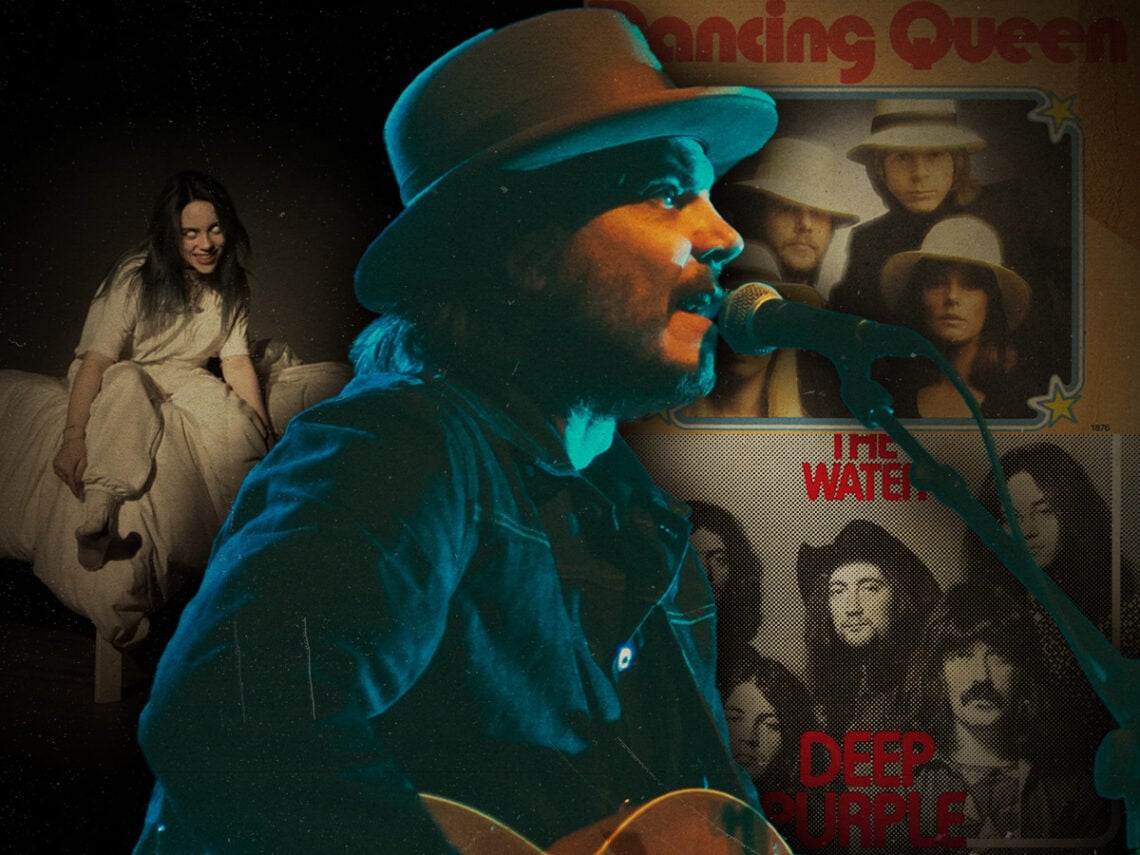
Seven wildly different songs that inspired Wilco’s Jeff Tweedy

Once considered the leading light in the so-called “alt-country” scene of the mid 1990s, the Uncle Tupelo offshoot known as Wilco were essentially the Gen X kids who’d grown up loving The Band, but spent their teen years at punk rock clubs.
Toss in a no-nonsense Midwestern work ethic, and you had the formula for Being There, the 1996 double-album that turned the Chicago outfit into indie rock’s “next big thing”. It’s hard to say where the band might have wound up had they stayed on that particular Americana-infused railroad track into the 21st century, but suffice it to say, these musicians were not the sort of cosplay-folkies that would later lead the stomp-clap-hey phenomenon.
By contrast, frontman Jeff Tweedy and his bandmates seemed hell-bent on pushing beyond the alt-country tag as quickly as possible, wholly disinterested in physically or sonically operating within any sort of music industry pigeonhole.
On the follow-up to Being There, 1999’s Summerteeth, Tweedy and fellow songwriter Jay Bennett, both bottoming out in their respective drug addictions, somehow managed to show off their surprising power-pop chops, as well as a Paul Westerberg-ian knack for the vulnerable tough guy ballad. The record didn’t do any better than Being There on the Billboard chart (both peaked in the ’70s), but it did give the executives at their label, Reprise, the notion that Wilco just might be a radio-friendly band after all.
Setting up shop in their new private studio space in Chicago, the band reconvened in 2001 for their fourth album, Yankee Hotel Foxtrot; a drama-filled undertaking that would literally provide all the needed plot points for a riveting documentary, which is exactly what 2002’s I Am Trying to Break Your Heart: A Film About Wilco, eventually became.
Along with a tangle of creative struggles between Tweedy, Bennett, the original Wilco rhythm section, and the newly injected influence of contributors Jim O’Rourke and drummer Glenn Kotche, Foxtrot also proved to be a fascinating case study in turn-of-the-millennium music label politics, as Reprise, owned by Warner Brothers, was in Napster-era economic turmoil, and were thus desperate for Wilco to give them some bankable hit songs.
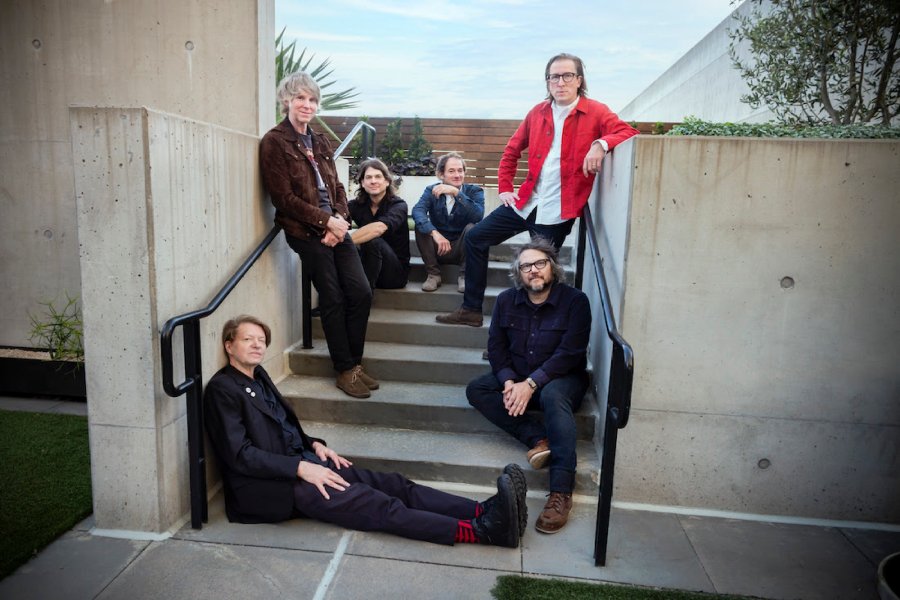
The label hoped that Jeff Tweedy, well known as a devotee of Dylan and The Band, as well as bands like REM and the Patti Smith Group, would appreciate the subtle art of writing for a mainstream audience without trading in your authenticity card. At the age of 33, though, Tweedy hadn’t aged out of his punk rock instincts just yet. And while Yankee Hotel Foxtrot certainly wasn’t going to be a punk record, it wasn’t going to be the more conventional record that Warner Brothers wanted either.
“We had some specific goals,” Tweedy later told the St Louis Post-Dispatch, “and they were more about entertaining ourselves and focusing on creativity. We wanted to make a record we felt good about listening to while driving in a car; one that would make the world look a little different.”
Featuring more unusual instrumentation, electronic layering, and jazzier rhythms, Wilco were essentially having their Kid A moment on Yankee Hotel Foxtrot, and really, Warner Brothers probably should have looked at Radiohead’s recent success with their record as a proof of concept. Instead, desperate to cut costs and believing Wilco had failed to deliver, the label rejected the album outright and informed the band that they were no longer part of the Reprise family.
This decision, quite famously, came back to bite Warner rather aggressively on the backside, as Wilco bought back its own master tapes for a mere $50,000, released Foxtrot online, and received a massive tidal wave of positive feedback from fans and critics alike, all of whom blasted the label execs for pooh-poohing what was obviously the band’s best record to date.
Given a new, proper release on Nonesuch Records in 2002, Yankee Hotel Foxtrot became a commercial success, as well, reaching number 13 in the US and number 40 in the UK, despite the competition from its own downloadable predecessor. Warner Brothers had been right about one thing: there weren’t any mainstream radio hit singles ready to go here. But Wilco’s songwriting was clearly getting a lot more sophisticated with each record, as Tweedy began to incorporate a wider palette of his diverse influences into his work, beyond punk and country, with elements of soul, metal, jazz, IDM, and even some Top 40 pop.
It’s probably worth noting that, across nine subsequent albums, Wilco have still never put a single in the US pop charts, but Tweedy has nonetheless earned his stripes as one of America’s most respected songwriters. And while he never lost his love for Dylan or The Replacements, Minutemen and Undertones, for that matter, he’s softened a lot in his middle age, acknowledging his fondness for plenty of less obvious sources of inspiration.
Seven different hit singles that inspired Jeff Tweedy
Otis Redding – ‘(Sittin’ on) The Dock of the Bay’ (1968)
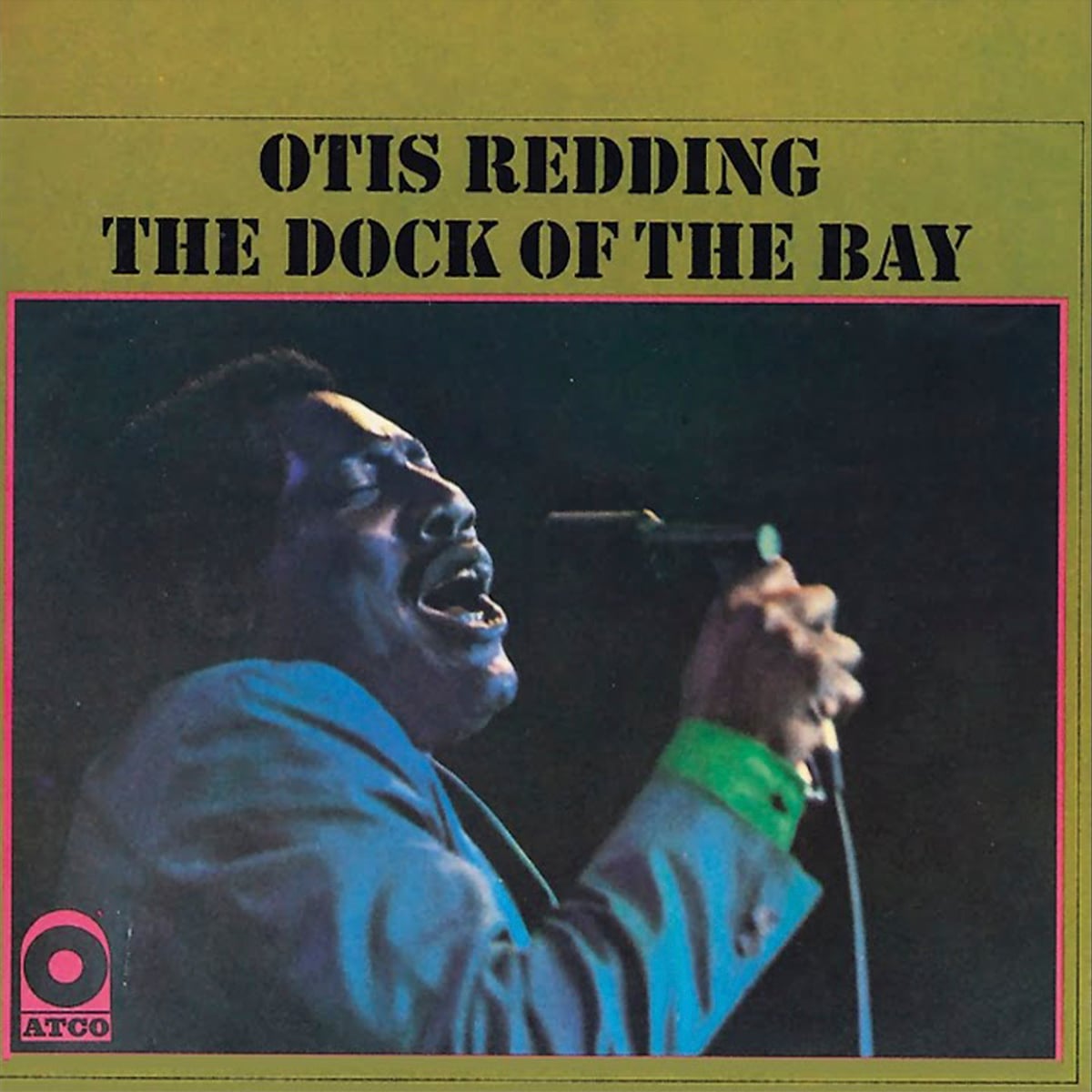
This ubiquitous, chillout soul tune has a lot more going on underneath it than most people realise, not the least of which is its historical context, as it was one of the last things Otis Redding put to tape just days before his death in a plane crash in 1967.
In his 2023 book World Within a Song, Tweedy called ‘Dock of the Bay’ the “single most immediately welcoming recording I’ve ever heard… I’m not sure I can even explain what this song does to me, or put into words how fundamentally this song shaped my own perception of where one should aim when writing a song. How high the bar is. It’s a perfect song.”
REM – ‘Radio Free Europe’ (1981)
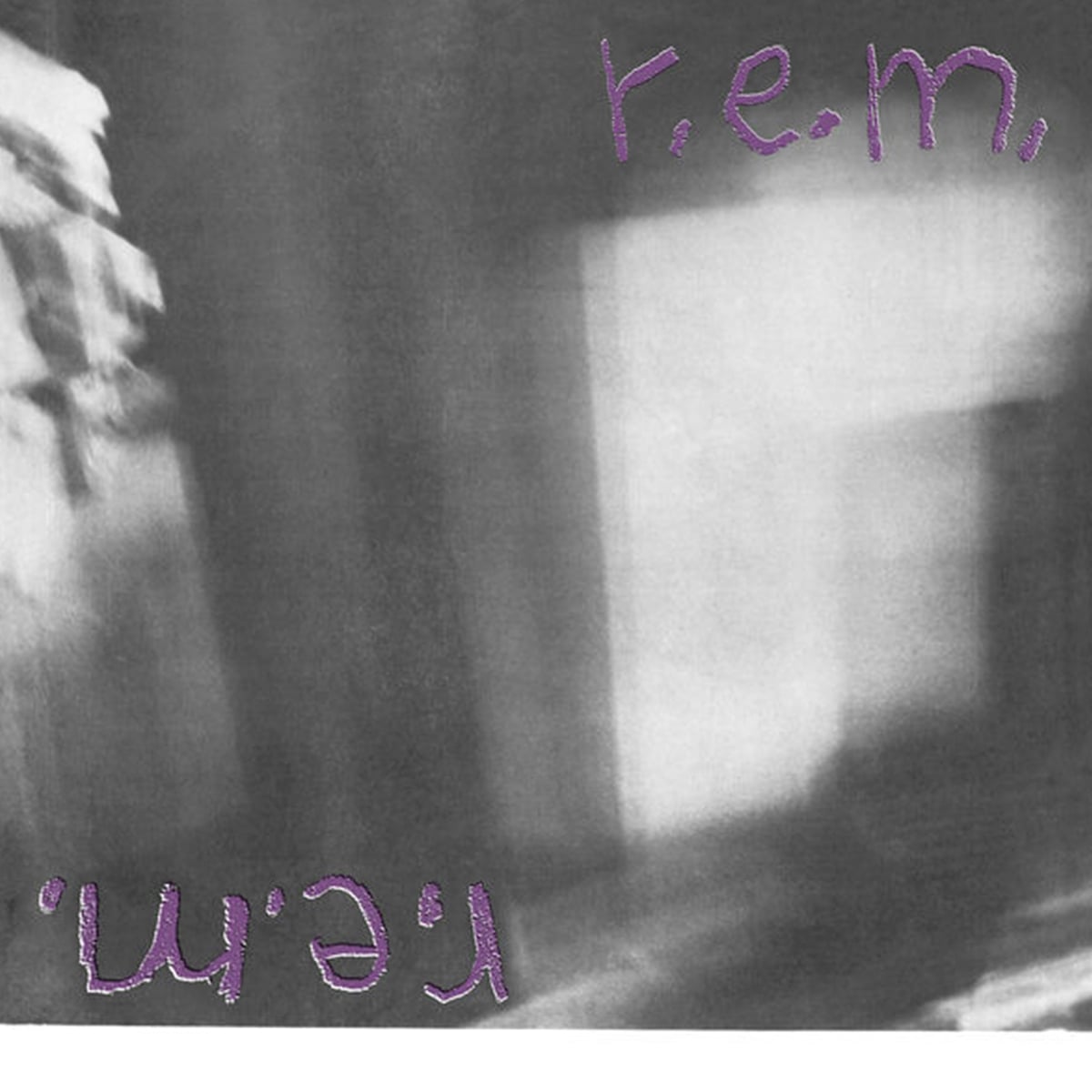
The first few REM albums in the early to mid-1980s now feel like an interesting Super Mario pipe shortcut from the sort of rootsy Americana music The Band were dusting off in the late ‘60s and what Wilco ultimately picked up in the ‘90s. All three bands, I suppose, had come up playing loud and fast, and their softer moments, as a result, had an appealing grit and weariness baked in that shouldn’t have been possible for such young musicians.
Tweedy has said that when he encounters an early REM song like ‘Radio Free Europe’, “they hit me the way a vague early childhood sense memory might”. That’s how those songs felt even back when he heard them in the ‘80s, though, delivering a weird sort of pre-nostalgia with their cryptic lyrics and dislocation from the trends of the era. “At the time, it didn’t even feel like the band themselves knew what to make of it all. And their bewilderment fed our belief in them,” he admitted.
ABBA – ‘Dancing Queen’ (1976)
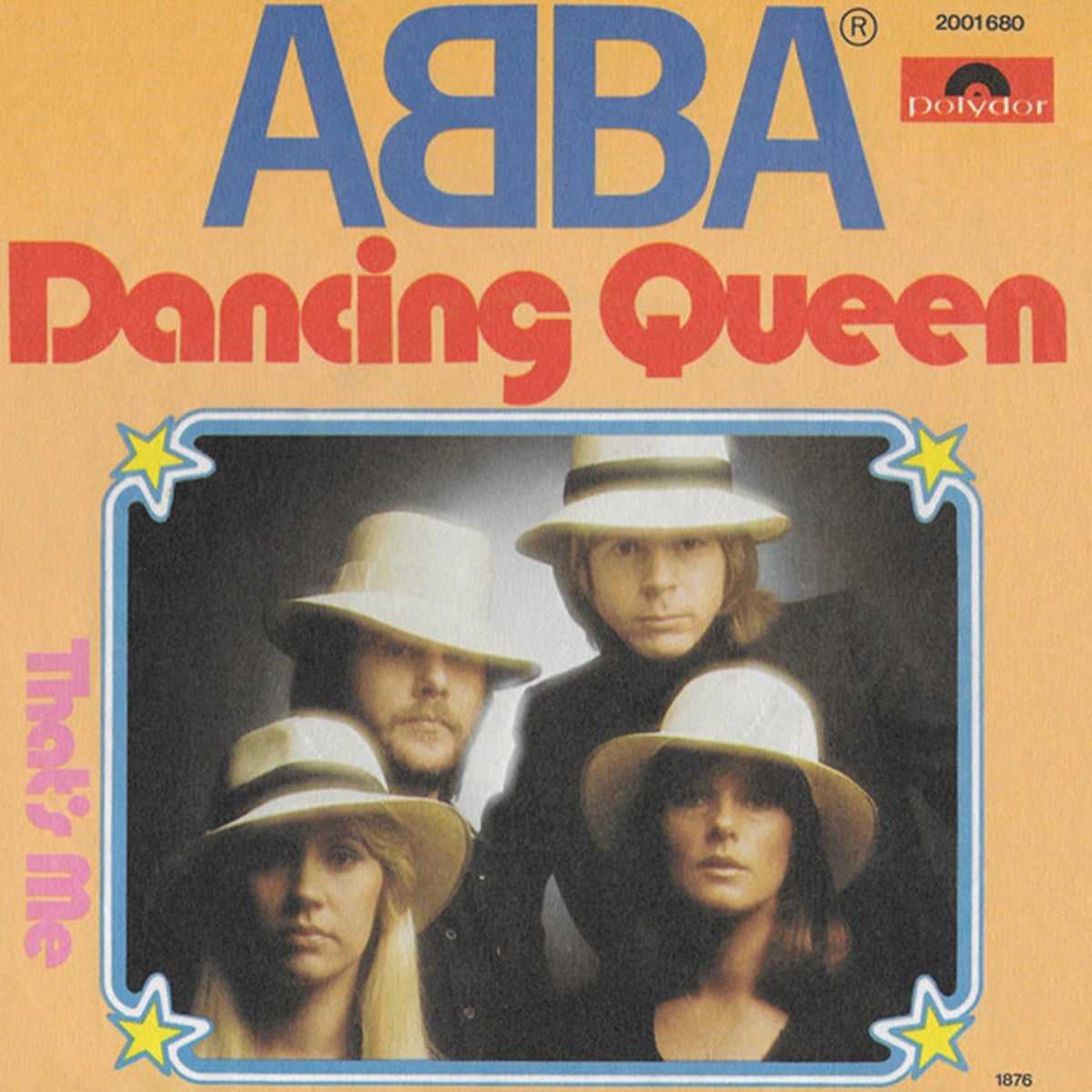
Tweedy was nine years old and living in the St Louis suburb of Belleville, Illinois, when both punk and disco began their global takeovers.
Needless to say, Jeff eventually picked his side, and it was in diametric opposition to the music of Sweden’s favourite hitmakers. Later in life, however, like many other stubborn kids of the 1970s, Tweedy reprocessed some of his youthful biases and came to a very different opinion on ABBA, particular when he heard ‘Dancing Queen’ in a supermarket one day and suddenly had a come-to-Jesus moment, or as he put it, a “come-to-Agnetha, Bjorn, Benny, and Anni-Frid moment”.
“Melodies as pure and evocative as the one in ‘Dancing Queen’ don’t come along every day. I’m sad for every single moment I missed loving this song,” said Tweedy.
Grandmaster Flash and the Furious Five – ‘The Message’ (1982)
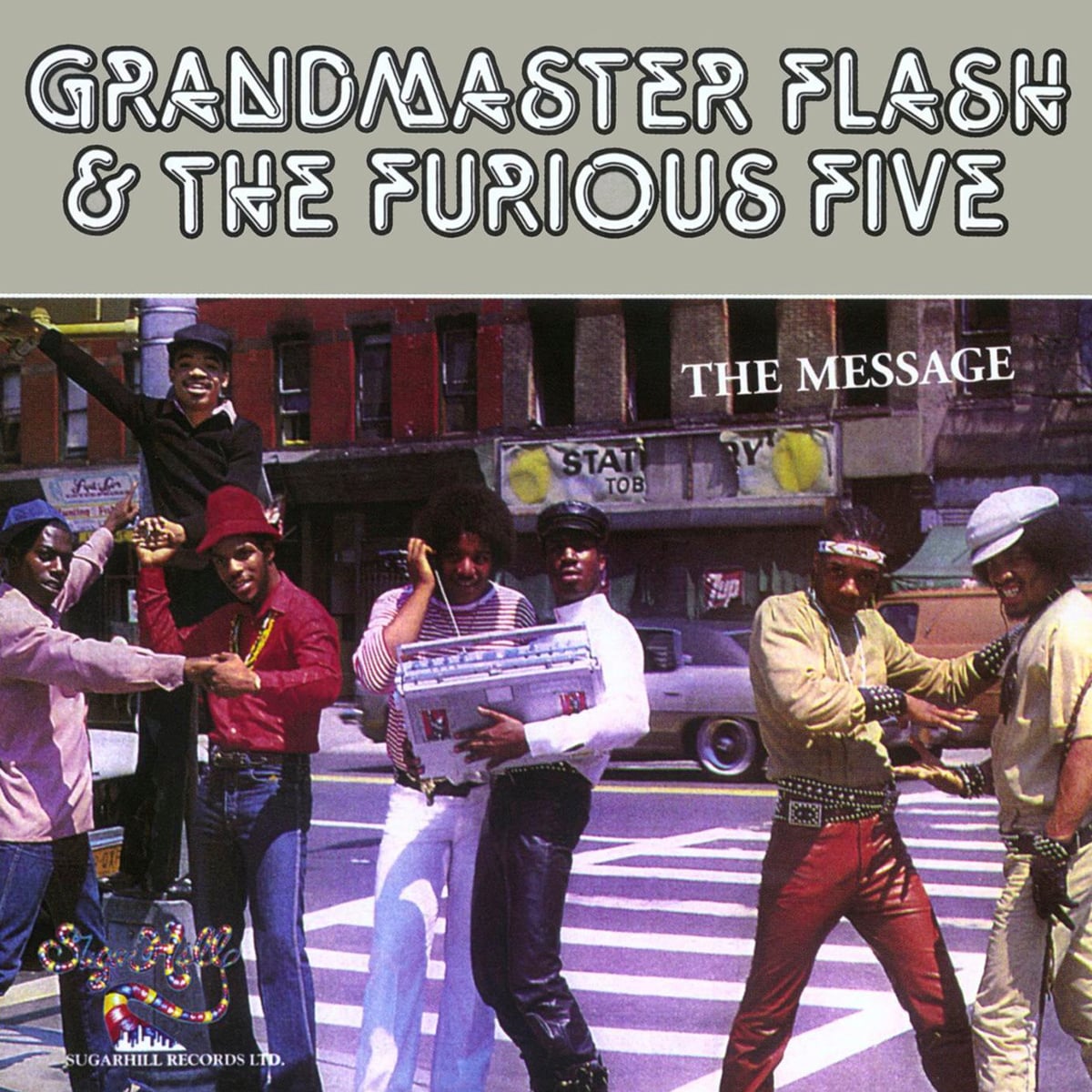
Arguably the ‘Times They Are A-Changin’ of hip hop, ‘The Message’ wasn’t just influential for its political commentary, it’s also one of the most sampled songs of its era, seemingly re-entering the charts in another form every five years or so.
In World Within a Song, Tweedy writes that, despite what his own songwriting catalogue might suggest, hip hop is the genre he has always felt the most connected to, noting, “I was at the right age during the right moment in history to witness the mind-blowing birth of a new genre”. Tweedy had bought a couple of rap records before ‘The Message’, but when he heard this single, “It became clear that hip hop was a vitally important whole new form of musical expression. Even a dumb kid like myself could hear it… This is front-lines war correspondence, the way the ancients did it.”
Deep Purple – ‘Smoke on the Water’ (1972)
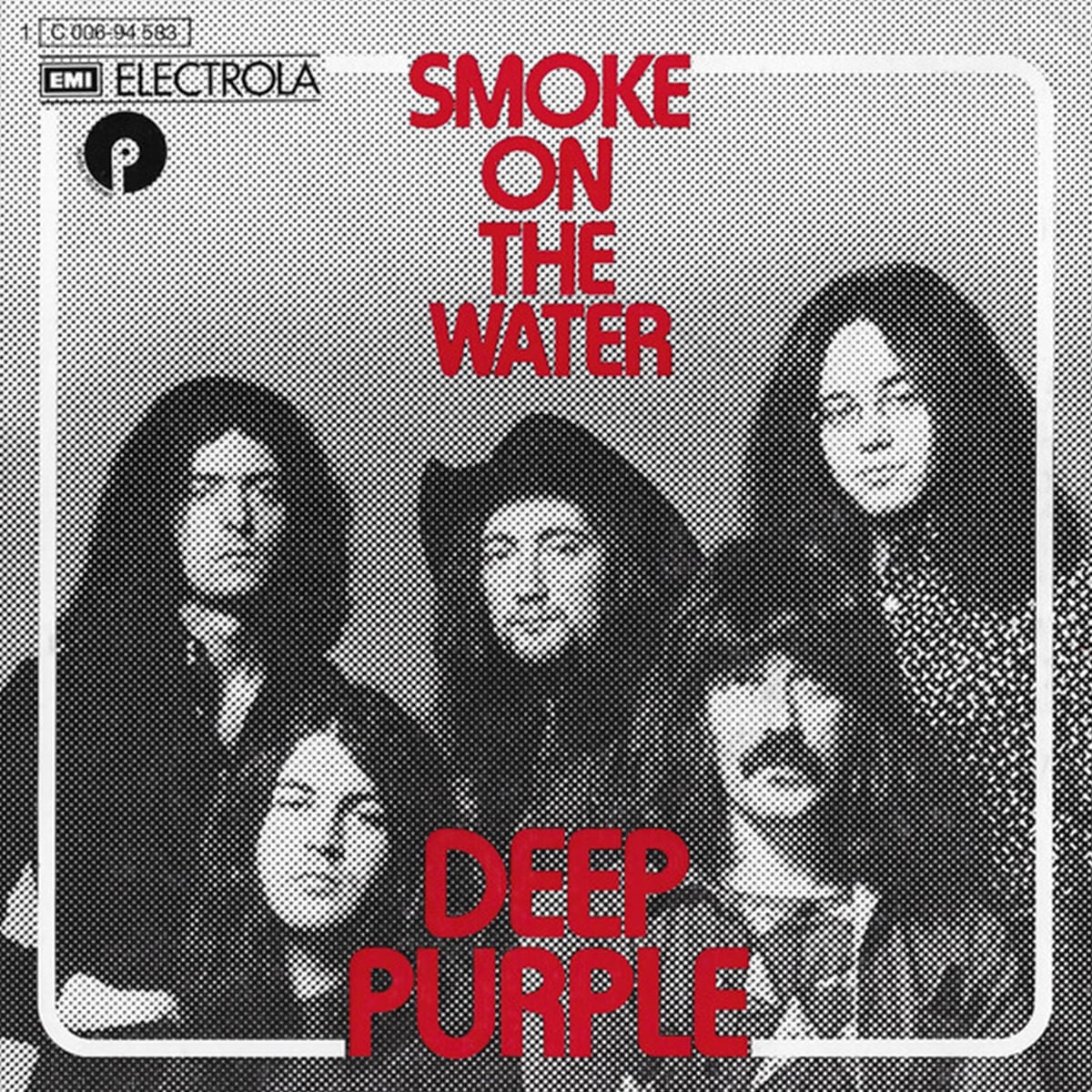
Maybe it’s become impossible to separate Ritchie Blackmore’s thunderous riff from the hundreds of amateur renditions you’ve probably heard in guitar shops or dorm rooms or practice spaces over the subsequent half century, but songs do become iconic for a reason, and while Tweedy would never have admitted any admiration for Deep Purple during his punk rock days, ‘Smoke on the Water’ was unavoidably foundational to his rock ‘n’ roll awakening.
“The fact is, this riff is absolutely the first thing I ever played on a guitar, back when I was seven or eight years old. This, my friends, was the ‘Seven Nation Army’ of my day,” Tweedy noted of the track.
Herman’s Hermits – ‘I’m Into Something Good’ (1964)
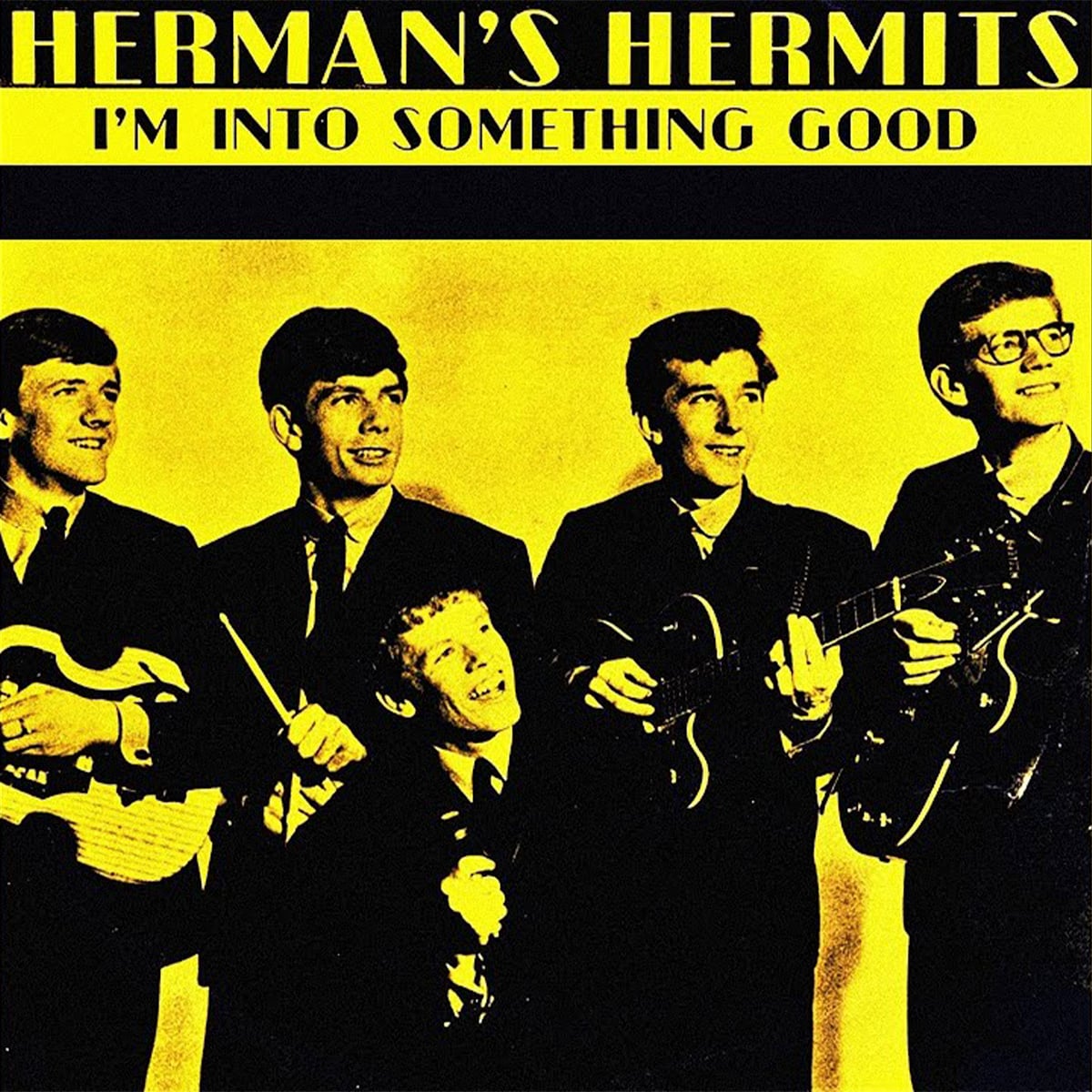
For a brief moment in 1964, several years before Jeff Tweedy was born, it looked like Herman (AKA Peter Noone) and his Hermits just might dethrone The Beatles and The Rolling Stones as America’s preferred British invasion band.
That didn’t quite work out, but this fine pop nugget, a number one hit in the UK and number 13 in the States, did remain a life-long favourite of Tweedy’s future wife, Susie. As such, the seemingly simple Carole King-penned track has also become a strangely difficult, ongoing challenge for Tweedy as a musician, as he has consistently failed to figure out how to play it correctly for Susie’s amusement.
“Luckily,” Tweedy said, “my failure to nail this one song down has become a running family joke. The joke being that I start singing the song, Susie gets excited, I fuck it up, and Susie gets comically furious.”
Billie Eilish – ‘I Love You’ (2019)

While technically not released as a single, this early Billie Eilish tune does have close to 1.5billion streams on Spotify. By comparison, Wilco’s biggest Spotify track, which is surprisingly ‘Jesus Etc’ from Yankee Hotel Foxtrot, is sitting under 150m plays. Even so, some of us require Jeff Tweedy to explain why he appreciates the music of Billie and Finneas.
Describing the brother-sister duo as “impeccably gifted stylists whose unique talents would have propelled them to stardom in almost any era of modern music”, Tweedy particular credits them for crossing the generational divide with their work.
He added, “I’m a happy husband and father of two, I’m far away from the world [Eilish] is living in, and the heartsick circumstances her lyrics are so directly addressing [in ‘I Love You’], so it struck me as odd that I could feel them so deeply as my own… There is no greater feat a songwriter can achieve.”

Never Miss A Beat
The Far Out Post-Punk Newsletter
All the latest Post-Punk content from the independent voice of culture.
Straight to your inbox.