


What on earth was “stomp, clap, hey” music?

They say that nothing is more uncool than what was popular a decade and a half ago. You can see this in the otherwise tedious Emerald Fennell movie Saltburn. The film was purposefully set in 2006, 15 years before the year it was written in, 2021. One of the movie’s few high points is how it presents that era’s tastes, from the highs of Sophie Ellis-Bextor’s peerless ‘Murder on the Dance Floor’ to the lows of the ever-present ‘Make Poverty History’ wristbands.
We’re now nearly half a decade on from Fennell’s scriptwriting process. It’s been fascinating to see that time period go from tastelessly old to tastefully retro. Everything from indie sleaze to old-school grime has become fashionable again. There’s even a dubstep revival coming along, if you can believe it. Today, we’ve got an entirely new kind of music to point and laugh at from 15 years ago.
By 2010, the indie rock boom of the mid-2000s had lurched headfirst into the stagnant fen that was landfill indie. We’re talking Viva Brother and Palma Violets, and don’t let anyone ever tell you that “landfill indie” is an unfair name for underrated music; I was there; it was wank. However, there was a legitimately pretty exciting strand of guitar music coming up from under the radar and into the mainstream.
Those guitars were no longer cheese-wire telecasters strapped up to some indie boy’s nipples. In fact, they were acoustic. The first wave of this folk-pop came as a more or less direct response to the indie-rock movement. The peak of this movement came in February 2008, when the only artist covered here who’s still a relevant figure in the year of our lord 2025 released her debut album.
Who made folk music cool?
Laura Marling’s debut album Alas, I Cannot Swim, along with her second album I Speak Because I Can are still two of the best albums of this whole time period by anyone you care to think of. Literate, mature and sometimes devastating, Marling made being a folkie cool in a way that it hadn’t been in years and record labels scrambled to capitalise.
One of those attempts to capitalise came from Noah and the Whale and their debut album Peaceful, the World Lays Me Down. Their catchy, unassuming brand of indie folk flew in the face of a music world desperate to shove The Pigeon Detectives down everyone’s throats. It also brought this scene of stark, austere folkies closer to the image of so-called “stomp, clap, hey” music that we know today as making music that was essentially just indie-pop with a few more mandolins.
Then, we get the big one. Laura Marling’s drummer, Marcus Mumford, began writing some songs of his own. He thought they were pretty decent, and a badonk-alonk zillion people agreed. With hits like ‘The Cave’ and ‘Little Lion Man’, for a brief period, Mumford & Sons were the hottest band in the world, breaking America like it was absolutely nothing by fusing rousing pop hooks with stirring, banjo-led hoedowns.
To any young person who might be reading this here article, you’re just going to have to take my word for it. This was legitimately popular and, in a lot of circles, pretty cool. I know, I know, lame barely covers it. Their astonishing success was the moment that saw American record labels rooting around for any photogenic folk pop bands they had down the back of the sofa in an attempt to replicate their success. Perhaps as a way of setting the record straight, after the most commercially successful Americana musicians were a bunch of privately educated, English poshos.
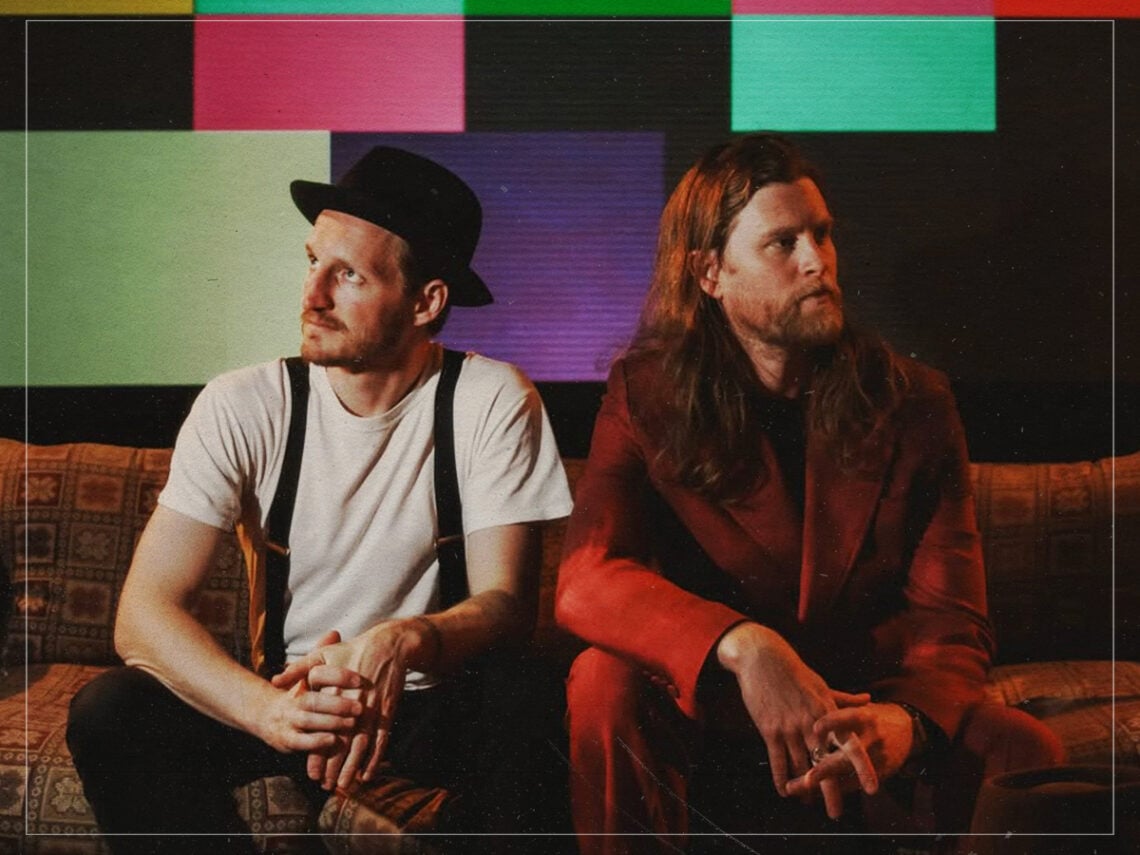
What America found was arguably the ultimate “stomp, clap, hey” band, in the sense that they released the song that has all those things in it. The Lumineers actually formed in Denver, Colorado, a few years before any of the previously mentioned bands. Their first single, ‘Ho Hey’, caused a stir on social media upon its initial release and over the course of the year, became a sleeper hit, climbing to a peak of number three on the Billboard Hot 100.
This moment led to the commercial success of bands who, mere years earlier, were respected indie lifers. Edward Sharpe and the Magnetic Zeroes, Bon Iver and Arcade Fire would have mainstream breakthroughs more or less as a direct result, along with countless other rootsy, sincere singer-songwriters that today read as naive to the point of ignorance at best and hopelessly passé at worst.
Give it another five years, though, and we’ll all love it again. Then, ten years after that, we’ll have to explain “Brat Summer” to the next generation. What with how dumbfounded some of the current generation is already about it, best of luck with that.
