


From The Cure to Turkish folk music: The many samples that make up Massive Attack’s 1998 masterpiece

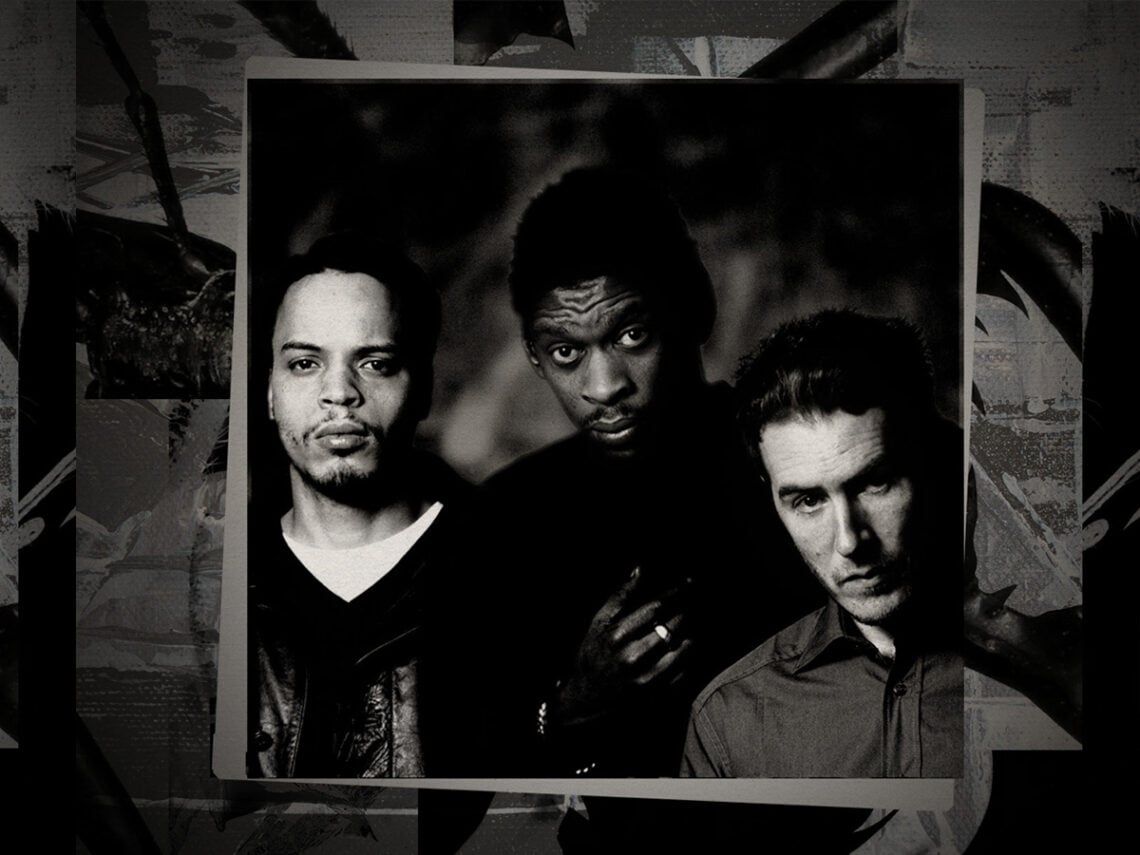
“Our music is all about imagination,” Massive Attack’s Grant Marshall, AKA Daddy G, explained in 1998, as his group was promoting its soon-to-be legendary third album, Mezzanine.
He added, “It’s all very well taking sound bites from other records, but unless you’ve got some overall idea of what you’re going to do with them, you might as well forget it. You’ve got to have a vision of how you want something to sound.”
As important historical context, Marshall was speaking during a time when the rapper and mogul Sean ‘Puff Daddy’ Combs was at the peak of his commercial dominance, and the art of hip hop sampling was at a bit of a crossroads. Where once DJs had prided themselves on masterfully weaving completely fresh and original grooves out of spliced and re-arranged snippets of obscure, pre-existing recordings, P Diddy had championed a new kind of cheat code for the process, sampling big, instantly recognisable hooks from established pop hits, guts intact, and, as MC Hammer and Vanilla Ice had done before him, just kinda rapping over it.
That might be a slight overimplication of things, but there was no denying that hip hop as a whole was charging headfirst into the pop realm in the late ‘90s, and as its own little subset of that universe, the mostly UK-based trip-hop scene was evolving, as well. “We’re making music differently now,” Andrew Vowles, AKA Mushroom, told The Age in 1998.
“Instead of sampling and looping sections of old records, we get people to play bits of music we’ve written, then we sample those.”
It sounds a bit absurd to create original music just for the purpose of sampling yourself, but it did certainly eliminate a lot of the increasing concerns around getting sued over uncredited samples. In an exciting way, it also enabled the members of Massive Attack to come up with ideas that their normal songwriting brains never would. Once their song sketches had been recorded, they would listen back to those tapes over and over again, “looking for identities”, as Robert Del Naja, AKA 3D, put it.
If Mezzanine was less dependent on traditional crate digging, though, it certainly didn’t abandon it. For a defining album of the 1990s, a lot of its vascular structure is pure 1970s, as 3D, Daddy G, and Mushroom, all children of the ‘70s, found room for a healthy stack of samples from that decade, ranging from old soul records to jazz, post-punk, reggae, film scores, and even a dash of Led Zeppelin. If there was a consistent thread that linked them all, it was a shadowy, uneasy mood, reflecting the state of the group after nearly a decade together.
“Maybe on this album, the dreams have gotten a bit darker,” Vowels told the Boston Globe, “The music is darker because there is a lot of bad friction in the band right now. We don’t really get along with each other. We don’t speak to each other… It’s not a nice situation.”
Friction and antagonism don’t often lead to masterpiece albums, but somehow, by communicating through their creative choices and not much else, Massive Attack pulled off the magic trick with Mezzanine. Here’s a closer look at some of the prominent samples from each track on the original album, listed in reverse order of appearance.
Track-by-track sample usage on Massive Attack’s Mezzanine:
‘Angel’ (featuring Horace Andy)
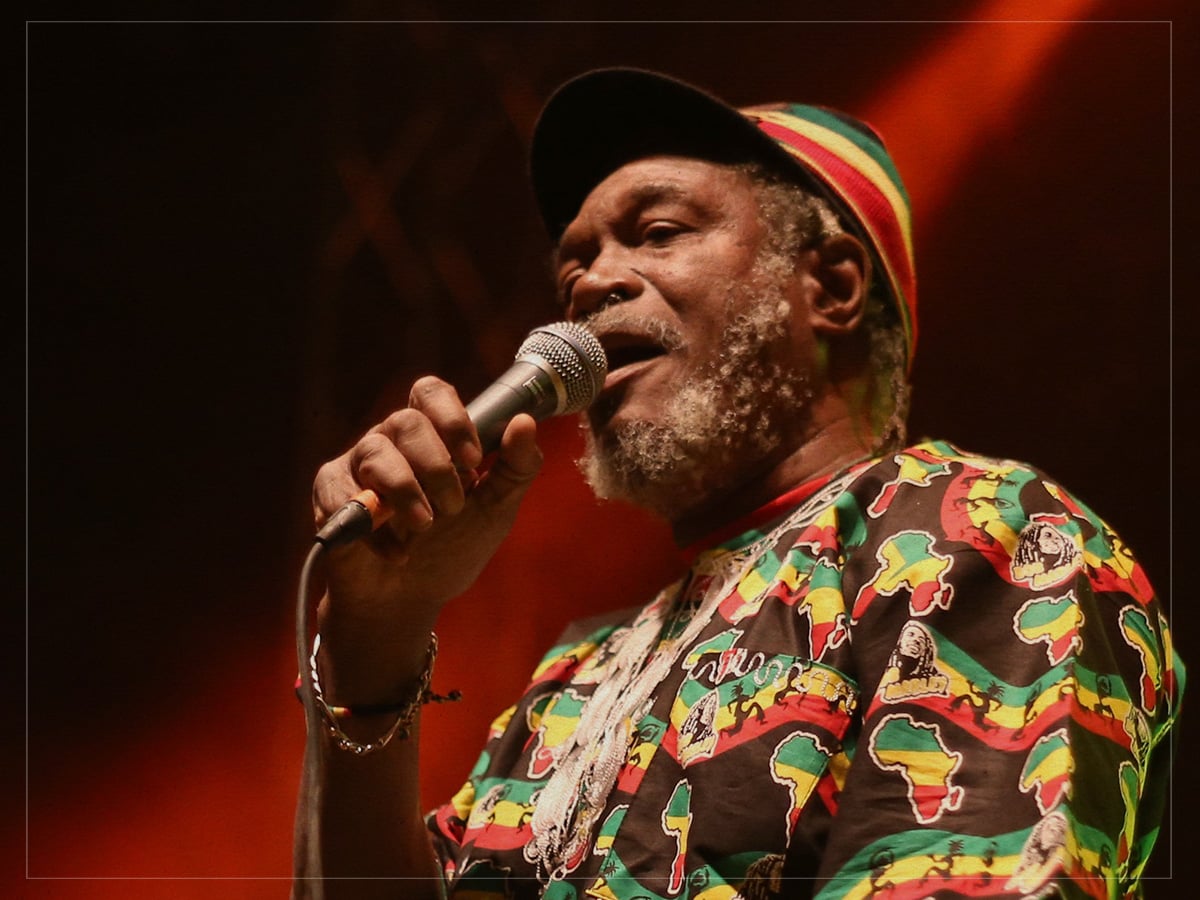
One of Massive Attack’s favourite collaborators, reggae legend Horace Andy, started working with the band early in their career, and can be heard on nearly half the tracks on Mezzanine, including the opener, which uses Andy’s 1973 original ‘You Are My Angel’ as a jumping-off point.
The most interesting pull from a sample standpoint on this one, however, is ‘Last Bongo in Belgium’, also from ’73. It’s a lesser-known track from the Incredible Bongo Band, whose ‘Apache’ has long reigned among the most sampled ‘70s songs of all time.
‘Risingson’

One of the album’s most sample-heavy tracks, Risingson famously borrows from ‘I Found a Reason’ from the 1970 Velvet Underground album, Loaded, which Lou Reed admitted was heavily influenced in its own right by the song ‘Chanson d’Amour’ by Art and Dotty Todd.
The Velvets core is spruced up by various fragments of jazz fusion and funk recordings, including Dillinger’s 1975 ‘Natty Kung Fu’ and Astra Nova Orchestra’s 1974 ‘Soul Sleeper’. The resulting languid groove and claustrophobic atmosphere illustrate Massive Attack’s ability to strip samples of their original context and translate them into Bristolese.
‘Teardrop’ (featuring Elizabeth Fraser)
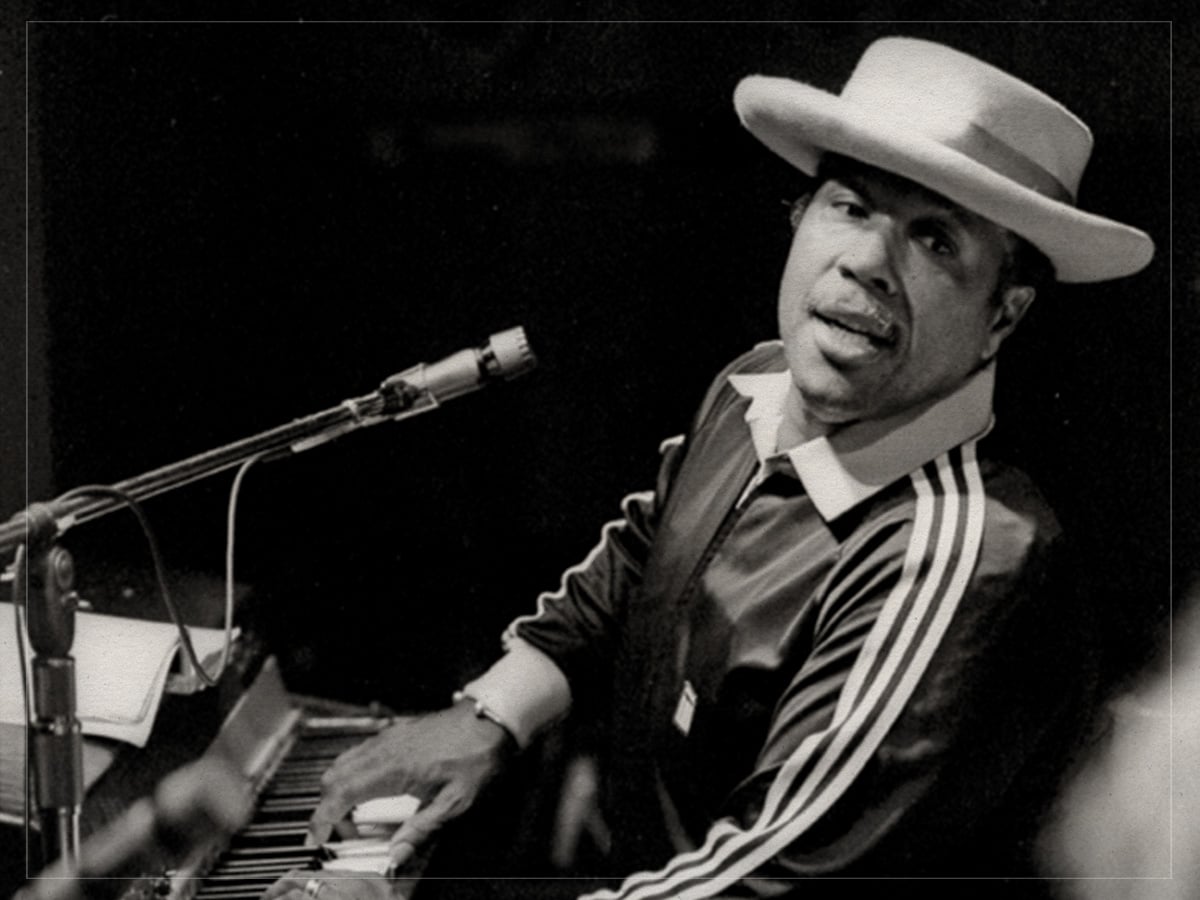
One of the all-time classics of trip hop actually relies mainly on live instrumentation, but the most notable borrowed element comes from a brief sample of ‘Sometimes I Cry’ by Les McCann.
A singer and pianist who enjoyed a career spanning more than 60 years, McCann was a consistent bridge between the worlds of jazz and soul, and his music became a trusted sample source for dozens of hip hop artists in the ‘90s, including A Tribe Called Quest, De La Soul, and Gang Starr.
‘Inertia Creeps’
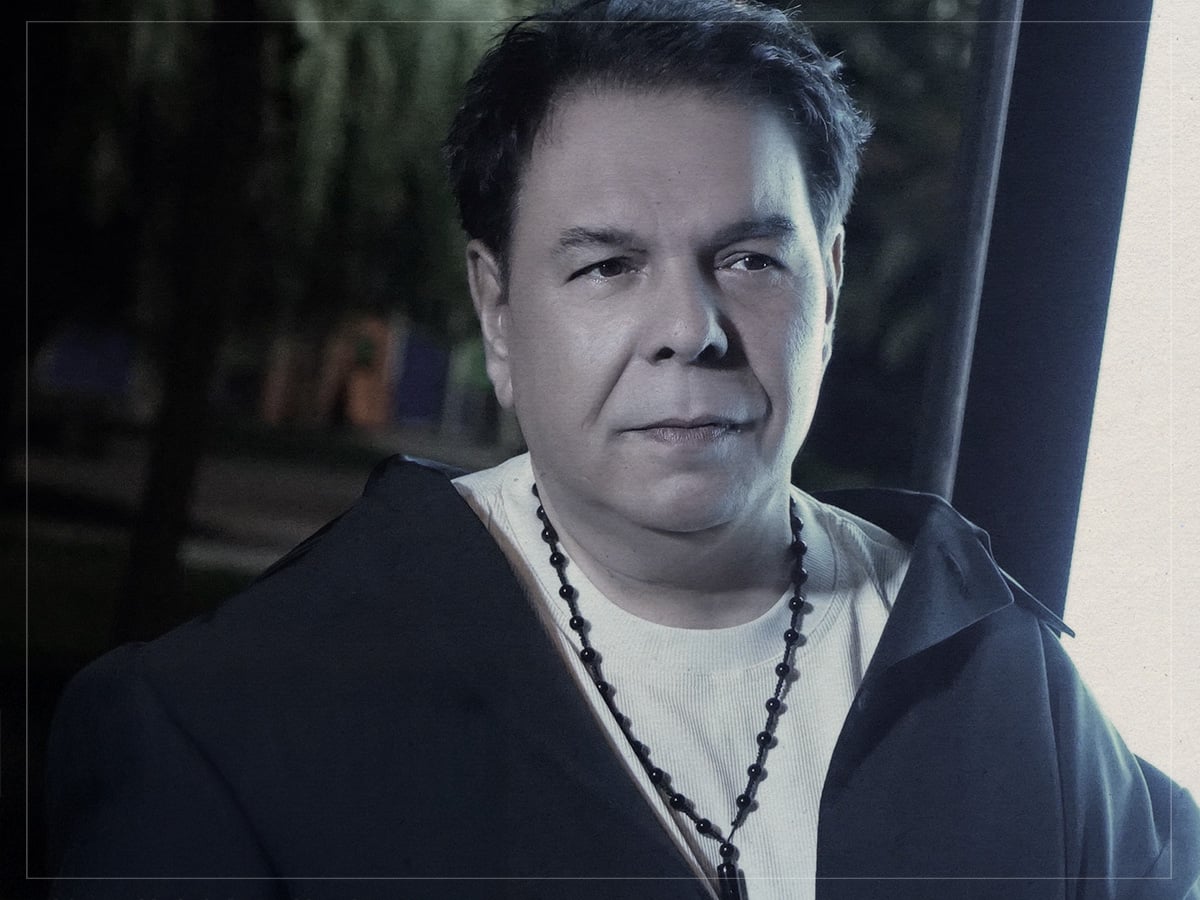
The hypnotic rhythm of ‘Inertia Creeps’ was inspired by and partly sampled from traditional Turkish çiftetelli (or tsifteteli) folk music, specifically a quite recent 1995 recording of ‘Istanbul’ by Balik Ayhan; sometimes associated with belly dancing, çiftetelli is usually violin-centric and guided by an 8/4 time signature.
3D had been introduced to this music while hanging out in Istanbul, and recorded some of it onto a tape recorder, which ultimately served as the medium for the sample. Through no direct association, Ultravox’s 1977 track ‘Rockwrok’ also pops up here.
‘Exchange’
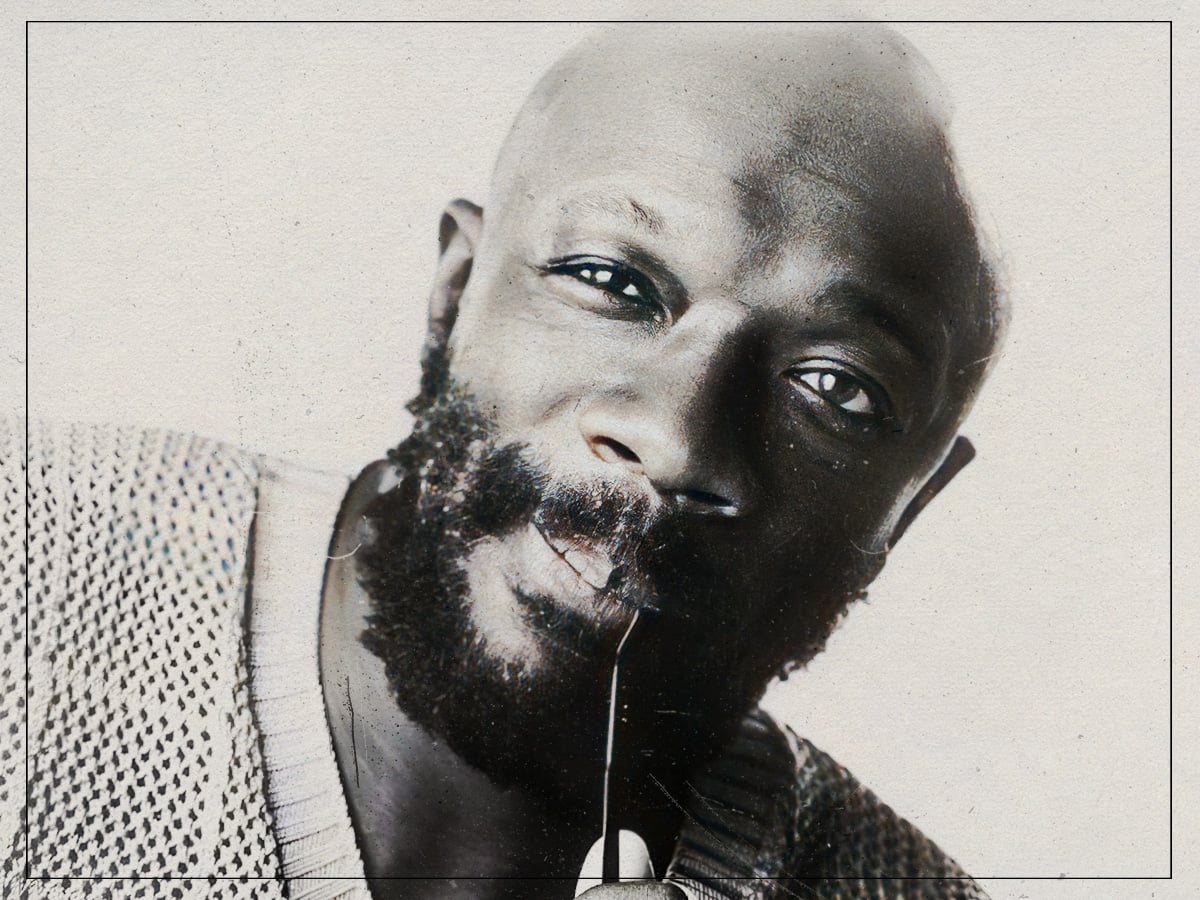
A brief instrumental interlude, ‘Exchange’ draws heavily from Isaac Hayes’s lush soul arrangement ‘Our Day Will Come’, from his 1970 album …To Be Continued.
Massive Attack isolated and reshaped fragments of Hayes’s orchestration, turning a warm, romantic recording into something ghostly and detached, providing a momentary pause amid the album’s mounting tension. There’s a bit of Valerie Simpson’s ‘Summer in the City’ in there, as well.
‘Dissolved Girl’ (featuring Sarah Jay Hawley)
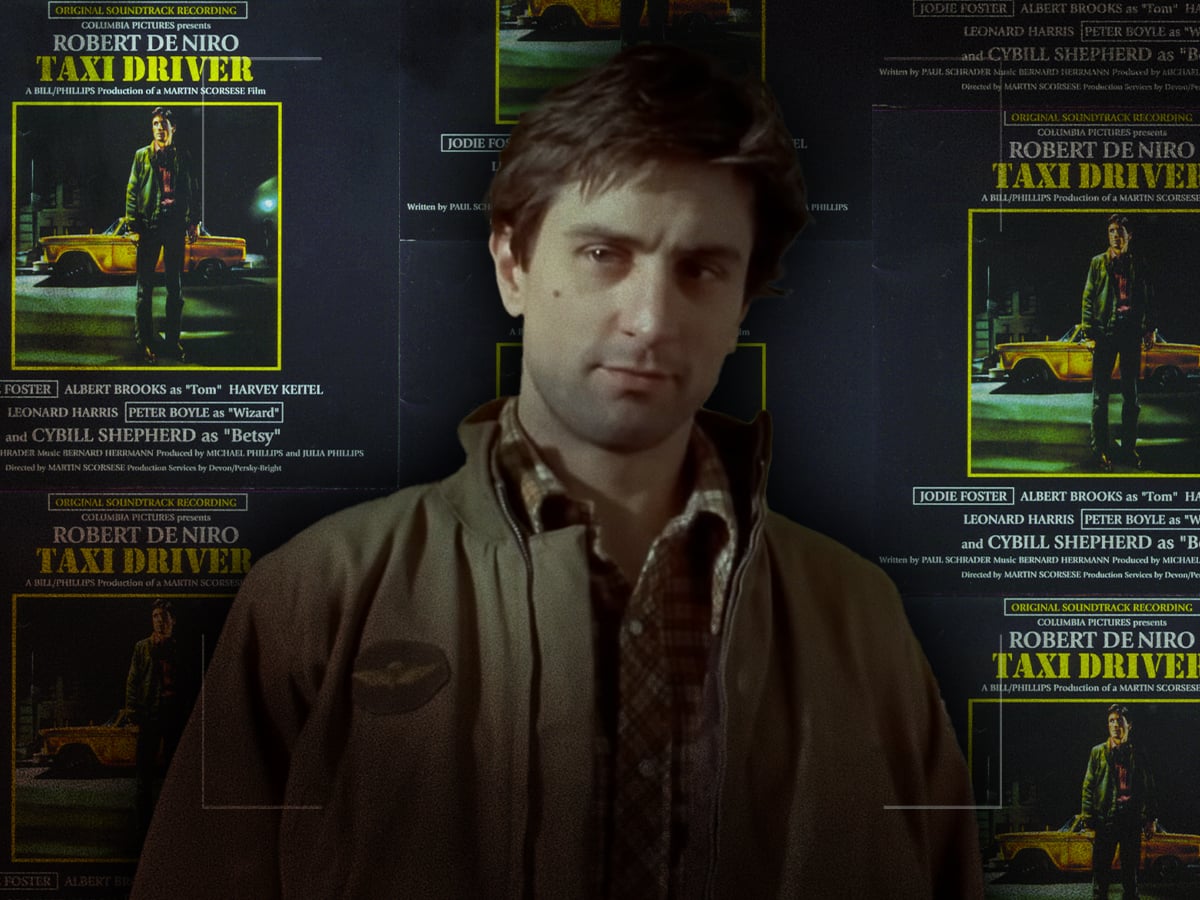
Fairly straightforward and short on samples, this track includes layers of distorted guitars and electronic textures to obscure most of the ‘borrowed’ elements, including some brooding bits and bobs from Bernard Herrmann’s legendary film score to 1976’s Taxi Driver.
In 2013, The Weeknd moved the sampling train forward by foraging into ‘Dissolved Girl’ as a source for a track called ‘Yesterday’, but that demo wouldn’t see the light of day until it leaked online a decade later.
‘Man Next Door’ (featuring Horace Andy)
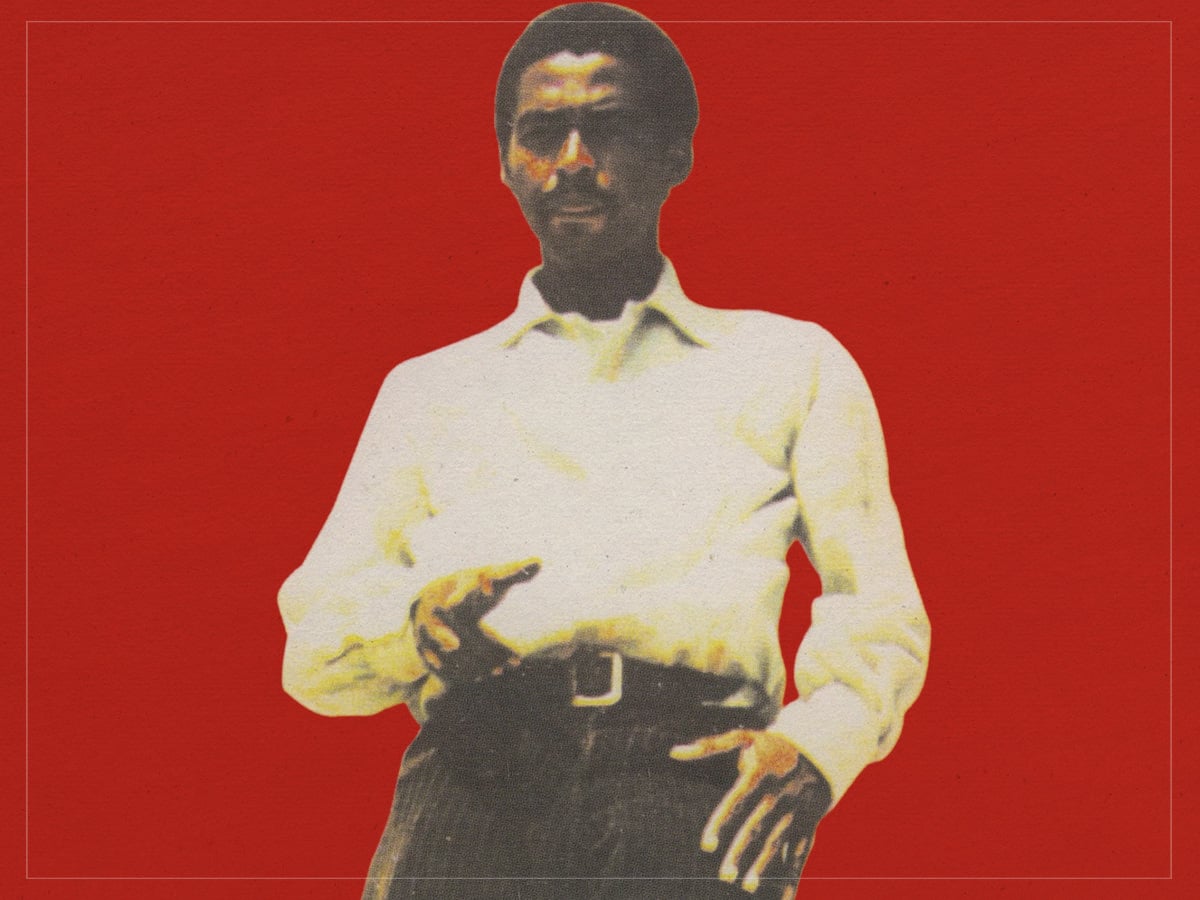
The song itself is effectively a reinterpretation of the reggae classic ‘Man Next Door’, originally recorded by John Holt and the Paragons in the 1960s.
Massive Attack overlay the familiar melody with a sample of John Bonham’s ferocious drums from Led Zeppelin’s ‘When the Levee Breaks’, then shake it up further with an injection from the early catalogue of The Cure, with 1978’s ‘10:15 Saturday Night’.
‘Black Milk’ (featuring Elizabeth Fraser)
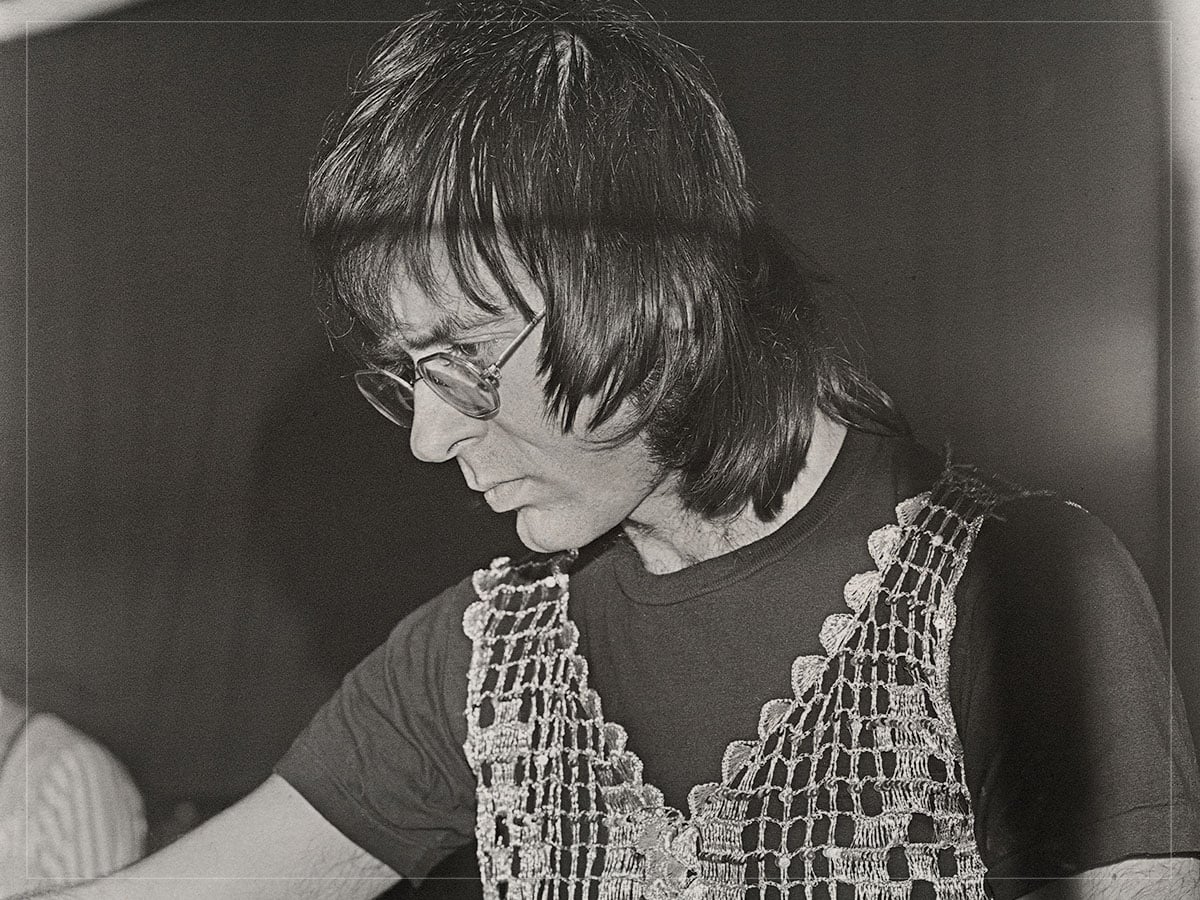
Sometimes, even a seasoned and experienced DJ pulls the wrong disc. The use of the 1972 track ‘Tribute’ by Manfred Mann’s Earth Band was actually perfect for this Liz Fraser slow-burner, but the guys in the Earth Band were less into it.
Manfred Mann himself (real name Manfred Lubowitz) filed a lawsuit in 1998, looking for damages and costs from the use of his music, as well as an injunction to halt further sales of Mezzanine. In response, Massive Attack remixed the song, sans Manfred sample, renaming it ‘Black Melt’. Something did eventually get worked out legally, though, as the original sample returned on later releases.
‘Mezzanine’
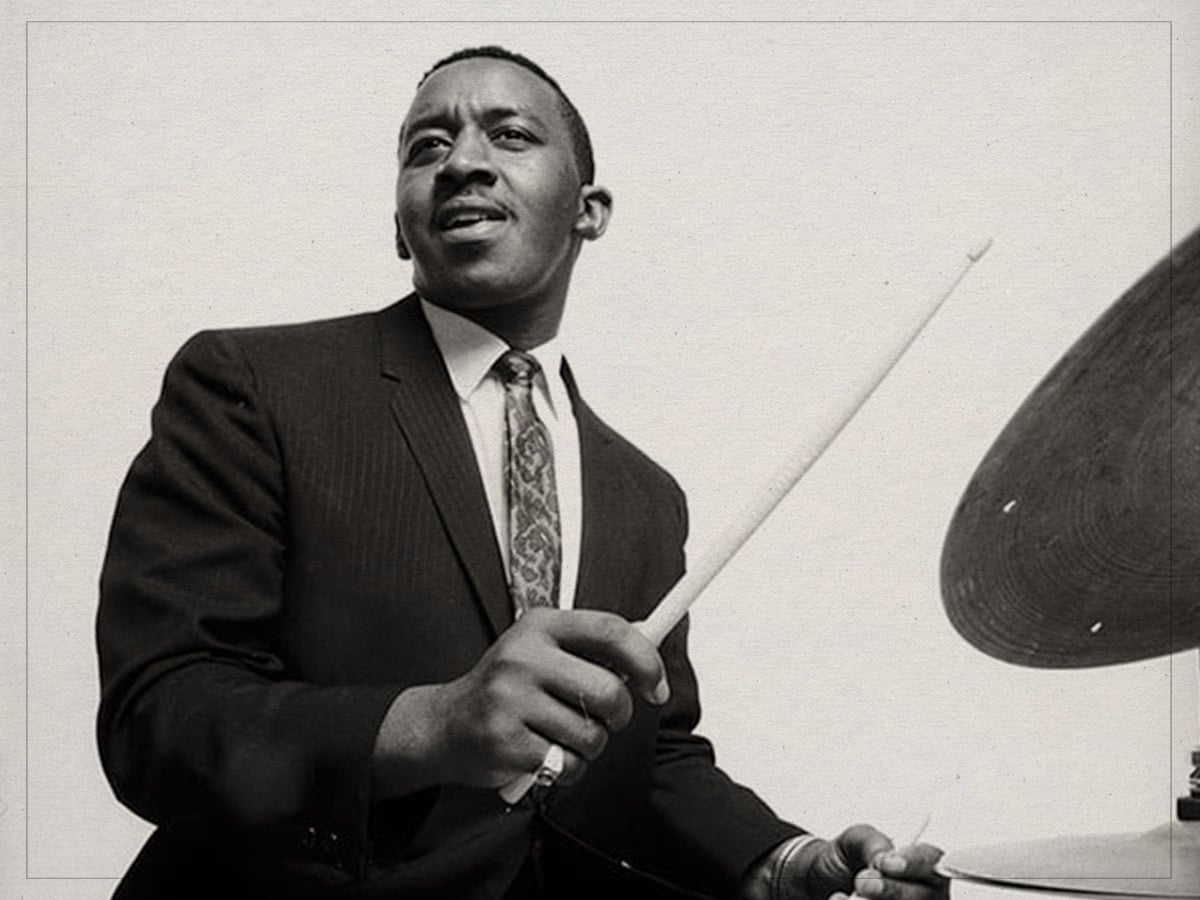
The title track is believed to be mostly all original elements, save for some percussion lifted from the 1972 track ‘Heavy Soul Slinger’ from funk and soul drummer Bernard Purdie.
Purdie famously played in James Brown’s band in the late ’60s and early ’70s, and as no coincidence, would also become a sampling staple in the hip hop age, even if his name never became a household one.
‘Group Four’ (featuring Elizabeth Fraser)

Pink Floyd doesn’t tend to get mentioned much as an influence on trip hop, but on the trippier end of the spectrum, the dark mood-setting of early Floyd certainly feels like it links up.
Massive Attack paid subtle homage here, using a sample of 1969’s drum-heavy instrumental ‘Up the Khyber’ from the More soundtrack. Floyd fans will know this number, if for nothing else, as the only entry in the band’s catalogue credited to Nick Mason and Richard Wright as the sole songwriters.
‘(Exchange)’ (featuring Horace Andy)
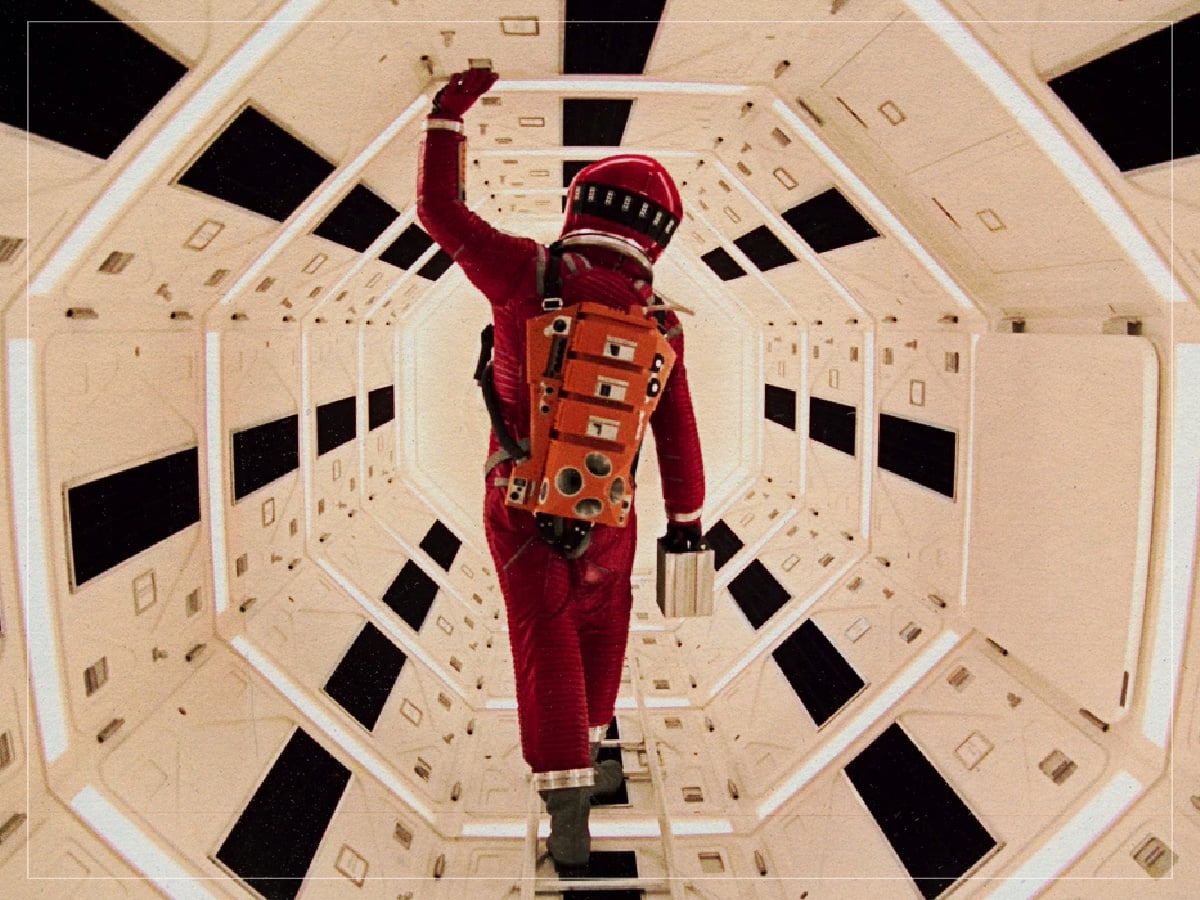
This closing reprise revisits the Isaac Hayes-derived material from the earlier ‘Exchange’, but this time morphs into a cover of Horace Andy’s 1970 reggae track ‘See a Man’s Face’, slowed to about half-time and flown through the stargate from 2001: A Space Odyssey. That’s not a sampling reference, just a vibe.
“I like the challenge of singing with Massive Attack,” Andy told The Guardian in 2022, “No reggae producer allows me to sing like that. They use samplers, which I don’t prefer…but they create interesting sounds.”
