


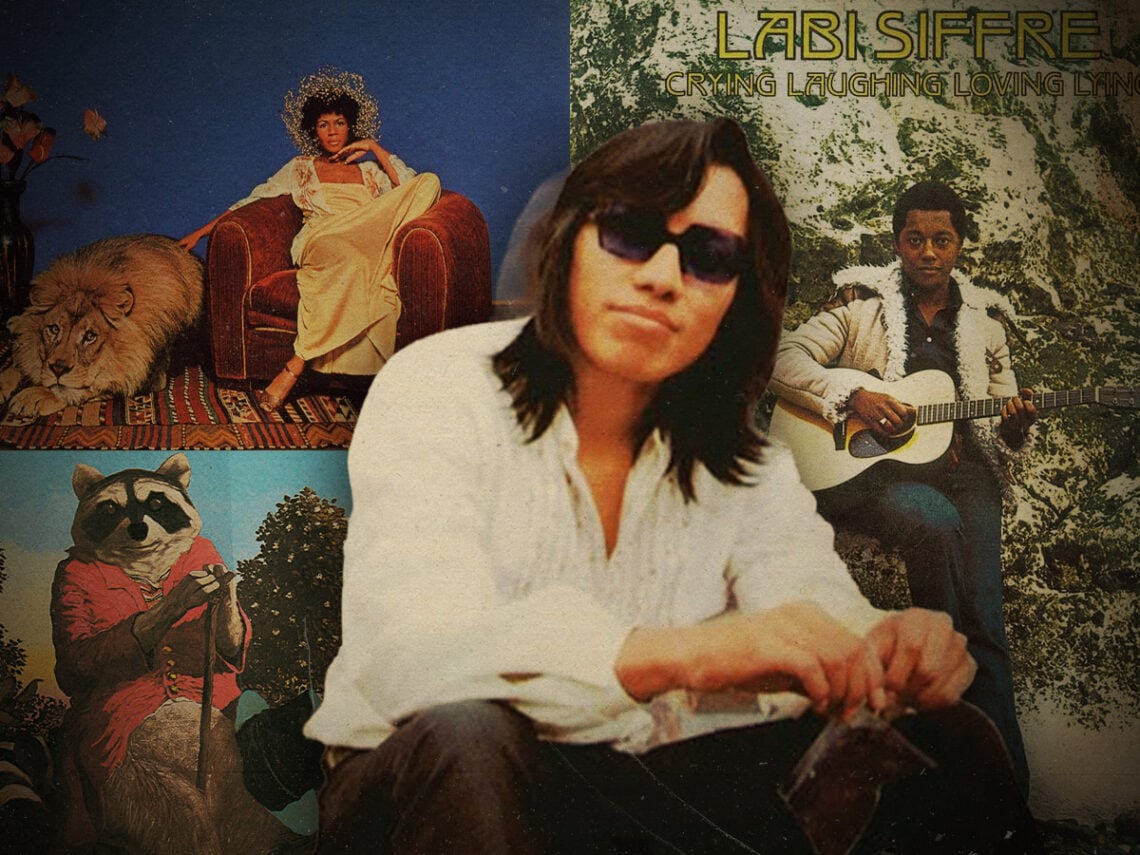
The stories behind the five most underrated songs from the 1970s

Generally speaking, there’s no feasible way to underrate the 1970s.
As a musical decade, it really was as good as anything got, with wild innovation converging with the invention of new genres that together spearheaded the concept that the album was the premier format.
Musicians were taking their artistry seriously, thinking about a whole load more than just writing commercial hit singles and instead crafting lyrical and sonic narratives that develop over time and with care.
Pink Floyd redefined the concept album with The Dark Side of the Moon, Fleetwood Mac proved just how intimate songwriting could be with Rumours, and The Clash set the foundations of punk rock with their ‘79 masterpiece London Calling. But really, all of these records got the credit they deserve, and nearly half a century on, we are still mythologising them.
The greatness of the ‘70s didn’t really exist in the corridors of those ideas. The bulletproof reputation of the decade is in the records that quietly shaped the era and received less adulation in doing so. It seeped into the consciousness of music fans in a more subliminal but profound way and directed music fans further into the heart of darkness when commercialism became too exhausting for them.
There are more than just five songs that serve as underrated from this era. In fact, we’ve picked 100 for you right here. But in the interest of giving these songs the time they deserved, we whittled the story time down to just a handful to prove that every single brilliant song of this era was written with creative intent.
The stories behind the five most underrated 1970s songs:
Minnie Riperton – ‘When It Comes Down To It’
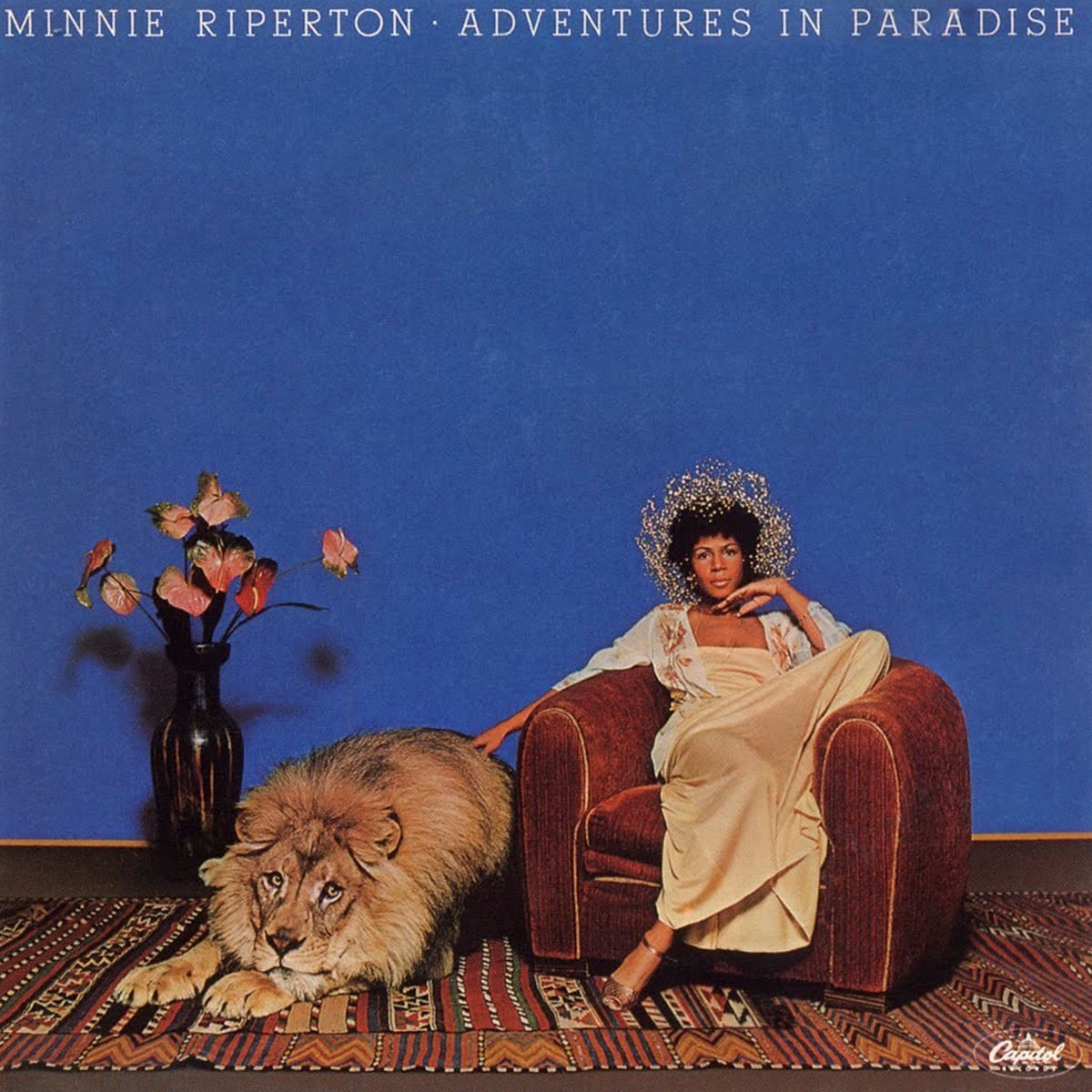
Success can often feel like an albatross around the neck. It was certainly the case for Minnie Ripperton after her ‘74 whimsical love song ‘Lovin’ You’ hit number one on the US Billboard Hot 100 and number two on the UK charts.
Epic Records wanted a follow-up immediately and pushed her to rinse and repeat. But Riperton rebelled against the idea of churning out the same idea to minimal variation and so changed tack. With previous producer Stevie Wonder out of action, Minnie and husband Richard Rudolph hired Stewart Levine to co-produce her next album, along with jazz pioneer Joe Sample and songwriter Leon Ware, who had previously worked with Marvin Gaye.
Together, this new team laid down a sultry album of jazz-infused soul called Adventures In Paradise. The record plunged deeper into the worlds of R&B with achingly groovy arrangements that evolved from ‘Lovin You’, yes, but made Ripperton a treasured artist in doing so. ‘Inside My Love’ and ‘Baby This Love I Have’ serve as standouts, whereas ‘When It Comes Down To It’ proved her songwriting breadth.
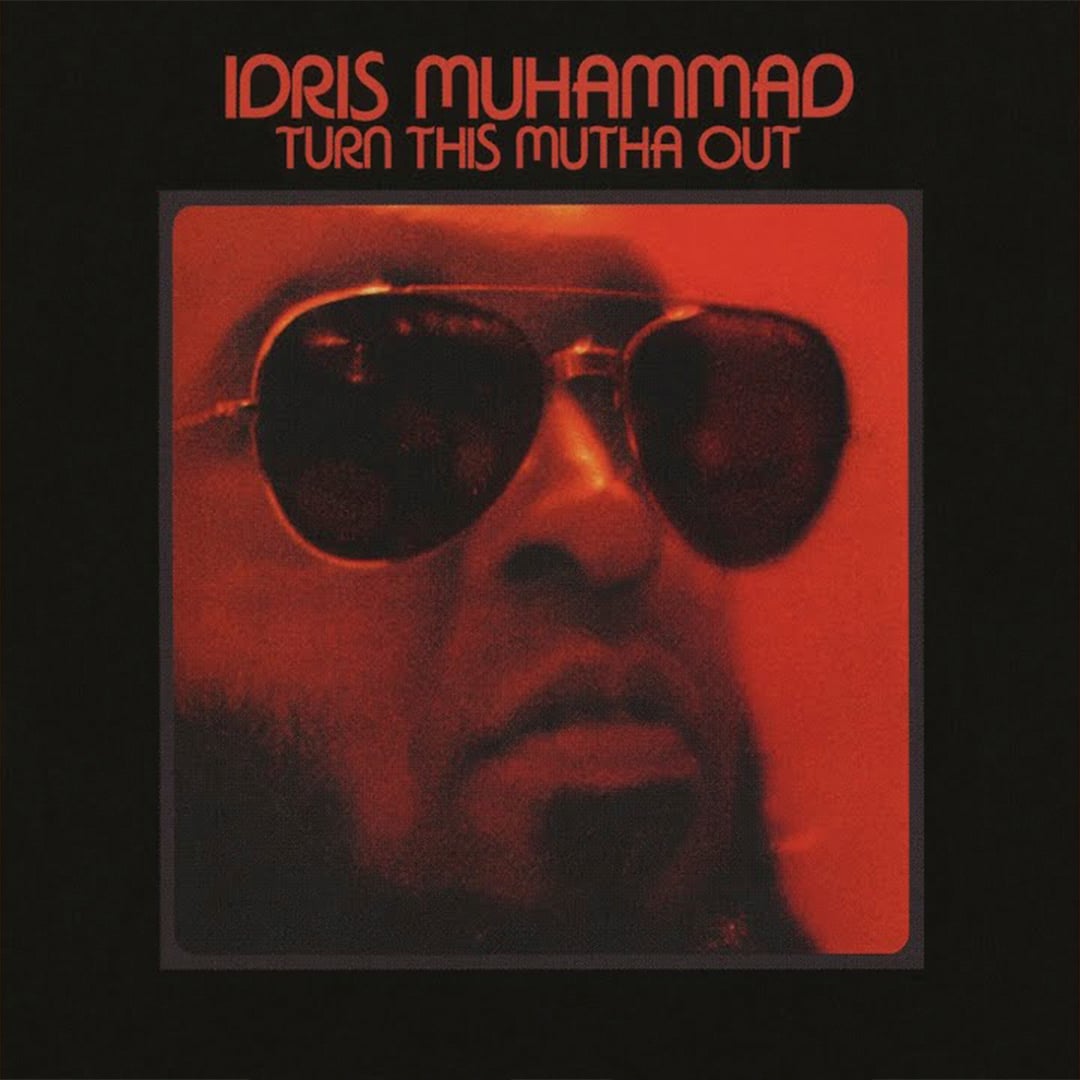
Idris Muhammad – ‘Could Heaven Ever Be Like This’
Much to the dismay of die-hard rock fans, disco began to take shape in the ‘70s and platform a generation of dancers who have ultimately inspired much of the musical landscape we enjoy today. So much of the anger towards that genre was placed towards the likes of Chic and Diana Ross, who were spearheading it into commercial territory.
Idris Muhammad’s genre-fused epic perhaps eluded vitriol because, at nine minutes long, it often escaped the commercial clutches, but more so, because it was undeniably innovative as a piece of music. Jazz, funk and disco trade punches in a song that is deeply accomplished in its performance and wildly inventive in its delivery and really has built the blueprint for modern dance music.
Muhammad’s impeccable drum playing was placed as the hero of the song, rendering the vocals as mere backing players. “I’m a musical drummer. I play the musical part of the song,” Muhammad described himself, explaining just how he turned a timekeeping instrument into a dancefloor star.
JJ Cale – ‘Magnolia’
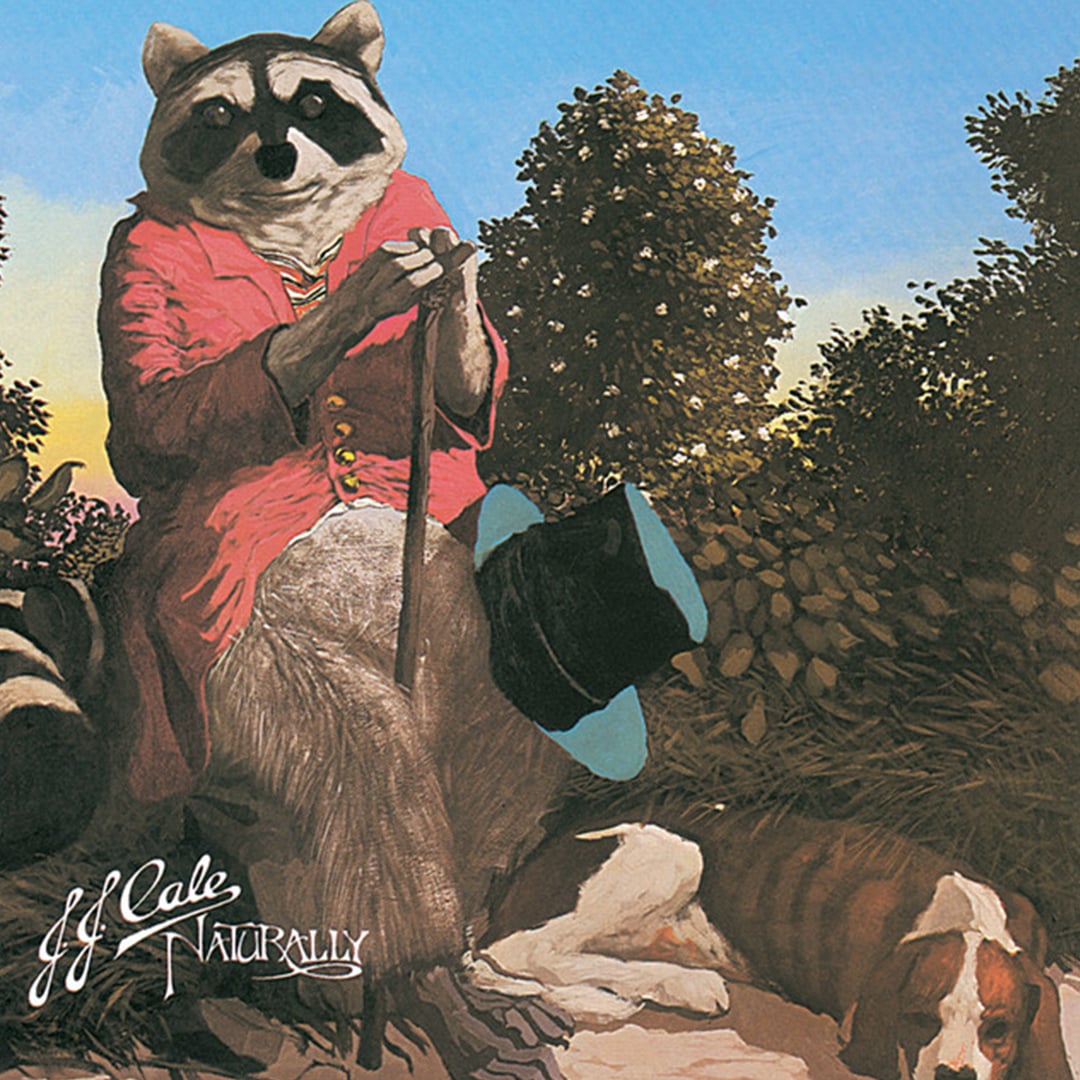
The romantics among the 1970s crowd had plenty of music to choose from, and so it’s not surprising that the softly delivered ‘Magnolia’ slipped under the radar. But a swift listen proves that it might just be one of the most romantic songs ever recorded.
But it never got the recognition it deserved, not because of the other worthy romance writers but because of Cale himself. ‘Magnolia’ was overshadowed by its B-side, ‘Crazy Mama’, in terms of chart success, becoming his highest-charting and only top 40 hit in the United States, peaking at number 22. Ultimately, Cale was happy with that, for he considered Magnolia’s mid-tempo profile to be too melancholic for him.
However, die-hard fans quickly developed a love for ‘Magnolia’ for it outlasted the instant success of any commercial hit, and its tenderness grew with each passing year. It captured that spirit of wistful longing so well that Eric Clapton, John Mayer, and Beck all went on to cover it.
Labi Siffre – ‘Cannock Chase’
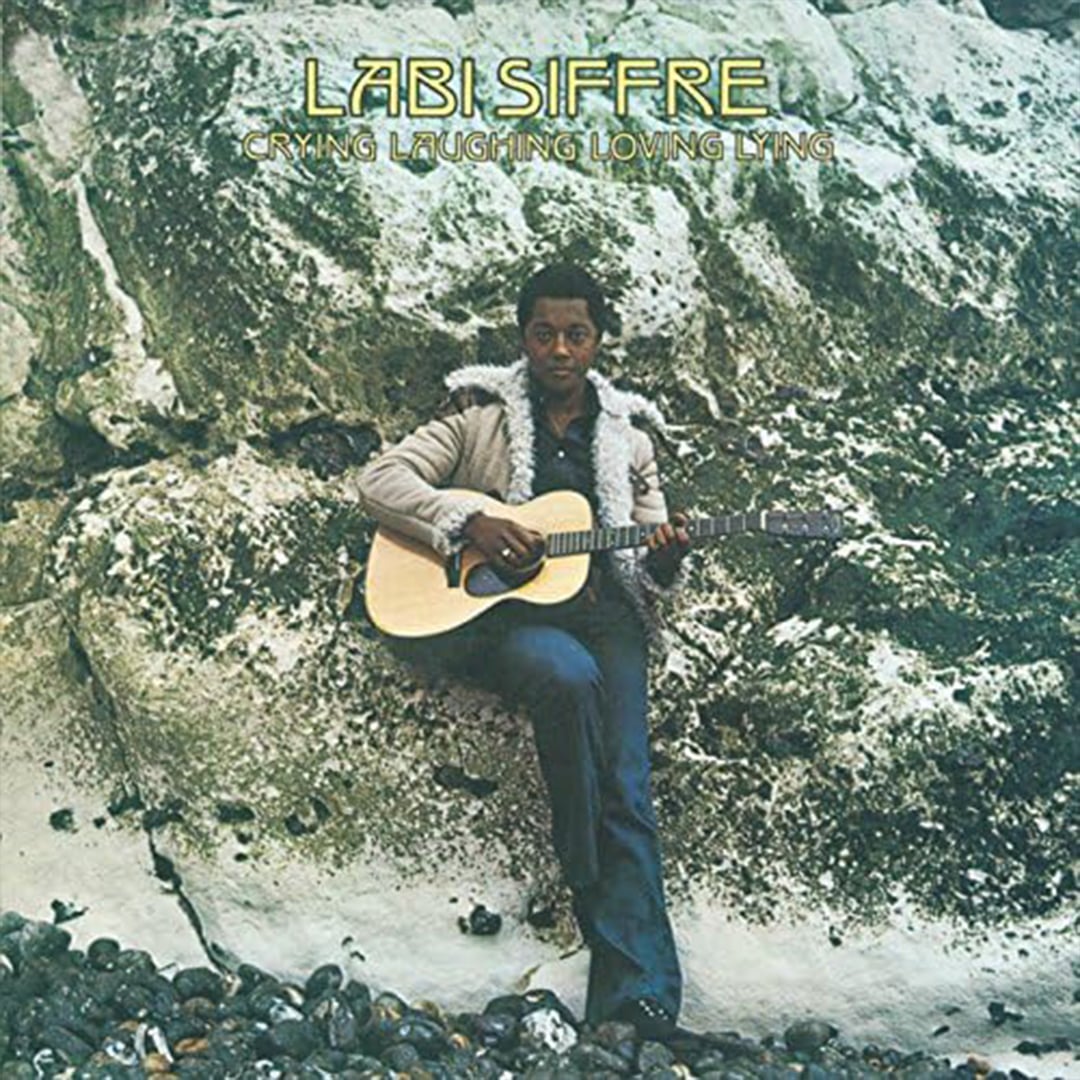
Labi Siffre’s poignant and inspirational song is perhaps the perfect example of artistic literacy, which sees him grappling with the painful pursuit of his own life, battling depressive slumps and soul-crushing rejections. He plainly shows that his way of overcoming them is keeping it simple and engaging with the world around him.
“Peter and I had a philosophy, which is, you go into the country, and you just keep going up. You just keep going up and eventually you will come to unfenced land, and I used to do that and I’d find a spot and I’d sit down and practice. Well, in this one time, I found Cannock Chase. I was sitting in the backseat of my car, with my arms around my guitar and the rain fell.”
There it was, the opening verse to a song that is so visceral and imaginative, all while being simply reflective. Rather justly, this song has gone on to have something of a resurgence over the years and has become a quiet anthem of ‘70s genius, taking Siffre to a much-deserved place of cultural reverence.
Sixto Rodriguez – ‘I Think Of You’
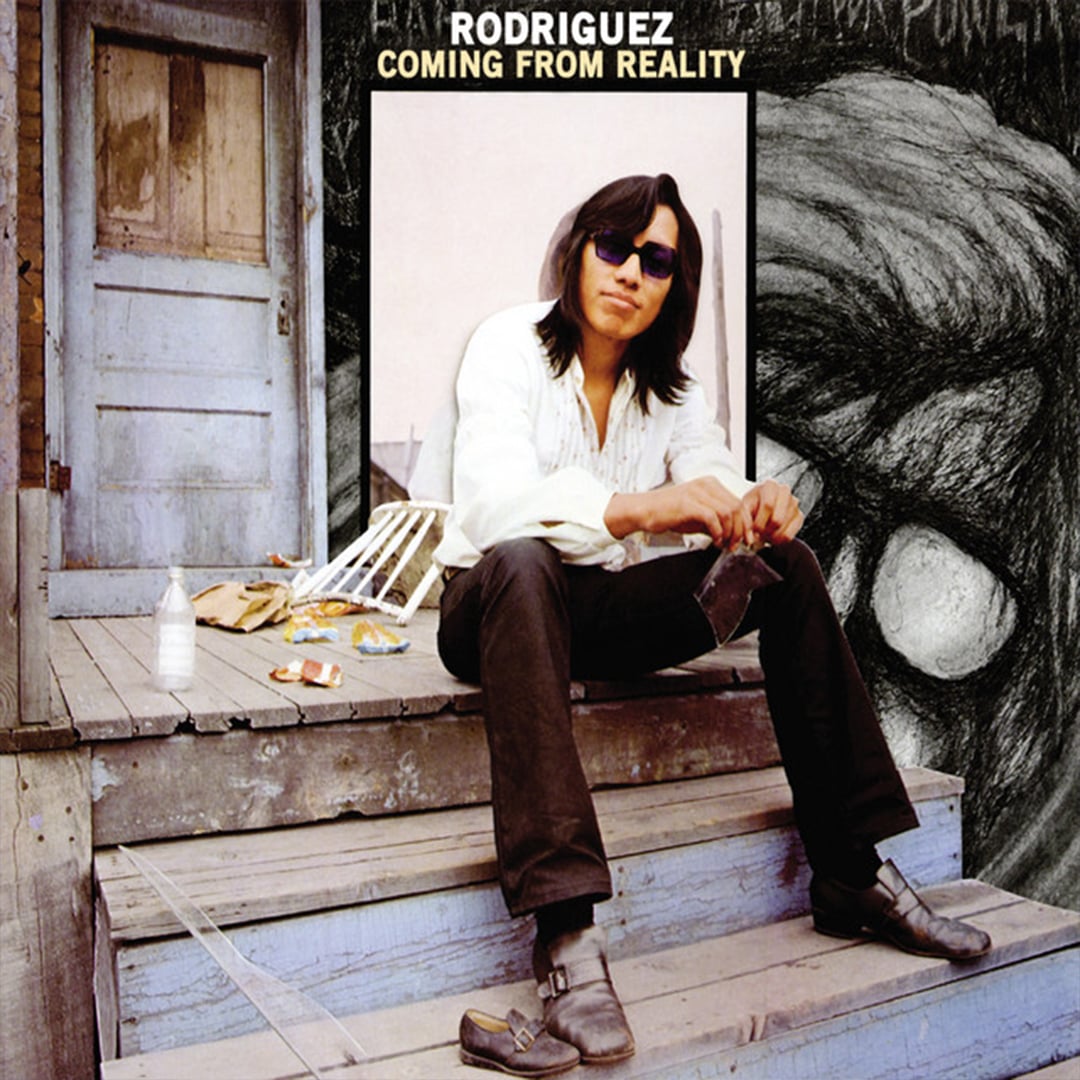
There is no artist who epitomised being underrated better than Sixto Rodriguez, until Searching for Sugarman hit our screens and proved just how influential this songwriter was. Despite the fact that his words were rivalling that of Bob Dylan’s, the American world failed to take notice of his music, and so he resigned to a life outside of music after just two albums.
In a bid to fire one last beacon to the music industry, decamping from Detroit to London’s Lansdowne Studios for Coming From Reality, where his humble folk-rock arrangements were embellished into something more psychedelic and at times tender.
‘I Think Of You’ was a proud showcase of this, with his reflective vocals softening to deliver a tenderly romantic take about his first wife, Rayma Kay Barrett. It accepted the quiet moments of companionship that Rodriguez knew were soon coming, as neither album made the mark he hoped for, and so waking up each day as it began, thinking of Barrett, was accepted as a worthy fate for this supposedly failed musician.
