


How did Leeds become the epicentre of UK dub reggae?

Removing the infectious off-beat rhythms of dub and reggae from their sun-soaked surroundings in Jamaica is virtually impossible; since the very early days of the sound, it has been rooted in the national identity of the island nation. Inevitably, though, when that national identity travels across oceans, it brings the sweet sounds of reggae with it.
Hence, since the post-war period during which thousands of people relocated from the Caribbean to the UK, in search of work rebuilding the nation following the devastation of World War II, Britain has boasted a particularly vibrant realm of reggae, ska, rocksteady, and, eventually, dub. During those early days, it was ska that caught the attention of British audiences, sparking the skinhead subculture and making commercial stars out of artists like Desmond Dekker or Dandy Livingstone.
As the years went by, though, the UK didn’t need to import its reggae heroes. As early as the 1970s, a unique sound began to emerge from the areas which featured booming Caribbean populations. In Birmingham, for instance, the likes of Steel Pulse, UB40, and the entirety of Coventry’s 2 Tone movement gave the UK its own distinctive reggae sound, combining the inherently Caribbean rhythm with the identity of second-generation Jamaican immigrants living in Britain.
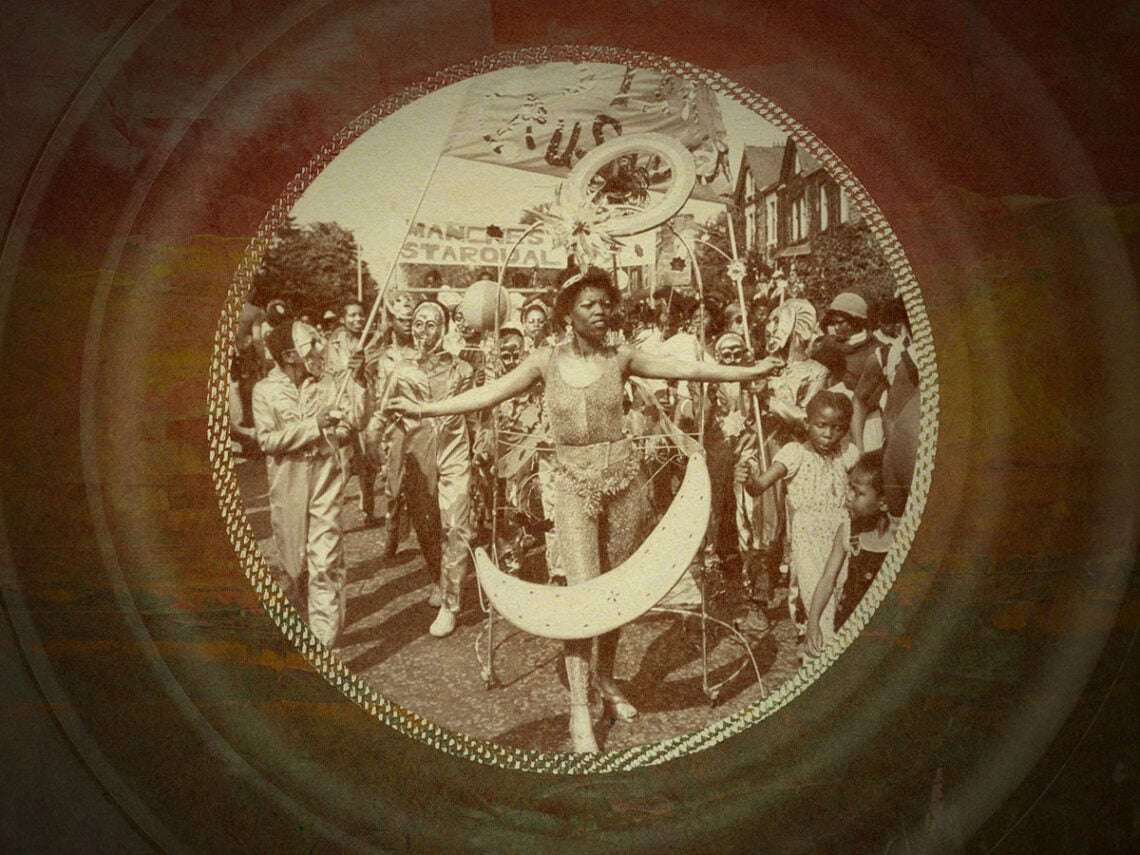
Dub became a core part of that identity during the mid-1970s, and it was in Leeds that those heavy sounds properly took root. That fact perhaps isn’t so surprising, given that the West Yorkshire city is the home to a particularly vibrant Caribbean population, and Leeds Carnival is one of the oldest and longest-running Caribbean carnivals in Europe, dating all the way back to 1967.
While Leeds still plays host to an incredible dub, reggae, and, more recently, jungle scene to this very day, it was during the 1970s that the city fully embraced Jamaican soundsystem culture for the first time. It all started around 1977, when I was about seven years old,” legendary Leeds DJ Nightmares on Wax once told Electronic Sound.
“Hearing the reggae sound systems in my neighbourhood.”
“There were two rival sound systems, Concrete Lion and Messiah,” he continued. “The Messiah sound system was from Hyde Park in Leeds, which was where I grew up.” Those pioneering soundsystems borrowed from the rich heritage of soundsystem culture in Jamaica, building homemade speakers and engaging in constant battles for who could uncover the greatest sounds.
The only prevailing difference, in fact, was that instead of performing in the sun of Kingston, Jamaica, they were setting up in venues like the Belle Vue Youth Centre and local social clubs.

Throughout the 1980s, Leeds’ dub culture only seemed to expand, with more and more musicians, DJs, and soundsystems emerging from the industrial backdrop of West Yorkshire. Leeds West Indian Community Centre, for instance, became the home of DJ Mark Iration, he Iration Steppas collective, and SubDub nights which eclipsed any other dub nights taking place across the rest of the country.
Leeds has an incredibly rich musical history, stretching from the pioneering post-punk sounds of Gang of Four and The Delta 5, right the way through to the acid house of the late 1980s, and the notably excellent independent scene in the city today, but its dub scene is certainly among its greatest exports. Outside of Jamaica itself, you would struggle to find anything to compete with Leeds dub.
