


The Best Band You’ve Never Heard: Steel Pulse, Britain’s first reggae outfit

Reggae music, as a genre and a lifestyle, is indefinitely tied to its roots on the island nation of Jamaica. Rising from local ska and rocksteady scenes, reggae burst onto the scene in the late 1960s, producing global stars like Bob Marley and having a vast influence over global music scenes. Despite its Jamaican beginnings, a great deal of reggae music was created within the United Kingdom, and it all started with Steel Pulse.
The advent of the Windrush generation, families who emigrated to the UK from the Caribbean to rebuild the country after World War II, indefinitely changed the cultural landscape of the nation. However, due to racist attitudes, this wave of immigrants was met with hatred and violence by much of the white British public. Many landlords would refuse to let properties to Black people, causing many Caribbean immigrants to have to settle in traditionally low-income areas of industrial cities like Leeds, London and Birmingham.
As a result, a newly introduced generation of Jamaican kids were growing up side-by-side with white working-class kids. Although this did not always produce the most harmonious results, with race riots and hate crimes rife in the late 1950s, this multiculturalism also paved the way for a blossoming subculture: the skinheads. The early period of skinhead was characterised by a love for Jamaican ska music, uniting white and black youth under a common cause, helped along by Trojan Records producing artists like Desmond Dekker, Marcia Griffiths and Dandy Livingstone.
Skinhead was quickly hijacked by far-right hate groups like The National Front, who infected the subculture with nationalist anti-immigration rhetoric. As the 1970s progressed, the popularity of ska died down somewhat as a new generation of British-born kids of Caribbean ethnicity looked for an identity of their own. It was incredibly difficult for the children of Windrush, as they found themselves rejected from white British society but felt little connection to the Jamaican roots that their parents had.
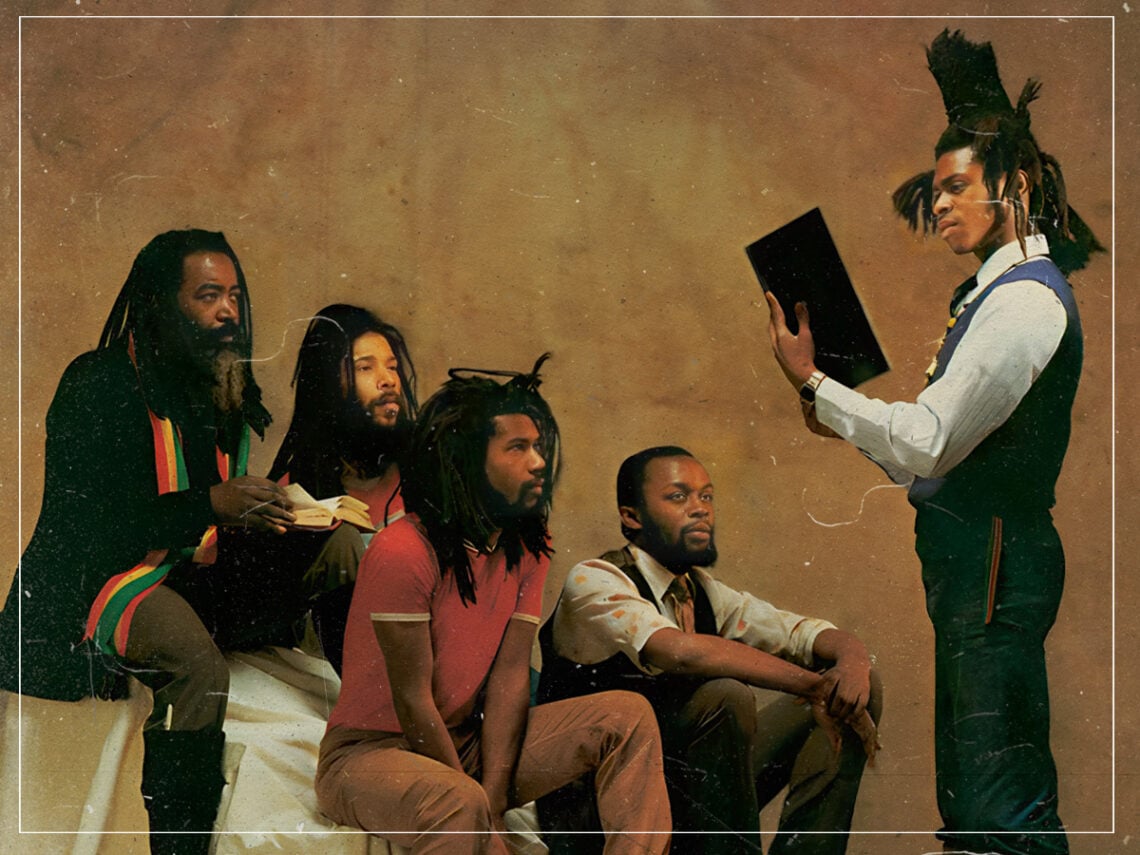
From this struggle for an identity came Steel Pulse. Hailing from the Erdington area of Birmingham, the band gave a voice to this disenfranchised generation of British-Caribbean kids. The group got together as teenagers at Handsworth Wood Boys School after being inspired by Bob Marley and the Wailers’ Catch a Fire. Their music focused on the plight of Black youths in urban environments like Birmingham, dealing with institutionalised discrimination and oppression at the hands of the British government and police force.
Adding to the sense of urban alienation among this first generation of British-Caribbean people, Steel Pulse were initially rejected by the local Caribbean clubs of Birmingham due to the Rastafarian faith that the band held. Dismissed by the Caribbean community and ignored by the British musical mainstream, it seemed a distinct possibility that Steel Pulse would have faded into obscurity had it not been for one thing: punk rock.
The punk rock scene that exploded in 1976 shared a great deal in common with Jamaican dub and reggae music. DIY music-making methods, independent labels and outsider artists are now considered the invention of punk rock, but all those things were present in Jamaica already. As a result, many punk musicians who grew up in areas of London with a large Caribbean population greatly admired ska and reggae music. Plus, due to the lack of punk releases during the early days, punk DJs like Don Letts would often flesh out their sets with hardcore dub reggae tracks. The scene, therefore, seemed like an obvious home for Steel Pulse.
Adopted by iconic punk venues like The Hope & Anchor in London and Electric Circus in Manchester, Steel Pulse were a truly unique voice among the predominantly white voices of punk rock. During this period, the group became heavily involved in the Rock Against Racism movement, spurred on by their fearless political protest songs like ‘Ku Klux Klan’. In this sense, Steel Pulse influenced the later 2 Tone ska movement, a scene characterised by a harmony between Jamaican ska and British punk rock. Pauline Black, the lead singer of the Selecter and titan of the 2 Tone movement, has shared her love of the group, stating: “I cheered when young black British musicians, influenced by the sounds of Jamaica and, led by the mighty Steel Pulse, showed us on pop TV the roots of our own oppression.”
Steel Pulse, who are still active to this day, have remained politically conscious and tirelessly creative throughout their entire career. In 1986, the group were recognised for their unique contribution to the reggae genre, becoming the first non-Jamaican act to win a Grammy for ‘Best Reggae Album’ with Babylon the Bandit. Reggae music transcends borders and nations. It is music for the people, but the innovative sounds of Steel Pulse gave a voice to a generation of disenfranchised Black Britons, and for that, they should be highly commended.
