


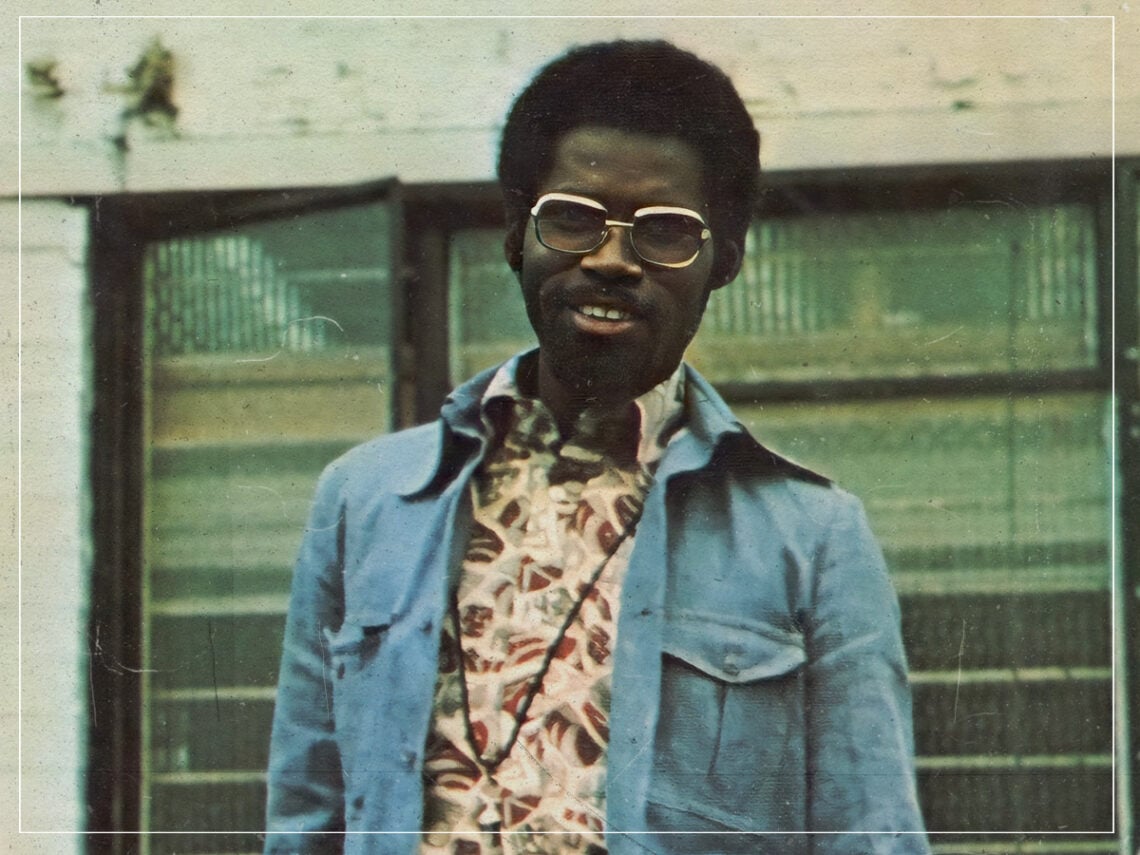
Dandy Livingstone: the man who brought rocksteady to the UK

There is no denying that ska and reggae music have immensely impacted the face of UK music scenes. From the Two Tone revolution of the 1970s to the rave scene of jungle and, more recently, grime music, the lineage can almost always be traced back to the introduction of Caribbean rhythms to British shores. Among the first artists to introduce ska music to the UK public was the infallible talent of Dandy Livingstone.
Born in Jamaica in 1943, Livingstone moved to London as a teenager to live with his estranged mother. Almost immediately starting to make music, he became something of a pioneer within the world of British Jamaican music. At that time, in the late 1950s, few artists were making authentic Jamaican ska and rocksteady music within the British Isles.
While rocksteady, ska and sound system culture blossomed in his home country after Jamaica became independent in 1962, it was not until the latter part of the decade that those influences started to make an impact on UK audiences. A growing population of Caribbean people in England’s major cities allowed for a blending of white working-class culture with Caribbean influences – and thus, the skinhead subculture was born.
While the history of the skinhead subculture soon became shrouded by right-wing infiltration by the National Front, the essence of the movement was built upon an adoration for Jamaican ska and boss reggae. The result of this was that Livingstone quickly became one of the subculture’s most popular artists. Though he had his first hit as Sugar ‘N’ Dandy with ‘What A Life’ in 1964, it was not until he signed to the legendary Trojan Records in 1968 that his influence began to grow.
Trojan Records was vitally important for the development of ska and reggae in the UK, releasing the scene’s most iconic tracks and exposing a whole new audience to the sounds of Jamaica. On Trojan, Livingstone released two albums, in addition to various singles, including his biggest hit, ‘Suzanne Beware of the Devil’, which was a top 20 hit in 1972. The singer also became noted for his production work during this time, notably on the Tony Tribe song ‘Red Red Wine’, which was later to be covered by UB40.
There was no shortage of important artists on Trojan Records. Everybody from Desmond Dekker to Marcia Griffiths had releases on the independent label at some point. However, few artists enjoyed the same enduring legacy as Dandy. Despite moving back to Jamaica during the 1970s, largely stepping back from music, his material witnessed something of a renaissance during the Two Tone scene in Coventry. A new generation of kids had discovered his music and were using it as inspiration for their own unique sound. In fact, harbingers of the movement, The Specials, covered Livingstone’s ‘Rudy, A Message to You’ as the opening track of their debut album.
Of all the artists who gave their ska and rocksteady talents to the early days of the skinhead subculture in the UK, Dandy Livingstone is perhaps one of the most important and enduring. Although, in recent years, he has sporadically returned to music, releasing the aptly named They Call Us Legends in 2020, he has refused to return to performing regularly. Nowadays, Livingstone seems to be living a peaceful life away from music. While many of his Trojan contemporaries have resigned themselves to geriatric reunion tours and cash-in reissues, Livingstone has once again shown his ability to go against the grain.
