


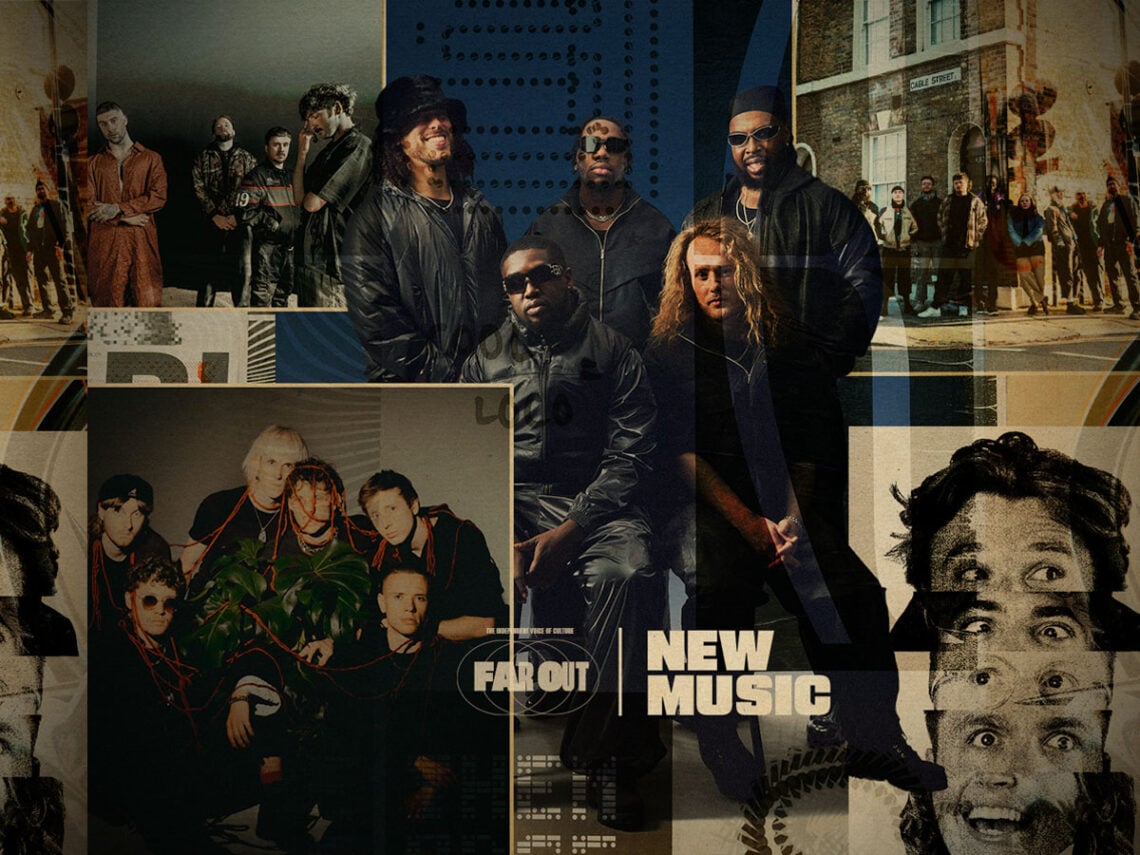
Move over guitars, the brass is back! Why jazz is finding new life in 2026

For decades, jazz has occupied a strange place in British culture.
The genre has always been respected, certainly, but often treated more like a museum piece than a living genre, more associated with whisky tumblers, expensive record collections, and middle-aged white men arguing about Kind of Blue in basement bars, whereas for the younger audiences raised on grime, indie sleaze, dubstep, hyperpop, and algorithmic playlists, it has often felt distant, academic, or simply uncool.
But look at any festival lineup in 2026, and you’ll see a different story, for somewhere between the Mercury Prize, sweaty gigs at the Windmill in London, and Fred Again befriending Ezra Collective, jazz has stopped feeling like heritage music and started feeling dangerous again.
This is, in most part, thanks to the fact that modern UK jazz has undergone a reinvention, absorbing the surrounding energies of grime, afrobeat, jungle, neo-soul, post-punk, and club culture, so by leaning into the friction of post-punk and the pulse of club spaces, today’s players are just as likely to be found in DIY warehouses as they are in conservatoires, making music that is physical, loud, and emotionally direct.
Has jazz inherited the cultural role indie rock once occupied? Maybe, but if so, we reckon this is how the new guard took over.
The rebirth of jazz in modern culture:
The power of the collective
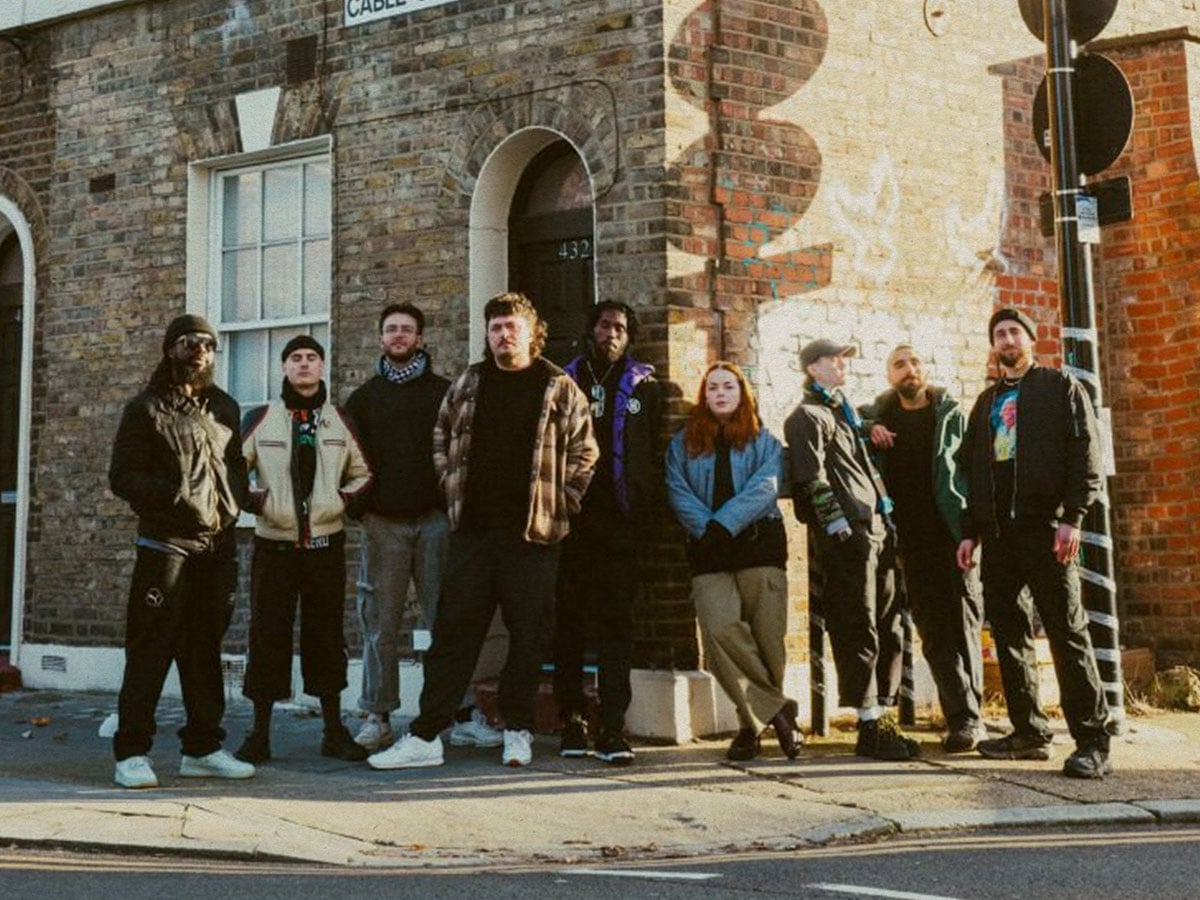
The UK jazz resurgence movement was built gradually through grassroots infrastructure and an intensely collaborative spirit, and at the centre of it sits Tomorrow’s Warriors, the London-based organisation founded by Janine Irons and Gary Crosby, who, for years, has provided free and affordable mentorship to young musicians from backgrounds historically excluded from jazz education. Before Ezra Collective was winning Mercury Prizes, and before Nubya Garcia became a defining saxophonist of her generation, they were part of this ecosystem.
That collective ethos still defines the modern British jazz scene, where, unlike certain older iterations of jazz centred on virtuoso individualism, this new wave thrives on overlap, and while London remains a hub, the resurgence is no longer capital-centric. Leeds, in particular, has quietly become one of the country’s most exciting incubators, and between Leeds Conservatoire and the city’s wider DIY scene, a new generation has emerged that treats jazz as a communal language rather than a rigid institution.
Acts like TC and The Groove Family embody that spirit perfectly with their celebratory, groove-driven sounds, packing out sweaty rooms alongside long-term collaborator Franz Von. From Malah Palinka to Nubiyan Twist, the list of brilliant northern collectives grows by the day, and this commitment to transparency and mentorship is unwavering. At Sheffield’s first-ever jazz festival this year, young people were spilling out of Alder Bar at ten in the morning, trying to cram themselves into a jazz percussion workshop, a telling example of how a caring ecosystem of mentorship and openness has allowed the scene to snowball.
Genre-fluidity: Jazz as dance music and beyond

Not to bang on about Ezra Collective again, but look no further than Fred Again bringing them out at Glastonbury to see how far jazz has travelled from the hushed basement bar. Modern jazz no longer demands rigid formalities, and you don’t have to stand to attention like a bugle player to pick up a cornet.
By prioritising the groove over the sprawling 20-minute solo, contemporary artists have made jazz accessible to a generation raised on the syncopation of grime and jungle. Glasgow producer Liam Shortall’s work as corto.alto is emblematic of this, of music rooted in improvisation but framed through the sonic language of beat tapes and electronic textures.
Elsewhere, Life Aquatic inject psych-rock energy into jazz fusion, while Yazmin Lacey occupies a softer, late-night corner of the movement, blending neo-soul and broken beat into something warm, intimate, and deeply modern.
Cultural realism

Jazz is no longer just about technical scales or conservatoire precision; increasingly, it has become a vehicle for kitchen-sink realism. In a post-Brexit, gig-economy Britain, young musicians are using jazz to navigate questions of class, regional identity, masculinity, nightlife, and social inequality, and the Leeds collective Plantfood embodies that shift perfectly.
It summons a blood-pumping collision of electronic and acoustic sounds, pulling equally from The Prodigy’s rave intensity to John Coltrane’s spiritual explorations, and on their latest EP, Bite the Bullet, they teamed up with English-Palestinian rapper Yung Yusuf to deliver soul-stirring tracks that regularly send teetering rooms into spirals of frenzied chaos. “Revolution, I need a revolution,” Yusuf raps, “Keep it moving, keep it moving, put those middle fingers up to the institution”.
Elsewhere, the elusive and self-styled ‘prince of cats, lord of the bins’ Lausse the Cat approaches jazz through surreal urban storytelling, blending jazz-rap, smoky instrumentation, and louche poetry, for a world of nightlife, booze, loneliness, and beautiful self-destruction. He raps, sings, and orates in both English and French, conjuring strange tales of late-night excess and emotional ruin; in a genre that can sometimes disappear into technicality, Lausse’s storytelling feels thrillingly human.
Then there is the Geordie group Knats, who, on their newly released album, A Great Day in Newcastle, fuse sprawling jazz arrangements with spoken-word storytelling rooted in working-class northeast life. Football terraces, pubs, miners, estate kids, and local folklore all emerge through poet Cooper Robson’s writing and the band’s expansive instrumentation.
Technical prowess meets punk

While one wing of the scene looks to the club, another heads straight for the mosh pit, and the collision of modern jazz and post-punk has become the defining frequency of the UK underground, a genre-collapse accelerated by the Brixton Windmill scene. It was here that bands like black midi and Squid first proved you could drag free improvisation into the world of aggressive, dissonant rock without losing the crowd.
Few bands embody this visceral shift better than Maruja, whose blend of free-jazz saxophone and post-punk aggression is a proper force to be reckoned with. As the title of their recent project, Pain To Power, suggests, the band is also preoccupied with the nature of force, specifically challenging the oppressive structures that fail people. Their live sets are becoming the stuff of legend for the sheer, tectonic weight of tracks like ‘Look Down on Us’, and yet, they aren’t just about the onslaught.
The sprawling ‘Saoirse’ offers a rare moment of vulnerable beauty, with lead singer Harry Wilkinson reminding us that “it’s our differences that make us beautiful”. Throughout it all, it is the bellowing saxophone, not the guitar, that acts as the lead protagonist, piercing through the noise.
Similarly, Leeds outfit Vipertime operate in an abrasive, jagged jazz-punk space. They treat the saxophone as something snarling and confrontational rather than melodic, and by lethalising a mix of jazz, afrobeat, post-punk, and dub, they’ve created a sound that is relentless and unvarnished; this is jazz with a chipped tooth.
The mainstream (finally) caught up

The narrative officially shifted on September 6th, 2023, when Ezra Collective became the first-ever jazz act to win the Mercury Prize for their album, Where I’m Meant to Be, and their acceptance speech began with a playful nod at the heavens: “If a jazz band winning the Mercury prize doesn’t make you believe in God, nothing will”.
You could see why, because the joke about the Mercury Prize’s tokenism regarding jazz and folk has run almost as long as the prize itself. Historically, a solitary jazz artist is nominated and invariably leaves empty-handed, so this win was a symbolic opening of the floodgates to joyful jazz, as Alexis Petridis noted to The Guardian at the time: “The reception Ezra Collective’s reading of Victory Dance was afforded seemed noticeably different from the polite applause that usually greets the jazz nominee… It was joyous and funky and party-starting.”
And the party hasn’t stopped since; these artists aren’t just ‘good for jazz acts’, they are the new establishment of British music, proving that one of the oldest genres in the book is, once again, the most exciting thing on the planet. Hurray!
