


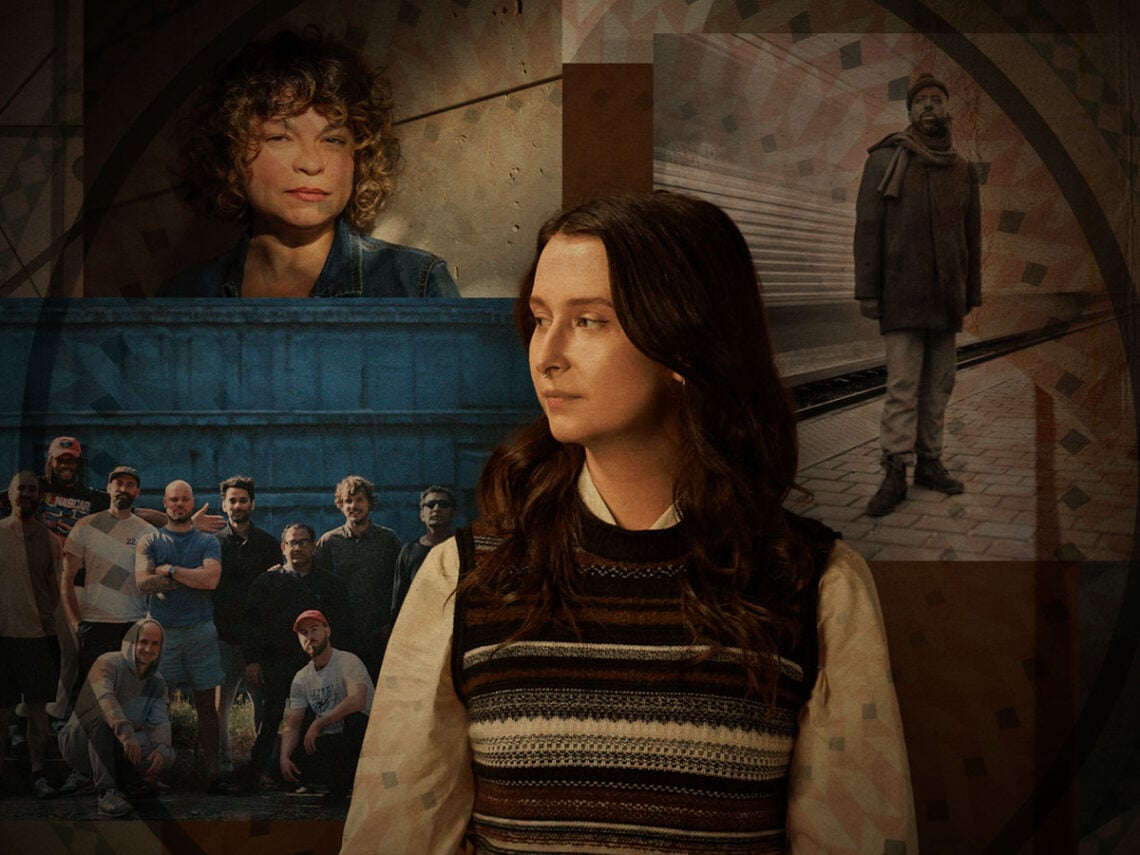
Five underrated artists pushing modern jazz in exciting directions

As one of the oldest genres in the world, you’d be forgiven for thinking that jazz is slowly reaching a point where it might begin to run out of directions to head in, having been so prolific in its ability to reinvent itself.
However, despite having first emerged as an extension of blues, ragtime and swing in the early part of the 20th century, jazz has expanded far beyond its point of origin into a genre where convention is perhaps the last thing that is required of its students, and where simply choosing to push inventiveness is the key to survival.
Jazz has always thrived on the idea that struggling and suffering, whether that’s under the weight of oppression against the Black communities where jazz originates, or whether that’s simply attempting to create something that subverts cultural norms, and if those ideologies continue to be pushed, jazz will never run out of ways to stay healthy.
Given that, there is still a wealth of talent being produced that fits under the wider jazz umbrella, even if these acts are ostensibly pushing it in a different direction from those who came before them. While artists such as Miles Davis, Alice Coltrane and Ornette Coleman may have been praised for expanding the horizons of what could be considered jazz, they weren’t necessarily praised at the time for having taken things in bold new directions.
Ultimately, these are the artists who stick out the most and have the most enduring legacies, and they’d all be immensely proud to see future jazz artists take on their respective mantles, not by mimicking what they’ve already done in the past, but by expanding on it and adding new flavours to the groundwork they’d already laid down.
Jazz is perhaps only going to get more exciting as it continues to evolve, and through the five acts listed below, the genre is being mutated in ways that prove there is plenty of life and invention left to be squeezed from the malleable parameters that have always invited others to bend them.
Five modern jazz acts charting the genre’s next revolution:
Jaubi
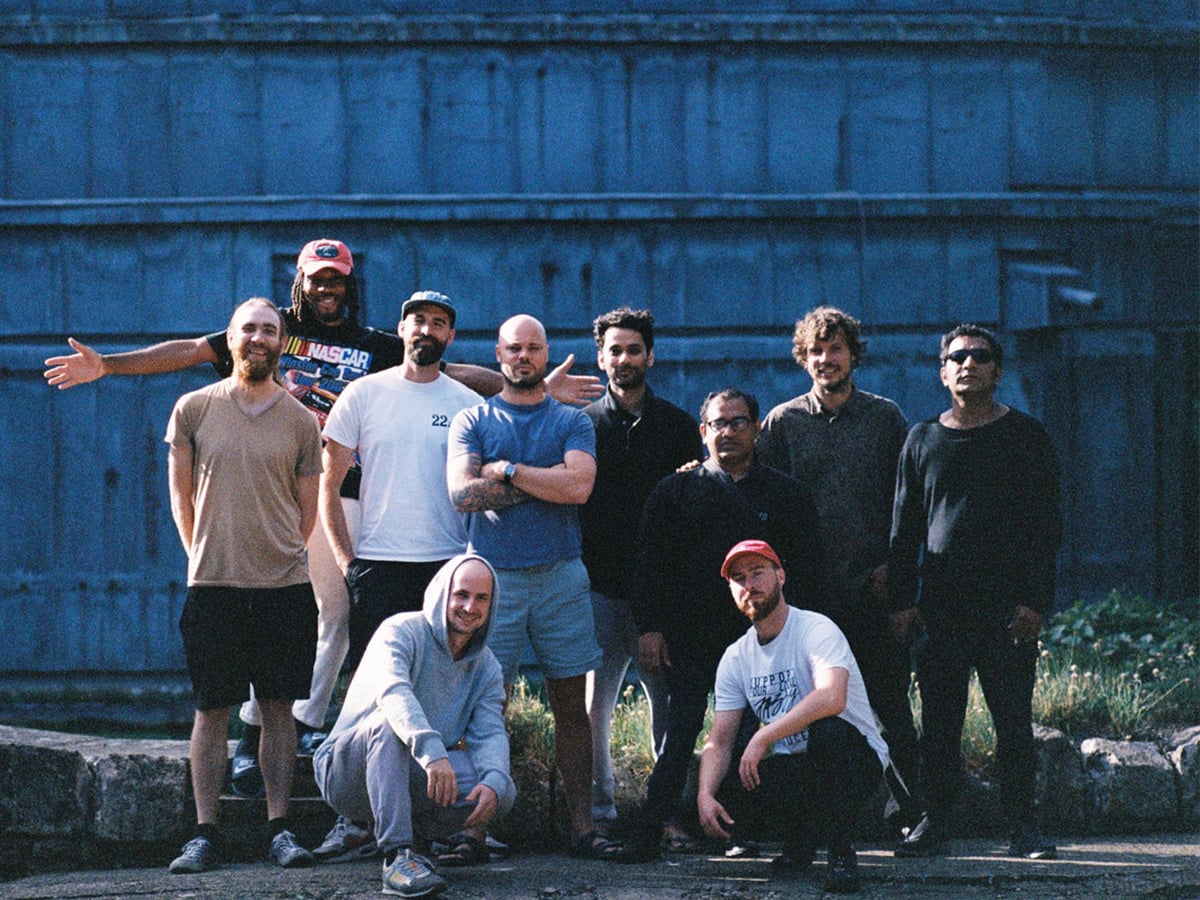
Far from simply being a style exclusive to the Western world, it’s always fascinating to see how other nations and cultures have managed to adapt jazz music to be able to incorporate elements of their own musical traditions, and one of the most thrilling acts displaying the cross-cultural exchange of jazz is the Lahore, Pakistan-based ensemble, Jaubi. While their approach to the genre is still peppered with elements of Western styles like hip-hop and funk, their fusion sound is one of the most arresting on account of how they stir in some of their own styles from close to home.
With scales more typical of Hindustani classical music and a diverse range of instrumentation from tablas, flutes and warping synthesisers, there’s a lot to sink your teeth into with what Jaubi offer up, but despite how disparate their influences appear to be, it all comes together in sublime fashion and doesn’t feel as though these clashes of different cultural traditions are ever at odds with one another. Western jazz has a lot to learn from its counterparts in other pockets of the world, and Jaubi are certainly an act who could end up making a significant impression on the state of the genre for years to come.
Patricia Brennan
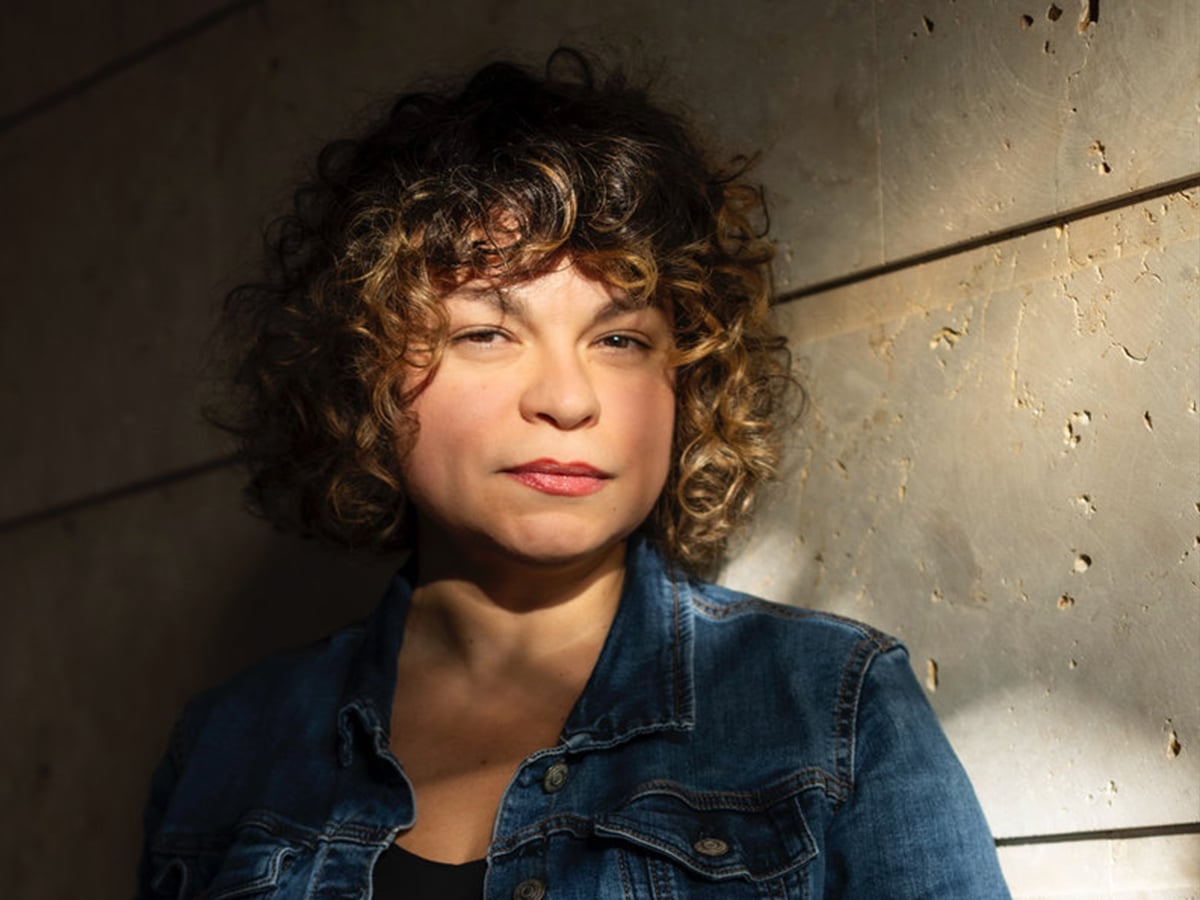
While a lot of people associate jazz with being a smooth and easy-listening experience, that is often far from the case, with some of the finest artists in the genre instead choosing to push the boundaries by making something that is confounding and able to keep the listener on a constant edge. With the work of Mexico-born mallet player Patricia Brennan, her output is often chaotic and takes on a much more cerebral and free-form approach, yet is still totally arresting in its final presentation.
Whether on the vibraphone, marimba or other forms of tuned percussion, Brennan has been releasing solo works of the highest quality since 2021 and is quietly demonstrating just how fluid and transformative the inclusion of her instruments can be in a jazz context. Her latest release, 2025’s Of the Near and Far is perhaps her most spellbinding work to date, and while avant-garde jazz can often get overlooked by the mainstream for its refusal to play by any rules, her sonic inventiveness and ability to produce unconventional arrangements for lesser-used instrumentation are quietly helping draw more eyes in her direction.
Jasmine Myra
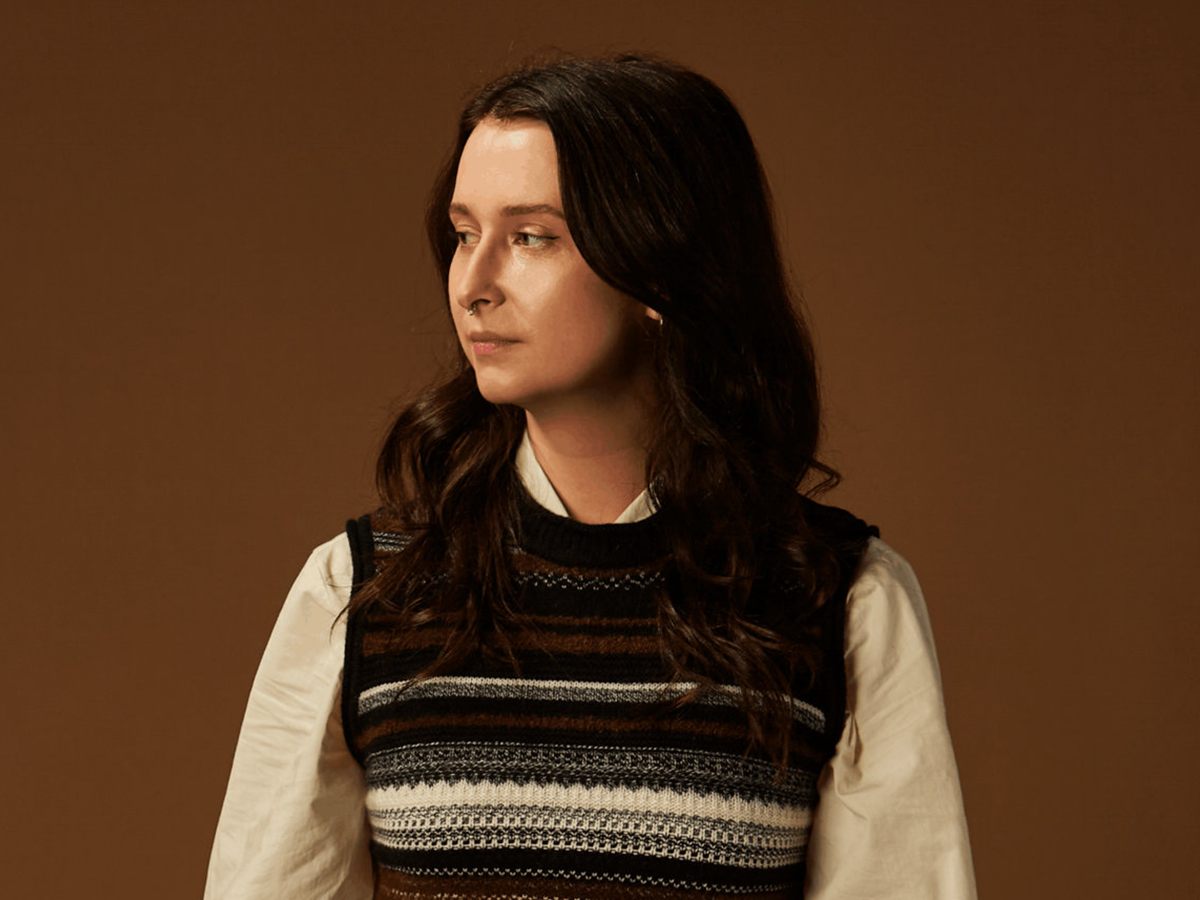
There are many names that have emerged from the London jazz scene in the past decade or so, with the likes of Shabaka Hutchings, Moses Boyd and Nubya Garcia all having achieved a reach far beyond where many would have previously expected any UK jazz act to be capable of. However, due to this recent influx of attention coming in the direction of British jazz, there has been a wealth of other bands and artists who have realised the potential for the scene to expand even further, with Leeds-born saxophonist Jasmine Myra being a potential candidate for creating a significant splash in the next few years.
Her soothing compositional work across two studio albums, Horizons and Rising, has earned her recognition as one of the rising stars of jazz, with the somewhat pensive cascading movements of different sounds and textures being one of the standout features of her work. A keenly-focused student of the spiritual jazz style, it’s evident that Myra’s delicate attention to detail will only continue to unravel in fascinating ways as she continues to release new music, and is likely to see her gain plenty more opportunities as she climbs her way up towards the levels of the UK jazz scene’s most prominent fixtures.
Ben LaMar Gay
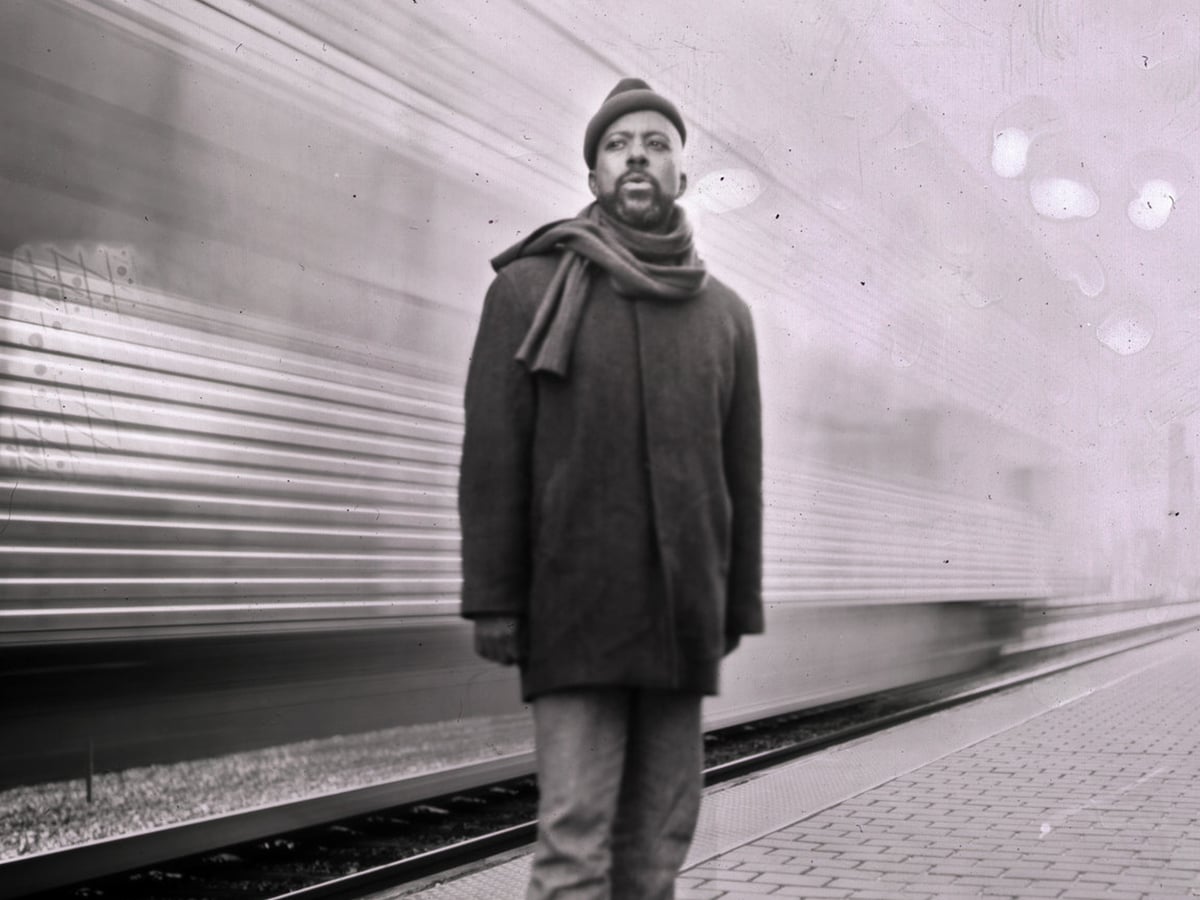
Purists will argue that leaning too far into certain pop-adjacent compositional conventions is not analogous to jazz, and adopting this kind of approach would certainly not be approved of in some circles. That being said, while Chicago bandleader Ben LaMar Gay knows how to write something that one might be able to latch on to as being conventionally catchy, there are far too many avant-garde jazz influences seeping through his sound to ignore where these ideas have evolved from.
Whether it’s on his solo works that occasionally slink their way through sections of fiercely complex electronic improvisation with layered polyrhythms, or through his contributions of playing multiple different instruments on records by the likes of Makaya McCraven, Damon Locks or the late Jaimie Branch, Gay is slowly building up a résumé that stretches the full spectrum of the jazz world, and is proving that his singular approach is something that other artists simply can’t get enough of. It won’t be long before even more people begin to recognise this too.
Irreversible Entanglements
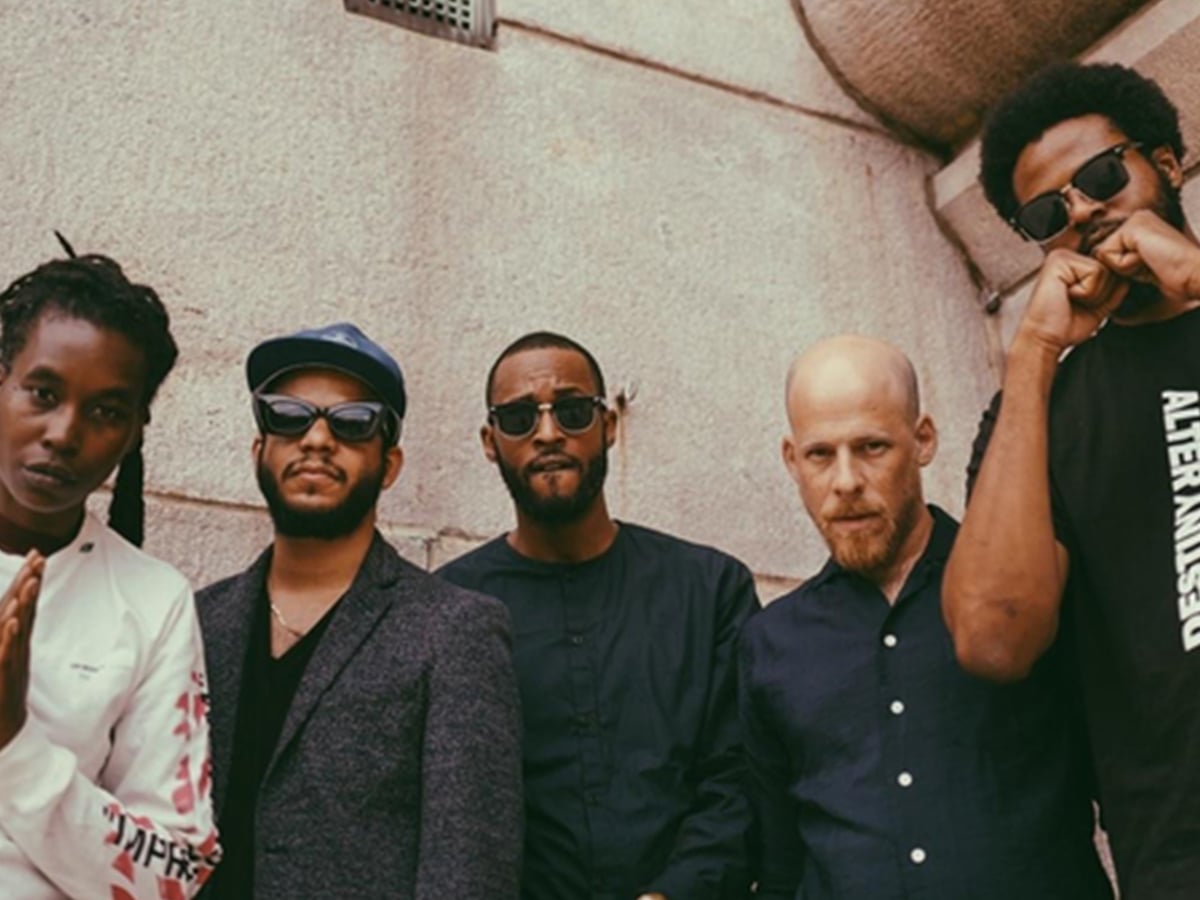
You might think that being in a jazz ensemble requires you to have a complete and utter instinctive connection with the other players you’re featuring alongside, but quite often, some of the best jazz comes courtesy of those whose disciplines are varied and look to other far-reaching areas of the music world. With Irreversible Entanglements, their free-jazz sound borrows from punk, noise and spoken word just as much as it does their respective jazz backgrounds, and has resulted in some of the most engaging freakouts produced in the last decade.
Vocalist Camae Ayewa may be well-known for having straddled multiple genres in the past under her Moor Mother moniker, but it’s perhaps in her role with the genre-defying outfit where her stanzas stick out the most, owing to the fact that she is able to provide the glue that holds an otherwise erratic sound together. While she’s perhaps best known for her contributions to the world of abstract hip-hop through collaborations with the likes of billy woods, she’s also worked alongside heavier acts like Divide & Dissolve and Sumac, and the flexibility that she’s displayed is evident from how she manages to deliver something that is both menacing yet socially conscious and utterly spellbinding when backed by some of the most striking musicianship.

Never Miss A Beat
The Far Out New Music Newsletter
All the latest New Music from the independent voice of culture.
Straight to your inbox.