


10 musicians who couldn’t stand The Beatles: “And Ringo? Don’t even talk about it”

For around three years, Far Out Magazine has run a recurring Quick-fire Questions feature. We’ve interviewed maybe a thousand acts in this manner, and the last question is always: Are The Beatles overrated? In that time, only about three brave fools have dared to answer affirmatively.
And they are fools, I’m afraid. You don’t have to like the band, but you should at least admire what they achieved. They are objectively the most universally adored group in music history. And in this ultra rare instance, size really does matter. I mean, how on earth do you measure the impact of The Beatles? The scope of their success is barely reconcilable.
We might view Taylor Swift as a giant of present times thanks to the 114 million albums she has sold, but the Fab Four have flogged in excess of 600 million. Not to mention the fact that when the young, working-class, Liverpudlian lads burst onto the scene, the world’s population was only 3.1 billion, remarkably about 38.75% of what it is today. That positions The Beatles in their pomp as around 14 times more popular than Swift is presently. Imagine that. It’d be bloody borderline insufferable.
This mammoth impact did not happen in isolation. The group were the beneficiaries of a revolution. But by no means does fortuitous timing diminish their brilliance. In fact, it almost exemplifies their brilliance. They took hold of the zeitgeist and propagated exactly what the era needed. They were an upbeat tonic at a time when America was mourning the assassination of JFK.
They were a wholesome reminder to thousands of screaming girls of the brothers, cousins and boyfriends tragically being shipped off to Vietnam. They were an embodiment of a revolution that the broken world seemed to require. And with anthems like ‘I am the Walrus’, they were a daring insight into a more technicolour existence, too.
The magnificence of The Beatles is perhaps explained best by Paul Weller, who once told The Guardian: “I became a total Beatles fanatic. I loved everything about them – their clothes, their music and, when I was a little older, their attitude. I wanted to know all of John’s thoughts – on religion, politics, pop culture, young people, whatever,” he said.
That was the beauty of the Fab Four – they were more than just a band, they were a whole bohemian world to explore. They still are half a century later, and they still will be another few centuries down the line. Thank god for that, I mightn’t have a job without them.
Yet, there’s still a lesson to be learned from the criticisms that others brandished against them. Some might have been merely contrarian to grab themselves a headline. Others might have been jealous. A few might have earnestly looked at ‘Ob-La-Di, Ob-La-Da’ and wondered what all the bloody fuss was about. You can make your own mind up as to which camp the assorted scathing attacks below lie in.
The 10 musicians who can’t stand The Beatles:
Van Morrison
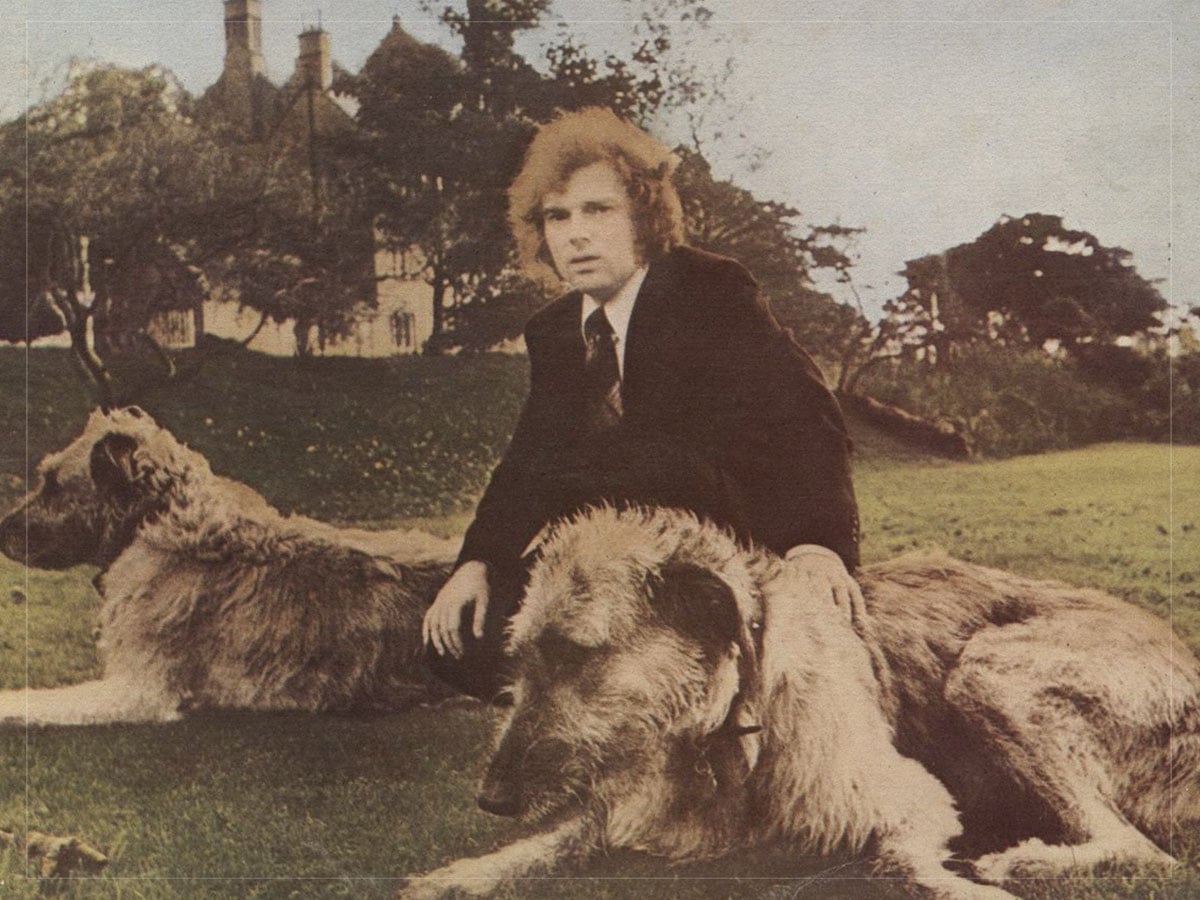
“The Beatles were peripheral,“ Van Morrison began. “If you had more knowledge about music, it didn’t really mean anything. To me, it was meaningless.” It’s a bold statement, but when Them first emerged in conjunction with the Fab Four and were met with a fraction of the fandom, his ire is at least understandable, especially considering that Morrison and his group probably were a lot more talented at that point.
His issue was that they were merely popular thieves as opposed to genuine innovators. As his diatribe in the New Yorker continued, “I don’t think ‘pre-Beatles’ means anything, because there was stuff before them. Over here, you have a different slant. You measure things in terms of The Beatles. We don’t think music started there. Rolling Stone magazine does, because it’s their mythology.” But Van saw them as just new kids on the block, forever in the shade of Little Richard.
But showbiz is a dog-eat-dog world, and Morrison has had his fair share of backlash, too. A label boss called Morrison “a hateful little guy”, and in Myles McWeeney’s biography, one acquaintance quips, “He knew he was different and that his music was good, but I thought he was such a nasty character, always rude and quite vulgar.”
Quincy Jones
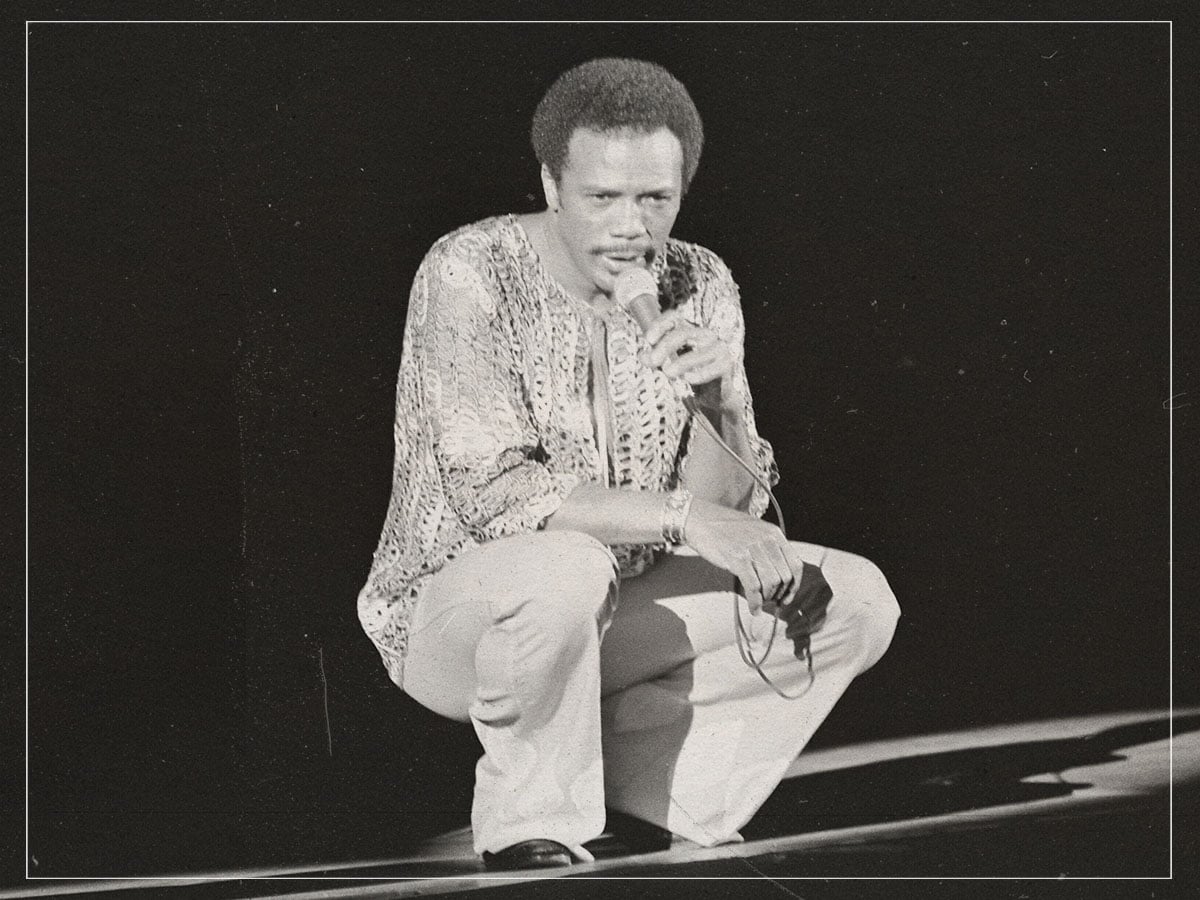
In 2018, Quincy Jones made headlines worldwide when he inexplicably decided to brutally slate The Beatles. Jones was speaking with New York Magazine when he recalled his first impressions of meeting the iconic Liverpool band: “They were the worst musicians in the world,” he said. “They were no-playing motherfuckers. Paul [McCartney] was the worst bass player I ever heard. And Ringo? Don’t even talk about it.”
After the interview’s publication, McCartney told GQ that Jones contacted him to apologise for his remarks and confirmed there was no bad blood behind them. “He’s totally out of his tree,” McCartney said. “But the great thing was, he rang me after this. I’d only heard about it and I’d thought, ‘I’m not sure it’s true.'”
He added: “The joke is, I love Quincy, even after this. He’s a crazy motherfucker. But I respect him, he’s done a lot of very good things. So he rang me, and I’m at home on my own. And I’d finished work, so I had a drink, and now I’m grooving at home, I’m cooking, I’ve got a little bit of wine going, I’m in a good mood, and I don’t give a shit.” Fair enough.
Frank Zappa

Frank Zappa once proclaimed that “without deviation from the norm, progress is not possible”. In the years following the long-drawn explosion of The Beatles, they have been widely lauded for their progressive ways. However, Zappa – as an eternal outsider – saw this as merely the mainstream engine of progress, some ergonomic tweak on a standard hatchback.
In fact, he saw the Liverpudlian’s parade of ‘out there’ peace and love as such a pastiche of faux liberation that he mockingly parodied the Fab Four and their “movement” with his album art for We’re Only In It For The Money.
He even took the subtlety out of it in a public statement and simply said: “Everybody else thought they were God! I think that was not correct. They were just a good commercial group.” And he had a major issue with such groups. His PA, Pauline Butcher, would later explain this outlook. “He worked out he wasn’t a pretty boy like The Beatles and the Rolling Stones,” she said. “He didn’t play their kind of music, he didn’t even like it, and if he was going to get himself heard he was going to have to do something radically different.
Trent Reznor

Nine Inch Nails maestro and Academy Award-winning composer, Trent Reznor, has endured a complex relationship with The Beatles for decades. When he was in his youth, the band represented everything he hated, and not only did Reznor resent the Fab Four, but their fans were also in the firing line.
In 1994, the musician told Plazm Magazine: “I hate to think in a retro mindset. You know, ‘The Beatles were the best thing…’. Fuck The Beatles, I hated people who were always going on about the fuckin’ Beatles. They’re dead. They’re ugly now. Get them out of my sight.”
However, years later, Reznor finally understood the error of his ways and admitted during an interview with Rolling Stone in 2011 that he now considers the group geniuses. “It’s so obvious, but The Beatles,” the Nine Inch Nails founder said. “When I was growing up, the people who liked The Beatles, I didn’t like, so I didn’t pay attention to them. Around The Downward Spiral, I really started digging White Album-era Beatles, and it expanded outward from there. They were so far ahead of the game, it’s just not fair.”
Todd Rundgren

While Todd Rundgren was growing up in Upper Darby, Pennsylvania, he longed for larger dreams than the small town could offer. As he taught himself guitar, he had designs to rival the magic of the Fab Four. He idolised the group. But eventually, his dream would come to fruition, and he would deliver a crushing tale of ‘never meet your heroes’.
“Ringo was the most approachable of all of The Beatles,” he would later tell Classic Rock. “I have met each of the band in turn. If you grew up on A Hard Day’s Night and Help! and watched The Beatles’ antics, to actually meet them in person was often a let-down. For instance, Paul McCartney was an unusually dour person, and John was totally drunk and inanimate. George, I met very briefly when I was producing a Badfinger album.”
Each of these encounters diminished the view Rundgren once had of his former heroes. He’d even go a bit more lukewarm on their music and memory. “You expected cleverness and a happy-go-lucky demeanour because of the image they projected up until the point they broke up,” he said. But he didn’t find that to be the case.
Julian Casablancas

It should be obligatory for every musician to study the work of The Beatles. However, The Strokes’ frontman Julian Casablancas somehow missed that memo and has never felt inclined to explore their back catalogue. Casablancas believes this has been an “advantage” to his artistry and made him stand out from others throughout his career.
“I have that maybe advantage that I didn’t like or listen to the Beatles,” he said in 2018 to Rolling Stone. “I feel like that’s almost like the branch of, like, 98% of stuff you hear. … But then there’s the Velvet Underground. I know Lou Reed hated the Beatles.”
The singer added: “I really thought at the beginning of the internet, too – well, not the beginning but YouTube or whatever, five to ten years ago, I really felt like, Oh, man, you can hear anything, any style of music from any country. And I really thought, man, music’s going to get crazy and there’s going to be all this stuff that just totally did not happen.”
Lou Reed

As Casablancas rightly said, Lou Reed wasn’t a fan of The Beatles. During a televised interview in 1987 with PBS in America, The Velvet Underground founder explained his controversial stance and commented: “No, no, I never liked the Beatles. I thought they were rubbish.” In his mind, The Beatles nor any other group could compete with his band, who he believed operated at a higher intellectual level. “I know it sounds pretentious,” he added. “The other stuff couldn’t come up to our ankles, not up to my kneecap, not up to my ankles, the level we were on, compared to everyone else.”
Meanwhile, in another interview with Joe Smith, Reed viciously said: “The Beatles? I never liked The Beatles, I thought they were garbage. I don’t think Lennon did anything until he went solo. But then too, he was like trying to play catch up. He was getting involved in choruses and everything. I don’t want to come off as being snide, because I’m not being snide, what I’m doing is giving you a really frank answer, I have no respect for those people at all. I don’t listen to it at all, it’s absolute shit.”
On other occasions, Reed was complimentary toward the Fab Four, but it’s impossible to ignore his previous vitriolic statements about this band, which illustrate his true feelings.
John Lydon
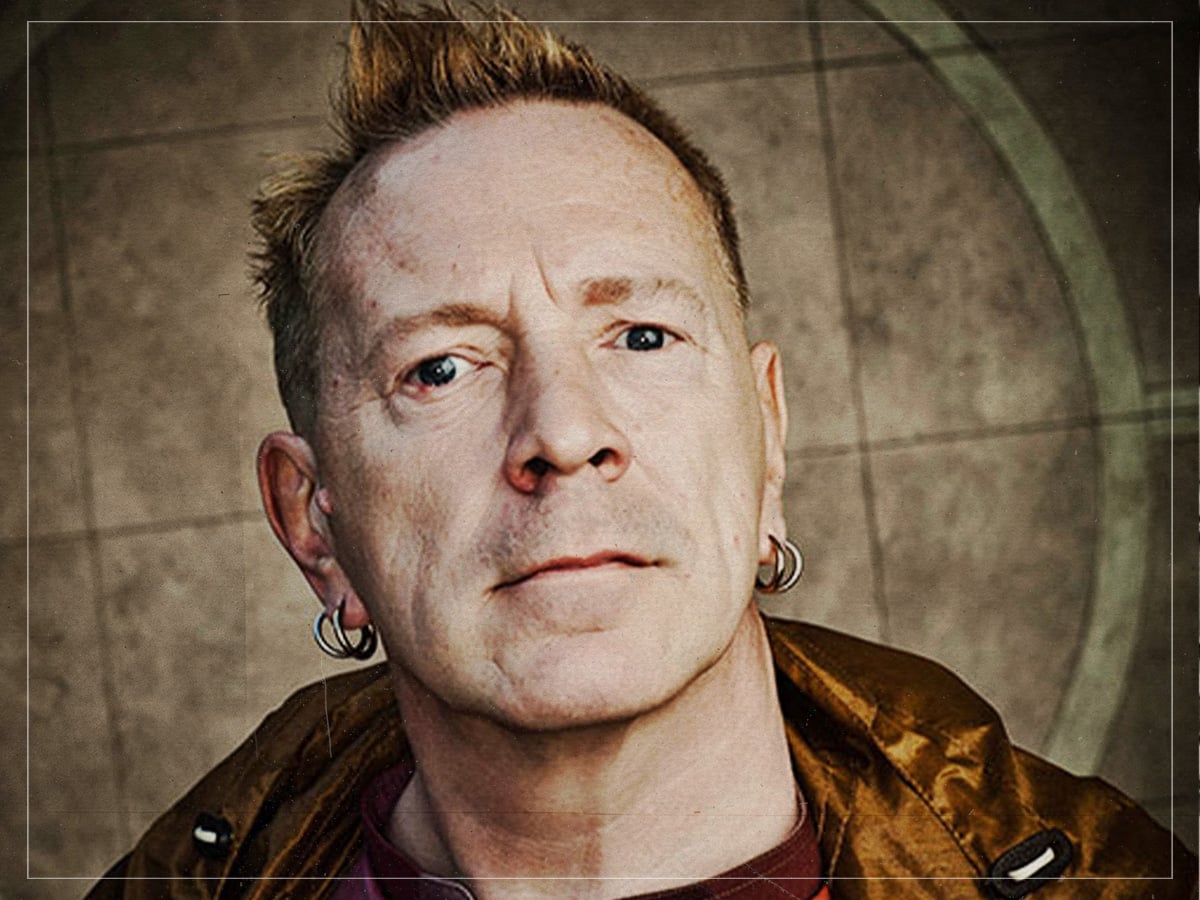
When the Sex Pistols roared their way onto the scene, John Lydon had his eyes on a revolution. With that outlook, it is impossible not to have the Fab Four as a focal reference point. Lydon knew that much. But he also argued that didn’t mean he had to like the bastards. “I’ve been through a lot of social changes in this country,” he told QA Live, “that are really important that you understand.”
In his typically pointed tone, he continues, “It was vitally relevant when I was just a tiny little kid, that rather than listen to that endless fucking classical dreary stuff, that they started to play pop music. But the pop music was selected and it was a bit wank at first, so when bands like The Beatles came in, they were doing something really fucing important, and you have to understand that when I slag them off, I’m not slagging off their historical perspective to me, they were vital for my development.”
He’s then asked, “But you didn’t like them?” Without missing a beat, he quips, “Noooooo!” Yet, perhaps it’s worth noting that Captain Beefheart may well be the last remaining musical act in history that good, old Johnny Rotten is yet to attack.
Elvis Presley

There’s a succession of envy that runs through the history of pop culture’s leading icons. Frank Sinatra led the boom, and then, when Elvis Presley knocked him off his mantle, he quickly bemoaned, “His kind of music is deplorable, a rancid-smelling aphrodisiac. It fosters almost totally negative and destructive reactions in young people”. It was far from a five-star review, but when The Beatles knocked Elvis off the apex of pop culture, in turn, the bequiffed hound dog was so scathing he threatened to help deport them.
lodged in the FBI vault is a 663-page report on “Presley, Elvis A”, within which we learn that the ‘King of Rock ‘n’ Roll’ thought The Beatles had ”been a real force for anti-American spirit”. He was also “of the opinion that The Beatles laid the groundwork for many of the problems we are having with young people by their filthy, unkempt appearances and suggestive music.”
According to biographers, the King would fly into a “fit of rage“ whenever they were mentioned in his presence. So, somewhere down the line, he offered Richard Nixon his services as an undercover spy to get them kicked out of the States on drummed-up charges. All that said, he did do a lovely cover of ‘Something’.
Michael Stipe

R.E.M. singer Michael Stipe doesn’t have a reputation for being particularly outspoken or hateful. However, he’s never understood The Beatles, despite them being responsible for his earliest musical memory. After revealing his connection to ‘I Want To Hold Your Hand’ to Pitchfork, Stipe conceded: “I’m not really a Beatles fan, though. I acknowledge their genius, but I’m just not the generation that grew up with them. It’s not something I’m personally drawn to, and that’s gotten me into a lot of trouble in the past”.
In 1992, Stipe first vocalised his dislike (or, at the very least, indifference) for The Beatles during an interview with Rolling Stone and explained how little impact they’ve had on his life. In the article, he’s quoted as saying: “The Beatles were elevator music in my lifetime. ‘Yummy Yummy Yummy (I’ve Got Love in My Tummy)’ had more impact on me.”
It says a lot that this rather tepid view can still get you in “a lot of trouble”, but to some extent, that defines their appeal. They are one of the few goods in humanity that feel inviolable. Besides, Stipe knew what he was doing with that wry ‘Yummy Yummy Yummy’ remark.

Never Miss A Beat
The Far Out Beatles Newsletter
All the latest stories about The Beatles from the independent voice of culture.
Straight to your inbox.