


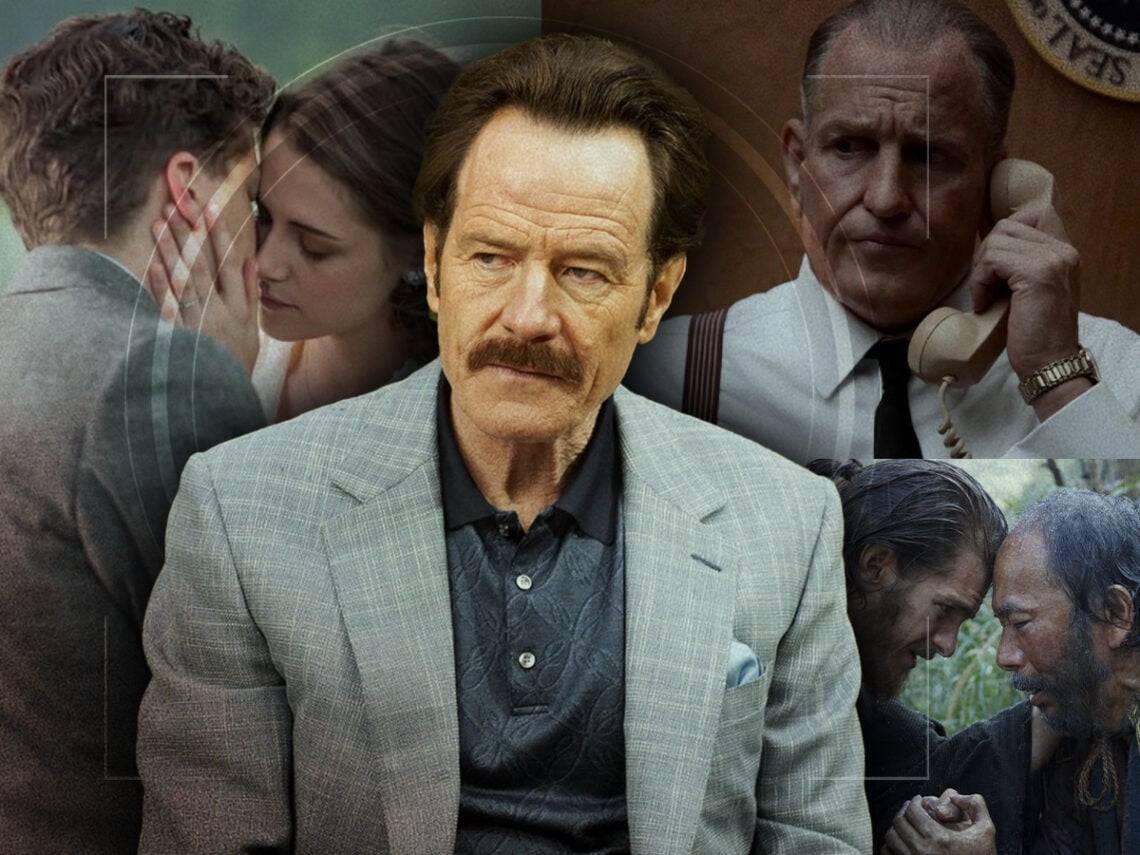
10 movies from 2016 that would never be made today

2016 was a surprisingly consequential year for film.
A lot can change in a decade, and it is somewhat wild to consider how different the entertainment industry was in 2016. It was when rumours started to fly that the Walt Disney Company might have an interest in purchasing 20th Century Fox, which would cut down the industry’s studios and lay the groundwork for the merger between Paramount Pictures and Warner Bros.
Although Netflix had launched their first original films the previous year with the acquisition title Beasts of No Nation and the Adam Sandler comedy The Ridiculous 6, 2016 saw the distribution of more features, some of which had significant aspirations. The controversial Academy Awards in which Moonlight was handed ‘Best Picture’ after La La Land was mistakenly announced would come to haunt the year’s award season, even though there were even stronger films out there with Arrival, Manchester by the Sea, and Hell or High Water.
It was also a major year for comic book cinema; Marvel Studios leveled up when both Captain America: Civil War and Doctor Strange overperformed, Deadpool proved that R-rated superheroes were here to stay, X-Men: Apocalypse marked the beginning of the end for X-Men, and the disastrous reception to Batman v Superman: Dawn of Justice and Suicide Squad started the curse that would colour DC in the following decade. Although there are aspects of 2016 that are reminiscent of today, there are also a fair number of films that were made under very specific circumstances that would not be replicable today.
10 movies from 2016 that could not exist today
‘Billy Lynn’s Long Halftime Walk’ (Ang Lee, 2016)
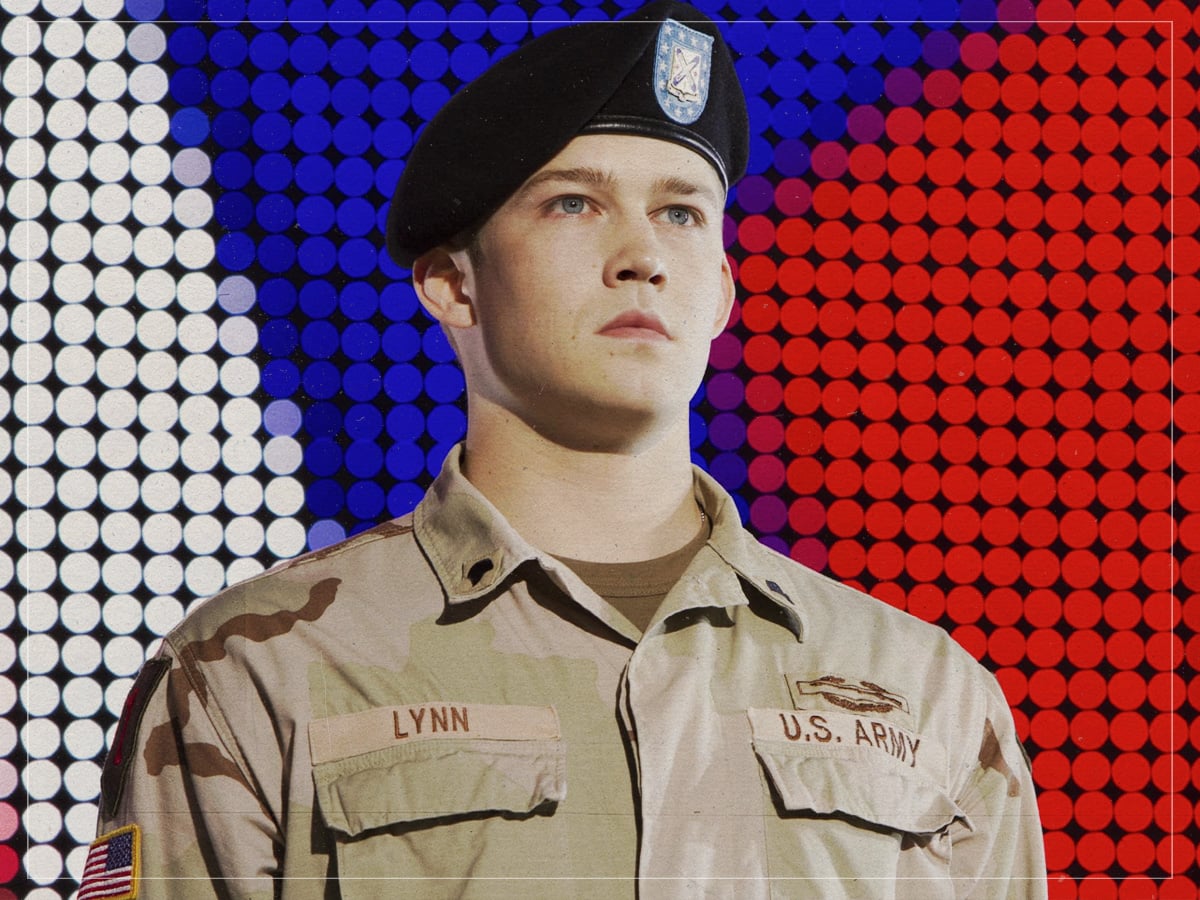
Ang Lee has always been at the forefront of technical innovation in cinema, and Billy Lynn’s Long Halftime Walk was by far his most ambitious endeavour. While standard films are screened at the rate of 24 fps, and Peter Jackson had tried to change the medium with the 48 fps work on The Hobbit trilogy, Lee took it one step forward with his film, which used 120 fps for 4K 3D, thereby requiring new cameras and technology to be created just to make and screen it.
Only a handful of theatres in the world were equipped to screen Billy Lynn’s Long Halftime Walk in the way that it was intended, and Lee has since failed to get the technology to catch on, as his next effort, Gemini Man, flopped for the same reasons.
‘Live By Night’ (Ben Affleck, 2016)
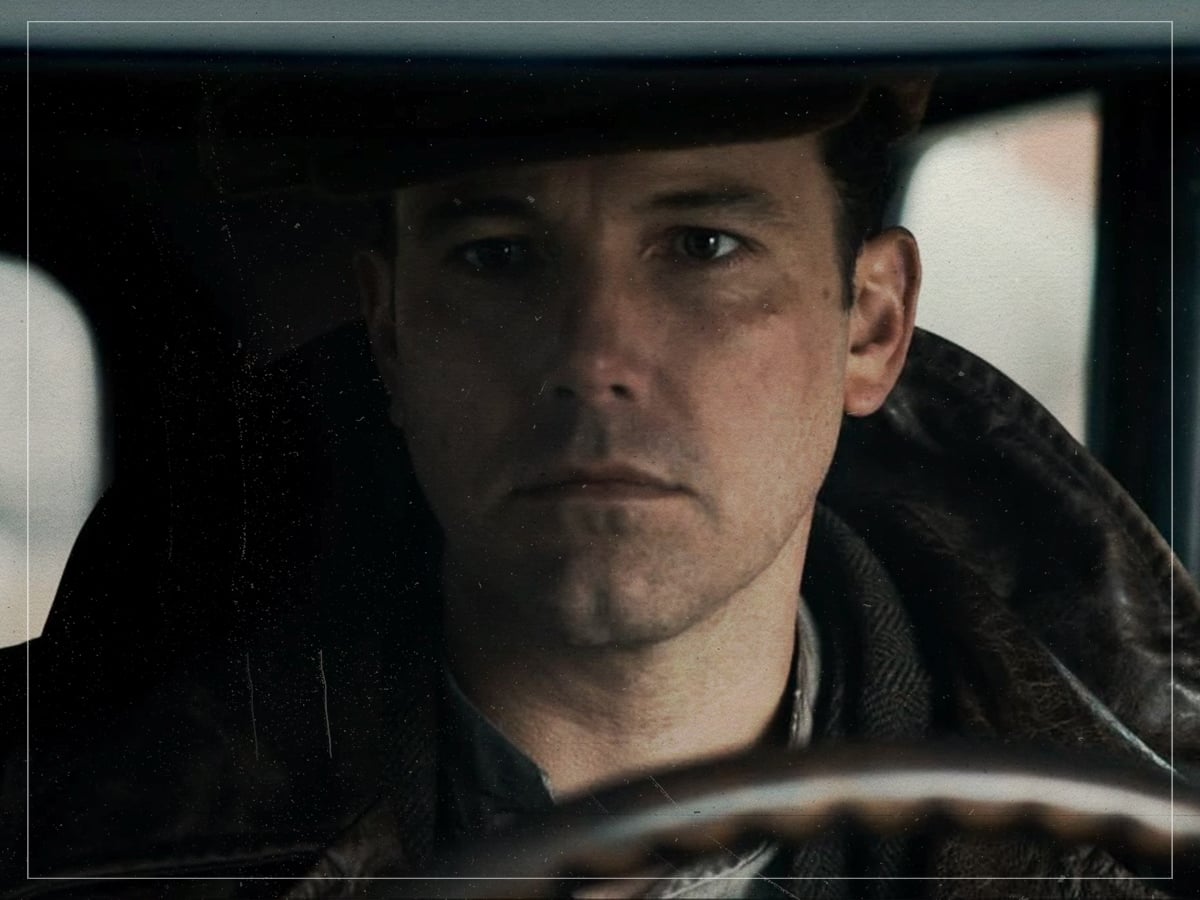
Ben Affleck was back in the good graces of the industry after Argo had become a runaway sensation that won ‘Best Picture’ at the Academy Awards in a campaign that was fueled by his snub in the ‘Best Director’ category. Warner Bros responded by giving Affleck a blank check to make an ambitious, highly expensive period gangster epic that had almost no oversight, given that he was also helping out the studio by being Batman.
Live by Night is the type of massive box office bomb that would never be possible today because of how careful Warner Bros has been about handing off checks; while they’ll take risks on genre movies like The Bride! and Mickey 17, Live by Night was always going to be aimed at a niche audience. Ever since, Affleck has had to help fund his own work through the creation of his production company Artists Equity.
‘The Infiltrator’ (Brad Furman, 2016)
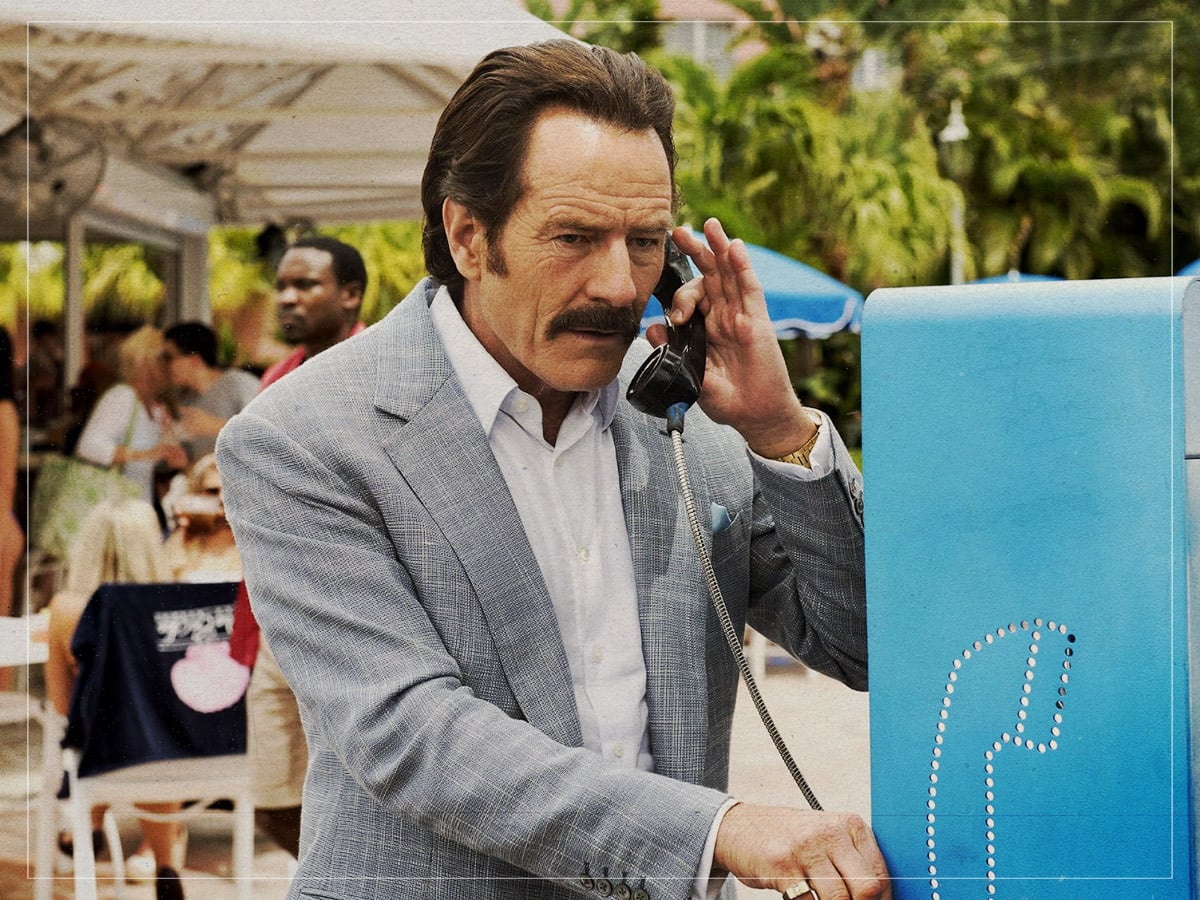
Bryan Cranston was so popular in the aftermath of Breaking Bad that it briefly seemed like he might be a major movie star, even if he would end up being more of a character actor who would turn up in supporting roles. The Infiltrator was an old-fashioned crime movie where Cranston plays an undercover agent trying to infiltrate a drug smuggling organisation in the ‘70s, and it’s the exact type of premise that would be instantly turned into a prestige series today.
Mid-budget crime films used to be the backbone of the industry, but they’ve all shifted to networks like HBO, Netflix, and FX, which are able to tell more fleshed-out stories with budgets just as sizable as those of a theatrical release. It’s the last time Cranston would get a great leading role in a film, as he would soon return to television with Your Honor.
‘The Nice Guys’ (Shane Black, 2016)
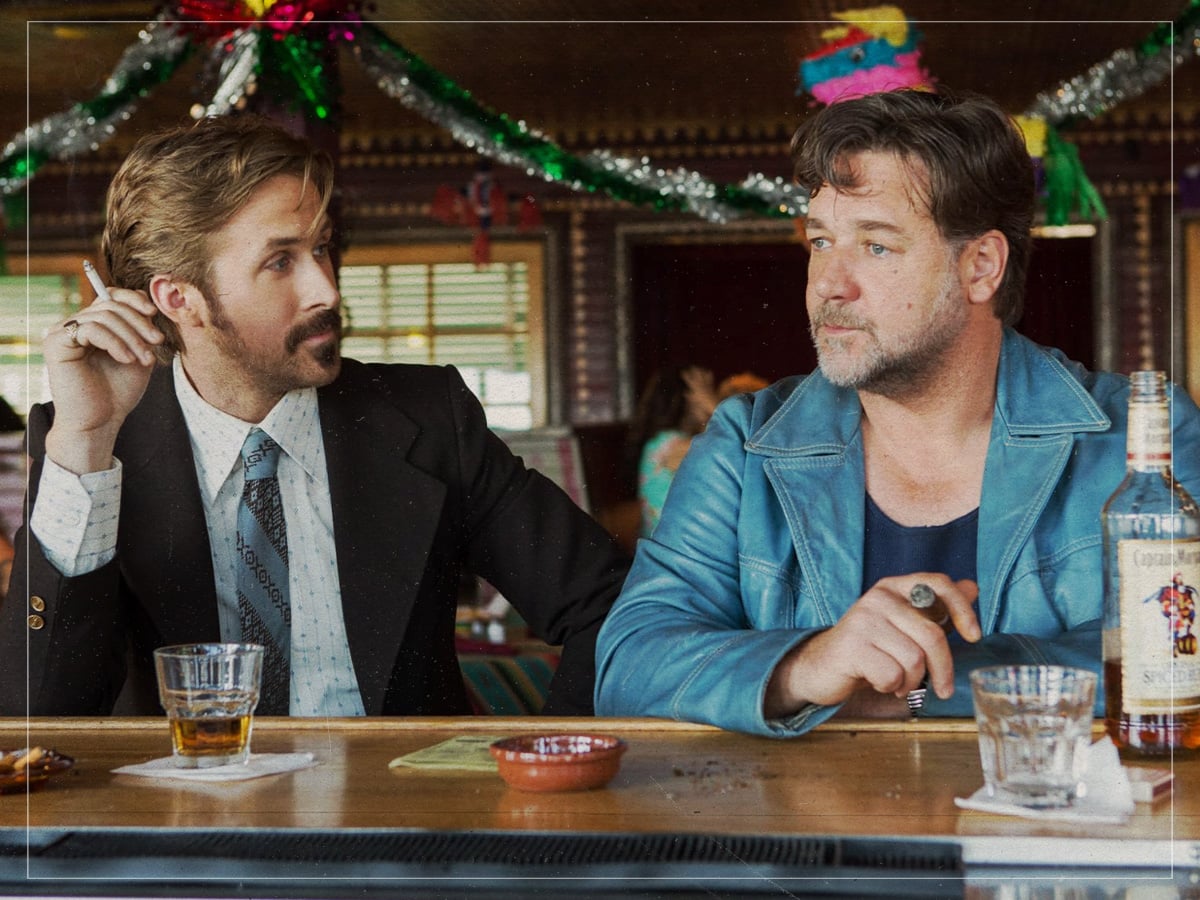
Shane Black was given a second chance by Hollywood after his buddy cop film Kiss Kiss Bang Bang bombed because Robert Downey Jr insisted that Marvel Studios hire him to direct Iron Man 3, which made over $1billion. This gave Black the momentum to make an original buddy cop film with The Nice Guys, which was marketed off the incredible chemistry between Ryan Gosling and Russell Crowe.
The Nice Guys is one of the funniest films of the century (if not ever), and is a perfect balance of Black-esque mystery, physical comedy, action, and heart. Although the film has steadily been recognised as a cult classic, the fact that it was even made is a miracle; unfortunately, there has been no momentum on a sequel, despite the enthusiasm of Black, Gosling, Crowe, and the legions of fans.
‘Passengers’ (Morten Tyldum, 2016)
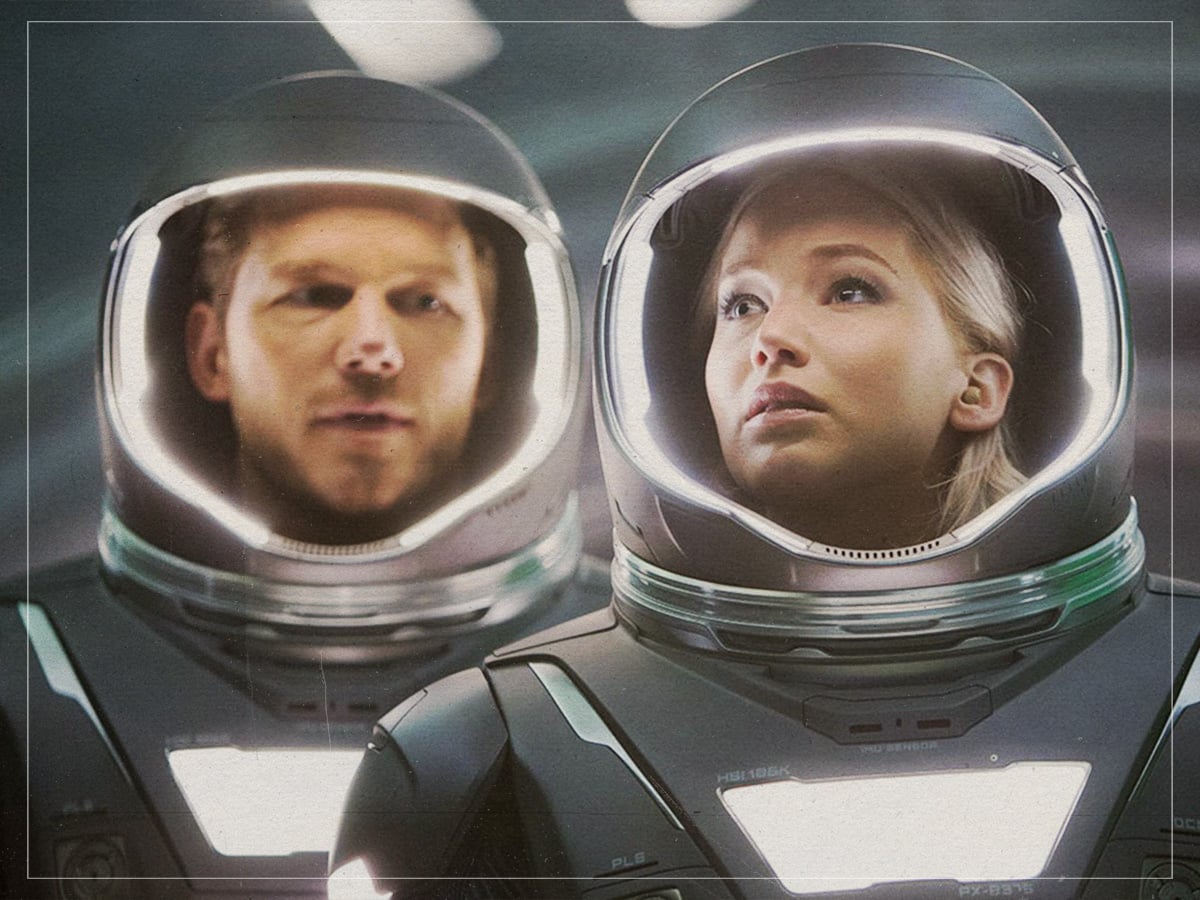
Chris Pratt and Jennifer Lawrence starring in an original science fiction space epic seemed like a great idea on paper before the creepy premise of Passengers was revealed to be set on a space vessel carrying the human race in cryogenic tubes to a safe new planet. Pratt plays a man who is accidentally woken up early, meaning that he will die before everyone else reaches the destination.
His character then wakes up a woman, played by Lawrence, and what seems like a villainous twist ends up turning into a romantic melodrama that tries to make him sympathetic. Despite terrific visual effects and a great original score from Thomas Newman, Passengers couldn’t get over the fact that its logline just didn’t work, and may have contributed to the trepidation studios showed towards original science fiction projects going forward.
‘Silence’ (Martin Scorsese, 2016)
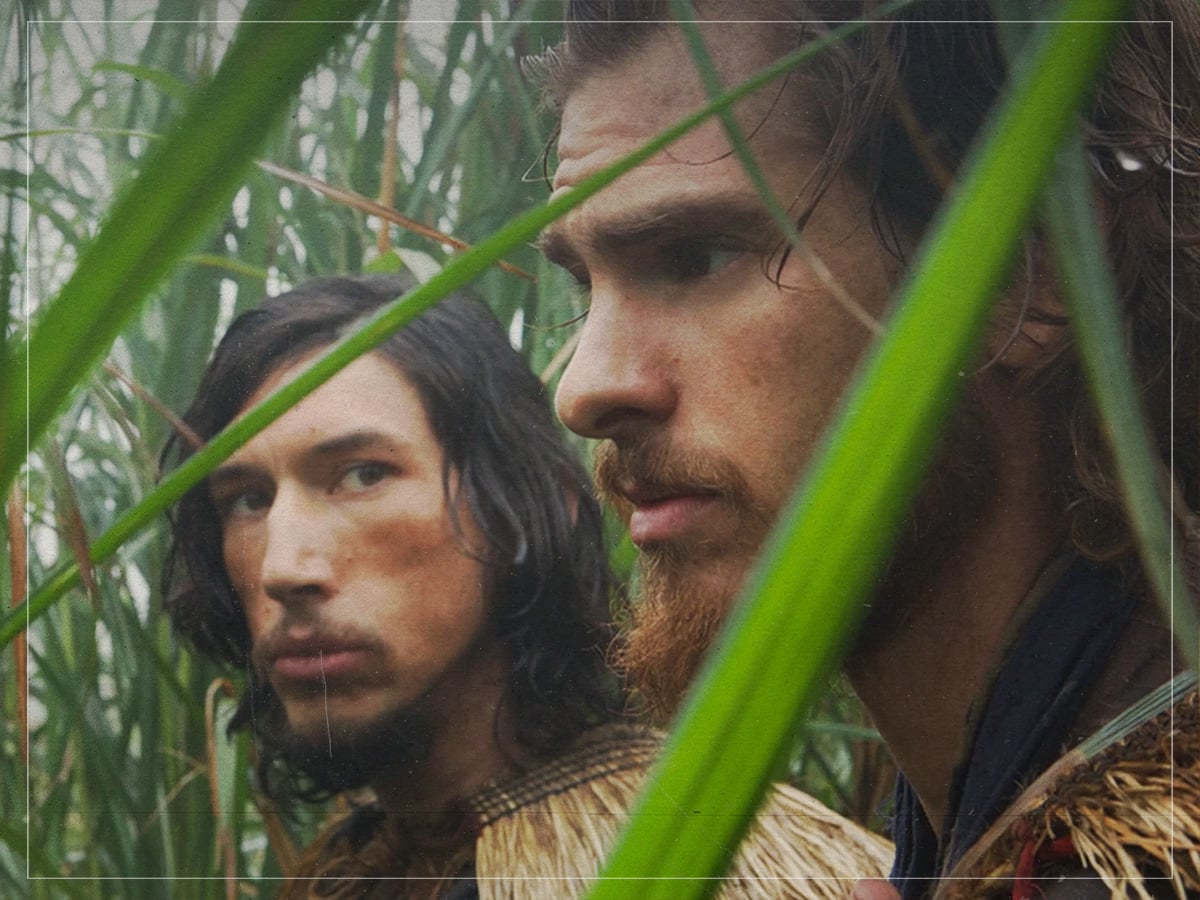
Martin Scorsese may be the most acclaimed living filmmaker, but he has struggled to find financing throughout his career, resulting in many unrealised projects. Scorsese has lucked out by getting his last three films funded by streaming services, but Silence was his last exclusively theatrical film, and it didn’t have the star power of Leonardo DiCaprio to sell it.
It was a religious drama about two Jesuit priests travelling to Japan in search of their mentor, and Scorsese had been aspiring to make it since he read the book for the first time in the ‘80s. It was a confrontive, violent, and thought-provoking drama that looked at the burden of faith in a challenging way, and probably only ended up being made because Paramount Pictures felt that they owed Scorsese a favour after The Wolf of Wall Street had exceeded all expectations.
‘The Promise’ (Terry George, 2016)
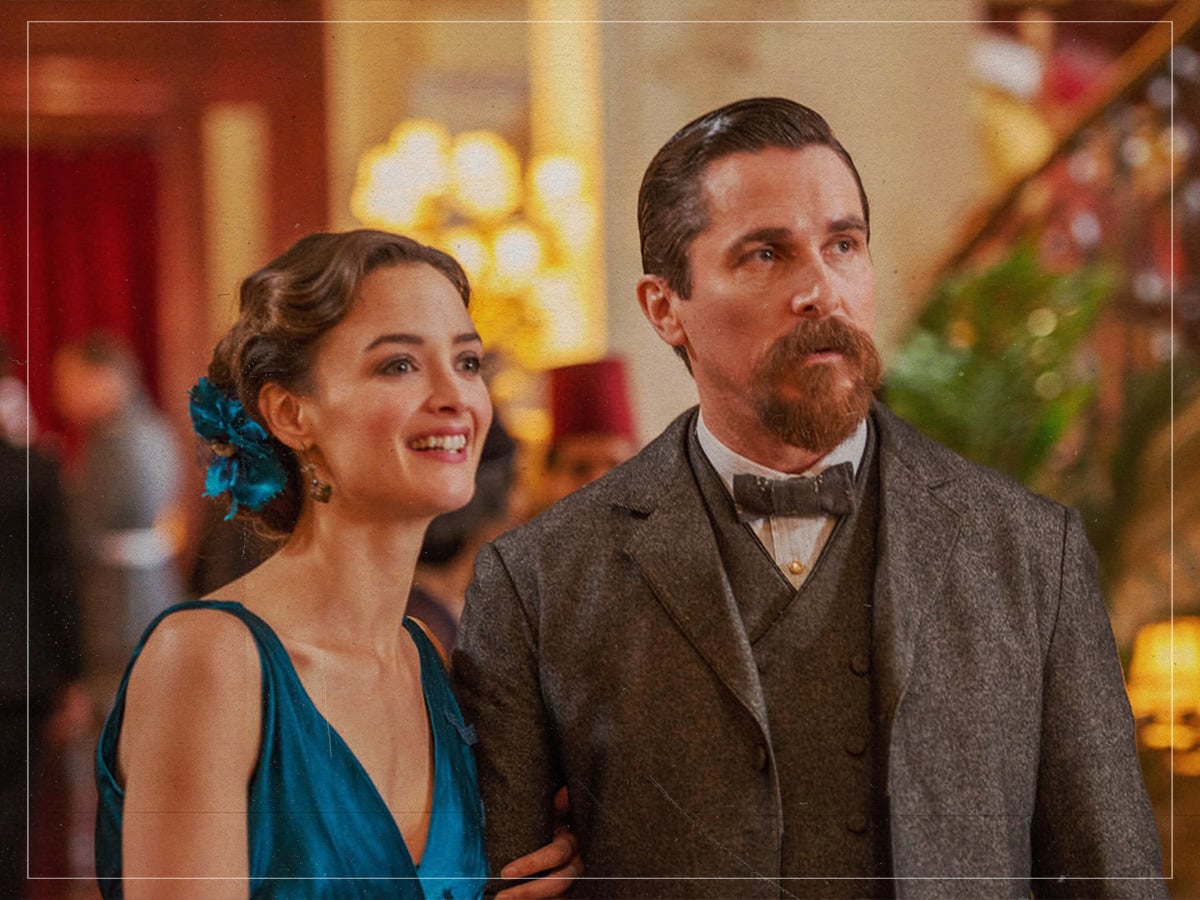
The Promise was an epic historical drama about a love triangle amidst the Armenian genocide that starred Oscar Isaac, Charlotte Le Bon, and Christian Bale, and although the film was received with mixed, if not overwhelmingly positive reviews, it was immediately targeted by Armenian genocide deniers who waged a campaign to bury it.
The film was ranked among the lowest-rated titles of all time on IMDb because of the trolls that had attacked it before its wide release, and it didn’t perform well in theatres. Sadly, the last few years have proven that studios feel that they are beholden to toxic corners of the internet, wrestling in situations like the retconning of Rian Johnson’s story ideas in Star Wars: The Rise of Skywalker, the dumping of Luca Guadagnino’s Sam Altman drama Artificial by Amazon Studios after an OpenAI deal, and the release of Zack Snyder’s Justice League.
‘LBJ’ (Rob Reiner, 2016)
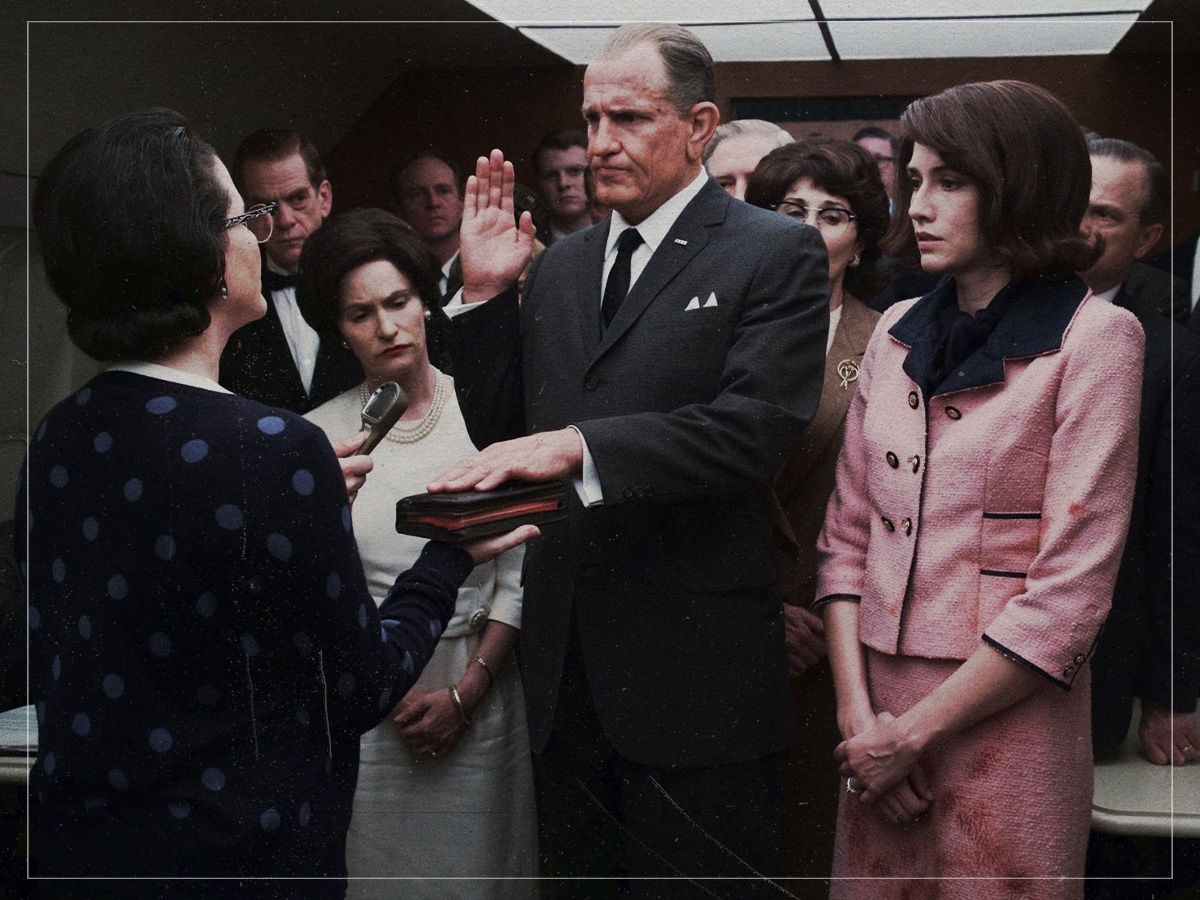
Rob Reiner was a brilliant filmmaker who had a nearly unparalleled run of classics for the first half of his career, but the quality of his work steeply declined in the 21st century. Although he had a few commercial hits like The Bucket List, he was the wrong choice to direct a biographical drama about Lyndon B Johnson, portrayed in a cartoonish performance by Woody Harrelson.
LBJ ignores pretty much everything about the Vietnam War, which implies that Robert F Kennedy was a barrier to his brother’s success and framed Johnson as one of the sole architects of the Civil Rights movement. It’s a film that would be automatically rejected by conservatives and was far too uncritical to be accepted by liberals, and being released in the same year as another Kennedy-themed film, Jackie, only made it look more incompetent.
‘Cafe Society’ (Woody Allen, 2016)
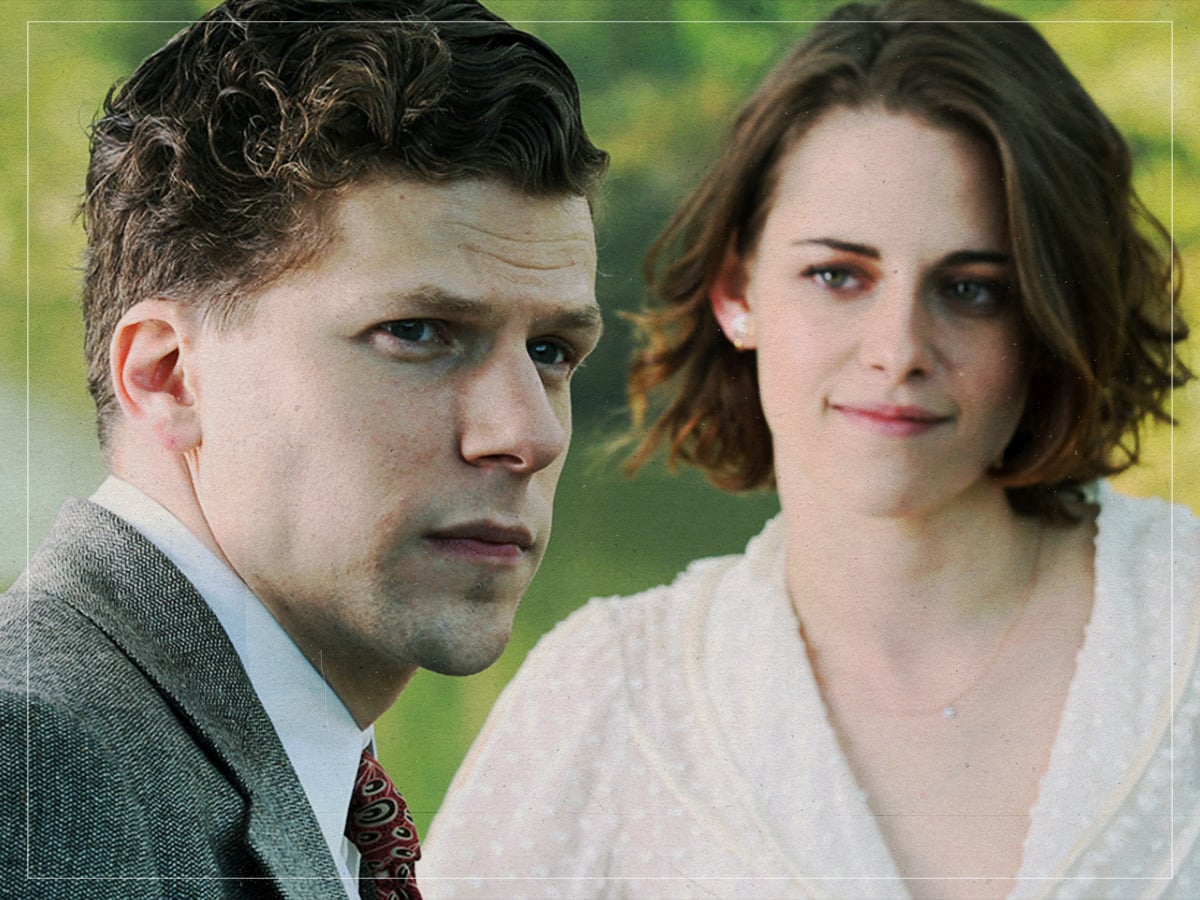
Woody Allen had his last shot at being accepted by American audiences in 2016 with the release of Cafe Society, a nostalgic romantic dramedy set in the Golden Age of Hollywood. It was one year later, in the aftermath of the #MeToo era, that Amazon Studios cancelled their deal with Allen and shunted their release of his next film, Wonder Wheel.
Allen has since been too littered with controversy to ever be accepted back in America, and he certainly would never get the opportunity to work with A-list talent like Jesse Eisenberg, Kristen Stewart, Blake Lively, and Steve Carell. Even ignoring the obvious elephant in the room, Cafe Society is also a film about Old Hollywood that would likely not be made because of the disinterest Gen-Z has shown in Mank, Babylon, and other films set in that era of history.
‘Ghostbusters’ (Paul Feig, 2016)
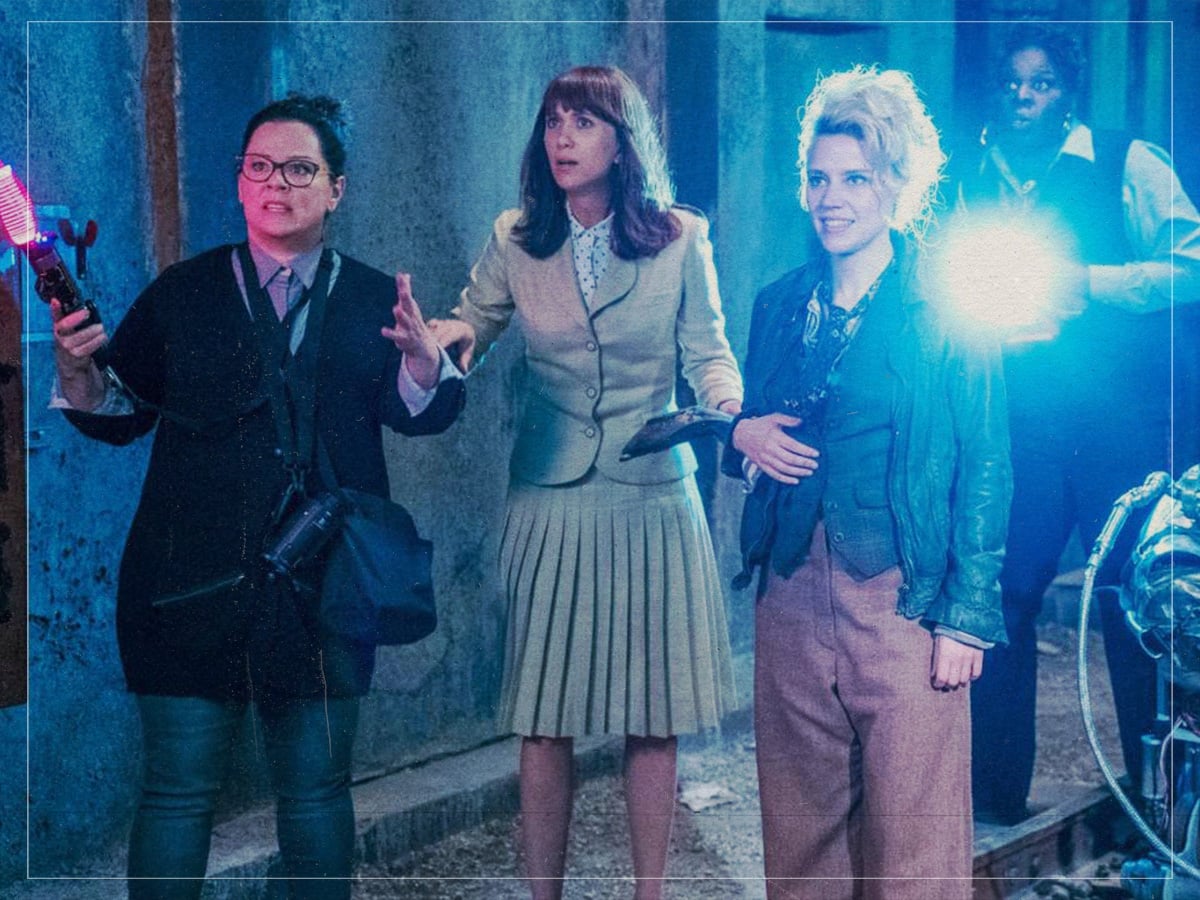
The Ghostbusters remake from Paul Feig is one of the worst mainstream studio films of the decade, and it is still shocking that something so incompetent was made for such a high price, especially when attached to one of the most beloved franchises ever. While the availability of the original cast would offer a perfect opportunity for a legacy sequel, the 2016 Ghostbusters started its own continuity by simply redoing the original film, nearly note-for-note, but with bad improv, terrible visual effects, and an atrocious rendition of the theme song.
An effort was made to blame the film’s failings on toxic trolls, but critics didn’t support the film either, making for one of the most unsurprising bombs ever. While the most recent Ghostbusters films starring Paul Rudd and Finn Wolfhard aren’t anything special, the fact that they are mostly inoffensive fluff is a dramatic improvement over what Feig was trying to do.
