


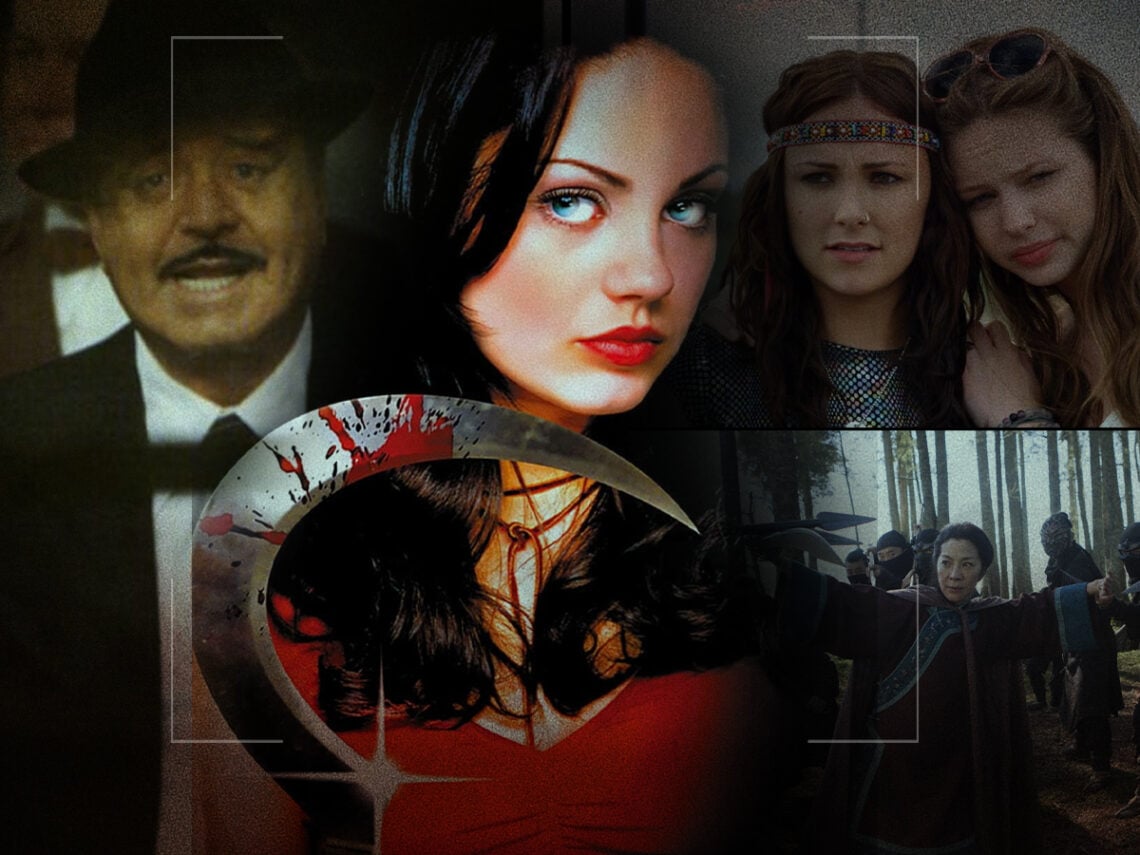
10 movie sequels you had no idea even existed

Sequels aren’t always a winning prospect.
Hollywood’s obsession with sequels is certainly not new, but it has risen to unfathomable extremes. Sequels dominate the box office charts and are frequently touted as the industry’s most important events; this year alone, the race to be the number one film at the global box office is between Toy Story 5, Avengers: Doomsday, Dune: Part Three, Spider-Man: Brand New Day, and The Super Mario Galaxy Movie, which just crossed $1billion. There’s no inherent cynicism within a sequel, as many of them are classics in their own right, but their prominence is a sign that Hollywood has consistently not favoured originality.
Many of the worst sequels of all time were so reviled that they actually harmed the reputation of their predecessors. The failure of Batman & Robin was enough to temporarily end the comic book genre, and the recent disappointment of Wicked: For Good showed that the entire project was misconceived from its inception.
Unfortunately, even sequels that are reviled can end up being successful because of how much built-in support they have from fans; Transformers: Age of Extinction, The Fate of the Furious, Jurassic World Dominion, and Star Wars: The Rise of Skywalker are just a few of the awful sequels that made over $1billion globally. What’s more intriguing are the sequels that manage to disappear without a trace. Even if they were obviously recognised as being cheap cash grabs, they didn’t attract enough attention in order for anyone to get mad about them.
10 movie sequels that surprisingly exist
‘The Sting II’ (Jeremy Paul Kagen, 1983)
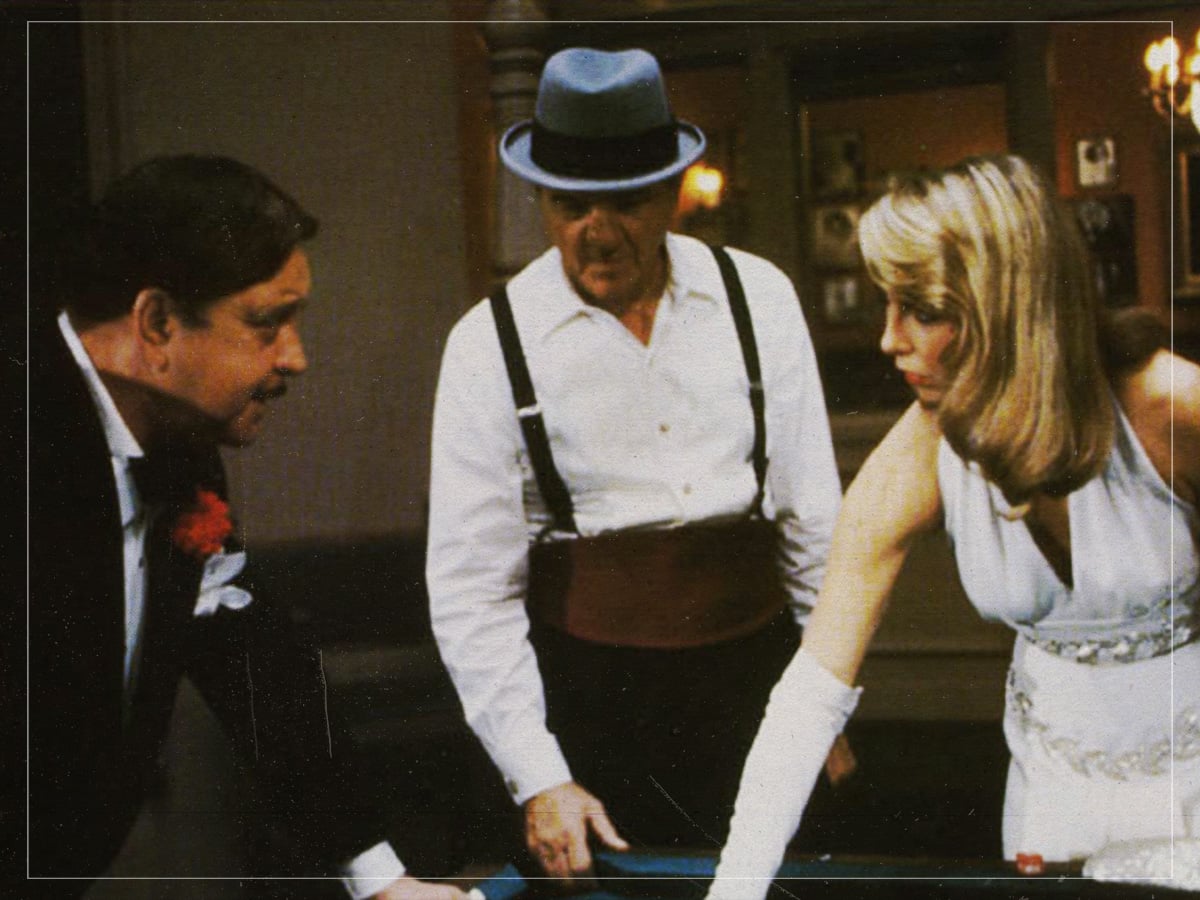
The Sting was an unprecedented hit when it came out, as it won the Academy Award for ‘Best Picture’, became one of the highest-grossing films ever made, and solidified Robert Redford and Paul Newman as an impeccable movie star duo. While the story was simple enough to imagine that making another heist adventure would be a sure-fire hit, The Sting II ran into a massive issue when neither of the original stars returned.
In one of the weirdest continuity expansions, The Sting II pitched itself as being inspired by the real men who had inspired the events of the first film; this allowed for a recast of Redford and Newman with Mac Davis and Jackie Gleason, respectively, who didn’t have even a fraction of their counterparts’ chemistry. The Sting II was such a disaster that it has essentially been scrubbed from existence.
‘Oliver’s Story’ (John Korty, 1978)
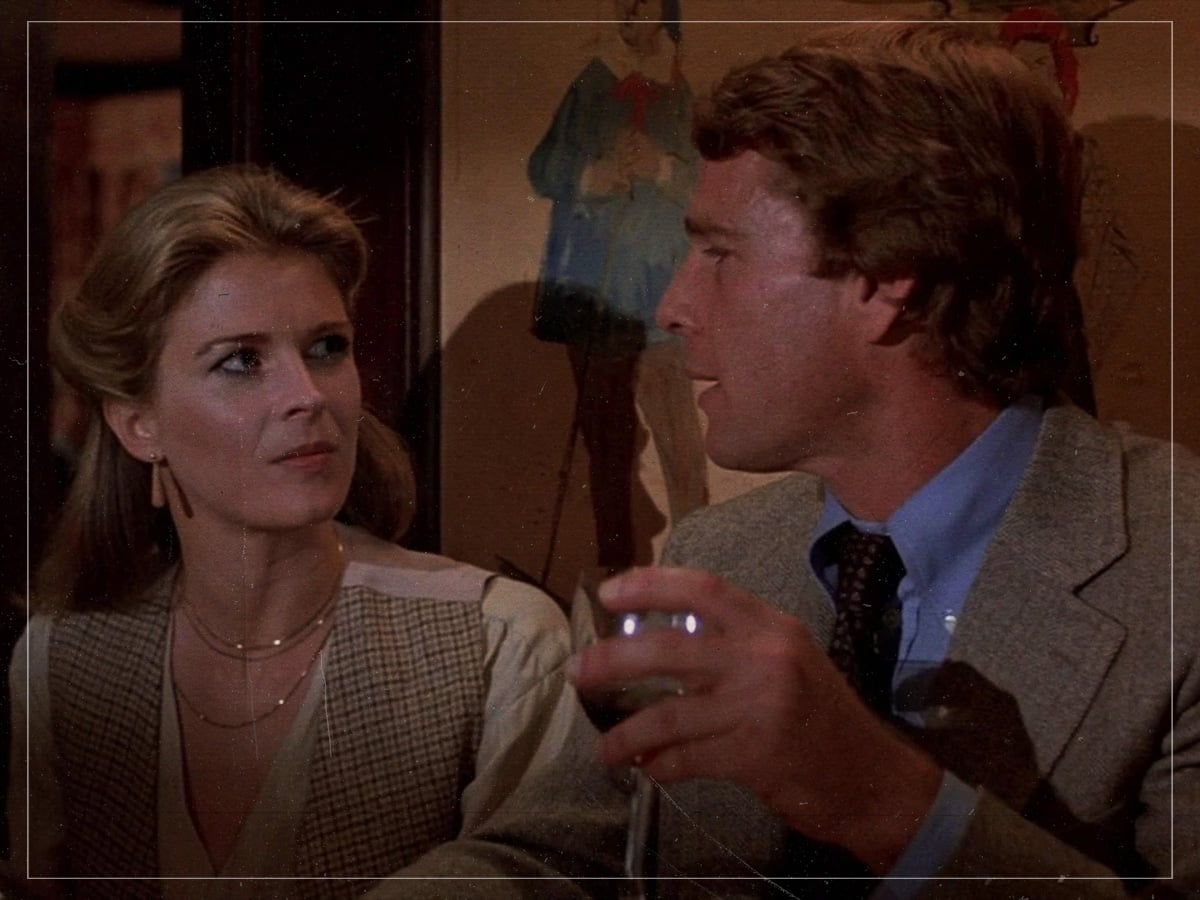
Love Story had been a massive hit in 1970, but making a sequel seemed like a challenge, given that it ended with the death of Ali MacGraw’s character. Although Ryan O’Neal had become a more controversial figure in the year since the first film was released, Paramount Pictures still thought that they had a cash cow on their hands when Erich Segal, the author of the original Love Story novel, wrote a sequel called Oliver’s Story.
Oliver’s Story was on shelves for only a year before the adaptation was released, which featured the return of O’Neal and an early performance by Candice Bergen. Not only was the sequel wholly unnecessary, but enough time had passed that the sheen around the first film had gone away, and no one really wanted to see a continuation if MacGraw wasn’t involved.
‘Crouching Tiger, Hidden Dragon: Sword of Destiny’ (Yuen Woo-ping, 2016)
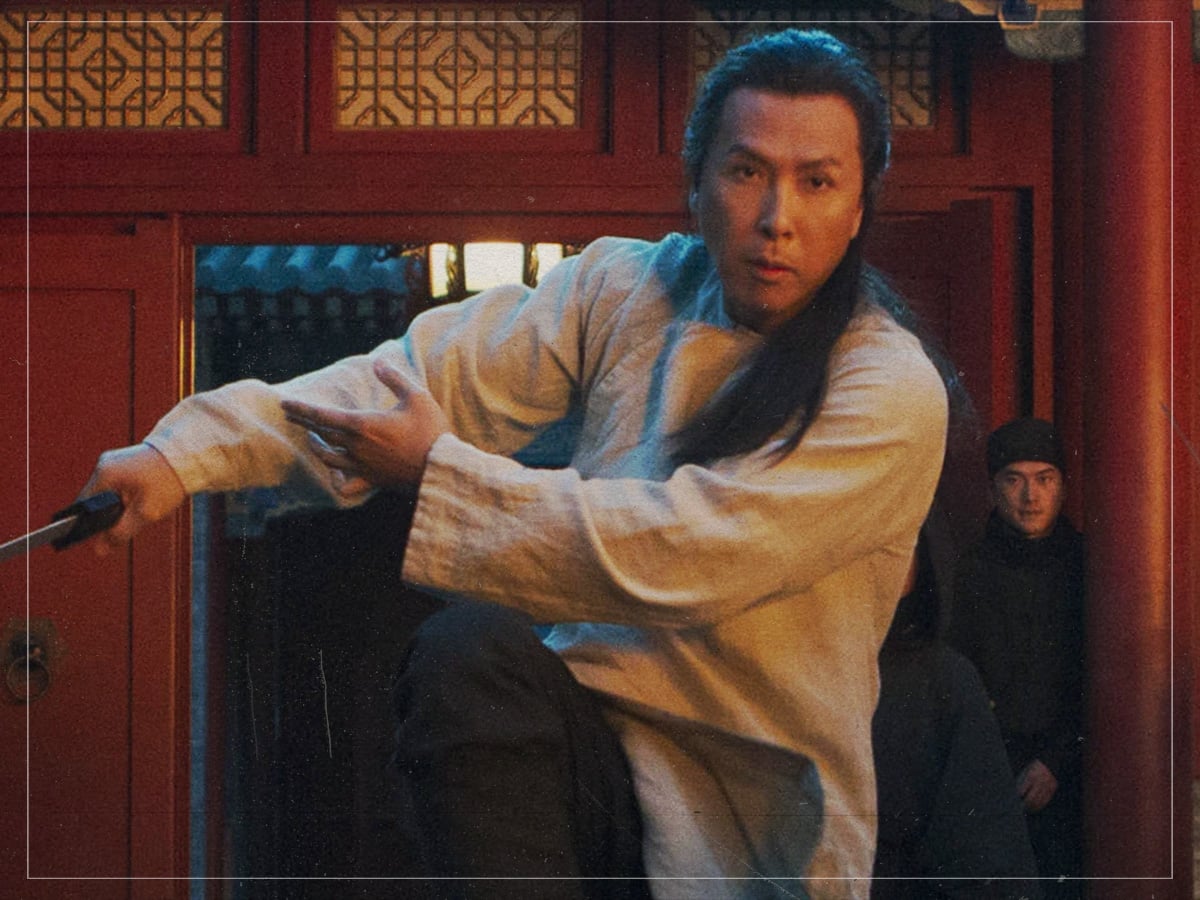
Crouching Tiger, Hidden Dragon had been a massive hit, Oscar nominee, and crossover sensation that got English-language audiences excited about wuxia cinema, but over a decade passed, with Ang Lee having moved on to other projects, before a sequel was discussed. However, Harvey Weinstein was so greedy that he pushed forward on the idea and got the original star, Michelle Yeoh, to reprise her role in a cast that also included Donnie Yen.
The warning signs should have been heeded when it was announced that the film would debut on Netflix, as it clearly wasn’t going to have the same audience as the first film, which led it to being buried on the homepage after flopping in viewership, and is now virtually indistinguishable from the countless other cheap martial arts flicks that ripped off the original Crouching Tiger, Hidden Dragon.
‘S Darko’ (Chris Fisher, 2006)
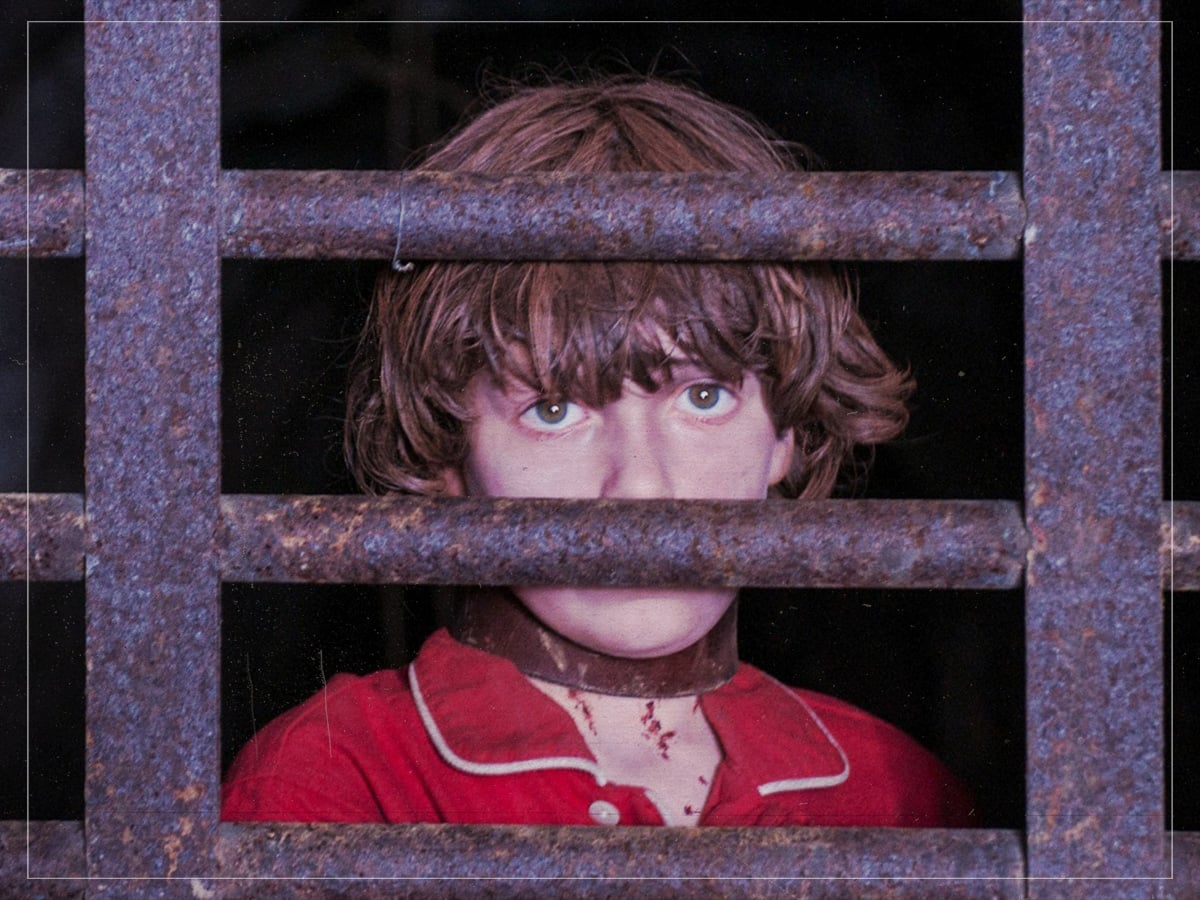
Richard Kelly had stumbled into a phenomenon when his directorial debut Donnie Darko initially flopped in theatres before becoming a massive hit on home media, where it developed a passionate cult following. Kelly was deep into production on his science fiction satire Southland Tales when 20th Century Fox decided to make its own sequel, without his involvement, which featured Daveigh Chase reprising her role as Samantha Darko, the younger sister of Donnie, played by Jake Gyllenhaal.
Kelly went on to state that he had never even read the script for the proposed sequel, and wasn’t to blame for the massive plot holes that it created. The popularity of the original Donnie Darko as an object of cult affinity didn’t prevent the sequel from flopping, and there wasn’t anyone trying to reclaim S Darko as a secret masterpiece worthy of the same analysis.
‘American Psycho 2’ (Morgan J Freeman, 2002)
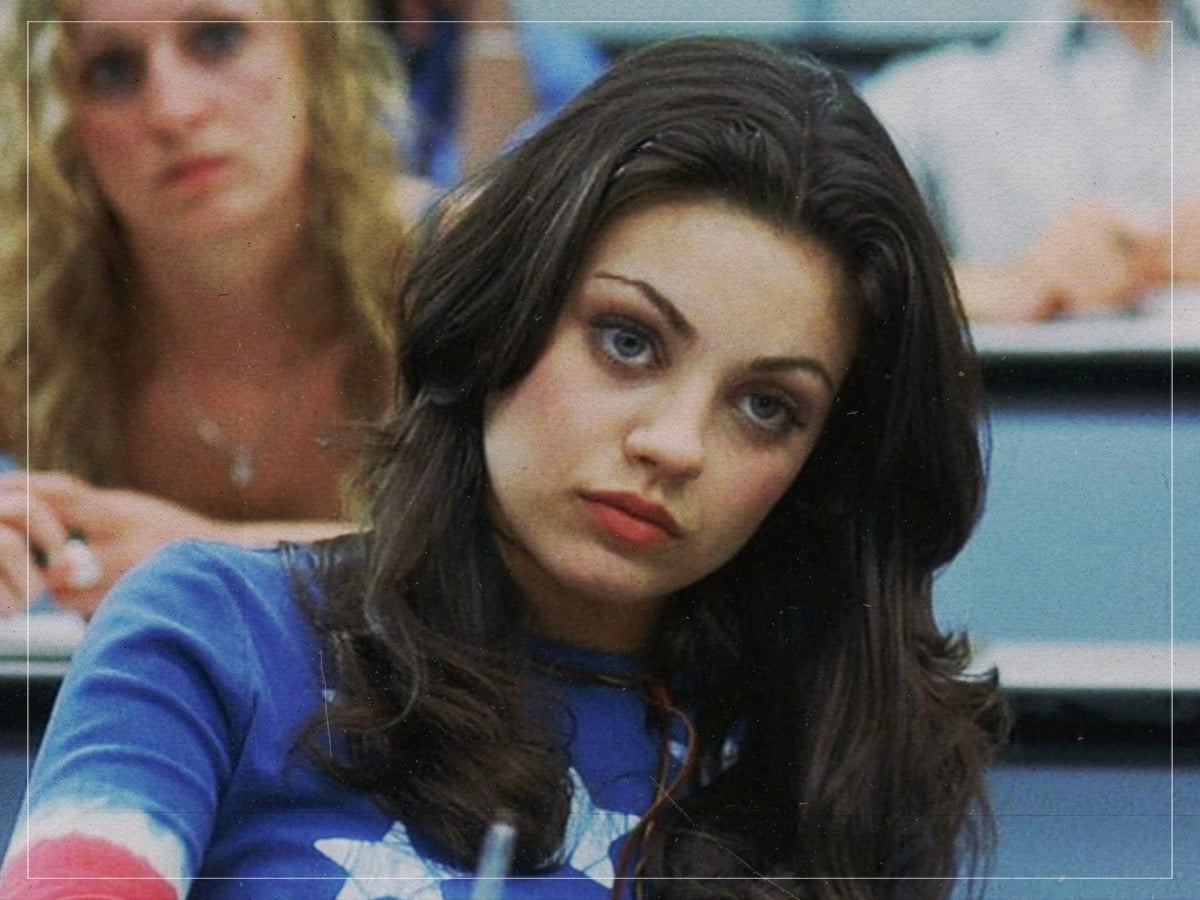
American Psycho 2 was originally written as an entirely different script called The Girl Who Wouldn’t Die before Lions Gate Home Entertainment realised that it could be transformed into a sequel to the 2000 cult classic, even if it didn’t feature any of the same characters. Mila Kunis was cast as a criminology student who begins murdering her classmates to advance her own career, and William Shatner was brought in for star power because he was in the midst of success with Boston Legal.
Although Brett Easton Ellis, who had written the American Psycho novel, hadn’t been fully on board with the first film, he completely disowned the sequel, which essentially had nothing to do with what he had created. The film was released direct-to-DVD, but was so poorly made that it couldn’t convince gullible buyers that it was a legitimate continuation of the 2000 film.
‘Lost Boys: The Tribe’ (PJ Pesce, 2008)
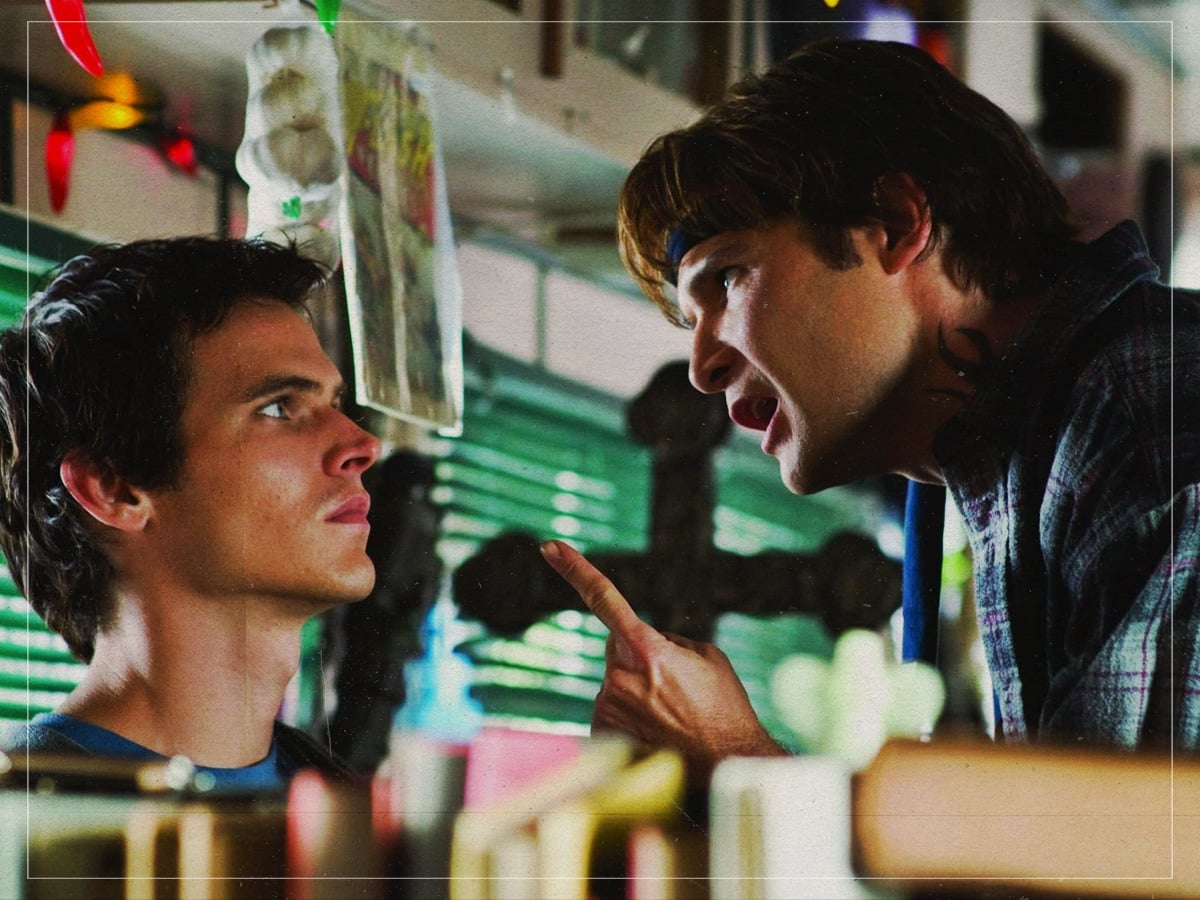
Corey Feldman has gotten much weirder since his time as a star in the ‘80s, clinging to the fame of being involved in many hit films from the decade. His performance in The Lost Boys wasn’t exactly the standout, given how great Jason Patric and Kiefer Sutherland were, but it was enough for him to take over the lead role in a direct-to-DVD sequel that cashed in on the vampire craze rekindled by the popularity of True Blood and Twilight.
It turned out that the magic of The Lost Boys had to do with the music and Joel Schumacher’s direction, and couldn’t be recaptured with a cheap sequel that had barely anything to do with the first film. Although both Lost Boys: The Tribe and its follow-up, Lost Boys: The Thirst, faded into obscurity, the franchise hit new heights thanks to the Tony Award-winning musical.
‘Starship Troopers 2: Hero of the Federation’ (Phil Tippett, 2004)
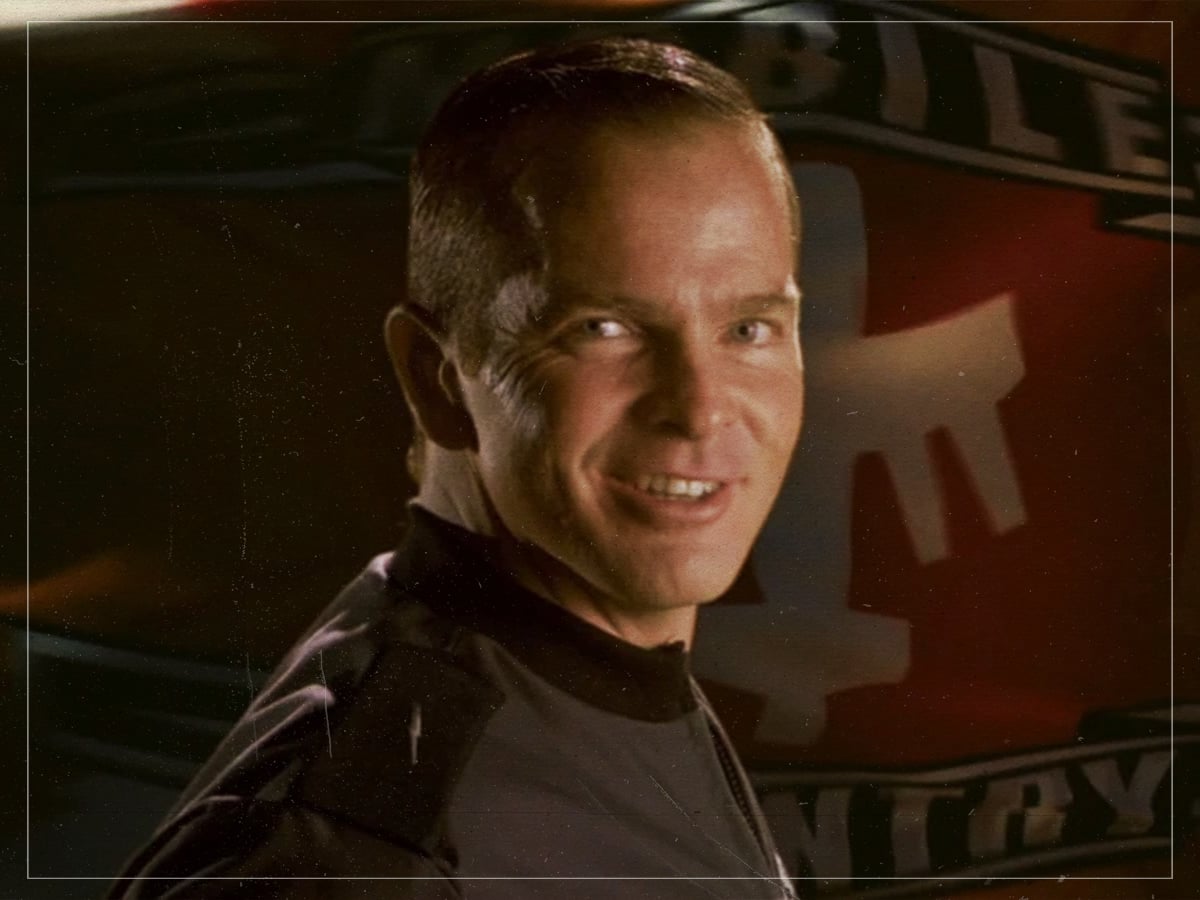
Starship Troopers is one of the most audacious science fiction novel adaptations of all time because Paul Verhoeven chose to completely invert the original source material of the novel, which was a militaristic action story with broadly nationalist themes, into a satire of xenophobia and fascism that attempted to emulate the style of a propaganda film. Starship Troopers’ satirical edge wasn’t understood by all critics when it debuted, and its direct-to-DVD sequels attempted to tell an actually compelling military sci-fi story, which completely missed the point of what Verhoeven had been trying to do.
Even with the involvement of legendary visual effects artist Phil Tippett, Starship Troopers 2: Hero of the Federation was everything that the original had been making fun of. Most embarrassing was that Casper Van Dien returned to give a more sincere performance, even though his flatness had been an intentional bit of clever casting on Verhoeven’s part.
‘Jarhead 2: Field of Fire’ (Don Michael Paul, 2014)
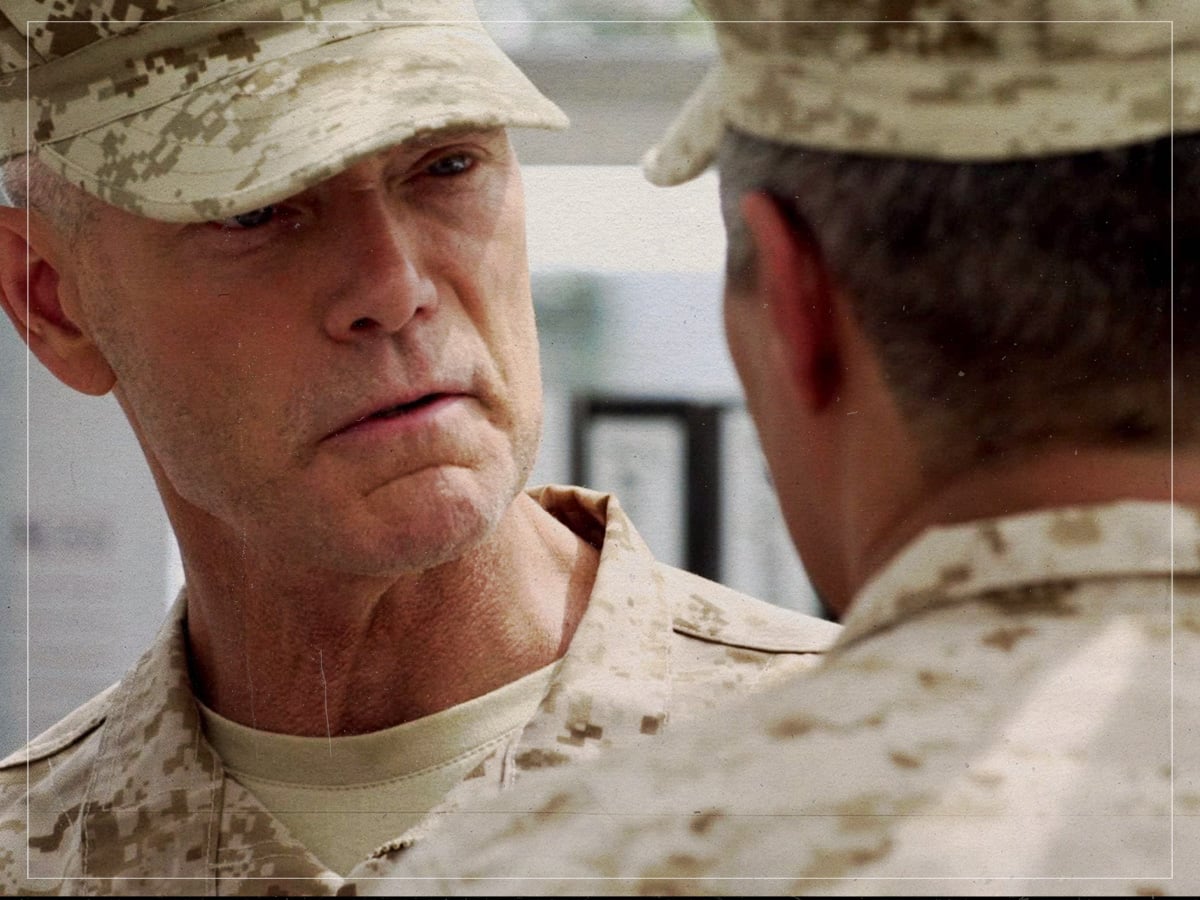
Sam Mendes made one of his most underrated films with Jarhead, a dark comedy about the collapse of America’s military involvement in the Middle East that reflected on the senseless death and destruction. Although the first film had incited some controversy when it was accused of not being a hit, critics began to come around to Mendes’ ideas, especially as the war raged on. Bizarrely, Jarhead had become a popular enough home media title that its name still had value, even though there was no natural route to make a continuation.
Jarhead 2: Field of Fire was the first in a series of action sequels about completely heroic American soldiers fighting against the Taliban, which not only removed any references to anything within the first film, but it swung in a different direction to adopt a political perspective that was the complete antithesis of what Mendes was trying to say.
‘More American Graffiti’ (Bill L Norton, 1979)
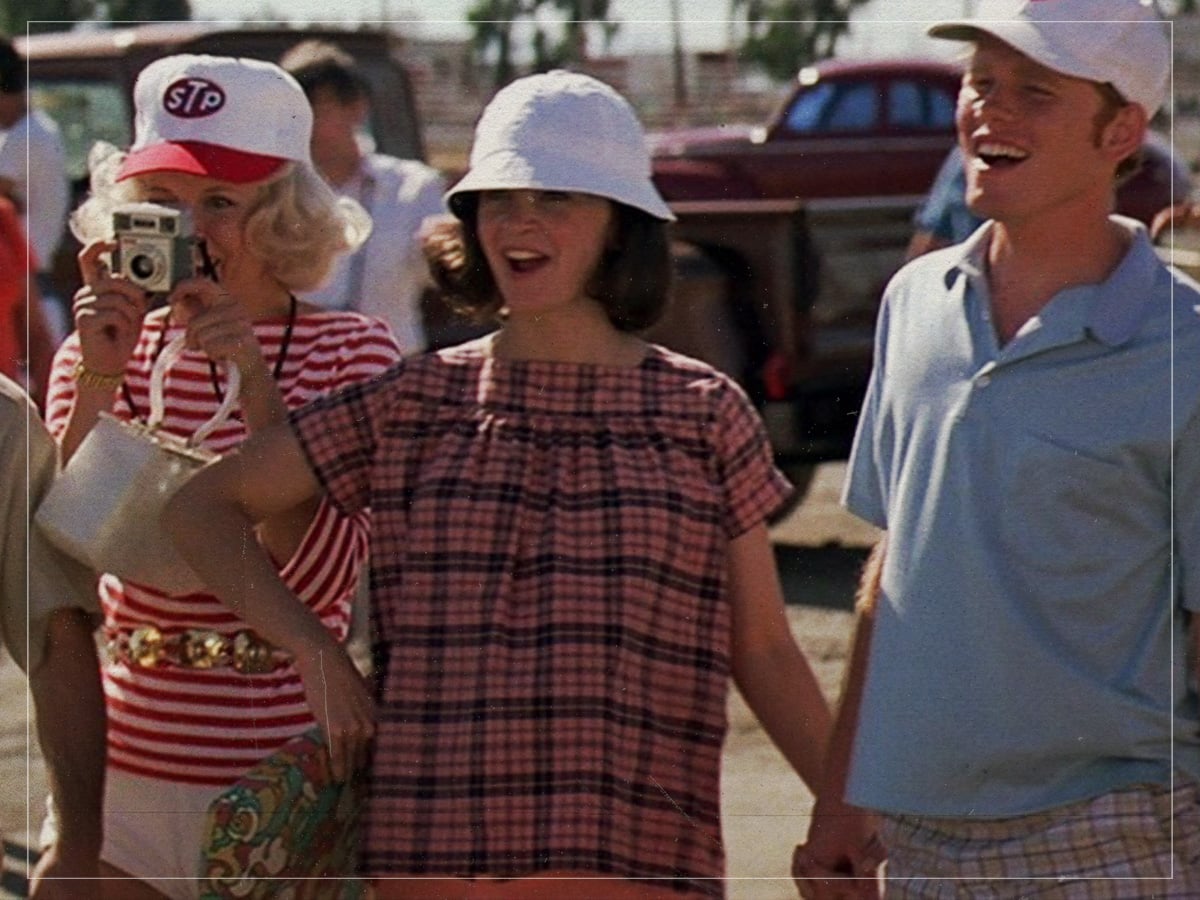
The success of Star Wars makes it easy to forget that George Lucas was already a household name because American Graffiti had been a massive hit that capitalised on ‘60s nostalgia and featured the first great mixtape soundtrack. Lucas was in the midst of producing The Empire Strikes Back, writing Raiders of the Lost Ark, and helping to produce films like Body Heat and Kagemusha: The Shadow Warrior when he passed creative control of the sequel, More American Graffiti, to Bill Norton.
Although it featured the return of Ron Howard, Cindy Williams, Harrison Ford, Bo Hopkins, and virtually every original cast member other than Richard Dreyfuss, More American Graffiti was released too late to have the same impact as its predecessor, as the world had already caught Star Wars mania. It turned out that the ending of the first film was best left ambiguous.
‘The Evening Star’ (Roger Harling, 1996)
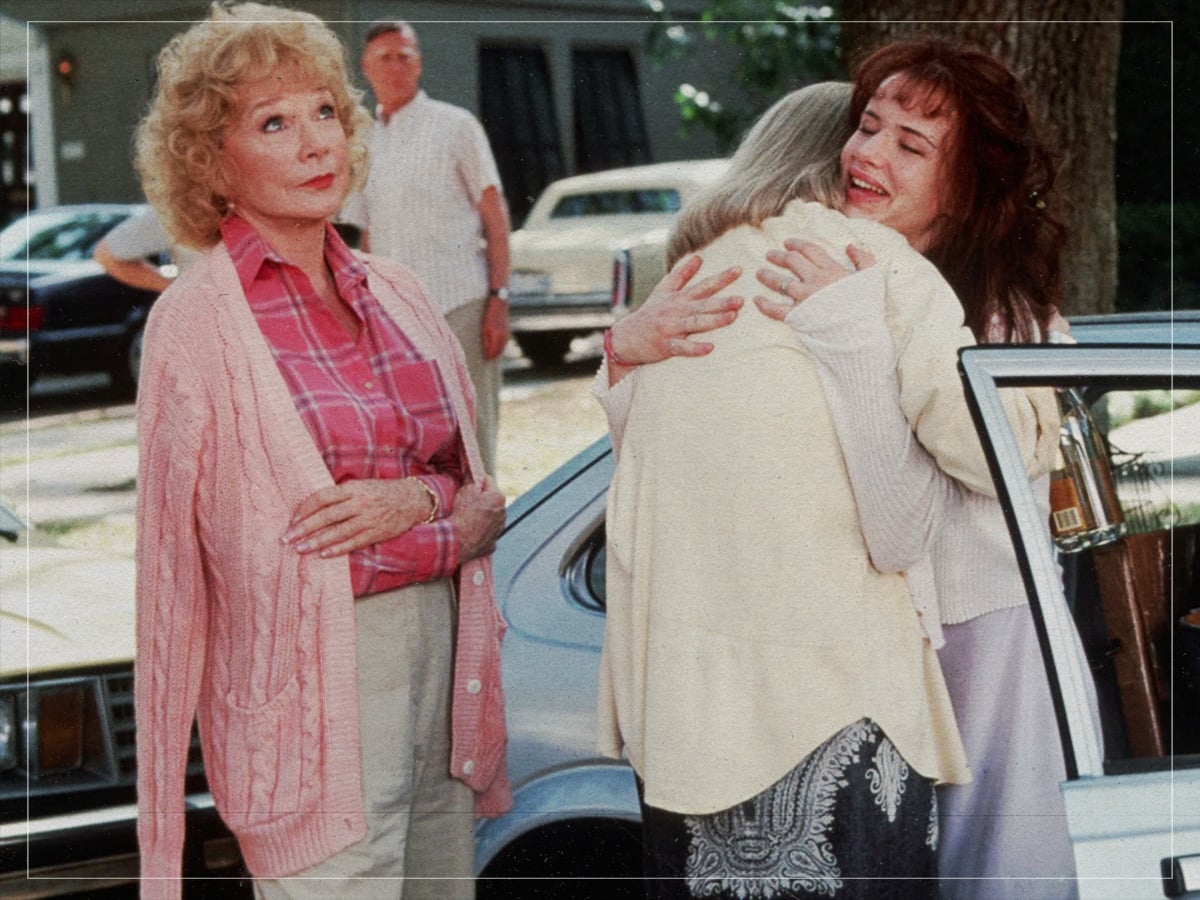
The Evening Star was another case in which a film adaptation had been so popular that the author of the original book decided to write a sequel, which was itself turned into a new film. Terms of Endearment had won ‘Best Picture’ and become the second-highest-grossing film of 1983, but it wasn’t until 1992 that Larry McMurtry wrote the novel’s sequel, The Evening Star.
Jack Nicholson returned to reprise his Oscar-winning role for a brief cameo, but Shirley MacLaine retained her lead part in a story that showed how Aurora adjusted to being a grandmother. Audiences were wise enough to recognise that The Evening Star wouldn’t have the magic of Terms of Endearment because James L Brooks wasn’t involved, and the novel on which it was based had already been deemed to be a disappointing follow-up that wasn’t worth reading.
