


10 unnecessary sequels that ruined the original

There’s nothing more disappointing than enjoying a stand-alone film, immersing yourself in its engaging narrative, compelling characters and overall entertaining style, just to be let down by a disappointing sequel that nobody asked for. This scenario has happened several times for film fans, a result of directors and studios attempting cash grabs on popular one-off movies through sequels but failing to consider style and effort.
A sequel can be deemed inferior to its predecessor due to a poorer approach and execution, offering a pointless addition to an original idea. Some sequels add nothing new or progressive to the story or characters. Instead, they subsequently read as bizarre, shallow, or detrimental to the original idea.
Meaningless follow-ups can also feature unappreciated re-casts of protagonists and other characters, with the new actor failing to garner a similar audience response. In what can be a hastily manufactured re-hash of the first film’s plot with a weaker narrative, a sequel can often attempt a new idea that is generally way too outlandish to uphold the plot.
Including everything from dull follow-ups to horror classics and a heavily mocked instalment to one of American cinema’s greatest franchises, here are ten unnecessary sequels that ruined their predecessor.
10 unnecessary sequels that ruined the original:
An American Werewolf in Paris (Anthony Waller, 1997)
After saving her life, Andy, a tourist visiting Paris, becomes infatuated with Serafine, a secret werewolf. However, his life turns monstrous when he visits a nightclub and crosses paths with her again.
This forgotten film is the sequel to John Landis’ horror classic An American Werewolf in London, starring David Naughton, Jenny Agutter, Griffin Dunne and John Woodvine. However, unlike the original film’s status, An American Werewolf in Paris feels more like a half-attempted fan film that would be buried in the depths of the internet immediately upon release. Its attempts at horror are laughable, with terrible special effects falling vastly short compared to its pop culture’s influential predecessor, and audiences laugh at the wrong moments for the wrong reasons.
The Howling II: Your Sister Is a Werewolf (Phillippe Mora, 1985)
Ben White learns of the gruesome fate of his sister from an occult investigator. He is recruited into a dangerous mission that involves travelling to Transylvania and destroying an immortal werewolf queen.
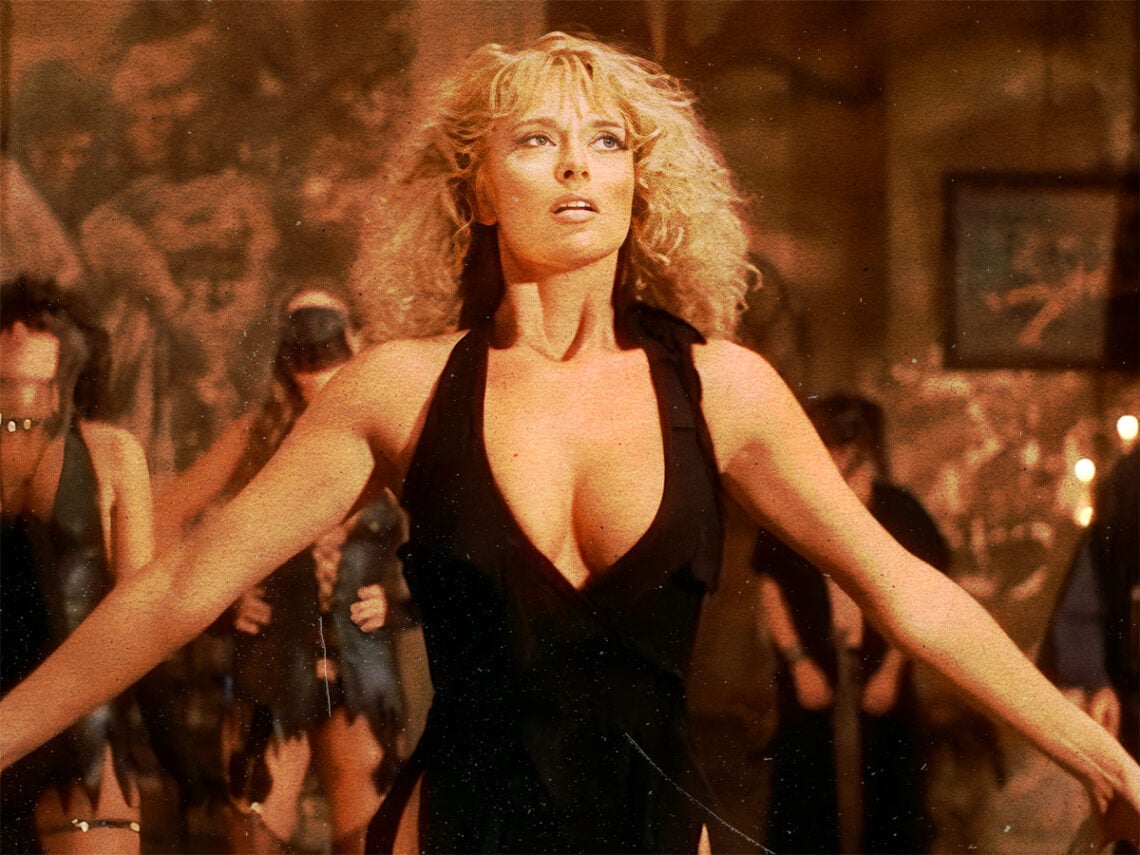
The Howling, directed by John Dante and released in 1981 as a testimony to the decade’s love of hyper-surreal gore and visuals, terrified audiences with its depiction of brutal and bloody werewolves. Its sequel, directed by Phillippe Mora and starring Sybil Danning and Christopher Lee, forgets the first’s suspense, originality and artistry. If horror screen icon Lee can’t make a horror film good, then it’s a poor script and vision.
Home Alone 3 (Raja Gosnell, 1997)
Eight-year-old Alex fends off thieves trying to acquire a top-secret computer chip hidden in his toy car, with which they intend to help a terrorist group, while his mother heads off for her daily errands.
A weird theme in trilogies and franchises is when the first sequel is a direct continuation of the first, and then the third or fourth is an entirely new story with new characters. This is the case for the third Home Alone film directed by Raja Gosnell, which features a different child fighting off a group of terrorist-sympathising burglars rather than Kevin McCallister. Also, this child isn’t ‘home alone’ the same way Kevin was, as his parents leave him when they go to work every day rather than forgetting him during a vacation, which subtracts from the entertainment.
Indiana Jones and the Kingdom of the Crystal Skull (Steven Spielberg, 2008)
In 1957, Indiana Jones, a renowned archaeologist and explorer, teams up with a young man, Mutt Williams, to unearth the mystery behind the legendary crystal skulls. Standing in his way after Soviet KGB agents led by Irina Spalko.
The Phantom Menace/Attack of the Clones/Revenge of the Sith of its franchise, Indiana Jones and the Kingdom of the Crystal Skull is cited as ruining its beloved movie series. This sequel attempts to conceal a weak and pointless script with heightened visuals and action sequences. This instalment is overstuffed with implausible fight scenes, weakens its iconic hero with tedious writing and is a downgrade of the entire franchise.
Trail of the Pink Panther (Blake Edwards, 1982)
When confused Inspector Clouseau goes missing while on a mission, a TV reporter embarks on a journey to solve the mystery and interviews everybody related to him.
This Blake Edwards film failed to meet the box office success of the previous movie, Revenge of the Pink Panther, due to its weak execution of a poor plot concept. Due to original star Peter Seller’s passing during filming, the project had to scramble to complete its footage, creating a strange and uncomfortable end product.
The Jerk Too (Michael Schultz, 1984)
A simpleton says goodbye to his southern foster family and heads to Los Angeles to meet his pen pal. However, he is faced with many obstacles during his journey.
This 1984 film attempted to expand on the original film’s successful comedy and performances, including treasured comedian Steve Martin. What happened instead was a downgrade, as this sequel couldn’t make use of the comedy audiences had previously loved. Instead, it waffles with forced physical comedy and predictable plot events. It’s completely unrelated to the original, making the poor direction all the more embarrassing.
Poltergeist III (Gary Sherman, 1988)
Following the terrifying events of the previous two films, Carol Anne is still terrorised and tainted by malicious spirits. It’s up to her aunt and uncle to take the poltergeist on to free their niece.
The first Poltergeist movie is a timeless horror classic, offering consistent and iconic sequences of suspenseful tension and shocking visual frights. The second film may be less brilliant, but it’s still a worthy watch. The third film, however, replaces the horror with laughable moments that are comical simply because they’re awful. As with supernatural series, it re-recruits the original film’s plot rather than expanding or developing it with something progressive. Moments intended to be terrifying shockers are executed with embarrassing performances and visual choices, dulling the whole experience.
Blues Brothers 2000 (John Landis, 1998)
Elwood Blues is released after 18 years of imprisonment and sets out with an 11-year-old orphan to reunite his band and raise funds for the children’s wing of a hospital.
The 1980 film Blues Brothers, directed by John Landis and starring Josh Belushi and Dan Aykroyd, was a critical success and resides in American film as a cult classic. However, the follow-up film failed in every area where the original succeeded. Looking at the first film, there’s no strong reason why a sequel was needed in the first place, let alone one with weaker comedy and a cheap tone.
Caddyshack II (Allan Arkush, 1988)
This dreadful sequel to a beloved comedy classic was doomed from the start. Cast and crew members abandoned the project at various stages of production, causing last-minute and half-heartened changes to be made to save the movie. The script limits its actors, and awful editing corrupts a direction that was already terrible.
According to Geoff Shackelford, original star Murray, who avoided the sequel, stated: “You know, Caddyshack was a great thing. There were some extraordinary people in it, Ted Knight, Rodney Dangerfield, the guy who played the bishop, these are people who have passed away. They were great people, great actors and lots of fun, and it was an unusual thing. Can’t you be happy with having seen it and watched it?”
Robocop 2 (Irvin Kershner, 1990)
Following the first film, robocop Alex Murphy becomes immersed in a scheme that plots to bankrupt the city while also fighting the spread of a street drug. His mission brings him into a conflict with a gang of drug dealers.
The first Robocop movie was fun, ambitious, and incorporated numerous tones, but the sequel dipped into a cartoonish sense of humour and style. Furthermore, it lost audiences by forgetting the human story of the man trapped inside the machine that the first film established. Instead, it focused on excessive violence and visuals, signalling a pandering to the box office, which had been praising hyperbolic visuals for the past decade.
