


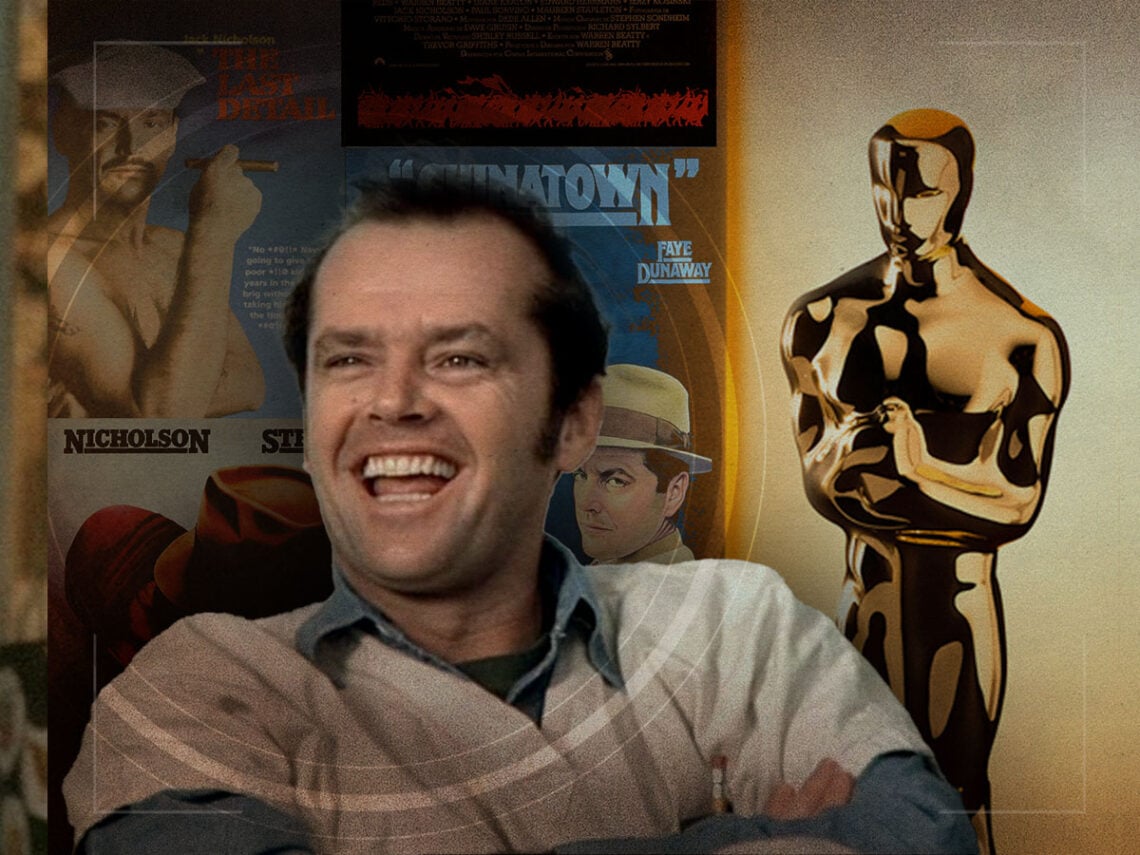
Jack Nicholson’s 12 Oscar-nominated performances, ranked from worst to best

Jack Nicholson has set records with his recognition by the Academy Awards, and they haven’t even acknowledged all of his best work, yet still among a select group of male actors to have won three of these competitive acting awards, a feat that has also been achieved by Walter Brennan, Daniel Day-Lewis, and Sean Penn.
However, Nicholson dwarfed the competition when it comes to nominations, as he has been individually recognised for more performances than any other male actor. He is also among a select group who have appeared in three different films that won the Oscar for ‘Best Picture’.
It’s not hard to see why he has been so continuously awarded, as he was one of the most prominent figures in the New Hollywood movement that revolutionised the industry in the ‘60s and ‘70s. However, Nicholson is unique among his peers for the consistency of his output, unlike Dustin Hoffman, Robert De Niro, Al Pacino and Richard Dreyfuss, without too many misses in his filmography.
The Oscars don’t necessarily have the definitive word on Nicholson’s impact on the industry. He also gave amazing performances in The Shining, Batman, The Departed, Carnal Knowledge, and Something’s Gotta Give, which weren’t nominated, but anyone looking to catch up on his work can definitely look to his 12 Oscar-nominated performances as a way of understanding why he is still such an icon of Hollywood.
Ranking Jack Nicholson’s 12 Oscar-nominated performances
‘Prizzi’s Honor’ (John Huston, 1986)
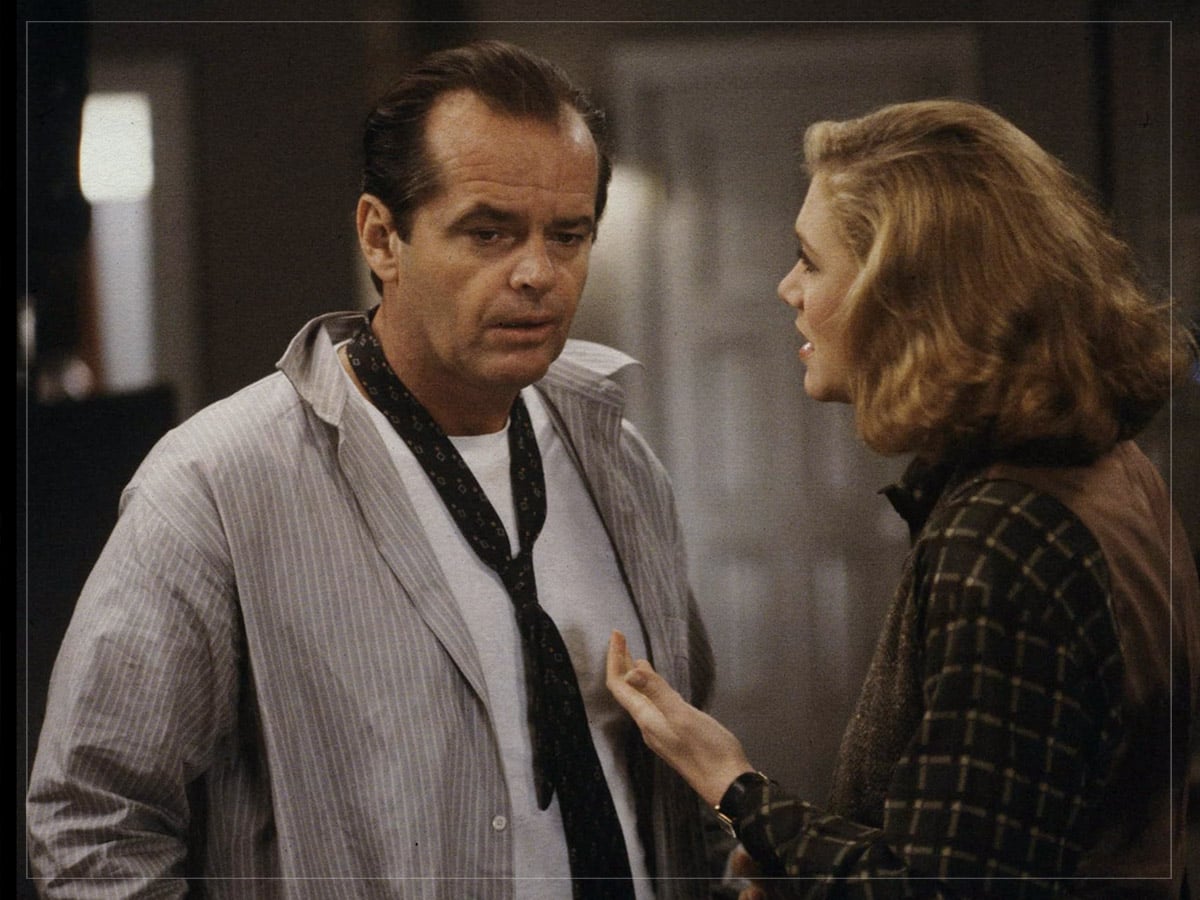
John Huston was a legendary filmmaker who nearly every great actor wanted to work with, but his output wasn’t as consistent towards the end of his career, with Prizzi’s Honor, the second-to-last film he ever directed, feeling like an archaic throwback to the era in which he had begun his career. It aimed to be a black comedy, but it wasn’t quite nasty or funny enough to succeed in either of its ambitions.
Nicholson received a ‘Best Actor’ nomination for his performance as Charley Partanna, a mafia hitman who falls in love with another assassin, played by Kathleen Turner, handling the gruff side of the character quite well, but he’s not as believable as a lovesick, anxious middle-aged man in the midst of a breakdown, and while both turn in strong performances on their own, they don’t have much chemistry together either.
‘Ironweed’ (Héctor Babenco, 1987)
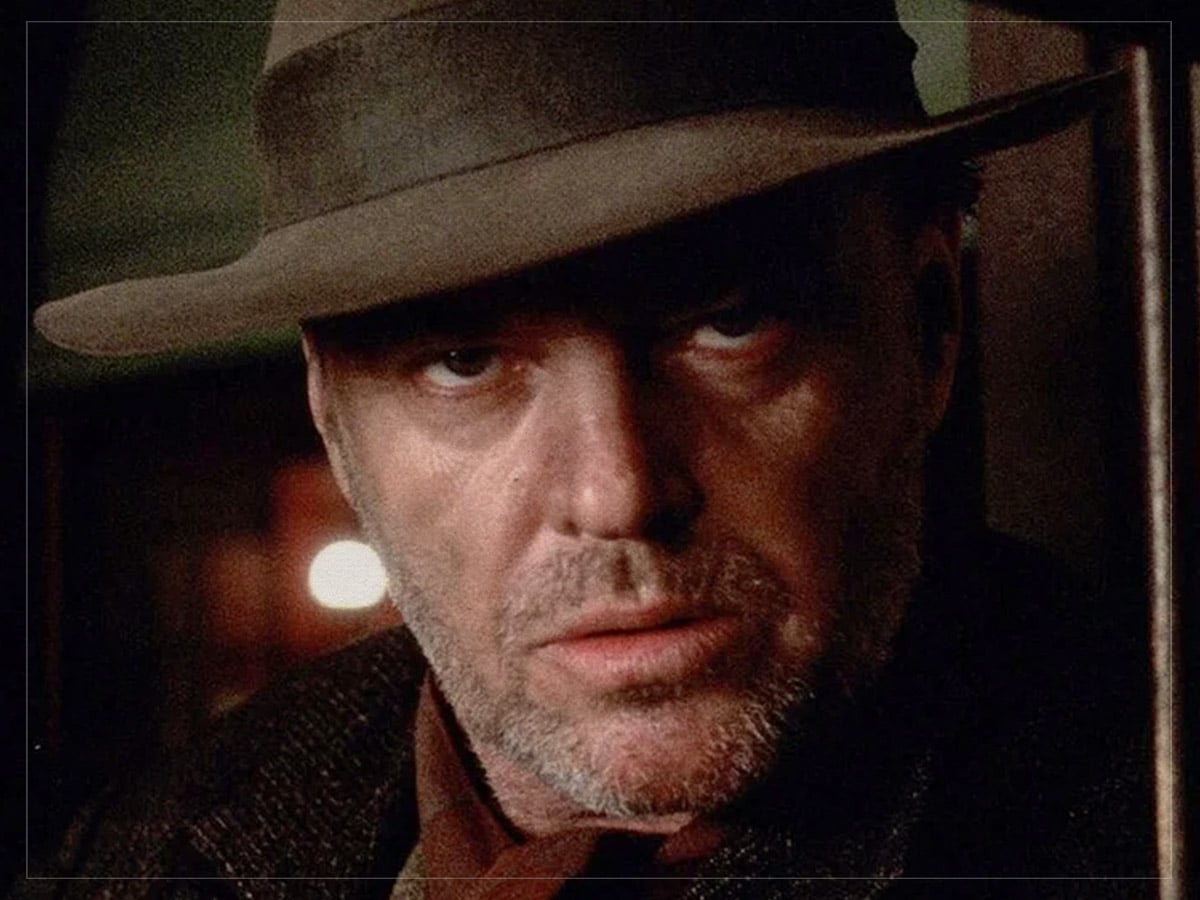
Given that Ironweed starred Nicholson and Meryl Streep, the two most nominated actors in the history of the Academy Awards, it’s a little bit disappointing that the film is only mediocre. Nicholson earned a ‘Best Actor’ nomination for his performance as a former baseball icon who became washed-up and depressed after an accident that claimed the death of his son, one that he was personally very proud of, even though the film itself was one of the few in his entire career that was considered to be a box office flop.
Ironweed has some powerful commentary about the long-term effects of isolation and alcoholism, and at times, Nicholson’s performance is quite powerful. However, the film is far too traditional to handle some of the pricklier aspects of the character’s past, and is absurdly long at 143 minutes.
‘Terms of Endearment’ (James L Brooks, 1983)

The Oscars showered James L Brooks’ directorial debut Terms of Endearment with accolades, as the film won ‘Best Picture’, ‘Best Director’, ‘Best Actress’ for Shirley MacLaine, ‘Best Adapted Screenplay’, and ‘Best Supporting Actor’ for Nicholson, and even though it was renowned for being a chaotic production, particularly due to the tension between MacLaine and Debra Winger, the result was still an all-time tearjerker.
Nicholson has a lot of presence with his role as the charismatic astronaut Garrett Breedlove, who becomes a love interest for MacLaine’s character, Aurora Greenway, but it’s also a performance that relied upon the cocky, snarky persona that he had crafted for himself, and didn’t necessarily require him to stretch his abilities in a significant way. Moreover, Garrett’s abrupt absence and departure from the film, followed by his surprising return in the final act, felt a little bit rushed and manipulative to really count this Nicholson turn of any consequence.
‘About Schmidt’ (Alexander Payne, 2002)
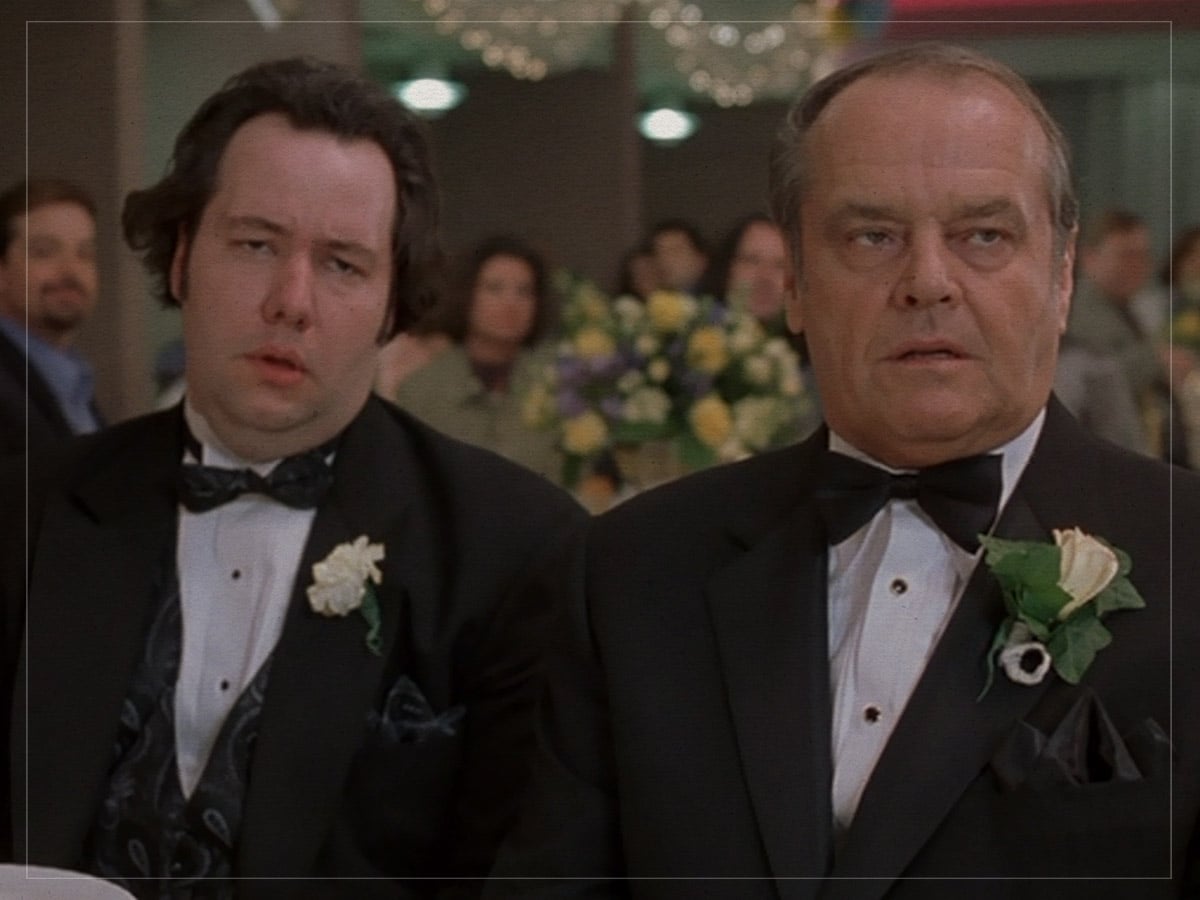
Alexander Payne is one of the younger filmmakers that Nicholson ever worked with, and About Schmidt brought him his only Oscar nomination in the 21st century, and even though the latter is best known for playing sexy, witty characters, the film cast him against type as a retiring actuary who suffers a crisis of confidence when his daughter, played by Hope Davis, plans her wedding to Dermot Mulroney’s character, who he does not approve of.
Nicholson is surprisingly effective at playing a sombre, cold character who feels his life has not amounted to anything, and has several moments towards the end of the film where he gives very moving monologues. However, the comedy in About Schmidt prevents the film from feeling truly authentic, as the entire storyline about Nicholson’s character attempting to adopt an African child is ridiculous and hasn’t aged very well at all.
‘Easy Rider’ (Dennis Hopper, 1969)

Dennis Hopper lived a truly wild life, and Easy Rider reflected his own experiences with drugs, motorcycling, and the countercultural movement. The film was considered transgressive and abrasive when it first debuted, yet later earned recognition for being one of the most influential texts within the New Hollywood movement.
Easy Rider is a film of great historical value because of the precedents that it set, but it is not necessarily a classic that has stood the test of time. Nicholson has a fairly impressive role in the film as a lawyer who spends a night in jail, only to end up joining the biker group run by Hopper’s character. Although he did receive a ‘Best Supporting Actor’ nomination for his performance, Easy Rider was so clearly a star vehicle for Hopper that most of the other actors in the film felt superfluous.
‘A Few Good Men’ (Rob Reiner, 1992)

Rob Reiner was renowned as a director who could work within nearly any genre, and A Few Good Men was one of the defining courtroom dramas of the ‘90s. Written by Aaron Sorkin, who adapted his own play, the film featured Nicholson as a brash Colonel of the United States Marines who is called in to testify when a private under his command is found bludgeoned to death.
The actor’s performance isn’t necessarily a subtle one, as he gives a fairly exaggerated depiction of a narcissistic military leader who looks down upon anyone who would question his dedication, but the reason his nomination for ‘Best Supporting Actor’ is justified is because of how amazing he is in a tense stand-off scene with Tom Cruise, in which he delivers the immortal line “You can’t handle the truth!” There isn’t another actor who could have pulled it off with as much gravitas.
‘As Good as it Gets’ (James L Brooks, 1997)
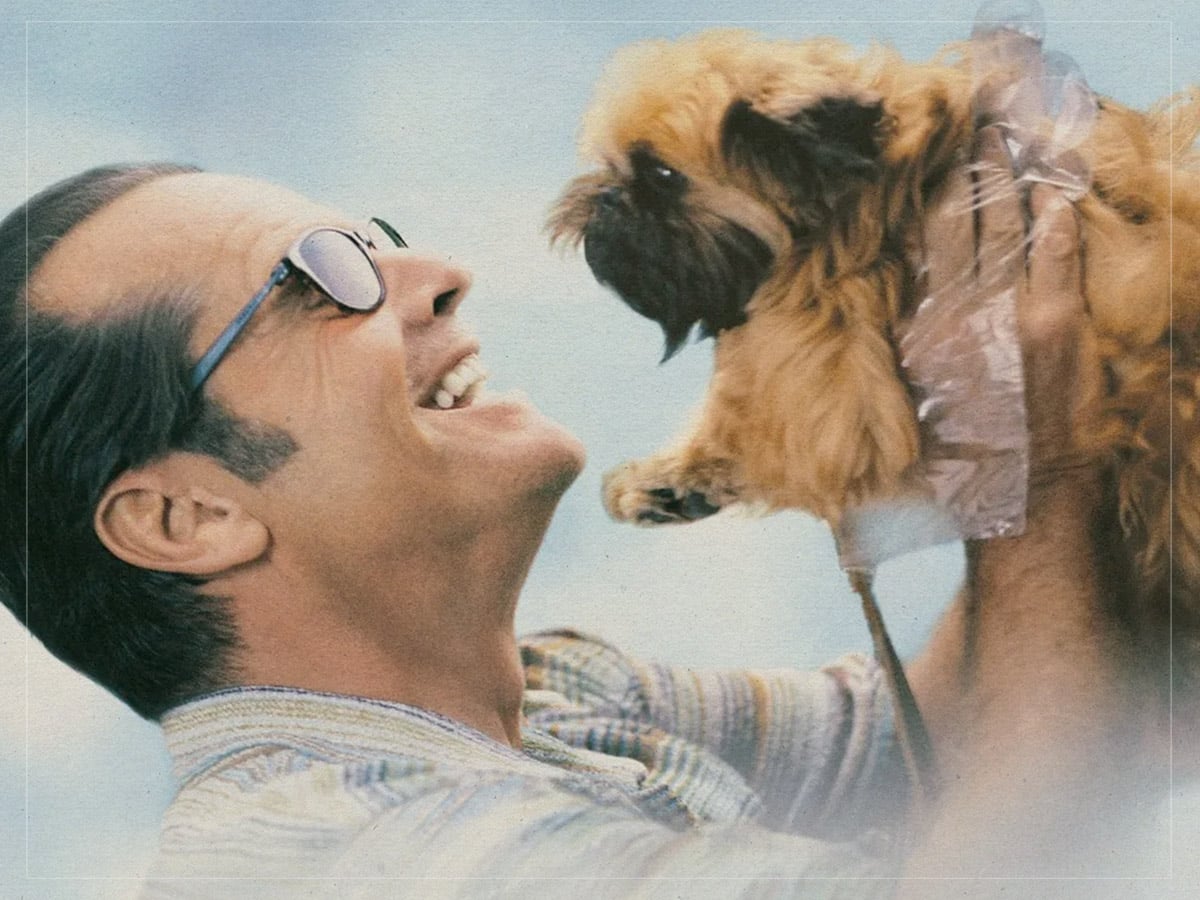
Nicholson wasn’t necessarily known for being in a traditional romantic comedy, and As Good as it Gets was a film that he nearly wanted to quit. It’s not hard to see why he was so hesitant to accept the role of Melvin Udall, as it was a nervy, awkward character with OCD who wasn’t like any other part that he had played in the past.
Nicholson won the ‘Best Actor’ prize in what felt like recognition for how transformative a role it was; despite coming off a few duds, he returned with As Good as it Gets to show how chameleonic an actor he could be. His charisma is also one of the main reasons that the film has held up as well as it does, and while there are some clunky moments, his delivery of the line “You make me want to be a better man” is very moving.
‘Five Easy Pieces’ (Bob Rafelson, 1970)
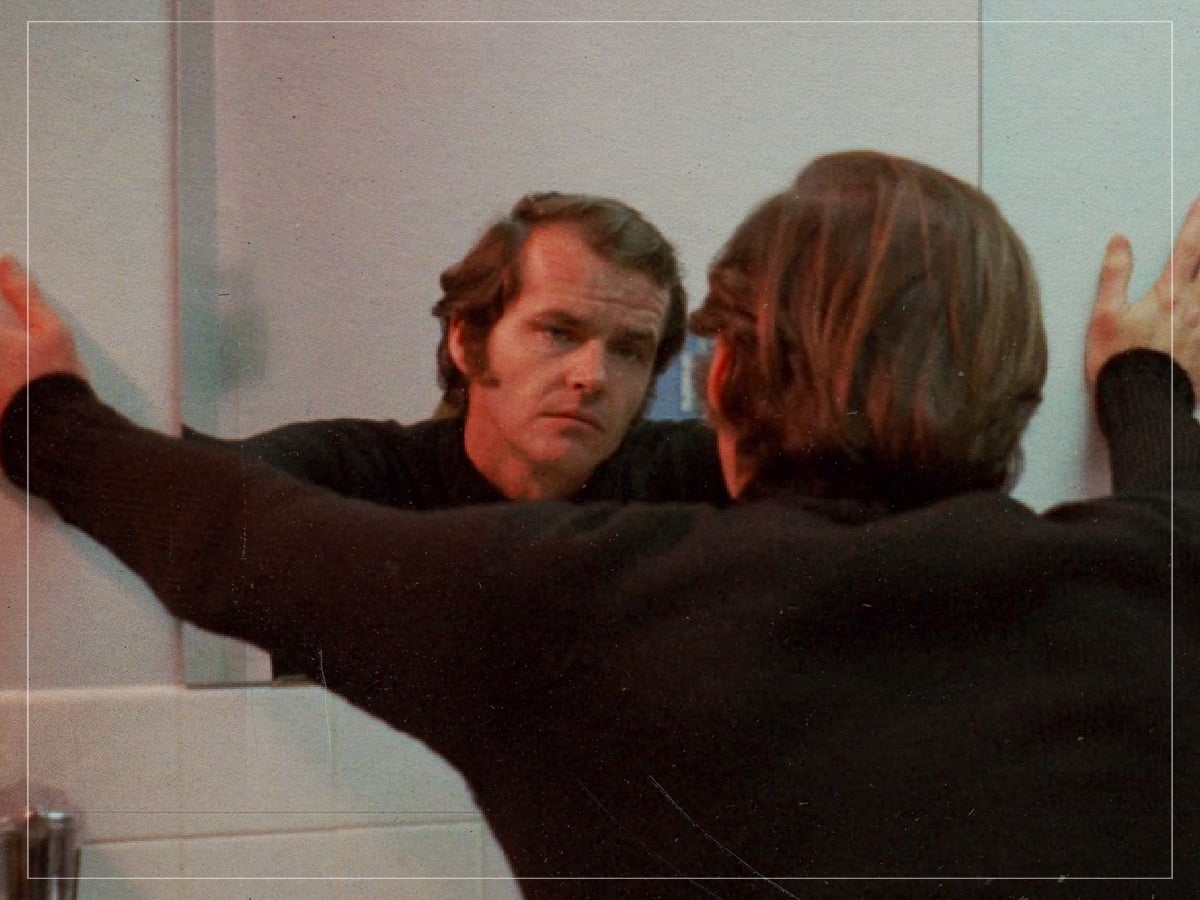
Five Easy Pieces is one of the most important New Hollywood films because it rejected the traditional form and structure of a Hollywood production, and while it may have at first seemed like a traditional road trip drama, it soon evolves into an elegiac, existential odyssey into how class, family, and profession seek to divide people, even if they should be allies in the fight against loneliness.
Nicholson is truly remarkable as an oil field worker in California who returns to reunite with his family in Washington, even though he has rejected their privileged lifestyle in order to walk a different path. It’s among the most vulnerable and heartbreaking performances that he has ever given, especially since Five Easy Pieces is not particularly sentimental but is a perfect time capsule for a unique moment of social disenfranchisement in American society.
‘Reds’ (Warren Beatty, 1981)
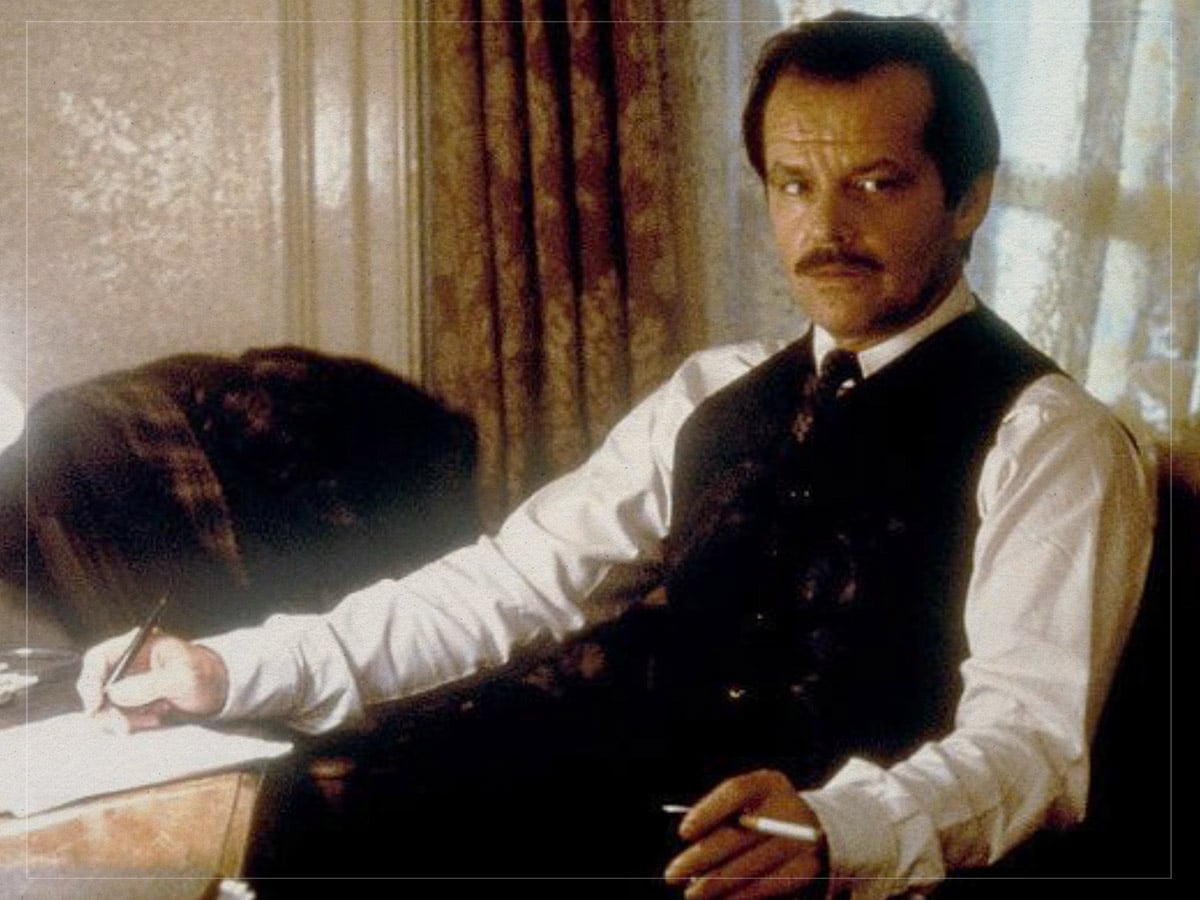
Warren Beatty embarked on one of the most ambitious projects in Hollywood history with Reds, a massive historical epic about the rise of the Communist movement that featured Diane Keaton, Nicholson, and Maureen Stapleton. While most films of this scale feature some sort of action or spectacle component, Reds starred Beatty as the journalist who covered the October Revolution, bringing awareness of the Russian struggle to America.
The film would be impossible to make today, given how strong Beatty’s political slant was. It necessitated the involvement of major stars in order to be taken seriously, but Nicholson’s Oscar-nominated performance as the playwright Eugene O’Neill was more than just an extended cameo. He had to represent the perspective of American artists who took advantage of their creative freedoms, especially since this wasn’t a privilege granted to other writers in different countries.
‘The Last Detail’ (Hal Ashby, 1973)
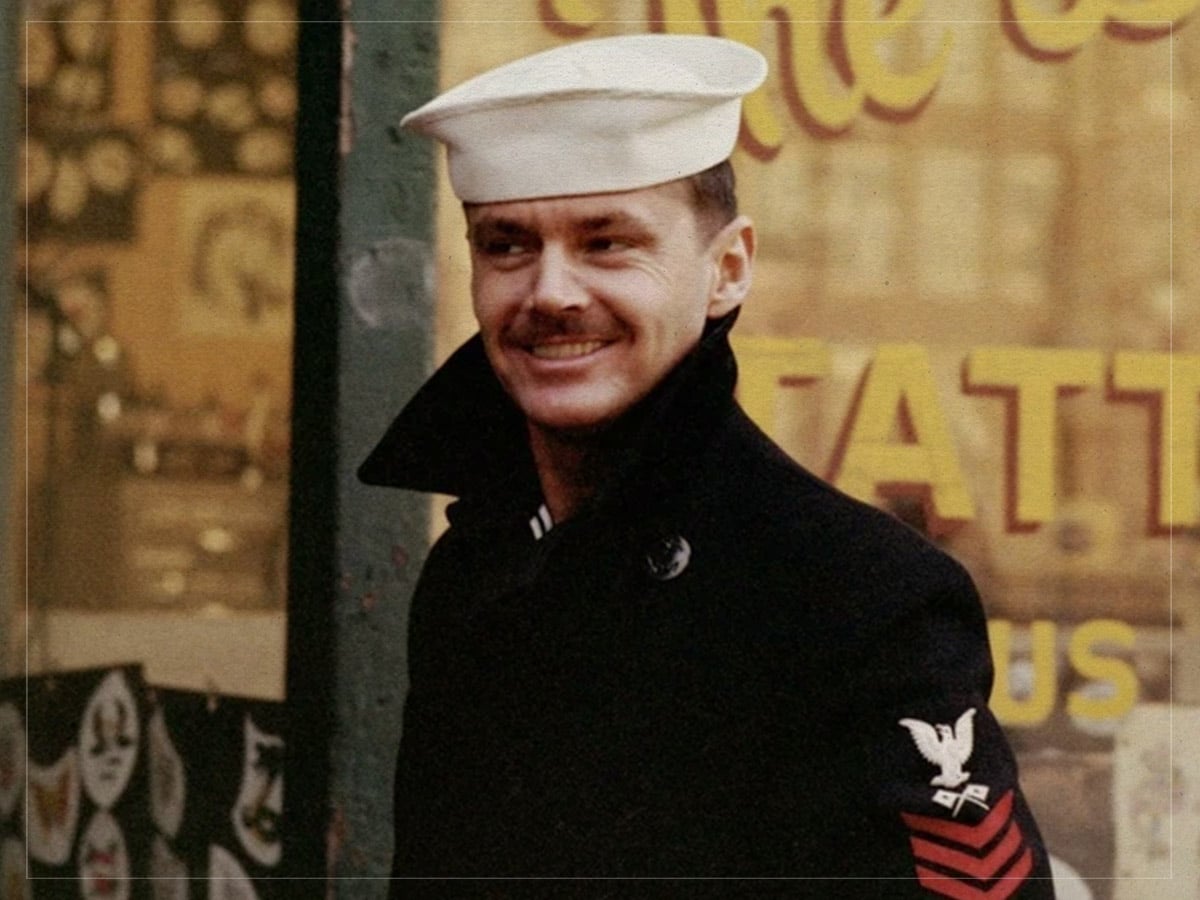
Hal Ashby may have seen his career end on a sour note, but he was long considered to be one of the most unique and perceptive writer-directors when it came to vulnerable stories of the human condition. The Last Detail is an embodiment of the darkly hilarious, deeply moving qualities of his best work, and it sees Nicholson and Otis Young star as two sailors who are tasked with transporting an unstable junior sailor, played by Randy Quaid, to Naval Prison after he is caught stealing.
The Last Detail becomes a heartwarming yet melancholy look at the fleeting nature of youth and how men who have dedicated their lives to their country can still feel apprehensive about their career achievements. That Nicholson is able to take a funny, slick character and transform him into someone of deep contemplation by the end is a true magic trick that only he could have pulled off.
‘Chinatown’ (Roman Polanski, 1974)

Chinatown has no shortage of controversies involved in its creation, but that doesn’t change its legacy as the defining neo-noir film of the second half of the 21st century. According to Sam Wasson’s non-fiction novel The Big Goodbye, Nicholson helped save the production by convincing screenwriter Robert Towne to perfect his script, and soothed tensions between director Roman Polanski and producer Robert Evans.
Nicholson is perfect as Jake Gittes, a truly repulsive private eye who investigates a scandal involving the corruption of Los Angeles’ water system. He’s the perfect protagonist for this story because Gittes’ serial pessimism is mollified by his fling with Evelyn Cross-Mulwray, played by Faye Dunaway, only to be proved correct when he learns about a deadly conspiracy. It was a film Nicholson loved so much that he directed the sequel, The Two Jakes, in which he also reprised his role.
‘One Flew Over The Cuckoo’s Nest’ (Miloš Forman, 1975)
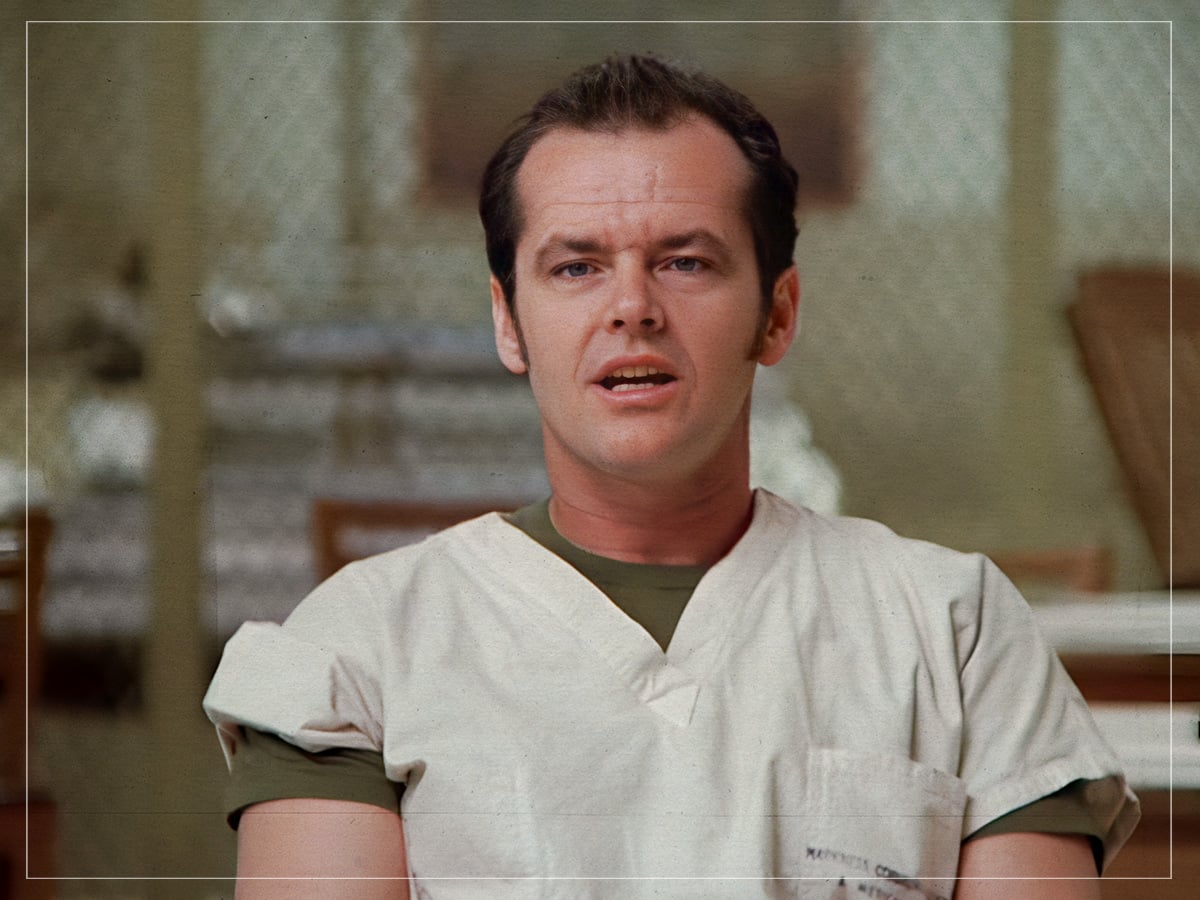
One Flew Over The Cuckoo’s Nest remains a groundbreaking film that spotlighted the plight in America’s mental institutions, showing empathy for those denied freedoms because of conditions beyond their control, and over 50 years later, it’s still a film that retains its valuable insight and empathy, which wouldn’t have worked without Nicholson.
Although he was not the first choice to play RP McMurphy, he did extensive research in order to accurately depict a character with mental illness, making for a heartbreaking performance, because McMurphy is also saddled with the responsibility of giving his fellow patients something to live for, as they all must face the cruel treatment of Nurse Ratched, played by Louise Fletcher. Although Nicholson was seen as overdue for an award by the time that he won ‘Best Actor’, his victory for One Flew Over The Cuckoo’s Nest was completely deserved, and not by any means a career win.
