


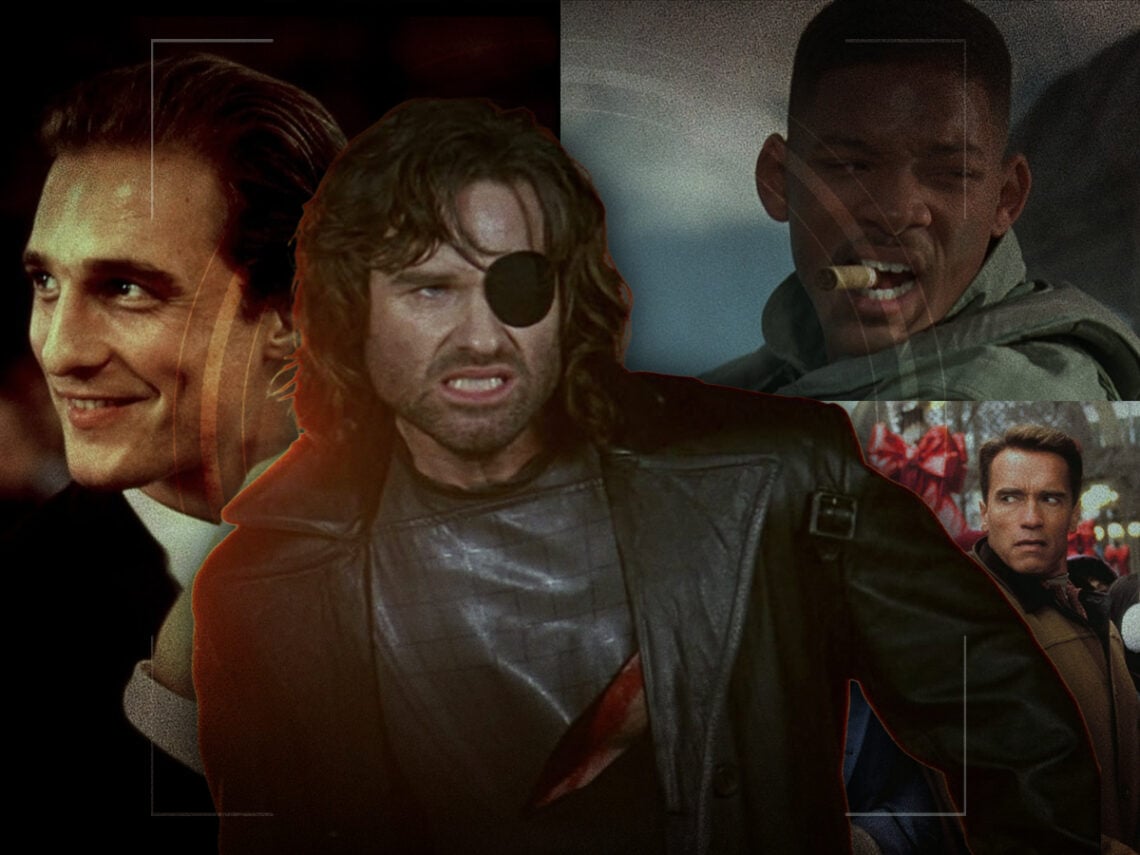
10 movie lines from 1996 that should be deleted from history

When it comes to 1990s films, the most iconic lines aren’t always the best ones.
There’s nothing that can predict what lines from films will end up standing the test of time, as it always has something to do with the delivery and intentionality. “Here’s looking at you, kid” would not be remembered as one of cinema’s most romantic moments if it weren’t for the delivery by Humphrey Bogart, and the infamous “I love you” and “I know” exchange from The Empire Strikes Back was actually improvised by Harrison Ford. Today, films are so heavily advertised that some lines of dialogue become widely circulated before they are witnessed in theatres for the first time.
1996 wasn’t just a great year for cinema, but a time in which writers were at the forefront of the industry. The Coen brothers wrote countless quotable lines in their classic, Oscar-winning screenplay for Fargo, and the monologue that Ewan McGregor’s Renton delivers in Danny Boyle’s Trainspotting became a critical cultural moment for Generation X.
Even Scream, the subversive horror film penned by Kevin Williamson and directed by Wes Craven, featured multiple clever references and homages to other classics within the genre, which have remained part of the franchise’s identity to this day. 1996 was a year in which even the lower-quality films were at least interesting, and while the best were immediately enshrined in film history, some of the less perfect ones snuck in too.
10 movie lines from 1996 that should be deleted:
‘The Craft’ (Andrew Fleming, 1996)
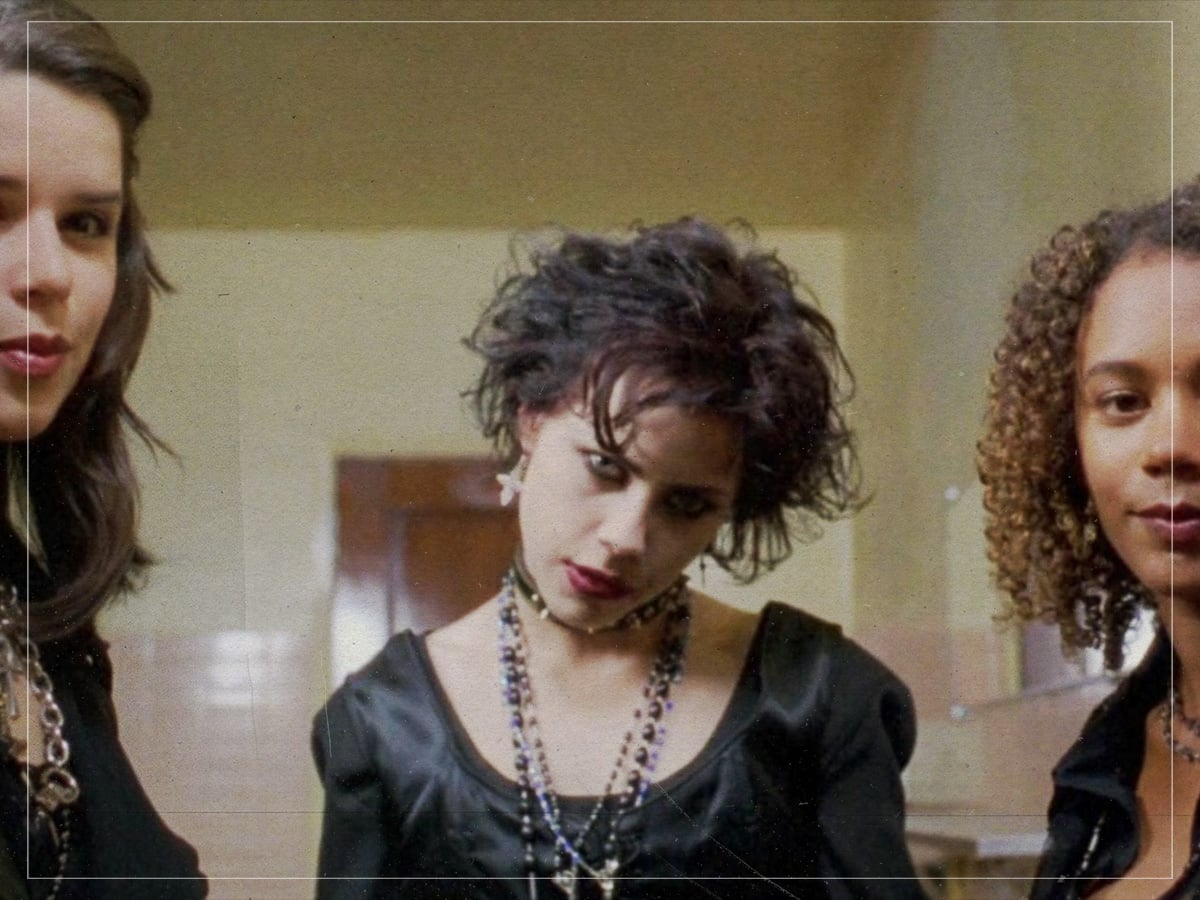
“The only way you know how to treat women is by treating them like whores, when you’re the whore!”
Horror was having a pretty great run in the ‘90s thanks to the success of prestige films directed by signature auteurs, such as Jonathan Demme’s The Silence of the Lambs, David Fincher’s Se7en, Adrian Lyne’s Jacob’s Ladder, and John Carpenter’s In the Mouth of Madness, but around ‘96 the genre began transforming in order to appeal directly to teenagers, resulting in films that catered to young viewers with their attempts to be socially conscious.
The Craft is the epitome of where horror went wrong; it took a genuinely interesting idea about witchhunting and used it to tell an exhausting story about teenage cliques and bullies, complete with the type of regressive insult-throwing that was common within high school films during the decade. The Craft might claim to be female empowerment, but it’s still written and directed by men.
‘Jingle All The Way’ (Brian Levant, 1996)
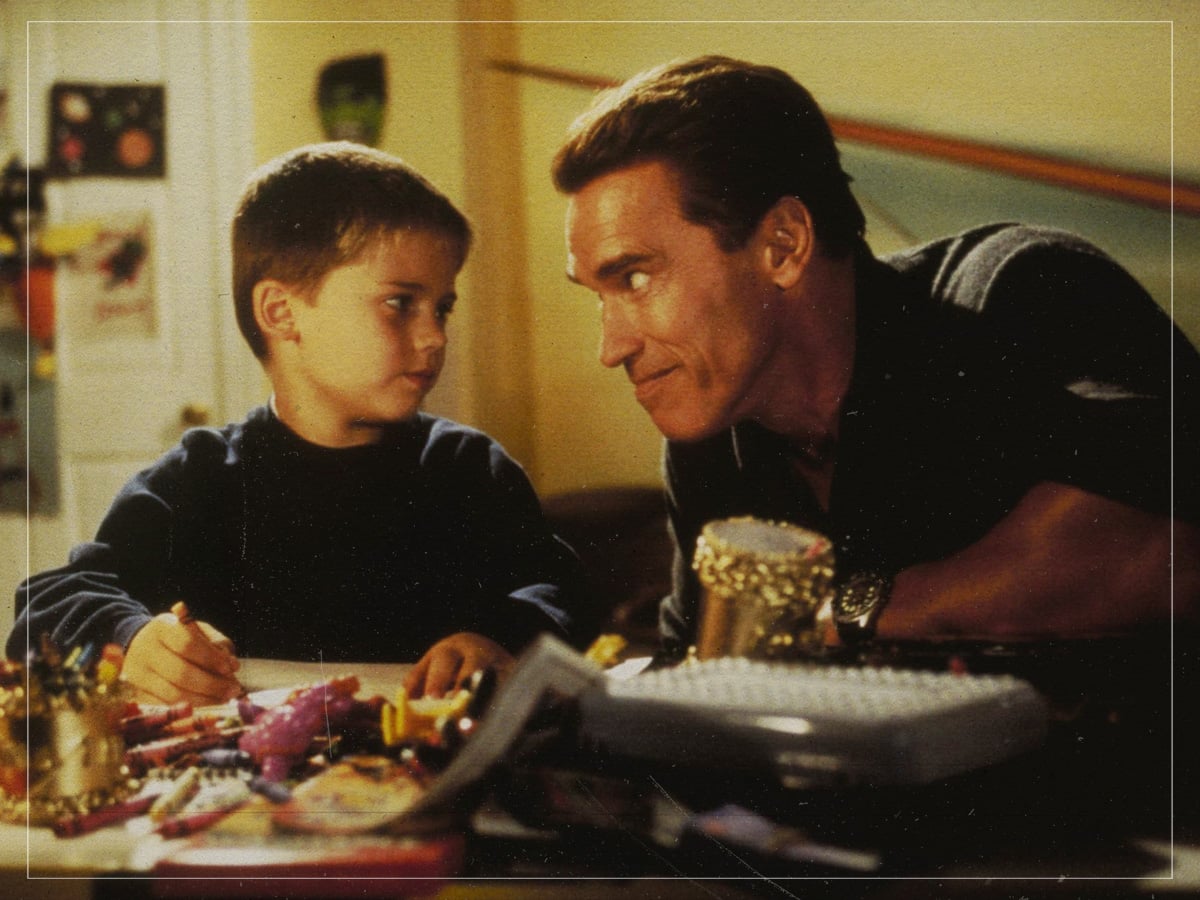
“Maybe I should wrap some chains around you”.
Arnold Schwarzenegger had taken a turn in the ‘90s where he was making more comedies, and initially it worked in his favour; Twins allowed him to make fun of himself as an eccentric character from a different country, and action-comedies like Kindergarten Cop and Last Action Hero gave him an opportunity to be self-referential. Unfortunately, he became so obsessed with comedy that he began taking roles he wasn’t qualified for, as he even turned down The Rock to do the family holiday film Jingle All The Way.
Schwarzenegger was simply never going to be believable as an average, down-on-his-luck dad, which makes it all the more unusual and uncomfortable when his character, Howard Langston, makes threatening comments to his obnoxious neighbour Ted Maltin, played by the late great Phil Hartman, in one of the final roles before his tragic death.
‘Don’t Be a Menace to South Central While Drinking Your Juice in the Hood’ (Paris Barclay, 1996)
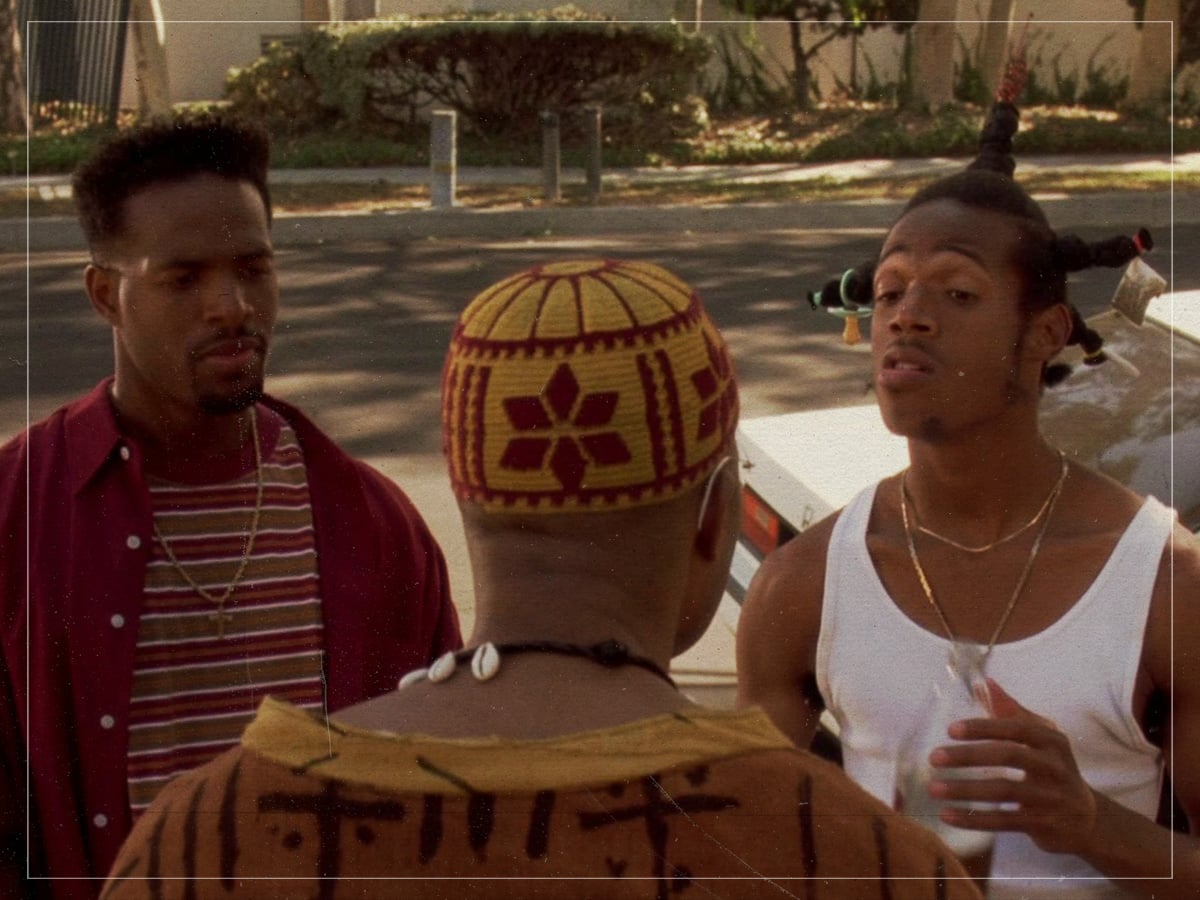
“Sorry, baby, you know there ain’t no positive Black females in these movies”.
While the classic parody films of Mel Brooks and the Zucker brothers were made with affection for the genres that they were satirising, Marlon Wayans and his brother Shawn were responsible for ruining the spoof genre by running it into the ground with lazy references, dated jokes, and tearing down other artists.
Don’t Be a Menace to South Central While Drinking Your Juice in the Hood is a satire of Black-led dramas that began to peak in the ‘90s following the success of Boyz n the Hood, and ended up stereotyping an entire wave of films by reducing them to clichés. While the film attempts to satirise the lack of Black women in these films, it becomes a hypocritical point because there are no strong female characters in it.
‘Space Jam’ (Joe Pytka, 1996)

“And as such, exclusive property and trademark of Warner Bros. Inc!”
The Looney Tunes characters hadn’t been brought to the big screen before Space Jam introduced them to an entirely new audience with the help of Michael Jordan. The film is mostly harmless fun, but it did introduce a fourth-wall-breaking concept that would become a significant issue within the 21st century, because the film makes the audience aware of what properties that Warner Bros has at its disposal, allowing it to shamelessly cater to nostalgic viewers.
This would result in a surge of supposedly ‘meta films’ that were nothing more than corporate commercials, and came full circle when Warner Bros released the sequel Space Jam: A New Legacy in the summer of 2021 on HBO Max. Ironically, the production house became so obsessed with its own library that it has almost completely disregarded the Looney Tunes characters by selling their films to other studios.
‘A Time To Kill’ (Joel Schumacher, 1996)
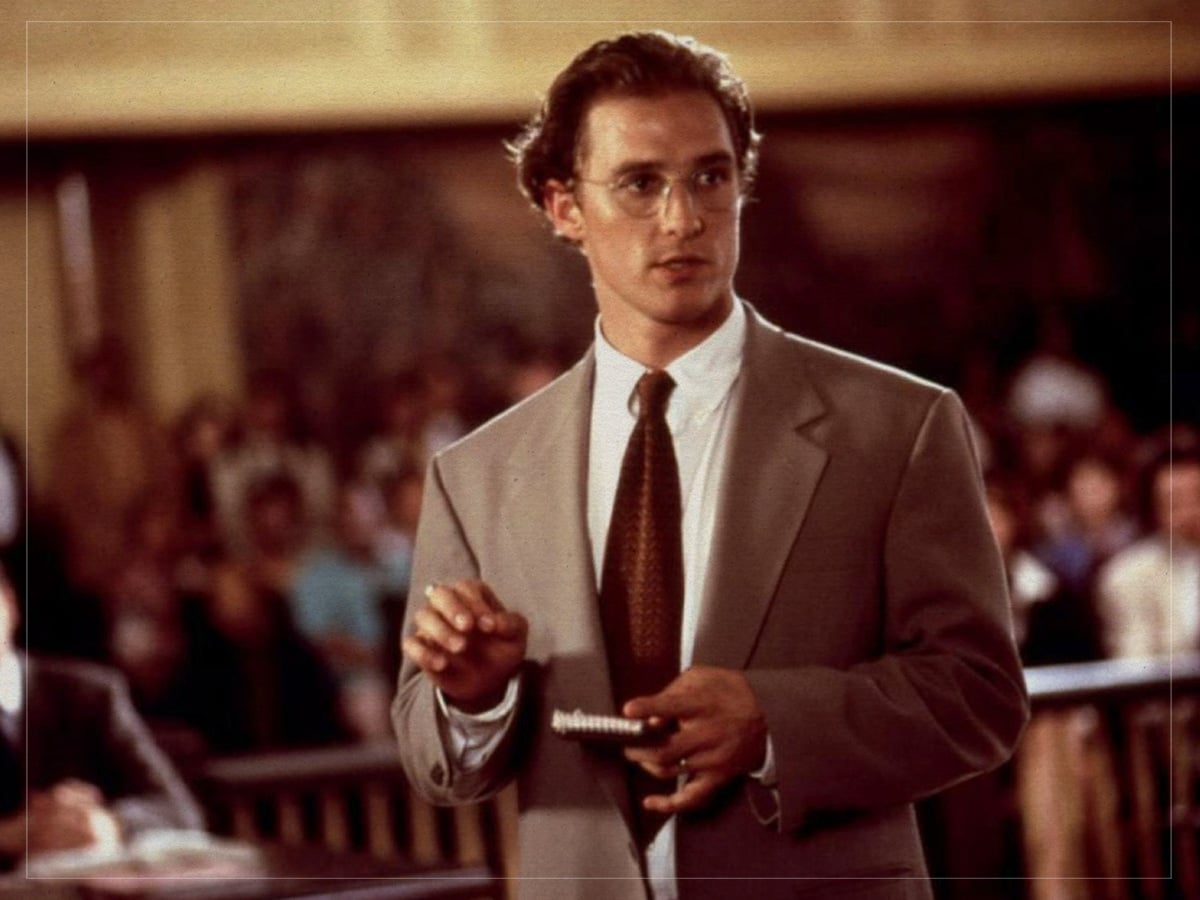
“There ain’t nothin’ more dangerous in this world than a fool with a cause…”
Joel Schumacher was unquestionably a talented director when it came to lavish musicals, bizarre horror thrillers, and camp spectacles, but he wasn’t the right choice for a grounded legal drama that deals with serious topical issues. Although the role was originally sought after by Woody Harrelson, the heroic lawyer Jake Brigance was portrayed by Matthew McConaughey in what would become his breakout performance.
The intentions of A Time to Kill might be pure, but the film isn’t equipped to tell a serious story about racism because Schumacher can’t help himself from making it a melodrama. McConaughey’s lines are often framed as the sagely advice of a seemingly brilliant character, in what is one of the more classic examples of a white saviour character in cinema, hence attempting to give him one-liners only made Schumacher’s approach to the material feel clumsier.
‘Independence Day’ (Roland Emmerich, 1996)
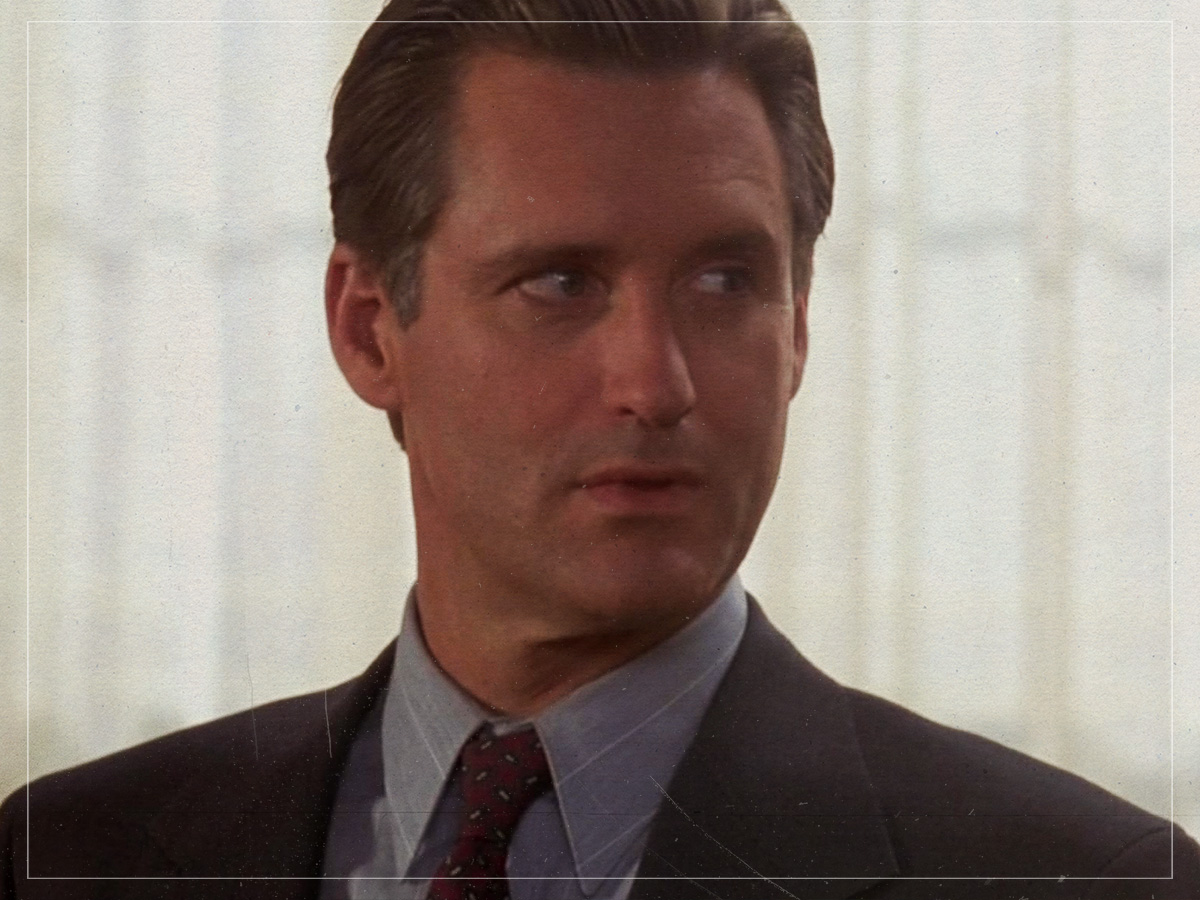
“This is the vault, or as some of us like to call it, ‘The Freak Show’”.
Independence Day is unabashedly silly and managed to perfectly emulate what a ‘summer popcorn’ film felt like before the term became associated with lazy corporate slop. The film has aged a lot better than some of its contemporaries, but it does veer into completely ridiculous territory when it introduces the character of Dr Brackish Okun, played by Brett Spiner, a scientist who specialises in Area 51 research.
The character’s introduction makes little sense, as there’s no logical reason why President Thomas Whitmore, played by Bill Pullman, wasn’t informed about the potential extraterrestrial threat when he was elected, and to make matters worse, Okun is depicted as a crazed, goofy outsider, implying that everyone sceptical of the existence of UFOs and aliens should be treated as the butt of a joke. Given that the aliens destroyed the White House, referring to the alien research centre as “The Freak Show” is a miscalculation of tone.
‘Escape From LA’ (John Carpenter, 1996)
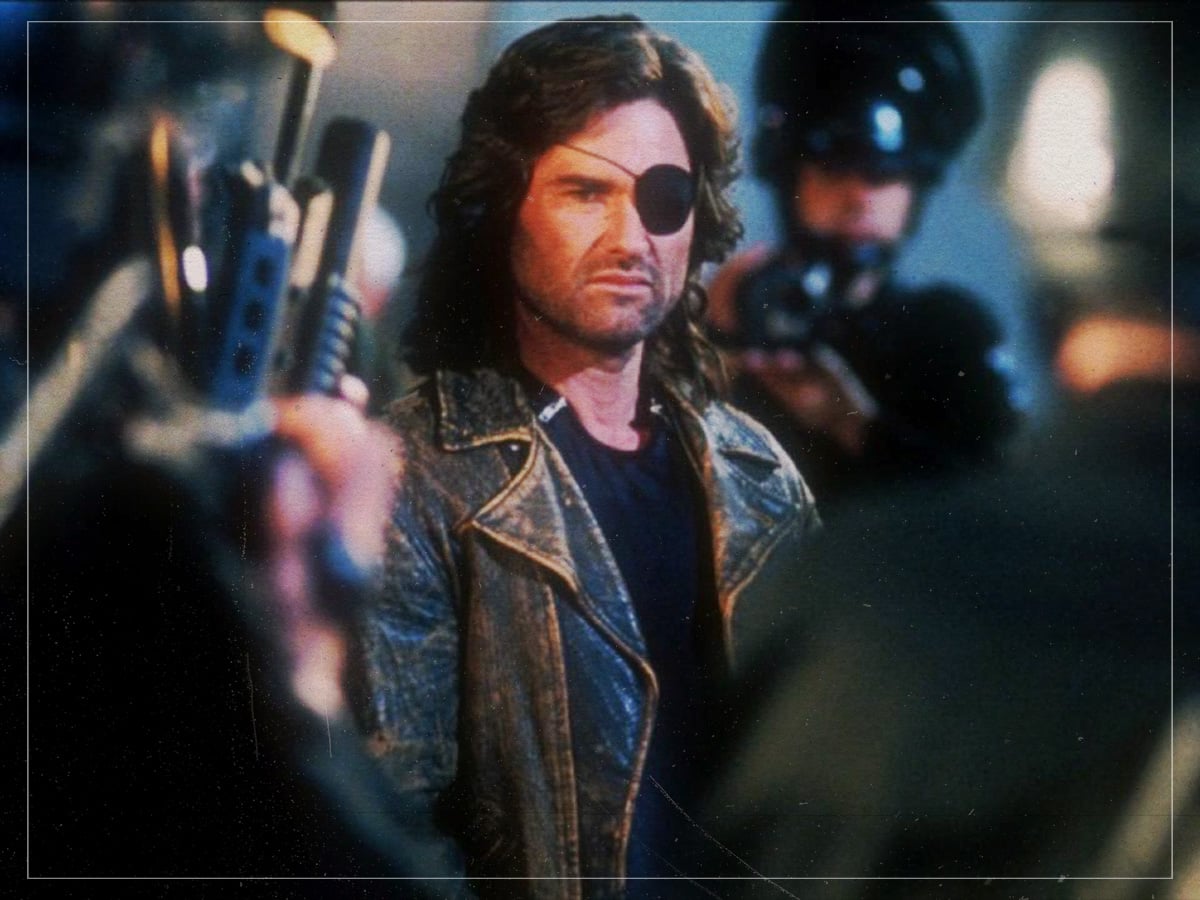
“I thought you’d be taller”.
John Carpenter went through one of the biggest heartbreaks of his career when his budget and resources for Escape From LA were repeatedly slashed, making it no surprise that the film received muted responses and became a box office calamity. It was the first time that Carpenter directed a sequel to one of his own films, having turned down Halloween II, and it was intended to be a love letter to the city he had grown up in.
Instead of the same gritty, intense style of the original Escape From New York, Escape From LA felt like a farce because of the campy style, cheesy visual effects, and non-stop one-liners, including the repeated phrase “I thought you’d be taller”. It was as if a part of Carpenter’s spirit was broken in the making of the film, as he hasn’t made a good project since.
‘Broken Arrow’ (John Woo, 1996)
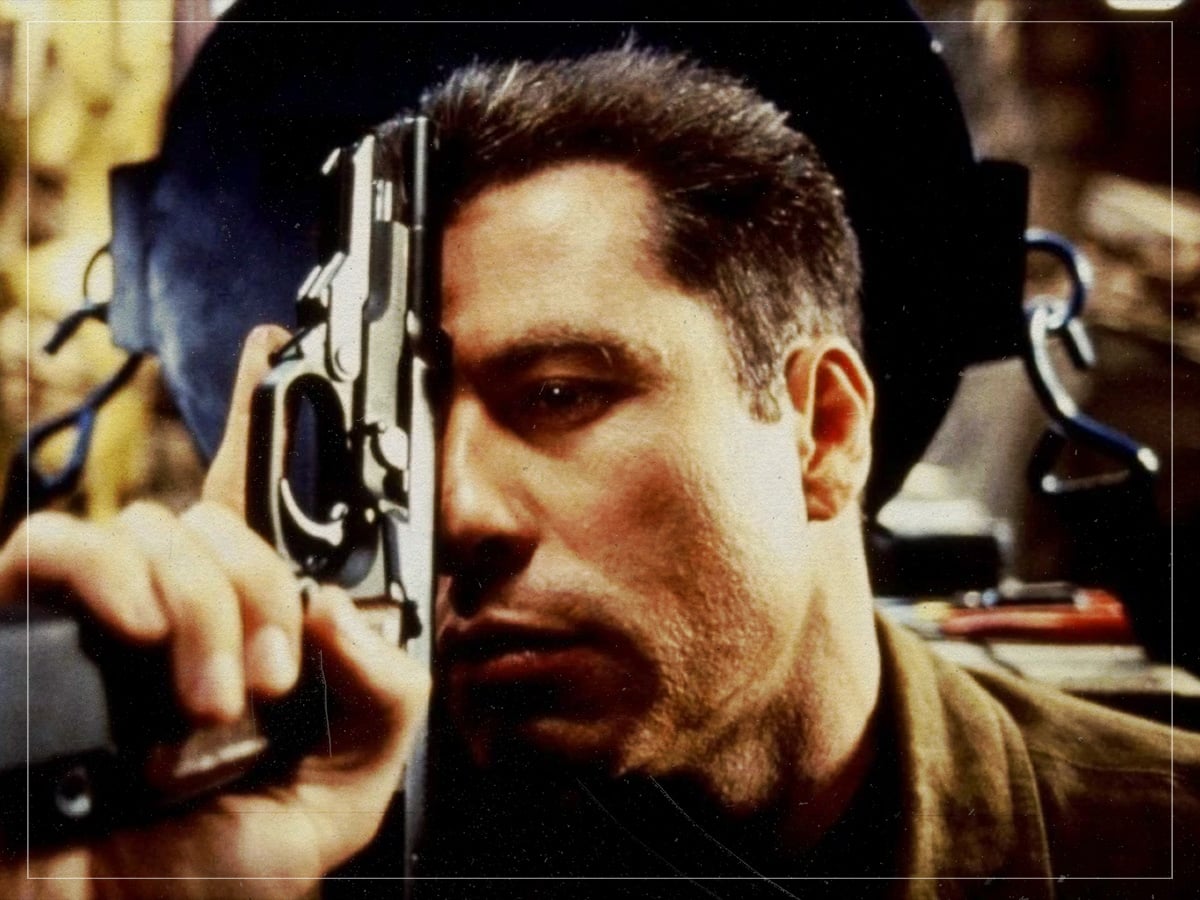
“Ain’t it cool?”
John Woo was a highly popular international filmmaker when he began breaking into America with English-language films such as his early success, Broken Arrow, which starred Christian Slater as the hero Captain Riley Hale, but the scene-stealer was John Travolta in the role of the villain, Major Vic Deakins.
Travolta had been on a comeback following his Oscar nomination for Pulp Fiction, but he began relying on his worst tendencies by playing every character as over the top as possible. In one memorable exchange, Hale tells Deakins that he’s lost his mind, to which he replies, “Ain’t it cool?” Unfortunately, Woo seemed like the only director capable of justifying Travolta’s eccentricities since they teamed up again on Face/Off the following year, and the actor continued to chew the scenery further in disastrous films like The General’s Daughter, Battlefield Earth, Domestic Disturbance, and Basic.
‘Michael’ (Nora Ephron, 1996)
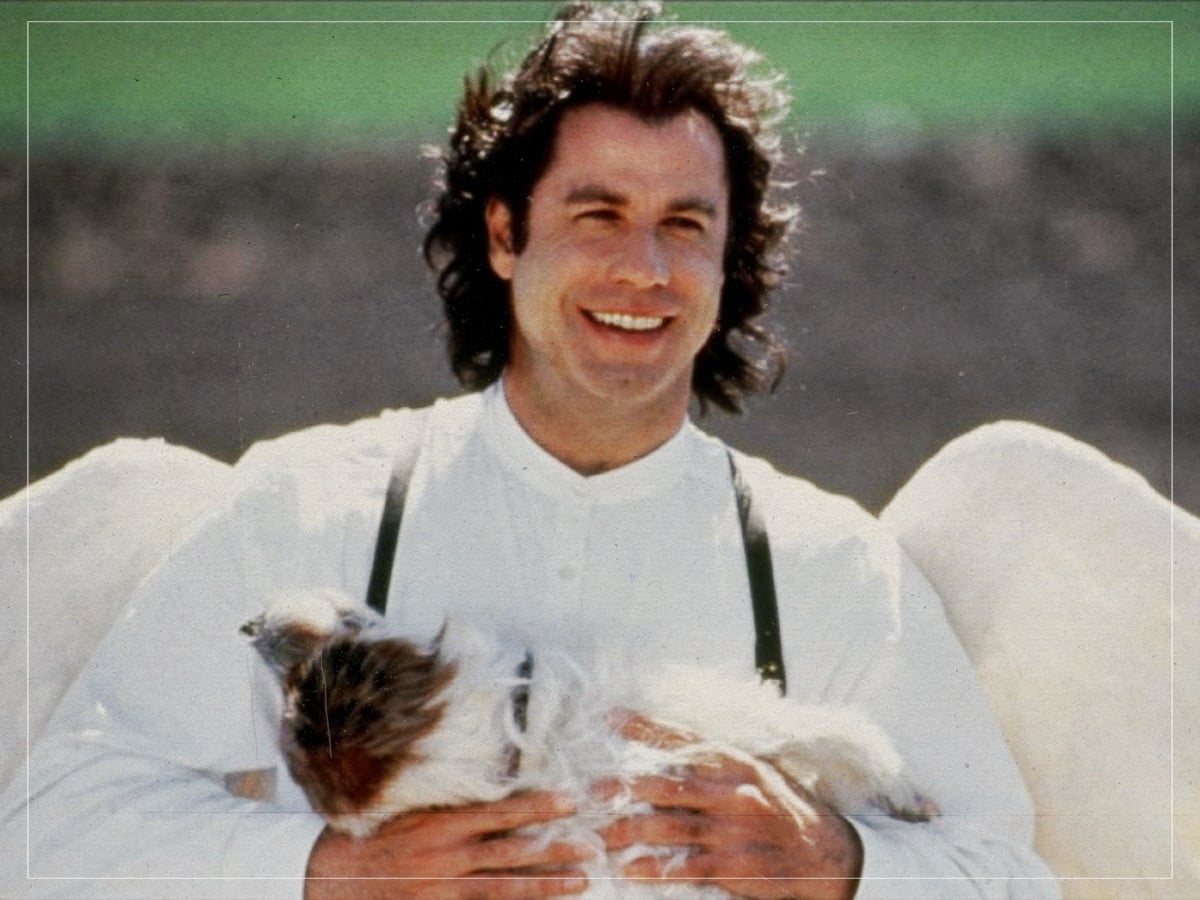
“I’m not that kind of angel”.
The John Travolta renaissance continued in 1996 when he starred in Michael, an unusual fantasy comedy from Nora Ephron. While her speciality has always been romantic comedies, it’s not clear what the tone of this film was supposed to be and who it was aimed at. Even though Travolta played the titular character, an angel who lives a ruffian’s life on Earth, the film is mostly focused on a romance that grows between the journalists Dorothy, played by Andie MacDowell, and Frank, played by William Hurt.
Even for a lighthearted film, Michael is very confusing when it comes to explaining the character’s role on Earth, what his story is, and why Dorothy is supposedly an ‘angel expert’. Although Michael addresses these questions by saying “I’m not that kind of angel”, it’s a failing of the film that it is not able to provide any answers regarding its core premise.
‘Happy Gilmore’ (Dennis Dugan, 1996)
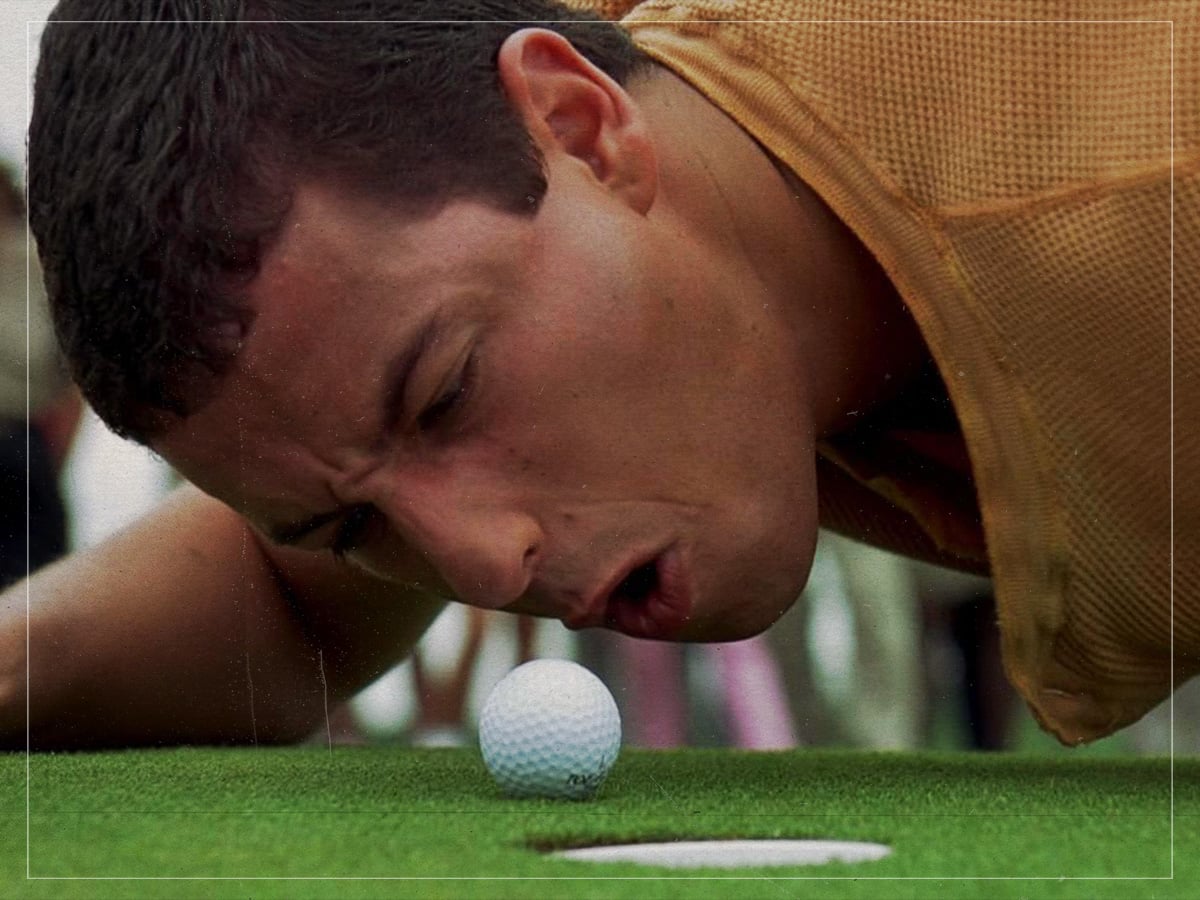
“They gave me this card: free Subway for life”.
Adam Sandler was decried by critics who hated nearly all of his films, but Happy Gilmore was a legitimately good comedy that didn’t show signs of the laziness that would become all too common within his subsequent work. However, it did introduce an issue that would become far more prominent later on, which is the notorious product placement.
Nearly all of Sandler’s films are littered with products, brands, and corporate sponsors, which might explain why all of the Happy Madison productions are far more expensive than they would reasonably cost. This trend seemingly begins with Happy Gilmore, in which Happy excitedly tells his grandmother that he has earned free Subway sandwiches for the rest of his life, and even if this was always intended to be a joke, Sandler wasn’t kidding when he started inviting more companies to advertise themselves in his films.
