


10 movie scenes from 1996 that should be deleted from history

It is easy to look back at the past and point out what moments in pop culture haven’t aged well, but in reality, it’s unfair to hold those expectations.
While there are certainly some films from 1996 that would be completely different if they were made in 2026, they’re also responsible for pushing forward the medium in exciting ways that were heavily influential upon the cinema of today. Even those who haven’t seen Trainspotting might be able to recognise some of the most iconic moments from its soundtrack, and anyone can recite a few lines from the amazing speech in Independence Day given by Bill Pullman as President Thomas Whitmore.
Erasing films from history doesn’t do anyone any good, as artists are doomed to repeat the past if they do not remember it. Within the broader perspective of films that are legitimately harmful, there aren’t many offenders from 1996 that rise to the level of being “dangerous,m that distinction is reserved for truly hateful works, such as The Birth of a Nation or Triumph of the Will, or those that caused serious bodily harm to their cast and crew, such as Cannibal Holocaust or Deep Throat.
However, there are more than a few moments from 1996 that, for whatever reason, set up negative trends that kick-started real issues for the industry in its entirety. The films themselves are what they are, but trimming out a few contentious moments might make their legacies a lot easier to accept.
10 movie scenes from 1996 that should be deleted:
The Coven Curses Nancy – ‘The Craft’ (Andrew Fleming)
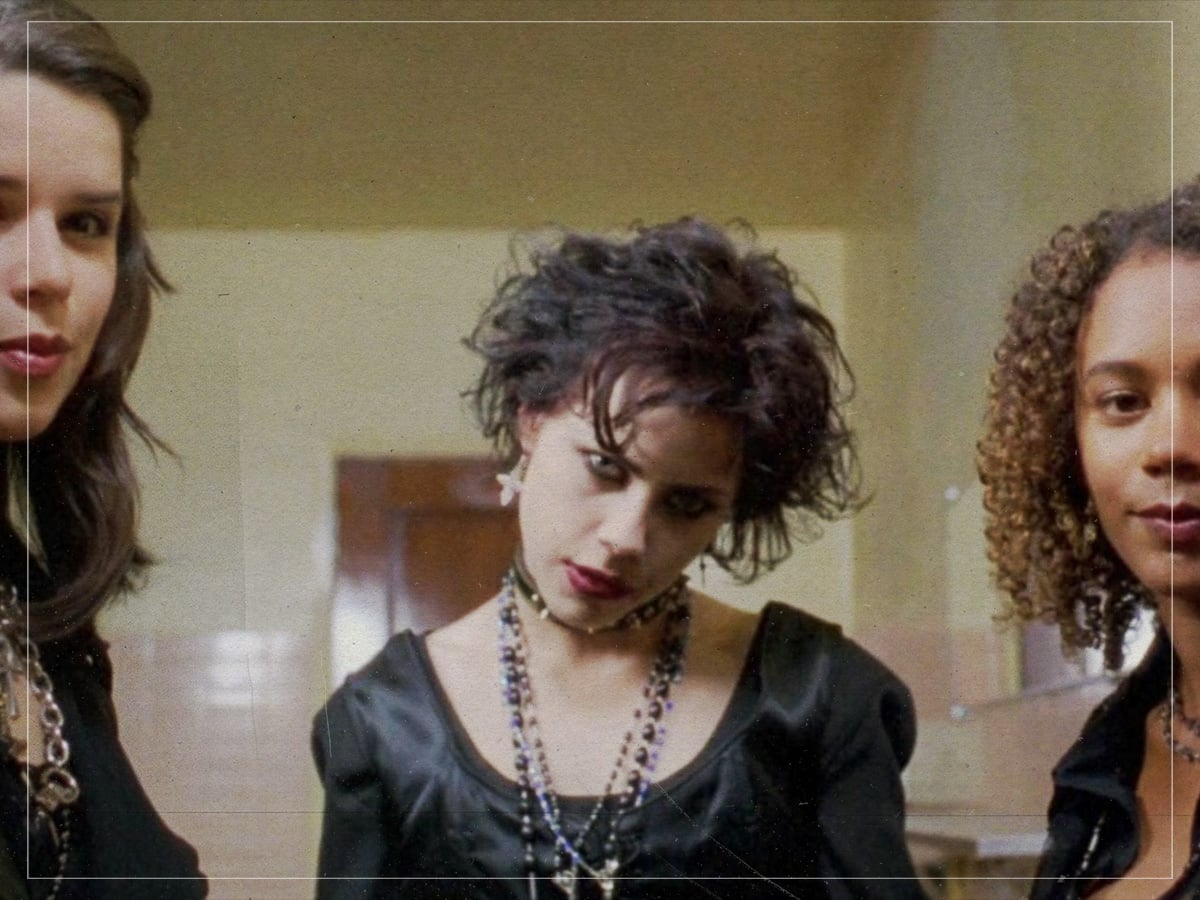
Sony Pictures was on a pretty impressive streak of small, teen-focused horror films in the 1990s, and The Craft benefited from being a star vehicle for Neve Campbell the same year that Scream revolutionised the genre. While Scream was a brilliant work of satire that examined the existential issues facing slasher films, The Craft was a self-serious, soapy teen melodrama that created a false equivalency between historical witch trials and high school girls who feel like outsiders.
The Craft is far from the representation of marginalised people that it has been reclaimed as, given that a main scene in the film involves the coven of girls harassing and cursing their classmate Nancy, who was revealed to have a tragic backstory. The mean-spirited nature is part of what spawned The Craft’s several sequels and reboots, all of which have been completely terrible.
Howard Langston Sees Jamie’s Drawing – ‘Jingle All The Way’ (Brian Levant)
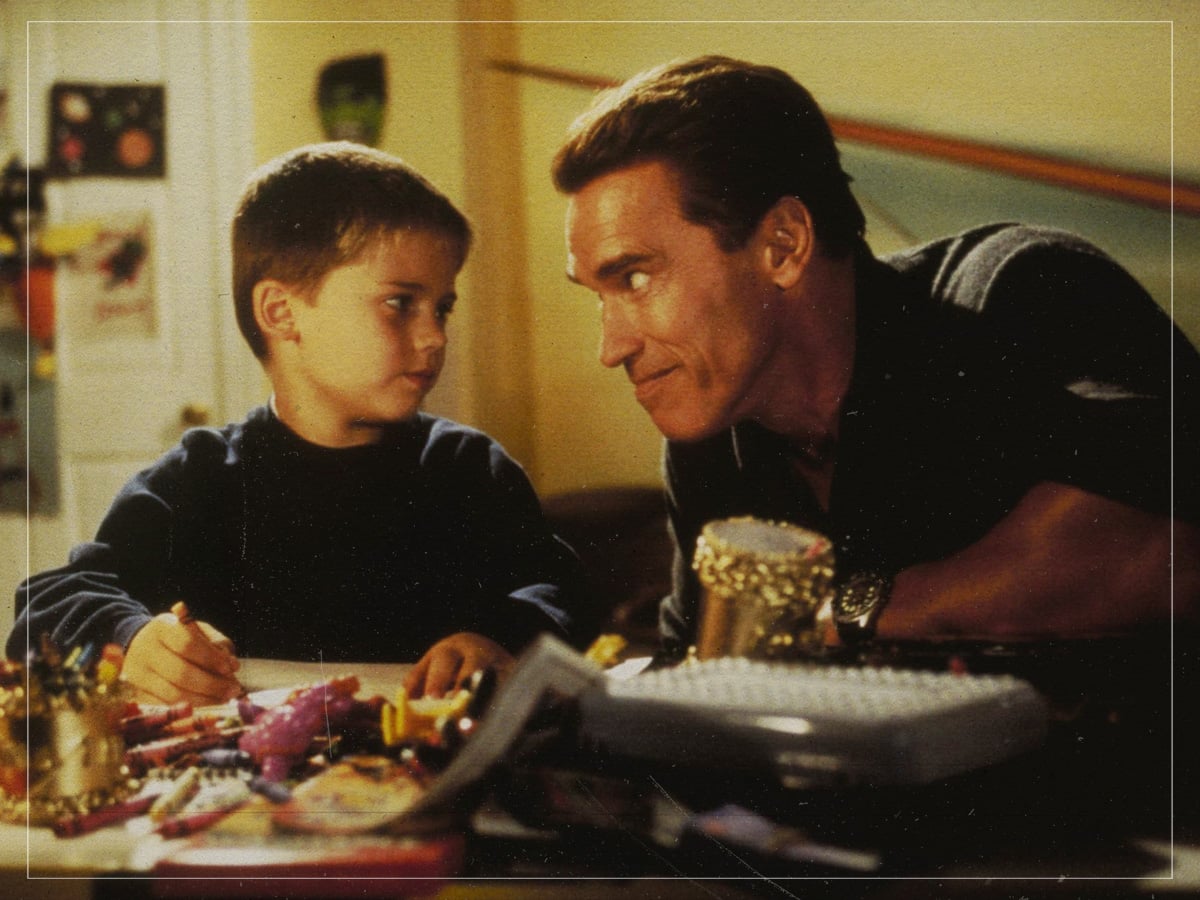
Arnold Schwarzenegger had made a shift in the ‘90s where he began taking on more comedy roles, and found great success with Twins, Kindergarten Cop, and Junior. Jingle All The Way is a pretty harmless Christmas family film, but it got into deep trouble because of a lawsuit that alleged that the script had been plagiarised.
There are plenty of bogus accusations of plagiarism that target original films that are based on spec scripts, but the Jingle All The Way lawsuit pointed to specific scenes between the original version and what made it to the screen; specifically, there’s a moment at the beginning in which Schwarzenegger’s character Loward Langston sees a drawing by his son, Jamie (Jake Lloyd), of the superhero Turbo Man, which inspires him to seek out acquiring a highly-sought after action figure for him as a Christmas present.
Vivica A Fox’s Cameo – ‘Don’t Be a Menace to South Central While Drinking Your Juice in the Hood’ (Paris Barclay)
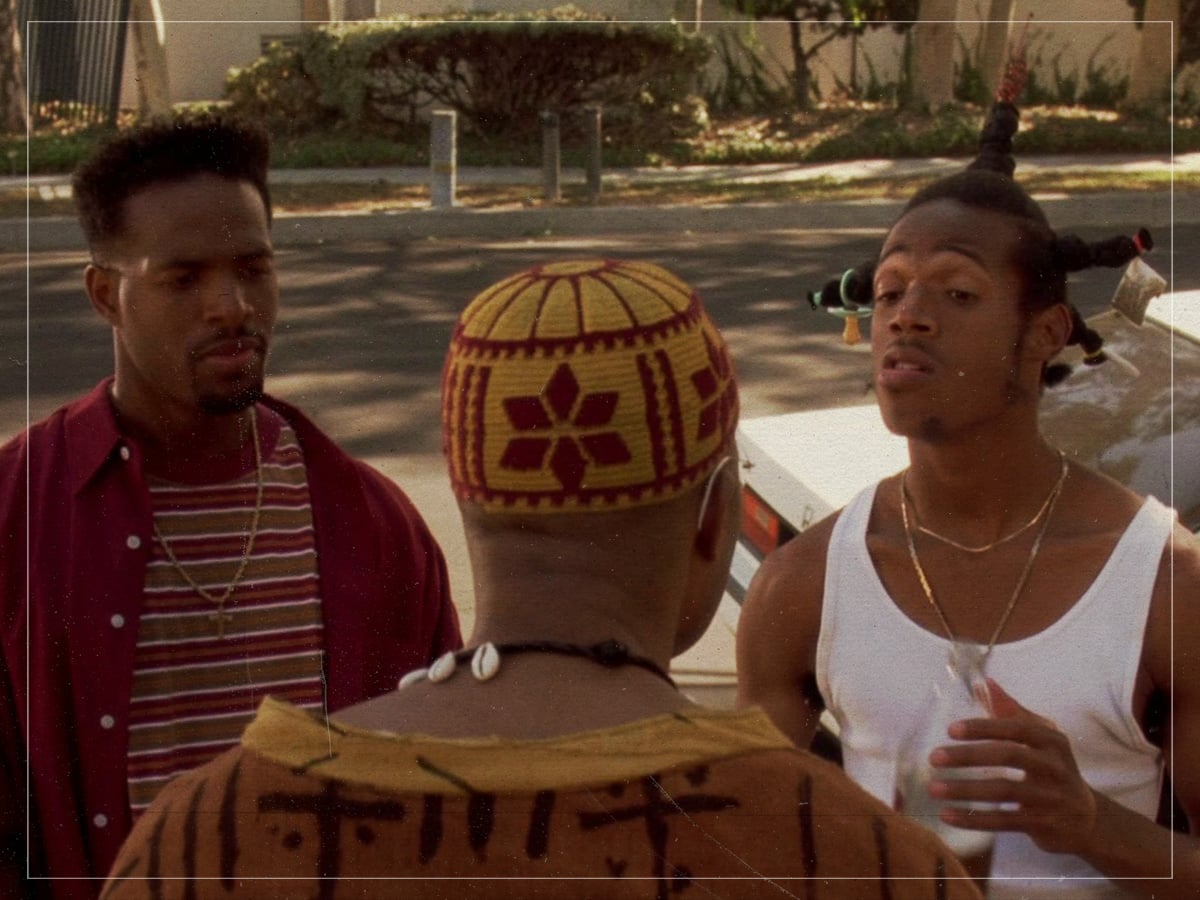
Shawn and Marlon Wayans have spent their entire careers lampooning current trends in popular films, and it’s more often than not that they’re simply punching down and making obvious jokes. Although the ‘90s saw a renaissance for independent films about the Black experience, the Wayans brothers used their spoof film Don’t Be a Menace to South Central While Drinking Your Juice in the Hood to make fun of Boyz n the Hood, Juice, Menace II Society, South Central, and many Spike Lee films.
The film’s most hypocritical joke involves a cameo by Vivica A Fox, playing an unnamed female character who has only one line that references how women are underwritten in these Black-led films; yet, Fox does not appear in the rest of the film, as the Wayans didn’t follow through with their own criticism to actually provide any interesting female parts.
The Live-Action Sequences – ‘James and the Giant Peach’ (Henry Selick)
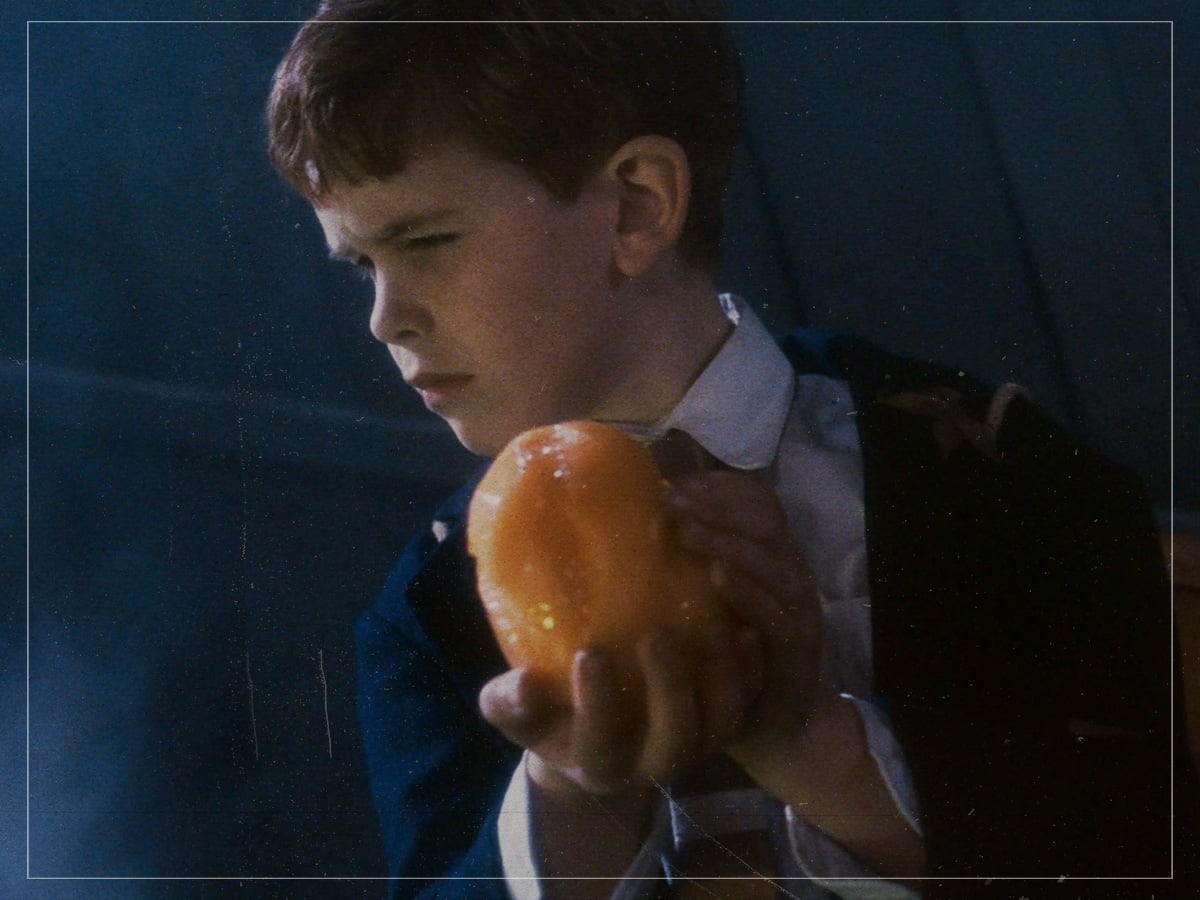
Disney tried to take a crack at the Roald Dahl library in 1996 when Henry Selick, the famed director of A Nightmare Before Christmas, was given the opportunity to direct James and the Giant Peach. While the animated segments of the film are just as stunningly realised as anything else that he has done, Selick has never been great with live-action.
The live-action segments of James and the Giant Peach are slow, meandering, and feature some of the worst child acting imaginable. Giving Selick the opportunity to experiment with live-action led him to make a fully live-action feature as his next project with 2001’s Monkeybone, a hybrid dark comedy starring Brendan Fraser. Monkeybone isn’t just one of the biggest disasters of the century, but a film that iced Selick’s career for almost a decade because he was in directors’ jail.
The Disneyland Battle – ‘Escape From LA’ (John Carpenter)
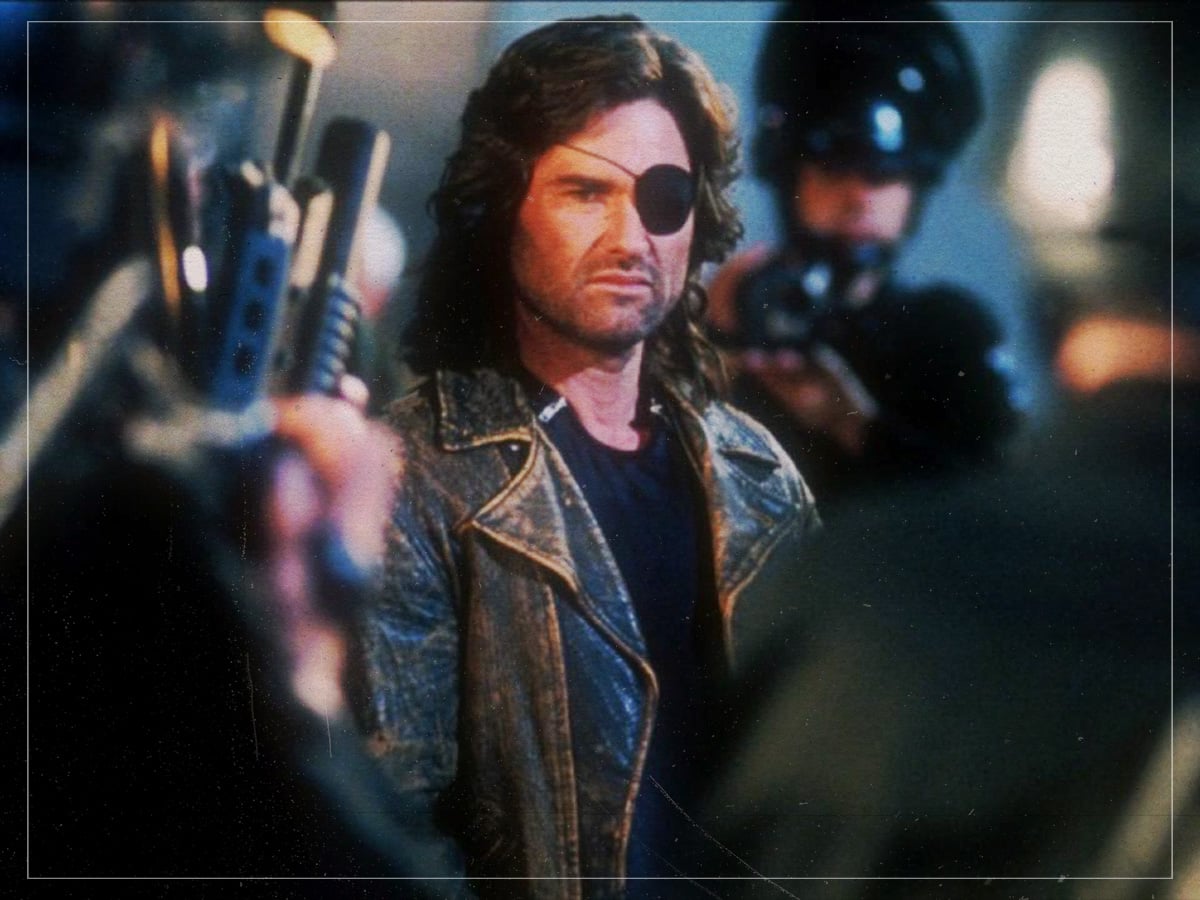
John Carpenter has frequently railed against studios for giving him unfair deals for making films, and he’s had few experiences that are as devastating as the production of Escape From LA. It was the first time that Carpenter had ever directed a sequel, as he wanted to make a follow-up to Escape From New York that was set in Los Angeles, the city that he was in love with. Unfortunately, the budget was slashed multiple times during the making of Escape From LA, resulting in a final product that looked cheap and unfinished.
The terrible computer-generated imagery in Escape From LA looks laughable in comparison to the other blockbusters of 1996 (and is even more indefensible by today’s standards for visual effects), but it is only because Carpenter had his dignity insulted while trying to make a sincere passion project.
Gilbert Osmond Slaps Isabel – ‘The Portrait of a Lady’ (Jane Campion)
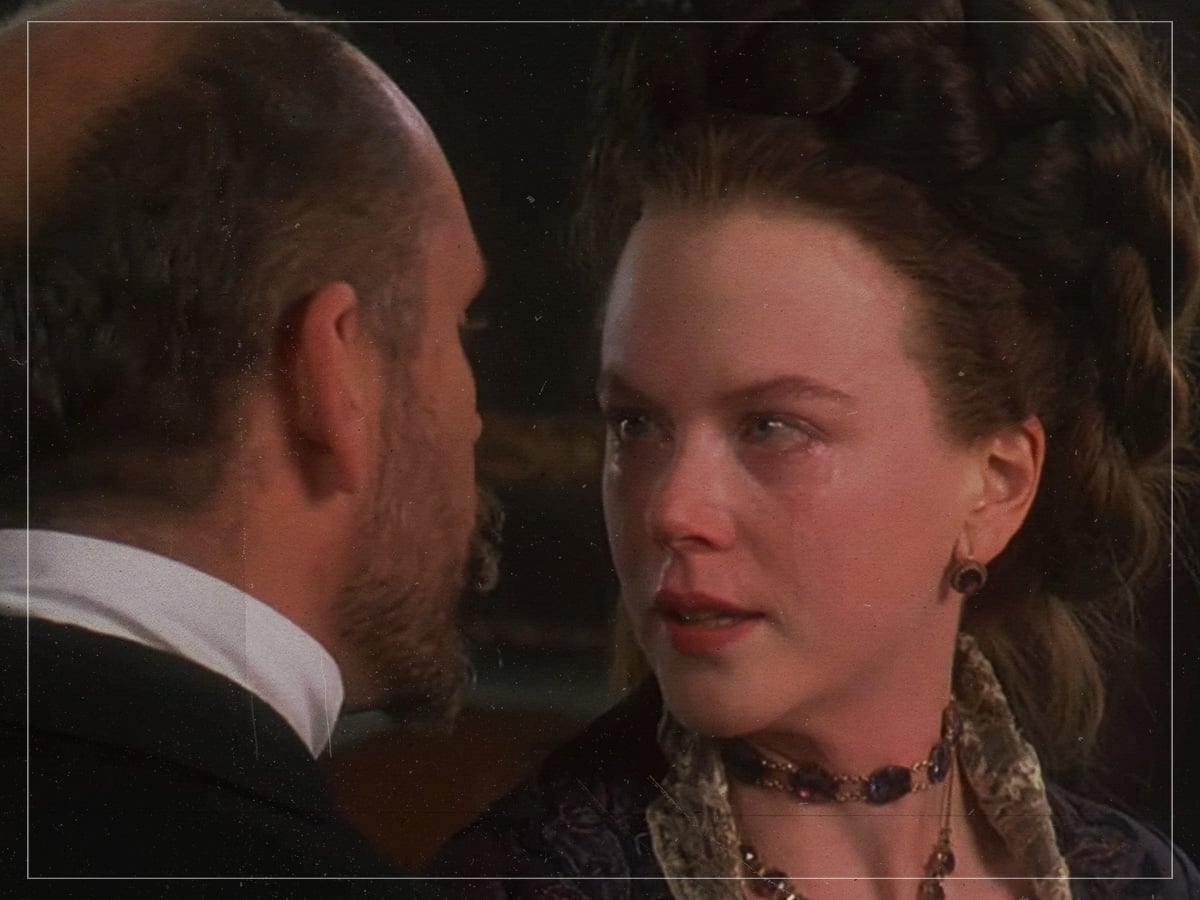
Jane Campion has never been a filmmaker to shy away from divisive or confrontational material, but it was still surprising that she was interested in adapting The Portrait of a Lady. The novel had often been described as “unadaptable”, and Campion suffered backlash due to the high expectations that had been raised for her work after The Piano.
Although The Portrait of a Lady is intended to be uncomfortable and at times disturbing, the casting of John Malkovich as Gilbert Osmond was wrong in every way; Malkovich’s very particular acting style didn’t mix with the more classical aesthetic that Campion had established, resulting in a troubled production in which they often quarrelled. The sequence in which Osmond slaps Isabel (Nicole Kidman) should be a major turning point in the story, but it ends up feeling like an unfounded attempt at gloominess.
Bobby DeLaughter’s Closing Statement – ‘Ghosts of Mississippi’ (Rob Reiner)
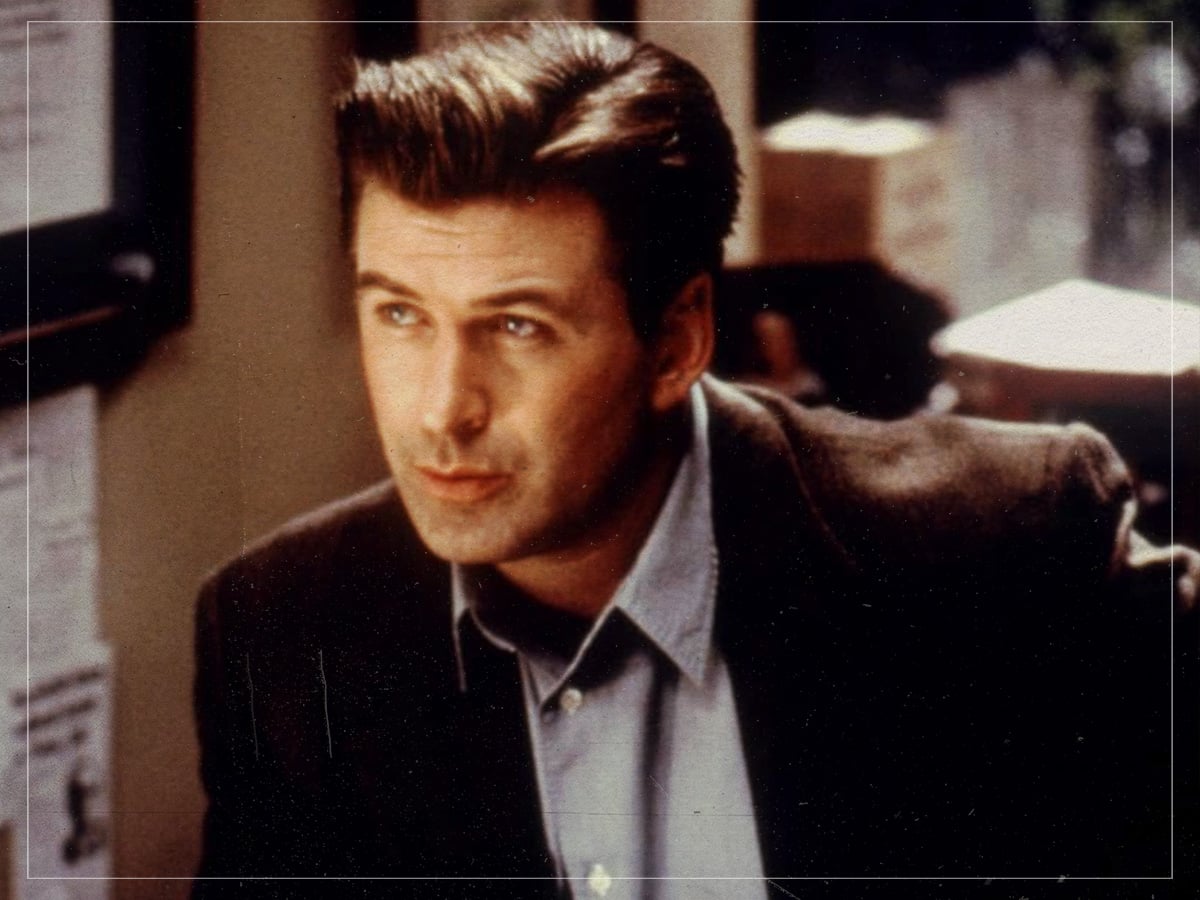
Rob Reiner deserves a tremendous amount of credit for trying to make Ghosts of Mississippi, but he was ultimately not the right person for the job. Even when looking beyond the fact that a story about the murder of a Civil Rights leader should have been made by a Black director, Reiner’s films are so inherently entertaining that Ghosts of Mississippi doesn’t have the dramatic heft that it needed.
Alec Baldwin has admitted to having weaknesses as an actor, and he was completely ill-suited for the role of the lawyer Bobby DeLaughter. DeLaughter’s final speech, in which he brings up new evidence not introduced in previous legal proceedings, can’t help but feel like the ultimate example of a pandering, white saviour character, given that the film should have been told from the perspective of the widow played by Whoopi Goldberg.
Dorothy and Frank meet Michael – ‘Michael’ (Nora Ephron)
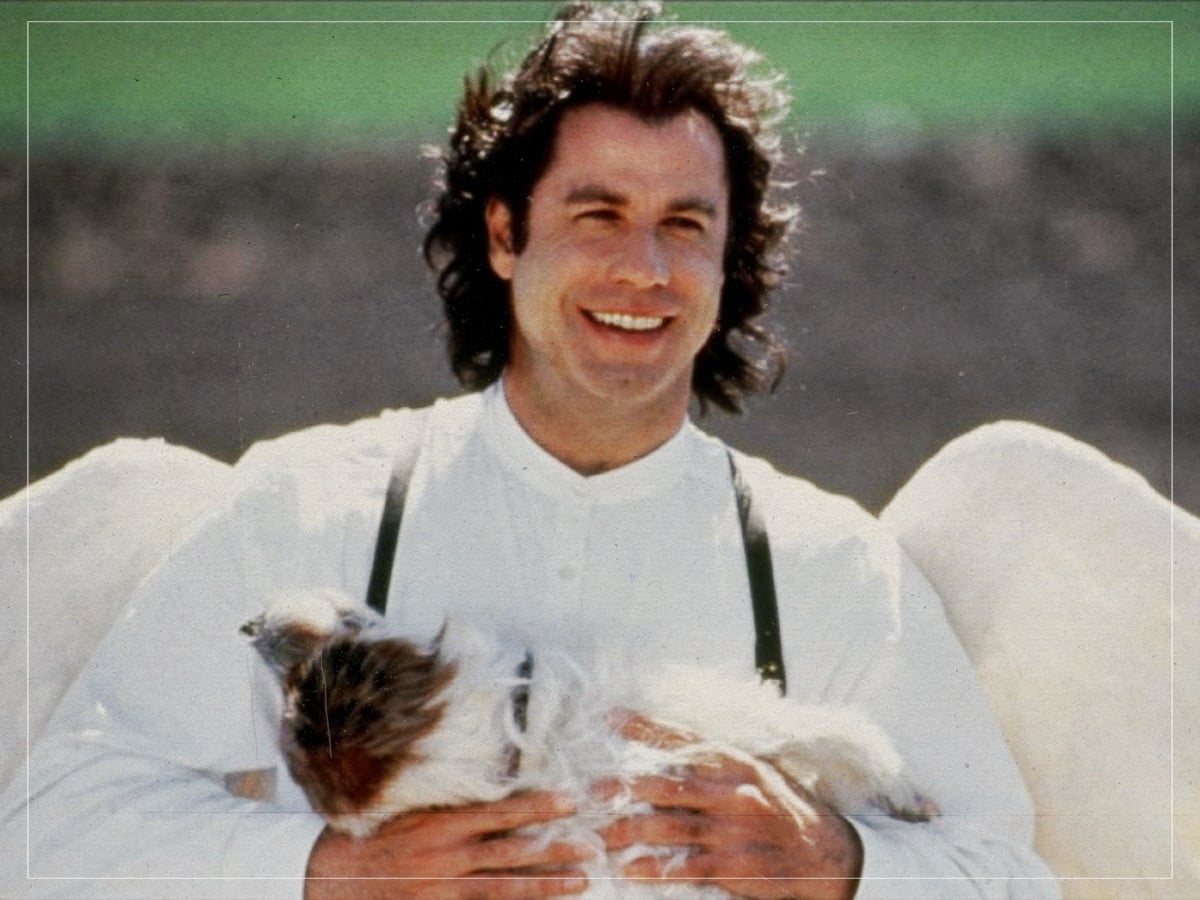
John Travolta is a baffling movie star whose unusual acting and style choices always seem to attract attention; there isn’t anyone like him, and he has a power to reign in audiences for unusual material that is very impressive. Travolta was actually the perfect choice to star in Nora Ephron’s comedy Michael, in which he plays an angel who is approached by the National Mirror employees Dorothy (Andie MacDowell) and Frank (William Hurt) to take part in a photoshoot.
Michael is a very sweet movie with a nice message, as Ephorn is unapologetic in putting her heart on her sleeve. However, the scene in which Michael is introduced as a messy, unclean bum who smokes cigarettes in between performing miracles created a false impression that made some audiences believe that the film was much more of an outward farce than it actually was.
The Moron Mountain Opening – ‘Space Jam’ (Joe Pytka)
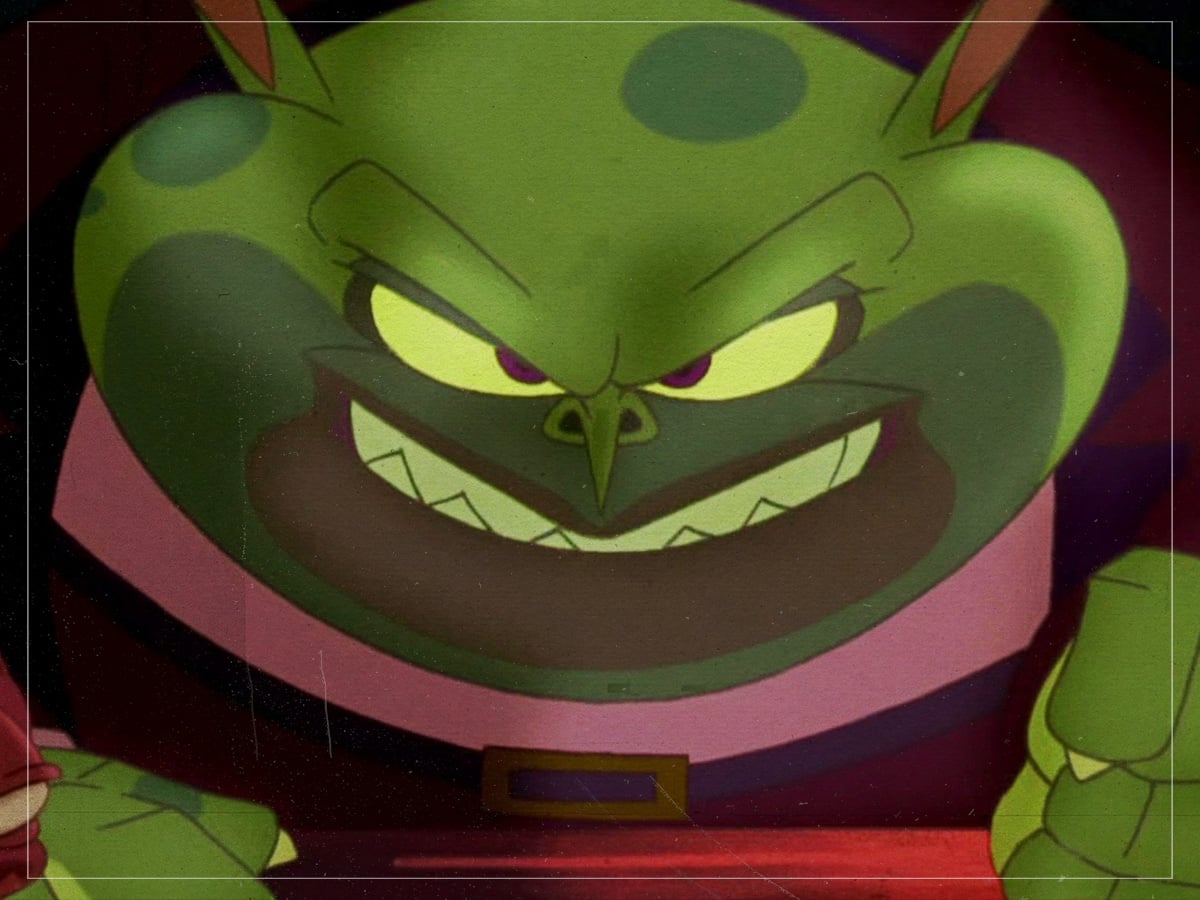
Every generation of kids deserves to be introduced to Looney Tunes, as the legendary animation franchise has surprisingly had a hard time making it in the modern day because of Warner Bros’ unusual grudge against the property. Space Jam was a great introduction to characters like Bugs Bunny, Daffy Duck, and Porky Pig, but it also included a scene in which different Warner Bros properties were featured in different “worlds”, which suggested that the studio could leverage all the intellectual property under its disposal for the sake of commercialisation.
The notion that Space Jam’s Moron Mountain scene created led other studios to start treating their characters as corporate sponsors in cynical ways. The worst possible outcome occurred in 2021, when Warner Bros’ greed led to the creation of Space Jam: A New Legacy, which is one of the worst sequels ever made.
The Product Placement – ‘Happy Gilmore’ (Dennis Dugan)
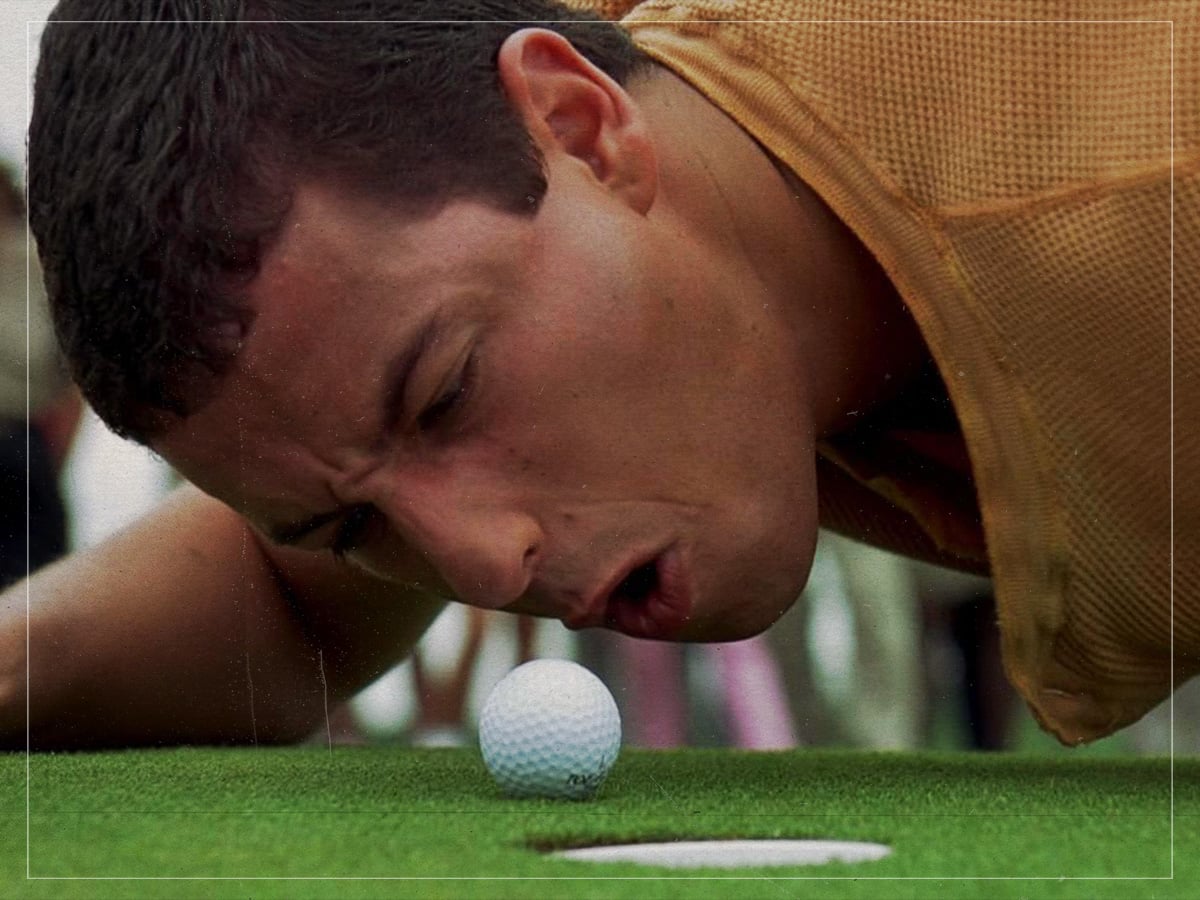
Adam Sandler may have infuriated some critics with his childish sense of humour, but he had a pretty good run in the ‘90s of making comedies that would be remembered as classics by those who grew up with them. Although Happy Gilmore is one of the best comedies that he ever made, it also introduced a level of absurd product placement that would become more shameless as Sandler’s career continued.
Happy Gilmore and Billy Madison led to the creation of Sandler’s production company, Happy Madison, which has been able to subsidise massive payouts to the casts (which often include Sandler’s friends and former Saturday Night Live co-stars) through the corporate tie-ins. The cynical selling out came full circle last year with the release of the long-promised sequel Happy Gilmore 2, which essentially felt like a 110-minute commercial for various brands and products.
