


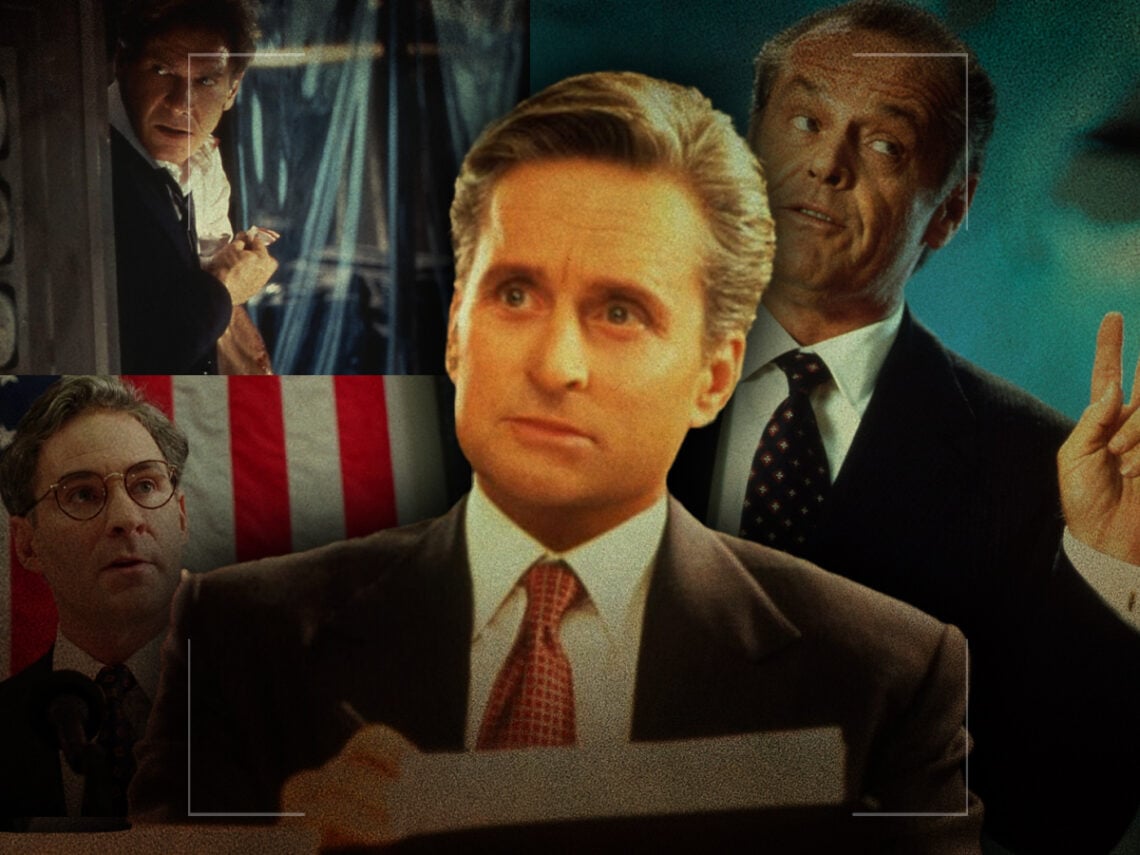
The 10 greatest fictional presidents in Hollywood history

The President of the United States of America tends to be a lot more interesting in cinema than in real life.
While America does not have a very long history in which to inspire great historical movies, the office of the president has been one that many great filmmakers have been interested in tackling. Many of the most notable leaders have had at least one great biopic centred on their life, and some have had multiple; Daniel Day-Lewis gave the definitive portrayal of America’s 16th president in Steven Spielberg’s Lincoln, but Henry Fonda did a pretty great job as well in John Ford’s Young Mr Lincoln.
It doesn’t take much time for a president to be mythologised, even if the films themselves aren’t based on their time in office. The romantic dramedy Southside With You presented a dramatised version of the first date between Barack and Michelle Obama, and Sebastian Stan earned an Academy Award nomination for his portrayal of Donald Trump in The Apprentice, which explored the future president’s early years as a business tycoon.
Fictional presidents tend to be best defined on television, as shows like The West Wing, Homeland, Succession, and House of Cards have had the time to show the complete timeline of a political administration. However, there are many presidential characters who pop up in films, even if they’re just included for the sake of a joke. As funny as it was to see Arnold Schwarzenegger make a vocal cameo as the president in The Simpsons Movie, there have been some truly great cinematic characters who cope well with the responsibility of holding America’s highest office.
The 10 greatest fictional presidents in Hollywood:
Harrison Ford – ‘Air Force One’ (Wolfgang Petersen, 1997)
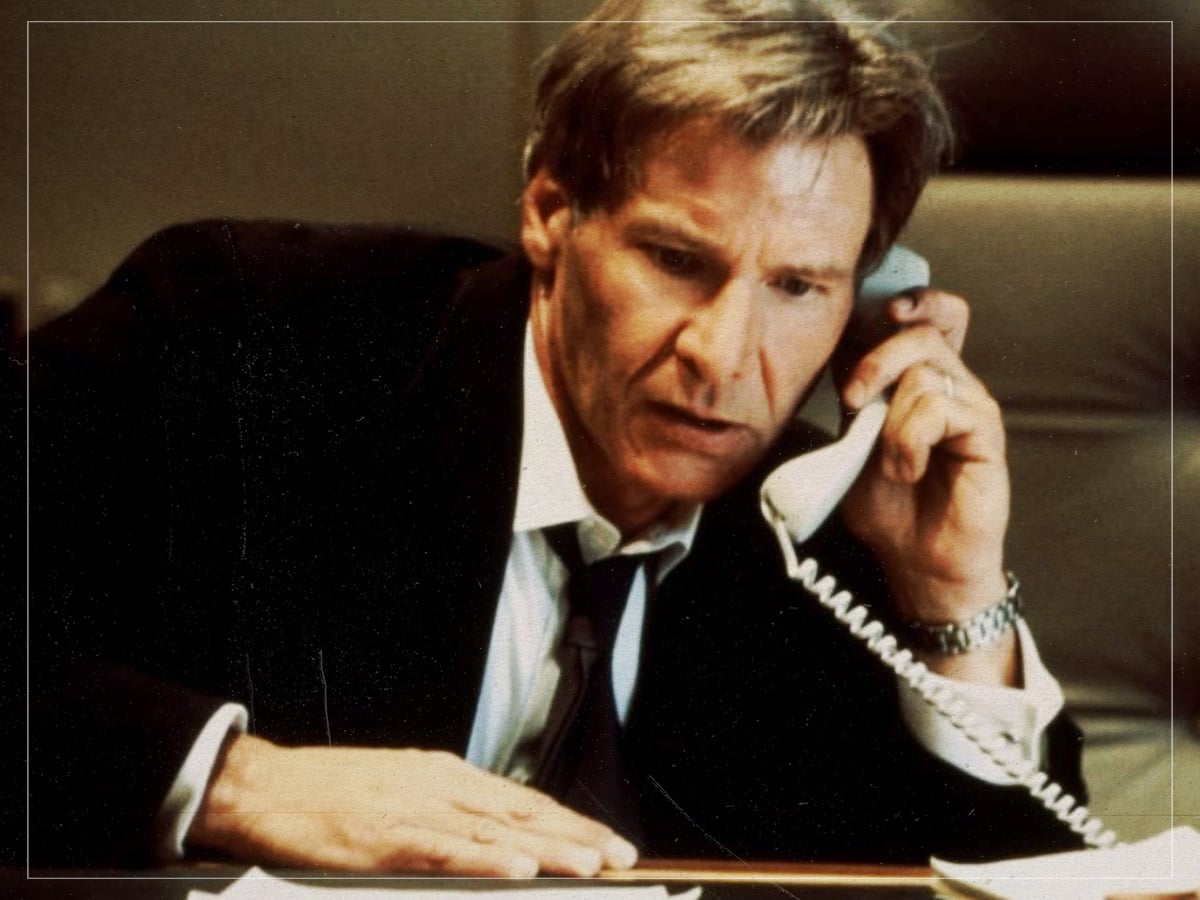
Harrison Ford was just reaching the end of his run as the biggest movie hero of all time in 1997 when he reached the appropriate age to play the president. There had already been several action films that were pitched as ‘Die Hard on a plane’, but Air Force One had the unique twist of being set on the vehicle carrying the president, which resulted in a national crisis. James Marshall is a war hero and faithful public servant whose politics are pretty agreeable to those on both sides of the aisle; he doesn’t believe in negotiating with terrorists, but he also won’t put his family or any other innocent people in danger.
Ford’s casting as President James Marshall felt like fate, as he had previously starred in two films as Jack Ryan, who, in some of the other novels in Tom Clancy’s spy series, becomes president. Later, Ford also portrayed President Thaddeus Ross in Captain America: Brave New World, but that wasn’t one of his finest moments.
Bill Pullman – ‘Independence Day’ (Roland Emmerich, 1996)
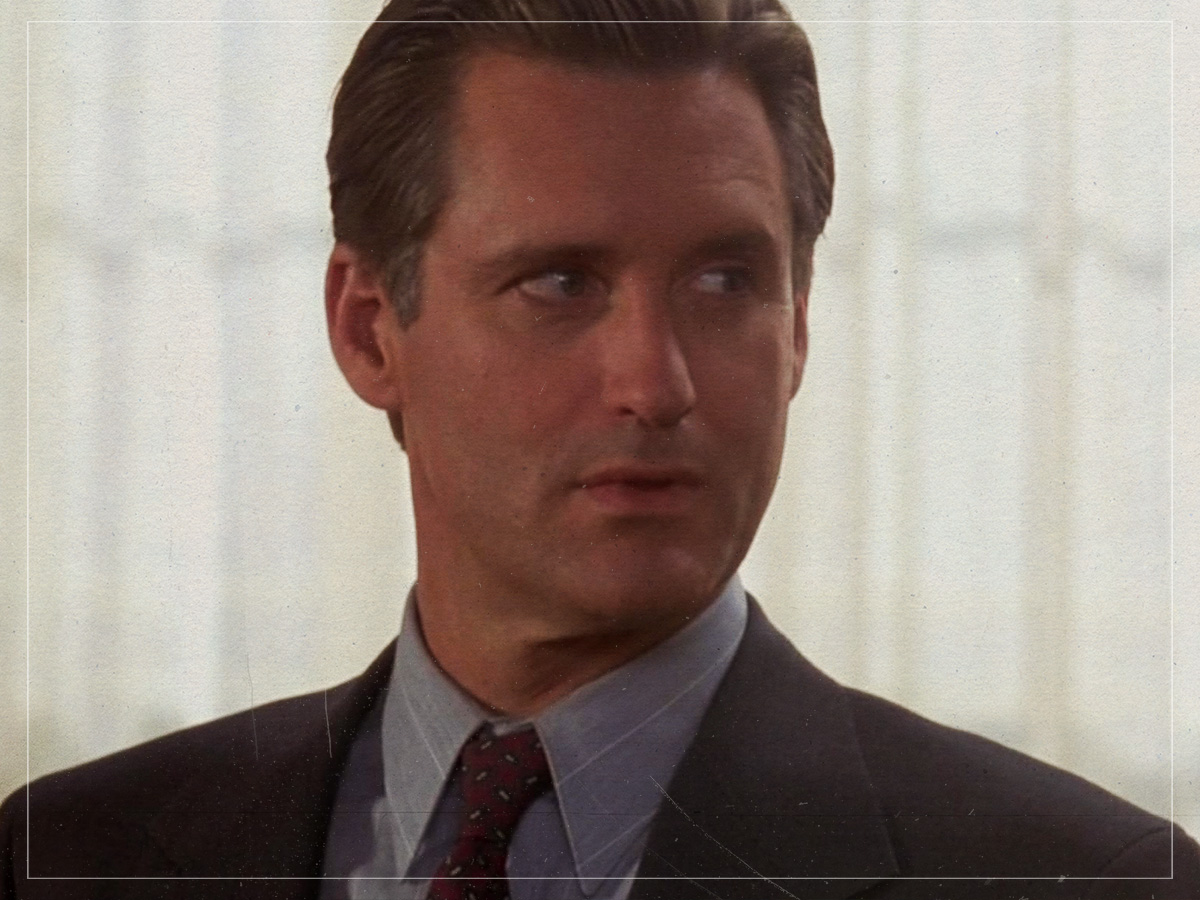
Roland Emmerich may not have anything deep to say as a filmmaker, but he was able to stoke patriotic feelings with Independence Day, one of the most successful and entertaining summer blockbusters, poignantly released right before Bill Clinton’s re-election. The film crafted a young, charismatic president in Bill Pullman’s Thomas Whitmore, whose iconic speech to the forces of Earth is as inspiring as popcorn entertainment can get.
An underrated aspect of Whitmore’s presidency is that he is actually rather unpopular at the beginning of the film, but manages to win back public sentiment when he decides to personally lead the fighters against the aliens, risking his life in the process. He is also indignant when he discovers that information about extraterrestrials was hidden from the public, and suggests that he wants to ensure that the top-secret UFO documents be made more broadly accessible.
Michael Douglas – ‘The American President’ (Rob Reiner, 1995)
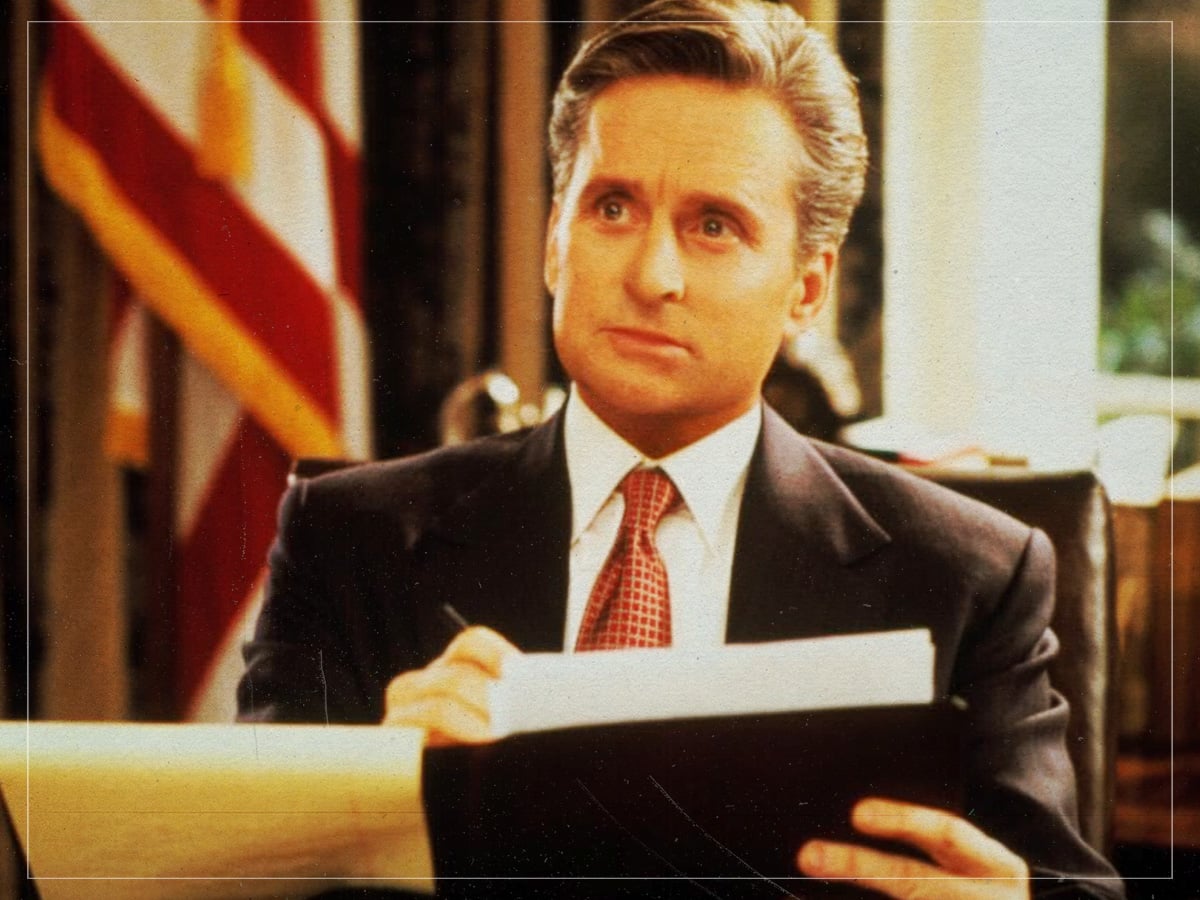
Michael Douglas took a break from his run of playing scumbags in ‘90s erotic thrillers to star in The American President, the underrated masterpiece from Rob Reiner that was written by Aaron Sorkin. President Andrew Shepherd is a leader who has been dealing with the tragic death of his wife, and manages to both lead the country towards reasonable gun reform laws while also falling in love with lobbyist Sydney Ellen Wade, played by Annette Bening.
The American President humanised the office because it showed that those who hold it are still human beings capable of love, even if their first duty is to the people that they serve. Many of the philosophies and trademarks of Shepherd in the film resurfaced when Sorkin explored the administration of President Jed Bartlett, played by Martin Sheen, in The West Wing only a few years later.
Kevin Kline – ‘Dave’ (Ivan Reitman, 1993)
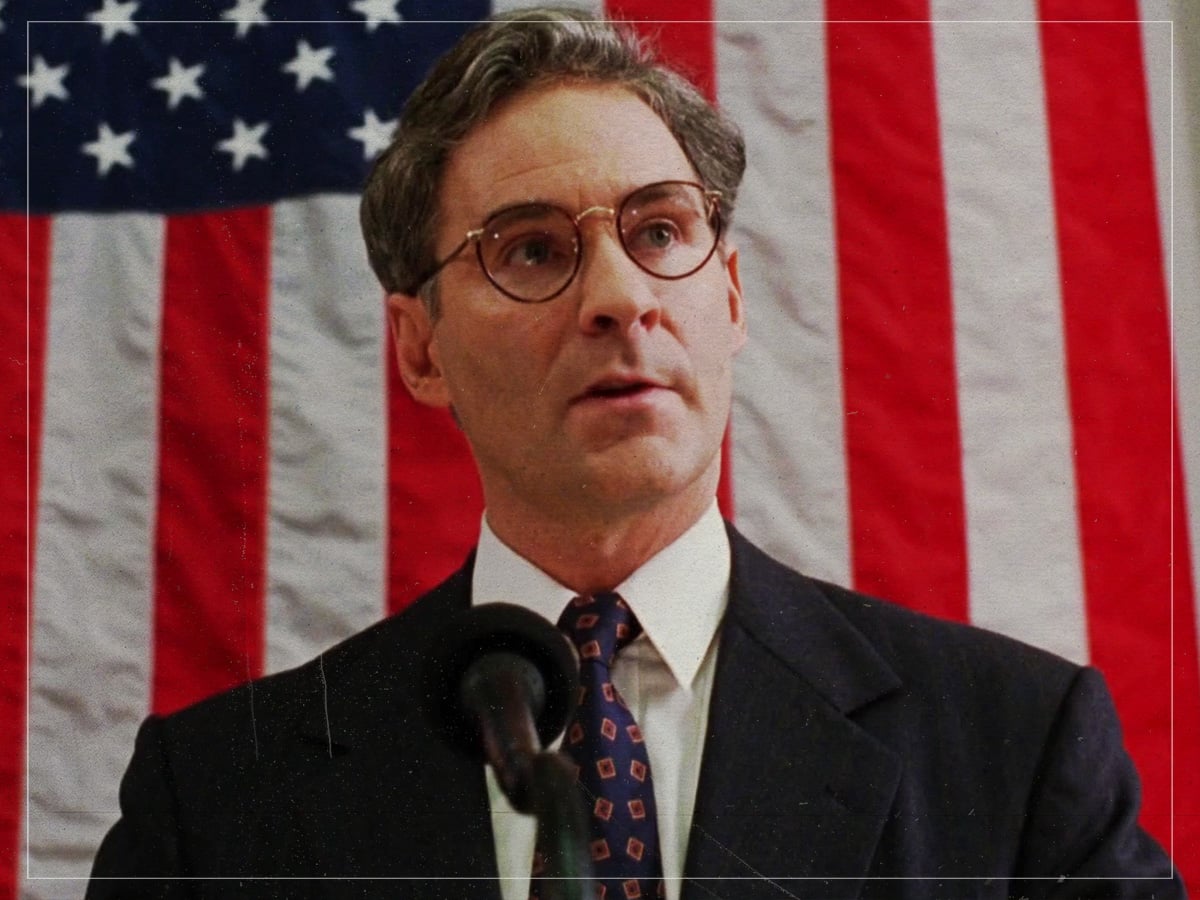
Kevin Kline had a unique role in the Ivan Reitman comedy Dave, as he played both President Bill Mitchell and the temporary employment agency worker Dave Kovic, who looks just like him. Reitman’s whimsical political satire involves a case of mismatched identities when Dave is brought in to emulate the president after Mitchell suffers a health scare during an affair. It’s a great premise because Dave is a normal, well-meaning guy who doesn’t understand a thing about political wheeling and dealing, which makes him better suited than the dubious office seekers.
The character’s greatest act as president may have been recognising that he was ultimately not the right man for the job, as he cedes his position by resigning, leading to the inauguration of Vice President Gary Nance, played by Ben Kingsley, who was always more qualified.
Henry Fonda – ‘Fail Safe’ (Walter Bernstein, 1964)
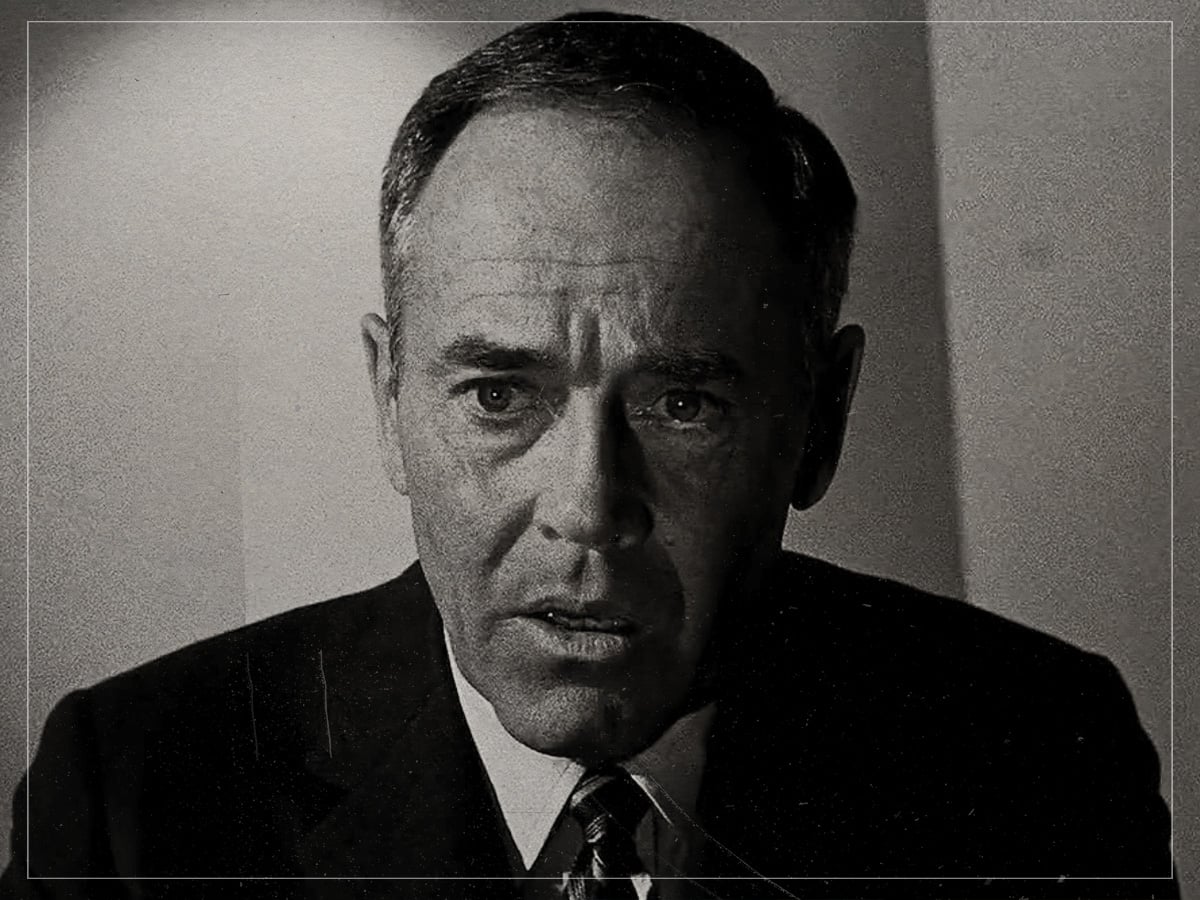
Henry Fonda starred as the unnamed president of the United States in Fail Safe, an underrated Sidney Lumet film that feels both like a serious version of Stanley Kubrick’s Dr Strangelove (or How I Learned to Stop Worrying and Love the Bomb) and a more authentic take on a story that Kathryn Bigelow attempted with A House of Dynamite.
The film examined what felt like a realistic scenario in which World War III breaks out with nuclear weapons, leading the American administration to make serious judgments on how to prepare a proportionate response. Fonda was such a figment of American decency and nobility that he perfectly captured the balanced, patient persona of a president, all while showing vulnerability within a scenario that was unthinkable. Remarkably, Fail Safe feels just as relevant in today’s political climate as it did in 1964.
Lee Tracy – ‘The Best Man’ (Franklin J Schaffner, 1964)
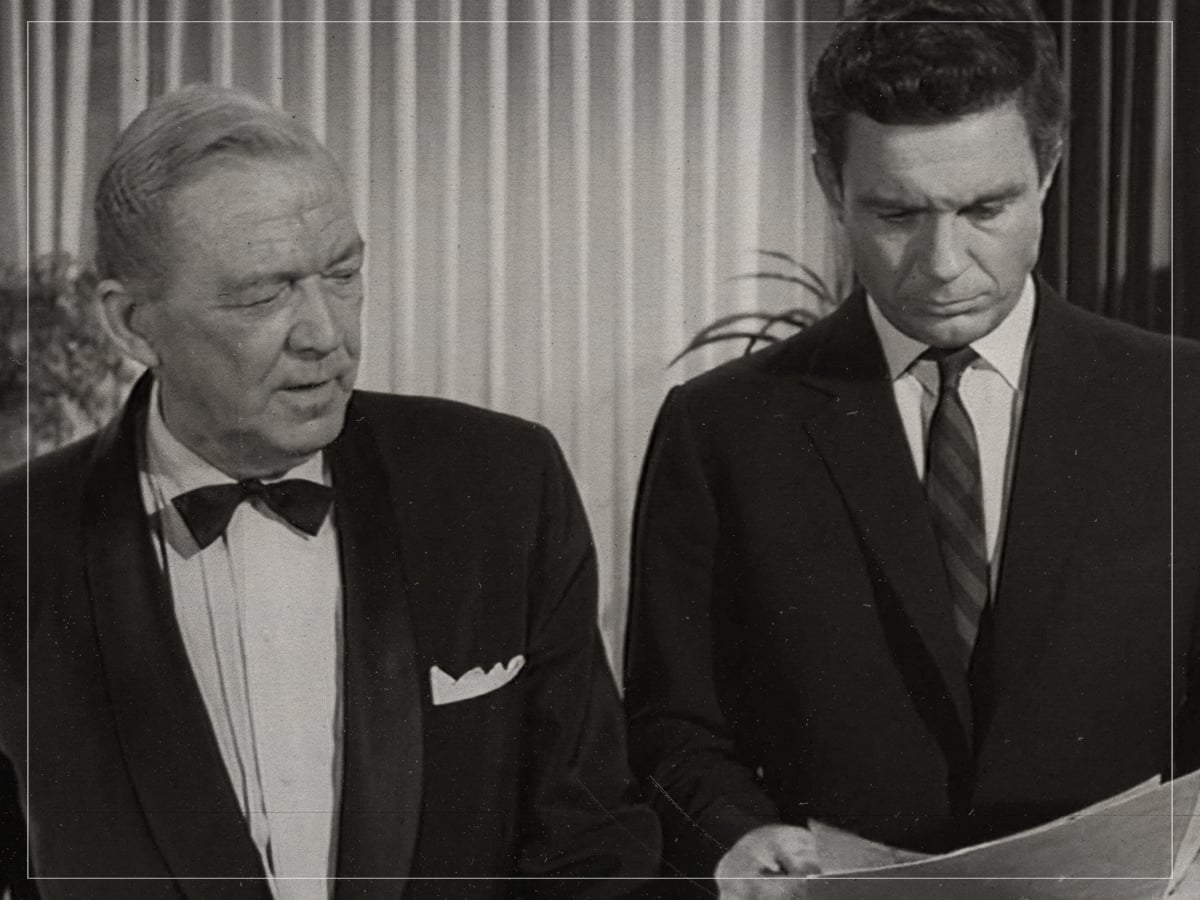
Even after the shocking death of John F Kennedy in ’63, the significant attention that the presidential election of ’60 earned due to the prominence of the media ensured that movie studios wanted to capitalise on the campaign cycle of 1964, resulting in The Best Man. It explored the bitter rivalry between two political candidates at their party convention, vying for the endorsement of President Art Hockstader, played by Lee Tracy, whose magnetic performance earned him a nomination for ‘Best Supporting Actor’ at the Academy Awards.
Perhaps the most brilliant aspect of The Best Man is that the political party that these three men are part of goes unnamed; there’s nothing learned about their policies because everything is about obtaining power, which is itself a compelling statement about the narcissism that is inherent to both sides of the aisle.
Terry Crews – ‘Idiocracy’ (Mike Judge, 2006)
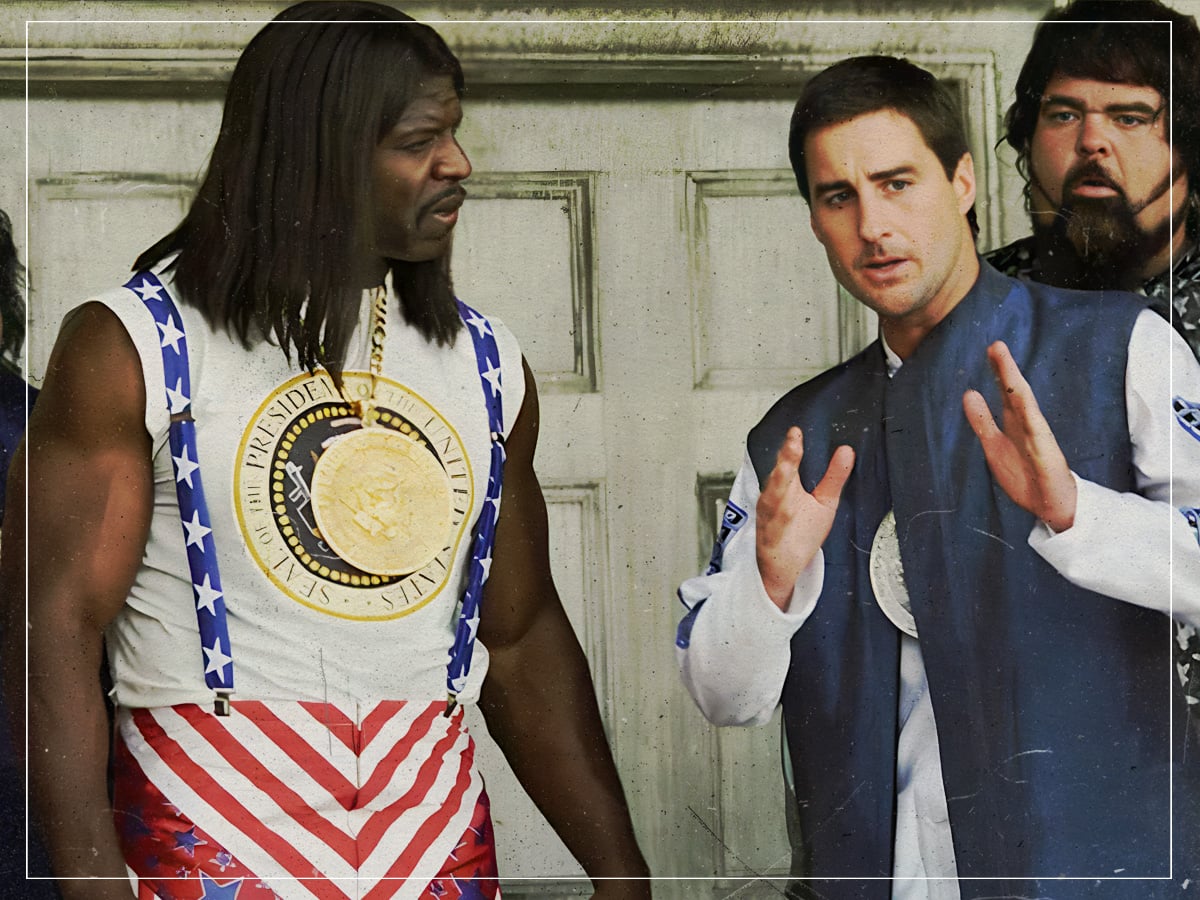
There haven’t been many comedy films of the last 25 years that have felt more eerily prescient than Mike Judge’s scathing satire, Idiocracy, in which a stereotypically ‘normal’ man, Joe Bauers, played by Luke Wilson, is transported to a future where the average IQ has dipped significantly below current estimations. Occupying the Oval Office is President Dwayne Elizondo Mountain Dew Herbert Camacho, played by Terry Crews in a hilarious performance.
As a former porn star deeply inspired by professional wrestling, Camacho is an embodiment of ‘low culture’, which Judge feared would become the largest voting body in the United States. Camacho also shares a few commonalities with President Trump, as both have suggested holding a monster truck showcase on the front lawn of the White House, and have denied the research of leading scientific professionals with regards to environmental issues.
Donald Pleasence – ‘Escape From New York’ (John Carpenter, 1981)
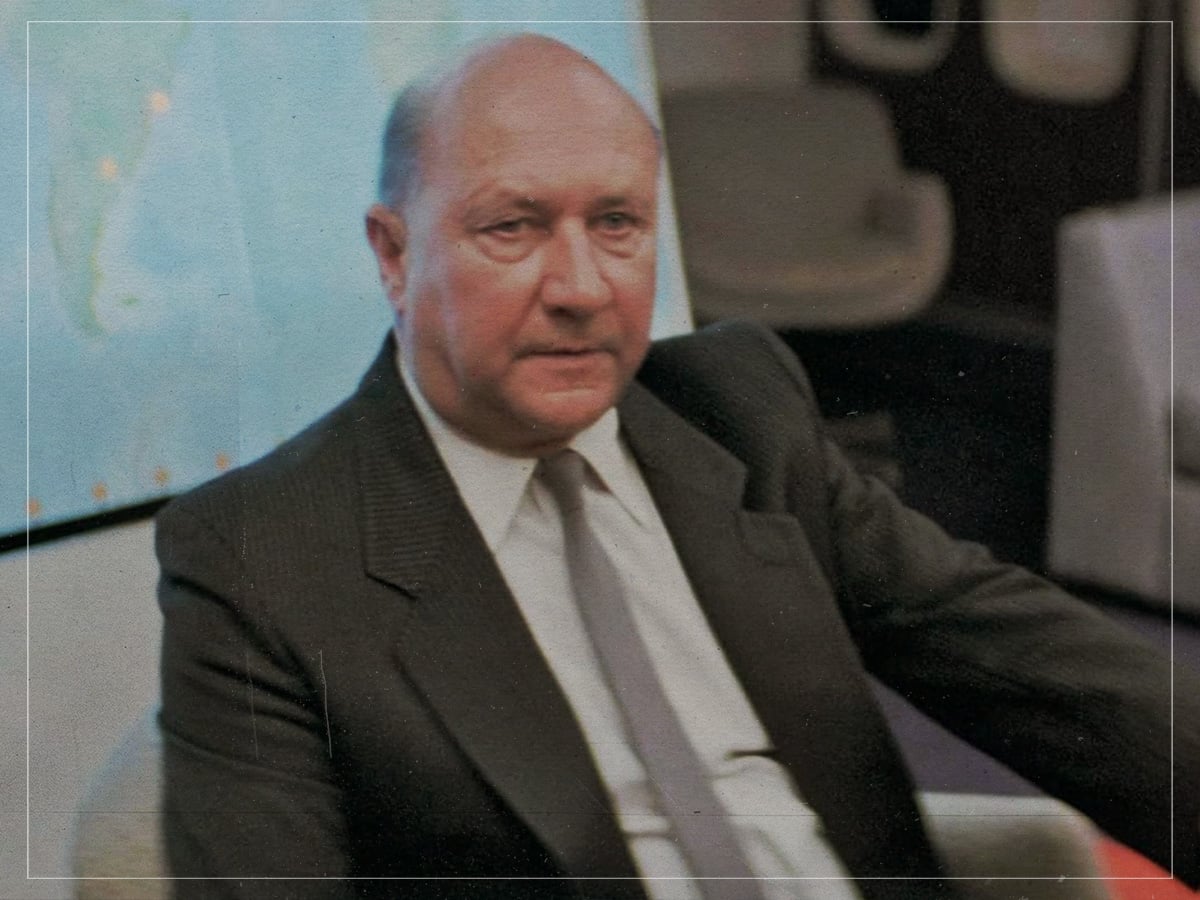
John Carpenter has always been fairly outspoken when it comes to his politics, as he has frequently targeted corruption and corporatisation within his films, but he made what may have been his most politically charged film in 1981 with Escape from New York. In it, Donald Pleasence was cast as the unnamed president who sends Kurt Russell’s Snake Plissken into the criminal-infested remains of New York City in order to rescue his daughter. Even if Snake has to fight criminal gangs, the president is the real villain.
Pleasence is perfectly cast as a conniving, uncaring leader who leverages his power to brutalise the innocent and not solve issues like poverty, addiction, and starvation. It’s among the most terrifying performances that he ever gave because of how subdued and unflinching he is, especially when compared to his more over-the-top villainous performance as Blofeld in the James Bond films.
Gene Hackman – ‘Absolute Power’ (Clint Eastwood, 1997)
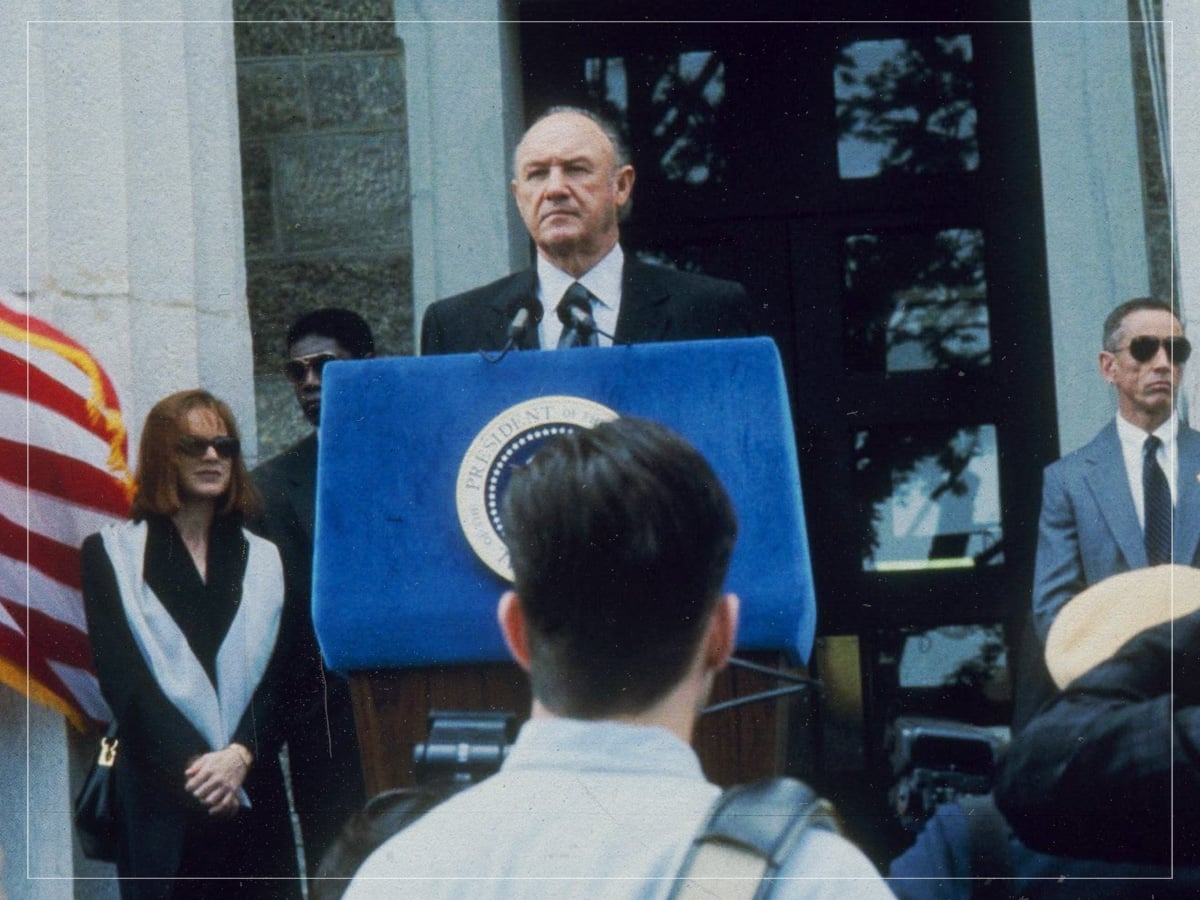
Clint Eastwood is another Hollywood figure who has never been shy about his politics, and Absolute Power combined his political rhetoric with the type of propulsive popcorn entertainment that he is best known for. Gene Hackman stars as President Alan Richmond, who accidentally murders a young woman he is having an affair with, which is glimpsed by a cat burglar played by Eastwood.
While the premise might have been inspired by President Clinton’s reputation for being a womaniser, Hackman ends up creating a hammy, threatening character who feels just as villainous as his Oscar-winning role as Sheriff Little Bill in Unforgiven, another film directed by Eastwood. While dismissed as over-the-top at the time, Absolute Power hinges on the premise that the government would be able to mask the abuses of those in power, which feels highly resonant today in a post-Epstein world.
Jack Nicholson – ‘Mars Attacks!’ (Tim Burton, 1996)
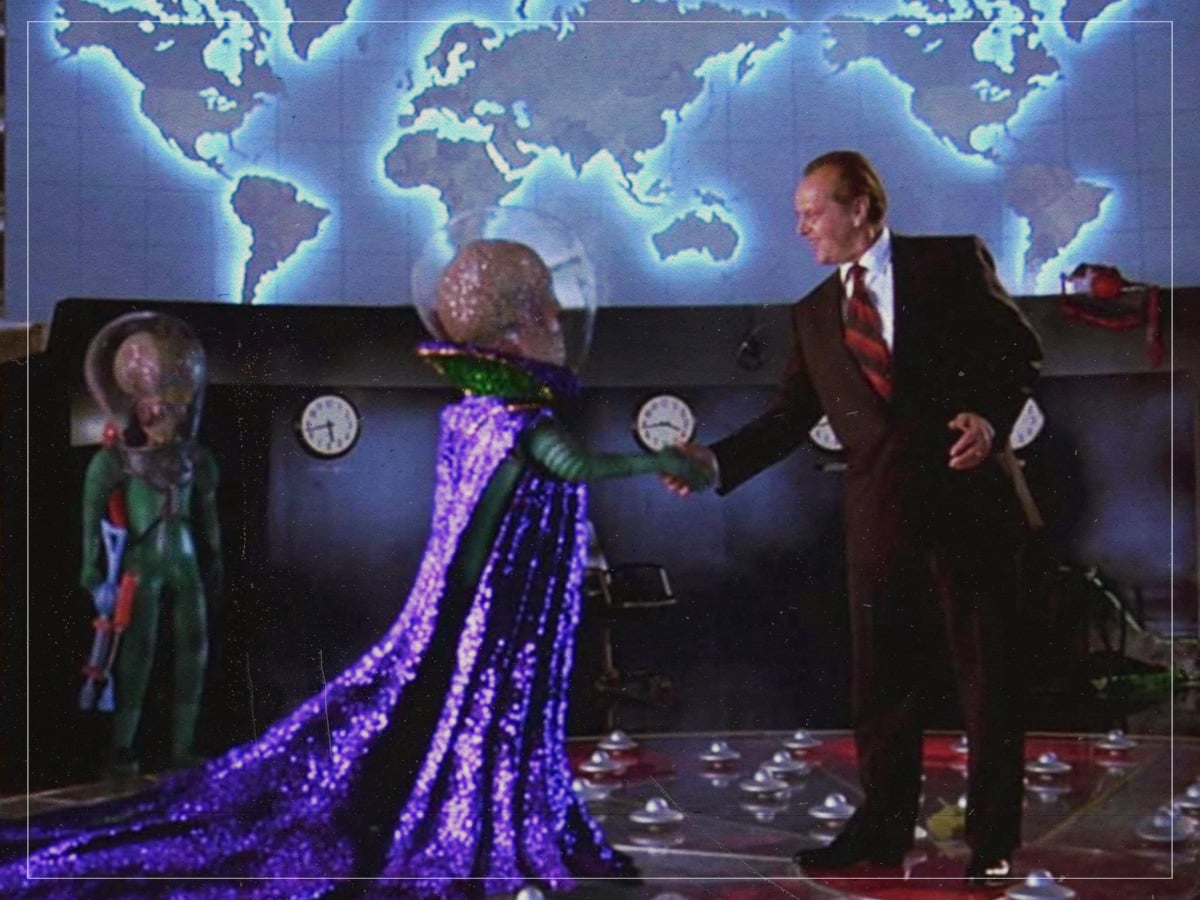
Jack Nicholson plays President James Dale in Tim Burton’s satirical science fiction comedy Mars Attacks! who actually feels like he could be elected today because he is a complete coward with no backbone. He has to negotiate with alien invaders that attack Earth with devastating assaults, and continues to try a path of cooperation, even when it becomes clear that they can’t be reasoned with.
Nicholson’s final speech in the film, in which he asks, “Why can’t we all get along?” is both a poignant work of political satire and one of his funniest moments as an actor, but the film had the misfortune of being released the same year as Independence Day, which ensured that audiences weren’t interested in seeing a tongue-in-cheek alien invasion film that had a far more pessimistic view on mankind’s ability to defend itself.
