


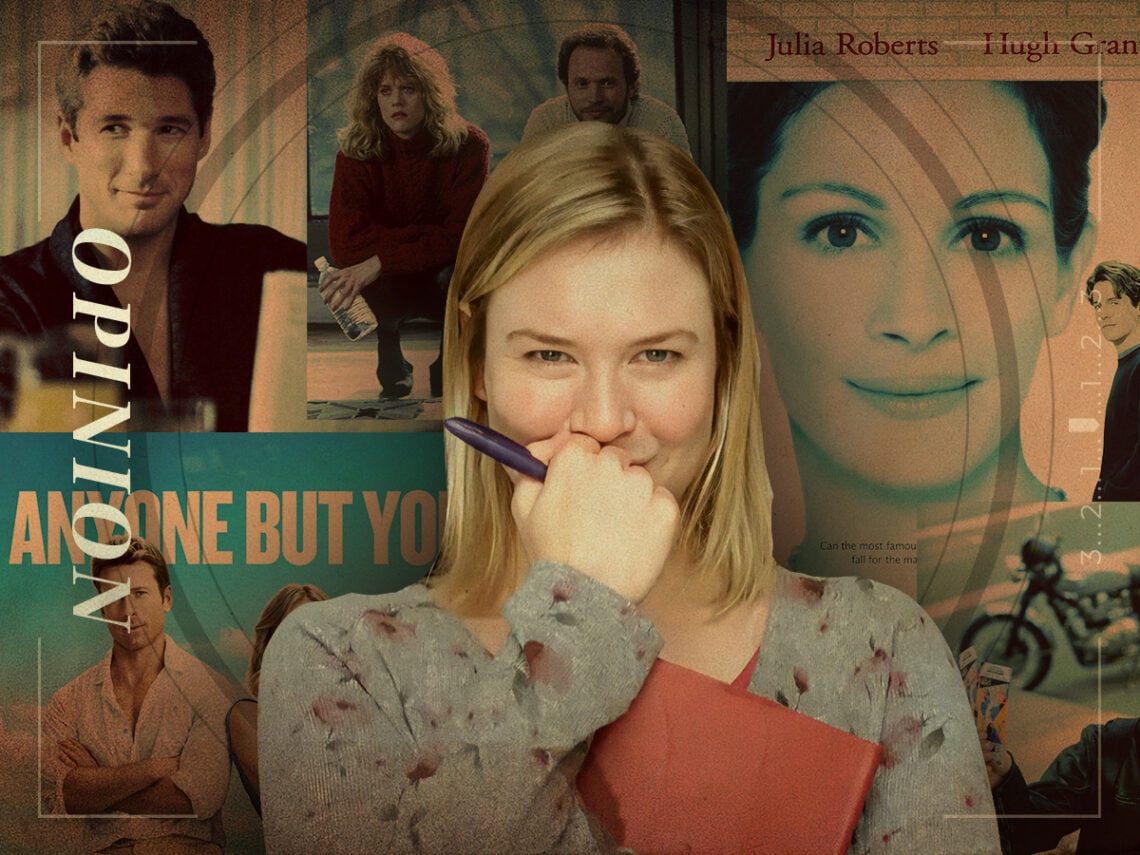
Where have all the good rom-coms gone?

90 minutes, no filler, all fun. The premise is simple and silly, centred around two deeply likeable yet kooky enough characters who are destined to be together but have to go through some kind of antics and misadventure first. It makes your heart swell, kick your feet and giggle, and feel hope in a fairytale again as the writer weaves a love story into a relatable scene—that’s the recipe for a perfect rom-com, but where have they all gone?
When thinking about the true greats of the rom-com genre, it’s the 2000s and the 1990s that have the best of the best. Back then, Nora Ephron was a God as she unleashed one golden film after another with the likes of When Harry Met Sally…, Sleepless in Seattle, and You’ve Got Mail. All three are truly standard-setting and blueprint-mapping movies for the genre, and during that period, it seemed that every director wanted to be just like her. They wanted to nail the exact same funny, sweet, cosy and captivating vibe that she mastered, and as rom-coms proved to be box office smashes, audiences wanted more of it, too.
Notting Hill. Pretty Woman. How To Lose A Guy In 10 Days. 50 First Dates. Bridget Jones’ Diary. The list goes on. All released in a specific cultural moment, it seemed to be that a new genre was booming. These aren’t typical, dramatic romance films such as The Notebook or pieces of classic cinema like Casablanca or An Affair To Remember. Instead, they kept in the central romance that audiences passionately root for, maintaining the emotional core of the film, but they lighten it all and make it more approachable. Cutting out the heightened emotional stress that powers the classics, this new genre is fueled by fun.
Take How To Lose A Guy In 10 Days, for example; at the centre, the relationship between Kate Hudson and Matthew McConaughey’s characters keeps you gripped as you root for them to be together. But come on, those characters are called Andie Anderson and Benjamin Barry. They’re not meant to be taken all that seriously when the premise of the film is essentially one big extended prank they’re playing on each other.
There’s also the crucial element that both those characters feel relatable. Andie is a journalist struggling to be taken seriously, having her own three-dimensional relationships with her friends and living a normal life. The glimpses we get of Benjamin’s home life show a completely normal one. Both of these people could be real; they’re flawed in a way that is understandable, as audiences can track and process their every move because they feel natural. In the same way that the relationship between Meg Ryan and Billy Crystal in When Harry Met Sally feels like a tale as old of time as the two friends bicker before admitting feelings, or in the same vein as the entire character of Bridget Jones being designed to represent the ‘every woman’ – these films are custom made for and about ‘normal people’.

But we love them because they write romance into their lives. The genre is so popular and intoxicating because it feels oddly comforting. You can watch any of those films and then daydream about these scenarios happening to you, imagining your life becoming as light, breezy, and fun as these film plots, where you ultimately get a happy ending.
So why do they just not feel the same anymore? Rom-coms are still being made, but they’re not hitting the heights they used to as we generally see them fast-tracking straight to streaming services, where they still fall behind people’s favour towards these now-nostalgic classics.
Is it a sign of the times? In a world where online dating is now the number one way that people meet romantic partners, do these films feel too distant? It’s hard to truly romanticise swiping on apps, chatting a bit and then maybe moving to WhatsApp to organise a drink. It’s also hard to romanticise dating in the modern world of situationships and people looking for ENM (ethical nonmonogamy for those outside of the 25-35 creatives dating sphere). We’re less and less convinced by the likelihood of a perfect meet cute where two lives collide by accident as if fate is moving them, so do we simply not want to see it on our screens anymore?
Or does the fault lie with Hollywood? There is no denying that Kate Hudson is beautiful. Meg Ryan is beautiful. Julia Roberts is beautiful. But all these women, back in the 1990s and 2000s, looked different, and they looked like normal people. It was easy to imagine them working their office jobs or whatever story they were granted as the romantic lead, but now we’re not only seeing the era of ‘iPhone face’ where celebrities all seem to be getting the same face thanks to Ozempic and plastic surgery, and now we see these celebrities on social media constantly, making it harder for audiences to separate them from their fame and find them relatable – is it even possible to get lost in the fantasy of a perfect rom-com, or allow yourself to slip into that daydream when the person on the screen is like, Sydney Sweeney?
However, maybe Sydney Sweeney is actually the saviour we need. The closest the 2020s have got yet to a true rom-com classic has to be Anyone But You, her debut as an executive producer. 100 or so minutes, full of laughs, powered by the will-they-won’t-they, enemies-to-lovers between herself and Glenn Powell, who looks like he was grown in a rom-com lab; it felt like one of those 2000s classics. It felt like the glory days were back.
See, the potential is still there. Maybe what the world needs is some great writer to swoop in and finally make a rom-com about Hinge. A hero is needed who won’t take themselves, their project or their characters too seriously and instead just make a short, sharp flash of fun for audiences desperate to giggle, year, maybe cry a little, but definitely laugh a lot.
