


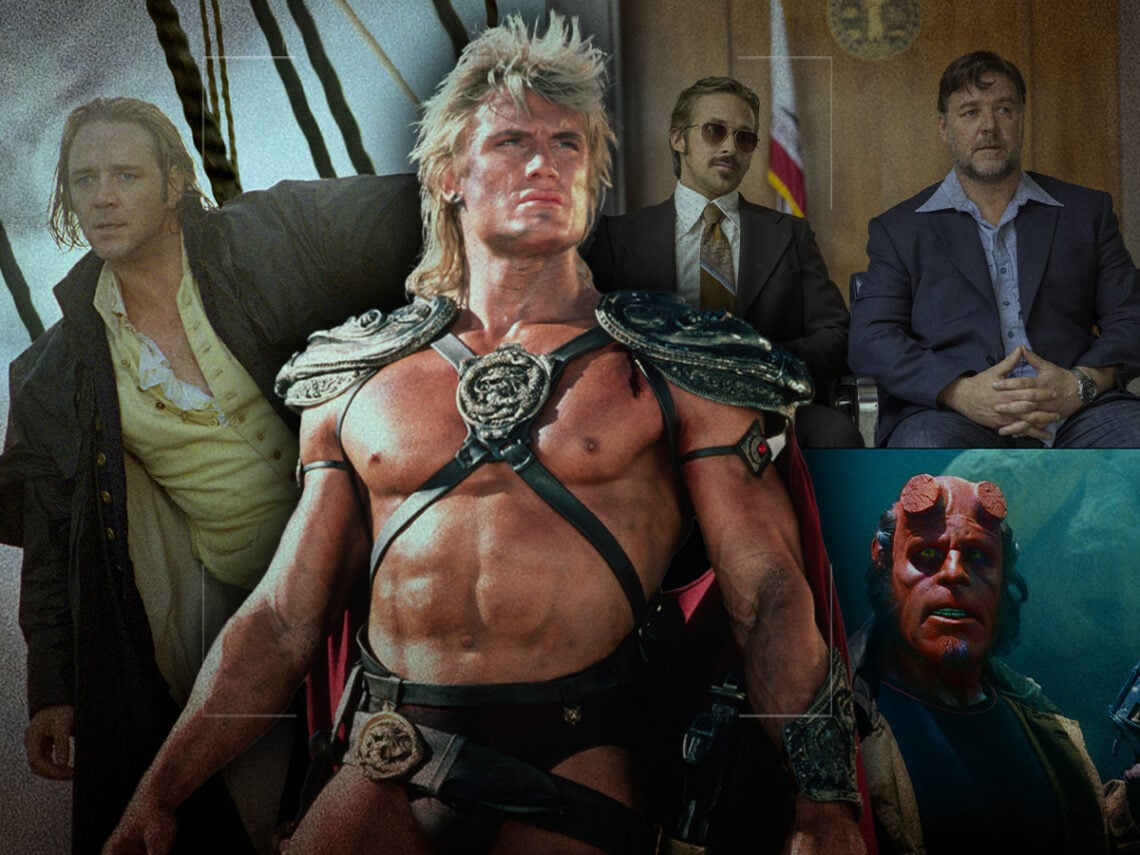
10 massive movie cliffhangers that were never resolved

Hollywood has a habit of setting up sequels that never end up being made.
Although sequels have existed since the days of the Universal Monster classics and Akira Kurosawa’s follow-up to Sanshiro Sugata, a lack of originality has become an even more pressing issue within Hollywood in recent times. Nearly every major hit each year is connected to some sort of previously existing franchise, based on source material, or inspired by a larger brand.
Of the 61 highest-grossing films of all time, only two are based on completely original stories; Avatar and Zootopia were set up to be standalones, but they have both since gotten sequels. As exciting as it was this year to see standalone movies like Obsession and Project Hail Mary succeed, they will be blown out of the water at the box office by Toy Story 5 and Spider-Man: Brand New Day.
Of course, not every sequel is going to have a fanbase behind it from the beginning, which is why Hollywood is often keen to add some sort of cliffhanger that can be resolved when the audiences go to check out the next instalment in the series. There is a difference between a direct cliffhanger and concluding on an ambiguity, such as films like Blade Runner and Inception, which end in a way where the audience can interpret what happened in different ways, but they don’t require sequels in order to feel conclusive.
Given that not every film is popular enough for a sequel to be seen as a financially responsible business decision, there are a number of massive cliffhangers that were left unresolved because there wasn’t enough interest to actually conclude their stories.
10 movies that ended on unresolved cliffhangers:
‘John Carter’ (Andrew Stanton, 2012)
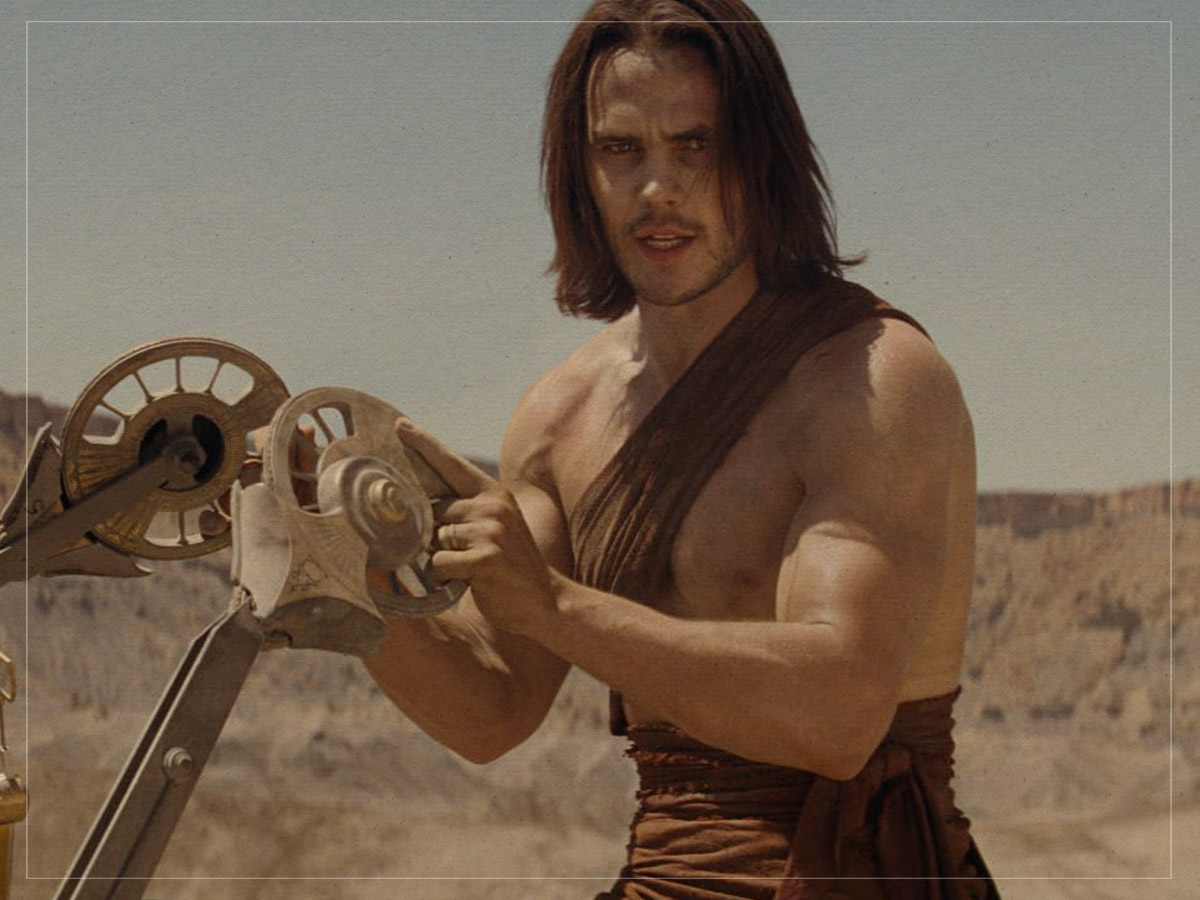
Disney had been desperate to make a four-quadrant, PG-13 action-adventure franchise on the level of Pirates of the Caribbean ever since the theme-park-based series became a phenomenon, but flops like Tron: Legacy and Prince of Persia: The Sands of Time didn’t cut it.
John Carter was based on the legendary science fiction stories and had been in development for years, and Disney put confidence in the film by handing it to director Andrew Stanton, who had won Oscars for Finding Nemo and Wall-E.
John Carter is, to date, the biggest box office bomb of all time, even if The Marvels recently came close. Although the film ended by teasing that Taylor Kitsch’s titular protagonist would continue the fight for freedom across the rest of the red planet, audiences voted with their wallets by expressing no interest in his further adventures.
‘The Man From UNCLE’ (Guy Ritchie, 2015)
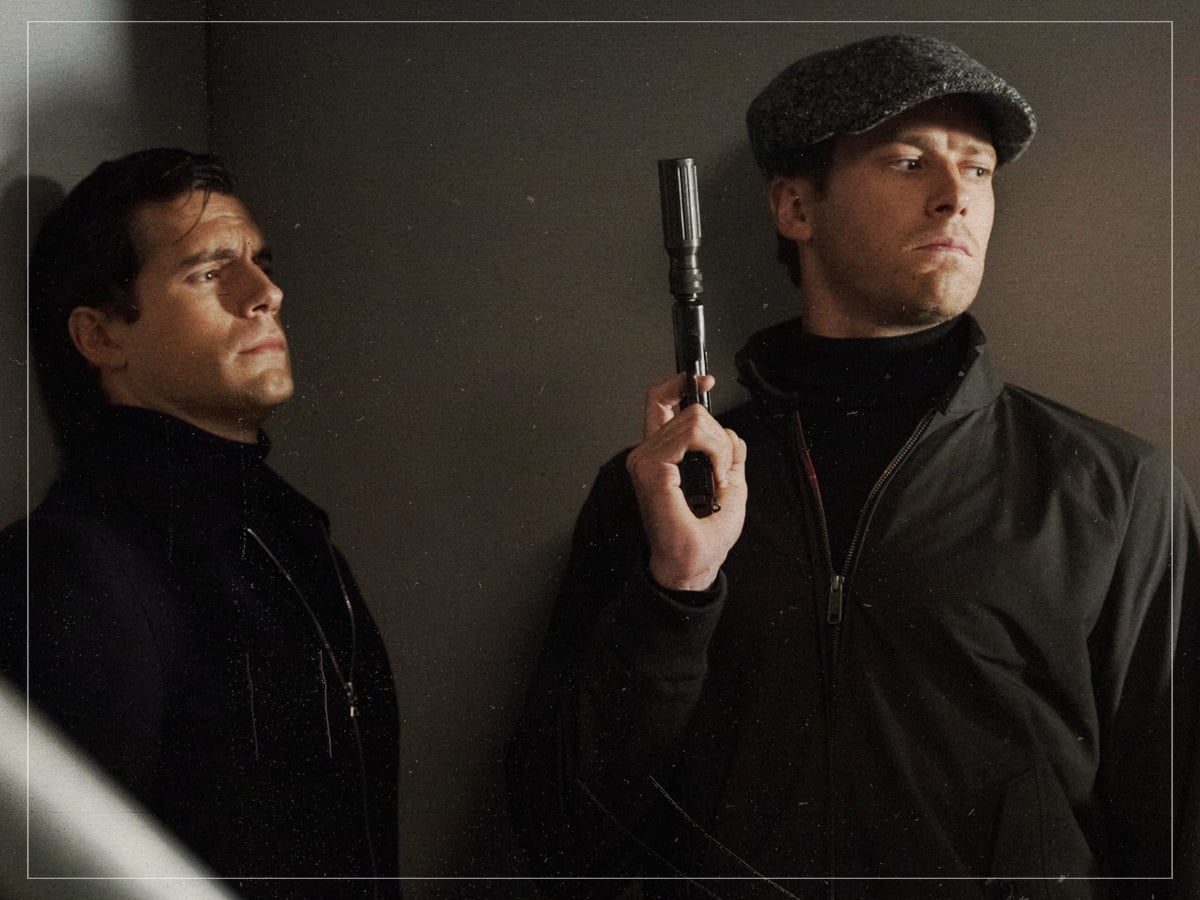
Guy Ritchie had been successful enough making the Sherlock Holmes films that Warner Bros handed him another opportunity to helm a nostalgic franchise with The Man From UNCLE, a Cold War-set spy film based on the television series of the same name.
It’s one of Ritchie’s best films, combining snarky humour, stylised action, fun production design, and Henry Cavill in a genuinely great performance that shows he can be really charismatic if he’s not shackled to the dour tone of Zack Snyder’s DC films.
The film ends with its three heroes being assigned their next mission, but it wasn’t successful enough for a sequel to be made. Even though it has become a bit of a cult classic, the likelihood of a follow-up is even lower now, considering the controversy surrounding Armie Hammer.
‘Masters of the Universe’ (Gary Goddard, 1987)
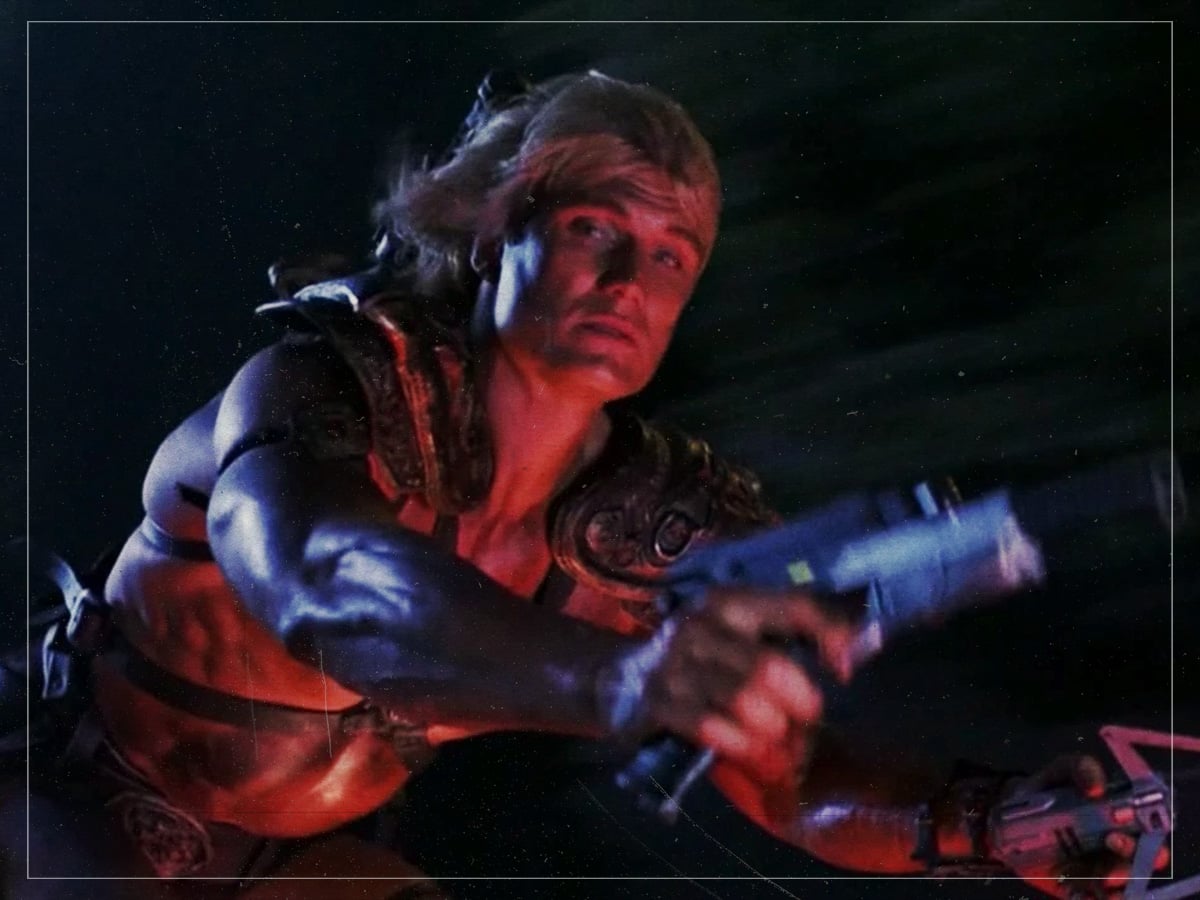
Dolph Lundgren graduated from being the ridiculous villain in Rocky IV to leading his own franchise with Masters of the Universe, which aimed to appeal to the legions of kids who had grown up with the cartoon and toys, but the film was too low-budget to feel like a legitimate fantasy romp in the vein of The Neverending Story or Willow, and it also wasn’t tongue-in-cheek enough to be in on the joke.
The film ended with a teaser that Frank Langella’s Skeletor may stage a surprise return, but Masters of the Universe resulted in no sequel, and the reboot spent decades in development before finally releasing earlier this year. Unfortunately, the poor box office reception to Travis Knight’s reboot has ensured that it’s going to be a long time before anyone takes a chance on a Masters of the Universe film again.
‘Eternals’ (Chloé Zhao, 2021)
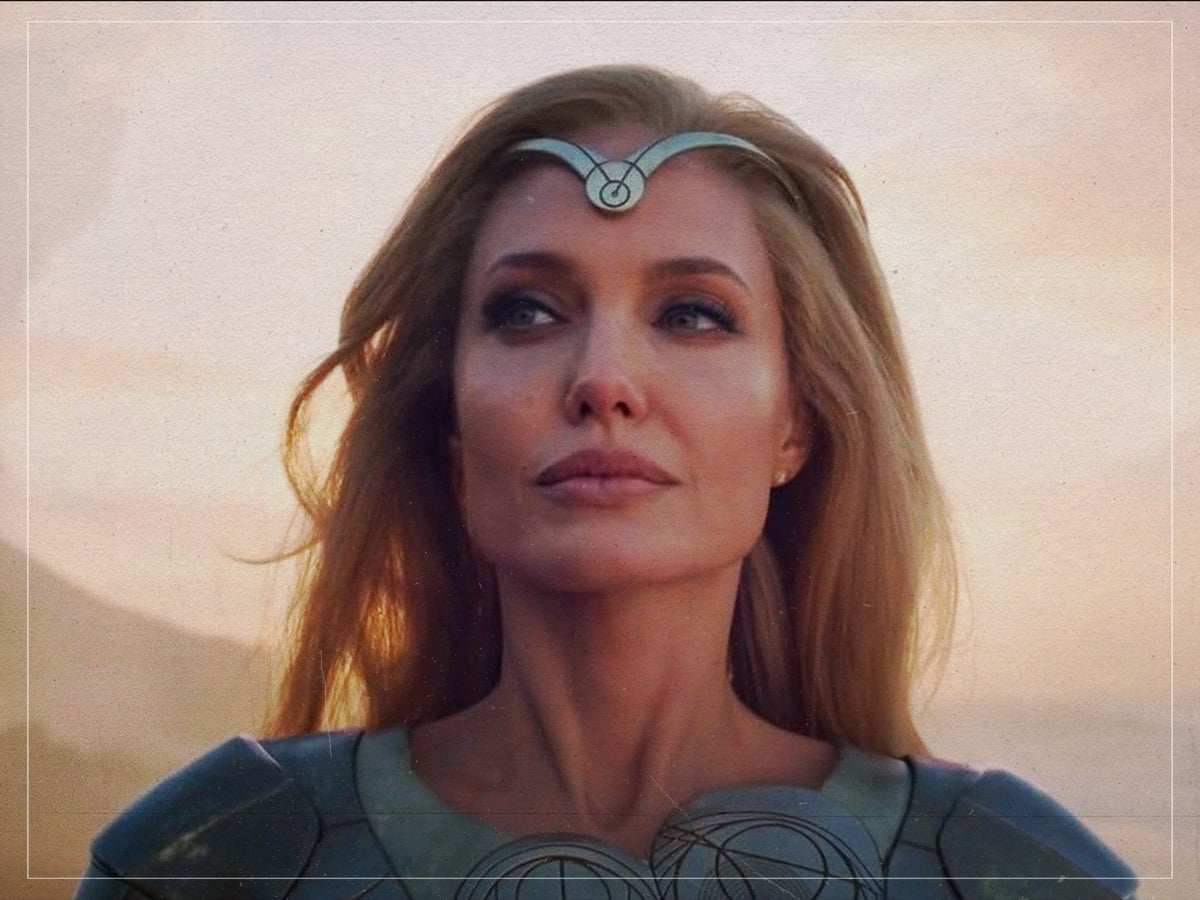
Chloé Zhao directed one of the strangest follow-ups to a ‘Best Picture’ winner ever when she succeeded Nomadland with Eternals, the first instalment in the Marvel Cinematic Universe to be outright panned. Zhao’s style didn’t translate to the universe Kevin Feige had built, as it looked visually ugly and wasn’t able to humanise its godlike characters.
Although every MCU film has some sort of post-credit scene teasing another instalment, Eternals ended with the reveal of an impending landing of a giant alien craft that would theoretically alter the trajectory of the franchise. The low enthusiasm for Eternals has made it feel like a blip, as it has basically been ignored by every other MCU film. The alien craft was dismissed entirely in Captain America: Brave New World, which refused to answer any of the lingering questions brought up in Eternals.
‘The Nice Guys’ (Shane Black, 2016)
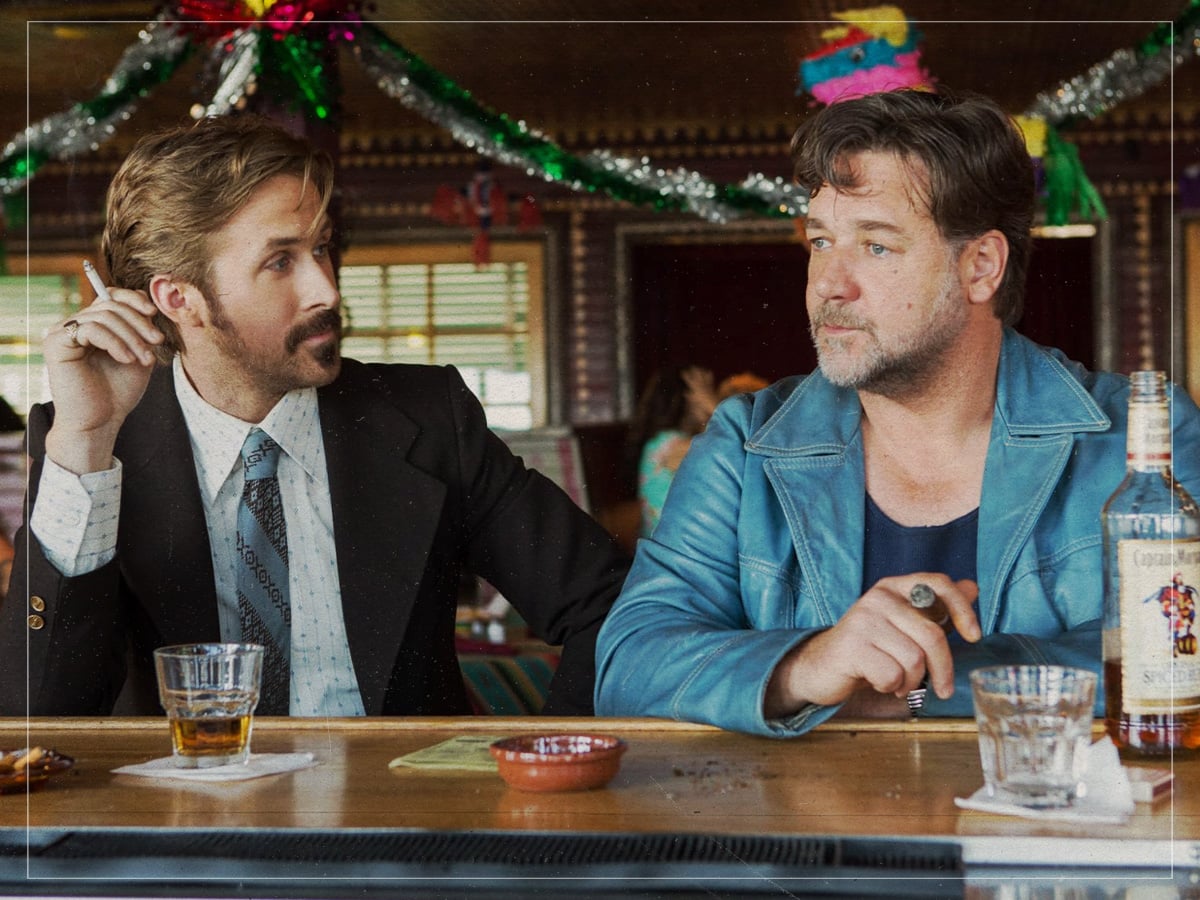
Shane Black has a habit of making great films that underperform, and The Nice Guys is among the funniest, most quotable, and ridiculously entertaining films of the decade. Although it would come as no surprise that the writer of Lethal Weapon would be capable of creating another great buddy cop action comedy, The Nice Guys brought the best out of Ryan Gosling and Russell Crowe, whose chemistry was terrific.
The film ends by setting up the titular ‘nice guys’ setting up their own detective agency, leaving the door open for another case; whether or not they’d be able to get over their bickering to actually work together remained a question for the sequel to answer. That The Nice Guys never became a franchise is a cinematic tragedy, especially since Black, Gosling, and Crowe have continued to express their enthusiasm for it in the decade since.
‘The Three Musketeers’ (Paul WS Anderson, 2011)
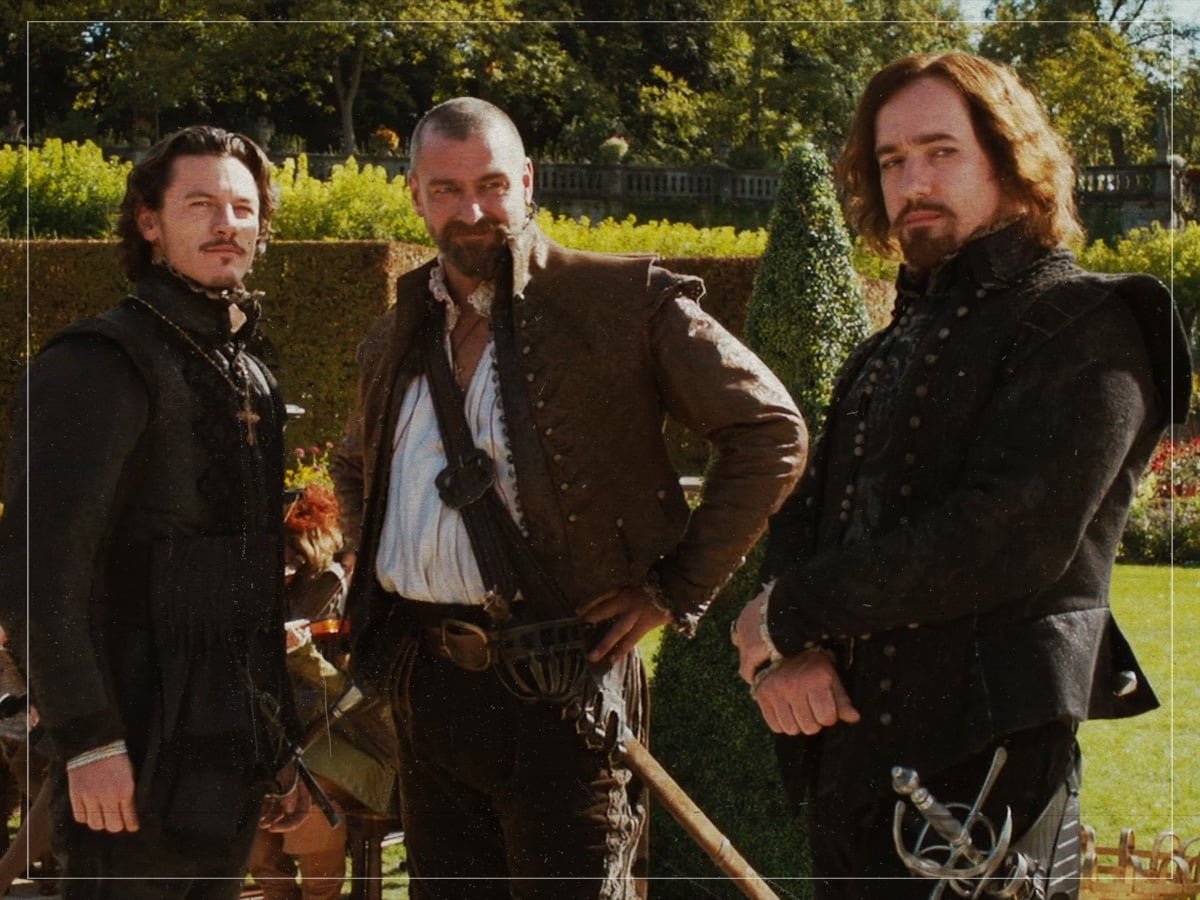
Certain properties that belong to the public domain are bound to get adapted every decade or so, but Resident Evil filmmaker Paul WS Anderson made the weirdest The Three Musketeers film ever with its steampunk design, flying ships, and an over-the-top performance by Orlando Bloom as the sinister Duke of Buckingham.
Although it’s otherwise a fairly faithful adaptation of the original novel by Alexandre Dumas, The Three Musketeers ends by suggesting that Buckingham is preparing an all-out invasion of France, and is joined by Milady de Winter, played by Milla Jovovich.
The Three Musketeers was met with bafflement by the few people who saw it, and it didn’t develop the same cult fandom that the Resident Evil films did. The need for a sequel has been extinguished thanks to the two-part French adaptation of The Three Musketeers, which was a much more acclaimed venture.
‘Doctor Strange in the Multiverse of Madness’ (Sam Raimi, 2022)
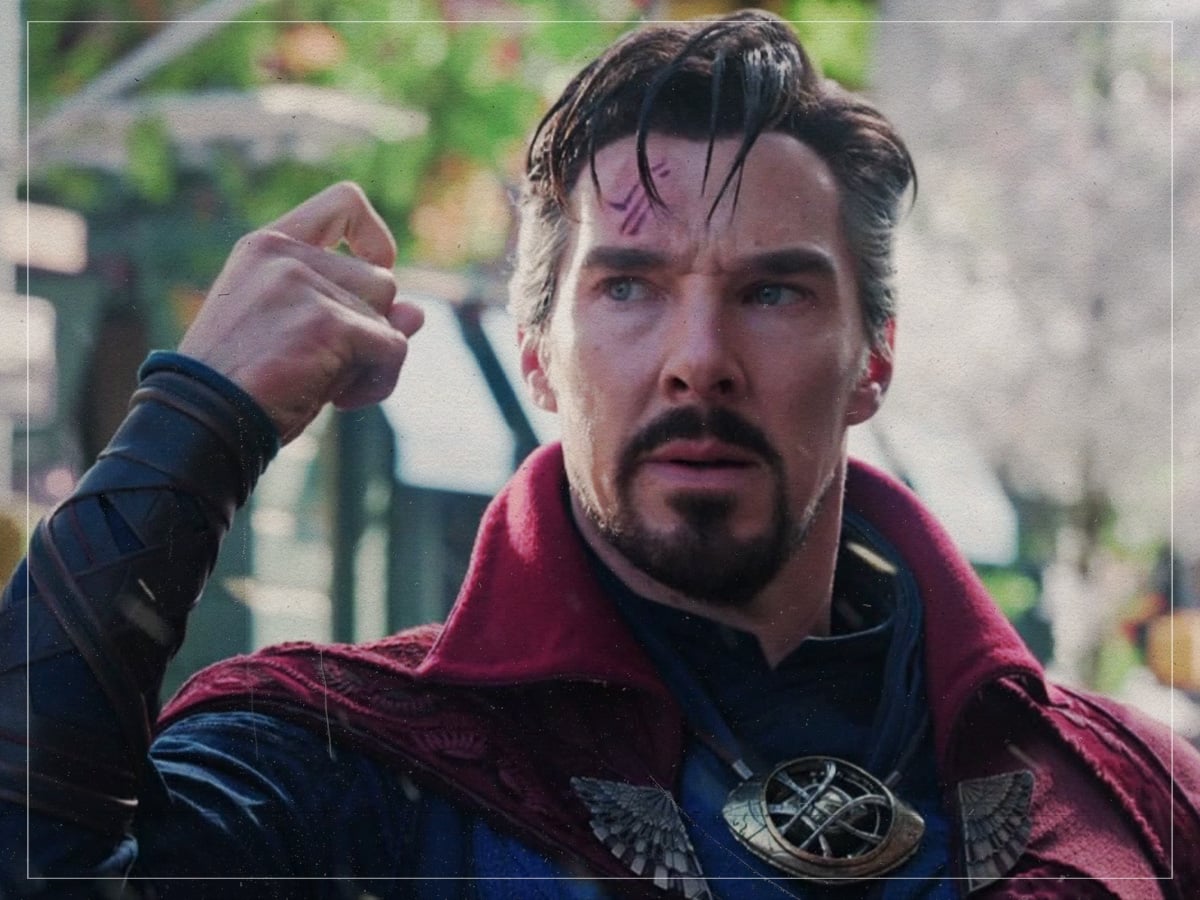
Sam Raimi deserves credit for turning Doctor Strange in the Multiverse of Madness into a far more interesting sequel than it had any right to be. While Marvel Studios clearly wanted the film to serve as an introduction to the further extent of the multiverse (evidenced by the sheer number of cameos), Raimi was able to insert some goofy horror shenanigans that felt like a throwback to his early work.
Despite the fact that the film made almost $1billion, benefitting from the appearance of Benedict Cumberbatch’s Stephen Strange in the massive hit Spider-Man: No Way Home, it has a baffling post-credit scene that reveals Charlize Theron as the character Clea. Theron is a massive star who seemed to show interest in joining the MCU in a recurring role, but she hasn’t been mentioned since, and there’s been no confirmation of a third Doctor Strange.
‘Hellboy II: The Golden Army’ (Guillermo del Toro, 2008)
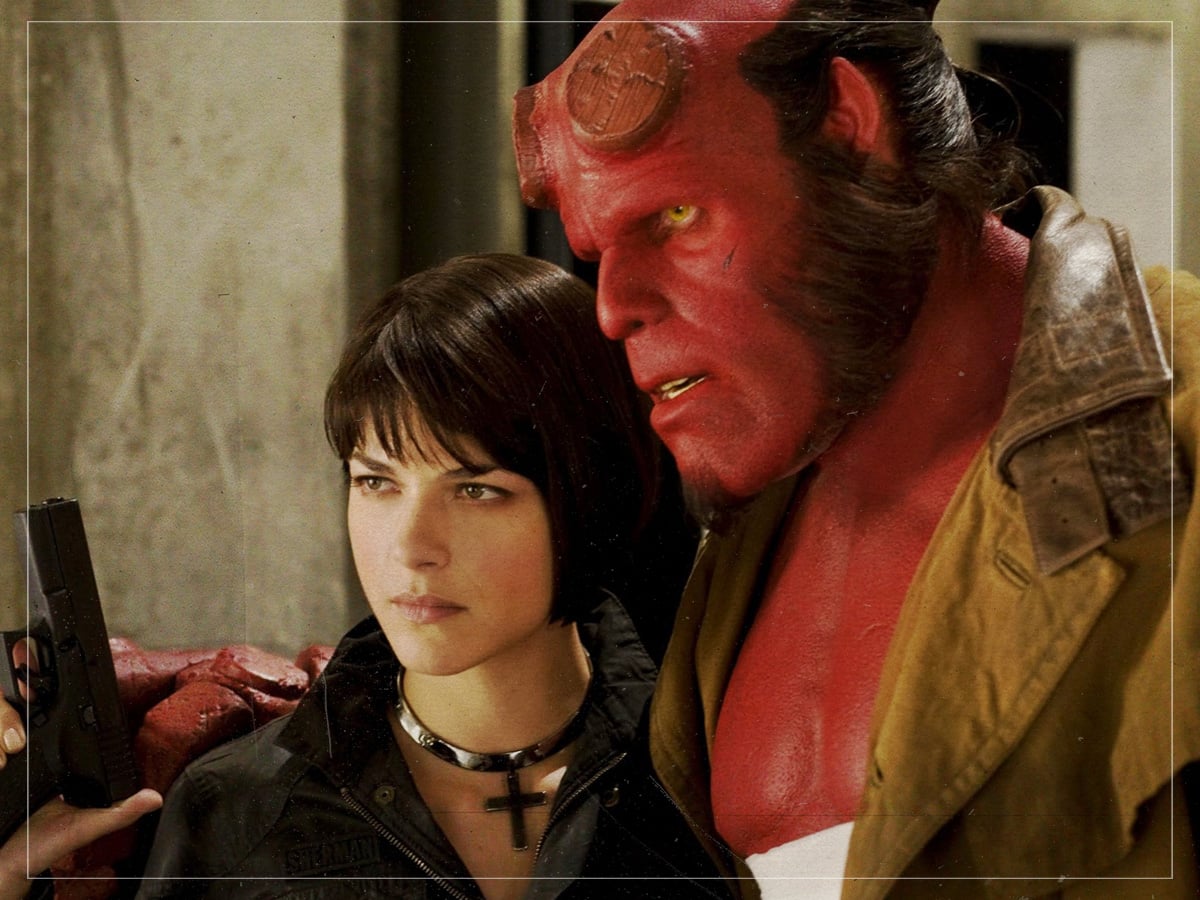
Guillermo del Toro poured his heart into making an adaptation of Mike Mignola’s Dark Horse comic book series Hellboy, and managed to add as many practical effects and gothic horror to the PG-13 adaptation as possible. Del Toro turned down other promising projects out of loyalty to Hellboy and made a terrific sequel in Hellboy II: The Golden Army, which ended by teasing that the titular character (played perfectly by Ron Perlman) was expecting a child.
The critical enthusiasm for Hellboy II: The Golden Army wasn’t enough to make it profitable, and Lionsgate decided to abandon del Toro’s concepts for a trilogy by making an R-rated reboot with David Harbour in the role. It was a flop that proved that del Toro was more important than the rating, but Lionsgate has only doubled down with several subsequent attempts to reboot the series.
‘Master and Commander: Far Side of the World’ (Peter Weir, 2003)
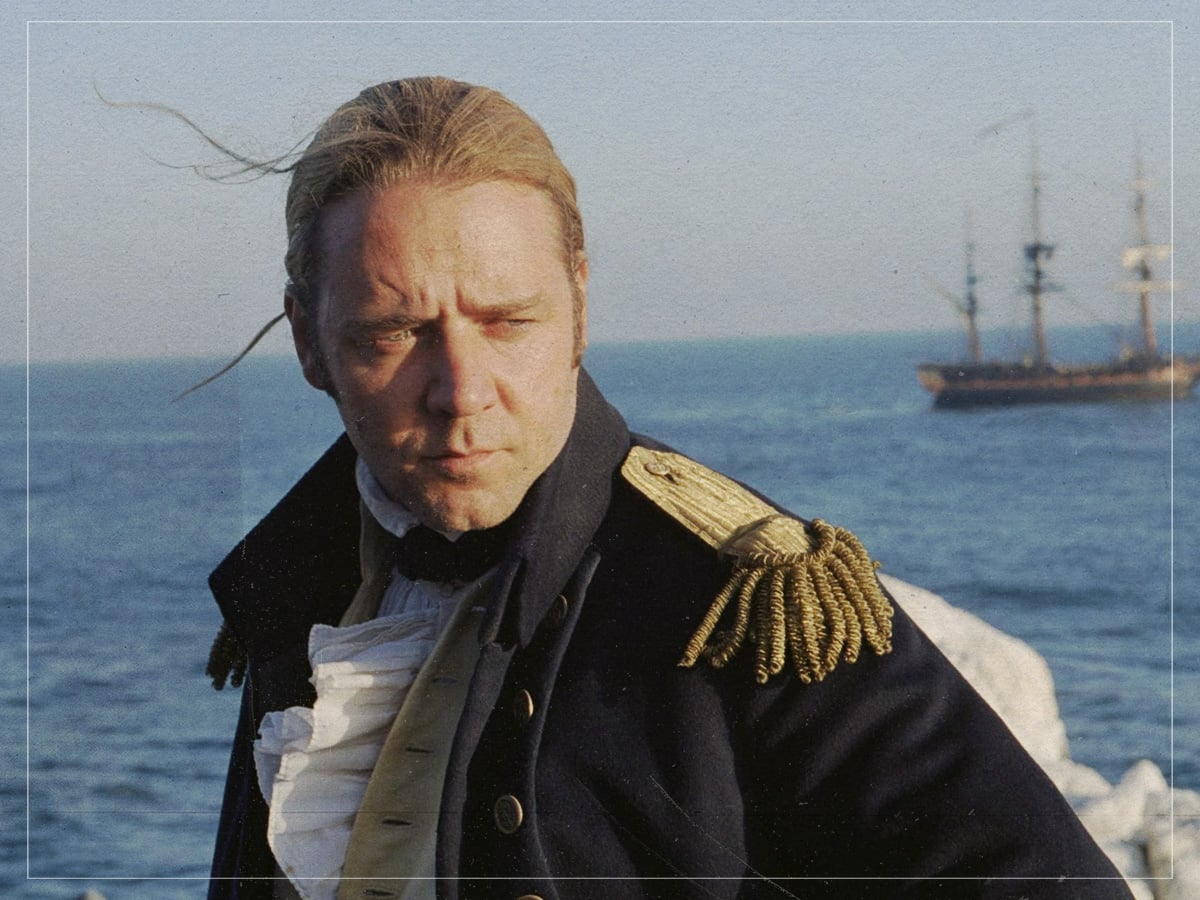
Peter Weir has always been respected as a master filmmaker, but Master and Commander: Far Side of the World was by far his most ambitious film to date, given how nuanced the source material was and how demanding it would be to attain historical accuracy. It is a masterpiece that showed that Russell Crowe was born to play Aubrey, and the film ends with an exciting tease that the Surprise would be in pursuit of the ship Acheron after the crew’s adventure in the Galápagos.
Despite being nominated for ten Oscars (winning two), Master and Commander: Far Side of the World was so expensive that plans for a sequel were ignored. Weir would only direct one more film with the World War II drama The Way Back, and has since seemed to confirm his retirement from filmmaking.
‘Morbius’ (Daniel Espinosa, 2022)
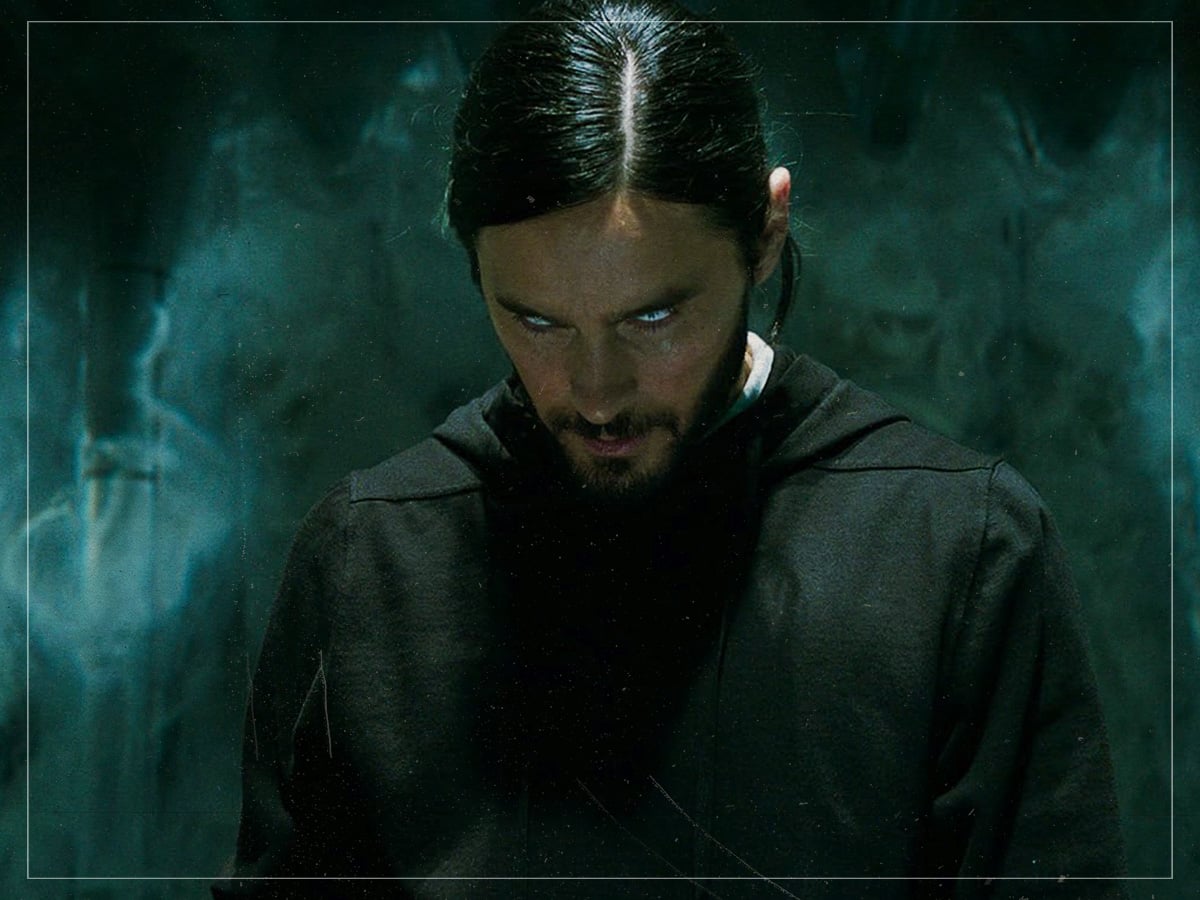
Jared Leto has had many embarrassing moments in which his ridiculous ego has been exposed, but Morbius might be the most damning example of how toxic his reputation has become. The film was developed as part of Sony’s standalone Marvel universe, which consisted of Spider-Man villains and anti-heroes, and was pushed back several times due to reshoots and Covid-19 delays.
The film’s post-credit scene involved Dr Michael Morbius crossing paths with Michael Keaton’s Adrien Toomes, the supervillain known as the ‘Vulture’ from the MCU film Spider-Man: Homecoming; amusingly, Sony was so desperate to get audiences interested that they spoiled the post-credit scene in the film’s trailer. It still didn’t lead to any further crossovers between Sony’s universe and the MCU, as the franchise was retired after Morbius, Madame Web, and Kraven the Hunter were all massive critical and commercial failures.
