


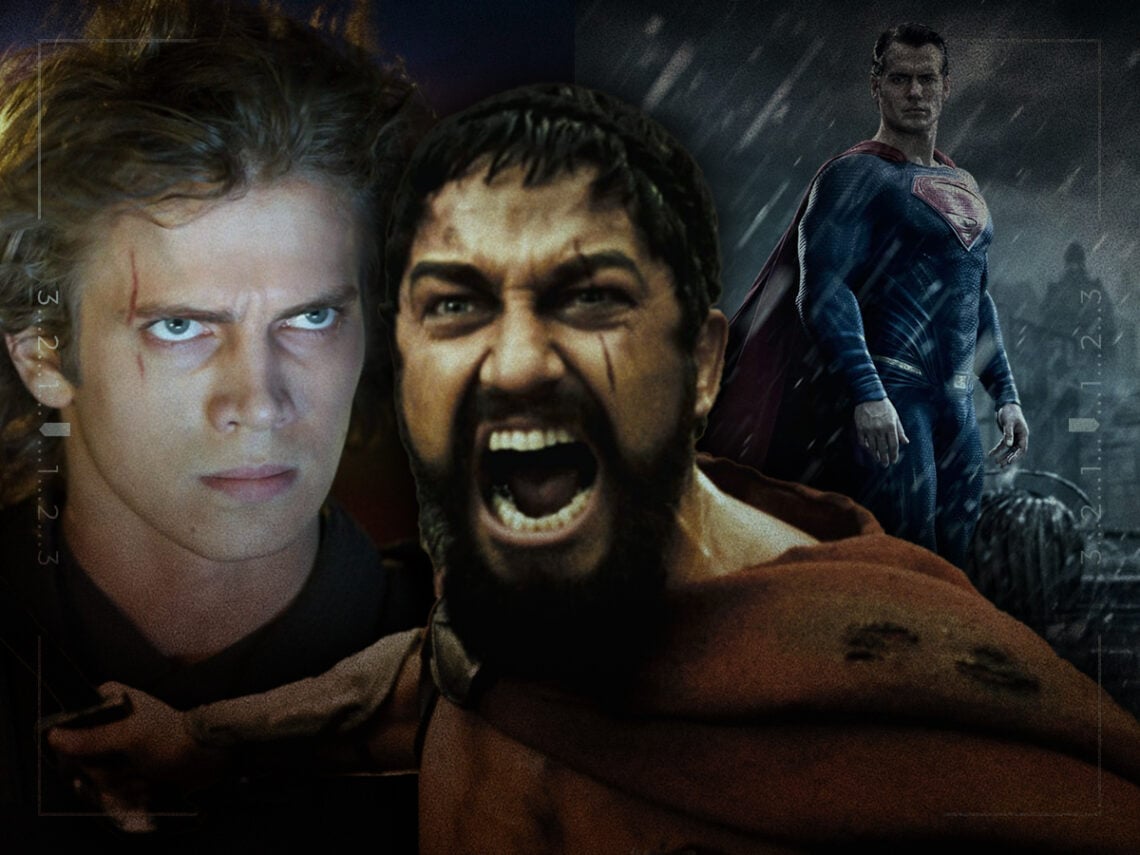
10 iconic movie lines that have aged horrendously

Dialogue is often what ends up being the most memorable aspect of a film, for better or worse.
Cinema is a medium that combines multiple senses, as it is an experience that must be enthralling with both visuals and sound. However, lines of dialogue that stand the test of time are essential to minting a film’s place within popular culture. “Here’s looking at you, kid”, or “May the force be with you” are memorable moments of dialogue that are recognised by nearly everyone, regardless of whether they have seen Casablanca and Star Wars, respectively.
There are certain lines that have resonated to the point that they take on a whole different life that goes beyond the film itself, which helps cinema immerse itself within language. However, not every line that has a significant impact is necessarily successful within the context of the film itself. Often, lines age so poorly that it can be difficult to understand why they were so iconic in the first place.
When looking back at the films that won Academy Awards or topped the box office years ago, it can be strange to evaluate how significant audiences’ tastes have become. While cinema has regressed in many ways, and might be worse today than it has ever been before in history, there are some lines that are better left in the past.
10 iconic movie lines that have aged like milk:
‘Love Story’ (Arthur Hiller, 1970)
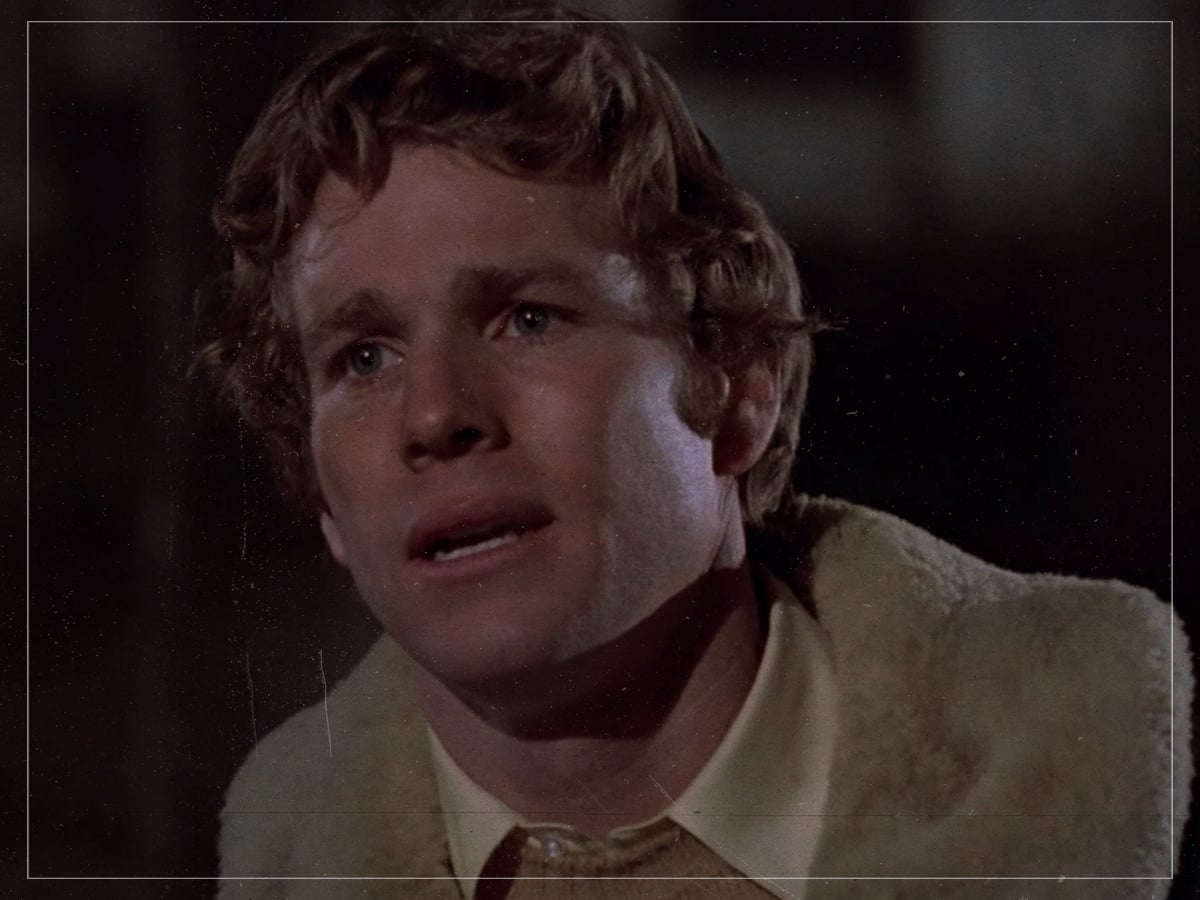
“Love means not ever having to say you’re sorry”.
Romance films hit an apex in popularity in 1970 with Love Story, a coming-of-age drama about a wealthy young man, played by Ryan O’Neal, who falls in love with a classmate, played by Ali McGraw, while they are both in college. Love Story predates the romantic comedies of the next several decades, and was a massive hit during its initial release that topped the year’s box office and received several Oscar nominations.
However, the film hasn’t held up very well at all because of its pedantic, regressive look at affection, which suggests that the characters don’t have to admit fault to one another. It’s not only a bad message that was misconstrued as a sincere proclamation of affection, but a deeply melodramatic line of dialogue that strains the credibility of Love Story as a film that was intended to honestly reflect the romance of the era.
‘Sixteen Candles’ (John Hughes, 1984)
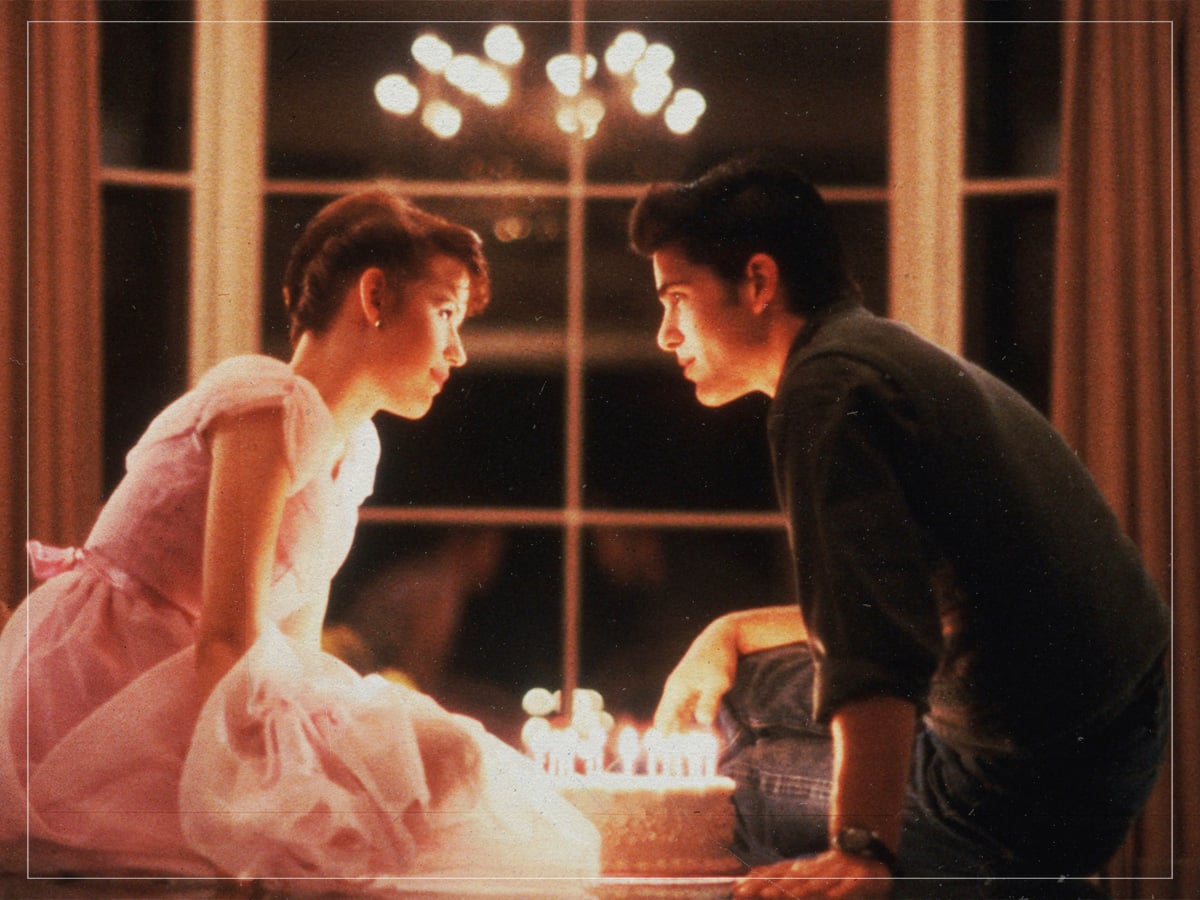
“She’s so blitzed she won’t know the difference”.
John Hughes has had a tremendous impact on the birth of coming-of-age films and is responsible for writing some of the funniest, most accurate stories about high school ever.
While films like The Breakfast Club and Ferris Bueller’s Day Off have aged rather gracefully because of how empathetic they are towards all the characters, Sixteen Candles is rife with language and comedy that is simply mean-spirited and nasty. The most egregious moment comes when Jake Ryan, played by Michael Schoeffling, suggests that anyone at a party could take advantage of his intoxicated girlfriend, Caroline, played by Haviland Morris.
It’s not the only instance of jokes about sexual harassment popping up in Hughes’ films, but it still stands out because Jake is still framed to be one of the film’s heroes; nothing he says ends up preventing Molly Ringwald’s Sam from falling deeper in love with him, as their connection at the conclusion of the film it framed as being a happy ending.
‘Forrest Gump’ (Robert Zemeckis, 1994)
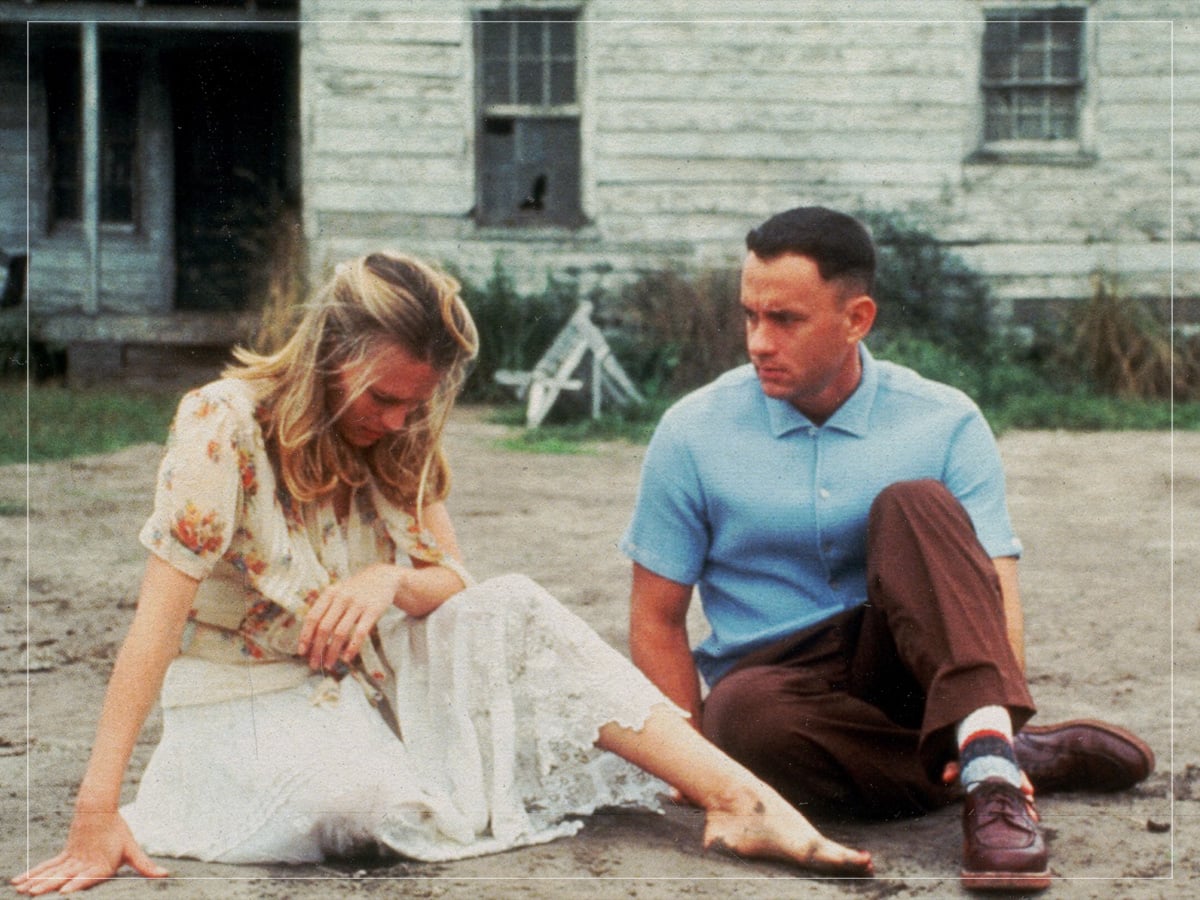
“Mama always said, ‘Life is like a bunch of chocolates, you never know what you’re gonna get’”.
Tom Hanks is perhaps the only actor who could have pulled off being the star of Forrest Gump, even though it was offered to John Travolta and Bill Murray.
Although it would have been very easy for the film to come across as incredibly offensive, Hanks made the titular character a lovable person, even when the script came up short. Forrest Gump’s most famous line comes from the strangest segment of the film, which is when Forrest is explaining his life’s story to a group of strangers as he waits at the bus stop.
The line comparing life to “a bunch of chocolates” is a strange comparison when considering that most chocolate boxes have some sort of labels, and it’s even weirder that this is the only thing that Forrest remembers, considering that his mother has much more profound advice that she offers.
‘Star Wars: Episode III – Revenge of the Sith’ (George Lucas, 2005)
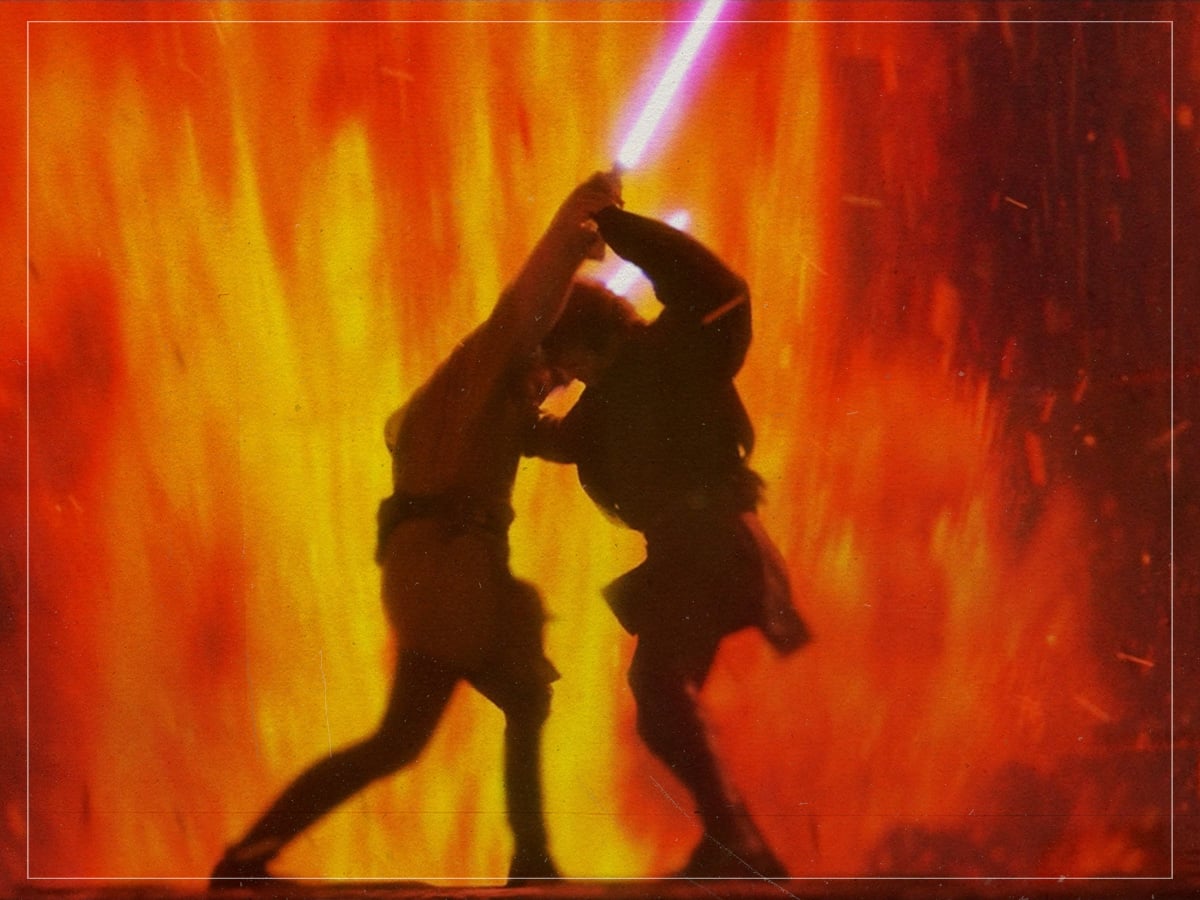
“You’re either with me, or you’re my enemy!”
Star Wars isn’t necessarily a franchise that is known for its dialogue, as George Lucas’ prequel trilogy is particularly notable for terrible lines. Hayden Christensen’s Anakin Skywalker has an atrocious monologue in Star Wars: Episode II – Attack of the Clones when he discusses his hatred of sand with Natalie Portman’s Padme Amidala, but that is at least explainable with the fact that he is a teenager who doesn’t know how to express his feelings.
However, it is in Star Wars: Episode III – Revenge of the Sith that the more confusing line comes to the fore, where Anakin declares to Obi-Wan Kenobi, played by Ewan McGregor, that “you’re either with me, or you’re my enemy”, to which his Jedi Master responds, “Only a Sith deals in absolutes”, seemingly in contradiction of the advice of “Do or do not do, there is no try” that Frank Oz’s Yoda delivers in The Empire Strikes Back, thereby sticking out like a sore thumb.
‘Hard to Kill’ (Bruce Malmuth, 1990)
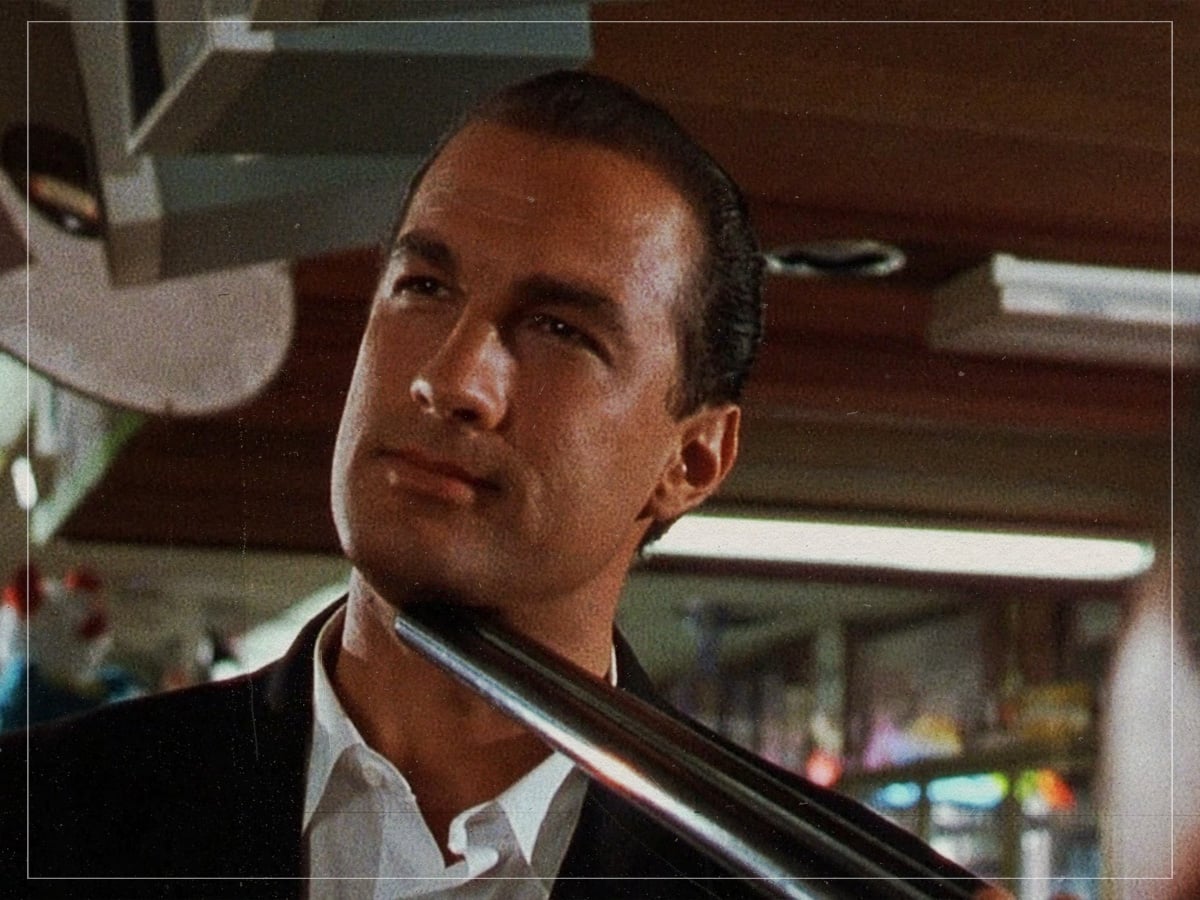
“I’m gonna take you to the bank, Senator Trent. To the blood bank”.
Steven Seagal is the king of bad movies, as there isn’t another Hollywood actor who has quite as terrible a track record. While Hard to Kill is one of the more enjoyably bad Seagal films because of how ridiculous it is, it was awkward for any moment in which he tried to give a one-liner; unlike other action stars of the era, such as Arnold Schwarzenegger or Bruce Willis, the man does not have an iota of comedic timing.
What’s most disappointing is that Hard to Kill actually could have been a decent exploitation thriller, given that director Bruce Malmuth had previously helmed the underrated cop drama Nighthawks, which starred Sylvester Stallone. The latter actually might have been able to make the cheesy lines in Hard to Kill work, as he has the charisma and self-awareness that are entirely absent from Segal’s body of work.
‘Jurassic World’ (Colin Trevorrow, 2015)
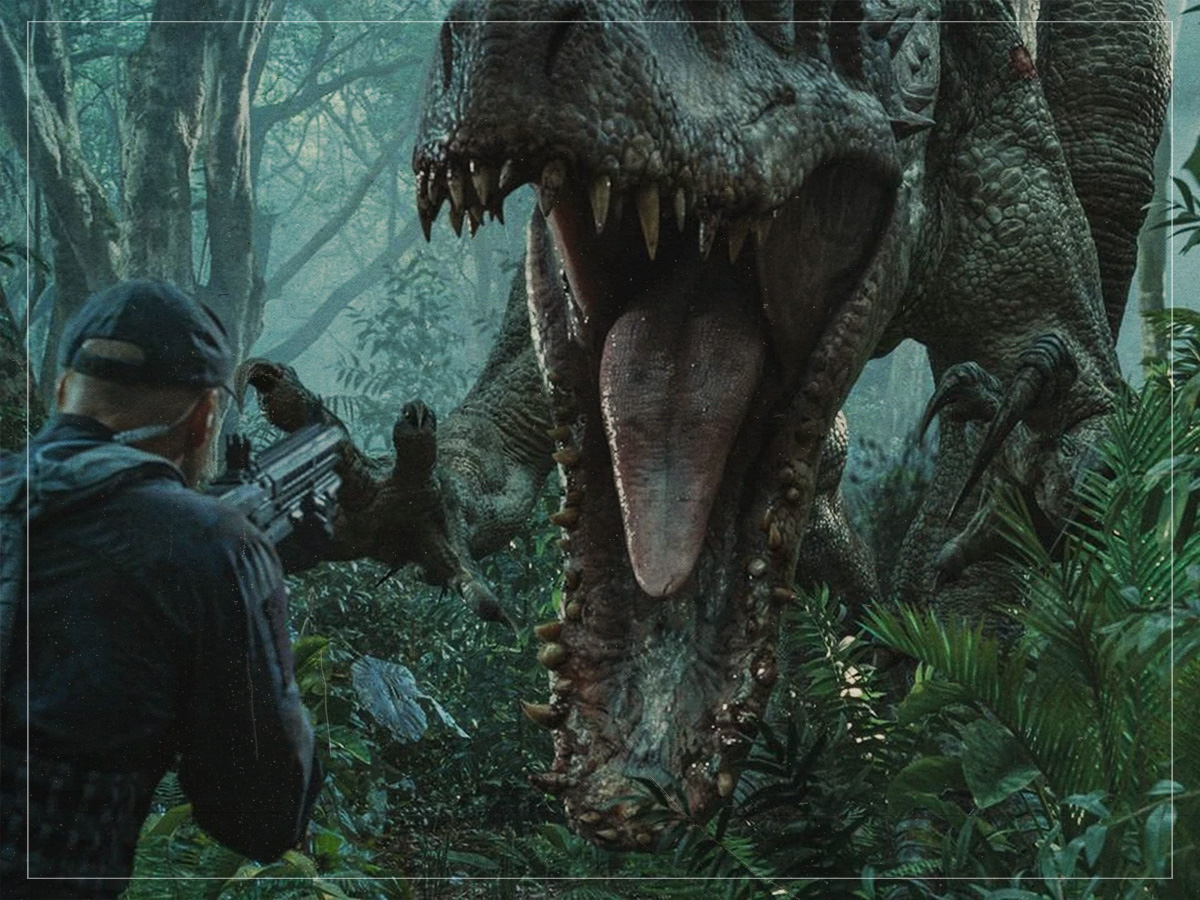
“They can camouflage!”
Jurassic Park might be the best film to have the most terrible sequels, as every single follow-up to Steven Spielberg’s 1993 classic has failed to recapture the magic of the original, and the biggest mistake Jurassic World makes is trying to augment the dinosaurs with extra abilities. Dinosaurs alone are exciting enough, and adding more science fiction elements makes them less interesting and more convoluted to grasp.
Jurassic World writes itself into circles so that the dinosaurs can keep developing new abilities that allow the film to keep moving forward, but the notion that they would be able to camouflage is so ridiculous that it shatters any semblance of logic in the film altogether. The original film had characters like Ian Malcolm, played to an icon by Jeff Goldblum, who could speak to the science involved in cloning extinct creatures, making the pseudo-science in Jurassic World even more egregious.
‘The Postman’ (Kevin Costner, 1997)
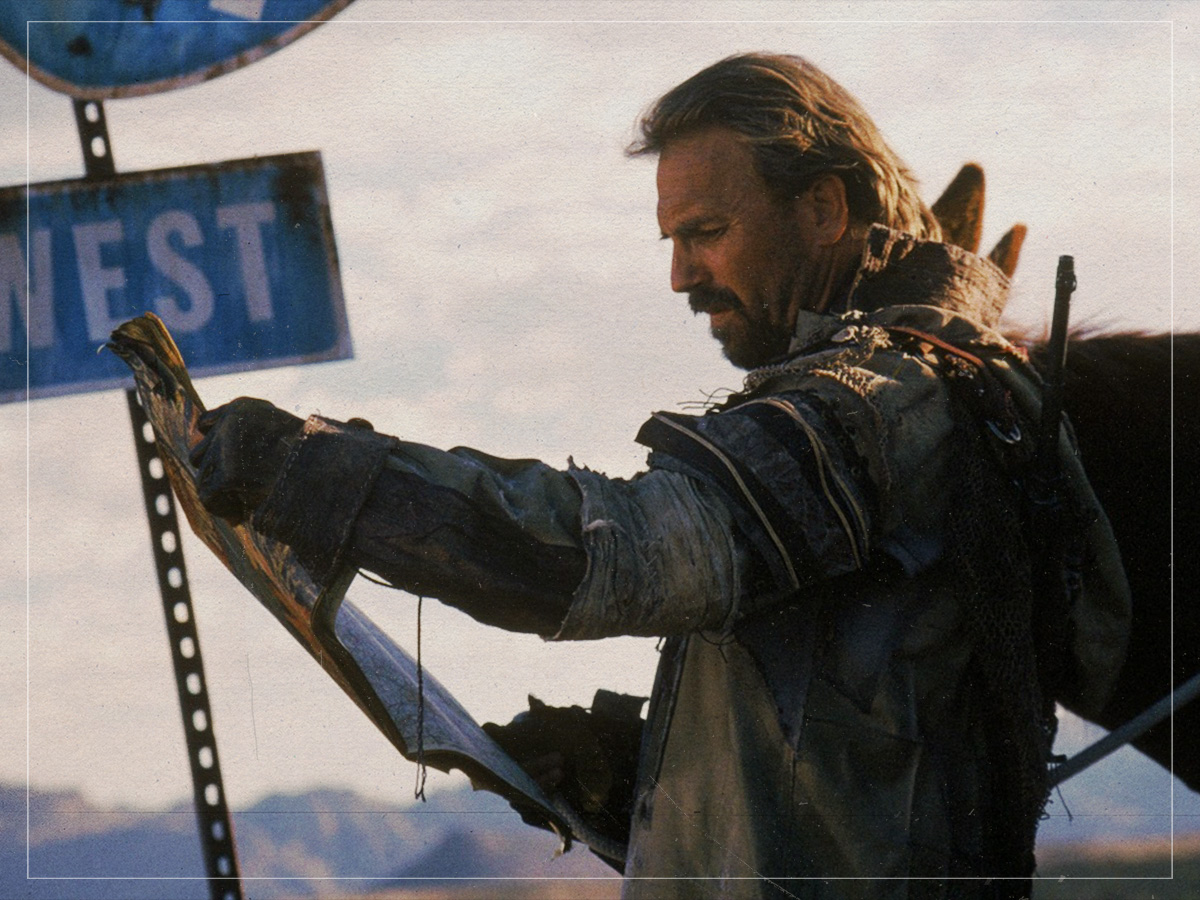
“No, I’m just the Postman”.
Kevin Costner had a fascinating career arc in the ‘90s, as he followed an unprecedented level of success with some of the biggest flops of all-time. He had won the Academy Awards for ‘Best Picture’ and ‘Best Director’ for his debut film, Dances With Wolves, but his follow-up, The Postman, was a disastrous box office disappointment that earned him the Razzie Awards for ‘Worst Picture’ and ‘Worst Director’.
The Postman almost seems like a parody of a post-apocalyptic story, as it stars Costner as a criminal who pretends to be a mailman, only to become a serious proponent of the postal service. His strangely deflating line about being a postman isn’t just a hilarious case of impromptu self-importance, but yet another sign of Costner’s inability to direct himself in a film without it being a massive embodiment of his ego.
‘Star Wars: The Rise of Skywalker’ (JJ Abrams, 2019)
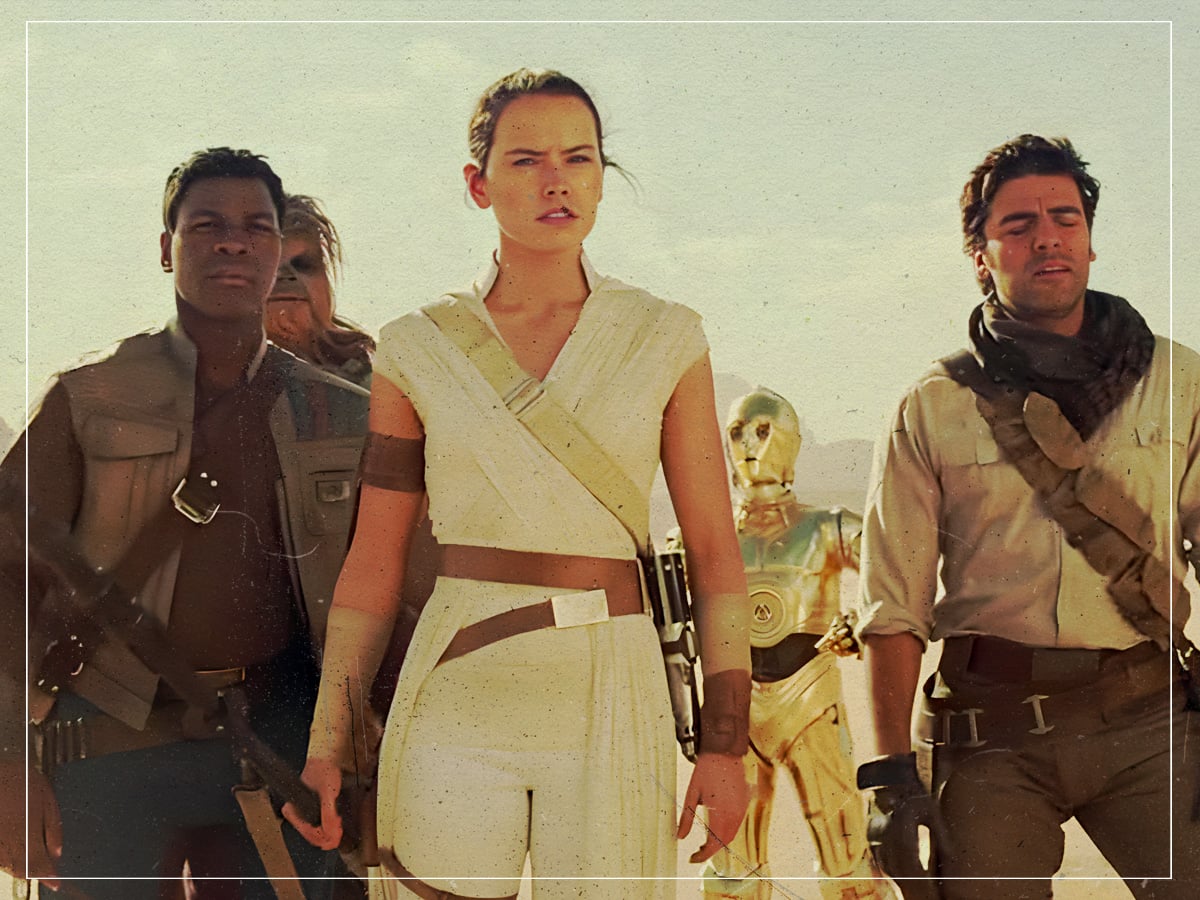
“Somehow, Palpatine returned”.
Disney had been on a successful streak with the first two entries in the Star Wars sequel trilogy, but the conclusion to the ‘Skywalker Saga’ ended in a disastrous manner because it rushed its release date, changed its creative team, and needlessly pandered to toxic fans. Poe Dameron, played by Oscar Isaac, is tasked with explaining how Ian McDiarmid’s Emperor Palpatine survived to become the new villain, despite very obviously dying in Return of the Jedi, which was an unfortunate moment for Isaac, whose infinite charisma wasn’t enough to save it from being mocked.
The line sticks out because of how awkwardly last-minute the plotline was, given that it was not alluded to at all in the first two entries in the trilogy, and, most egregiously, it also undercuts Darth Vader’s sacrifice in Return of the Jedi, which now means less because of Palpatine surviving the destruction of the second Death Star.
‘300’ (Zack Snyder, 2007)
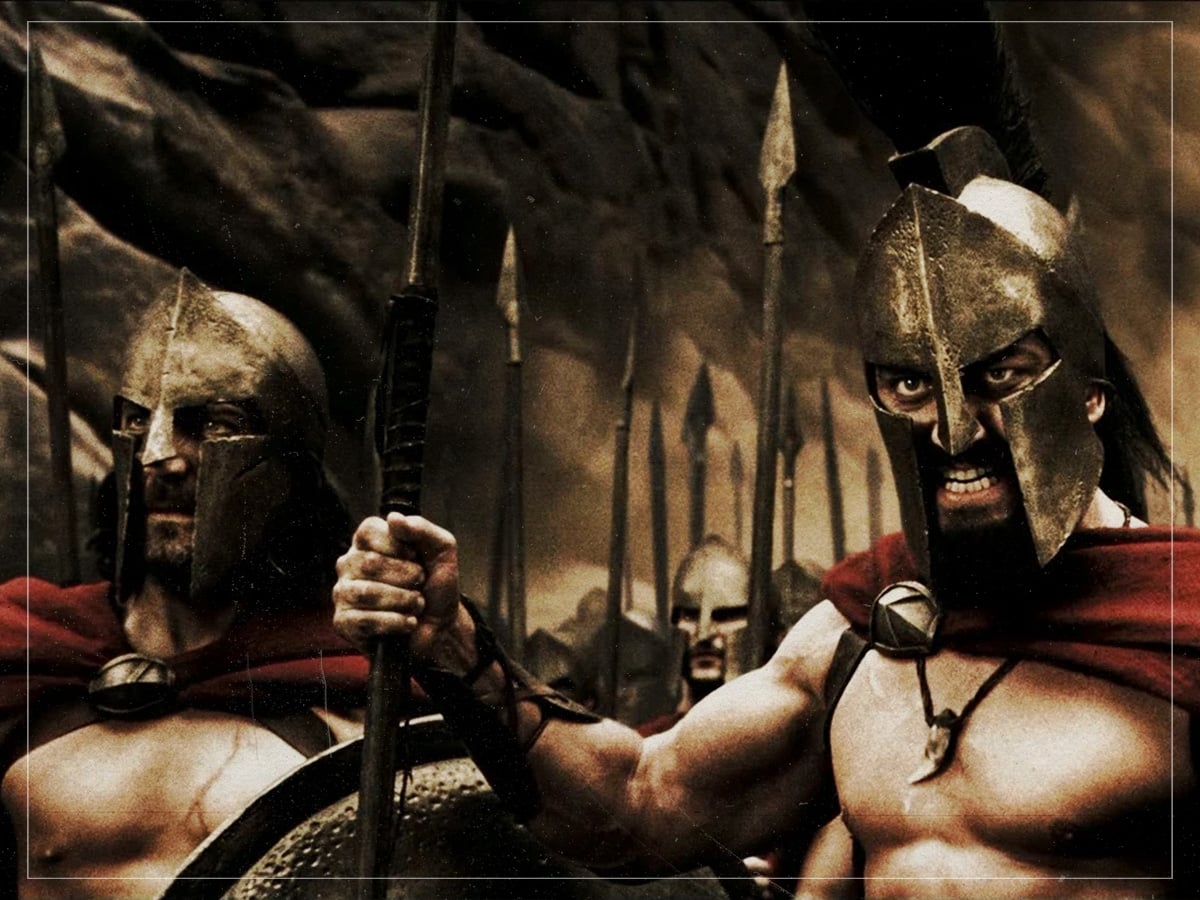
“Spartans! Ready your breakfast and eat hearty. For tonight, we dine in hell!”
Zack Snyder was initially thought to be a promising filmmaker based on his debut film Dawn of the Dead, but the remake had the distinction of being written by James Gunn. Any film that Snyder has had a hand in writing is filled with masochistic dialogue that doesn’t actually make sense when approached logically, and 300 was the first to prove that he rarely thought through the material that he was tasked with adapting.
300 simultaneously depicts the Spartans as xenophobic, psychopathic crusaders and cool action heroes, which is epitomised by the line about going to “dine in hell”. Although nearly everything about Leonidas has been parodied to some extent over the years because of how over-the-top Gerard Butler’s performance was, he can’t be blamed for having to turn a real-life pillar of fascism into the lead of a summer blockbuster aimed at teenagers.
‘Batman v Superman: Dawn of Justice’ (Zack Snyder, 2016)
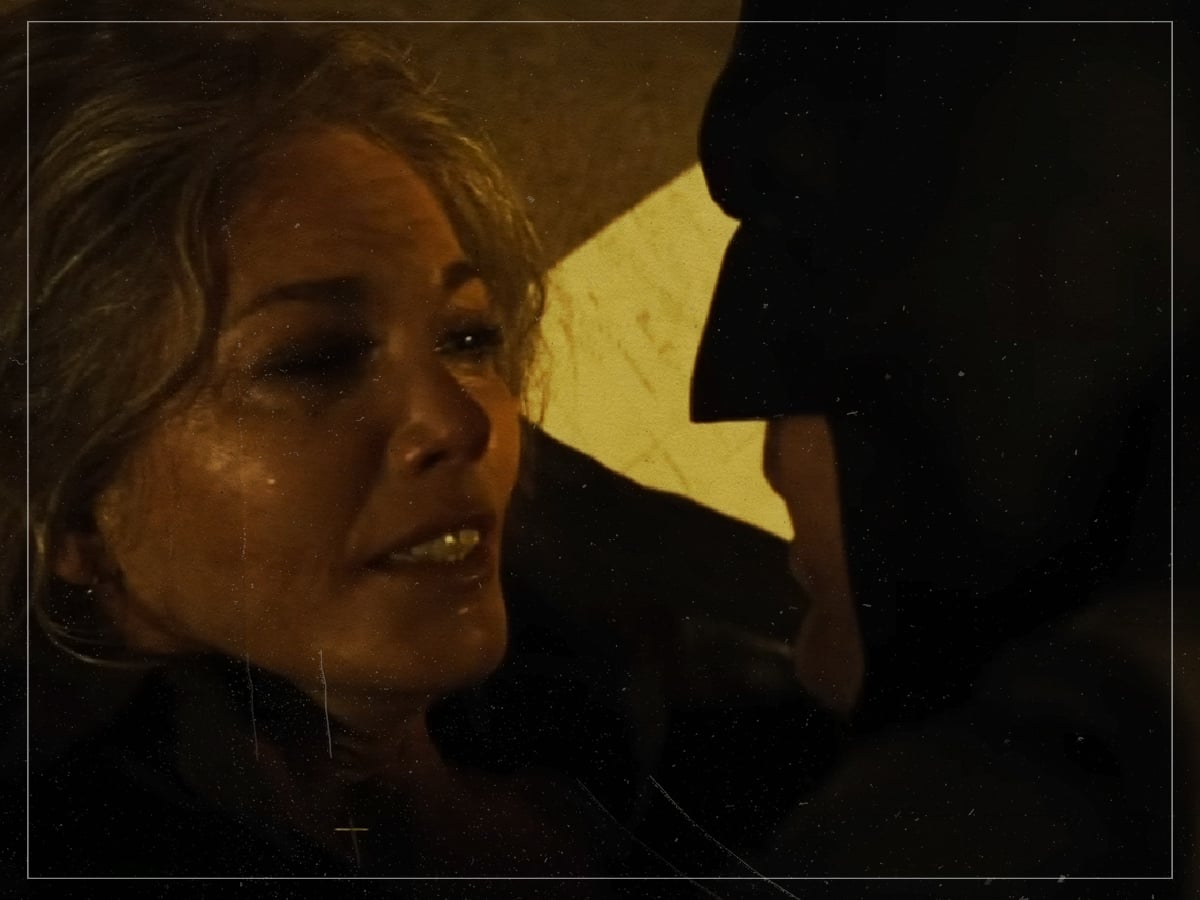
“Save Martha!”
Superman is a character that has been notoriously tough to crack, given that it is hard to empathise with an all-powerful alien from a different planet, which is why many actors have turned down the role over the years, with Henry Cavill saddled with playing a psychopathic, murderous version in the DC Extended Universe.
There aren’t many scenes in recent film history that have been mocked as often as the moment in Batman v Superman: Dawn of Justice when Superman and Bruce Wayne, played by Ben Affleck, realise that their mothers have the same name. While it may have been a sincere attempt to show that Superman has human parents and is thus not the monster that Batman thinks he is, it makes no sense why he would refer to his adopted mother by her first name.
