


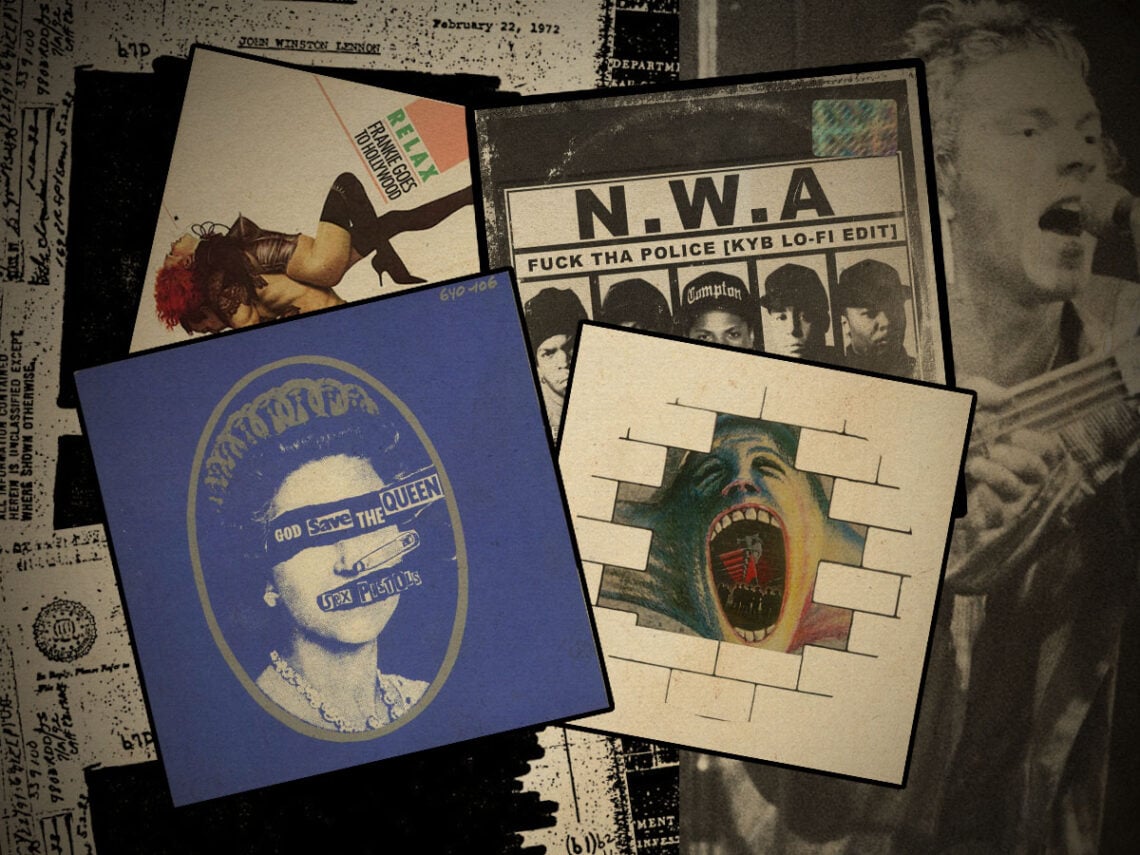
10 classic songs that governments tried to erase from history

When Jack Black told a classroom of fictional kids that good rock music was about ‘Sticking it to the man!’, it wasn’t for comedic effect.
Sure, his gargling tone may have made it seem so, but the reality was far from it, for true art is about resistance through expression, no matter how hard the circumstances are. Perhaps the biggest circumstance of resistance is that of a state.
A nation throwing the entire book at you, in a means of silencing your truth, is perhaps the biggest threat any musician faces, but at the same time, the most opportune one. Because there will be an acute awareness that, within their silencing, is an acknowledgement that something in their music is striking a truthful chord.
As governments blocked the channels of radio airwaves and live performances, the songs grew stronger elsewhere, in the communities of subcultures who are quietly resisting against social norms.
Some songs, however, are rightly censored or banned for their heinous sentiment has no place in a liberal artistic society, but in this top ten list of songs that have fought the law, who desperately tried to erase their existence from history, there are no moments of artistic misguidance, no musicians abusing their power as performers but instead using it to strike a much needed chord of social change.
10 classic songs that governments tried to erase from history:
‘My Generation’ – The Who

If we think we’ve got it bad now, with boomers telling us to spare ourselves of avocado toast in the hopes of buying a house, then we haven’t quite considered the fact that The Who’s mildly provocative hit ‘My Generation’ was censored by the BBC for featuring the lyric “hope I die before I get old”.
One wonders just how PC the post-war parents were that they clutched their pearls at the mere thought of their children questioning their own existentialism. Regardless, the BBC eventually budged and lifted the censor, so long as the band altered or censored the lyrics for any version broadcasted on their airwaves.
‘Let’s Spend The Night Together’ – The Rolling Stones

The Rolling Stones have featured regularly in the history books of government censorship, for they simply could not help themselves from singing about sex, but while ministers of domestic soils simply shook their head at the bands mischief on ‘Let’s Spend The Night Together’, China outrightly censored the song, for its lyrics expressing a desire for a romantic and intimate encounter, was in fact objectionable to the the context of Chinese standards at the time.
While it wasn’t censored here in the UK, it did face controversy for simply climbing up the charts, which Mick Jagger has always contested. “I always say ‘Let’s spend the night together’ to any young lady I’m taking out,” he explained after the song was released.
Adding, “If people have warped, twisted, dirty minds, I suppose it could have sexual overtones. Actually, the song isn’t very rude. When you hear it, you’ll realise this. There are a few slightly rude bits, but I’ve covered them up.”
‘Louie Louie’ – The Kingsmen
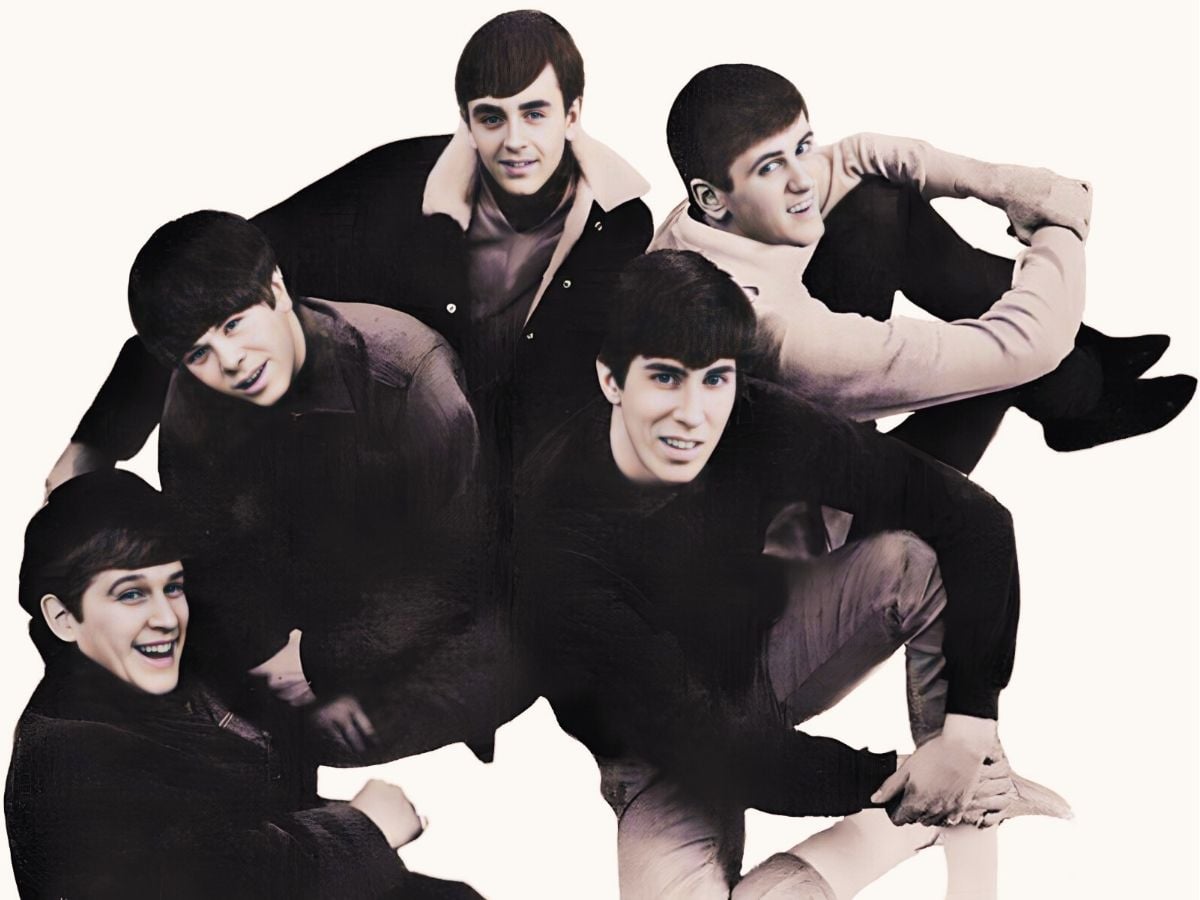
Despite just how memorable the riff from The Kingsmen’s ‘Louie Louie’ was, the lyrics were somewhat discernible for fans in the 1960s. Determined to continue enjoying the track, fans began to sing their own lyrics to the song that deviated far from the original and essentially became a lot dirtier than them, too.
After Indiana Governor Matthew Welsh banned the song in early 1964, the FBI conducted a whopping two-year investigation into the track before ultimately breaking through the muffled vocal take of Jack Ely to prove that the song wasn’t even provocative at all.
‘Lola’ – The Kinks
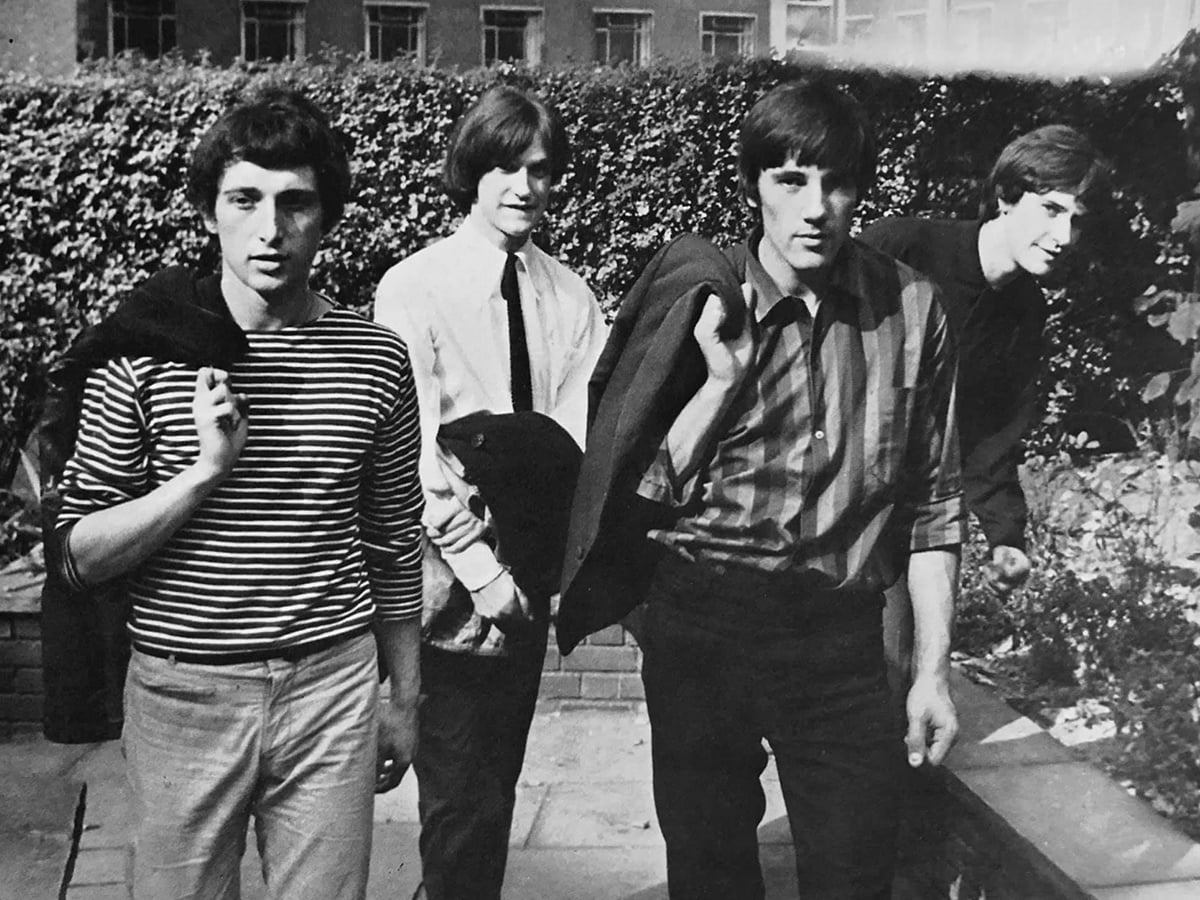
Even in 2026, we have a long, long way to go when it comes to levelling the playing field for the trans community and championing their rights in society. But in 1970, the dial was pushed even further back, with The Kinks’ ‘Lola’ suffering bans from Australian radio stations due to what was deemed a “controversial subject matter”.
Now, The Kinks’ lyrics certainly don’t age well in terms of defending the trans community, but equally, it was a somewhat progressive outlook with Ray Davies stating that its subject revolved around someone falling in love with a trans person. But despite the improvement Davies’ lyrics could have had, the outright removal of the track from the airways is a shocking indictment of just how intolerant society was in 1970.
‘War Pigs’ – Black Sabbath

By the time ‘War Pigs’ faced sanctions from the long arm of the law, it was, as the title of the article suggests, truly a part of history. Following the 9/11 attacks, American radio stations were encouraged to blacklist a string of songs that were war-related, and Sabbath’s monster hit was included, despite being a very clear criticism of the powers that create global conflict.
But the American government were trying to cover all bases at the time, and while ‘War Pigs’ may not have been sentimentally violent, it was performed by a musician who, come 2001, was operating with the sort of satanic fury that tarnished his public record. And so, the track fell victim to the system’s decision to clamp down on Ozzy Osbourne’s riotous behaviour.
‘Bobby Brown Goes Down’ – Frank Zappa

A recurring theme for a lot of the censorship placed on these tracks is their reference to sexuality. Whether it’s The Rolling Stones or The Kingsmen, governments in the mid to late 20th century had an issue with music being overtly sexual, in fear of it contaminating the minds of youngsters. In the case of Frank Zappa’s ‘Bobby Brown Goes Down’, even we liberal folk can slightly see where they were coming from.
The track was censored by American radio stations because of its graphic lyrics, which indulged in sexuality to a point where it included explicit references to S&M and golden showers. Luckily for Zappa, though, that sense of sexual experimentation made it a big hit in Europe, where the success of the song began to offset the lack of, in conservative America.
‘Another Brick In The Wall (Part II) – Pink Floyd

South African apartheid was so regimentally forced in 1980 that the country’s government banned the song from being played in fear of it inciting an uprising against the state-controlled education system, through the lyrics “we don’t need no education / We don’t need no thought control”.
The tightly contained education system was imperative to the country’s enforcing of apartheid, that the mere thought of that being challenged sought to topple the entire system, but like all good protests, the rebels of that authoritarian regime took the song and made it something of an anthem, as they realised opposing apartheid policies and the government’s control came through these incremental acts, like challenging education.
‘Fuck Tha Police’ – NWA

NWA must have thrown their hands up in exasperation come 1992, when just four years after their song ‘Fuck Tha Police’ was released and censored, four LAPD officers were involved in the beating of Rodney King, and they subsequently watched their home city of Los Angeles break out into some of the most brutal riots it’s ever seen.
It was a reminder that their song wasn’t a baseless attempt to incite violence and disrespect the state, it was to genuinely reflect their lived experiences as African-American men living in America, and so the warning letter sent by the FBI to the record label, police unions shutting down live performances of it and a mass censorship across national radio stations just proved how the societal odds were continually stacked against them.
‘Relax’ – Frankie Goes To Hollywood
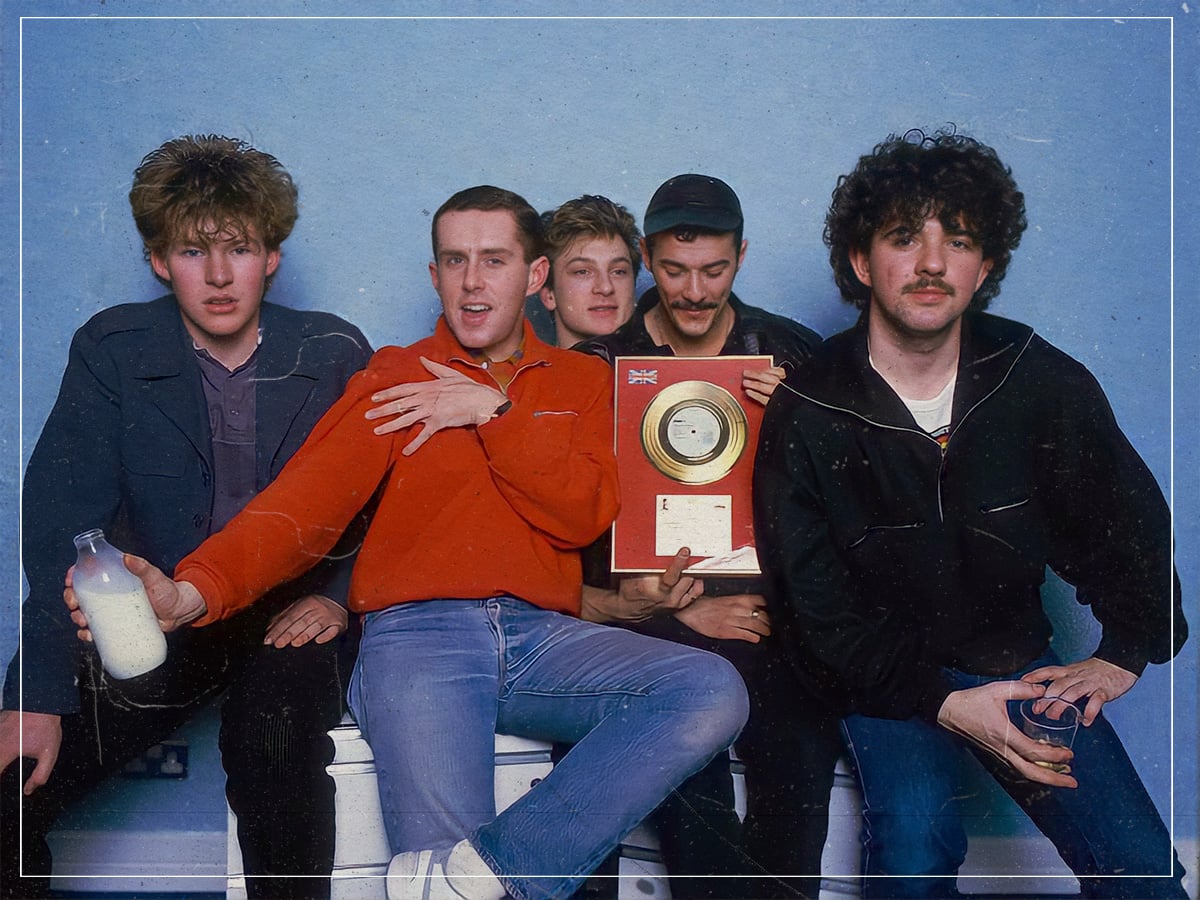
Yet another track that goes to prove censoring something for being overtly sexual only goes to endear it to the heart of the nation, because when the BBC yanked Frankie Goes to Hollywood’s most famous hit off air for its somewhat provocative lyrical content, buoyed by an artist celebrating camp-fetishistic album artwork, it only went further in the charts.
It was the line “Relax, don’t do it/ When you want to go to it,/ Relax, don’t do it,/ When you want to come,/ Relax, don’t do it, When you want to suck it, chew it” that pushed the pearl clutchers over the edge, more particularly in a time when the gay community were beginning to celebrate their identity in a more public setting. So if anything, the question of this song’s censorship is one of homophobia rather than sexuality.
‘God Save The Queen’ – Sex Pistols
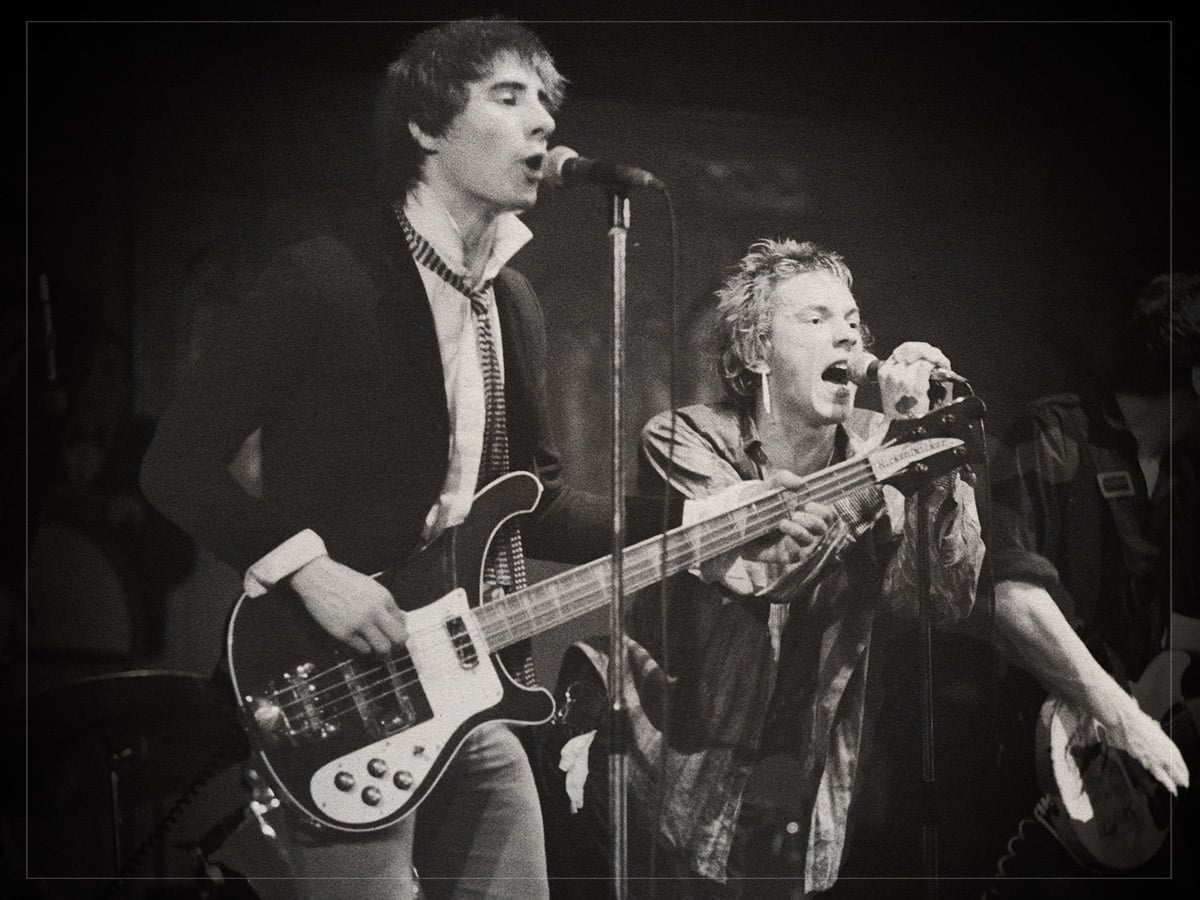
Probably the ultimate song of social resistance, The Sex Pistols’ ‘God Save The Queen’ was literally released during Queen Elizabeth II’s Silver Jubilee in 1977 as a surefire way of artistically rebelling against a national institution. John Lydon unleashed both barrels on what he considered a “fascist regime”, and in turn, leaving it with a dilemma: stay silent and take the heat, or swipe the song off the airways.
The state broadcaster, BBC, swiftly swiped the track from the airways, with other mainstream media outlets following suit. Naturally, as institutions sought to fall in line with the very regime Lydon criticised, record stores began to refuse to stock it. Regardless, the institutional pushback only went further in iconising it amongst the community of revolters and has since become the ultimate British protest anthem.
