


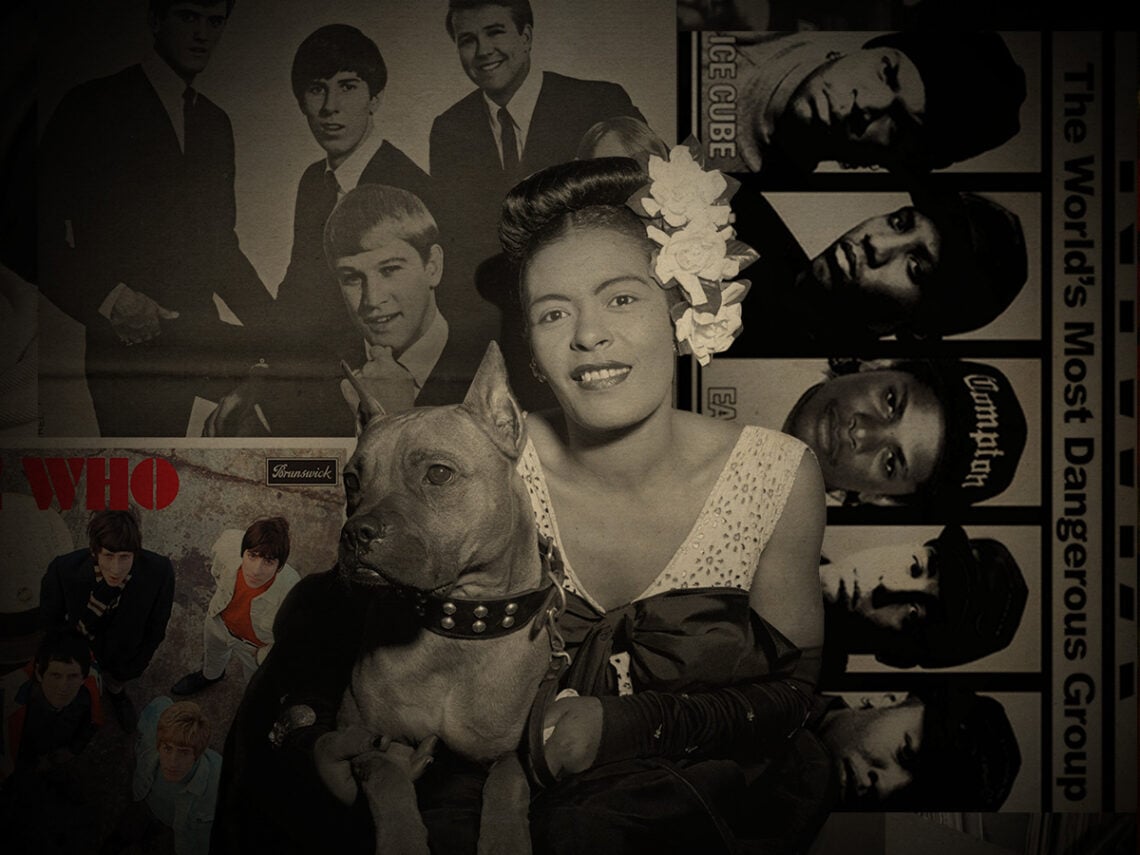
Five banned songs that will never be forgotten

In theory, no artist wants to be a victim of censorship and have something they’ve created deemed unfit for general consumption, made more difficult to access.
Then again, history has long proved that getting banned can also be a promotional coup, generating headlines and curiosity that otherwise might have taken loads of painstaking time and investment.
Back in the 1980s and early ‘90s, the battle against censorship in the American music business led to numerous court cases and Congressional hearings, with the Parents Music Resource Centre (PMRC), headed by Tipper Gore, leading the charge to put restrictions on the availability of certain lyrical content to young listeners.
Tipper was successful, sort of, in that the PMRC did eventually get those infamous ‘Parental Advisory’ stickers slapped onto a good portion of rap and metal albums, but their McCarthyism-style witch hunts backfired in many ways, as Senate testimony from the unlikely trio of Frank Zappa, Dee Snider (of Twisted Sister), and John freaking Denver helped shine new light on the fool’s errand of lazy censorship and government overreach into the arts.
Increasingly, getting banned became a badge of honour, to the point that even a legitimately gross and misogynistic outfit like 2 Live Crew became heroes of the left-wing free speech movement. These days, there are still plenty of calls among politicians to ban various songs, books, films, and more, but the motivation seems to be less about protecting the fragile minds of kids and more about editing out unwanted social and political realities for the sake of propaganda reinforcement.
In any case, we can at least take solace in the fact that many of the songs that have been banned in the past have not only found their listeners, but have carried on as classics, sometimes because of their messages, and sometimes just because they were catchy as hell and nobody cared what the singer was saying in the first place.
Five unforgettable banned songs:
The Kingsmen – ‘Louie Louie’
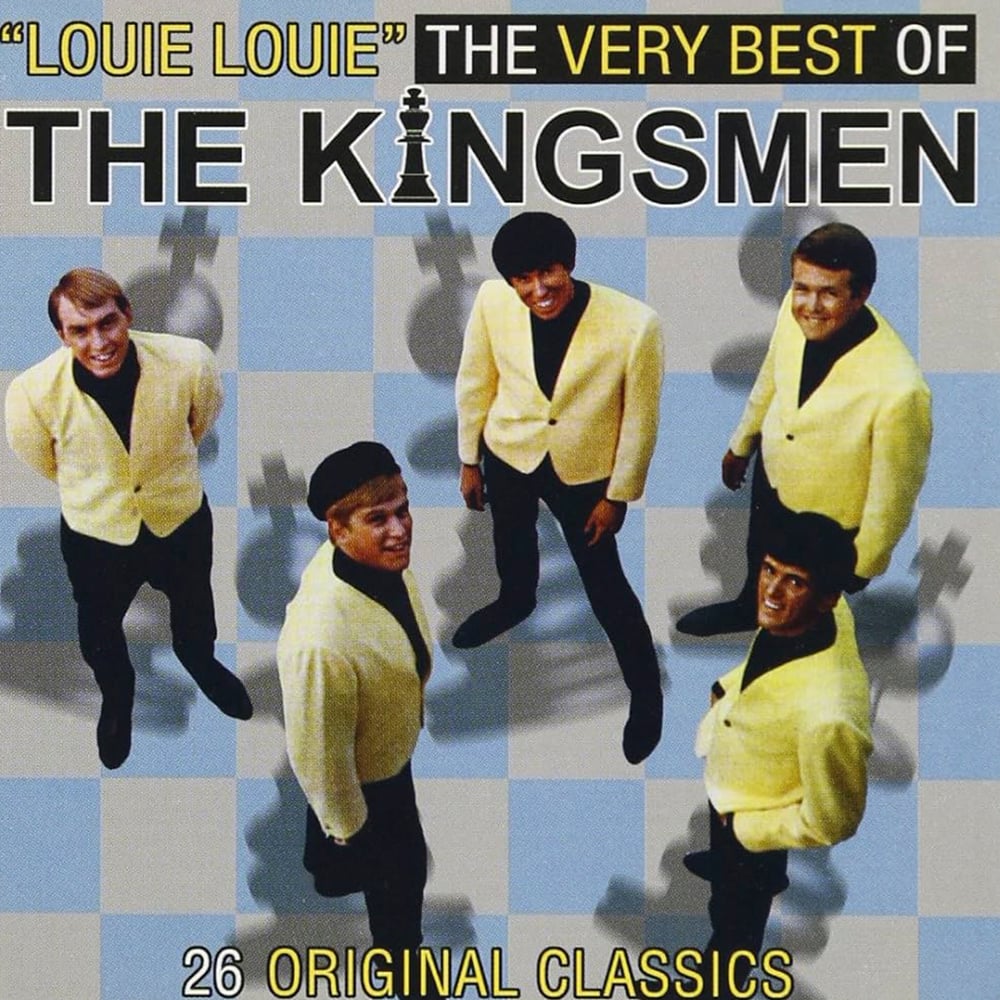
Few bans have been as absurd or influential as the one surrounding ‘Louie Louie’, which was released in 1963 but was pulled from radio playlists and investigated by the FBI for nearly two years amid rumours that its garbled lyrics concealed obscene content.
The investigation found nothing illegal, but by then the damage (or benefit) was done as the controversy helped turn the three-chord garage-rock anthem into a generational touchstone, awakening countless bands to the idea that messiness and mystery were viable paths to immortality.
NWA – ‘Fuck Tha Police’
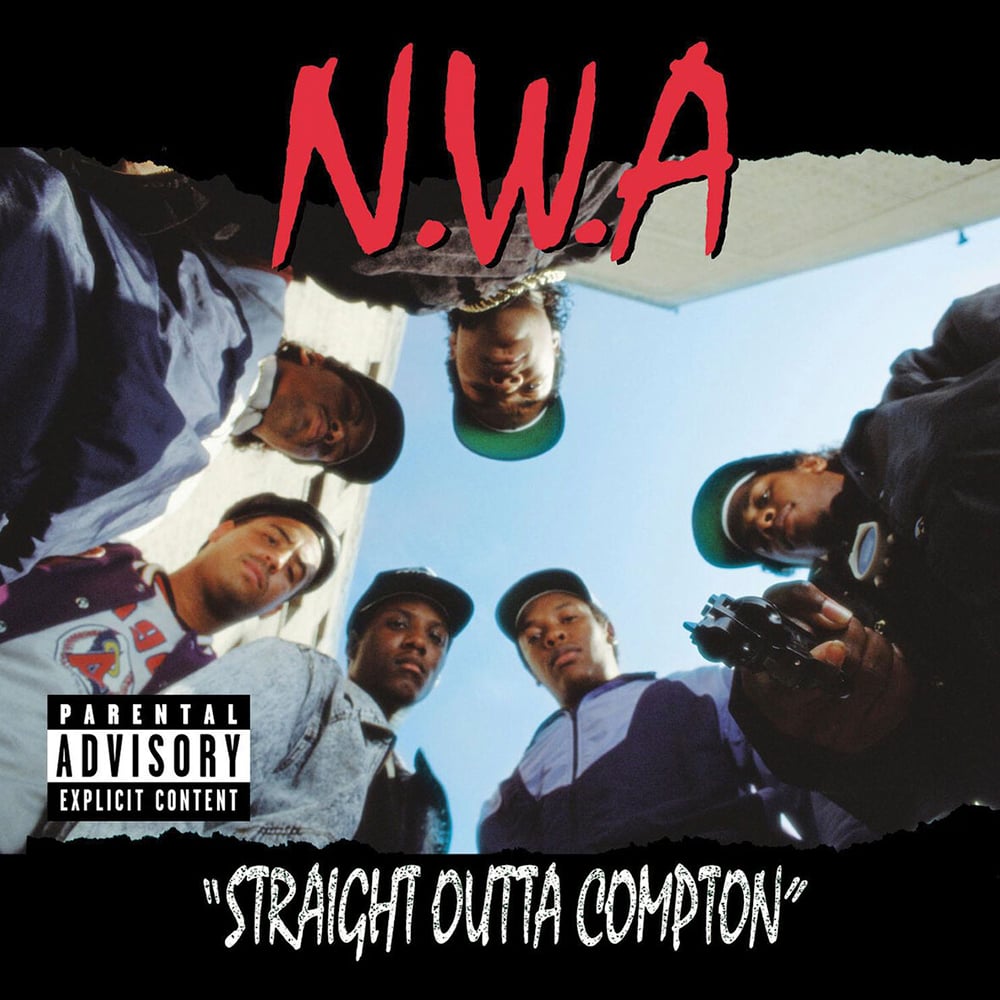
Banned almost immediately upon its 1988 release, ‘Fuck Tha Police’ was never intended to be palatable, with many radio stations refusing to play it, police unions protesting it, and the FBI even sending a warning letter to NWA’s label.
The song’s unfiltered anger toward systemic police brutality made it radioactive and impossible not to have a reaction to, and over time, it became one of the most cited protest songs in American history, frequently resurfacing during moments of civil unrest and cementing its role as a brutally honest document of lived experience.
Billie Holiday – ‘Strange Fruit’
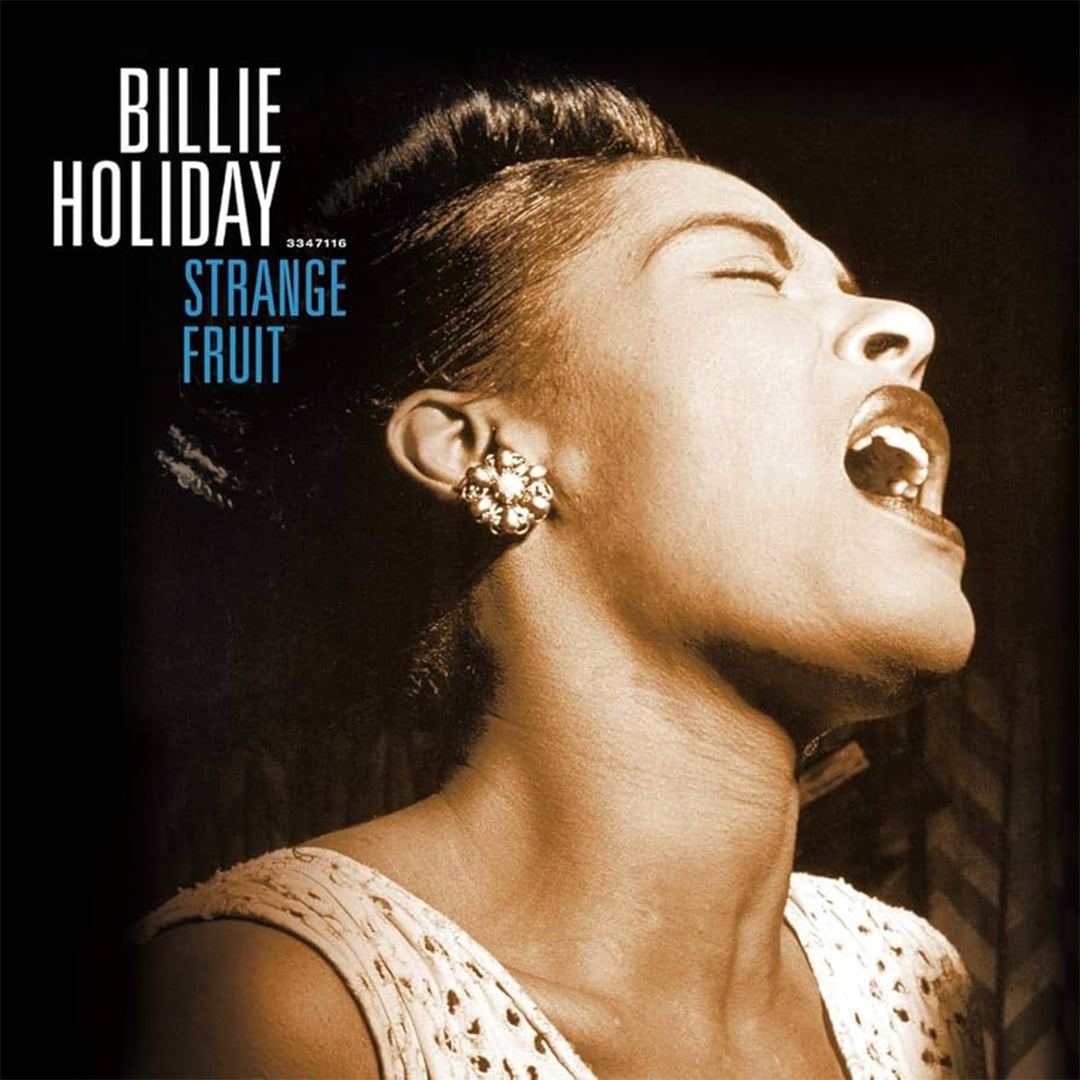
‘Strange Fruit’ wasn’t banned for profanity, but for its subject matter being a stark, unflinching depiction of lynching in the American South. When Holiday began performing it in 1939, many radio stations refused to air it, and her label initially declined to release it.
It was the type of censorship that feels sadly more in line with the current trend, in which anyone shining a light on a serious problem in society can be cast aside as ‘unpatriotic’. Today, ‘Strange Fruit’ is widely regarded as one of the most important songs of the 20th century, a very different vibe from NWA, but holding a mirror up in a similar fashion.
The Who – ‘My Generation’
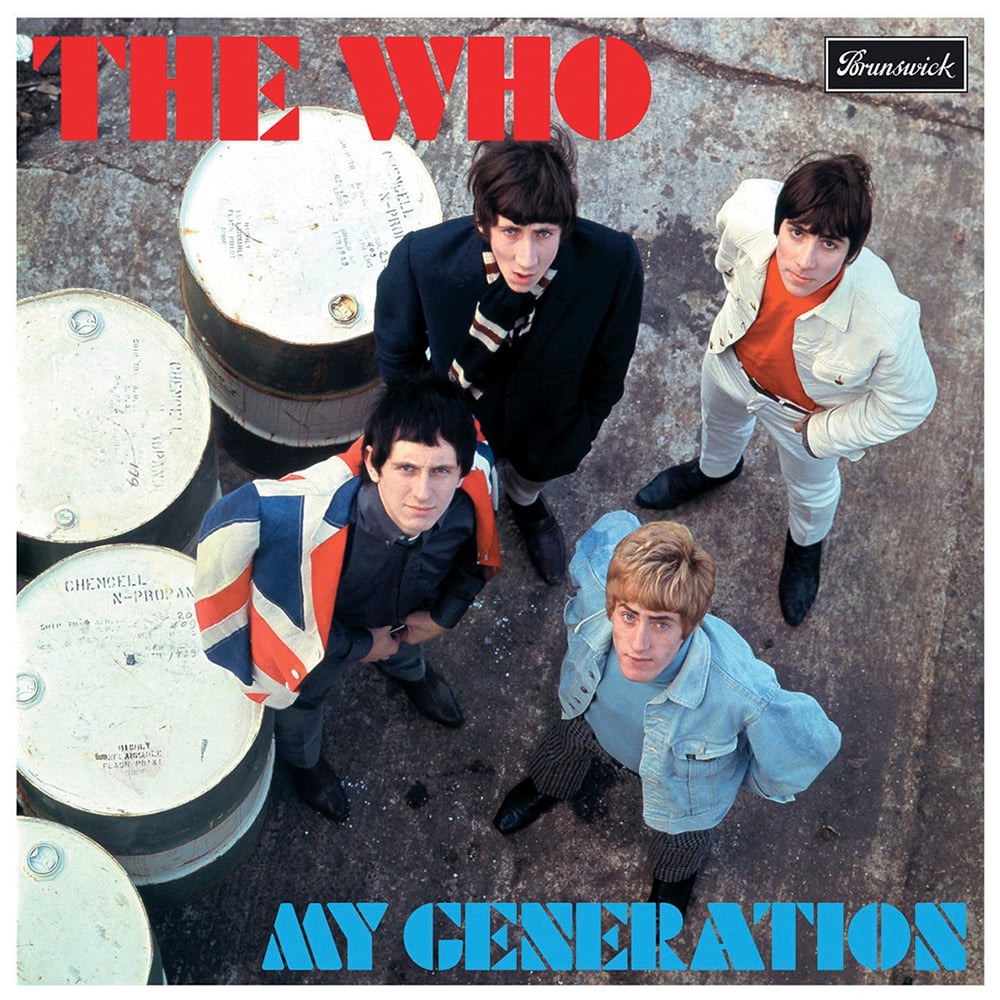
‘My Generation’ was a thunderous, rebellious anthem for the kids in 1965, but the BBC didn’t baulk at playing it for its lyrical themes. While people think of the ‘60s as a relatively ‘woke-free’ era when it came to cultural sensitivities, the broadcaster was actually concerned that Roger Daltrey’s stammering vocal delivery in the song could be interpreted as mocking people with actual speech impediments.
They had the best of intentions, I suppose, but the song’s impact in the zeitgeist won out, and Daltrey’s contention that he really did have a mild stammer himself helped reduce criticism in the future.
Frankie Goes to Hollywood – ‘Relax’
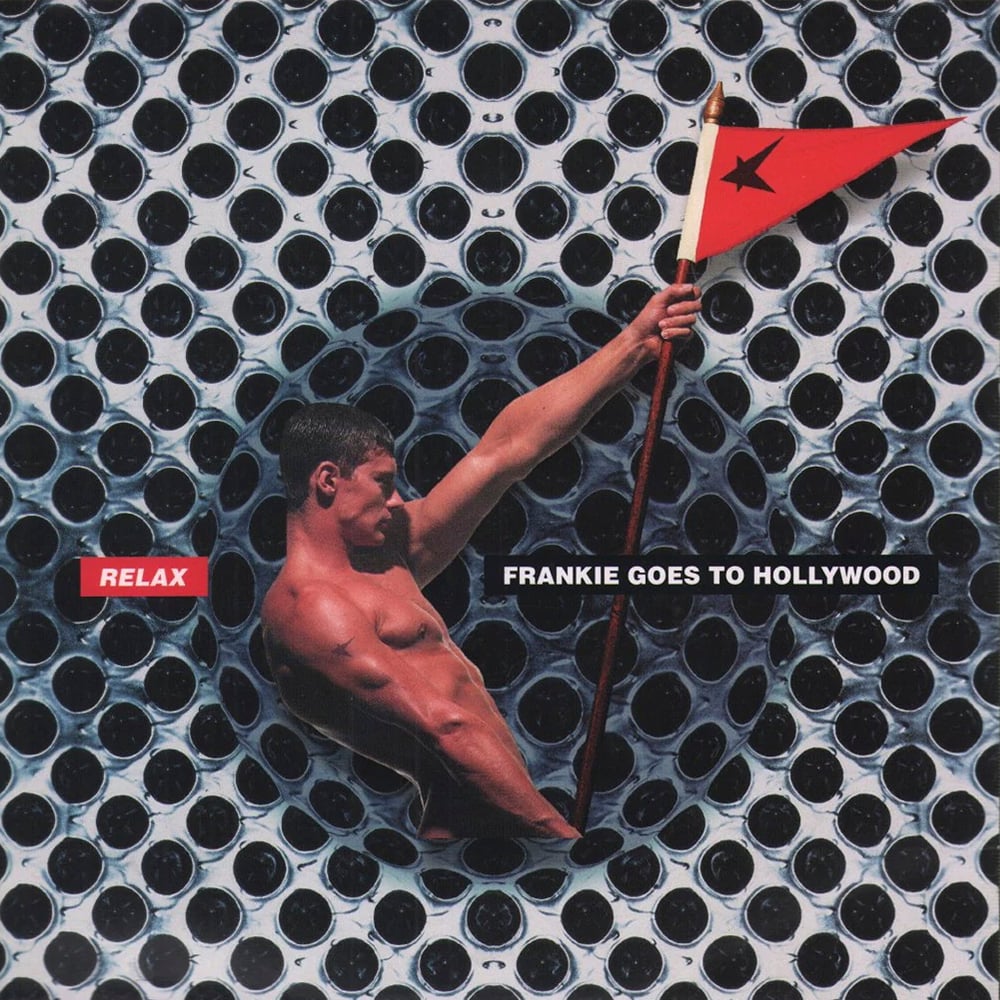
In 1984, the BBC banned ‘Relax’ after its sexual subtext became decidedly less subtextual with the release of a famously boundary-pushing music video. While some deemed the song and video ‘indecent’, the decision to ban them from radio play and Top of the Pops backfired spectacularly.
Public curiosity skyrocketed, and the single shot to number one in the UK, where it stayed for five weeks; thus, what was once considered scandalous is now remembered as a slick, era-defining pop classic, and a textbook example of censorship’s awful track record as a cultural gatekeeper.
