


Identity politics versus legislation: the paradox of queer culture in the 1980s music scene

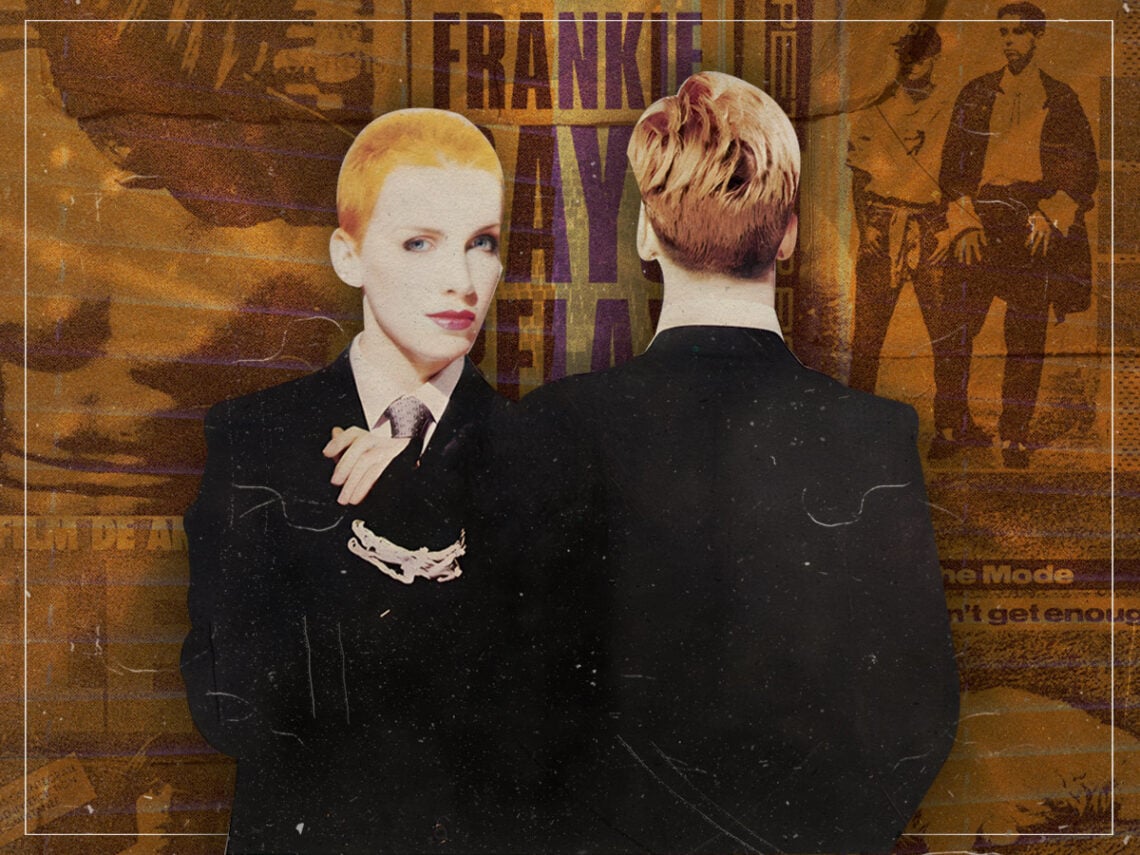
When most of us think back to the music scene of the 1980s, we immediately picture the neon lights and the influx of androgynous imagery. Acts like Annie Lennox were celebrated for their bold aversion to the norm, while others favoured sexual ambiguity over heteronormative discourse. While this was primarily seen as a significant cultural step forward, the two major things at play – aesthetics and prejudice – existed and thrived in the same circles.
While there’s absolutely no circumstance in which black-and-white thinking can be applied here, the dichotomies are more than worth pointing out. In today’s world, many take ’80s thematics and aesthetics and utilise them as a part of their identity. They’re seen sporting decade-specific attire and dancing around to Depeche Mode or Pet Shop Boys, celebrating the endless list of musical successes of the decade.
And there were musical successes; the ’80s is home to some of the best music in history. A lot of it is fun, exciting, and nostalgic, but it also aligns perfectly with queer culture and identities. Many of the biggest stars of the time, like Wham, Elton John, The Cure, and Erasure – threaded queerness in some form into their music, whether they identified as LGBTQ+ or not.
So, why were culture and the media so accepting and embracing the physical presentation of queerness? The short answer is because they weren’t viewed as actually being queer. Despite the mainstream acceptance of gay people in certain circles, being a part of the gay community wasn’t as integral to image and identity as much as “looking” queer was. Even The Smiths more or less toyed with queerness for the cover of their 1984 debut album, which featured gay sex symbol Joe Dallessandro of the controversial Andy Warhol film Flesh. Queerness could be alluded to, so long as it wasn’t explicit.
In hindsight, while we can also appreciate the experiences of acts like Freddie Mercury and George Michael, at the time, public personas were carefully crafted so as to “play” into these tropes without disturbing audience perception. In the sound of the music itself, it was there, hiding in plain sight. Erasure’s ‘A Little Respect’, for instance, has become emblematic of the underground gay scene, particularly in its use of “camp” sensibilities like the synthesiser and its self-affirming lyrics.
However, the divide between aesthetics and politics is harder to ignore through a modern lens. Freedom of speech was on the rise, as was challenging gender norms and embracing androgyny, but censorship and control remained at an all-time high. Frankie Goes To Hollywood’s ‘Relax’ was banned by the BBC because its lyrics were too suggestive. Other songs were released around the same time that dealt with sexual topics, so did ‘Relax’ fail to earn a free pass because it alluded to homosexuality?
Bronski Beat’s ‘Smalltown Boy’, although a magnificent smash hit, was another polarising affair that shed light on the government’s reluctance to embrace acceptance. Bronski Beat’s debut album, The Age of Consent, refers to the fact that the age of consent in countries other than England was set to 16, while England kept it at 21. “The [albums] were swamped as a result,” Jimmy Somerville told The Guardian in 2006.
Ultimately, queer people became more visible during the ’80s through the physical presentation, but the reality was met with volatility. Music was moving towards a more accepting place where gayness was celebrated, but the government perpetuated hate enough to stagnate progress. Four years after ‘Smalltown Boy’ was released, Margaret Thatcher passed the legislative Section 28, which prohibited homosexuality from being “promoted” in schools by local authorities.
Therefore, musicians could effectively flaunt gayness as much as they wanted – both in their image and their art – but it wasn’t to be talked about or promoted, particularly among fans. After all, music was something to be enjoyed and celebrated, but homosexuality remained taboo. As the art form moved forward, the government moved backwards. Thatcher’s conservative law wouldn’t be removed until 2003.
The one saving grace is that today, we appreciate music as a standalone entity – we seem to have successfully carried the sounds and aesthetics of the ’80s music scene forward while leaving behind the prejudice toward queer people. We still have a long way to go, of course, but at least the sounds will no doubt outlive the bigots.
