


Who was the first Western popstar to perform in post-apartheid South Africa?

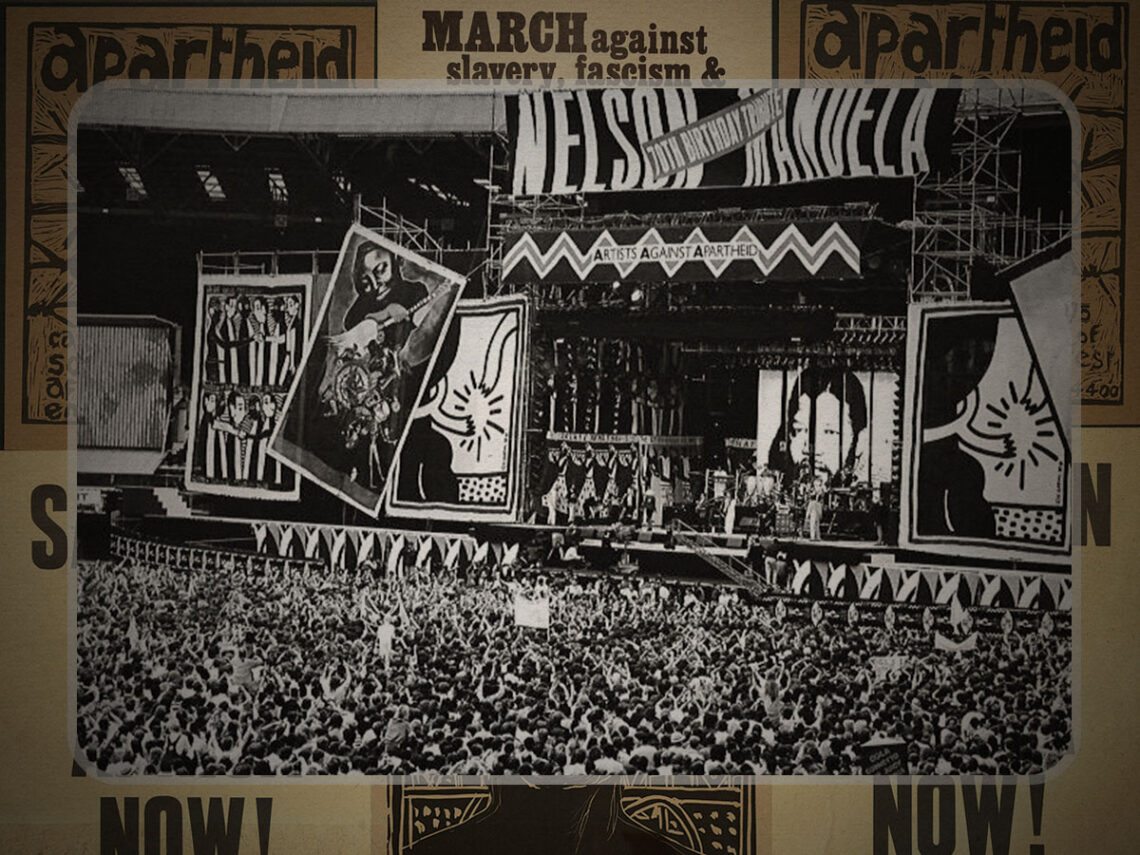
South Africa has always had music at the heart of its cultural identity, and even during the horrific age of apartheid, the regime could never silence the defiant euphoria of its musical landscape – whether it was age-old folk rhythms or bold avant-jazz. Music was an escape, a means of protest and, when apartheid was finally toppled, the sound of celebration.
Liberation and political protest have always been linked to the musical realm. Throughout the era of apartheid, in fact, it was often musicians and artists who called attention to the horrors occurring under the racist regime. Dusty Springfield, for instance, caused quite a stir when she flat-out refused to perform for racially segregated audiences in South Africa during a 1964 tour – a protest which ended up seeing the blue-eyed soul master being deported back to England.
A few decades later, it was the ska sounds of Jerry Dammers and The Special AKA which helped to raise awareness for the unjust incarceration of Nelson Mandela, with the help of their 1984 single ‘Free Nelson Mandela’, released during a time in which most Western audiences were unaware of the anti-apartheid activist or his personal struggle under the apartheid regime.
Meanwhile, Freddie Mercury and Queen became one of the very few prominent groups to break the cultural boycott of South Africa during the 1980s, performing a series of concerts in 1984, which Roger Taylor has since admitted was “kind of a mistake”.
Inside South Africa itself, music had been a vital form of protest against apartheid since way back in the 1950s, and even the all-encompassing power and censorship of the stage could not totally silence the artists using their voices to bring attention to the persecution and racist vitriol faced by the black population on a daily basis.
Inevitably, then, when the apartheid regime finally fell in 1994, with the nation’s first democratic, non-racial elections seeing Nelson Mandela become the first President of South Africa, the role of music changed from being a form of protest to a form of celebration. In addition to a plethora of local artists writing about liberation and jubilation in the wake of apartheid’s conclusion, Western artists also came to perform in the nation that had long since been boycotted.
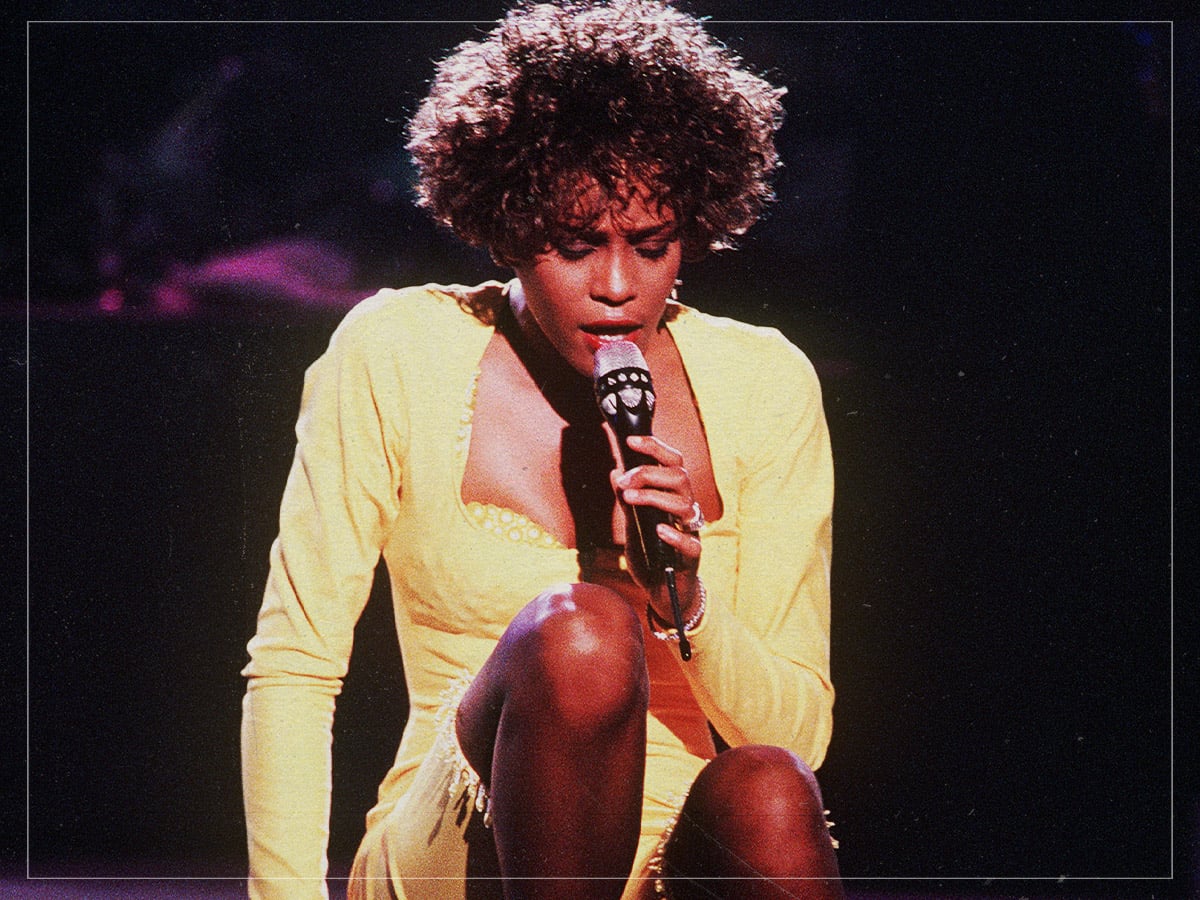
Whitney Houston was the very first Western popstar to perform in post-apartheid South Africa, hosting three momentous stadium gigs in Durban, Johannesburg, and Cape Town in November 1994. These shows, appropriately titled ‘The Concert for a New South Africa’, saw the legendary vocalist honour the life and resistance of Nelson Mandela, and effectively marked the beginning of an entirely new, modern age for the African nation.
What’s more, the Johannesburg gig was subsequently released on VHS, with all the video’s proceedings being split among various charities across South Africa. So, not only was the mere fact of these concerts existing revolutionary in and of itself, being the first Western pop gigs to visit South Africa in the post-apartheid landscape, but Houston’s visit had a much more tangible, lasting positive effect on this newly-born nation, too.
Many more artists followed in the wake of Houston, bringing entirely new worlds of music back to South Africa after so long in boycott and exile, but the iconic New Jersey vocalist will always hold the accolade of being the very first to bring the music back to South Africa.
