


The 10 best UK number twos in music history

In many ways, there are infinitely more stories to tell about the songs that just don’t quite make it to the UK’s holy single top spot.
Sure, every artist wants number one, but it’s typically a pretty linear narrative: band drops a single, it shoots to number one with varying acceleration, back of the net and job done. However, the singles that nab the silver medal lead to more intriguing questions. Who had swerved ahead to the coveted top of the pops? What was in the air for a fickle music-buying public that happened to just sway one way over the other? Who exactly in the marketing team fucked up so badly? There’s a lot to explore with UK rock and pop’s number twos.
We all know the horror stories, Ultravox’s ‘Vienna’ losing out to Joe Dolce’s ‘Shaddap You Face’ and David Bowie’s immortal ‘The Jean Genie’ shoved aside for Little Jimmie Osmond’s ‘Long Haired Lover from Liverpool’. Yet, many chart close calls, it’s simply down to may the best person win, often illustrating just how rich and teeming with quality any given music era is.
A brief perusal across the UK number ones provides an unreliable litmus of the state of music, novelty songs routinely taking gold, and barren pop wastelands will see average cuts float to premier position due to mediocrity shining in the comparative face of surrounding dross. But a cracking number two is a more dependable sign that music’s doing just fine, and likely leaving the pop picker spoilt for choice. In celebration of music’s runner-ups, we explore ten of rock and pop’s finest penultimate offerings.
The ten best UK number twos in music history:
Yazoo – ‘Only You’
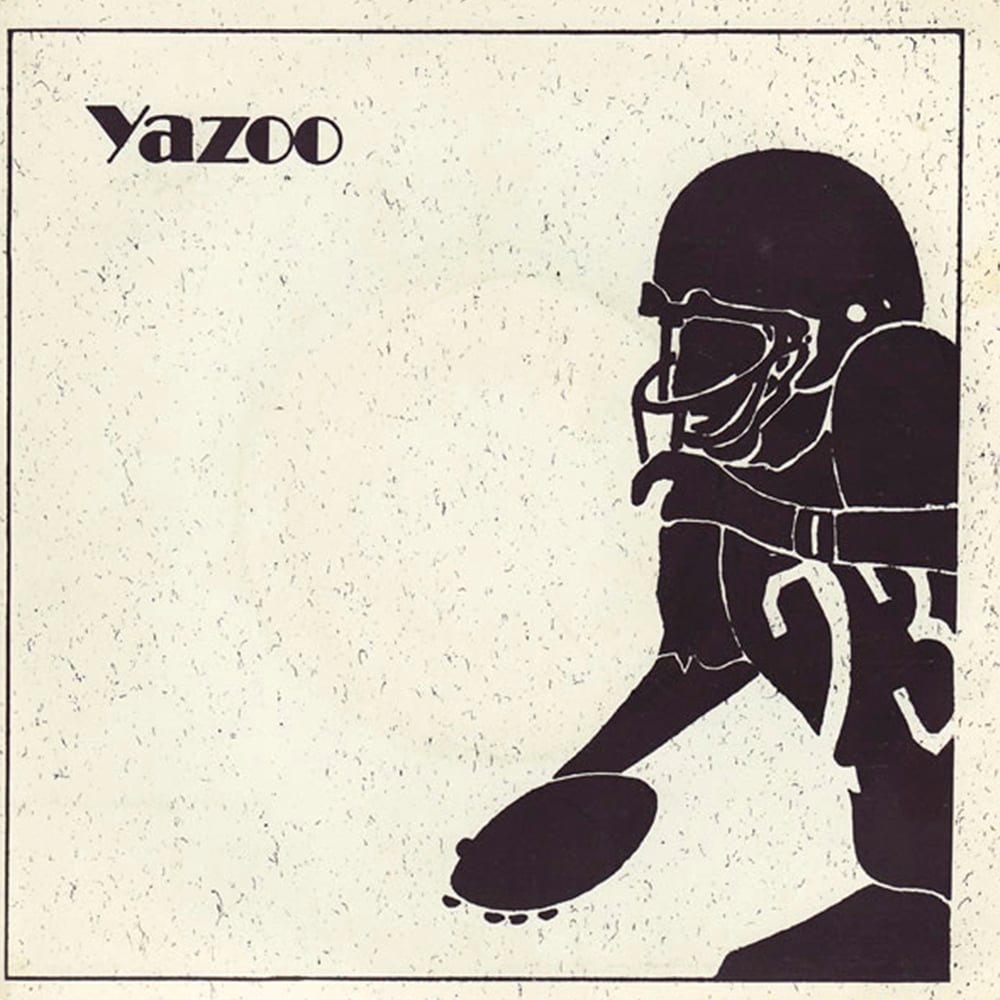
Release Date: March 1982 | Producer: Eric Radcliffe, Daniel Miller, Yazoo | Label: Mute
Legend has it that songwriter and synth player Vince Clarke had penned the sentimental ‘Only You’ for former band Depeche Mode as a parting gesture. Turning down the offer, Clarke instead recruited local Basildon singer Alison Moyet for the new Yazoo venture, adding glistening monophonic electronics to Moyet’s powerfully soulful voice for a uniquely alchemic duo of the synthpop explosion.
Clarke’s majestic little ballad looked set to tug the heartstrings all the way to the singles top spot, but ‘Only You’ was kept at bay from the coveted UK number one by Adam and the Ants’ highwaymen dress-up ‘Stand and Deliver’, a fun romp, but doesn’t hold a candle to Yazoo’s enduring slice of romantic longing and love’s forlorn, chapter closure, a classic of the day synths ruled the charts.
Diana Ross – ‘Upside Down’
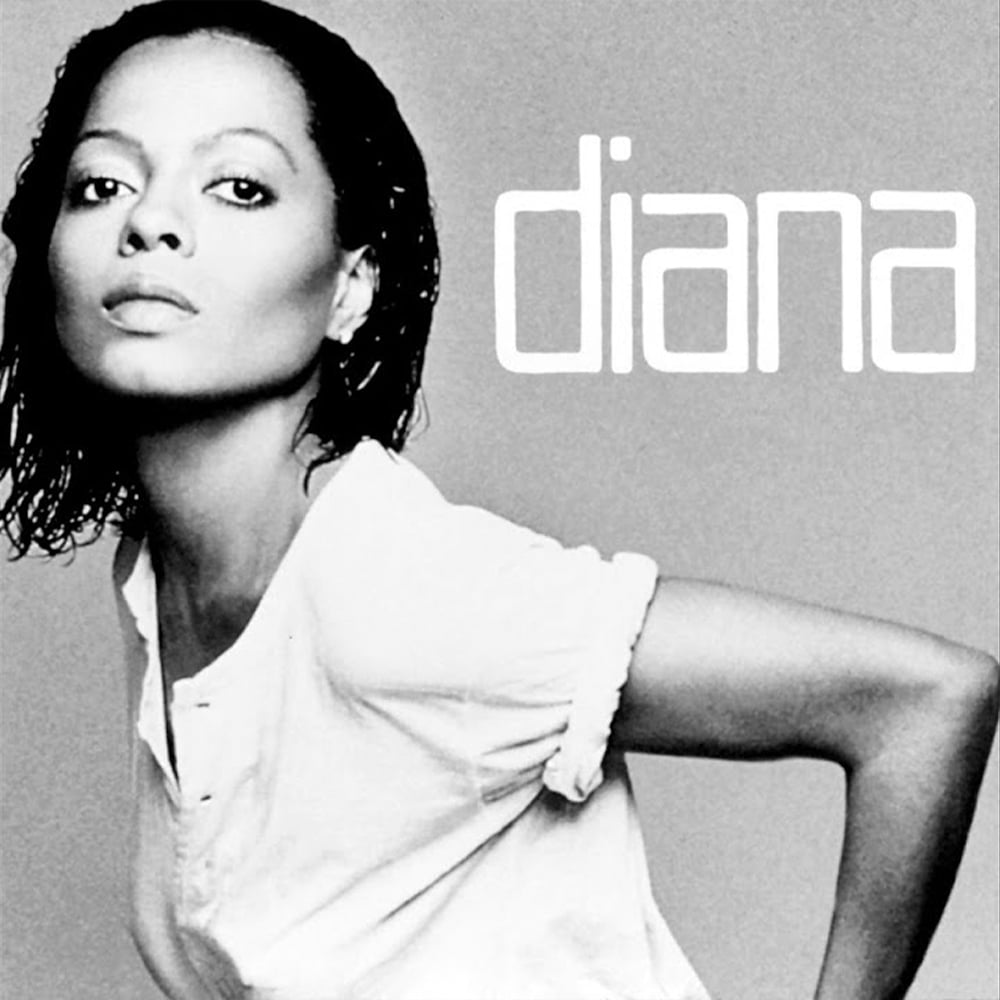
Release Date: June 1980 | Producer: Nile Rodgers and Bernard Edwards | Label: Motown
Waltzing into the 1980s with effortless cool, former Supremes singer and R&B queen Diana Ross was the only artist on the famed Motown roster still spinning essential records. Stevie Wonder would eke out some decent pop tunes, and Lionel Richie would keep the lauded Detroit label commercially afloat with successful yet stodgy hits like ‘Hello’. Ross was knocking them out of the park, however, teaming up with Chic’s Nile Rodgers and Bernard Edwards for the radiant disco gem of 1980’s Diana.
Still charged with celestial sensuality and ice-cool groove 45 years later, Diana’s lead single, ‘Upside Down’, twirls with impeccable radiance, an utterly sublime funk dancefloor scorcher that gifted Motown with its last, true, stone-cold classic. Yet, Ross’ pop jewel never topped the charts as was surely destined, Scottish singer Kelly Marie’s cover of Mungo Jerry’s ‘Feels Like I’m in Love’ seizing the top spot to no one’s pop memory.
The Stranglers – ‘Golden Brown’
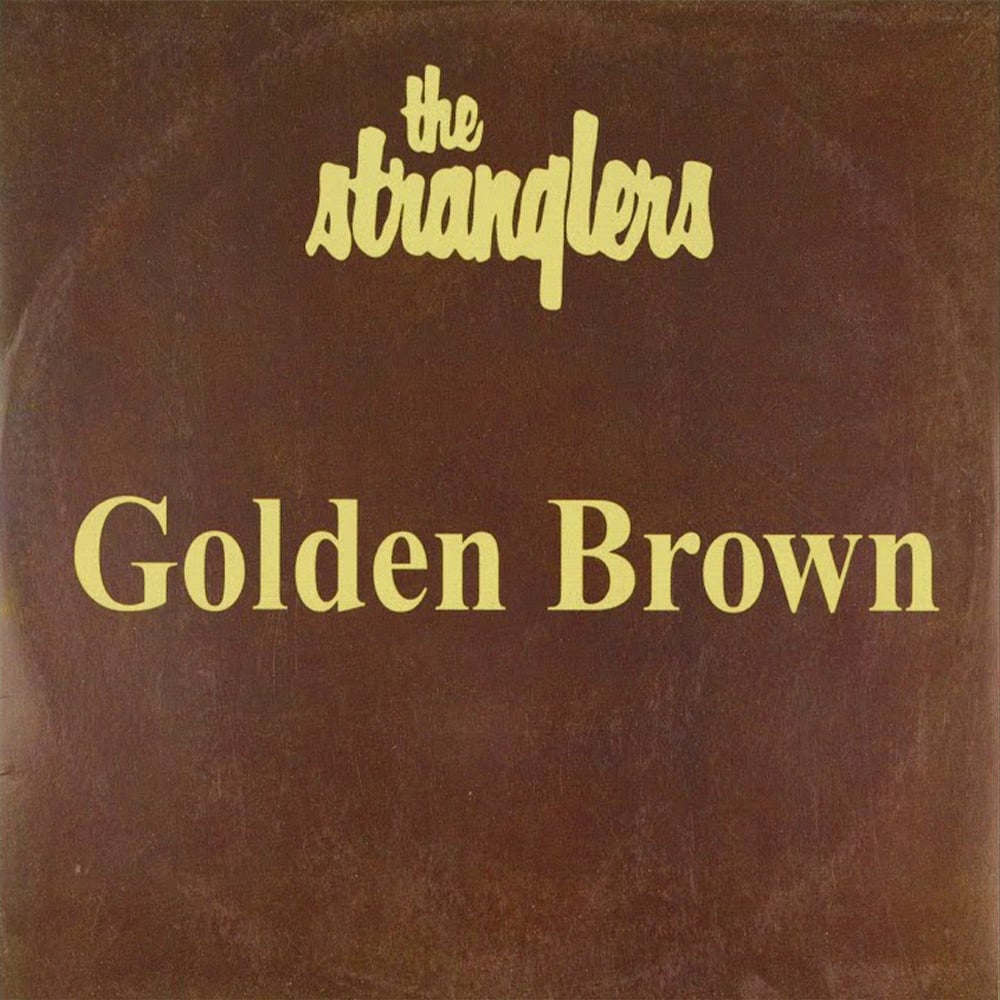
Release Date: January 1982 | Producer: The Stranglers and Steve Churchyard | Label: Liberty
Following the experimental terrain explored on The Raven, and The Gospel According to the Meninblack’s excursions into extraterrestrial concepts, the hooky swagger and hard-nosed lyrical attack that fuelled The Stranglers’ pub rock snarl soon gave way to headier, esoteric avenues a long mile off from the likes of the leering ‘Peaches’. With keyboardist Dave Greenfield swapping organs for synthesizers, The Stranglers immersed themselves in new electronic textures learned from the preceding records, leading to 1981’s La Folie.
Deploying a curious waltz rhythm and coated in sumptuous baroque flavour, the dreamy ‘Golden Brown’ was so atypical of The Stranglers’ sound that the label pushed the single release to January as a post-festive afterthought. An instant classic, ‘Golden Brown’s languid-psych floated to number two in the UK Singles Chart, just beaten by The Jam’s ‘A Town Called Malice’ / ‘Precious’.
With bassist JJ Burnell letting slip the song’s lyrical allusions to heroin’s warm rush, panicked radio stations and DJs quickly pulled the song from their playlists. “I would have waited till it got to Number one and then said it,” frontman Hugh Cornwell quipped years later.
Oasis – ‘Wonderwall’
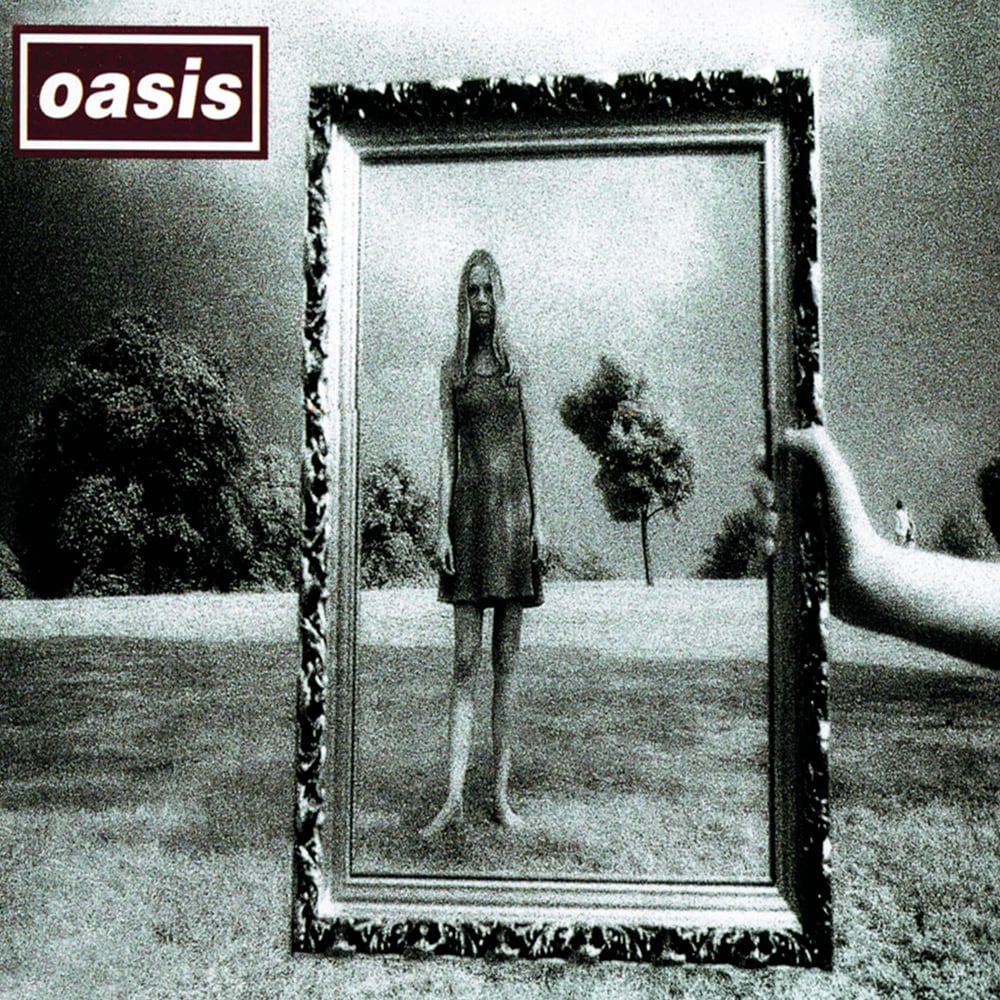
Release Date: October 1995 | Producer: Owen Morris and Noel Gallagher | Label: Creation
The cultural standing of Oasis is a thorny one, half the country praising their brand of anthemic, working-class populism as a stirring emblem of the rock revivalism that swept across the nation after dance music’s golden age, while the other laments their musical conservatism and perceived bloated presence in the cultural landscape. Somewhere in the middle lies the truth, but few would deny that 1995 was the Gallagher brothers’ year, when Oasis swaggered and gobbed their way to Britpop’s zenith, enjoying a degree of cultural primacy unseen since the Sex Pistols.
While detractors would accuse Oasis of merely welding glam stomp with The Beatles, ‘Wonderwall’s plaintive acoustic stroll ensconced its way into the affections of even the most committed naysayer, a simple but majestic piece examining a mystical force’s salvation with stirring allure. The third domestic single from their defining (What’s the Story) Morning Glory?, ‘Wonderwall’ was tragically kept from the premier slot by Robson & Jerome’s ‘I Believe’ / ‘Up On The Roof’ double shocker.
Roxy Music – ‘Love is the Drug’
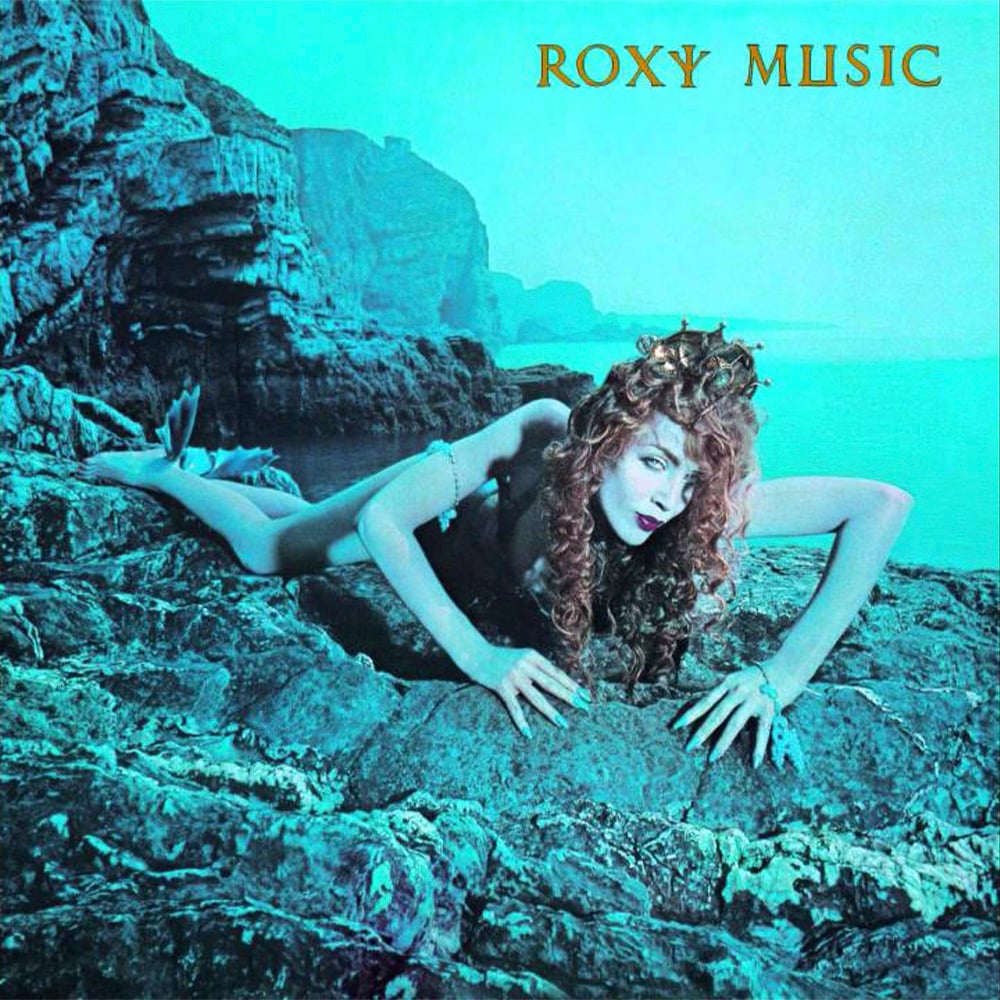
Release Date: September 1975 | Producer: Chris Thomas | Label: EG
Two years on from Brian Eno’s departure, frontman Bryan Ferry had captained Roxy Music to a pop sphere of tight, inventive chart pleasers that still kept an essential anchorage in the well of art-rock as plumbed on earlier records.
Proving one of glam’s major survivors along with David Bowie, an impending hiatus that would precede Roxy Music’s renewal as a smooth romantic wouldn’t kick off before one last glitzy classic, when the band still offered pop escapism at its most glittery.
Leading 1975’s Siren, ‘Love is the Drug’ skulks along a God-given bassline and fizzing drum beat, Ferry recounting the simple narrative vignette of a bachelor out for the night looking to score in the local nightclub. Buoyed with such effervescent cheer, Roxy Music’s seeming surefire to the UK top spot missed by the triple threat of Queen, Billy Connolly, and the Cracked Actor himself, ‘Bohemian Rhapsody’, ‘DIVORCE’, and a re-release of ‘Space Oddity’ all respectively enjoying the coveted number one between them.
Sex Pistols – God Save the Queen
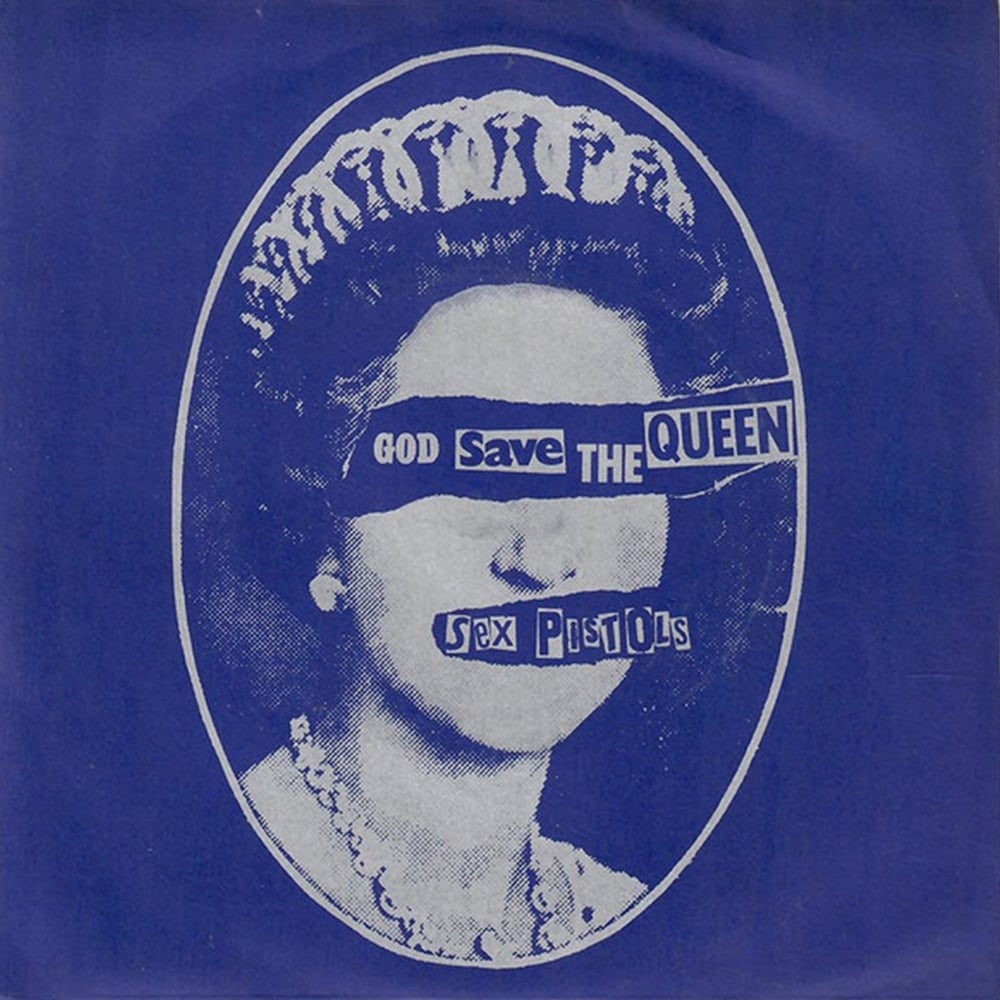
Release Date: May 1977 | Producer: Chris Thomas and Bill Price | Label: Virgin
A few years immediately flash a moment in rock’s storied evolution as the year of our Lord 1977. One jab of those four digits straight away signals the punk that upended rock and illustrated the malaise fogging over the Western nation, crystallised by the Sex Pistols.
They may not stand as the greatest UK punk group of all time, and frontman John Lydon would unearth infinitely more intriguing slices of the so-called new wave a few short years later with Public Image Ltd, but London’s the Sex Pistols sits in the nation’s musical tapestry with as much essentiality as The Beatles or The Smiths.
Establishment knickers were already twisted by the previous year’s ‘Anarchy in the UK’, but ‘God Save the Queen’s seditious clarion call proved so controversial that some in parliament had reportedly even mooted grounds for treason.
Dropped ahead of their sole album, Never Mind the Bollocks, Here’s the Sex Pistols, eyebrows were raised when ‘God Save the Queen’ topped the NME charts while lagging in second place on the UK Singles Chart, accusations of ‘fixing’ made when the BBC reported Rod Stewart’s ‘I Don’t Want to Talk About It’ as the official number one.
Heaven 17 – ‘Temptation’
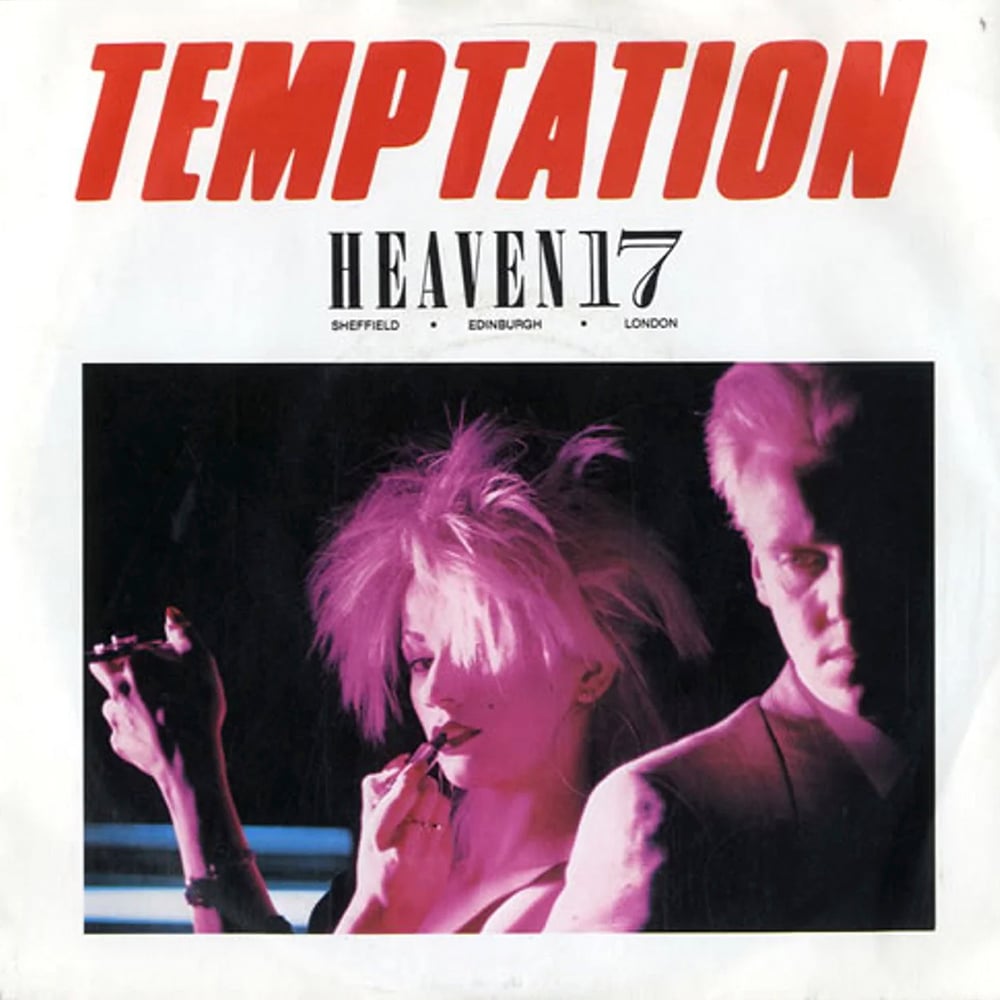
Release Date: April 1983 | Producer: BEF and Greg Walsh | Label: Virgin
Only a few years previously, Martyn Ware and Ian Craig Marsh were dwelling in primitive post-punk electronics with Sheffield synthpop stalwarts The Human League’s early incarnation. Five years later, the two had jumped ship to their Heaven 17 project, roped in old mate and baritone crooner Glenn Gregory, and began cutting dazzling pop smashers that would make Motown proud.
After the politically-charged grooves of 1981’s Penthouse and Pavement, The Luxury Gap two years later would spawn the titanic soul monster ‘Temptation’, a song wrought from Ware’s concerted effort to pen a number out of the tried and tested pop territory of sex. Replete with Carol Kenyon’s climactic backing vocals and the rising tension of its chords, Heaven 17 cut one of the decade’s most exciting and stirring scores to reach the UK Singles Chart.
Unbelievably not seeing release in the States, ‘Temptation’ edged to the silver peaks of runner-up, kicked away from the top spot by Jennifer Rush’s ‘The Power of Love’.
The Beach Boys – ‘God Only Knows’

Release Date: July 1966 | Producer: Brian Wilson | Label: Capitol
No one was working as hard as Californian surfers The Beach Boys during the early years of the 1960s. Barely five years into their recording tenure, the sunny pop group counted a dizzying ten albums under their belt, as well as a smattering of stand-alone singles. They were busy. Yet, principal songwriter Brian Wilson was only just coming into his own, hungry to push the pop medium to new, inventive frontiers, as well as further realise the emerging album as a coherent artistic statement in itself.
Immersing himself in the aural possibilities of the studio and channelling his love of Phil Spector’s Wall of Sound arrangements, The Beach Boys dropped 1966’s Pet Sounds, a record met with a warm reception in the day but retrospectively looms across the 20th-century pop tapestry as a pioneering work. Plucked from The Beach Boys’ creative whirlwind was ‘God Only Knows’, the celestial hymn capturing Wilson’s sage gift for imbuing lyrical vignettes of love with mournful undercurrents alluding to deeper, existential musings.
It was an astonishing cut. Released as a double-A side with the equally gobsmacking ‘Wouldn’t It Be Nice’, ‘God Only Knows’ shimmering beauty would never glean the premier single position, Sandie Shaw’s Eurovision winner ‘Puppet on a String’ beating them to the number one punch.
The Kinks – ‘Waterloo Sunset’
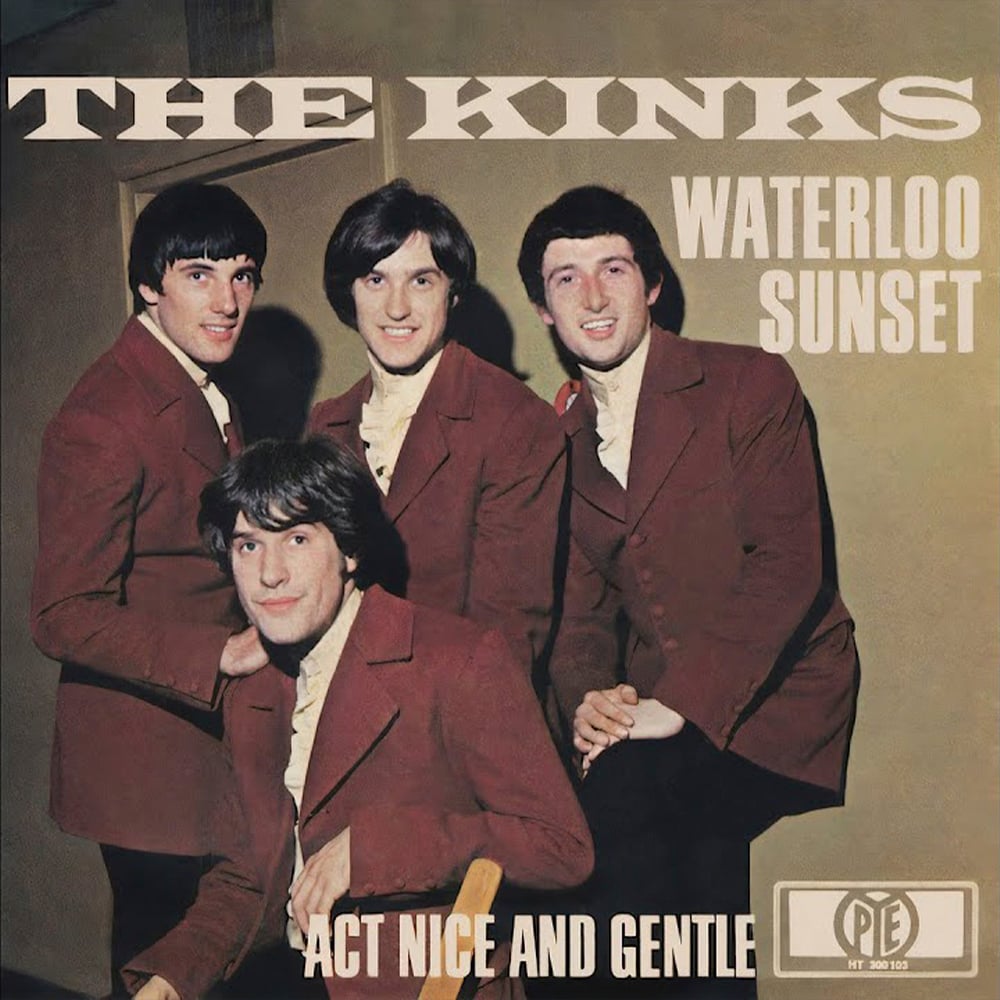
Release Date: May 1967 | Producer: Ray Davies | Label: Pye
While the rest of the counterculture was in full, psychedelic bloom, The Kinks frontman Ray Davies was lost in the quainter end of the English landscape. Turning his back on the heady chase toward far-out sonic expanses or acid-dipped radicalism, the simple magic of Britannia’s Anglo-romanticism had cast just as enchanting a spell on Davies as anything conjured by The Beatles’ most colourful experiments.
Inspired by a childhood memory of overlooking London’s River Thames as a child, coupled with the affectionate prism of his elder sisters’ national hope in the midst of the Second World War, Davies poured a quasi-love story against the backdrop of the post-war settlement’s municipal promise into the immortal ‘Waterloo Sunset’. Later included on 1967’s Something Else by the Kinks, Davies’ sentimental paean to the capital’s glittering poetry would stand as the band’s defining standard.
Seemingly capturing the swinging era masterfully, ‘Waterloo Sunset’ never quite nabbed number one due to The Tremeloes’ ‘Silence is Golden’ Frankie Valli and the Four Seasons cover, already at the top spot a week before The Kinks’ immortal cut hit second place, The Tremeloes holding out for another two weeks as Davies’ finest hour began to dip down the charts.
The Beatles – ‘Strawberry Fields Forever’
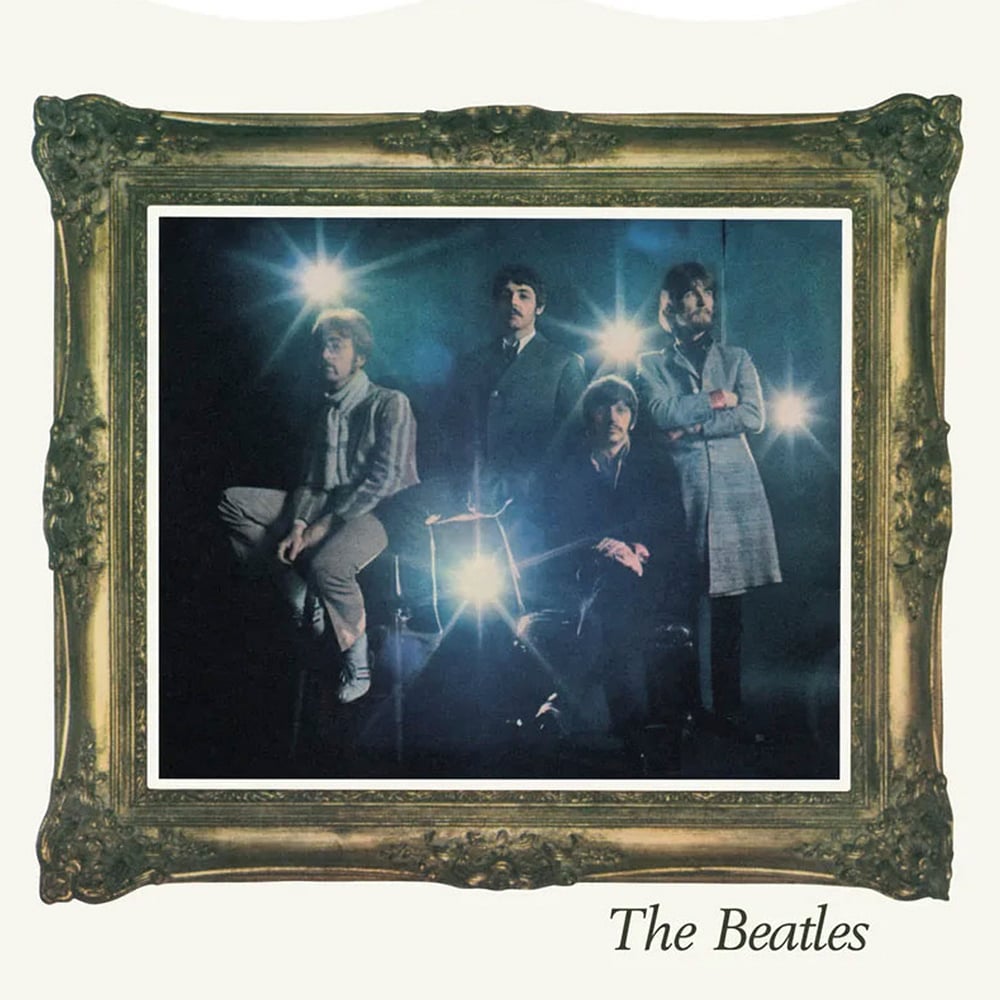
Release Date: February 1967 | Producer: George Martin | Label: EMI
In November 1966, The Beatles entered the EMI studios for the first time as a fully-fledged studio project. Shaking off the final vestiges of Beatlemania with their final live shows that August, the evolving sophistication of their songcraft and compositions was now completely unreined by the faint concern for on-stage reproduction.
They were already in such creative headspaces, the lyrically coated ‘Tomorrow Never Knows’ unleashed to the world weeks before their last gig in San Francisco that held no hope of performing onstage, but the psychedelia clamoured at by the Fab Four was now only limited by their imaginations. Amid such artistic unshackling, John Lennon looked back to his childhood days playing in next door’s Salvation Army gardens as lyrical fuel for ‘Strawberry Fields Forever’s surrealist nostalgia.
One of the first pieces tackled during the Sgt Pepper’s Lonely Hearts Club Band sessions, the playfully inventive pop craft and transportive production struck a shimmering gem among The Beatles’ already dazzling songbook, glowing with moving wist and plumbing a kaleidoscopic depth that seems to hug one’s inner, tree-climbing child. Released as a double A-side with Paul McCartney’s enchanting ‘Penny Lane’, the trippy twofer’s lefftfield gamble just kept them from the top spot, Engelbert Humperdinck’s ‘Release Me’ nudging The Beatles out the way for Record Retailer’s Chart number one.

Never Miss A Beat
The Far Out Beatles Newsletter
All the latest stories about The Beatles from the independent voice of culture.
Straight to your inbox.