


Stealing the spotlight and why Diana Ross fell out with Mary Wilson

It’s well established that you don’t have to be good friends in order to operate as a successful band, and while a good rapport is always going to help you along the way, it’s not a given that members are always going to be able to maintain a sense of camaraderie throughout an entire career.
While Motown superstars The Supremes were on more than good terms when they were brought together by Berry Gordy, it’s fair to say that by the end of their run as a group, they were far from being on good terms.
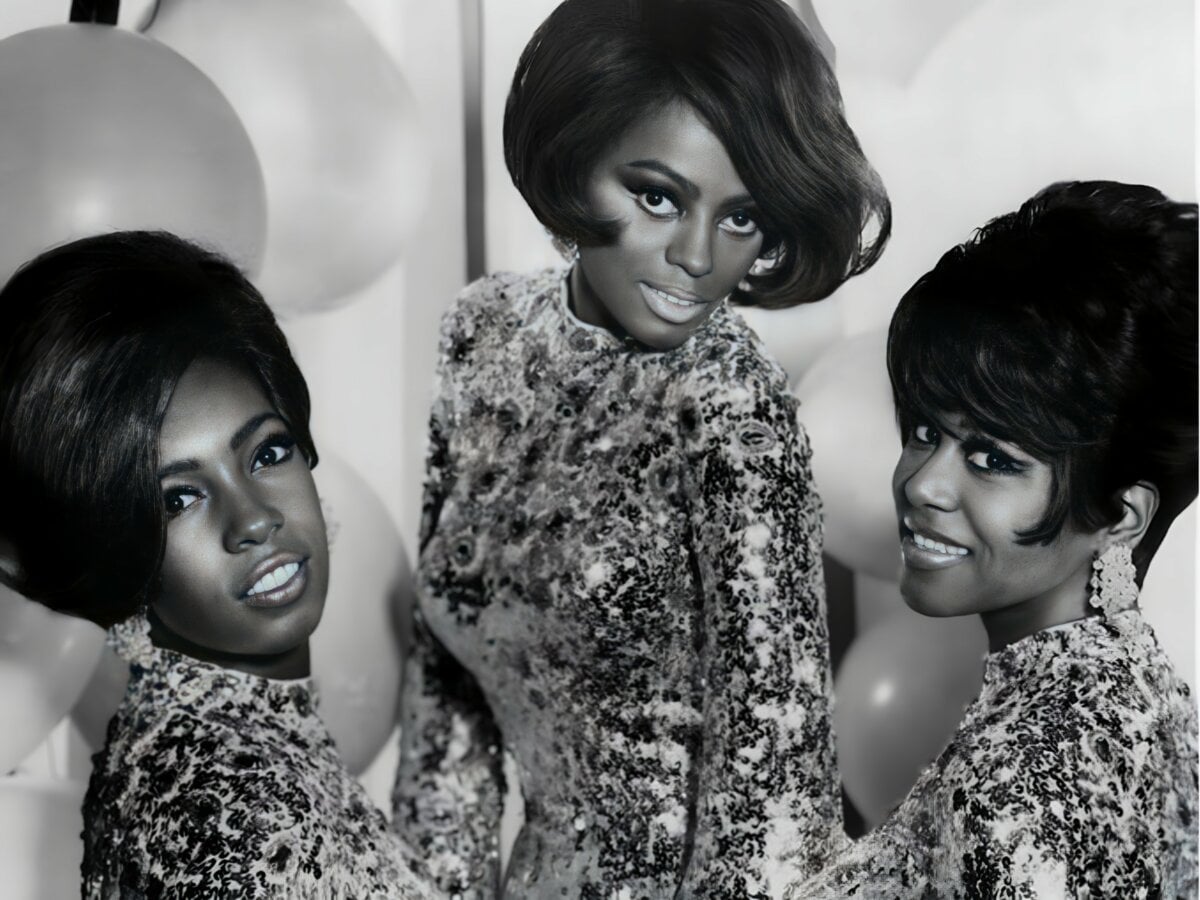
The most notable trio of Diana Ross, Mary Wilson and Florence Ballard took shape in 1962 after they had transitioned from their previous incarnation as The Primettes and seen Barbara Martin depart the group, and with this lineup, they achieved significant amounts of chart success with hits such as ‘Where Did Our Love Go’ and ‘Baby Love’. They’d quickly become one of Motown’s flagship bands, but much like with other successful groups of the period, success was about to prove how fleeting it can be.
Things began to take a turn when Ballard departed in 1967 and was replaced by Cindy Birdsong, but this was also when the group were rebranded as Diana Ross & The Supremes by the record label. Understandably, Wilson didn’t take kindly to her contributions being shifted into the background, and would later go on to accuse her co-founder of stealing the spotlight despite being of equal importance.
In 2000, while working for ABC News, famous US journalist Barbara Walters would receive a call from Diana Ross, stating that she wished to discuss a recently released interview with Mary Wilson where she had directly laid the blame upon Ross for standing in the way of a reunion tour taking place. Having understandably taken Wilson’s comments to heart, Ross chose to address the situation, and what lay to rest what appeared to be a growing public feud between the two parties.
With Ross having departed the band in 1970 to pursue a solo career, Wilson continued with various different incarnations of the group for a further seven years before calling it a day. However, when she approached Ross with the idea of reforming, her attempts at making amends for her previous comments weren’t taken well.
“I think the unhappiness came when things started not to work that well in her life,” Ross told Walters. “She’s had a lot of difficulties, and she’s been through a lot of pain, and it seems like she’s targeting me.”
However, when Wilson said that the financial agreements that Ross had proposed for the reunion meant that Ross would earn approximately five times the amount of Wilson, and that Birdsong would receive even less, Wilson’s comments about Ross’ selfishness seemed to be rooted more in reality rather than out of spite.
“There’s something about Diana,” Wilson had claimed in her interview. “She wants everything for herself.”
With plenty of other accusations levelled towards Ross about how she always wanted to be the centre of attention, and demanded more importance to be placed upon her contributions, it begins to look bad on Ross, and it becomes more understandable that the group never reformed.
