


The 10 best punk albums from the 1980s

A neon-hazed cloud of hairspray and bubblegum pop; the mainstream music charts of the 1980s might have been a gift to John Hughes movies and their soundtracks, but they did little to gauge the reality of life for young people during the age of rising Cold War tensions and the devastating neoliberal policies of Margaret Thatcher and Ronald Reagan. For that, we must turn to the endearingly abrasive world of punk rock.
Contrary to the age-old claim that punk died on the very day that Johnny Rotten left the Sex Pistols, punk was still very much alive and kicking as the world entered the 1980s. In fact, the scene had morphed and moulded itself into countless different subgenres and niche scenes, which managed to retain that rebellious ethos while opting for a far more innovative sound.
Meanwhile, the few original outfits that had yet to implode in a cloud of heroin addiction, musical differences, or simply realising that three barre chords can only get you so far, were forced to adapt to the changing musical landscape.
Far from being the death of punk, the 1980s marked punk’s renaissance, ushering in the age of hardcore and post-punk and giving way to a plethora of utterly iconic groups that went on to define punk in its entirety. Whether it was the out-and-out hardcore of groups like Reagan Youth and Minor Threat, or the experimental noise punk of Sonic Youth towards the end of the decade, the 1980s were far more expansive and experimental than their predecessors.
Here, we have collected ten prime cuts of 1980s punk, spanning the spectrum of sound and scene, with each having a colossal impact on the movement, as well as holding up to repeated listens over four decades later. While there are a multitude of honourable mentions that are simply too large in number to get into here, this list of ten records is more than enough to get your teeth stuck into.
The 10 best punk albums of the 1980s:
The Clash – Combat Rock (1982)
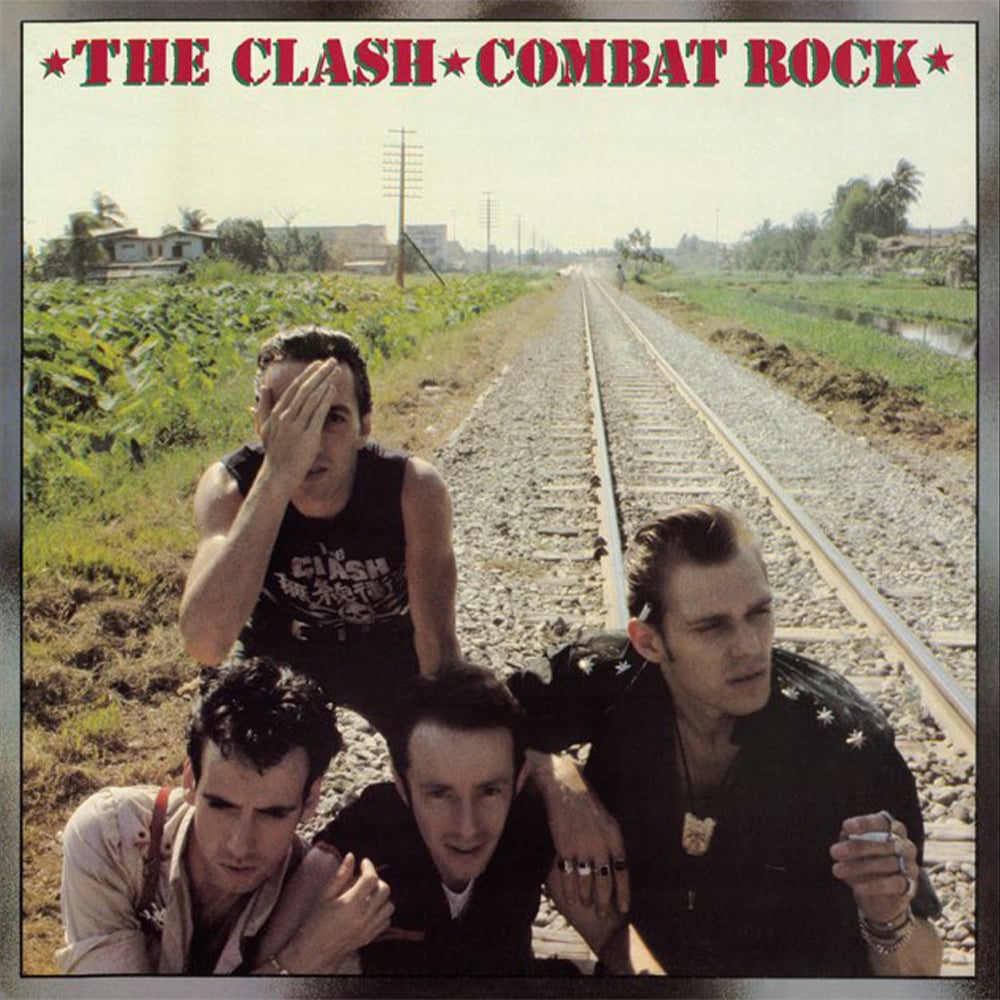
Kicking things off with one of punk’s old guard, The Clash had been around since the very beginning in the UK, and their 1977 debut remains one of the greatest anti-authority albums of all time. It was their 1980s-era output, however, that took the band in bold new directions, with Combat Rock being perhaps the greatest example.
It might not be as distorted or confrontational as some of the other records on this list, but Joe Strummer’s combining of political activism with that unique blend of punk, new wave, funk, reggae, and a litany of other influences remains utterly revolutionary. Its impact is all the greater, too, since Combat Rock ended up being the last real Clash record, before the group imploded, losing both Topper Headon and Mick Jones, and churning out the disgraceful death rattle that was Cut The Crap a few years later.
Crass – Penis Envy (1981)
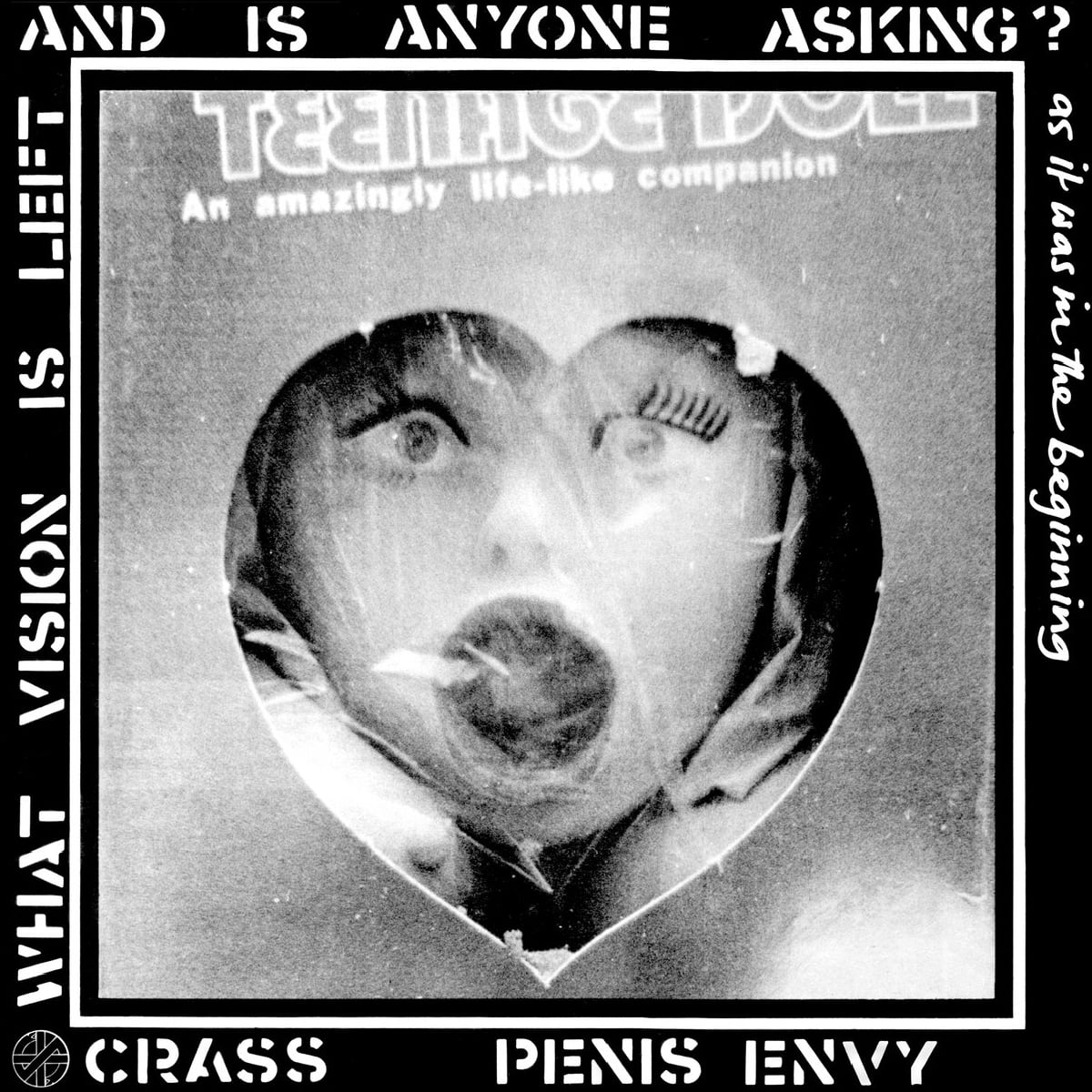
Despite claiming that ‘Punk Is Dead’ way back in 1978 – and, incidentally, namedropping The Clash within that same song – anarcho-punks Crass were still going strong throughout the early 1980s, and their third record, Penis Envy, might just be their all-time greatest. Centred around Freudian ideas of sexuality, the record marked a departure from the band’s previous output for a multitude of reasons.
Namely, Steve Ignorant’s usual endearingly dulcet tones were omitted entirely, in favour of female vocalists Eve Libertine and Joy De Vivre. Along with these new recruits, the record tackled a multitude of issues that weren’t often being widely discussed within the still relatively macho punk scene: sexism, femininity and the patriarchy. Not only did the record feature some of the band’s greatest musical performances then, but it also contained some of Crass’ most important and enduring political messaging.
X – Los Angeles (1980)
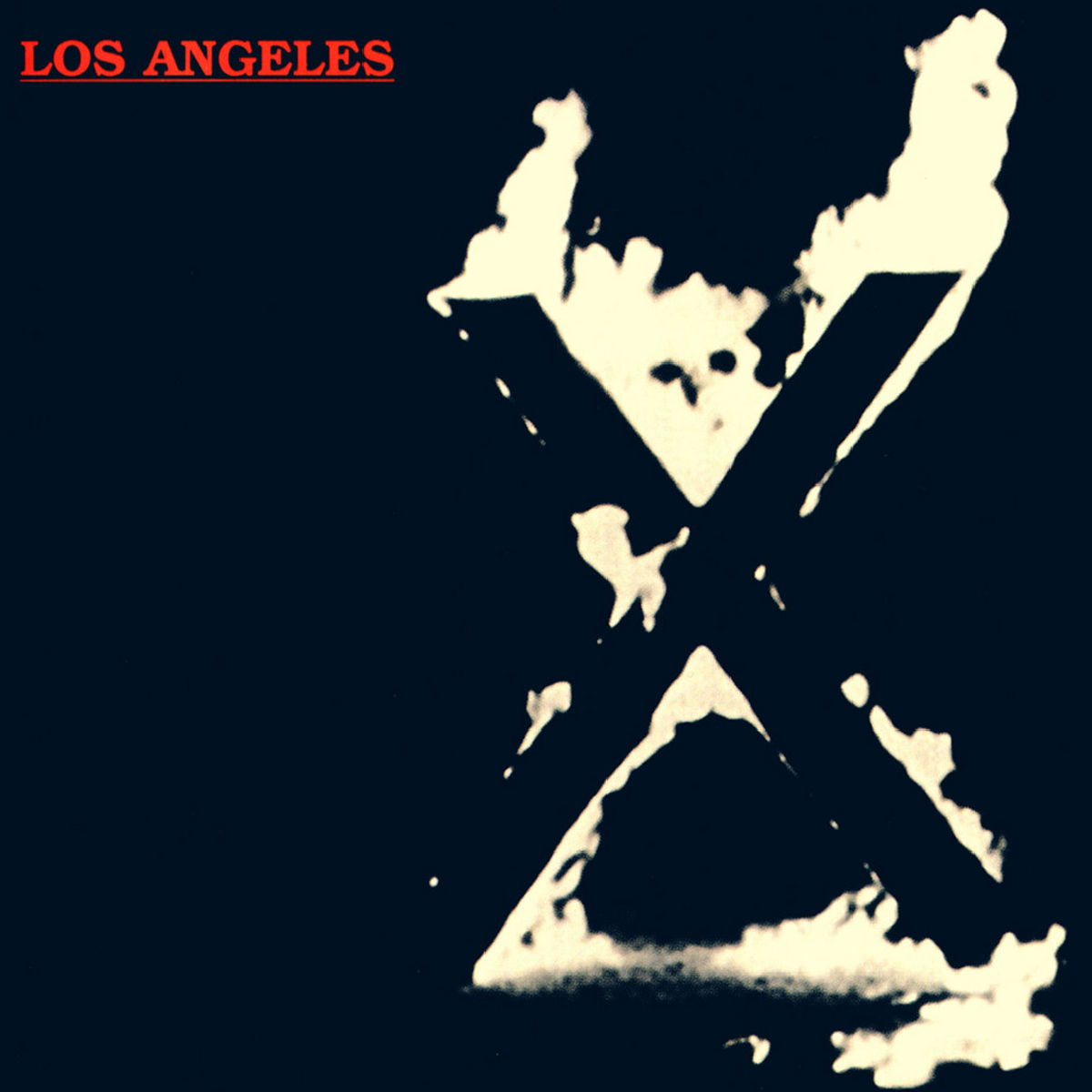
Travelling across the Atlantic, where we shall remain for much of this list, X were flying the flag for the West Coast punk scene during the early 1980s, and their fittingly titled debut album, Los Angeles, was a key album in the development of punk and hardcore throughout the decade.
Existing in a sonic space somewhere between The Rezillos and fellow LA punks Germs, spurred on by joint lead vocals of Exene and John Doe, the album also featured production work from none other than Ray Manzarek of The Doors, and features perhaps one of the greatest punk cover songs of all time in their version of ‘Soul Kitchen’. Although X’s later records failed to recapture the same magic, Los Angeles remains one of West Coast punk’s ultimate masterpieces.
Descendents – Milo Goes to College (1982)
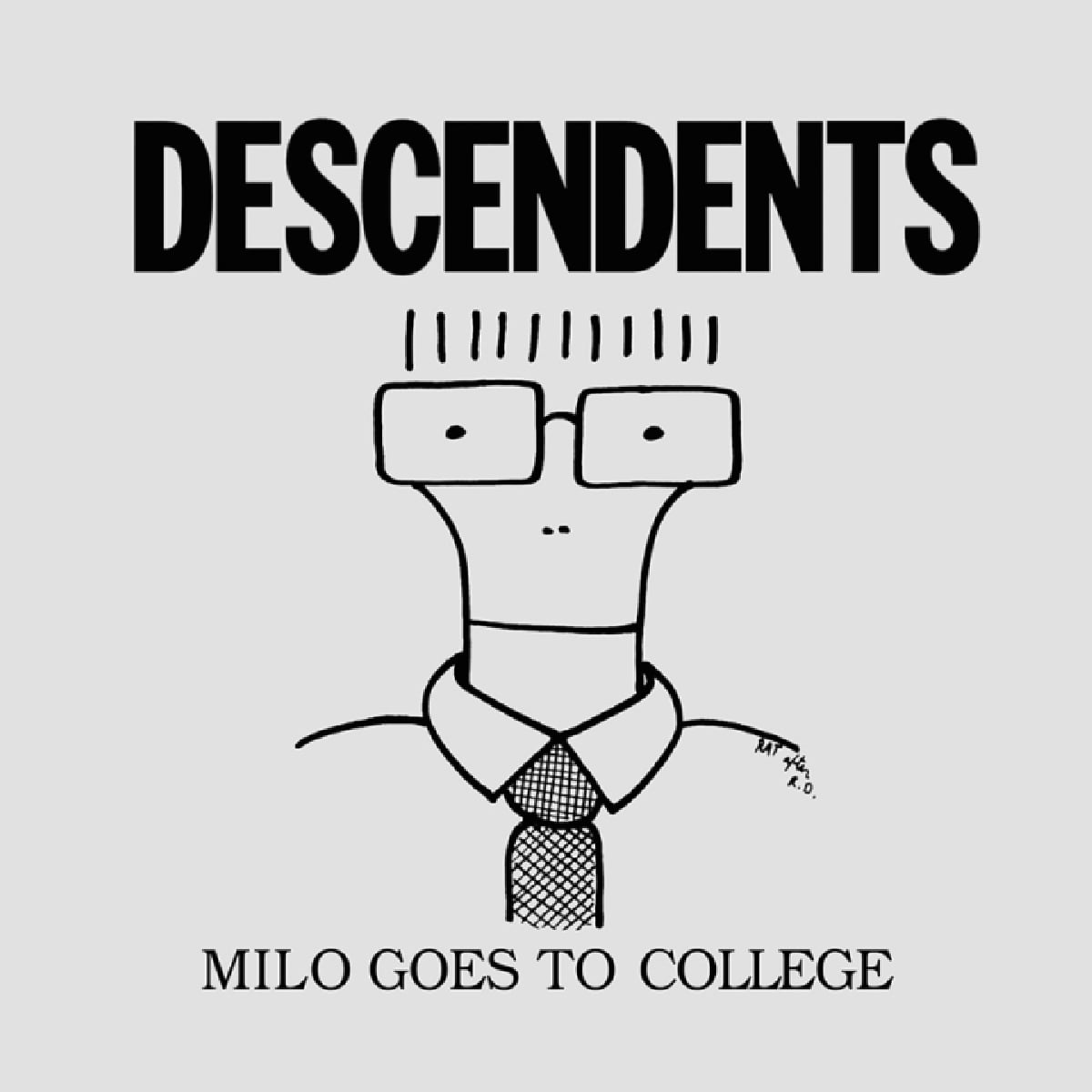
Sticking on the West Coast for the time being, no conversation on 1980s punk is complete without a hearty mention of Manhattan Beach heroes Descendents, who unleashed their debut record back in 1982.
A swirling, adrenaline-fueled journey through hardcore aggressive, ironic love songs, and more than a few astute observations on the state of American society, Milo Goes to College might have identified itself as an out-and-out hardcore record, but it contained a multitude of influences and ideas which stretched far beyond the confines of that sweaty, chaotic scene.
In fact, the record rightly became an essential pillar of influence for the much-maligned realm of pop-punk, although it had far more substance to its tracklisting than the pop-punk scene that would emerge onto the singles charts during the 1990s.
Frightwig – Faster, Frightwig, Kill! Kill! (1986)
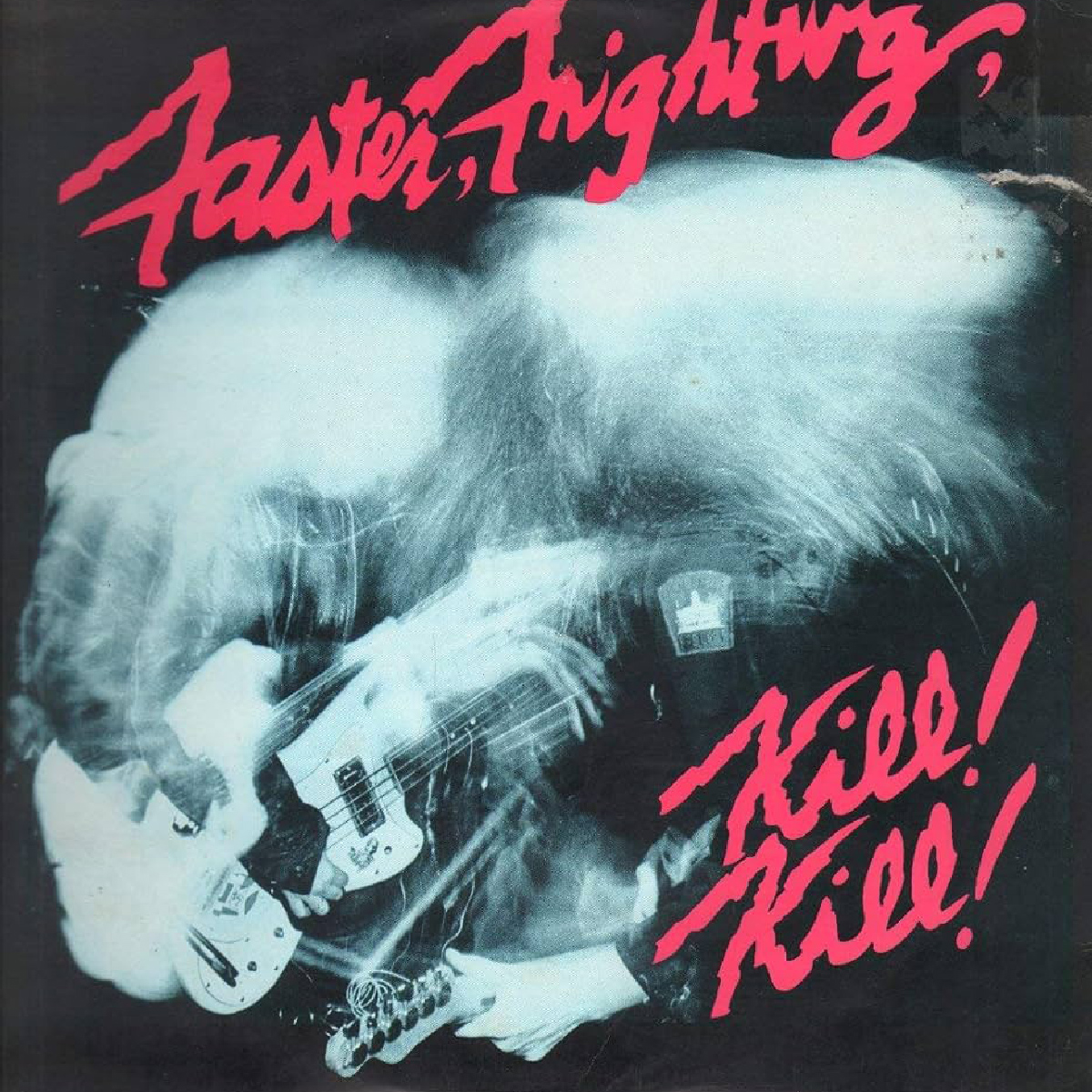
It wasn’t until the early 1990s that the likes of Bikini Kill and Bratmobile ushered in the long-awaited age of Riot Grrrl liberation, but the roots of that scene was in records like Faster, Frightwig, Kill! Kill! from back in 1986. Spearheaded by the infallible duo of Deanna Mitchell and Mia d’Bruzzi, the album was Frightwig’s second full-length offering – arguably their defining record – and it took its name from Russ Meyer’s legendary 1965 exploitation flick.
Through kitsch parodies of femininity – or, rather, 1980s-era expectations of femininity – the record blows away the masculine domination of punk through one of the most energetic, fearless, and criminally underrated albums of the entire decade. It is virtually impossible, when listening to the record, not to hear the core sound of Bikini Kill being carved out in the process, yet Faster, Frightwig, Kill! Kill! is rarely on the receiving end of the attention it so richly deserves.
Minor Threat – Minor Threat (1984)
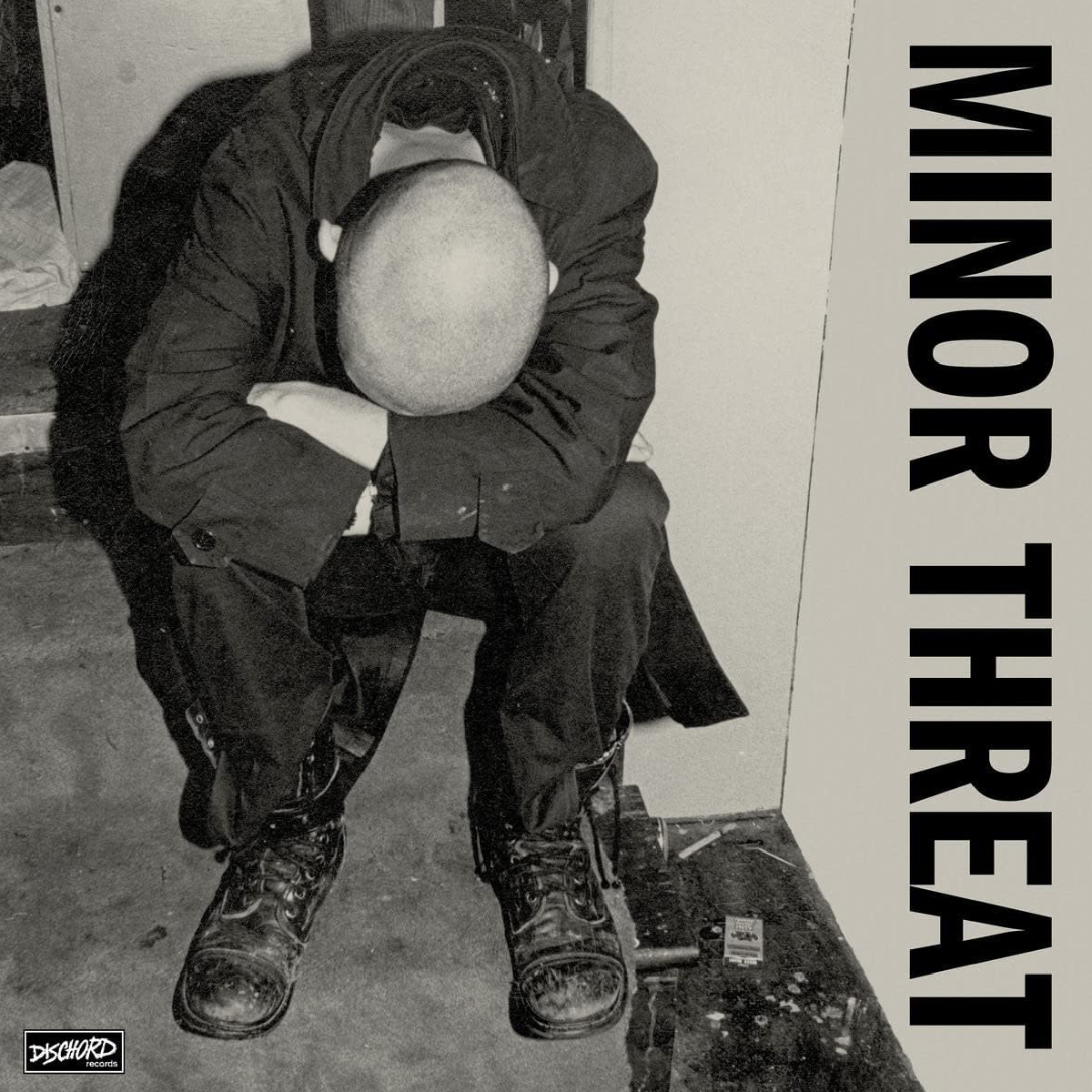
Among the countless groups that carved out the hardcore scene of the early 1980s, Ian MacKaye and Minor Threat cannot help but stand out as one of the greatest. Endlessly devoted to the DIY ethos that birthed punk in the first place, every Minor Threat record, including this 1984 compilation of the band’s first two EPs, was self-released through Dischord Records, which would go on to become a cornerstone of independent punk for decades to come.
It is difficult to overstate the importance of Minor Threat, particularly as far as Washington D.C. hardcore is concerned, but this essential album largely speaks for itself. Perhaps the shortest-running compilation in history, with its 12 songs lasting just under 17 minutes, Minor Threat saw no use in sticking around. The album finishes just as quickly as it begins, and in the intervening breath, MacKaye and the band manage to establish their entire sonic manifesto – what more could you realistically ask for?
The Cramps – Songs The Lord Taught Us (1980)
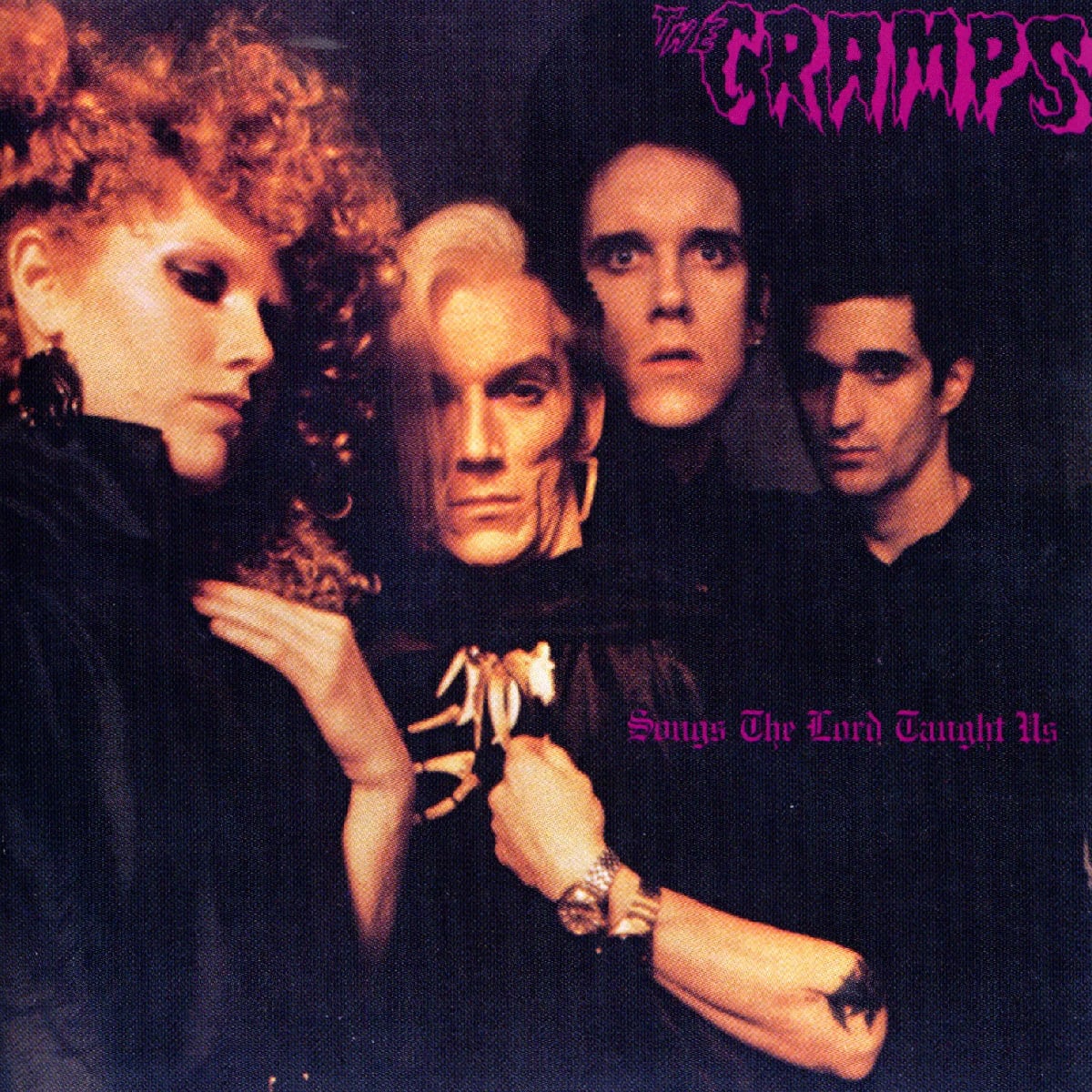
Rather than taking their core inspiration from the blossoming hardcore scene, the old-school pioneers of New York’s CBGBs club, or even the proto-punk of Iggy and The Stooges, The Cramps instead found the inspiration for their psychobilly revolution within the world of horror comic books, obscure sci-fi B movies, and forgotten rockabilly tracks from back in the 1950s.
Unsurprisingly, then, there was nobody else who came close to replicating the incredible sounds of Lux Interior, Poison Ivy, or their masterpiece debut album, Songs The Lord Taught Us.
Darting sporadically from kitsch horror-infused originals to bizarrely energetic interpolations of Link Wray, Johnny Burnette, and various other underappreciated icons of R&B and rockabilly, the album revolutionised expectations of punk rock and quickly established The Cramps among the most original groups ever produced by the scene.
Black Flag – Damaged (1981)
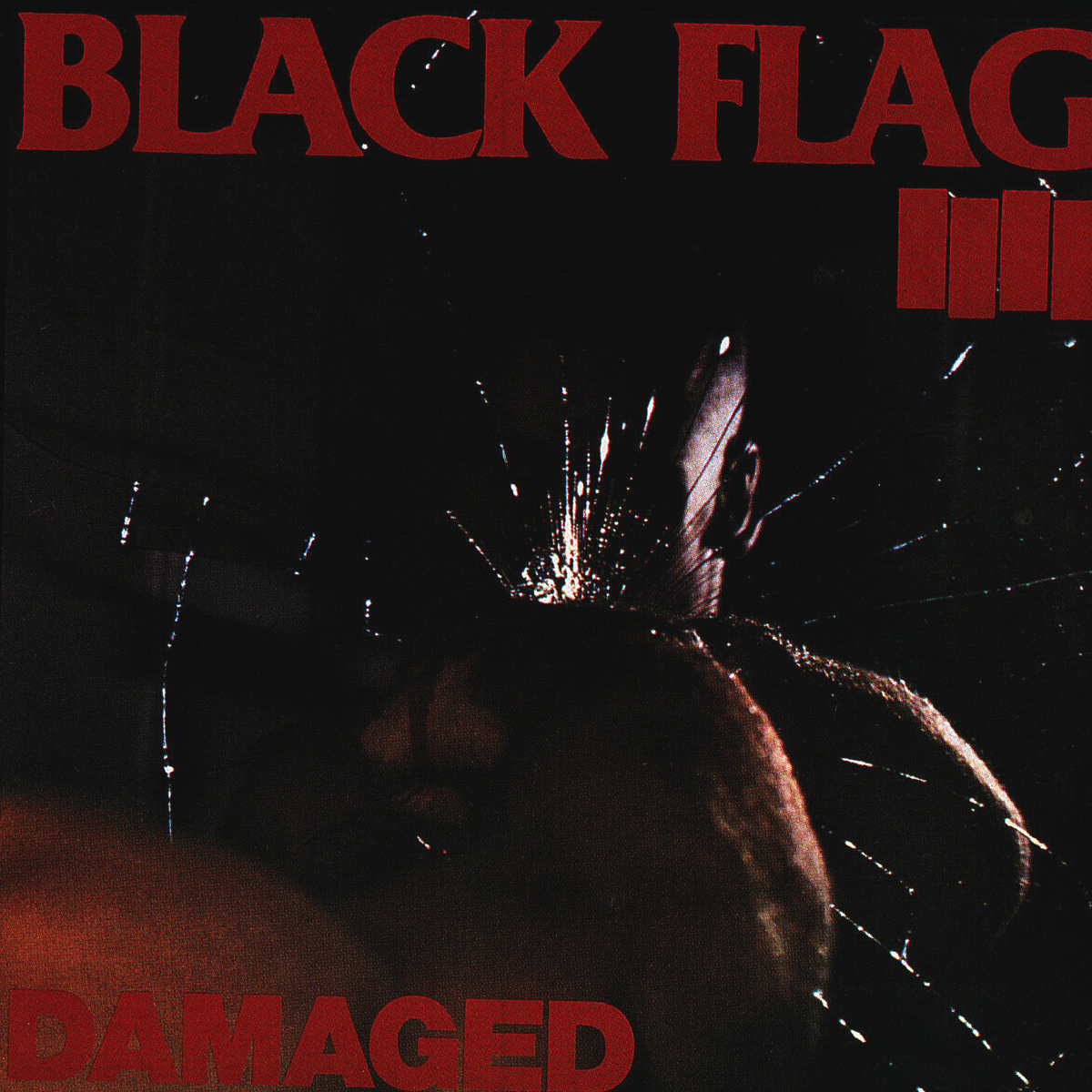
Having already been around for four years by the time the 1980s rolled around, Black Flag were rapidly coming to define the sound of American punk when they first arrived at Damaged, which instantly became one of the most iconic punk albums to ever grace the airwaves.
Having recruited Henry Rollins from his roots in the DC scene, where he was working as potentially the most intimidating ice cream server in the history of Häagen-Dazs, this was the debut album that alerted the masses to Black Flag.
Imbued with an unwavering, uncompromising anti-authority stance, spurred on by the palpable, desperate anger of Rollins’ vocal performances, if you didn’t have a spike inside your gut before listening to this record, you most definitely do now. 45 years on from its original release, the LP has lost none of its power or appeal, either.
Bad Brains – Bad Brains (1982)
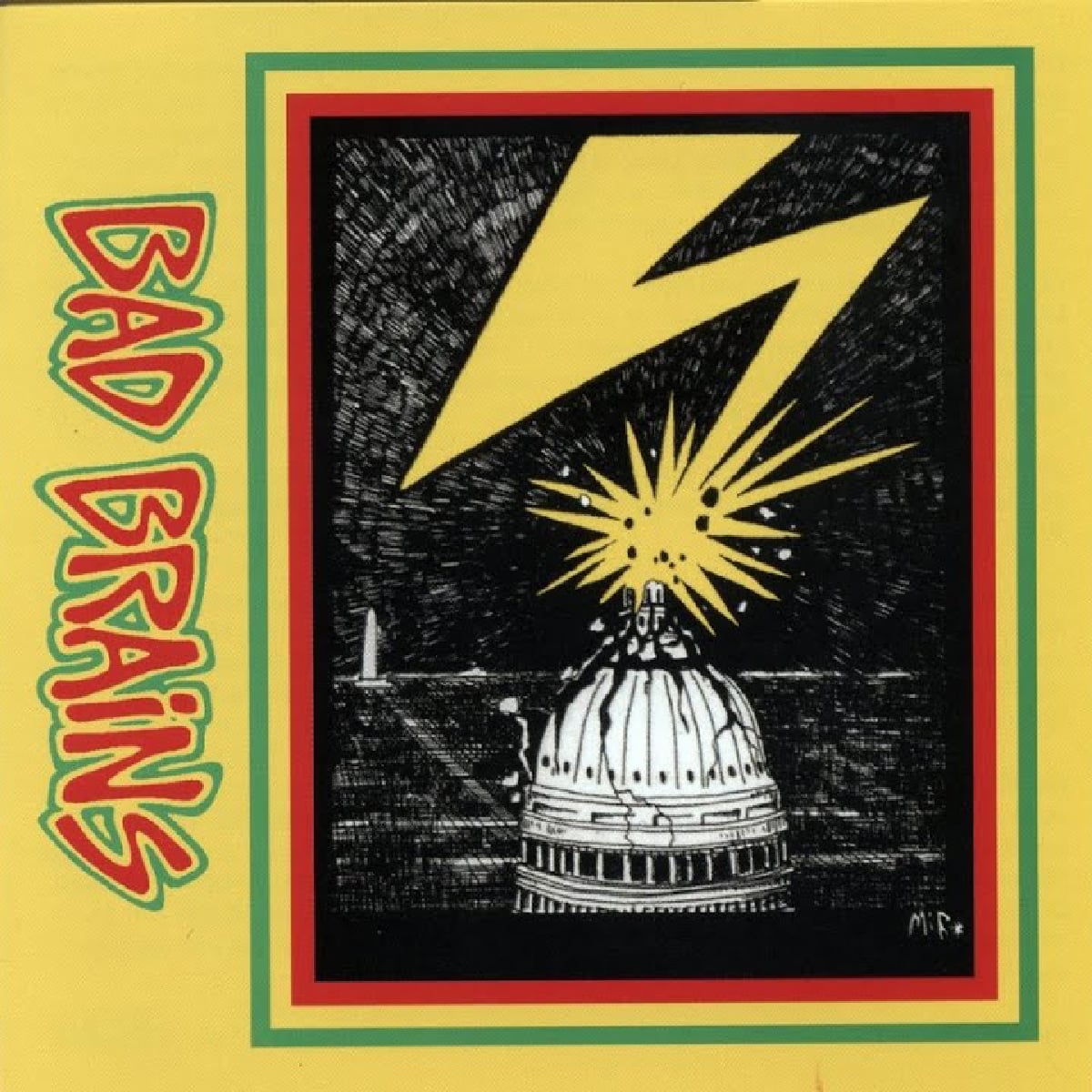
Yet another child of DC’s incredible hardcore scene, Bad Brains were always a particularly unique outfit. Not only were they among the few black, Rastafarian voices in the punk scene of America at that time, but they had originally formed as a jazz fusion outfit back in the 1970s. Luckily, none of that jazz influence made it onto their self-titled 1982 record, which blends together hardcore, hard rock, metal, and dub reggae, creating something entirely new in the process.
Bad Brains’ inherent sound is famously hard to succinctly pin down, but perhaps that is simply because their debut studio album has to be felt rather than simply heard. Frontman HR comes across as an unpredictable surge of concentrated energy over the course of the tracklisting, and the dub tracks that are sprinkled throughout the record are not only incredible but also incredibly necessary for the listener to catch a breath before heading back into the flailing bodies and anarchic mosh pits at the album’s core.
Dead Kennedys – Fresh Fruit For Rotting Vegetables (1980)
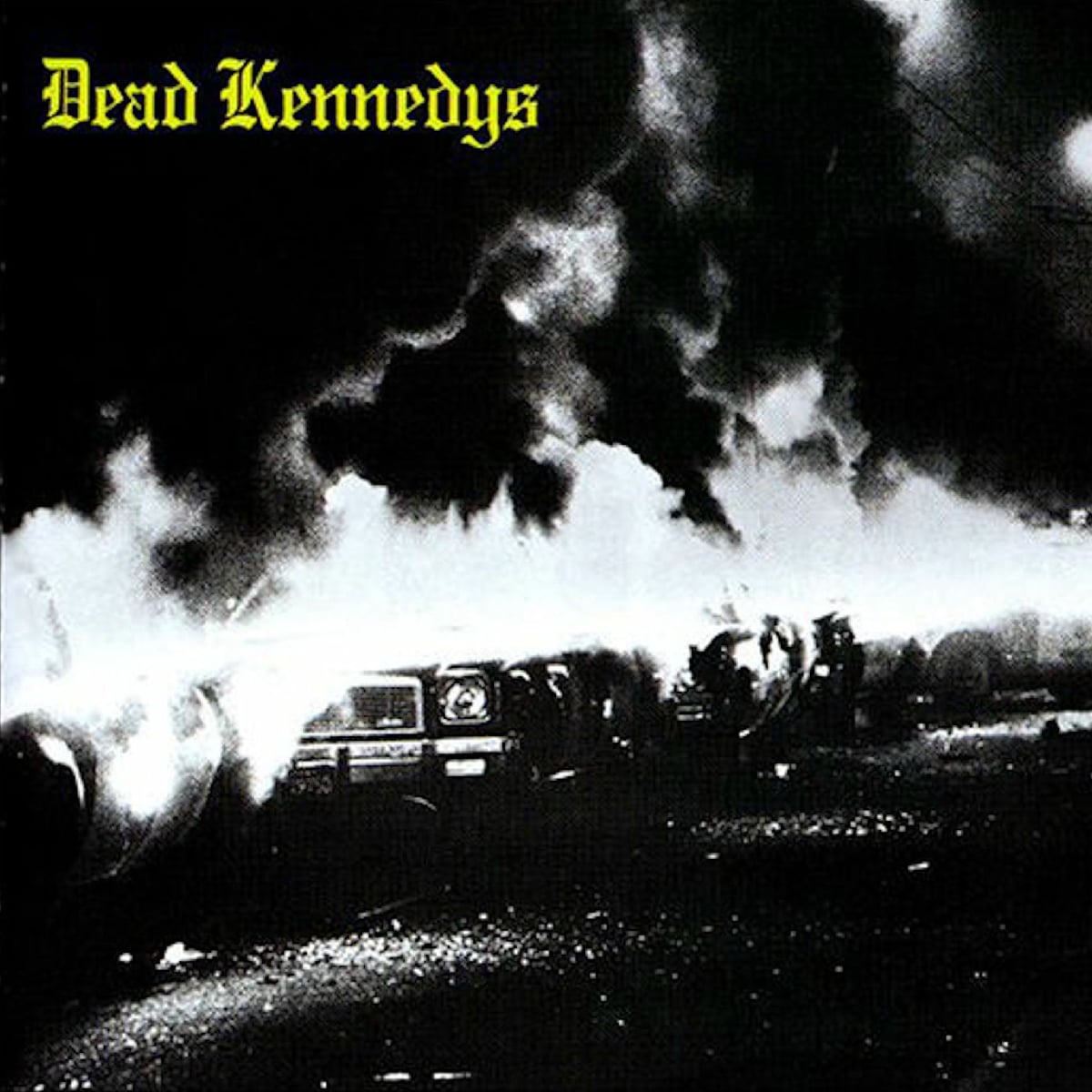
They had to appear eventually; in fact, half of this list could have been occupied by Dead Kennedys’ records. Few bands captured the revolutionary spirit of punk in the 1980s better than Jello Biafra and Dead Kennedys who, from their very beginning, coveted politicised songwriting and a certain shock factor – as shown, aside from anything else, in their band name.
Like many of the records on this list, Fresh Fruit For Rotting Vegetables was DK’s first album, and it perfectly captures the energy, humour, and political resistance at the heart of the band.
Whether they were comparing the Governor of California to the Nazi Party, advocating the lynching of landlords, bringing attention to Pol Pot’s Cambodian genocide, or simply offending the rock and roll mainstream with their self-aware cover of Elvis Presley’s ‘Viva Las Vegas’, the 1980 album was adept at establishing Dead Kennedys as a band that wasn’t afraid to upset the status quo or outrage the mainstream.

Never Miss A Beat
The Far Out Punk Newsletter
All the latest Punk content from the independent voice of culture.
Straight to your inbox.