


‘Cut the Crap’: How did The Clash come to such a chronic end?

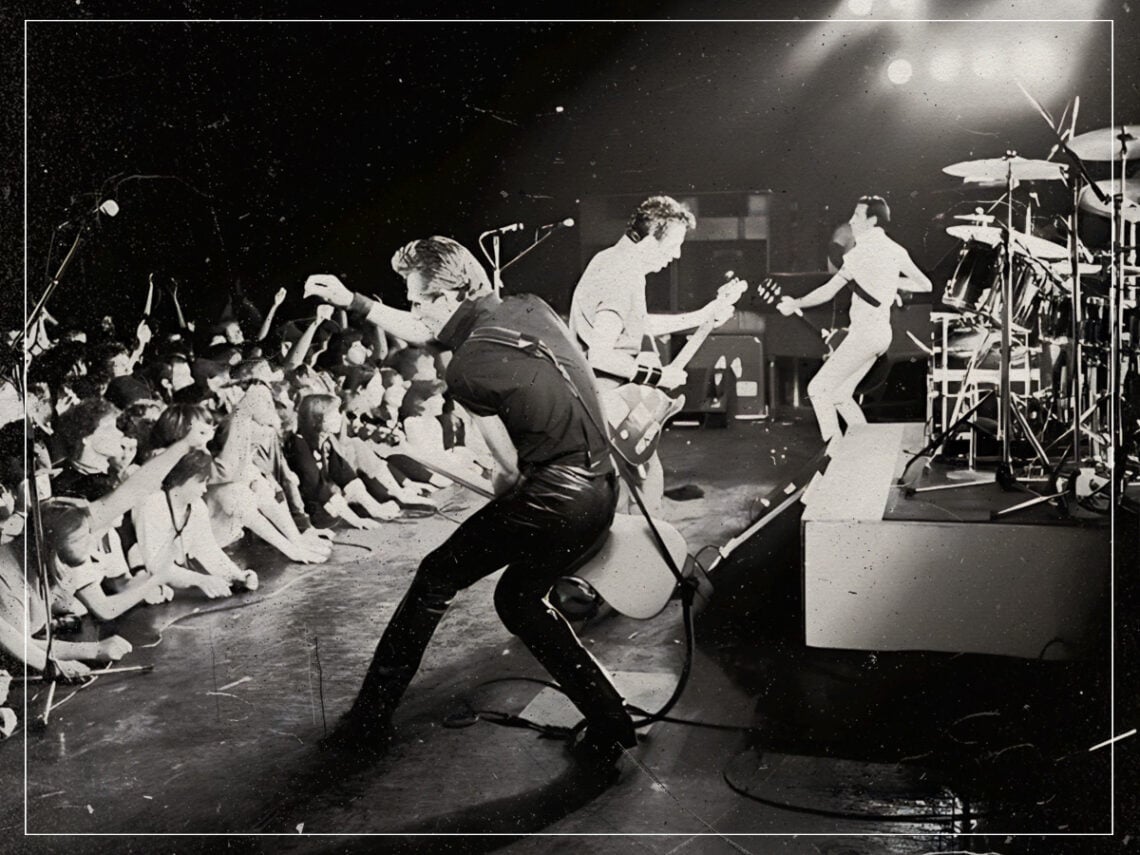
In the grand scheme of things, the punk rock revolution was fairly short-lived. In the UK, the first punk releases from The Damned and The Sex Pistols came about in 1976, providing an official starting point to the vibrancy and abrasion of the nation’s punk explosion. By the end of 1977, however, the core of the scene had largely dissipated, or, at least, had morphed into something entirely different. Nevertheless, punk pioneers The Clash managed to stay together for many more years.
Originally formed by Mick Jones back in 1976, from the ashes of his previous outfit, London SS, The Clash immediately established themselves as being a little more expansive than many of their punk peers. While the rest of the scene was built upon a manifesto of ‘here’s three chords, now form a band’, The Clash quickly graduated from the style of buzzsaw guitars, simplistic chord progressions, and surface-level anti-establishment lyrics. As early as their 1977 debut album, the band were already experimenting with styles of dub, ska, and rockabilly, and that repertoire only expanded as the years went by.
With an unwavering dedication to DIY, and a staunch set of ethical principles, The Clash tackled a countless array of topics, from the abhorrent racism present within British society to police brutality, unemployment, and the detrimental effects of Margaret Thatcher’s government during the early 1980s. These strong messages quickly earned the band a vast and dedicated following, in addition to the moniker ‘the only band that matters’.
The Clash were certainly not without their problems, however. For starters, the group signed a terrible deal with CBS in 1977, which alienated their faithful punk fanbase, while also landing the band with one of the worst deals in the entirety of the music industry. Forced to cover their own recording and touring costs, the band ended up being hundreds of thousands of pounds in debt to their label, and the situation was made more perilous by their determination to keep record and ticket prices as low as possible.
Meanwhile, the band members themselves were suffering from the effects of being on the road for years on end. Tensions within the group flared up sporadically, and drug habits soon took hold of the musicians. Topper Headon, in particular, developed a debilitating heroin habit, which put the position of the group in jeopardy. Following on from their triumphant 1982 album, Combat Rock, The Clash slowly began to fall apart.

Headon was the first one to go, dismissed in May 1982, with the rest of the band citing his drug habit as a prevailing reason. Although Headon hadn’t been onboard since the very beginning, only joining after the band’s debut album, his distinctive jazz-orientated percussion style had become essential to the sound of the band, with Combat Rock being a notable example of that fact. As such, his sudden sacking severely impacted the band’s core structure.
Then, in May 1983, Joe Strummer and Paul Simonon sacked Mick Jones from the band he had started all those years ago, to be replaced by Nick Sheppard and Vince White. For many fans, this is the moment that The Clash ceased to exist; the group had changed beyond recognition from their golden age, and the end was most definitely nigh.
Despite the inevitable, the group continued with this much-maligned new line-up, fulfilling their obligation to release a new album for CBS. That album ended up being Cut The Crap, a depressing signifier of just how far the band had fallen from the heights of London Calling or Combat Rock. Dull, uninspiring, and distinctly un-Clash, the album was met with unparalleled disappointment from the band’s following, and the band officially disbanded two months after its release, in January 1986.
Looking back at Cut The Crap, the album is still fairly disappointing, but it does have moments of brilliance, too. ‘This Is England’, the album’s lead single, is classic Strummer, holding up a mirror to the dire surroundings of Thatcherite Britain. Ultimately, though, not even profound social realism could save the sinking ship of The Clash by that point.
“When the Clash collapsed, we were tired,” Strummer affirmed, years later. “There had been a lot of intense activity in five years. Secondly, I felt we’d run out of idea gasoline. And thirdly, I wanted to shut up and let someone else have a go at it.” Still, Cut The Crap remains a rather depressing end to one of the greatest rock bands to ever grace the airwaves.
