


10 21st-century movie stars who’d be eaten alive by New Hollywood

The New Hollywood era had higher standards for actors.
The 1970s are thought of as the greatest decade in cinematic history because of the freedom that was allotted to auteur filmmakers, but it was also an era that saw some of the greatest performances in history. Enough time had passed that many stars were taking inspiration from Marlon Brando’s process of immersive performing, and there was also an influx of actors coming from New York theatre.
The decade saw comedians starting to develop into stars and set the basis for the action films that would become prominent in the next decade. There was still an ability for movie stars to sell an upcoming release based solely on their name; given that critics and audiences tended to line up more often, good acting was actually beneficial to one’s career.
Although the industry has gotten worse in many ways, some of the issues that are present today were also a problem back in the ‘70s. There are more than a few contemporary actors who have been considered ‘difficult to work with’, but they seem fairly lightweight when compared to the egos of Dustin Hoffman and Richard Dreyfuss.
There were still a fair number of terrible actors who still managed to have decent careers, and more than a few of them would have been ‘cancelled’ by today’s culture. However, New Hollywood was a time in which talent had to prove itself, as cinema was at the centre of culture in a way that it simply isn’t today.
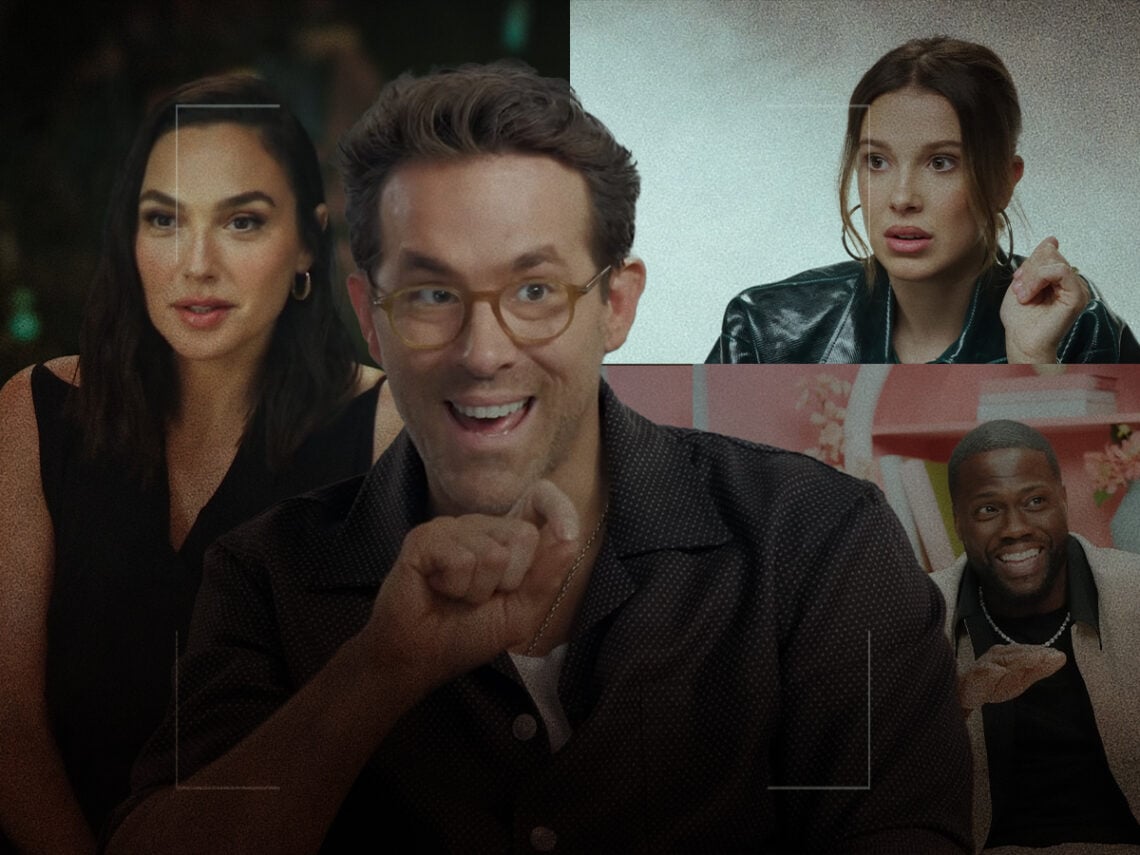
10 modern movie stars who wouldn’t survive New Hollywood:
Vin Diesel

Vin Diesel is an easy pick for any list about some sort of incompetence, but it’s because he fails to meet any basic standards. Diesel has somehow succeeded because audiences buy into him as an action star, but the genre looked much different in the ‘70s. Action stars weren’t just lumbering, charisma-free egomaniacs, as this was the decade of Clint Eastwood, Gene Hackman, and James Caan.
While even action stars from the New Hollywood era like Charles Bronson and Burt Reynolds didn’t have much range, they had charisma and managed to do a lot of their own stunts, which Diesel has never proven himself capable of. The actor has willed a lot of his projects into existence through belligerence and shady contracts, but it’s hard to imagine that he would get many projects greenlit under someone like Robert Evans of Paramount.
Kevin Hart

Kevin Hart is hardly the first comedian to essentially use his stage persona as a way to catapult into movie stardom, but the comedians of the ‘70s had to put in a lot more work in order to cross into a different medium. Steve Martin wrote many of his own films and gave a legitimately great performance in The Jerk that showed he had more than his typical schtick, and similarly, Richard Pryor had an eye for picking projects that came from interesting directors, and knew what his limitations as an actor were.
Hart is someone whose comedy has succeeded because of social media, and most of his humour consists of shouting and acting randomly. It’s hard to imagine him ever getting something greenlit within a pitch meeting, especially since he seems determined to pick the least interesting roles imaginable.
Gal Gadot
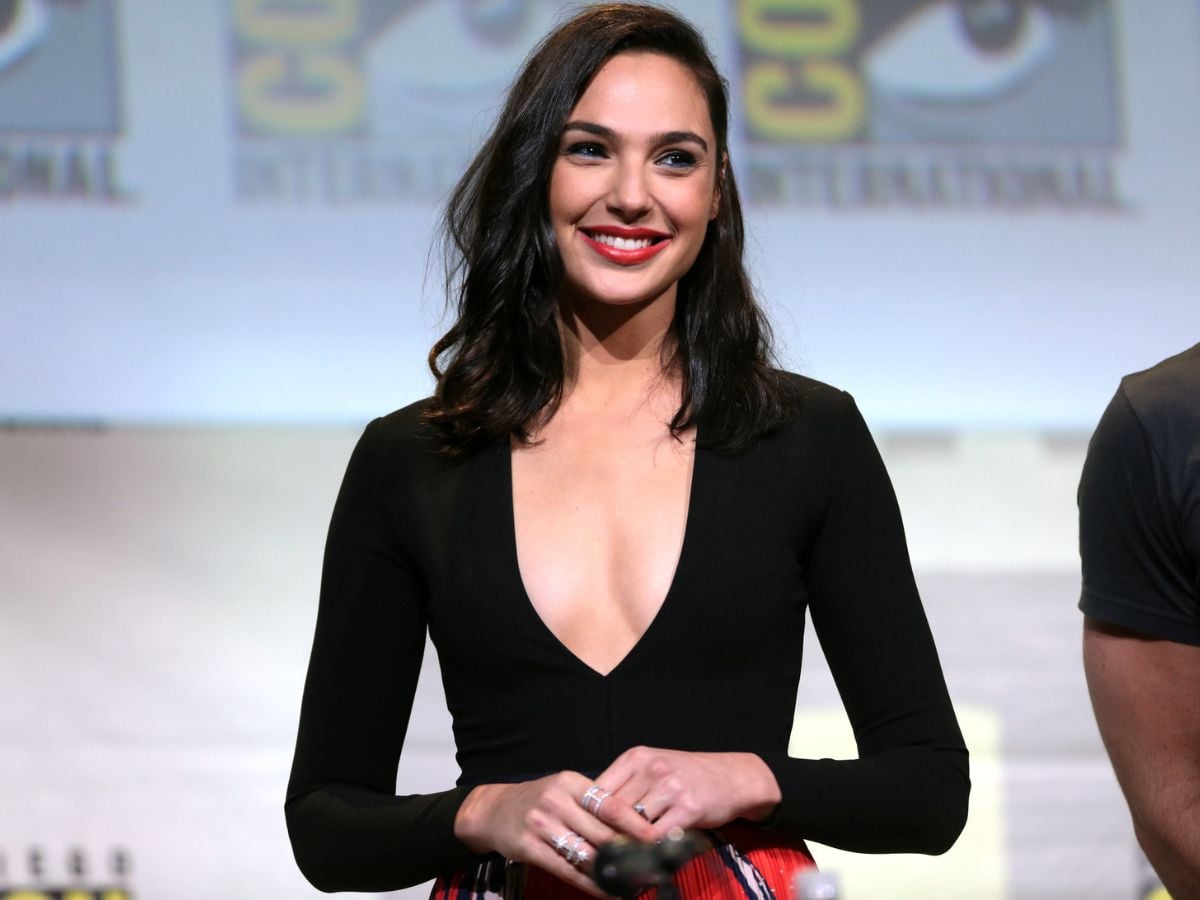
Gal Gadot is the only actor today who rivals Diesel in terms of a complete inability to emote or transform into a character, and she’s famous based solely on the fact that she’s played an iconic character with Wonder Woman. New Hollywood wasn’t so reliant on characters that they superseded the actors who portrayed them; Dirty Harry was a phenomenon because of Eastwood’s performance, and Rocky was the result of Sylvester Stallone working to create his own character and story.
While some might compare Gadot to Christopher Reeve, who rose to prominence thanks to the success of Superman: The Movie in 1978, he was a trained actor who had legitimate talent and would go on to work with James Ivory and Sidney Lumet. The ‘70s were also a decade when movie musicals were massive, and Gadot’s terrible singing would simply not be allowed.
Neve Campbell
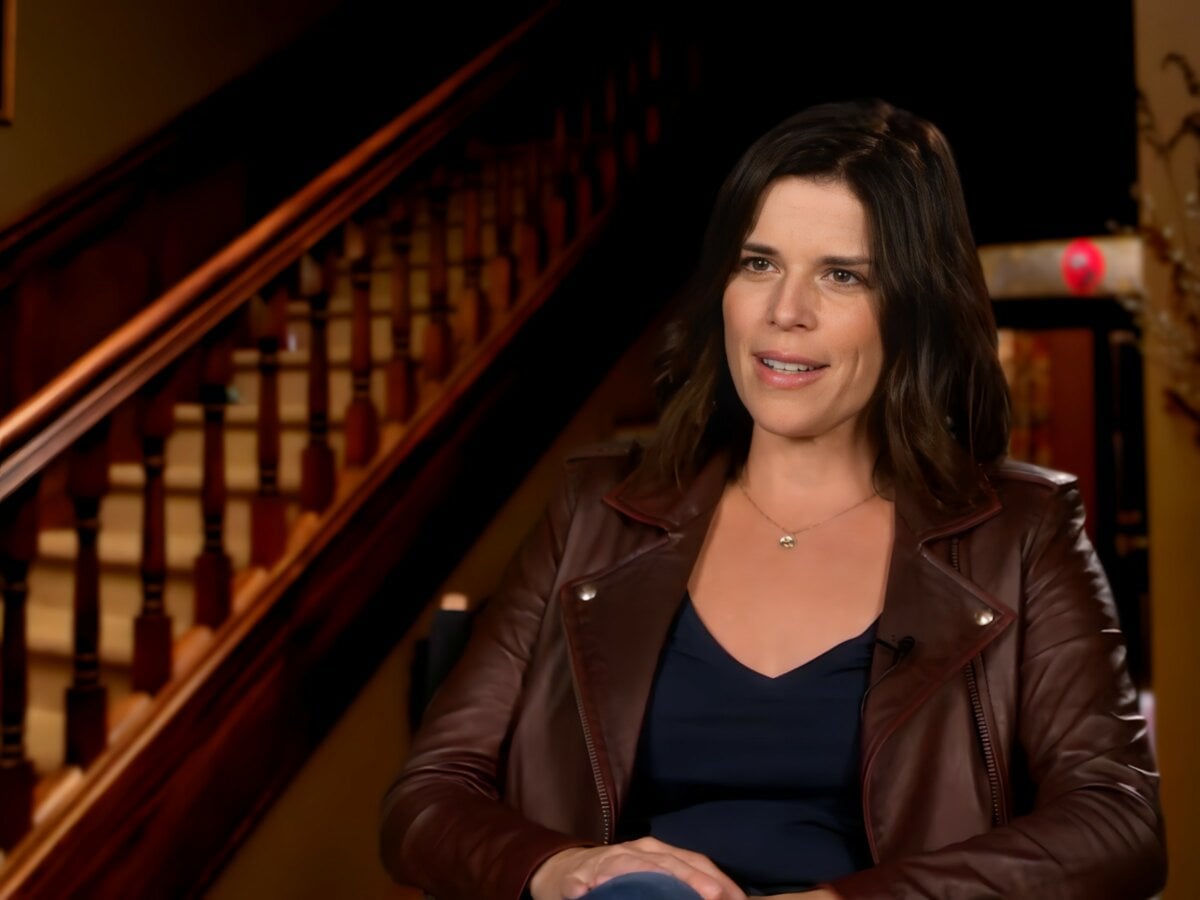
Neve Campbell has retained her prominence based solely on how iconic her performance in the Scream franchise was, but she hasn’t had anything even close to it in terms of success. Sequels certainly existed in New Hollywood, but playing the same character over and over wasn’t a way to sustain a career. Even for someone like Sean Connery, who starred in seven James Bond films, there was a necessity to branch out and take on different opportunities when his work on the franchise ceased.
The sequels that were released tended to do worse than their predecessors financially, and they often didn’t reunite the stars. The most consistent franchise of the decade was Planet of the Apes, which cycled out its cast with each subsequent instalment. Campbell has sadly proven to be just a one-trick pony, and New Hollywood would have asked more of her.
Millie Bobby Brown

Millie Bobby Brown only technically qualifies as a movie star because a vast majority of her film roles have been in Netflix originals. Even if Netflix claims that The Electric State, Damsel, and Enola Holmes broke records in terms of viewership, it’s unlikely that these films would do well at the box office if people had to actually leave their homes and pay for them. Brown’s only truly successful theatrical film was Godzilla: King of the Monsters, which frankly didn’t need her to be a hit.
Brown’s incuriosity has proven to be her biggest weakness, as she has frequently admitted to not watching many films and having little interest in cinematic history. The best thing that can be said about New Hollywood is that actors seemed to genuinely care about their work being well-received, and didn’t see acting as a means to boost their social presence.
Zachary Levi
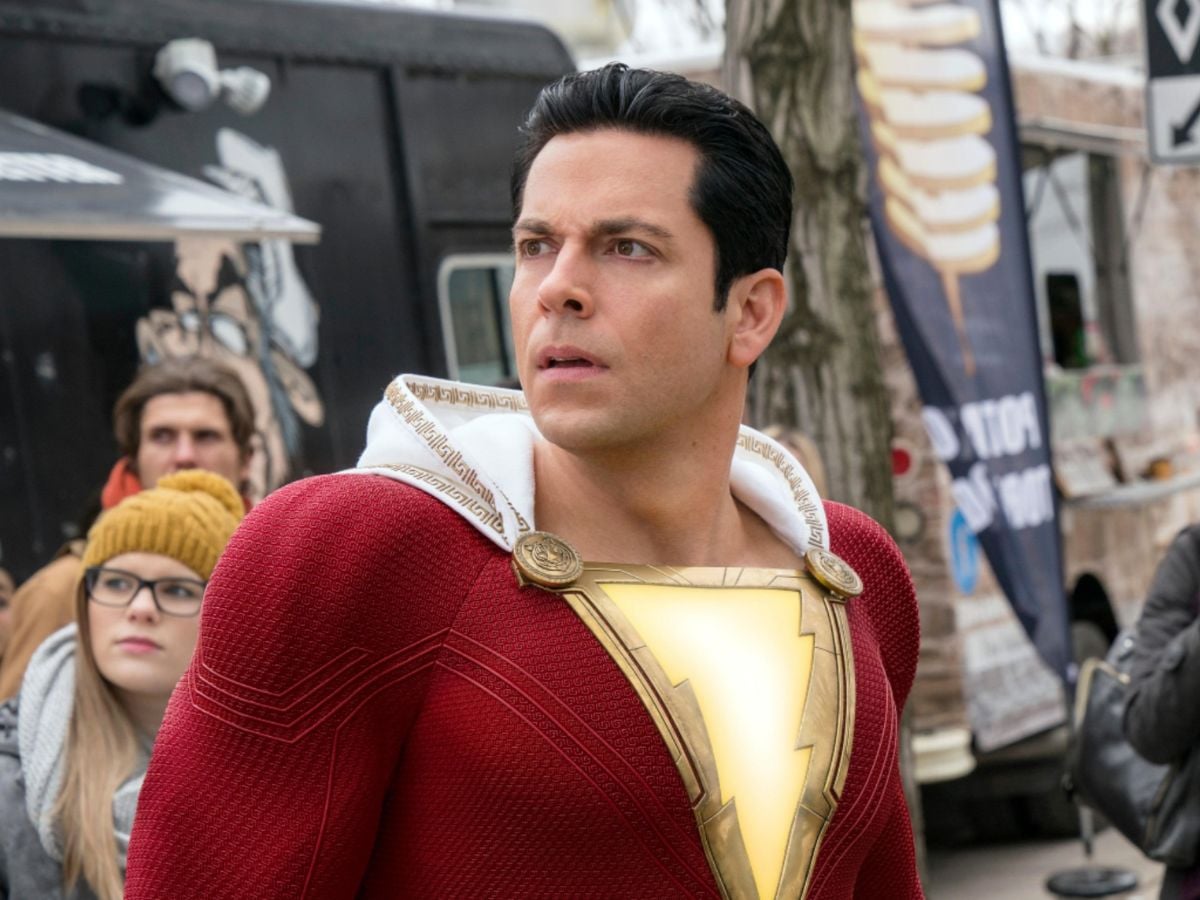
The most amusing aspect of each controversy that Zachary Levi manages to involve himself in is that he’s never been talented enough for anyone to care. Levi may claim to be persecuted for his political beliefs and lash out at critics who disliked his films, but New Hollywood would not have given him the opportunity to deflect blame.
The best that can be said about Levi is that he is suitable enough for a broad network show like Chuck, which can rely upon a strong group of writers and interesting supporting characters. However, New Hollywood was a much different era in terms of the distinction between television and film, where TV was viewed as not being nearly as serious, and there was very little potential for someone who started on the small screen to transition to being a movie star unless they showed talent that Levi just doesn’t have.
Dakota Johnson

Nepotism is by no means a new concept, but New Hollywood did ask actors with famous last names to actually put in the work to catapult themselves to success. Jeff Bridges succeeded because he gave a generation-defining performance in The Last Picture Show that showed remarkable range for a young actor, and Carrie Fisher had to beat out steep competition in order to land the role of Princess Leia in Star Wars.
Dakota Johnson has shown she has some talent in films like A Bigger Splash and The Peanut Butter Falcon, but she has been given more chances to survive flops as a result of the privilege that comes with her last name, and New Hollywood was a much less forgiving time for someone who consistently missed the mark, wherein a disaster like Madame Web would have ruined the careers of everyone involved.
Henry Cavill
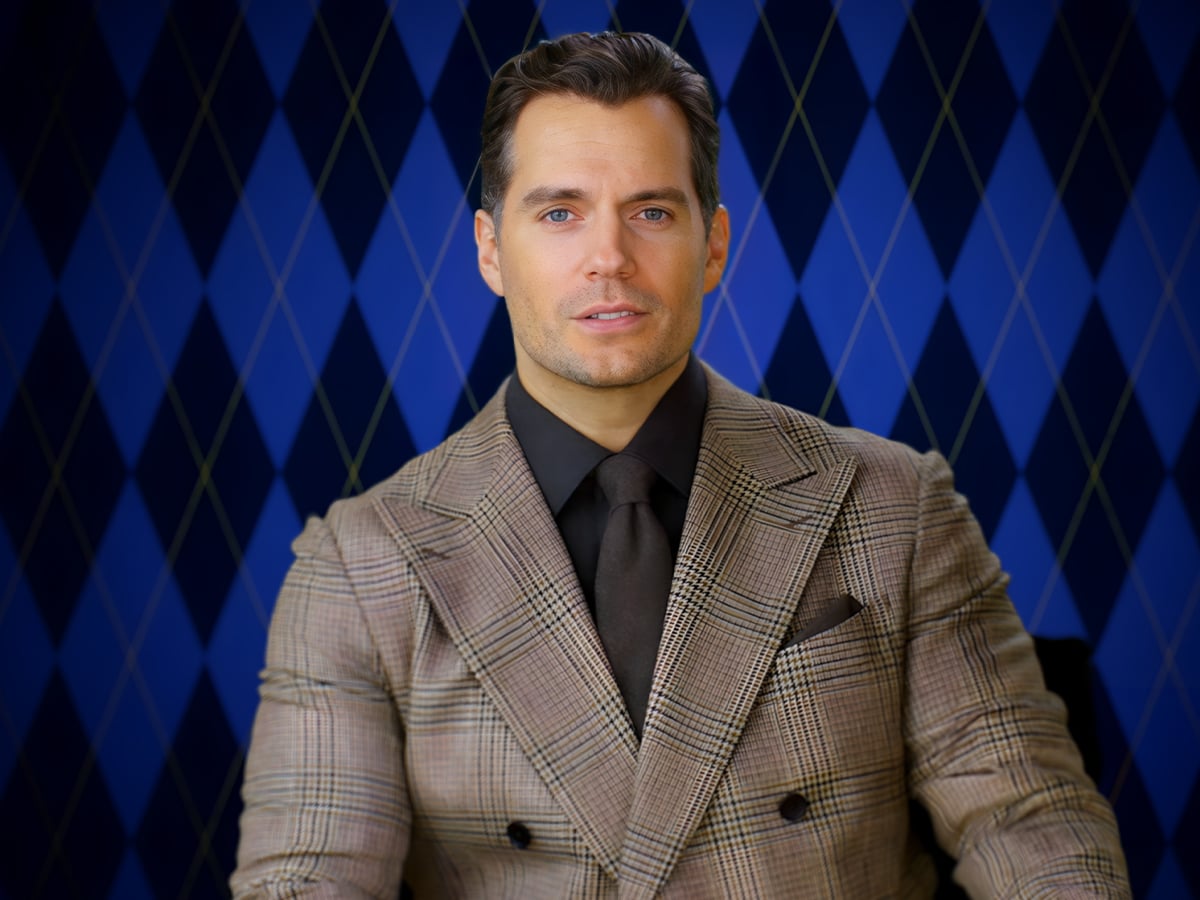
Henry Cavill is another actor who catapulted to fame based solely on the obsessions of a niche online fanbase, many of whom are also Zack Snyder devotees. His claim to fame was that he was Superman, but he quickly became old news after David Corenswet replaced him and did a much better job. Cavill’s output has been largely unsuccessful, given that he’s mostly appeared in complete disasters (Argylle, Immortals) and good films that underperformed (The Ministry of Unglentalmanly Warfare, The Man From UNCLE).
Cavill might have a devoted following who claim him to be a fellow geek and have deluded themselves into thinking he will be the next James Bond, but these obsessive fanbases wouldn’t have been able to manufacture popularity during a time when it was raw box office data that determined whether an actor would get their next gig.
Rachel Sennott

There’s no reason to discount younger filmmakers who got their start making YouTube shorts, as it’s not any different from directors like George Lucas and Martin Scorsese who broke out thanks to their student films. However, there is a subsection of actors who managed to start landing parts because they developed a following for their short-form comedy work, which is largely reliant on a viewer base that has a very short attention span.
Not every comedian who appeared on Saturday Night Live or SCTV made it as a movie star, and they had to work to create fully fleshed-out sketches. Someone like Rachel Sennot, who rose to prominence thanks to TikTok and Vine, wouldn’t have been able to land roles in comedy films, even small ones, if her only claim to fame was doing bits no longer than a minute.
Ryan Reynolds

Ryan Reynolds isn’t as much an actor as he is a brand, as he’s managed to run a brilliant social media campaign to control his image, influence public opinion, and get involved with lucrative investments, including serving as a Mint Mobile spokesperson and owning a gin company. New Hollywood didn’t offer actors the opportunity to mask their reputation, and it was much harder for an actor to become the auteur behind a production.
Reynolds has essentially taken over the production of films like Deadpool and Free Guy, so they fit the projection he has for himself. That type of creative control wasn’t given to actors in the old era unless they turned out to be filmmakers in their own right, such as Robert Redford or Warren Beatty. Even A-listers like Jack Nicholson or Paul Newman had to be open to accepting the vision of the directors that they worked with, surpassing any sense of personal control.
