


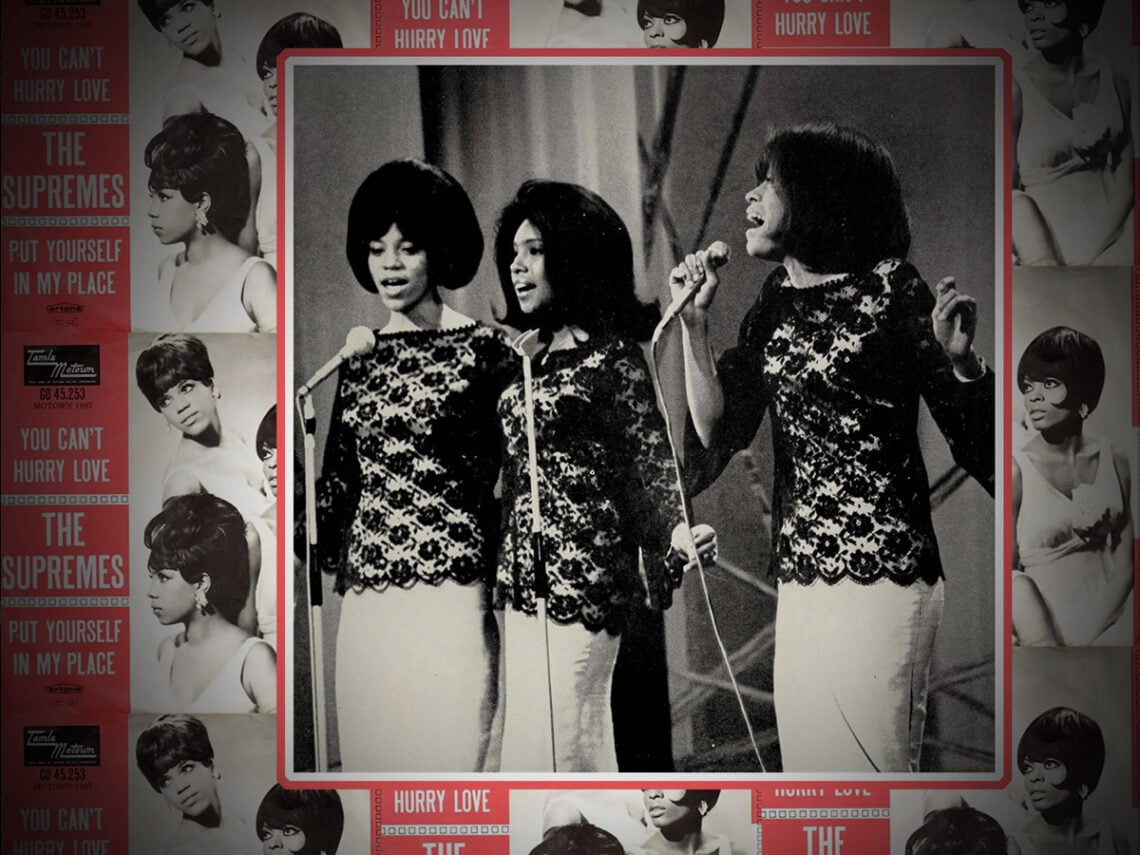
‘You Can’t Hurry Love’ is the key to Motown’s legacy after 60 years

Even if you were to somehow bypass the rest of Motown as a whole, there’s no way that anyone can ever miss ‘You Can’t Hurry Love’.
For The Supremes, it was clear for all to see that the song represented a watershed moment. They had, of course, been gaining traction for many years up to the point of its release in 1966, but as soon as it topped the charts and became a worldwide phenomenon, things definitely changed forever.
That came with the uncomfortable reality that Diana Ross was transformed into a superstar, and Florence Ballard and Mary Wilson, rightly or wrongly, were effectively repurposed as her backing singers. You could see how they might have resented ‘You Can’t Hurry Love’ for altering the dynamics of the group irreversibly, but by that point, the juggernaut train had long since left the station.
In a lot of ways, ‘You Can’t Hurry Love’ was far bigger than the sum of its parts. Even by the standards of Hitsville USA and the songwriting dynasty of Holland-Dozier-Holland, the song took on such a lifeblood of its own that in certain respects, it’s hard to believe that it’s only been around for 60 years. It feels like forever, a cornerstone of life and music as we know it.
Indeed, for a track that only clocks in at the two minutes and 44 seconds mark, it has cultivated one hell of a legacy, both within the remit of The Supremes and far beyond. The girl group was naturally the muse, but the memory of their mother’s words in the track went on to resonate in spaces far and wide beyond the original Motown mantra.
Take, for example, Phil Collins, whose diehard love of the genre has never exactly been covert. As such, 16 years after The Supremes, he released his own cover of ‘You Can’t Hurry Love’ for Hello, I Must Be Going!, and used that surefire hit-making formula to generate a chart-topper of his own.
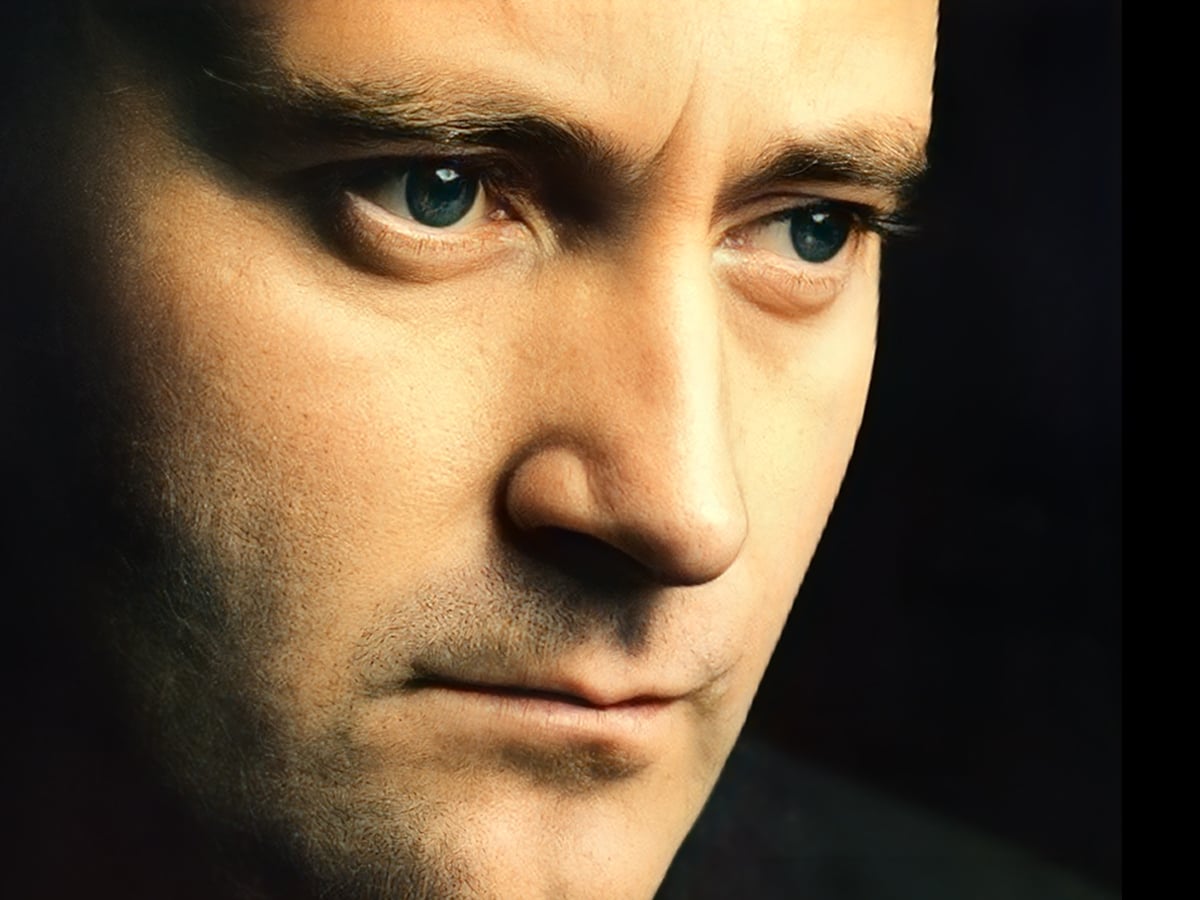
It goes without saying that covers becoming renewed hits is no groundbreaking phenomenon, but given that Motown is often seen as an inherently ‘60s staple, its invigorated power in 1982 via the medium of Collins demonstrated that although time had passed since The Supremes themselves were in their prime, the appetite had never satiated.
Even by today’s standard, the ‘80s also has its own sort of vintage. But ‘You Can’t Hurry Love’ bounces with such an affable timelessness and never-ending charm that makes it uniquely of its moment, but equally impossible to date. If you need to see that writ large for fans of the current sonic zeitgeist, you only have to look so far as Olivia Dean.
The pop star is undeniably the current darling of the British mainstream music scene, but she has brought with her a slice of nostalgia and a wizened old soul to make her appeal all the more alluring. And call her strategic, but when she was on the cusp of huge fame and performed a cover of ‘You Can’t Hurry Love’ on Jools Holland’s Hootenanny at the end of 2023, it was the perfect trick to catapult her into a new league.
Dean’s cover became an instant hit on social media, cementing her own rising status at the time but simultaneously exposing the truth behind the legacy of ‘You Can’t Hurry Love’. It was the most precious jewel in The Supremes’ crown, but it was the ultimate demonstration of the transcendence of Motown and the fact that its embers would glow for the rest of time.
So between Ross, Collins, and Dean, as well as countless more, 60 years of ‘You Can’t Hurry Love’ is celebrated by the fact that it is a song which will never die. Motown was the true hit factory, and they had many other global smashes besides, but their plea of biding time and listening to your elders’ advice on romance will always be the elixir.
