


‘Buttered Popcorn’: How The Supremes could have sounded without Diana Ross

Some musicians are just born stars, and their music almost feels like it’s there to fuel a wider level of global acclaim that would have found them in one life or another. Diana Ross, the ‘Queen of Motown’ and general pop behemoth, was simply one of those figures whose trajectory to the top of the entertainment mountain wouldn’t be stopped by anyone or anything.
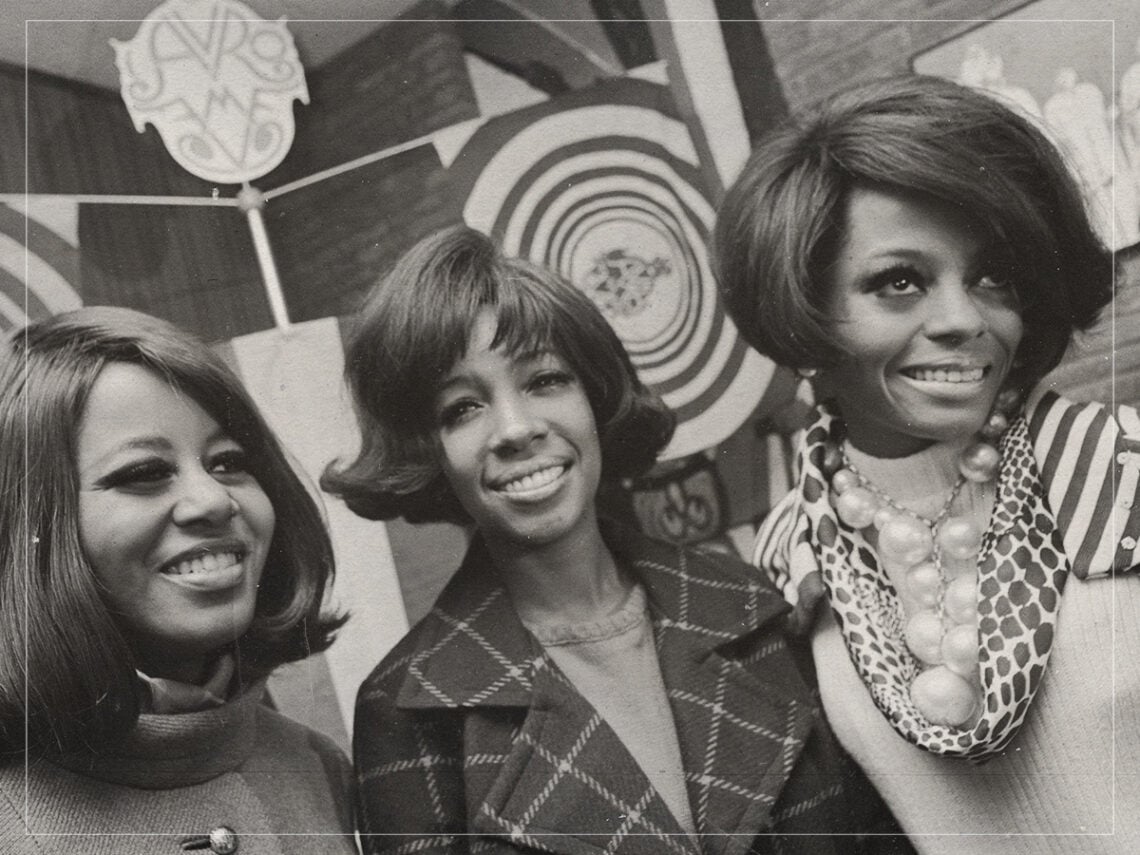
Infamous music mogul and Motown head honcho Berry Gordy would have had dollar signs rolling around his eyeballs when he stumbled upon Ross, who, like some of Gordy’s most lucrative talents, was just a teenager upon discovery. At just 17, she was recruited along with Mary Wilson and Florence Ballard to form the formidable Motown outfit, The Supremes.
But immediately, Ross was pinpointed as the figurehead of the band, and they would be unofficially known as Diana Ross and The Supremes to the world. Gordy believed Ross to be a natural star of the three, not only for her pop-friendly vocal style but for her glamorous stage presence that ultimately made her a marketable product for Gordy and his label.
Wilson and Ballard were resigned to the supporting role, and barely saw an inch of the spotlight that Ross would go on to discover in her later career. The instant success of the band made the de facto frontwoman feel like a natural fit, and Gordy was praised for his business genius, but really, there was an alternative trajectory the band could have embarked on following the success of ‘Buttered Popcorn’.
The Supremes’ second single came out after six months with Motown, and featured Ballard singing lead. At that point, they hadn’t yet solidified their image with Ross at the front, and were even operating under a different name: The Primettes.
Of all the tracks recorded in that embryonic stage, where every performance was an extended audition, the label deemed this the strongest, and Ballard’s more soulful delivery was crucial to that. In fact, it opened the door to a more powerful route of discography the band could have followed, which was devoid of the sort of glossy pop produced tracks they would later be famed for.
Ballard was understandably overjoyed with the role and the subsequent success of the song, remembering, “All that day, I was turning on the radio, turning to different stations, trying to pick it up. It was just a fantastic feeling to hear myself singing. Family members would be calling up and saying, ‘I heard you on the radio! I heard you on the radio!’ The phone would be jumping off the hook.”
But Gordy couldn’t justify Ross’ sidelining as a result, insisting she should be the lead and argued that the group’s cover of The Miracles’ ‘Who’s Lovin’ You’ should be the single’s A-side, while Ballard’s track would be relegated to the B. In the end, a compromise was met, mostly due to the protests from label executives, and so ‘Buttered Popcorn’ remained the single’s A-side.
But soon after, Gordy got his wish, and Ross’ role as the leader of The Supremes was cemented, and a more commercially viable sound was established. Her glittering career certainly makes it hard to argue with Gordy’s choice, for she is a bona fide icon, but every time ‘Buttered Popcorn’ plays, you feel like the world was robbed of a different, more powerful Supremes led by Ballard.
