


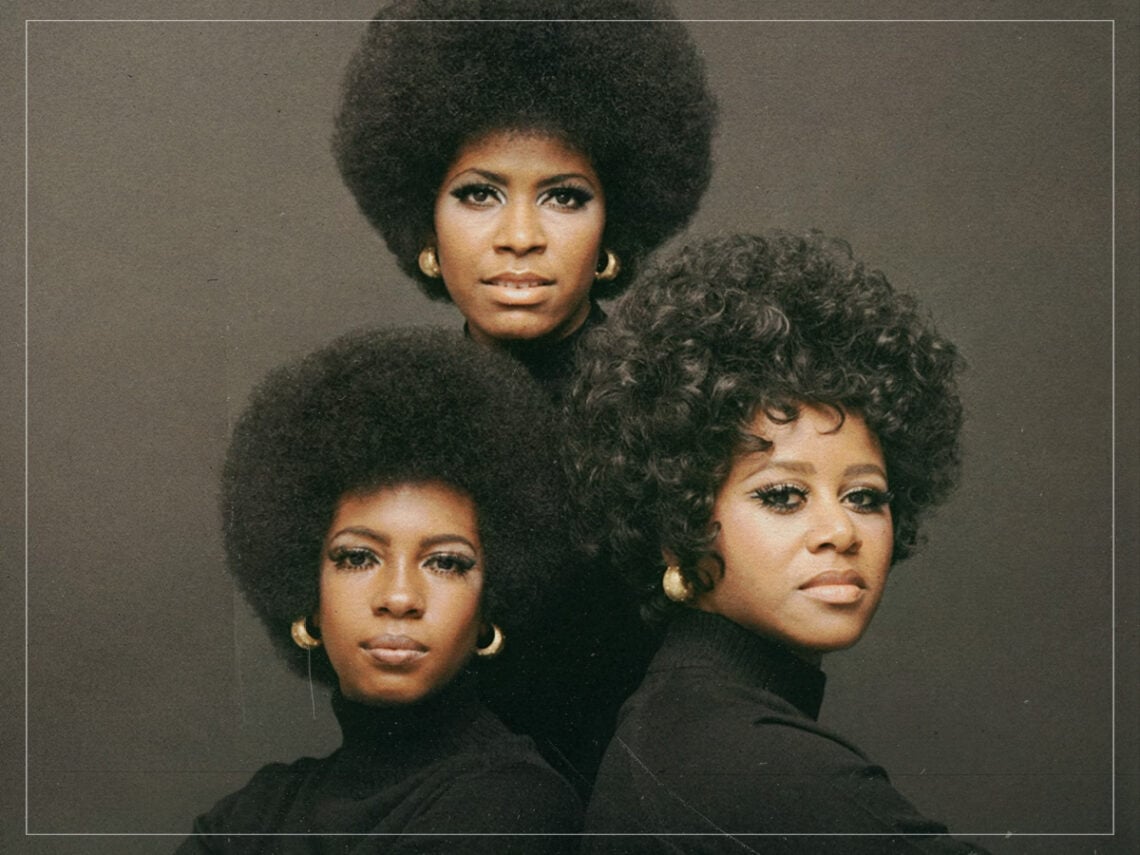
Life after Diana Ross: The underrated Motown mastery of The Supremes later years

No act quite captured the magic of Motown Records and the golden age of its soul and R&B empire quite as expertly as The Supremes. With the infallible voice of Diana Ross at their helm, and the songwriting genius of Holland-Dozier-Holland behind them, the trio dominated the pop charts of the mid-1960s, but as is often the case within music, nothing lasts forever.
Even by the standards of Motown, The Supremes experienced a particularly odd career path at the label. After joining the roster in January 1961, renaming themselves from The Primettes in the process, the trio spent years languishing around in obscurity, failing to gain any substantial chart success and struggling to remain in Berry Gordy’s favour.
For a while, they were the laughing stock of the Hitsville offices, reduced to providing hand claps and backing vocals for other artists – imagine making a voice as commanding as Diana Ross’ resigning itself to backing vocals, it’s like using a flame thrower to light a cigarette. Then, by pure chance, after The Marvelettes rejected a Holland-Dozier-Holland track called ‘Where Did Our Love Go’, The Supremes finally found their break-through, and then there was no stopping them.
Once Gordy started taking more of an interest in the group, assigning Holland-Dozier-Holland’s talents to their output, The Supremes quickly became Motown’s flagship group, amassing more number-one hits than anybody else, and helping to put the label on the global musical map. As the years marched on, and the hits kept coming, though, it was clear that Motown were positioning Diana Ross as the band’s true leader and, therefore, prevailing star.
That fact became even more apparent when Holland-Dozier-Holland left the label in a haze of royalty disputes, and The Supremes’ name was quickly affixed as ‘Diana Ross and The Supremes’ before, eventually, Berry Gordy affirmed that Ross should splinter off entirely. While the solo career of Diana Ross certainly continued the commercial success of her original group, The Supremes didn’t merely vanish into the ether upon her departure.
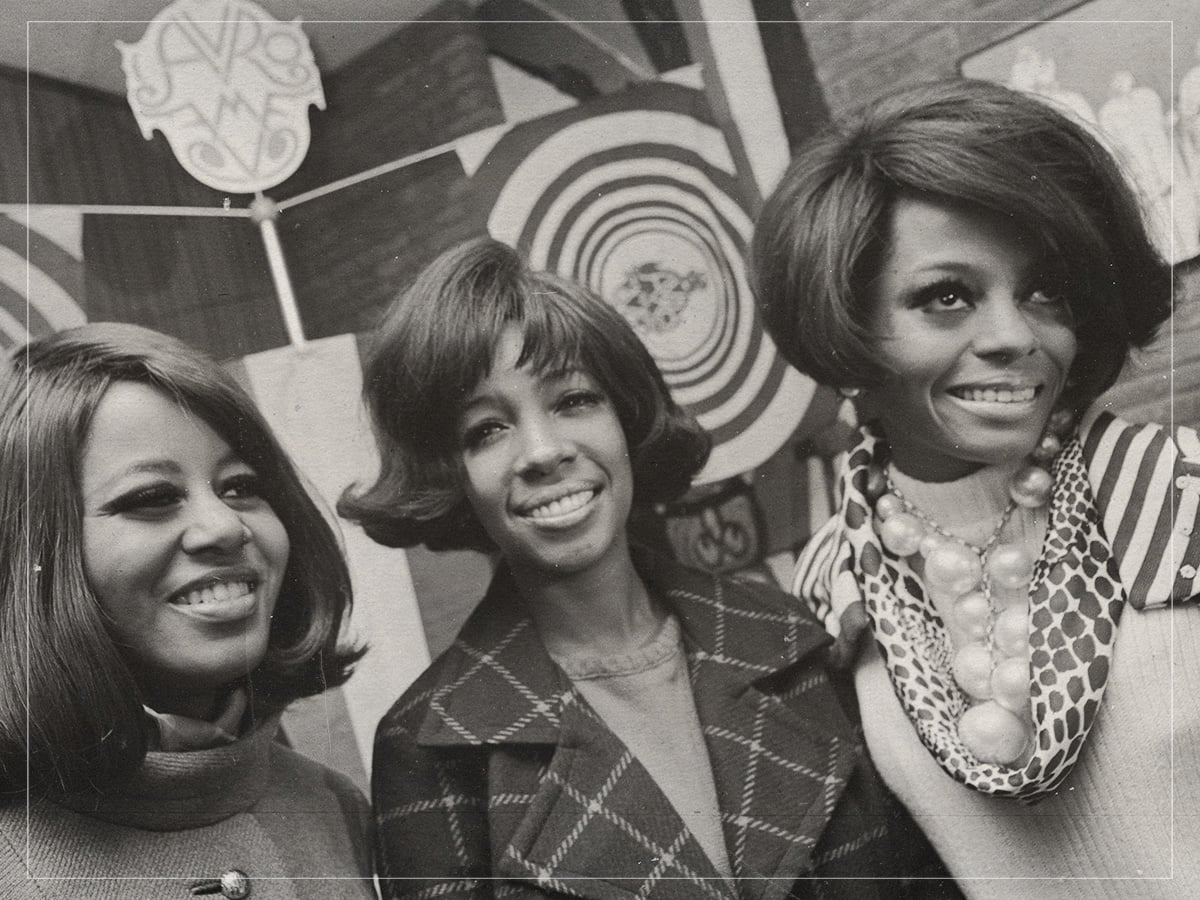
Instead, Jean Terrell was drafted in to replace Ross within the band, introduced onstage at the band’s final live performance with Ross, at the Frontier Hotel in Las Vegas in 1970. Soon thereafter, Gordy declared he was washing his hands of the group, unhappy with their decision to stick with Terrell rather than replace her with Syreeta Wright, as he would have preferred.
Although it didn’t receive much promotion or Motown publicity as a result, this new incarnation of The Supremes, led by Terrell and containing Mary Wilson as the sole original member, produced a stellar album in 1970’s Right On.

That album marked an entirely new era for The Supremes, in every facet of their being. Seemingly, no longer being under the watchful eye of Berry Gordy allowed the group to spread their wings a little, emerging from the shadow of Ross’ reputation to create one of the most diverse and criminally underrated albums in the Motown repertoire.
With the production mastery of northern soul hero Frank Wilson behind it, the trio created a tracklisting that spanned hit singles – ‘Up the Ladder to the Roof’ – politically-charged anti-war anthems – ‘Bill, When Are You Coming Back’ – and a litany of funk-fueled floor-fillers. The studio sessions also produced the woefully underrated track ‘Life Beats’ which didn’t make it to the final tracklisting, but proved to be a favourite of rare Motown aficionados upon its eventual release.
Right On was not the final Supremes album; the band continued on, through various line-up changes, until the disco age of the late 1970s. It was, however, one of their most important records. After all, it captured the moment that The Supremes were cut-off from the security of their position as Motown’s flagship act, forcing them to adapt to a new life without the voice that had led them since those very first hit records.
It might not have produced the same volume of hits as the golden age of their Diana Ross/Holland-Dozier-Holland period back in the mid-1970s, but if any period of The Supremes’ history is worth re-appraising, it is Right On.
