


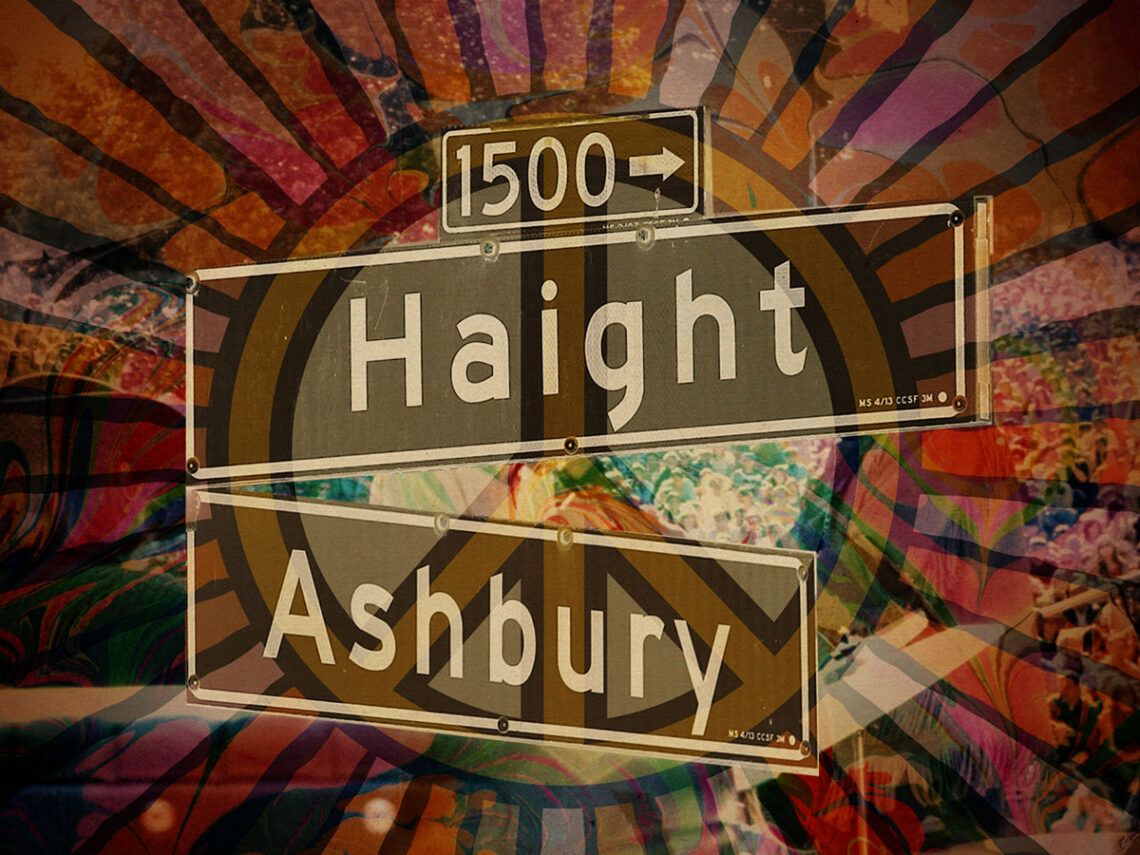
Why did the 1967 ‘Summer of Love’ happen in Haight-Ashbury?

“The Haight-Ashbury was a gigantic media magnet,” poet Allen Cohen once declared, “And now we would drown in the media flood. It would never be the same”.
Before Haight-Ashbury was the ill-fated epicentre of the hippie movement, it was established on land first inhabited by the Ramaytush Ohlone people, a network of indigenous tribes that lived in San Francisco’s Bay Area region, residing in the neighbourhood for thousands of years, before Spanish colonisation.
The influx of people into Haight-Ashbury, post-colonisation, came about with the California gold rush, over a century before the Summer of Love, turning it into an entertainment hub: on Haight Street in the mid-1890s, you could find an amusement park called the Chutes as well as a gateway to Golden Gate Park and Haight Street Grounds, one of the earliest baseball parks. All this to say, the place showed promise for becoming a cultural staple long before the hippies arrived.
Outside of the immediate Haight-Ashbury neighbourhood, just 25-square blocks of land, the surrounding San Francisco area was the unofficial home of the Beat Generation, where the Beats made their home in the North Beach area of the city. They had largely migrated from New York City to San Francisco, bringing their Ivy League educations, anti-consumerism and left-wing ideologies with them. The aspiring hippies followed in their footsteps, regarding Jack Kerouac’s 1957 novel On the Road as a beacon of postwar rebellion and adventure.
“I can’t separate who I am now from what I got from Kerouac,” Jerry Garcia of the Grateful Dead once expressed, quoted in Danny Goldberg’s In Search of the Lost Chord: 1967 and the Hippie Idea, “I don’t know if I would ever have had the courage or the vision to do something outside with my life, or even suspected the possibilities existed, if it weren’t for Kerouac opening those doors.”
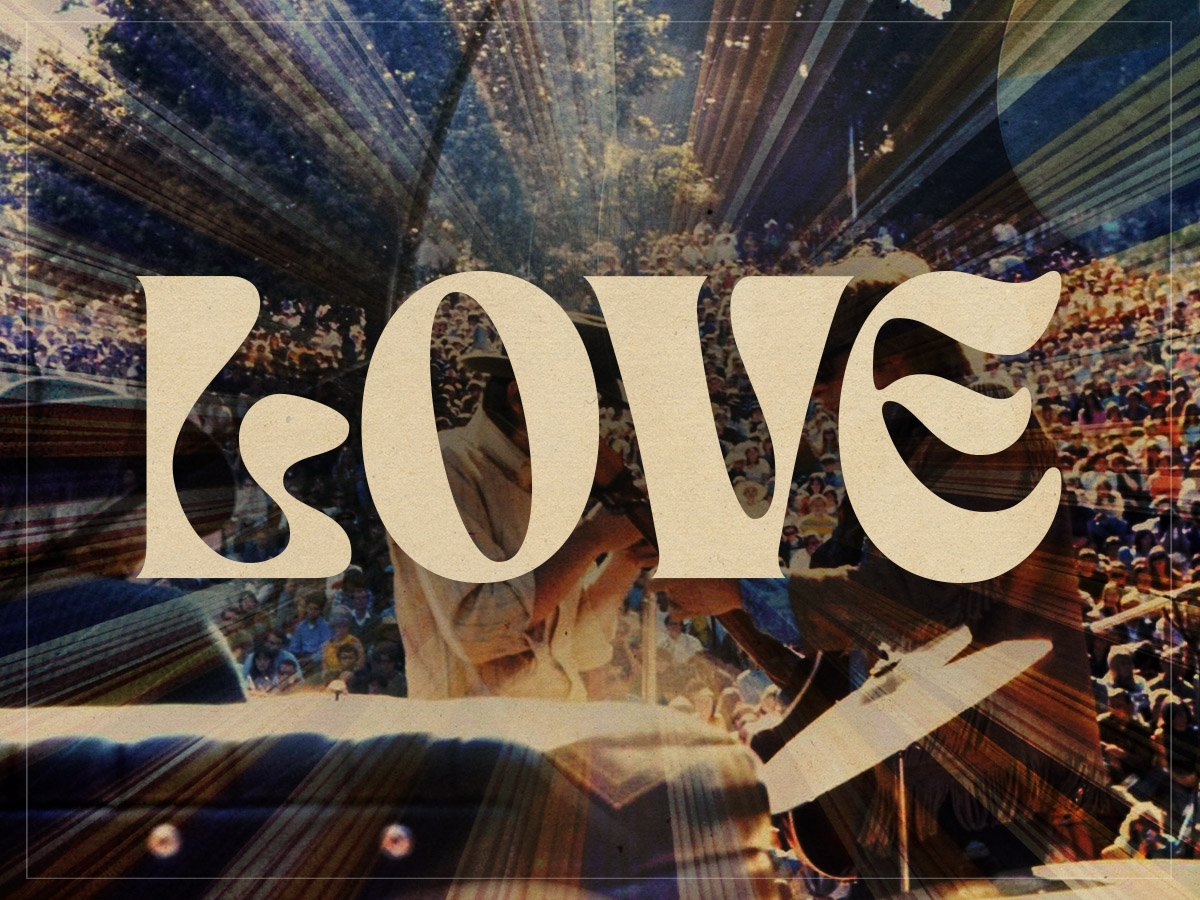
In an ironic twist, Kerouac did not care much for the hippie culture, unable to resonate with their peaceful-driven ideologies, but the hippies found champions in others from the Beat Generation, perhaps most in Allen Ginsberg, who despite being 41 years old when the Summer of Love took its ascent, had involved himself with the peace activism of the counterculture, which coincided with his held beliefs as an openly gay, leftist poet who befriended rock stars and literary types, alike.
With his assistance, alongside many other countercultural figures across a cast of writers, activists, musicians and psychedelic-enthusiasts, the Summer of Love was preceded by the first-ever Human Be-In on January 14th of that year.


“A new concept of celebration beneath the human underground must emerge, become conscious, and be shared,” the event’s announcement, in the debut volume of the San Francisco Oracle, read, “so a revolution can be formed with a renaissance of compassion, awareness, and love, and the revelation of unity for all mankind”. Ginsberg later referred to the event as “the last purely idealistic hippie event”.
While following the path of the Beats before them was certainly a factor as to why the Summer of Love took place in Haight-Ashbury, particularly, a more practical reason was simply the neighbourhood’s affordability. The commercialisation of North Beach slowly but surely drove the Beats and hippies out of Haight-Ashbury, with the then unassuming, nearly-forgotten part of San Francisco becoming the new place to be.
In 1965, an article in the San Francisco Examiner ran a story titled, ‘A New Haven for Beatniks’, citing a two-and-a-half-year-old coffeehouse, the Blue Unicorn, as a landmark of the new culture entering the neighbourhood, describing it as “a place to relax if you have no money… to wash dishes for a meal if you are hungry”. (The Blue Unicorn would later be subject to health inspections and cited with violations, but became a staple of the community as it persisted.)
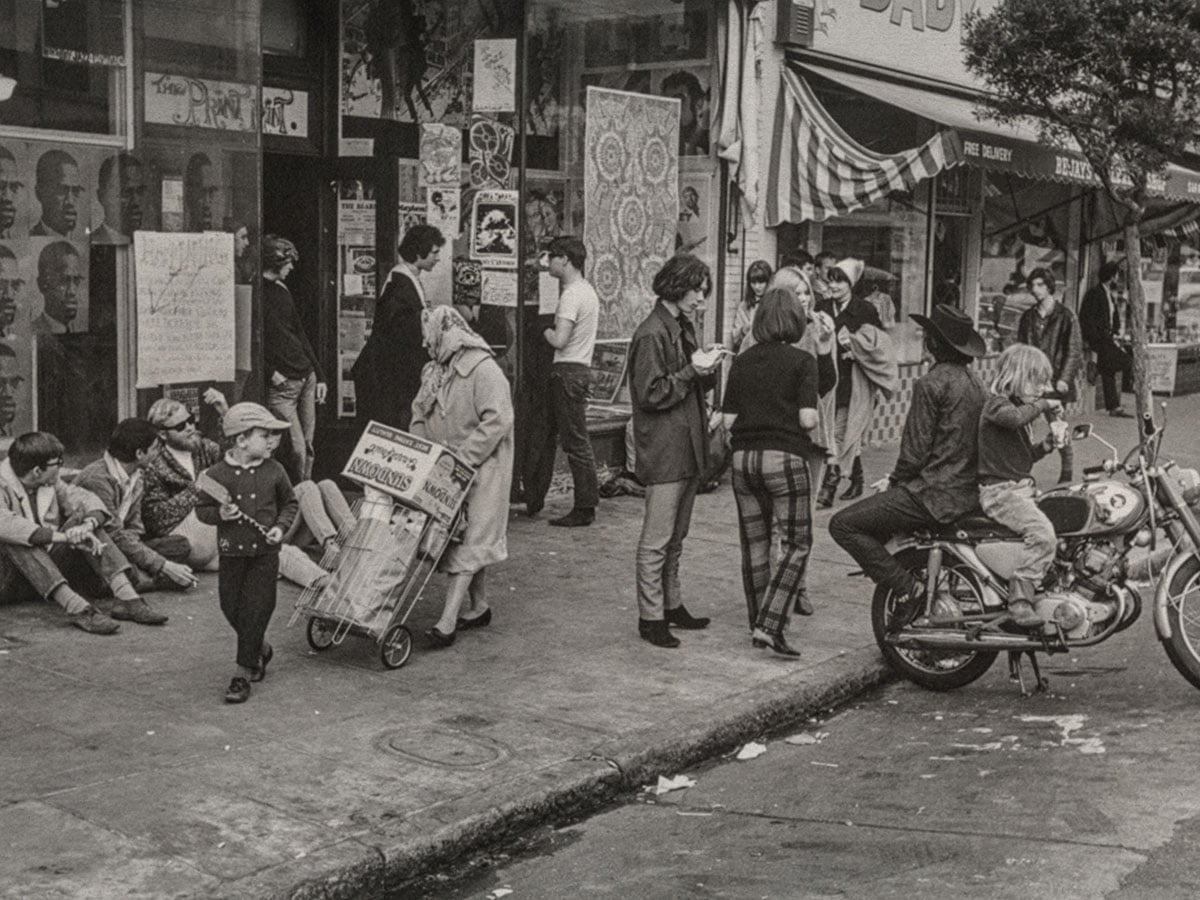
Haight-Ashbury’s Victorian homes, not dissimilar to the ones you can find across San Francisco, were extremely affordable for the time, not to mention beautiful in catering to the Victorian-Edwardian theme that made the neighbourhood enticing. As Charles Perry describes in Haight-Ashbury: A History, two floors of an old Victorian mansion could be rented for just $175 a month, with leather wallpaper, large window seats, stained glass and scrollwork adorning the home.
There was a charm to Haight-Ashbury that was unlike other areas of San Francisco, and remains as such: removed enough from the centre of the city while being near to a number of university campuses, and positioned close to everything needed in the surrounding areas. The neighbourhood was the perfect sort of insular world, in itself, for something like the counterculture to slowly take shape and pervade. There, it was easy to establish a sense of community, one that all of the nascent hippies of their day were striving towards.
Haight-Ashbury’s popularity can also be traced back to a particular band: before the Grateful Dead, Jefferson Airplane and Janis Joplin came to soundtrack the Summer of Love, an American rock band called The Charlatans (not to be confused with Tim Burgess’ The Charlatans) when they struck up a months-long residency at the Red Dog Saloon in Virginia City, Nevada, in the summer of 1965. The band were progenitors of psychedelia, among the first to curate light shows for their performances, donning Edwardian clothing and taking large amounts of LSD.
By the end of that year, they’d decided to move to Haight-Ashbury, following the nascent buzz of the Beats, artists and general bohemians that came before them. In the neighbourhood, The Charlatans became widely regarded as the first to play their rendition of psych-folk rock that defined what was later dubbed the ‘San Francisco Sound‘, effectively putting Haight-Ashbury on the map, from a sonic standpoint.
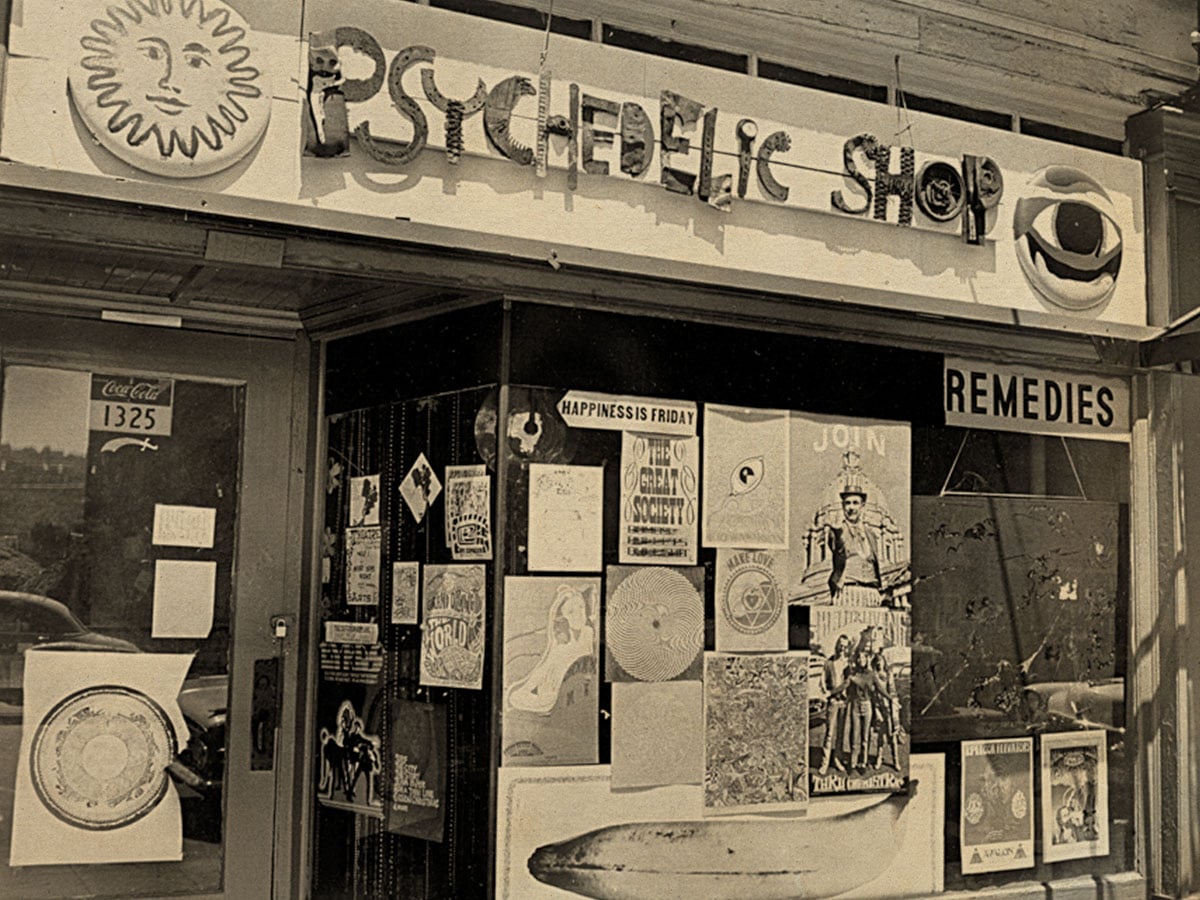
By the end of 1966, tens of thousands of hippies lived there, prompted by all the above-mentioned factors that spoke to the overarching sentiments of peace, nonconformity and optimism that the predominantly youth culture desperately wanted to achieve. For all of the hope that seeped into its streets, Haight-Ashbury was no stranger to strife, either: the constant presence of law enforcement, government officials and news agencies cast a glare over the neighbourhood, whether warranted or not, on account of drug use, loitering, protest, challenges to authority, and more, seeing the culture’s efforts towards peace often threatened by unwarranted moments of tension and violence.
All was not picturesque, as it is often remembered, but such was not for lack of trying. In April 1967, the Oracle featured a note: “Haight-Ashbury has been practising a warless way of living and loving and creating and exchanging for a new age. New forms, successes and failures and dreams have drawn great attention to the Haight-Ashbury,” they wrote, adding, “While American nightmares, its military hells of the mind, Americans loving love and hoping peace [sic] and seeking wisdom and seeking guidance have turned toward the Haight-Ashbury and are journeying here.”
The sensation of the Summer of Love attracted attention to the area that was both unprecedented and unwarranted, and marked the beginning of the end of the hippie area, as it was taking shape. As Joan Didion foretold, the centre of Haight-Ashbury was not holding, but it would persist after 1967 as best as it could, still standing today as a historical landmark of its own kind.
