


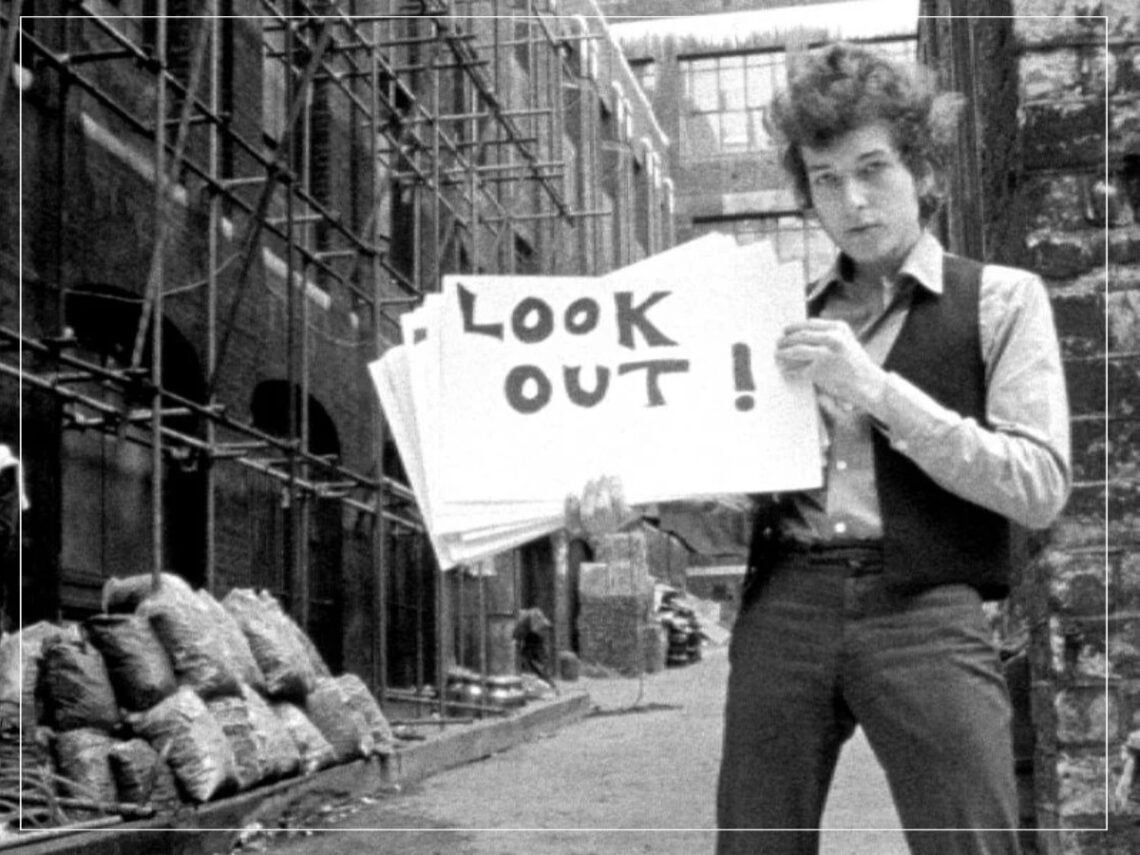
“If you don’t want to do it, I will”: When Bob Dylan asked to be repaced

By the 1970s, Bob Dylan had had enough. It seemed like he was done, as the release of Self Portrait in 1970 was quite literally a mission to finally kill off his own fan base and success.
“To me, it was a joke,” he admitted to Rolling Stone as he put an album together in the hopes that no one at all would like it. He wanted it to be the final nail in his coffin that he’d been trying to build since 1965, when he turned his back on folk. Even that felt like an early move to try and shake off the success he’d fostered, as if he didn’t want any of it.
Through the early 1970s, that mission was somewhat successful. It didn’t work in completely ridding Dylan of his fame and fans, but it did quieten things down, as after all the manic buzz around him in the 1960s, the early ‘70s were a strange period where he seemed distracted and disinterested, and so his fans were too.
There was a void. Music was undeniably changing, and Dylan seemed to harbour in these shifts. When he first gave up on protest music, there was a change there too, because the countercultural world seemed to lose faith and fall into apathy, focusing on simply making cool, experimental music instead.
When he then gave up on folk, there was arguably a sense that nothing was sacred and no genres existed. Then, as the bands got heavier and stranger as one decade rolled into the next, as The Beatles broke up and the heroes died, there was undeniably a moment where everyone looked around and couldn’t find an icon.
Dylan has opted out of being that, despite how the press wrote about him. “I found myself stuck in Woodstock, vulnerable and with a family to protect. If you looked in the press, though, you saw me being portrayed as anything but that,” he wrote in his book Chronicles, adding, “It was surprising how thick the smoke had become.”
He looked at the way he was talked about and treated and didn’t see himself in any of it, not wanting to be the people’s leader, and because of that, the people seemed angry. “It seems like the world has always needed a scapegoat—someone to lead the charge against the Roman Empire. But America wasn’t the Roman Empire, and someone else would have to step up and volunteer,” he said, making it clear, “I wasn’t a preacher performing miracles.”
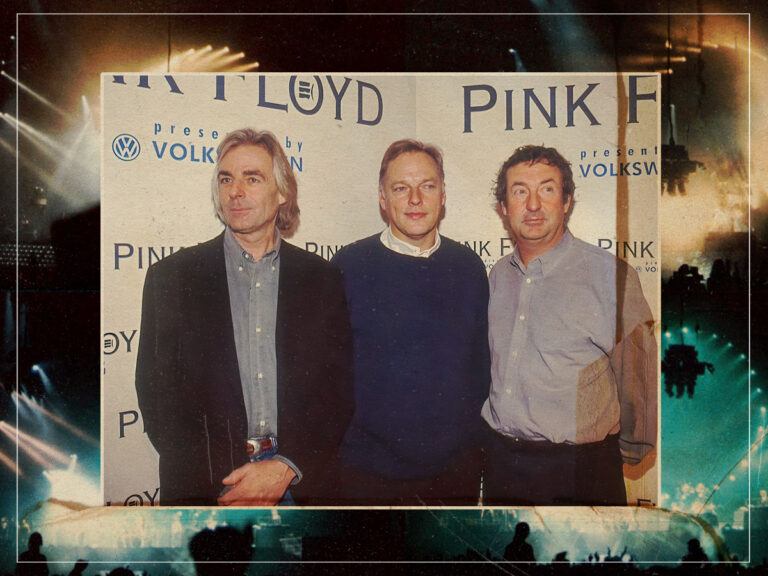
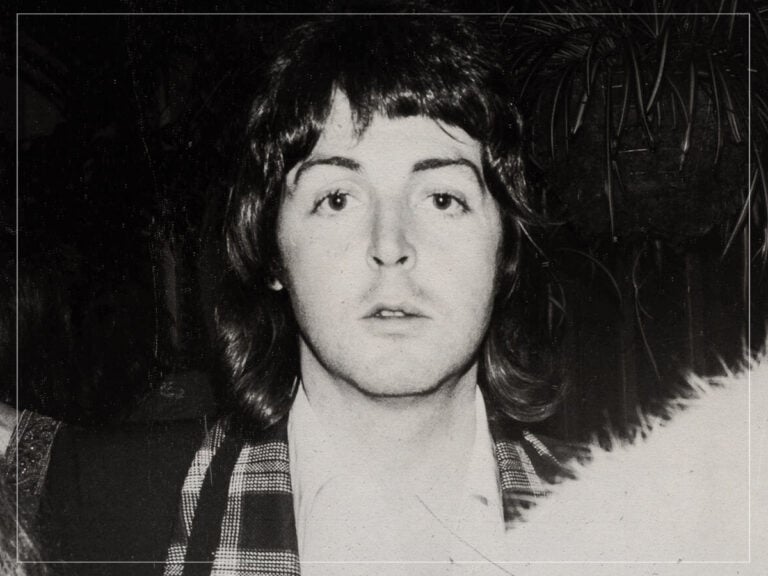
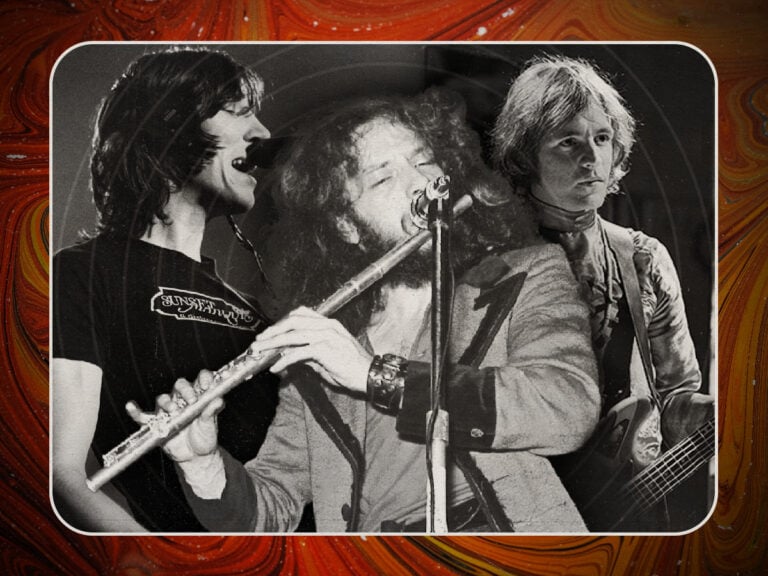
But by the mid-70s, someone else seemed eager to do exactly what Dylan was calling for. From amongst the pack, it was David Bowie who raised his hand. By this point, he’d already become the leader of the glam rock world. But as he prepared to move into his Station To Station era and hit America hard, he wanted to become the idol the people seemed to be calling out for.
Talking to Melody Maker in 1976, Bowie answered the call outright, stating, “‘OK, Dylan, if you don’t want to do it, I will’. I saw that leadership void”. As the alien leader of a new generation, personifying the changeable, increasingly weird culture by morphing from character to character, Bowie stepped up as the perfectly mythical star for a time when no one seemed to believe anything, but wanted someone to believe in.

Never Miss A Tale
The Far Out Bob Dylan Newsletter
All the latest stories about Bob Dylan from the independent voice of culture.
Straight to your inbox.