


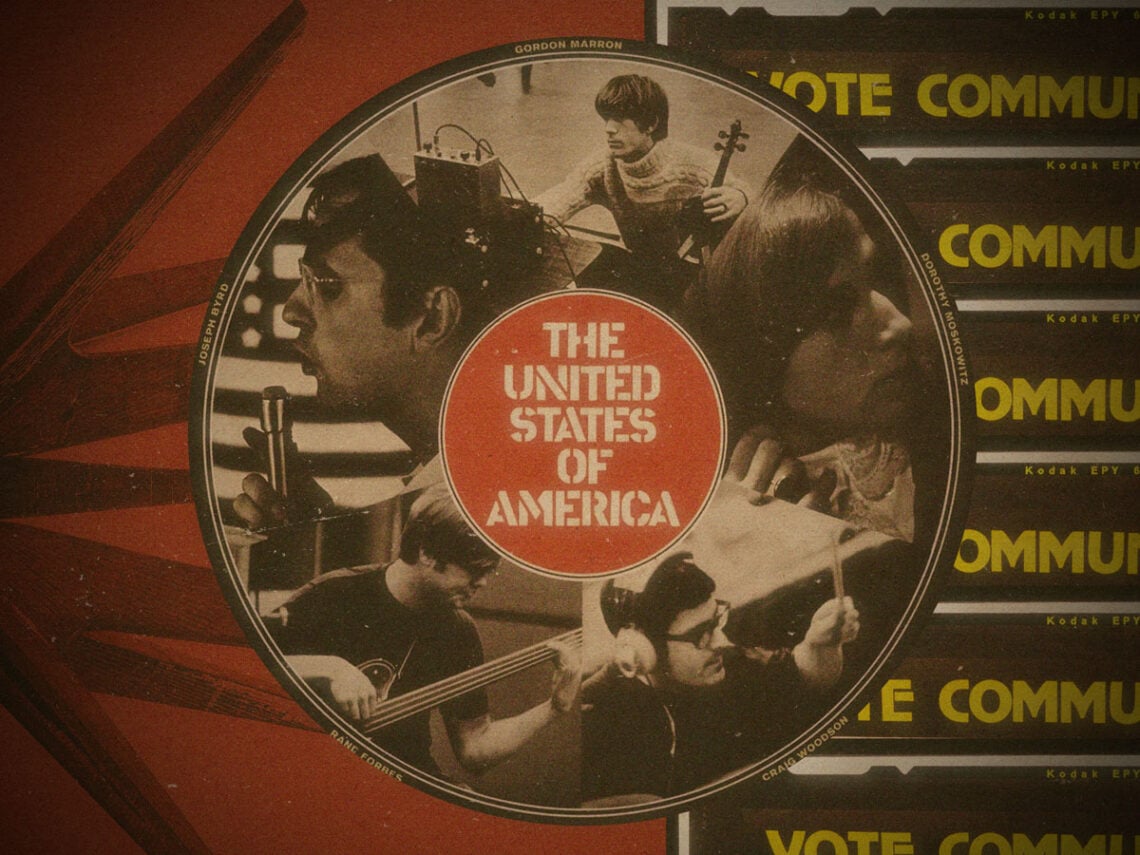
Communism, concrète, and The United States of America: The most underrated electro-pioneers of the counterculture age

Experimental music doesn’t pay the bills, and even during the countercultural peak of the 1960s, when pop was pooh-poohed in favour of more expansive, psychedelic experiments, the true innovators of the age were often overlooked; too subversive and, for want of a better word, weird for mainstream consumption.
Such is the tale of The United States of America – do not worry, this is not some hippie-fuelled fluff piece for Donald Trump’s increasingly authoritarian regime. The United States of America is, confusingly, the name of one of the most innovative groups that those 50 states have ever known. While the West Coast of America was having its own rock and roll acid party in the late 1960s, New York City was entering a similarly experimental era, where the mind-expanding properties of LSD clashed against the cold concrete nature of its surroundings.
Forged from the friendship of Joseph Byrd and Dorothy Moskowitz, who had fittingly met earlier in the decade while working on some American Civil War-era traditional music. As the years marched on, though, the pair became increasingly entranced by the realm of experimental music. After all, this was the age in which John Cage was finally earning some widespread recognition, and New York City became a hotbed for the avant-garde.
It was only after the pair relocated to Los Angeles, however, that the idea to form a band began to look more realistic. There, Byrd and Moskowitz rubbed shoulders with performance artists, jazz musicians, political extremists, and future household names like Linda Ronstadt. They also spent a great deal of time in the ‘world music’ sections of LA’s numerous record stores, developing a deep-seated interest in Indian raga that managed to predate The Beatles’ involvement in that sound.
In other words, the two budding young musicians were on the cutting edge of everything that was underground, obscure, and experimental back in the mid-1960s. You would assume, therefore, that their band – when it eventually came together as The United States of America in 1967 – would be perfectly placed to take advantage of the West Coast hippiedom that soon dominated the rock and roll airwaves.
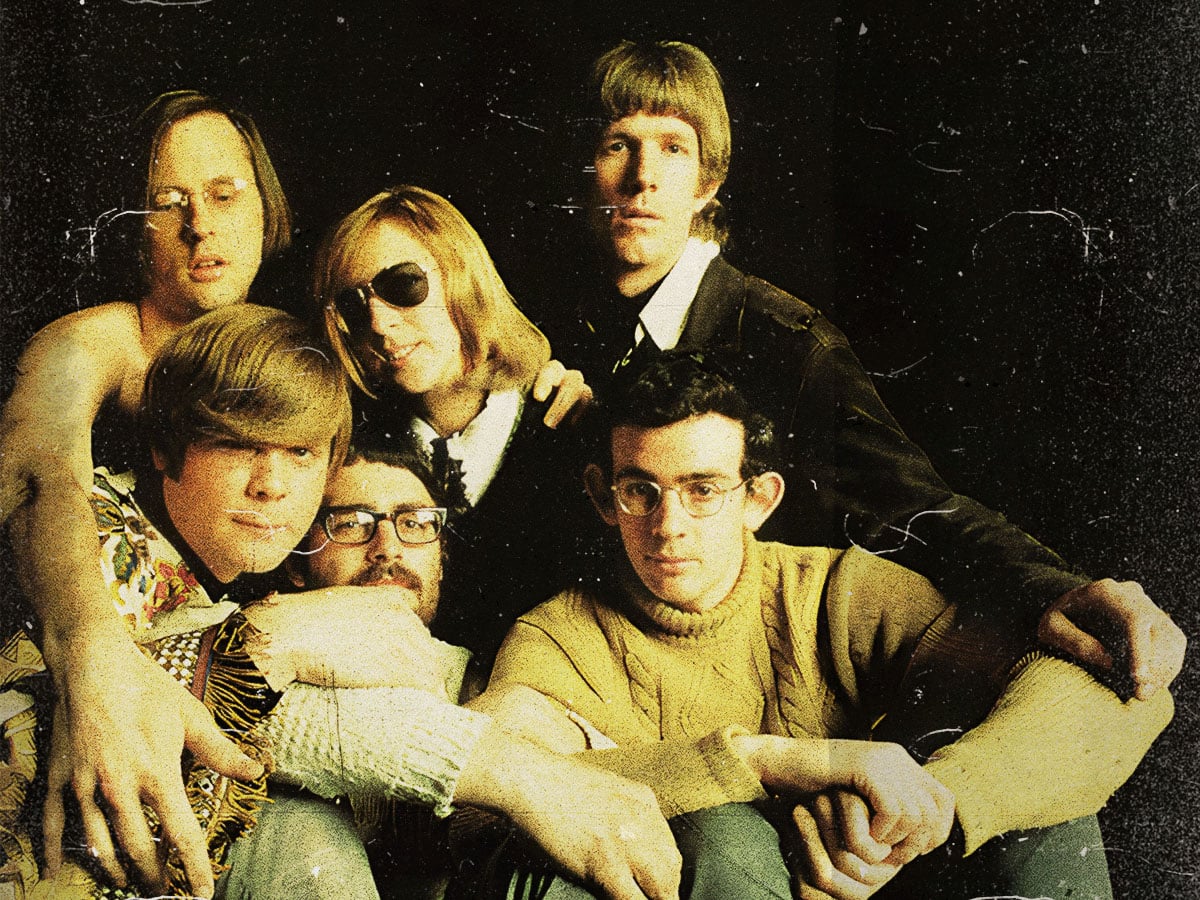
Even for spaced-out hippies, though, The United States of America was “too much, man”. Byrd’s political activism, which involved him becoming a member of the Communist Party, was a prevailing driving force within the band, and although his beliefs weren’t all that far removed from the Yippie manifesto that spurred on the mainstream psych-rock movement, both the composer and his music seemed far too radical for mass audiences.
One of the many ways in which The United States of America differed from other counterculture-era experimental outfits was their blending of contemporary psychedelia with influences like avant-jazz, African percussion, and musique concrète, but most notably, it was the band’s early adoption of electronic instruments that set them apart from the landscape of ‘peace and love’ hippiedom.



Ring modulators and early incarnations of what would become known as synthesisers played a key role in the development of the USA’s sound, along with the sonic collages that were likely owed to their concrète inspirations. Most impressively, though, the band managed to contain this vast plethora of influences and innovations within the confines of a singular LP, 1968’s The United States of America.
On paper, at least, that LP typified everything that the counterculture age claimed to stand for. With its radical politics, psychedelic leanings, musical innovation, and an effortless ability to reflect the society of the day, it should have been an instant classic of the era. Instead, it was met with tumbleweeds.
Aside from a few brief mentions in the underground music press, that album seemed to be totally void of impact back in 1968. “People thought us snooty, loud, and obnoxious,” Moskowitz theorised in a 1998 interview with Terrascope, adding that the record “sank like a stone” upon its initial release. It is no wonder that the band lost interest soon thereafter, going their separate ways before the year was out.
Nothing that ahead-of-its-time could remain hidden in obscurity forever, though, and sometime around the 1990s the LP was uncovered and rightly reappraised as one of the greatest psychedelic records of the 1960s. Even then, though, the band were never at risk of gaining much in the way of mainstream attention.
The United States of America weren’t the only musical innovator flying under the radar during the late 1960s – The Velvet Underground being the obvious example that springs to mind. In comparison to Reed and Cale’s outfit, though, the USA still remains something of a musical obscurity coveted largely by devoted advocates of experimental psych music. For everybody else, The United States of America and their sole LP remain the best-kept secret of the counterculture age.
