


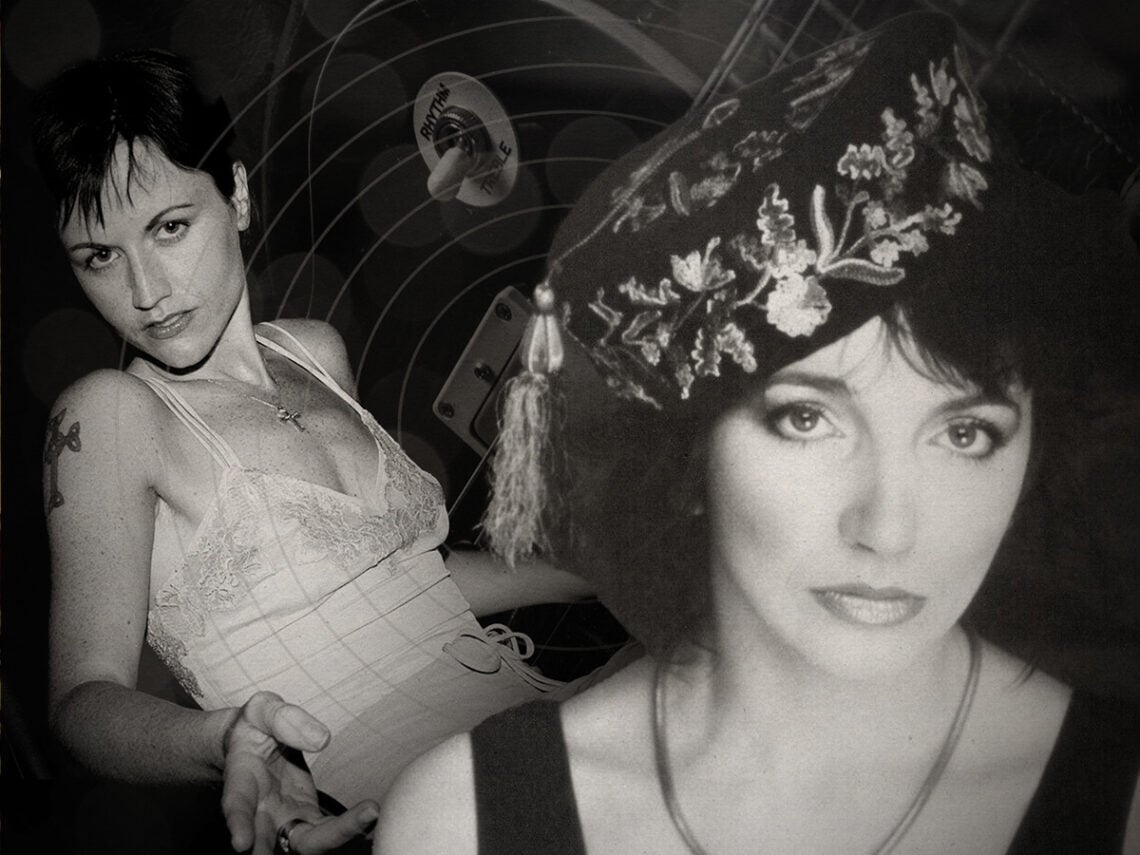
Gen Z are giving The Cranberries their Kate Bush moment, will the Rock Hall take notice?

Though they’ve been eligible for a decade, The Cranberries have never even been among the nominees for induction into the Rock and Roll Hall of Fame, let alone selected for the honour.
Up until recently, defenders of the Irish band’s legacy would point to their music as a vital touchstone of the 1990s, with a half dozen classic songs that helped define that era, but that narrative has gone stale.
The Cranberries, like Kate Bush before them, are now unstuck in time, recently introduced to a new generation through a couple of epic needledrops on streaming TV series, timed at just the right moments when the viewer would actually be looking up from their phones.
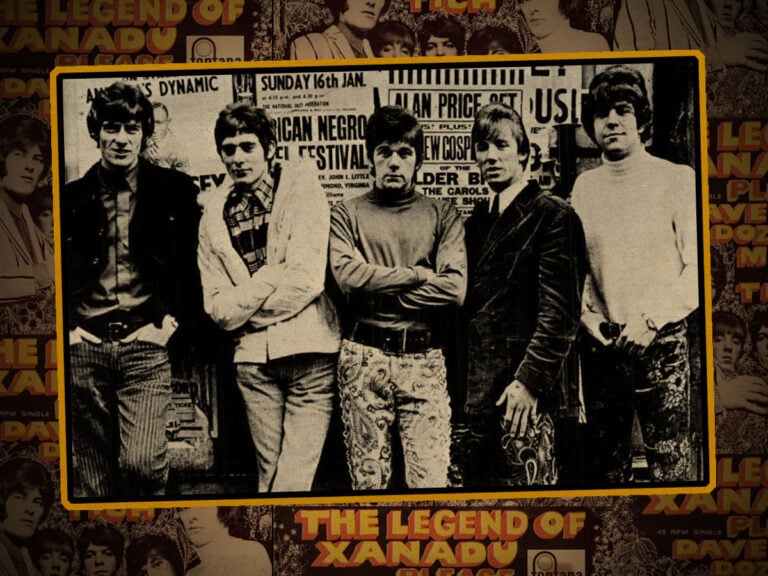
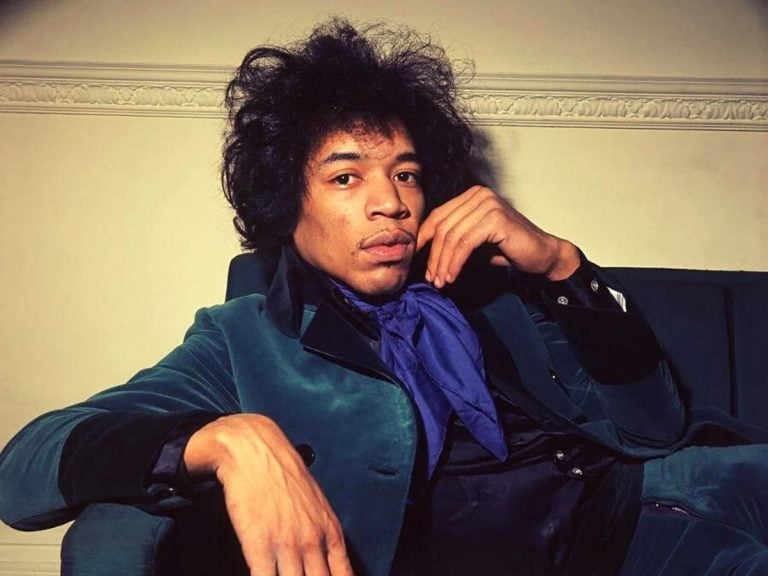
To be clear, the phenomenon of young people getting humorously enthusiastic about newly discovered ‘old’ music existed long before TikTok came along, with countless dorm room walls in the ‘90s and 2000s covered with posters of The Doors or Jimi Hendrix, or The Velvet Underground. Some of that fandom was passed down from parents to kids, of course, but needledrops in television and movies have always played their roles in reviving older songs and artists, often through the strategic string-pulling of record companies looking to fatten up their old cash cows.
Back in the ‘90s, there was also the emergence of the more soundtrack-conscious filmmaker, the Quentin Tarantinos and the Spike Lees, who utilised their creative control over their films to essentially put together a custom CD mixtape of their own favourite tunes to pair with it. This often included a curation of obscure older tracks from defunct artists like The Delfonics or The Stylistics, helping turn on younger film-goers to some good stuff they missed out on back in the day.
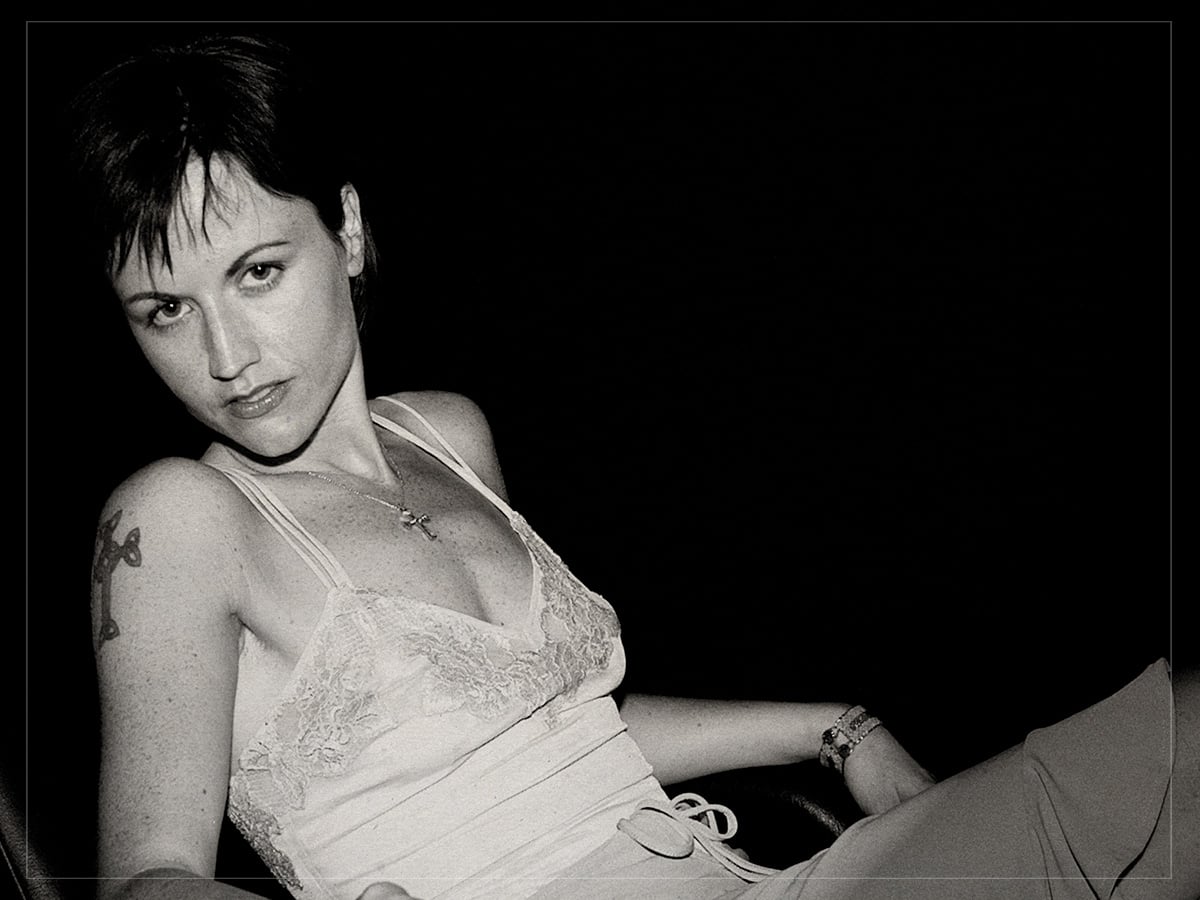
Today’s version of needledrop curation is probably somewhere in between those two systems of the past, partially pushed by record industry executives and partially hand-selected by the creative teams behind influence-minded streaming content.
In the case of The Cranberries, who disbanded after the 2018 death of frontwoman Dolores O’Riordan, the recent boosts in listenership both stemmed from uses of their very first hit single, 1993’s ‘Linger’. The song appeared in a key scene of the third season of the Gen Z romance drama The Summer I Turned Pretty on Amazon Prime last year, covered by the Aussie band Royel Otis, but the real spike began this spring, when the original Cranberries recording was dropped into the surprising Ryan Murphy mega-hit Love Story: the FX / Disney Plus melodrama about the doomed romance of JFK Jr and Carolyn Bessette.
The tabloid relationship and eventual tragic deaths of Kennedy and Bessette are part of 1990s lore themselves, so the inclusion of one of that decade’s most recognisable torch songs certainly made sense. What might be less obvious to older viewers, and even a Gen Xer like Ryan Murphy himself, is how relatively obscure even a song like ‘Linger’ can be to a young generation that now operates in pop cultural pods, with unprecedented access to nearly everything, but a greatly reduced sense of the old gold standards.
That’s not to say that all of Gen Z were ignorant of The Cranberries or ‘Linger’ prior to the past few months. In fact, the song had already gone through a weird TikTok meme-fication back in 2023, which in turn might have been directly or indirectly inspired by the prominent use of the band’s music in the hit comedy series Derry Girls. Putting ‘Linger’ in the serious romantic context of a ‘90s TV drama like Love Story, though, seemed to help it resonate in a new, quite fascinating way.
Looking at the use of Kate Bush’s ‘Running Up That Hill’ in the most emotional scene of season four of Stranger Things, a big part of the overall effect of The Cranberries needledrop is nostalgia, but it’s not just the Gen X and Millennial viewers who are feeling it. There’s something about immersing themselves in the pre-internet or smartphone-less worlds of the 1980s and ‘90s that is clearly appealing to Gen Z, as well, offering up a sort of wholesome alternate reality where privacy was nearly achievable, and songs were allowed to be vulnerable without hiding behind autotune.
You can’t just force-feed any old ‘90s song into these shows and expect it to strike this unusual, retroactive nostalgia nerve you’re aiming for, though. The young kids today can sense the difference between good and great just as well as their parents could, and when it comes to Kate Bush or Dolores O’Riordan, it’s the singers that matter as much as the songs. These were unique, generational talents who weren’t reliant on any particular trends or motifs of their own eras. For lack of a better word, ‘Linger’ and ‘Running Up That Hill’ turned out to be timeless songs, even if we previously thought of them as great examples of ‘80s and ‘90s pop.
As O’Riordan once said herself in a 1994 interview with the LA Times:
“I think Patsy Cline could have sung ‘Linger’ in good fashion. I think you could sing a good blast of it without any music. This group is based on songwriting”
That argument is strongly backed up by the fact that the track, at various times over the past 30 years, has been eclipsed as The Cranberries’ signature song by two other tracks with very different energies: the joyous ‘Dreams’ and the dark and heavy ‘Zombie’.
Those three singles alone make for a pretty compelling argument in favour of the band as Rock and Roll Hall of Fame worthy, but their full catalogue doesn’t betray them either. The group’s four LPs in the ‘90s were all big sellers on both sides of the Atlantic, and they hold up well under modern scrutiny, for the very reasons O’Riordan mentioned.
Influenced more by The Smiths than U2, The Cranberries brought a brooding indie tone to some glistening pop melodies, and O’Riordan ranks among the most compelling vocalists of her day, able to communicate the heft and angst of a grunge frontman on some tracks, then shift seamlessly to the fragility of ‘Linger’ or ‘Ode to My Family.’ Check out the lesser known track ‘War Child’ from To the Faithful Departed for another showcase of her power: rage at injustice wrapped in pleading desperation.
Kate Bush was a Rock and Roll Hall of Fame nominee several times before the unexpected boost of the Stranger Things moment finally got her over the hump with voters in 2023. Prior to that, her lack of commercial success in America had likely been held against her, as it has been with various other British artists, from The Smiths to Oasis.
Record sales in America were never a problem for The Cranberries, as their first three records were all multi-platinum sellers with gigantic radio hits, which suggests that their lack of Hall of Fame love has been more about an assessment of the relative quality or significance of their work. They were a ‘nice’ band with ‘nice’ songs, but didn’t have a very long shelf life of relevance outside the ‘90s, leaving them as a sort of novelty of their own era, not unlike other overlooked bands of the decade, such as Alice in Chains or Smashing Pumpkins.
The Cranberries weren’t a grunge band, though, nor were they ever stylistically similar to the Britpop going on around them, with their closest sonic cousins being names like The Sundays, 10,000 Maniacs, Cocteau Twins, Mazzy Star, or The Cardigans, all of whom achieved moderate levels of success, but nothing quite on the level of Dolores and her mates.
If the Rock Hall is supposed to celebrate the artists who made a large and lasting impact on the vaguely identifiable rock/pop genre, then the time certainly seems right to finally reassess The Cranberries as a band of undeniable relevance, in their own time and right now. Who cares if those recent needledrops were engineered by Disney or the Universal Music Group? The kids heard the Cranberries, and they instantly liked what they heard, just like a lot of us did back in 1993. Like the best Motown tunes or Led Zeppelin riffs, some things just appeal to the human condition, methods and mediums be damned.
