


Why The Velvet Underground set out to create the ugliest album imaginable

In the summer of 1967, everything was bright across California, where it was all acid tests, flower power and psychedelia. In the UK, the people were catching up as The Beatles were setting off on a trip on Magical Mystery Tour, but in New York, The Velvet Underground wanted to keep things gloomy as ever.
By the mid-1960s, it seemed like it was peace and love all around; counterculture was truly breaking into the big time across everything from fashion to film to music as youth culture was ablaze and excited about lysergic prospects. The biggest stars, the biggest songs, the biggest albums, the biggest events, everything was psychedelic and utterly locked into the hippie culture that had become the primary image of the decade.
However, it was definitely a story of two coastlines, where the look and energy we associate as the typical 1960s style was a California creation that was the land of Jim Morrison, Jefferson Airplane, parties thrown on Franklin Avenue by Joan Didion, where Eve Babitz and a cohort of movie stars and artists would play; it was the land of the Troubadour, the Whisky A Go Go, of Laurel Canyon, Frank Zappa, of the groupies and the good weed.
On the East Coast, though, things were different, where the colder climate seemed to make that so; rather than being all sunshine and flowers, New York was angstier, more poetic, starting its descent into punk. It was more about folk and literature, or even in the higher art scene, run by Andy Warhol, it was the realm of both drag queens and socialites together and not barefooted hippies.
From where he stood, Lou Reed was looking out into the landscape that counterculture had become and simply wanted none of it. Even though Warhol certainly wasn’t a hippie at all, he and his commune still seemed to represent this world that Reed didn’t want to be part of, as the outfit fired the pop artist as their manager.
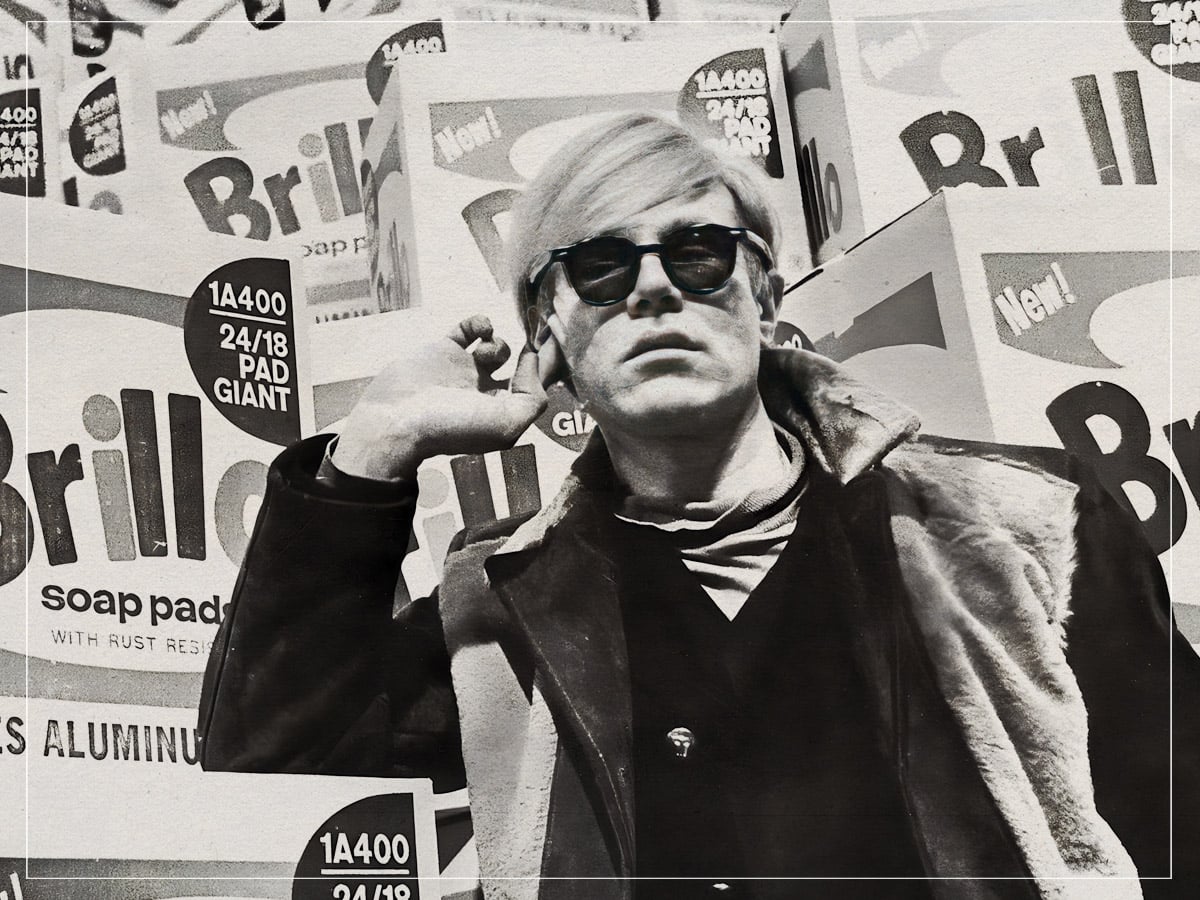
Cutting themselves off from the celebrity world and rejecting the peace and love vibe that would eventually lead to things like Woodstock, Reed instead went all in on something else, such that, if things were bright and beautiful, he wanted something dark and ugly. So in the summer of 1967, when everything was tie-dye and pretty colours, The Velvet Underground locked themselves in Mayfair Sound studios in Manhattan, and set about making something gritty and the polar opposite to the sound of the times, resulting in White Light/White Heat.
Directly following their debut, The Velvet Underground & Nico, which was made under the supervision of Warhol to essentially be a soundtrack to New York’s own brand of counterculture, this sophomore album wasn’t supposed to fit in anywhere, and where the debut was full of hits, this album was intended to have none.
None of the songs fit the mould: the title track wasn’t even three minutes long, the entire tracklist only included six songs, and almost half of the run time was taken up by the final song, ‘Sister Ray’, which is more of a musical onslaught than a rock tune. All of this couldn’t be further from something like ‘California Dreamin’, ‘Strawberry Fields Forever’ or ‘Light My Fire’, and was worlds away from the hits of the era where girls in go-go dresses would dance around, and the crowds at the various countercultural festivals would sway in their drug-dosed bliss. No, this was weird, underground, ugly and even somewhat scary, standing as music no one knew what to do with, just as the band had intended.
It was a ‘fuck you’ to a moment they only saw as fake, about which guitarist Sterling Morrison said, “Inspired by media hype, and encouraged by deceitful songs on the radio (Airplane, Mamas & Papas, Eric Burdon), teenage ninnies flocked from Middle-America out to the coast. And so, at the height of the ‘Summer of Love’, we stayed in NYC and recorded White Light/White Heat, an orgasm of our own.”
They were running in the complete opposite direction, carving a path of their own, a path that also found them their people. Even if they had intended it to be ugly and off-putting, that second album only added to the awe that so many felt towards the band, inspiring what was to come next as people like Patti Smith and Tom Verlaine were in the crowd, watching The Velvet Underground, plotting their own ideas.
