


The two secret inspirations that made Queen unique: “Nobody has these”

It’s no secret that Queen was unique from day one, with a certain edgy flamboyance that no one else in the rock circles was brave enough to carry at the time. However, what most people don’t realise is that it took much more than simple musical talent to be that way.
Back at London’s Imperial College, Brian May and Roger Taylor weren’t going down without a fight, continuing to play together even though they had yet to gain their big break. That’s why, when they eventually crossed paths with Freddie Mercury, then Farrokh Bulsara, it seemed fated, if a little strange and unexpected.
Then, once John Deacon joined in 1971, they had everything they needed to launch phase two of their musical journey, each of them utilising their strengths to create something that was quite literally nothing like anything else anyone was doing at the time. Beyond the obvious, each member also came equipped with their own unique perspectives, with intellect mixing with creative innovation in ways that would soon define the entire rock opera genre.
According to May, there was also a specific secret ingredient that made them stand out from the rest, beyond the simple drive to be as original as possible and stand out as major players. In May’s view, he and Mercury brought a perspective to rock that differed from everything else, largely because their influences weren’t exactly rooted in rock ‘n’ roll to begin with.
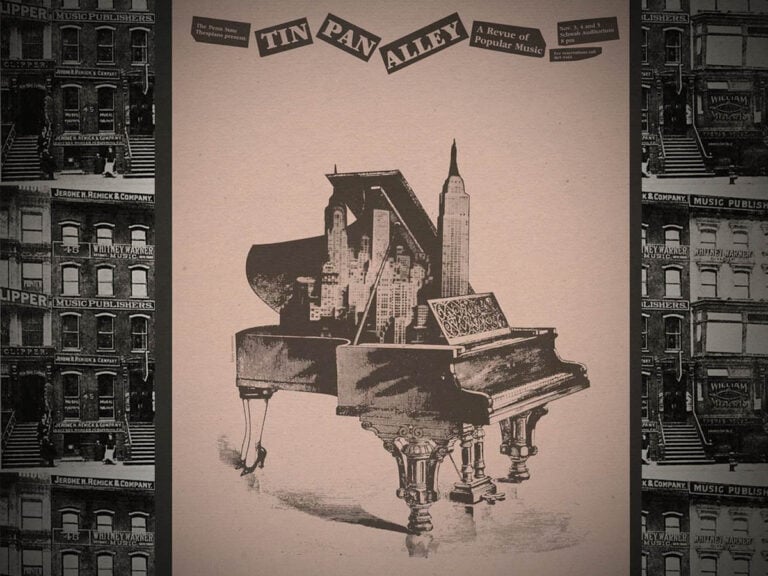
Recalling their differences to Guitar World, May reflected on how “different” the world was before rock ‘n’ roll, and that when the members of Queen came together, they had a lot of influences “from what came before”, like Glenn Miller and The Temperance Seven.
“So when we were growing up,” he added, “Those influences were in us as well as the emerging rock ’n’ roll, and that gave us a perspective that almost nobody has these days.”
This actually explains a fair bit about why they were so focused on big, explosive music with intricate arrangements early on, and also why they weren’t afraid to go in that direction when nobody else was. After all, it was never about playing it safe right from the start, instead taking some of the more off-kilter elements of pre-rock ‘n’ roll genres and bringing them back into the spotlight.
It also likely ensured they were well-positioned by the time it came to attempting to sell something as far-out as their six-minute anthemic epic, ‘Bohemian Rhapsody’. After all, by then, they already knew what it was like to exist as outliers, and for their risky decisions to pay off, even when others didn’t necessarily always understand the vision.
Taking risks and revolutionising the rock opera genre, in their world, was about remembering the world before rock ‘n’ roll’s rise and celebrating it in new ways, toying with convention while also opposing it. It’s also why, funnily enough, they bagged their share of haters, too, with many in the more traditional rock spaces failing to see why anything they did was ever all that revolutionary at all.
However, as we’ve seen, dismissing Queen always said more about the community around them than the quality of their music. It wasn’t because most of their songs were deemed too inappropriate, niche, or long for the radio, but because they actually had the guts to take music into new territories. And those who decided it wasn’t worthwhile were mostly bitter that they hadn’t had the guts to do it themselves.
