


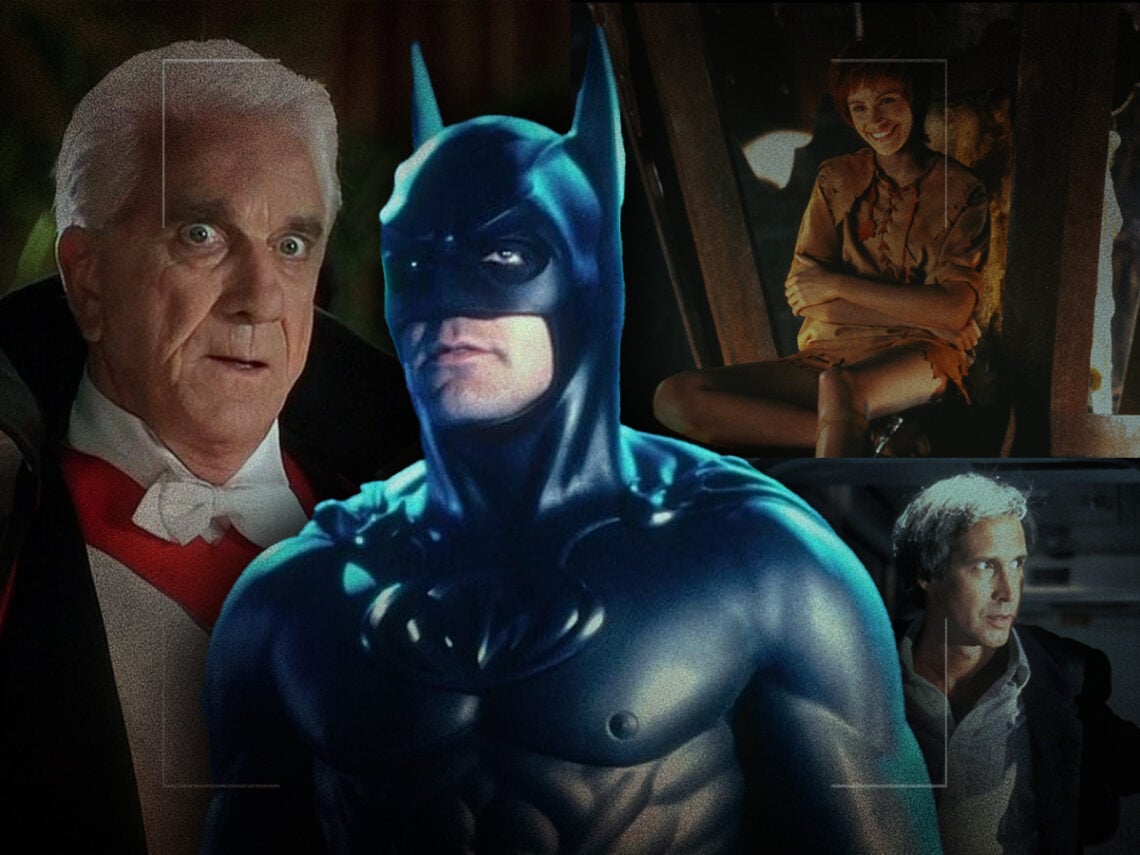
The 10 most miscast movie characters of the 1990s

Nothing dooms a film more than actors being placed in the wrong roles.
Writing is the most important part of the filmmaking process because no great work of cinema can exist without story and characters, but that doesn’t mean that the performers aren’t integral. Engagement in what’s happening on the screen is dependent upon how the actors appear and whether they fulfil their intended purpose.
The 1990s are often seen as the last true era of the ‘movie star’, as it was a time in which well-known actors could sell a film based purely upon their involvement. Although legacy actors from the ‘70s like Robert De Niro, Al Pacino, and Meryl Streep were still making great new films, the new decade introduced emerging talents like Matt Damon, Sandra Bullock, and Cameron Diaz.
Films are often retrofitted so that movie stars can be accommodated, but there is a certain point where casting no longer makes sense. Even if stars are essential in helping to sell and market a film, they often are forced to take the blame if it doesn’t pan out, and no ‘90s film is a better example than Cutthroat Island, which was so disastrous that it essentially caused Geena Davis to exit Hollywood.
A bad bit of casting can be enough to turn a perfect film into merely a great one, and it can transform something relatively competent into unwatchability. Whether it is a result of star ego, a miscommunication in direction, or something going terribly wrong on set, miscast choices linger around long enough to be the subject of both criticism and ridicule.
10 incredibly miscast characters from the 1990s
Kevin Costner as Robin Hood – ‘Robin Hood: Prince of Thieves’ (Kevin Reynolds, 1991)
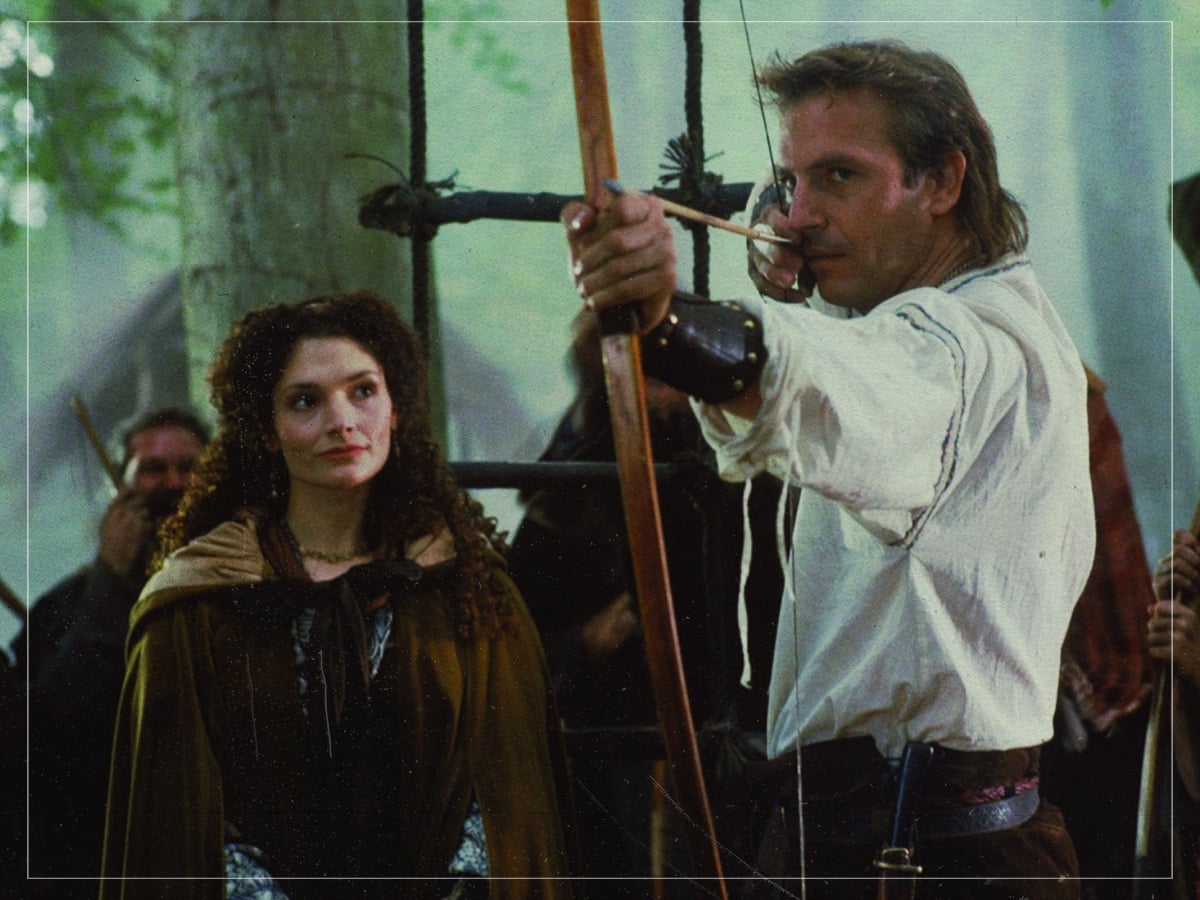
Kevin Costner was more powerful than he had ever been coming off the success of Dances With Wolves, which marked the rare instance in which an actor’s directorial debut won the Academy Award for ‘Best Picture’. He had a habit of taking over every production he was involved with, and wasn’t convinced by anyone who suggested that he wasn’t well-suited to play one of the most famous English folk heroes of all time.
It’s not even that Costner has a terrible English accent in Robin Hood: Prince of Thieves, but that the accent slips in and out, making for an inconsistent performance that was impossible to track, and moreover, he was allegedly furious when he realised he was being outperformed by Alan Rickman, who was seemingly having a blast as he chewed the scenery with his hilariously evil performance as the Sheriff of Nottingham.
George Clooney as Bruce Wayne/Batman – ‘Batman & Robin’ (Joel Schumacher, 1997)
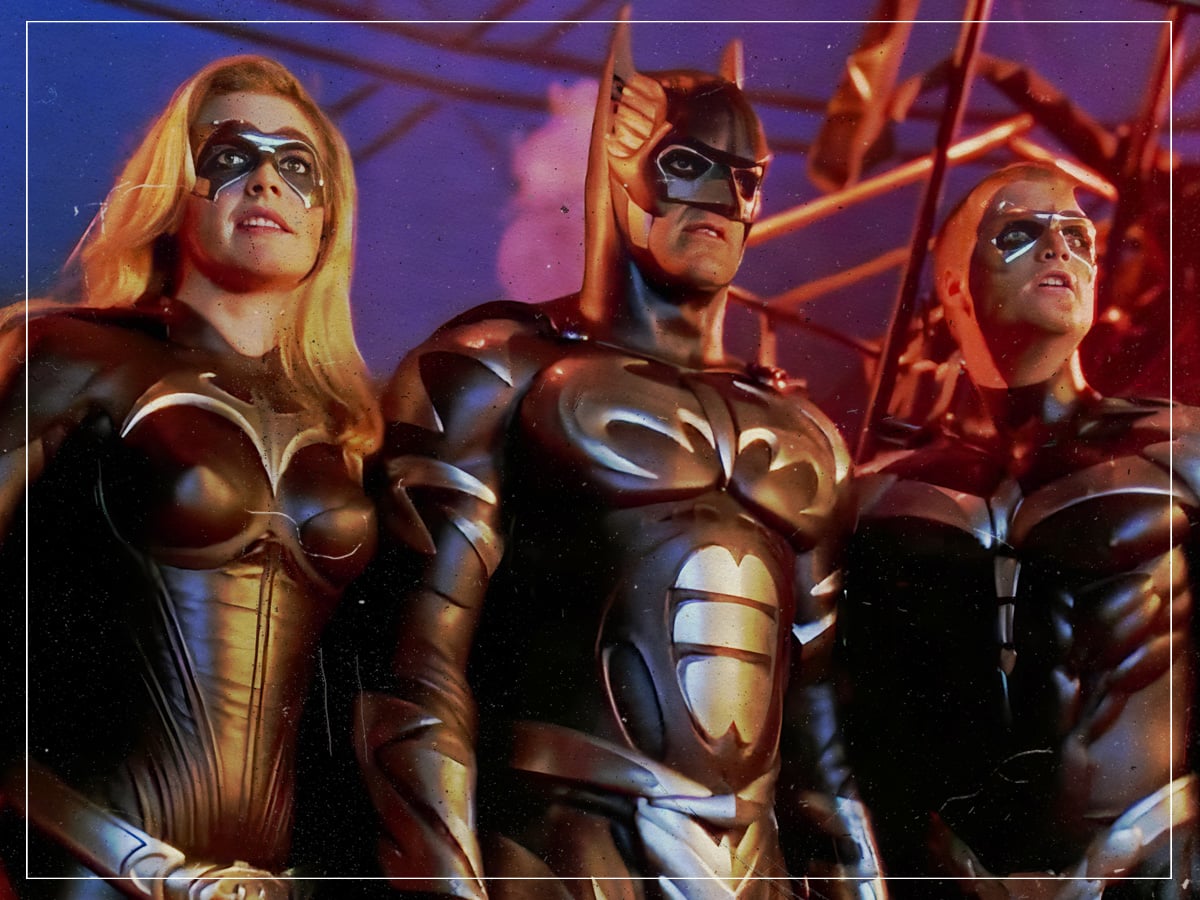
George Clooney was a rising television star thanks to the success of ER, and Warner Bros figured that he would be a good fit to take over the role of Bruce Wayne after Val Kilmer decided to exit the franchise. The problem with this casting was that he had no presence as Batman; while he can certainly sell being a rich, charismatic playboy, Clooney is not intimidating in the suit, and doesn’t feel like he is dealing with his demons.
To the actor’s credit, he has openly admitted that he regretted taking the role and has even taken the fall for the film itself (even if it was mostly Schumacher’s fault). No one could have done much to improve the terrible screenplay by Akiva Goldsmith, but Clooney’s failure in the role was partially why Christopher Nolan was allowed to reboot the franchise in such a gritty way to distinguish it.
Keanu Reeves as Jonathan Harker – ‘Bram Stoker’s Dracula’ (Francis Ford Coppola, 1992)
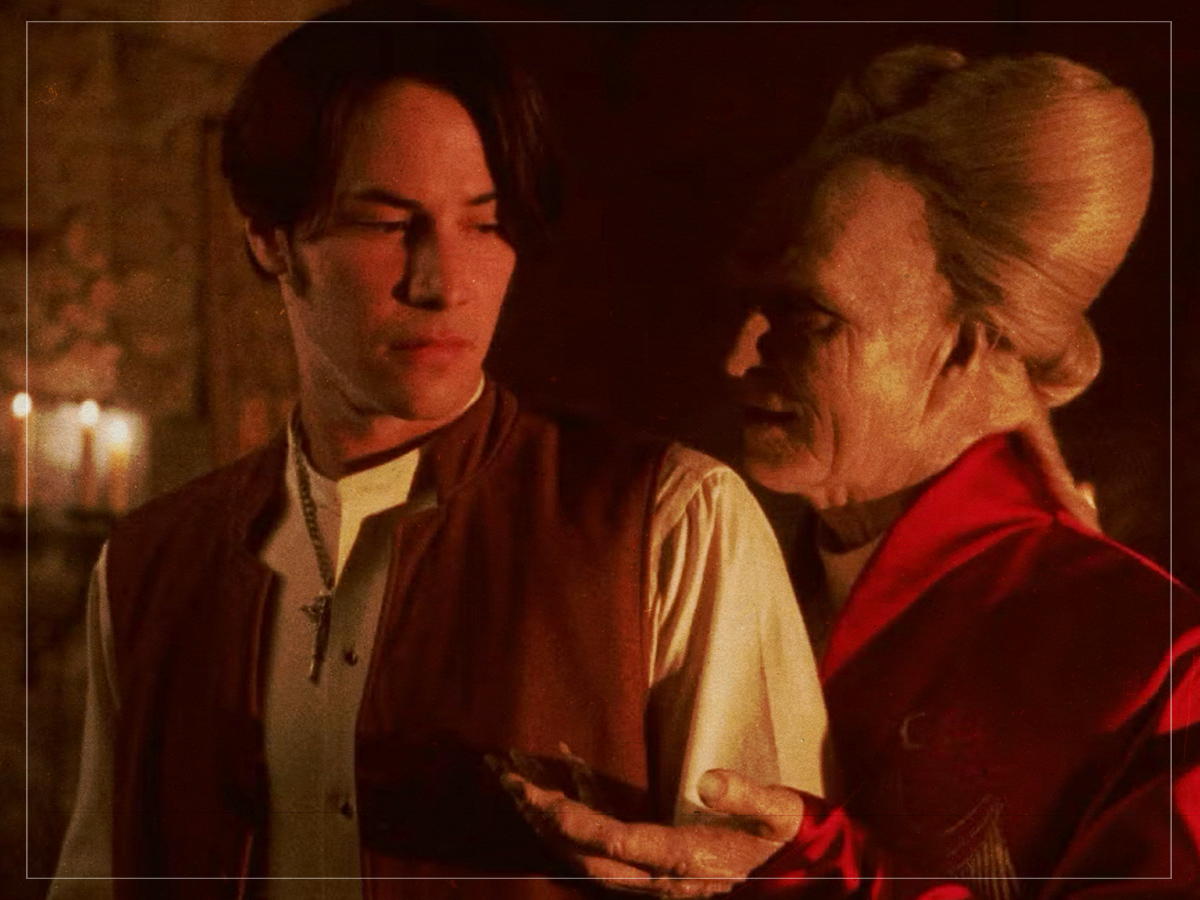
Rarely has there ever been a bigger disparity in quality between two performances in the same film than in Bram Stoker’s Dracula. Gary Oldman brought a terrifying, gothic tragedy to his haunting performance as the titular vampire, and Keanu Reeves couldn’t have been more awkwardly suited for the part of Jonathan Harker.
Harker is a character that has never been that interesting, but Reeves once again showed that he couldn’t do an English accent; although his accent was bad, it wasn’t distracting in Dangerous Liaisons, but it was infinitely worse in Bram Stoker’s Dracula. That he had almost no chemistry with Winona Ryder somehow made the film’s romantic triangle even tougher to realise, even if she did her best with what she was given. Had an actual English actor like Daniel Day-Lewis or Tim Roth been given the part, then the film’s reputation might have drastically improved.
Leslie Nielsen as Dracula – ‘Dracula: Dead and Loving It’ (Mel Brooks, 1995)
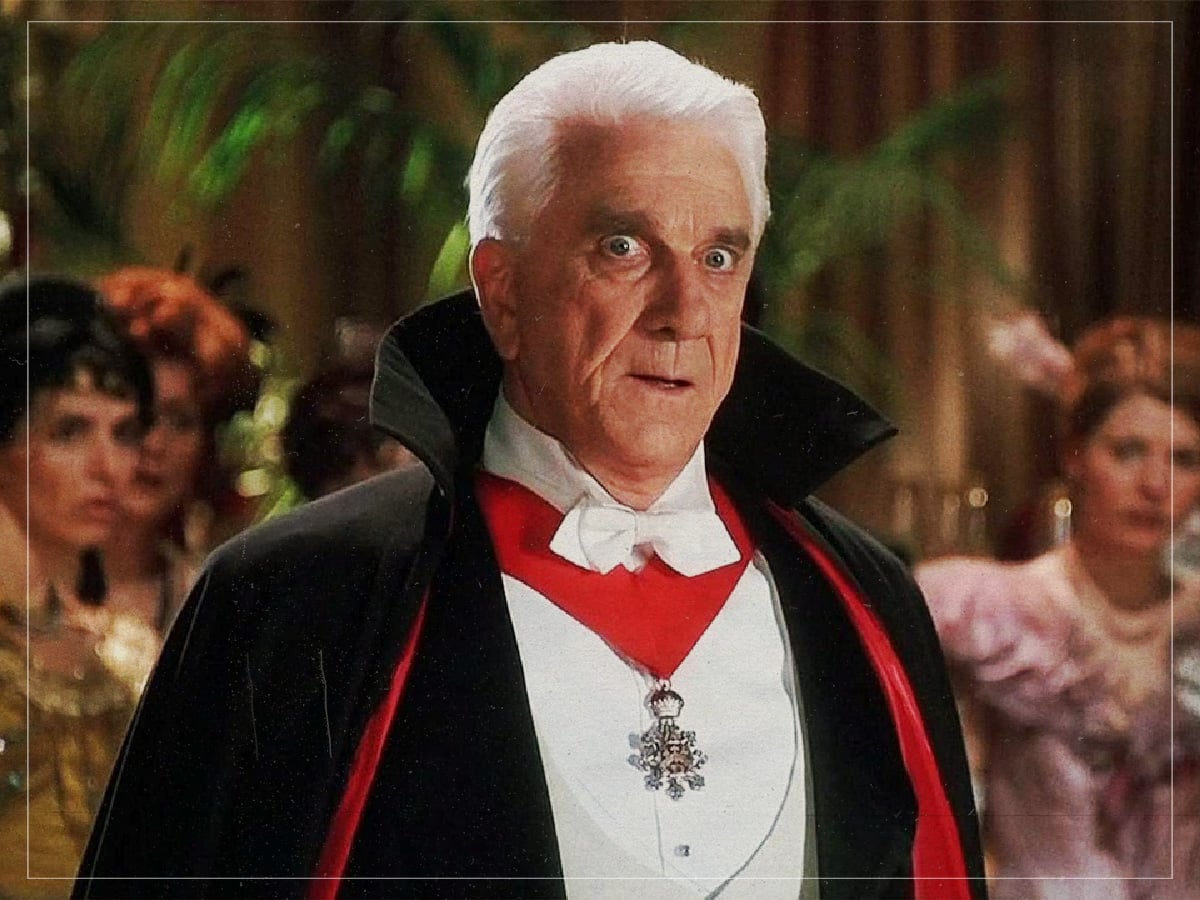
Even with his parody films, Mel Brooks had traditionally been able to cast actors who would have been convincing in a more traditional adaptation. Gene Wilder effectively captured the madness of Frankenstein in Young Frankenstein, Bill Pullman was a convincing Han Solo-esque hero in Spaceballs, and Cary Elwes gave a performance in Robin Hood: Men in Tights that was better than Costner’s in Robin Hood: Prince of Thieves.
However, Leslie Nielsen was the wrong choice to play Dracula, as he had traditionally appeared in spoof films where he played a goofy or incompetent hero, and not a villain. Dracula: Dead and Loving It is the only Brooks film that doesn’t faithfully pay tribute to the genre that it is homaging, feeling like a sketch that had run on for far too long, and Nielsen appeared to be past his prime.
Brad Pitt as Frankie McGuire – ‘The Devil’s Own’ (Alan Pakula, 1997)
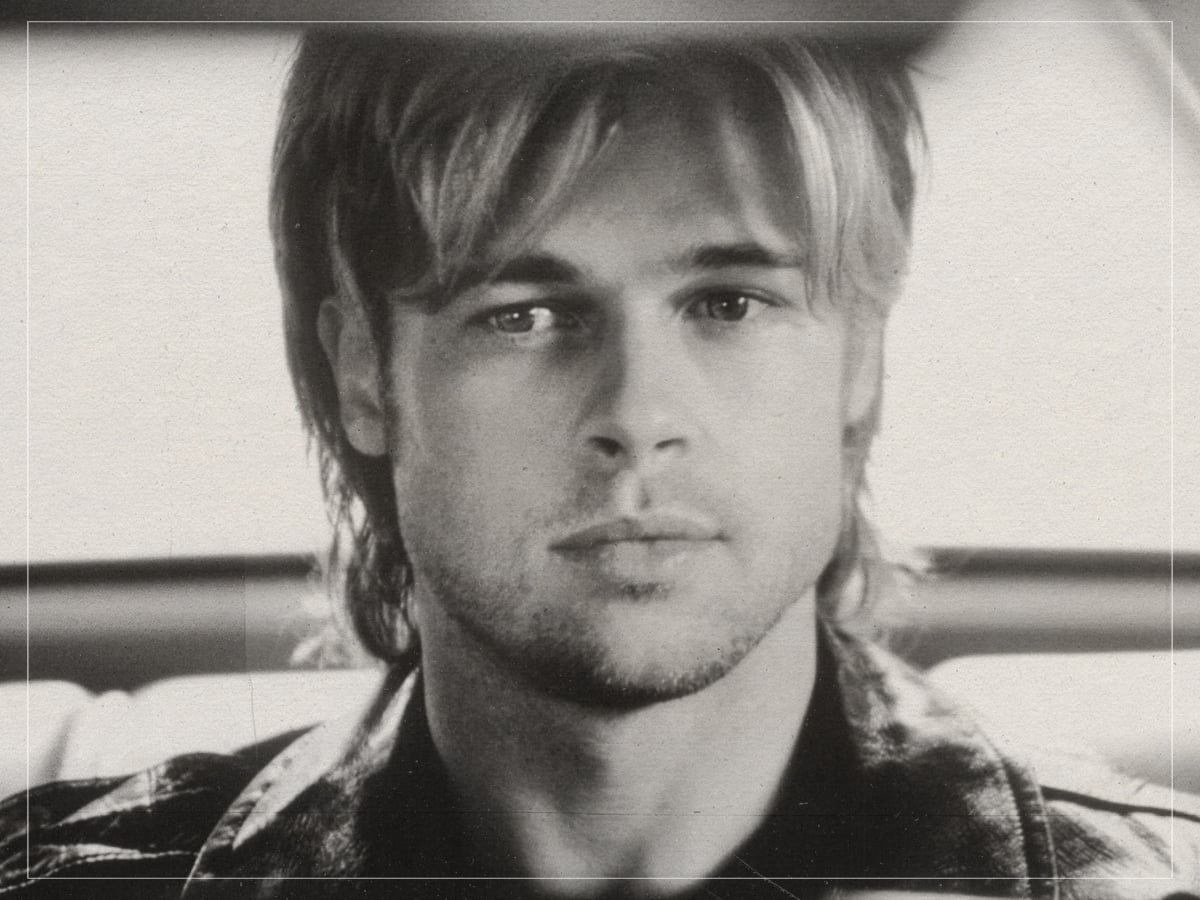
Brad Pitt took awhile to figure out exactly what his star persona was in the ‘90s, as he tended to be best in films like Fight Club or 12 Monkeys, where he could give zany, unusual performances. The one aspect that has always defined Pitt has been his unambiguously American quality, which made it quite strange when he was cast to play an Irish Republican Army agent in The Devil’s Own. Pitt’s accent is too unconvincing to make the story work, especially since the character of Frank McGuire is too suspicious for his true loyalties to be a major twist.
Pitt also wasn’t physically intimidating enough to appear as a threat to Harrison Ford, who was cast against type as a veteran police officer who had never seen real action and wasn’t prepared to deal with a domestic terrorist threat.
Jean-Claude Van Damme as Colonel Guile – ‘Street Fighter’ (Steven de Souza, 1994)
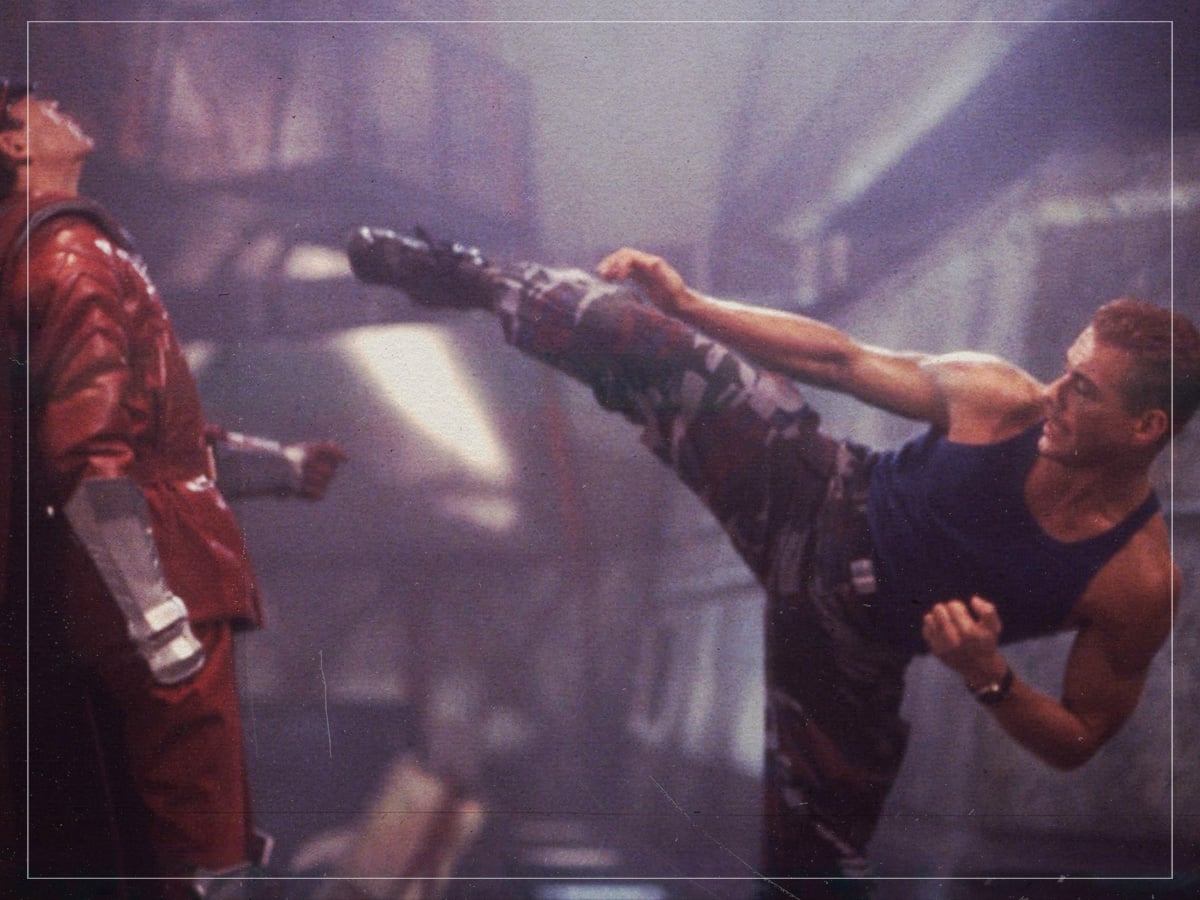
Video game adaptations were at a low point in the ‘90s, but few were more disappointing than Street Fighter. It doesn’t even work as a cheesy B-movie because the martial arts scenes are really lacking, which makes it even stranger that Jean-Claude Van Damme was cast to play the beloved character of Colonel Guile, who was one of the game’s original eight fighters.
Van Damme may have been a good choice for a more straightforward adaptation of the game, but he’s completely wrong for a charismatic hero who leads humanity against a totalitarian regime. That Van Damme wasn’t cooperative on set made it even worse; although he appears to have mellowed out since, he refused to do multiple takes on set and often sparked arguments, resulting in a performance that felt like it was given with the barest of effort.
Chevy Chase as Nick Holloway – ‘Memoirs of an Invisible Man’ (John Carpenter, 1992)
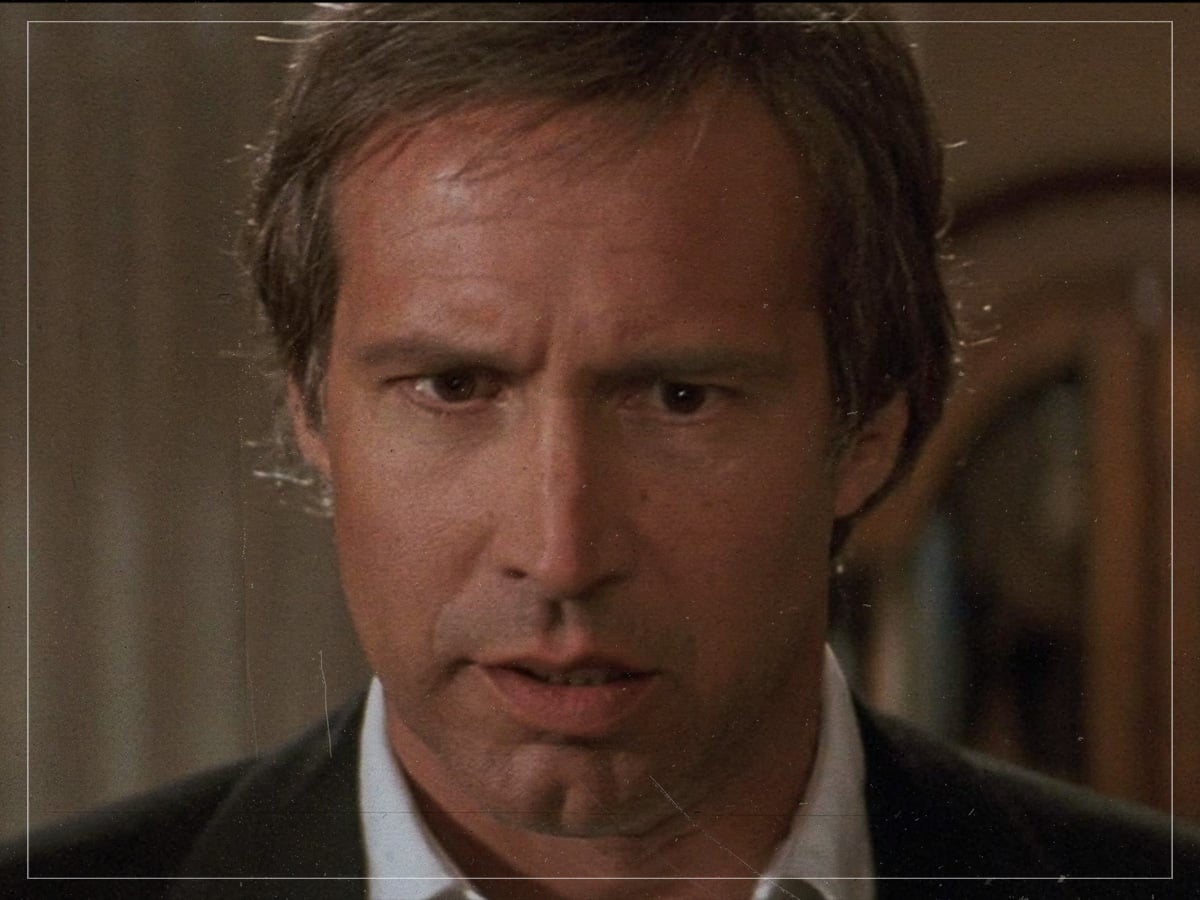
The legacy of Chevy Chase is a complicated one because he was notoriously abrasive to work with, yet was also one of the funniest people on the planet in his best comedy roles. However, he resisted being typecast and took a more serious turn with Memoirs of an Invisible Man, but he was never believable as a lonely, outcast hero. Chase’s talents lie in his aptitude for physical comedy and ability to deliver one-liners, but Memoirs of an Invisible Man asked him to literally be invisible and deliver a performance that was lacking in any humour.
It was simply too distracting to see Chase try to take himself seriously in a film that actually may have benefited from a lighter tone, which wasn’t helped by the feud he developed with John Carpenter that made the production even more of a challenge.
F Murray Abraham as Ru’afo – ‘Star Trek: Insurrection’ (Jonathan Frakes, 1998)
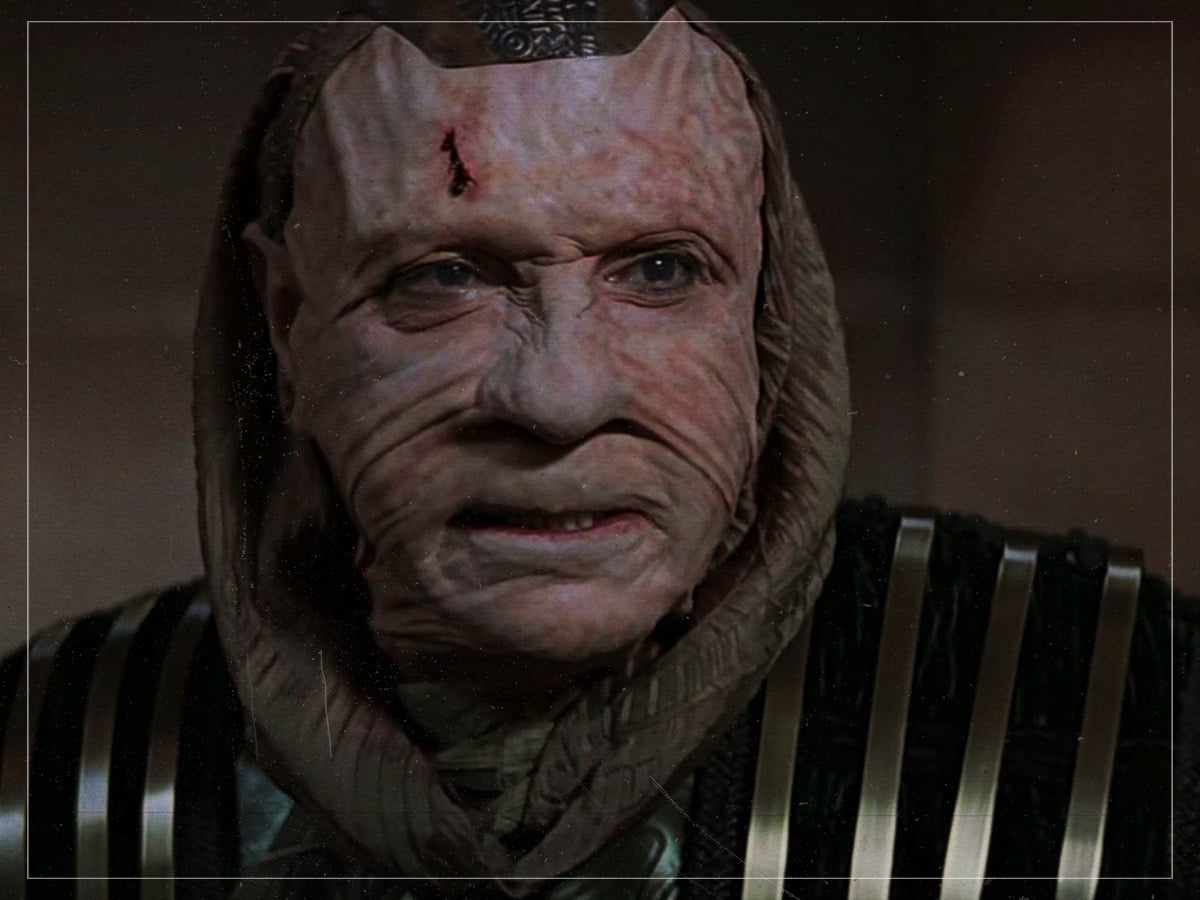
Star Trek was seemingly going in a good direction after Star Trek: First Contact performed well and proved that the cast of Star Trek: The Next Generation had what it took to lead their own film franchise. Even though Jonathan Frakes returned to direct Star Trek: Insurrection after he had nailed Star Trek: First Contact, the film developed a dull plot about a ‘fountain of youth’ that simply felt like an extended television episode.
F Murray Abraham was trying to redeem himself after some career issues, but he couldn’t have been less interesting as the alien villain Ru’afo, who doesn’t even face off with Captain Picard, played by Patrick Stewart, until the end of the film. There are few ways to make an Oscar-winning actor completely ineffective than lathering him up with makeup, as Abraham is virtually immobile and has no presence as the primary antagonist.
Denise Richards as Dr Christmas Jones – ‘The World Is Not Enough’ (Michael Apted, 1999)

James Bond has had a fair amount of uninteresting romantic partners over the course of the franchise’s existence, but there hasn’t been a single ‘Bond girl’ quite as terrible as Denise Richards in The World Is Not Enough. The name ‘Dr Christmas Jones’ is ridiculous enough in its own right (and leads to the most cringe-inducing double entendre in the saga’s history), but casting Richards as a nuclear physicist made Austin Powers: International Man of Mystery look like the more straightforward spy film.
Richards isn’t ever convincing as a scientist or an ally to Bond, which is aided by the fact that she was a full generation younger than Pierce Brosnan (and had played a teenager the same year in Drop Dead Gorgeous), and is particularly disappointing because the film features one of the franchise’s best female villain performances from Sophie Marceau.
Julia Roberts as Tinker Bell – ‘Hook’ (Steven Spielberg, 1991)
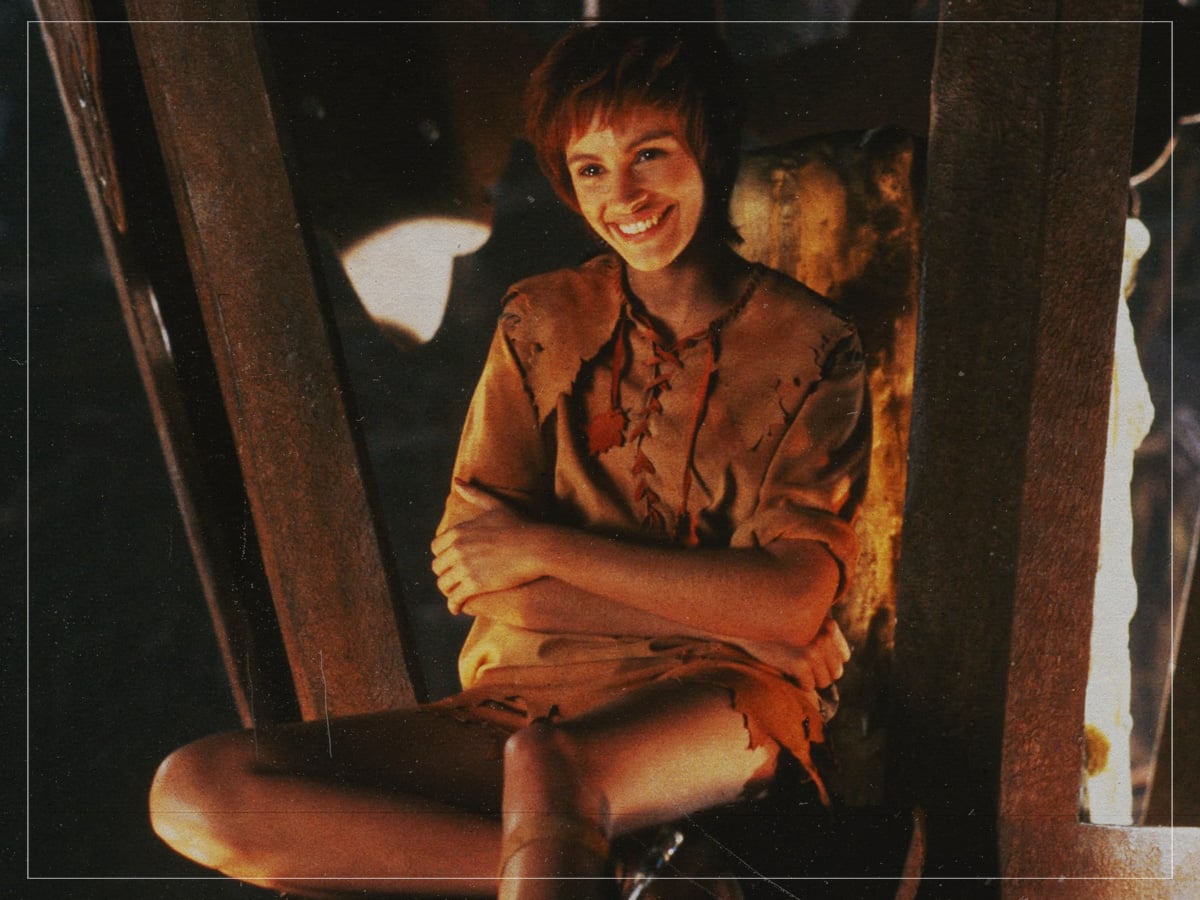
Julia Roberts is one of the few actors to ever get on the bad side of Steven Spielberg, who has developed a reputation for being one of the nicest and most professional people in Hollywood, sticking out like a sore thumb in Hook because she didn’t fit the tone of the film. Robin Williams gave a sensitive, moving performance as Peter Pan that was in sharp contrast to Dustin Hoffman’s ridiculous performance as the titular villain, but Roberts seemed disaffected and bored by the material.
That Roberts didn’t have experience working on a film with elaborate special effects made the performance even less believable, as it was evident in her scenes that she was simply acting against a greenscreen. The performance was disastrous enough that Spielberg vowed to never work with Roberts again, a promise he has kept for 35 years.
