


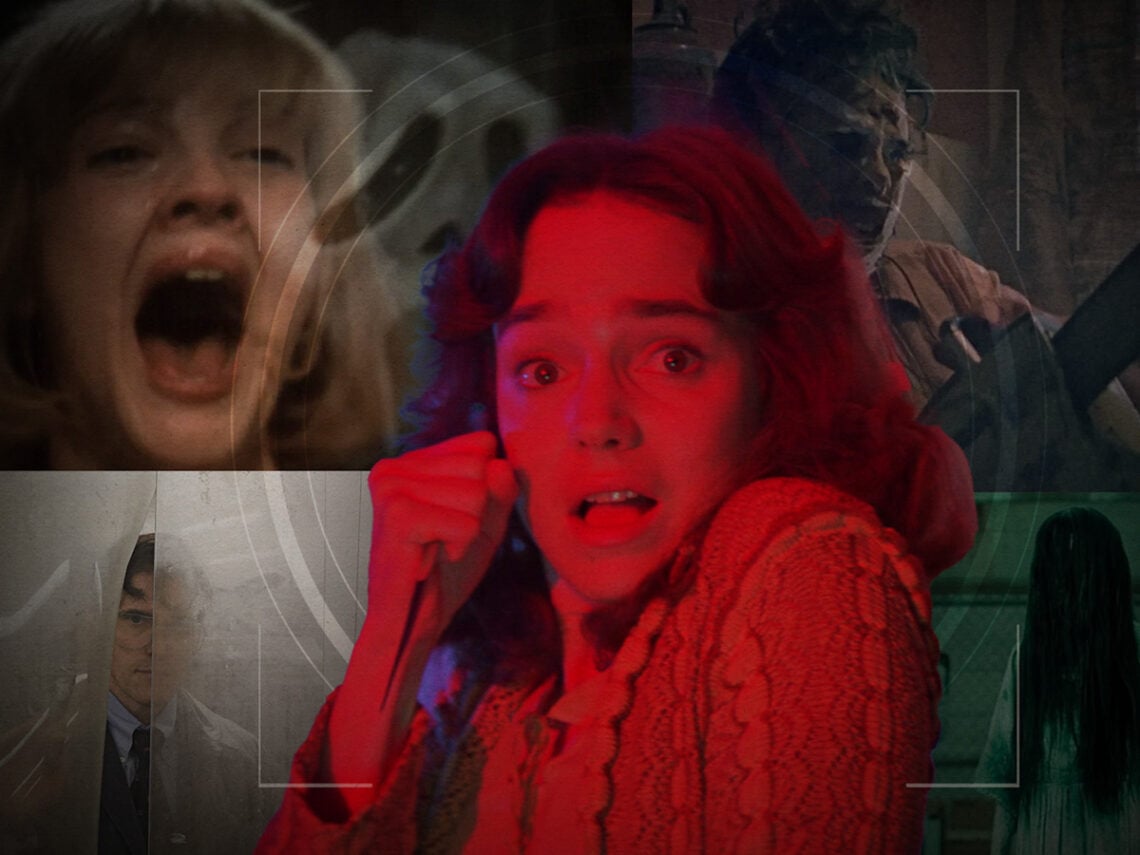
The 10 most disturbing opening movie scenes of all time

When directors and writers are pitching their films, they often emphasise how the story will open in order to ensure that they strike the right tone, and if audiences check out during what should be an exciting setup, they’re unlikely to remain engaged for the rest of the running time.
However, there’s no better way for a film to intrigue its audience than by hooking them within the first few minutes, as a memorably opening scene might be enough to provoke their interest, regardless of how the rest of the film pans out.
There are multiple reasons for an opening scene based on what the filmmakers intend, such as Star Wars opens with a grand crawl that sets up the universe, The Lion King begins with a breathtaking musical number, and The Other Guys has a hilarious twist that shows the strange humor that the film is going for, but, films that aim to disturb and disorient need to establish themselves as ruthless from the very beginning, even if they have an even more haunting ending in mind.
Those who love horror and psychological thriller films tend to get angsty if their needs aren’t being met early on; there’s nothing worse than going into a film that is presented as being scary, only to end up being bored and agitated. At the same time, a truly disturbing opening scene can help set the parameters of what the film is going to accomplish, and can dissuade those with weak stomachs from sticking around for the rest of the running time.
The 10 most disturbing movie opening scenes:
‘Scream’ (Wes Craven, 1996)

Wes Craven was fed up with the way that Hollywood had bastardised the slasher genre that he had helped to create with A Nightmare on Elm Street, and used Scream to make horror films scary again, where the opening scene begins with a young woman playfully responding to a mysterious caller’s questions about different horror films, but the scares are proven to be real when she realises she’s been targeted for death.
Craven used the same strategy that Alfred Hitchcock did with the famous opening scene of Psycho, as he created a seemingly safe environment and invaded it with a shocking act of violence. It’s a calibre of excellence that the Scream franchise has been trying to live up to ever since, as the first film’s popular culture references were only used to help ground it in reality.
‘Jaws’ (Steven Spielberg, 1975)
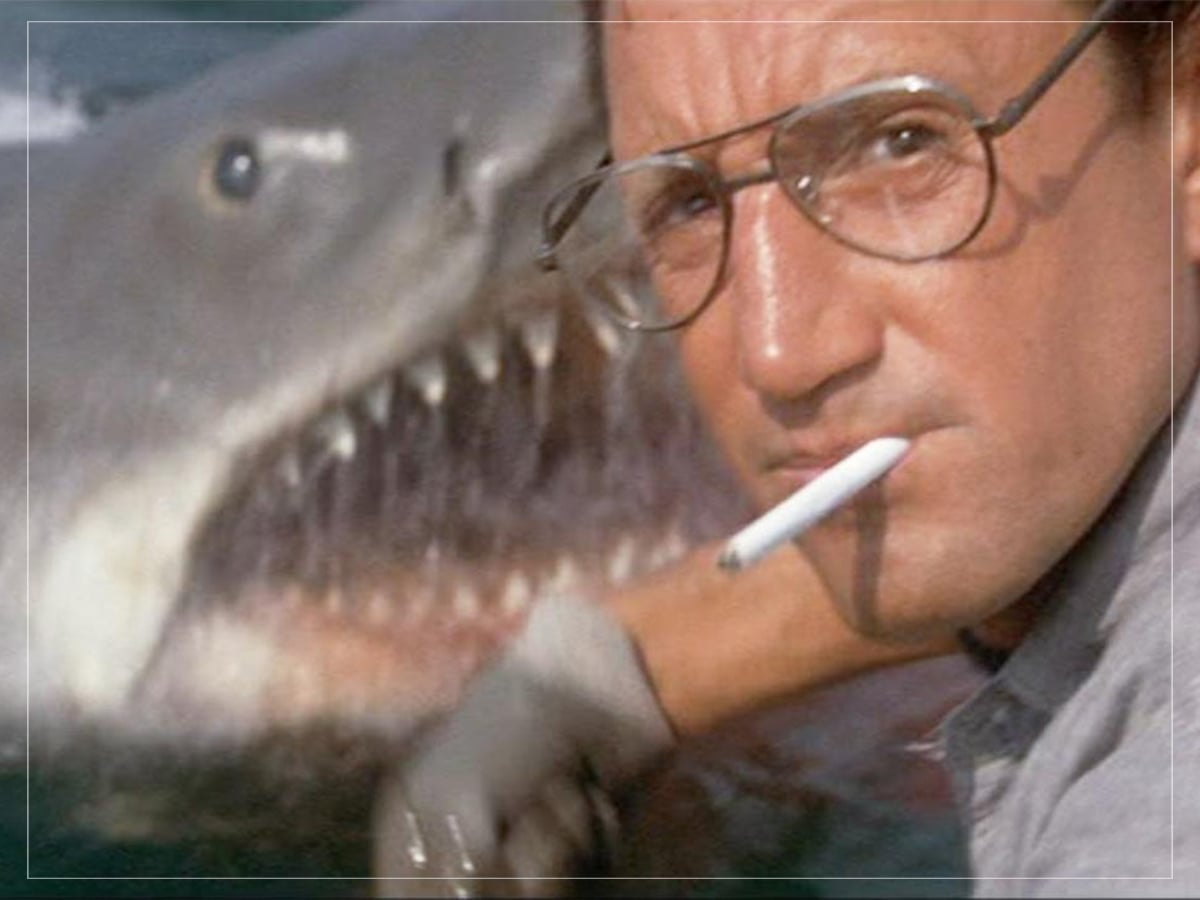
Steven Spielberg had a nightmarish experience working on Jaws, but one of his biggest challenges ended up being to the film’s benefit. It was thanks to the mechanical shark not working that Spielberg had to limit the audience’s awareness of the creature, which only created more suspense.
The tension in Jaws kicks off in the opening scene when an unsuspecting teenager is brutally murdered, despite the fact that little carnage is actually shown. It’s not only that the scene solidified Spielberg as the master of Hollywood entertainment, but it was so effective as a source of horror that it would terrify audiences from going to the oceans for decades to come, becoming so famous, in fact, that the director would even parody it himself four years later when he made the World War II spoof film 1941, which even brought back the same actress from Jaws.
‘Inglourious Basterds’ (Quentin Tarantino, 2009)

Quentin Tarantino has created many incredible villains, but he developed an all-time antagonist when he cast Christoph Waltz to play the ruthless Colonel Hans Landa in Inglourious Basterds. The opening flashback features Landa tracking down a family of Jewish farmers and brutally taking them out, which leaves a strong impression on the young Shosanna, played by Melanie Laurent.
It was the first time Tarantino had delved into a period piece, and he perfectly captured the terror inflicted by the Nazi leaders as they tracked down Jewish families, and given that Waltz was a relatively unknown actor at the time, the shock of his performance was even greater. The scene necessitated shocking and violent material because it only became more satisfying at the end, where Landa is brutalised by Brad Pitt’s Lieutenant Aldo Raine and the other men after trying to broker a deal.
‘The Ring’ (Gore Verbinski, 2002)
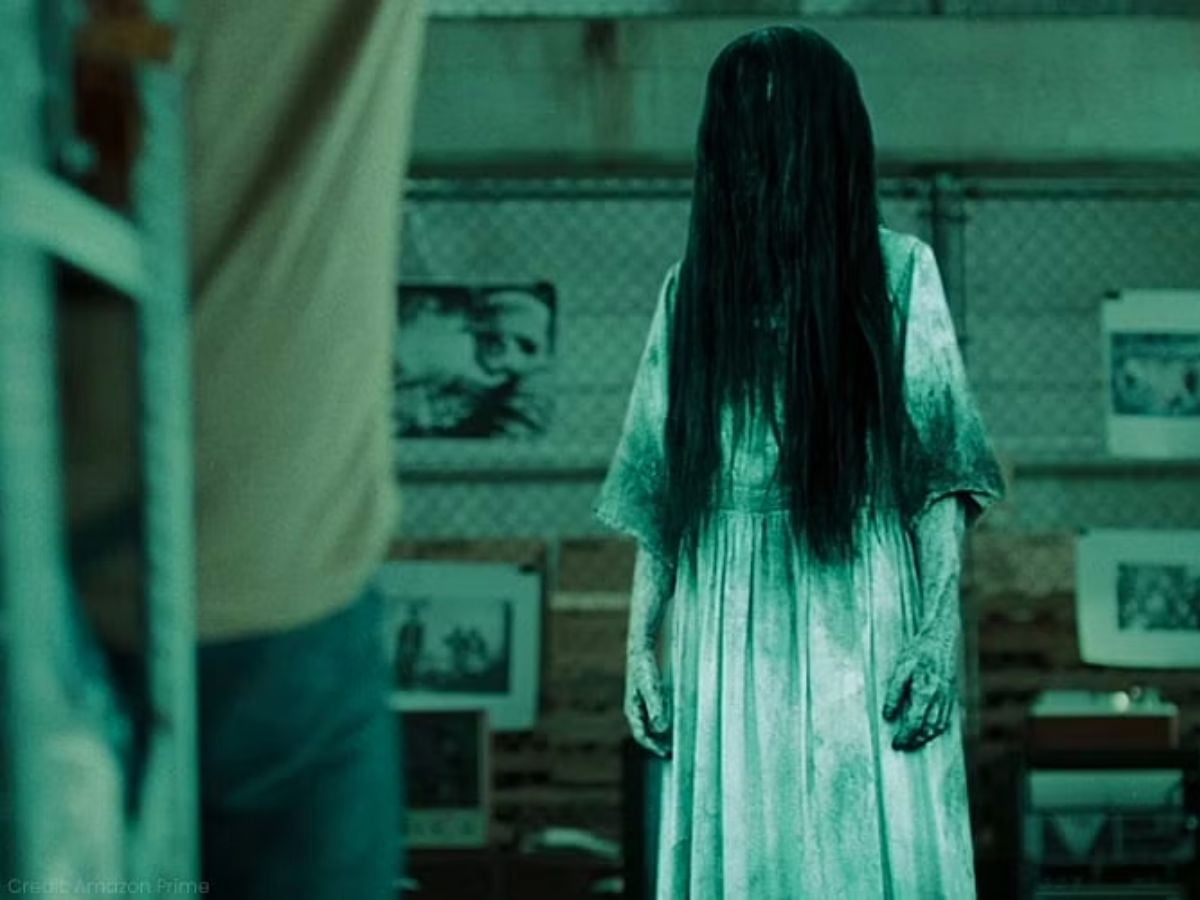
Rarely do English-language remakes of international films end up succeeding, as a lot is lost in translation, but Gore Verbinski was able to update The Ring for American audiences, creating a new version that stacked up well against its predecessor.
Naomi Watts led the cast, but the opening scene featured two other characters who experienced the curse firsthand, establishing an eerie vibe that showed the direct and inevitable consequences that would come from watching the haunted tape, as well as explaining the rules that the rest of the film had to abide by. It’s a testament to Verbinski that he was able to create such a scary scene using just suspense, as with its PG-13 rating, The Ring wasn’t able to get nearly as graphic as most other supernatural horror films that were popular at the time.
‘Night of the Living Dead’ (George A Romero, 1968)
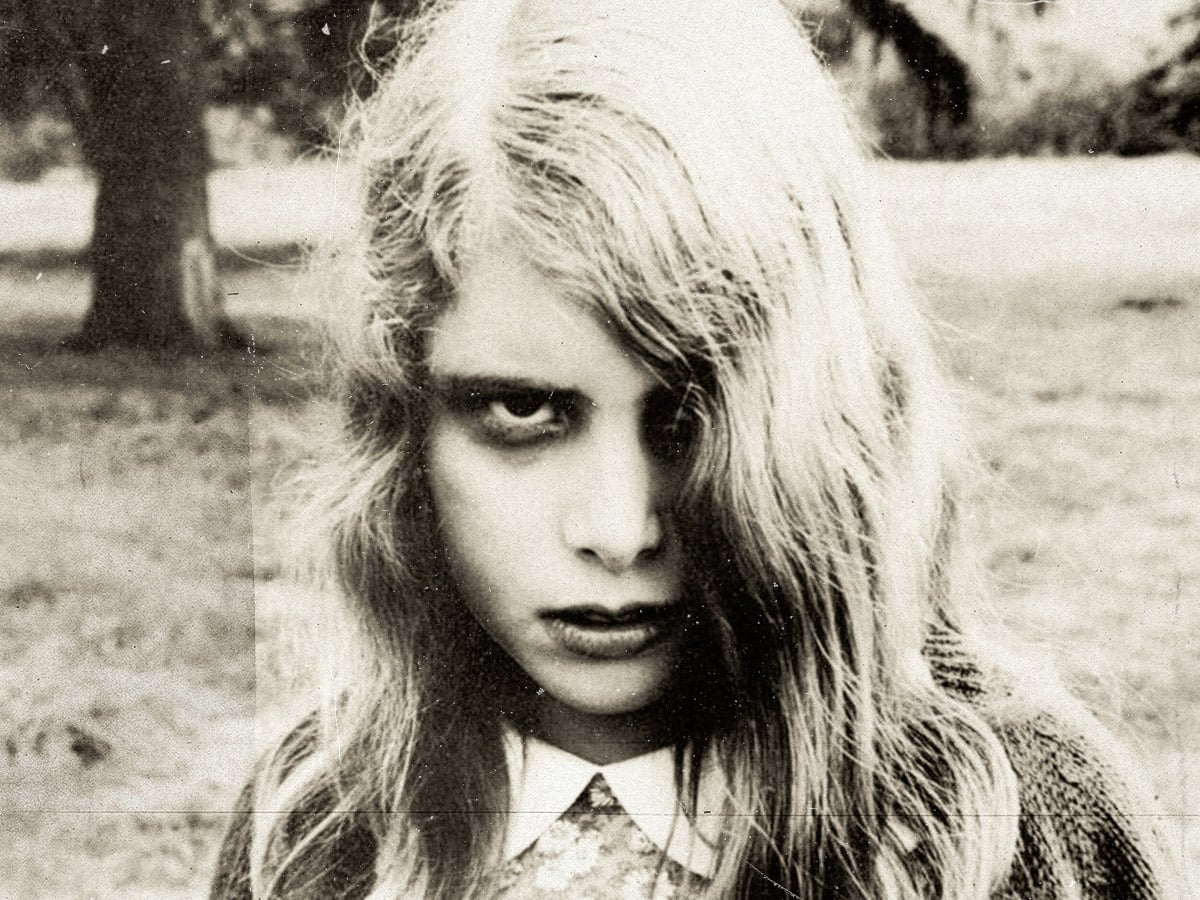
George A Romero basically created the modern zombie film, and every film and show about the undead that has emerged since is riffing off of his work in some way or another. There’s a healthy debate among Romero’s fans as to which of his zombie films is the best; while Dawn of the Dead is the most satirical and Day of the Dead is the most politically motivated, the original Night of the Living Dead was so bleak and unrelenting that it remains just as frightening almost six decades after its release.
The imagery of undead creatures, emerging from a graveyard, who don’t respond to rational thought or pain, was shocking and primal. Romero introduced villains who couldn’t feel pain and would seem to be unstoppable, making it very dangerous for anyone who was unlucky enough to get caught within their path.
‘Halloween’ (John Carpenter, 1978)

John Carpenter is responsible for many of the scariest scenes ever committed to film, but creating Michael Myers and the Halloween franchise might be what he will be most remembered for, as well as the fact that he has always understood that it is best to keep the story shrouded in mystery, for explaining too much about a villain’s backstory tends to make them more scary. That being said, the opening of Halloween is essential in establishing the horrific fact that a young Michael killed his sister, and Was been locked up for years before he escaped.
The idea that Michael would be responsible for such a grisly act of violence when he was a child implies that he would be even more ruthless as an adult, and it’s a scene that works best in its original context, as later Halloween sequels tried to flesh out more aspects of Michael’s family history.
‘The Texas Chain Saw Massacre’ (Tobe Hooper, 1974)
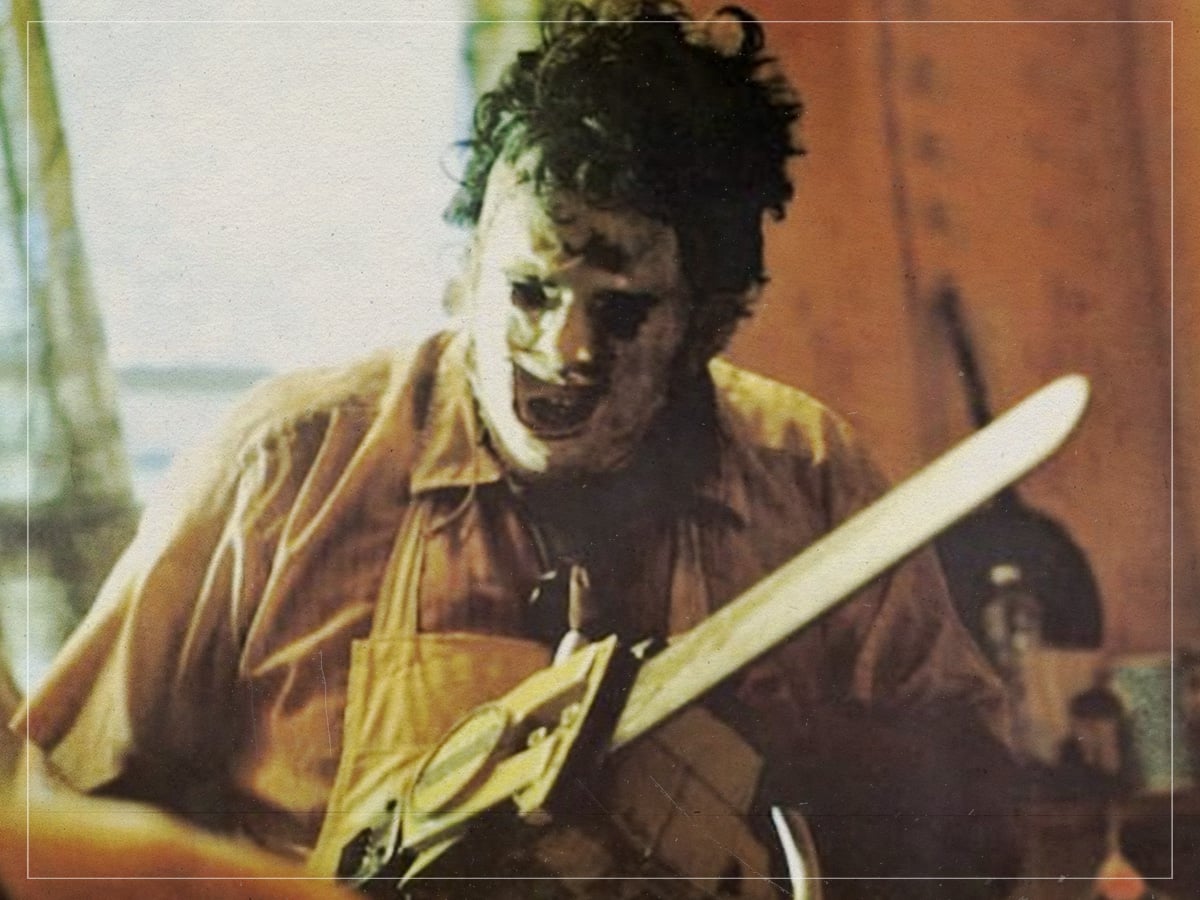
Tobe Hooper pulled off a brilliant marketing trick with The Texas Chain Saw Massacre when he used the film’s opening scene to imply that the events being depicted were based on a true story. Even though the script had only been loosely inspired by the serial killer Ed Gein, audiences in 1974 didn’t have the internet to validate Hooper’s claim, and accepted the story that a real masked killer was stalking teenagers in the middle of Texas.
Unlike the campier B-movies and work of exploitation that had dominated the horror genre in previous decades, The Texas Chain Saw Massacre had a realistic tone, making it almost feel like a documentary, and this semblance of authenticity was the perfect way to introduce the themes of the film, as it explores the dark side of the American experience left to fend for itself that could strike out at any moment.
‘The House that Jack Built’ (Lars von Trier, 2018)
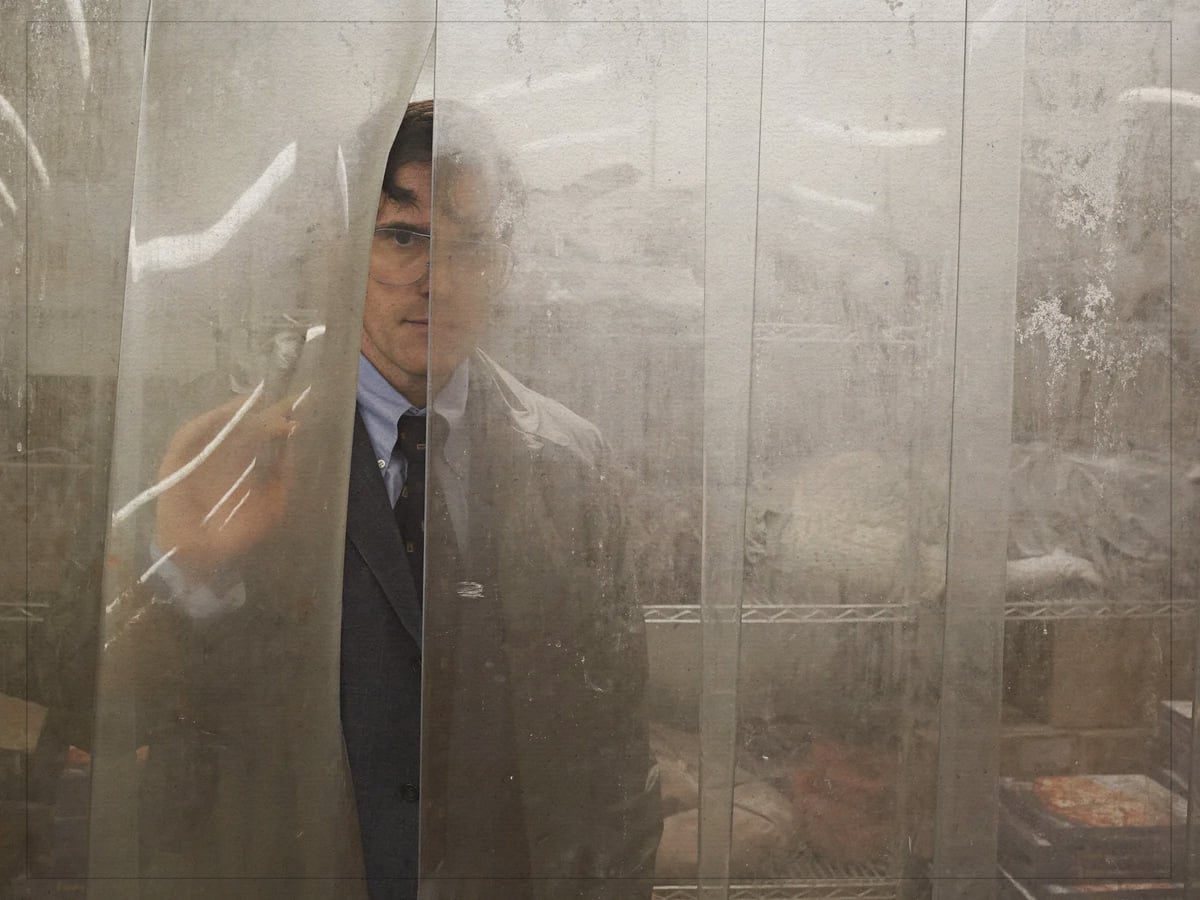
Lars von Trier has never been a stranger to controversy, but The House That Jack Built was such a disturbing film that it inspired mass walkouts when it premiered at the Cannes Film Festival, with the opening scene serving as a litmus test for viewers, weeding out those who simply couldn’t handle the violence.
The film stars Matt Dillon as the titular serial killer, who brutally murders women, children, and anyone else that he comes across in increasingly sadistic fashion, opening with Jack killing a woman, played by Uma Thurman, with a carjack after she offers him a ride, and then dragging her body so that he can store it in a pizzeria. While there is some very dark comedy for those who enjoy von Trier’s caustic sense of gallows humour, the violence against women caused many Cannes attendees to flee and criticise the filmmaker for being misogynistic.
‘Suspiria’ (Dario Argento, 1977)
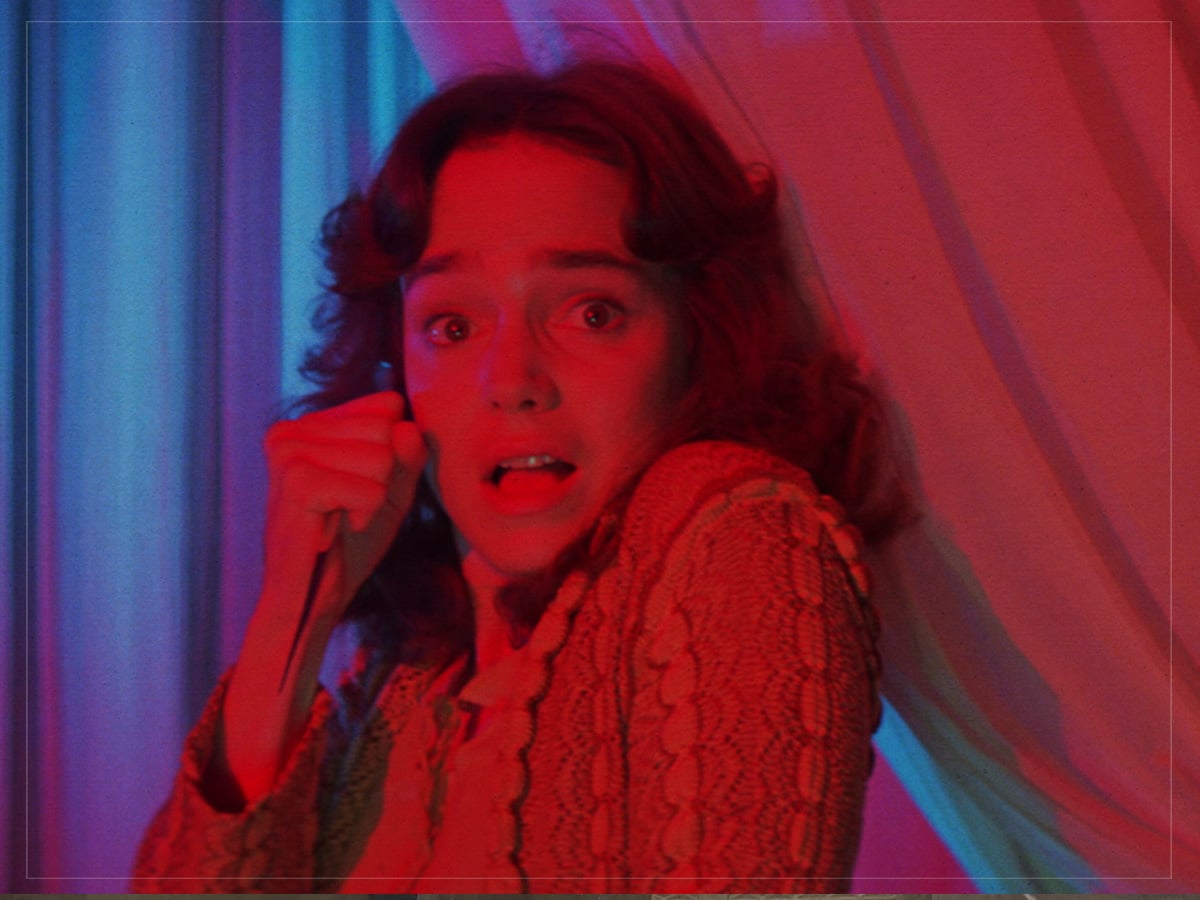
Dario Argento may have suffered in his reputation because of just how many bad films he has made recently, but there was a time when he was considered to be among the horror genre’s boldest auteurs. Argento made many giallo films that were critical within the rise of Italian horror, and few were more iconic than Suspiria. He immediately develops a discerning tone when he uses bright colours, aggressive music, and strangely beautiful visuals to focus on the protagonist Suzy, played by Jessica Harper, as she arrives at the dance academy.
There’s so much concern for her well-being that Argento is able to pull off a terrifying sequence in which two other students are ruthlessly dispatched by an enigmatic killer whose identity is kept a secret, setting up a mystery that the rest of the film would be dedicated to solving.
‘The Night of the Hunter’ (Charles Laughton, 1955)
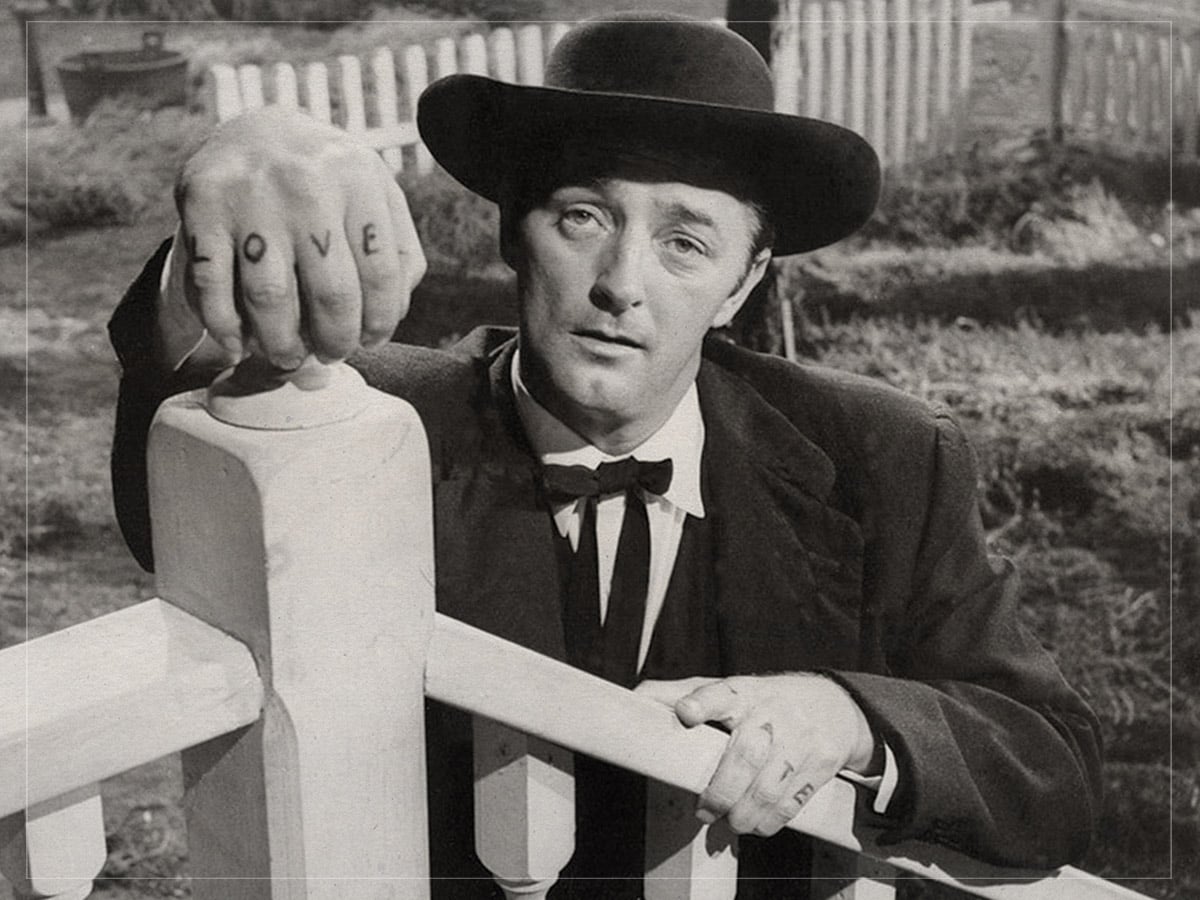
Directors are often given only one chance to prove themselves, and unfortunately, the great actor Charles Laughton only ever ended up directing one film, The Night of the Hunter, which was not considered to be a success when it first came out, but filmmakers like William Friedkin and Guillermo del Toro would go on to cite it as one of their primary influences.
Shot in black-and-white, the horrific opening scene of The Night of the Hunter introduces Robert Mitchum as the mysterious Harry Powell, who claims to be a preacher with good intentions, but where it excells is showing the story from the perspective of children who are smart enough to recognise that Powell is not who he claims to be, but don’t have the power to convince anyone else within their secluded community that this stranger is going to put them all in danger.

Never Miss A Take
The Far Out Quentin Tarantino Newsletter
All the latest Quentin Tarantino content from the independent voice of culture.
Straight to your inbox.