


The 10 most disturbing movie endings of all time

Sticking the landing is the most important part of a film’s legacy.
It is for better or worse that a film will be judged primarily upon how audiences feel when they are walking out of the theatre for the first time, where even the most perfectly crafted production can fall apart if the last few frames don’t work well, as it may hurt the film’s rewatchability value.
If the ending is really disappointing, it might convince audiences to skip out on it entirely, but at the same time, there are films that end on an intentionally concerning note that may force the viewers to sit in stilled silence. Whether it is a shocking death, a painful culmination, or a last-minute twist, ending on a dour note can change the perception that a film has, and unless there is a sequel that changes the context or makes some revision, what appears in the last few moments of a film caps off the story that it is telling.
There are some movies that are disturbing that still end on a somewhat positive note, where even a historical drama like Schindler’s List, which concludes with a moment of thoughtful contemplation, and an aggressive, brutal horror film like A Nightmare on Elm Street still gives its characters the opportunity to heal. It’s when a film denies any possible way to spin its ending as anything positive that it can be most disturbing, and here’s our pick of ten such endings that rocked audiences, leaving them no light to turn to.
The 10 most disturbing movie endings ever:
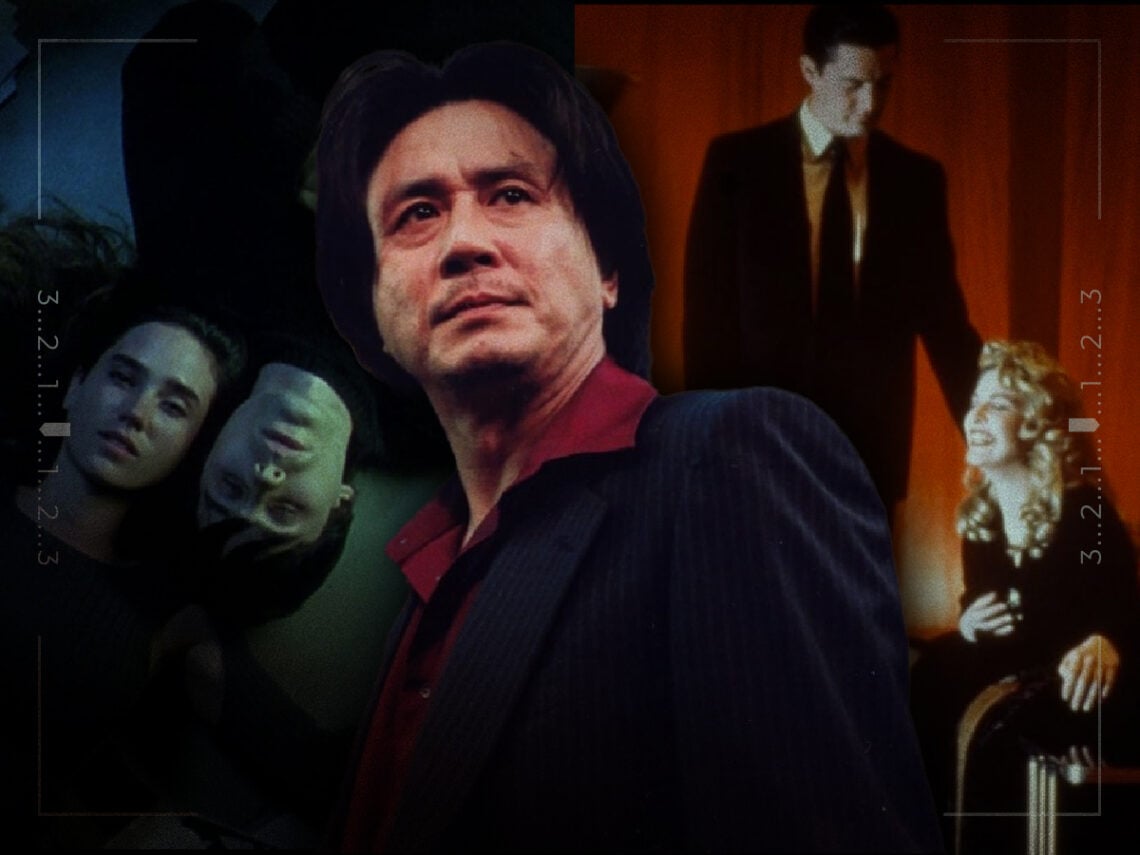
‘Oldboy’ (Park Chan-wook, 2003)

Park Chan-wook created one of the most unorthodox series of films all time with The Vengeance Trilogy, a trio of unconnected thrillers about the emptiness of revenge, and how it only perpetuates the cyclical nature of violence. Although both Sympathy for Mr Vengeance and Lady Vengeance have their shocking moments of depraved violence, Oldboy ends on such a dispiriting note that it is still shocking that Park got away with the twist.
It’s after escaping imprisonment and tracking down his captors that Dae-su Oh, played by Choi Min-sik, learns that the woman he has fallen in love with, Mi-do, played by Kang Hye-jung, is actually his daughter, whom he had never known. Dae-su maims himself and attempts to erase his own memory, but Park leaves it open to interpretation whether he will ever be able to unlearn the knowledge that compromised his escape in the first place.
‘Leaving Las Vegas’ (Mike Figgis, 1995)
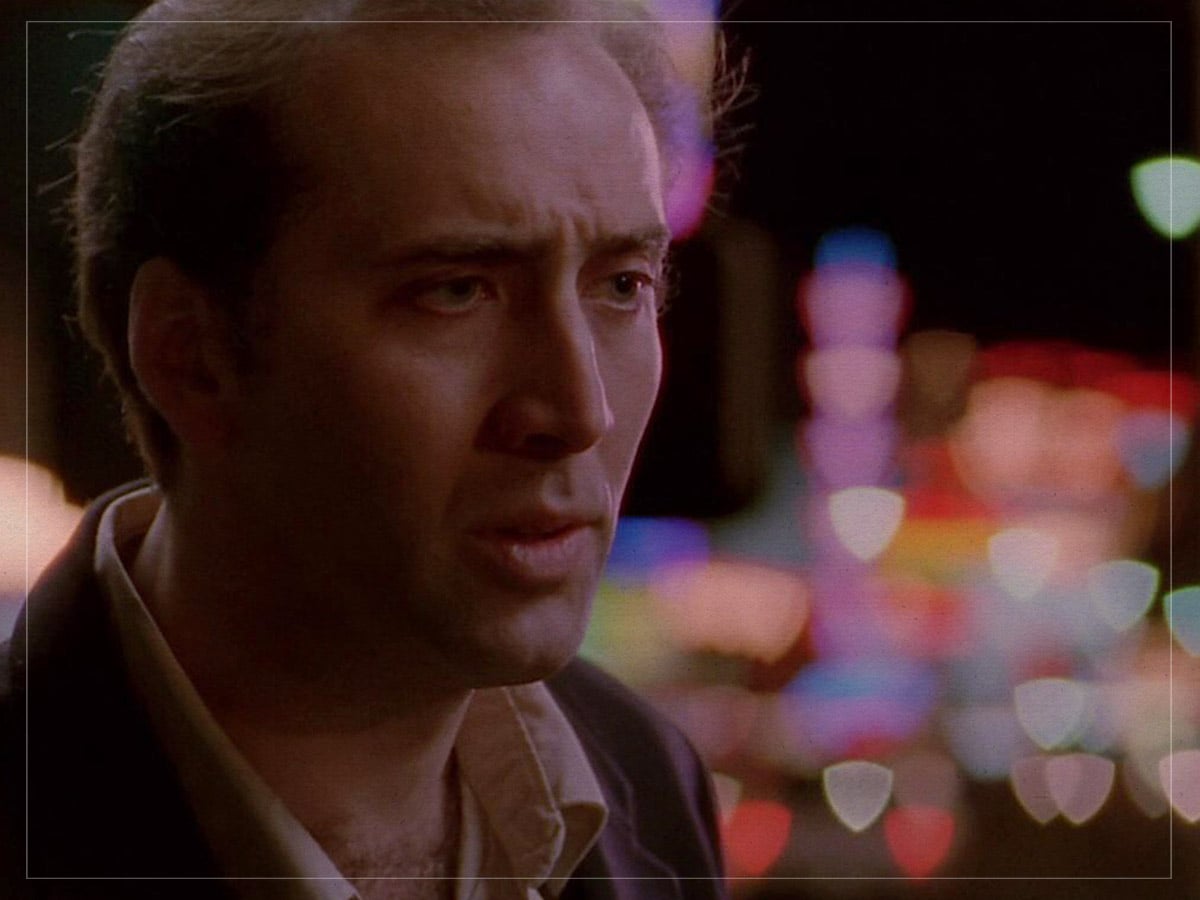
Nicolas Cage has often been ridiculed for spending the last two decades of his career making cheap, direct-to-video and streaming films purely to settle his finances, but he is an incomparable talent when he is actually invested in a role, winning the Academy Award for ‘Best Actor’ for his performance in Leaving Las Vegas, a 1995 drama in which he plays an alcoholic screenwriter who tries to drink himself to death before meeting a prostitute who might be able to save his soul.
It’s one of the bleakest portrayals of alcoholism because it shows how easy it can be for addicts to fall right back into the cycle of using, even after they have appeared to make progress, with Cage reaching such a raw, uncomfortable place of realism by the ending of Leaving Las Vegas that it has unsurprisingly been a struggle for him to ever get that dark in any subsequent films.
‘Requiem for a Dream’ (Darren Aronofsky, 2000)
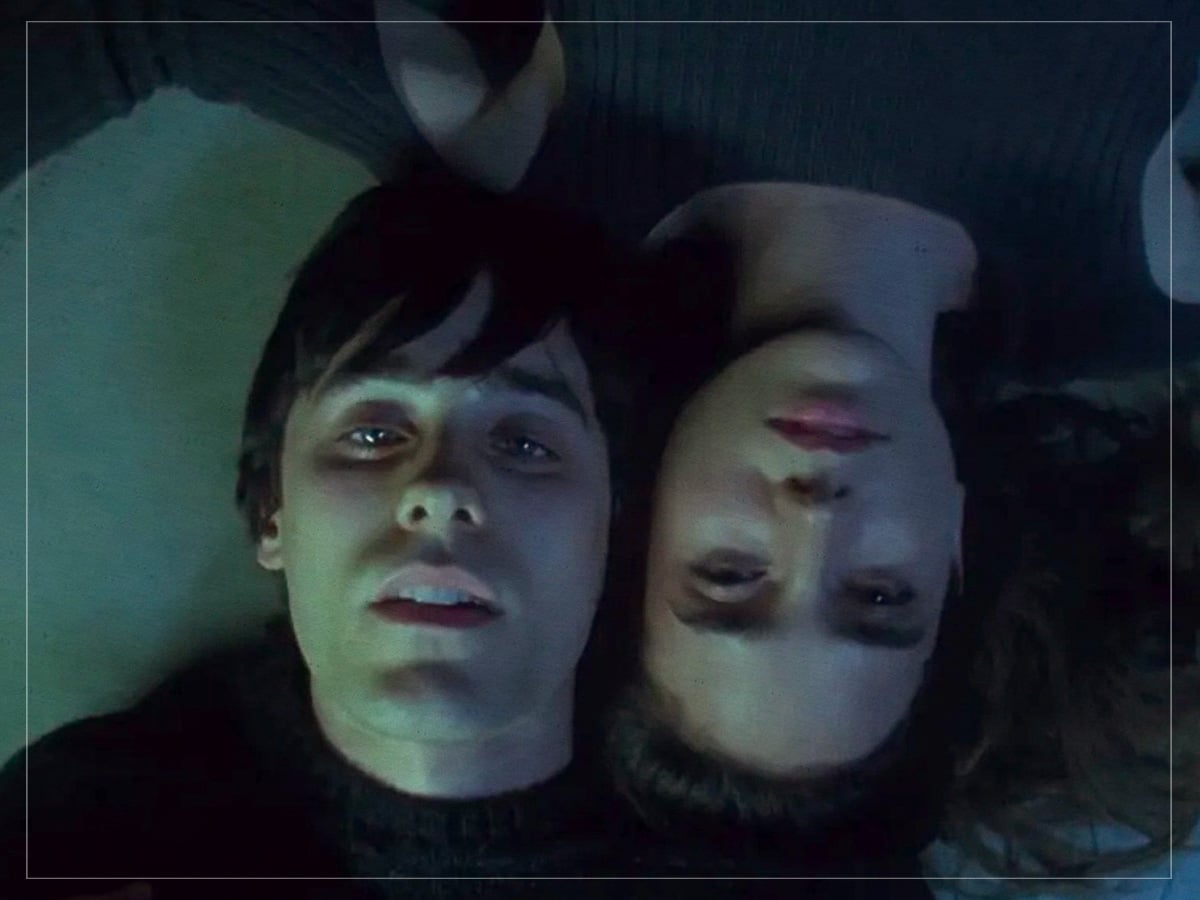
Darren Aronofsky has always had a talent for making depressing, shockingly visceral films about misery and suffering, but Requiem for a Dream is by far the most hopeless of his entire body of work, which sees him peers into the lives of several drug addicts who suffer humiliation, embarrassment, and abuse as a result of their uncontrollable urges, which society is unable to offer assistance for.
On one hand, Requiem for a Dream is disturbing because of the literal collapse that each character faces in their plans to get sober, but the more damning aspect of the film’s legacy is that Aronofsky pointed out how uncomfortable society at large was with offering treatment to those in need; if the continued effects of the opioid epidemic have pointed anything out, it is that little has changed in the 26 years since this masterpiece was first released.
‘The Mist’ (Frank Darabont, 2007)
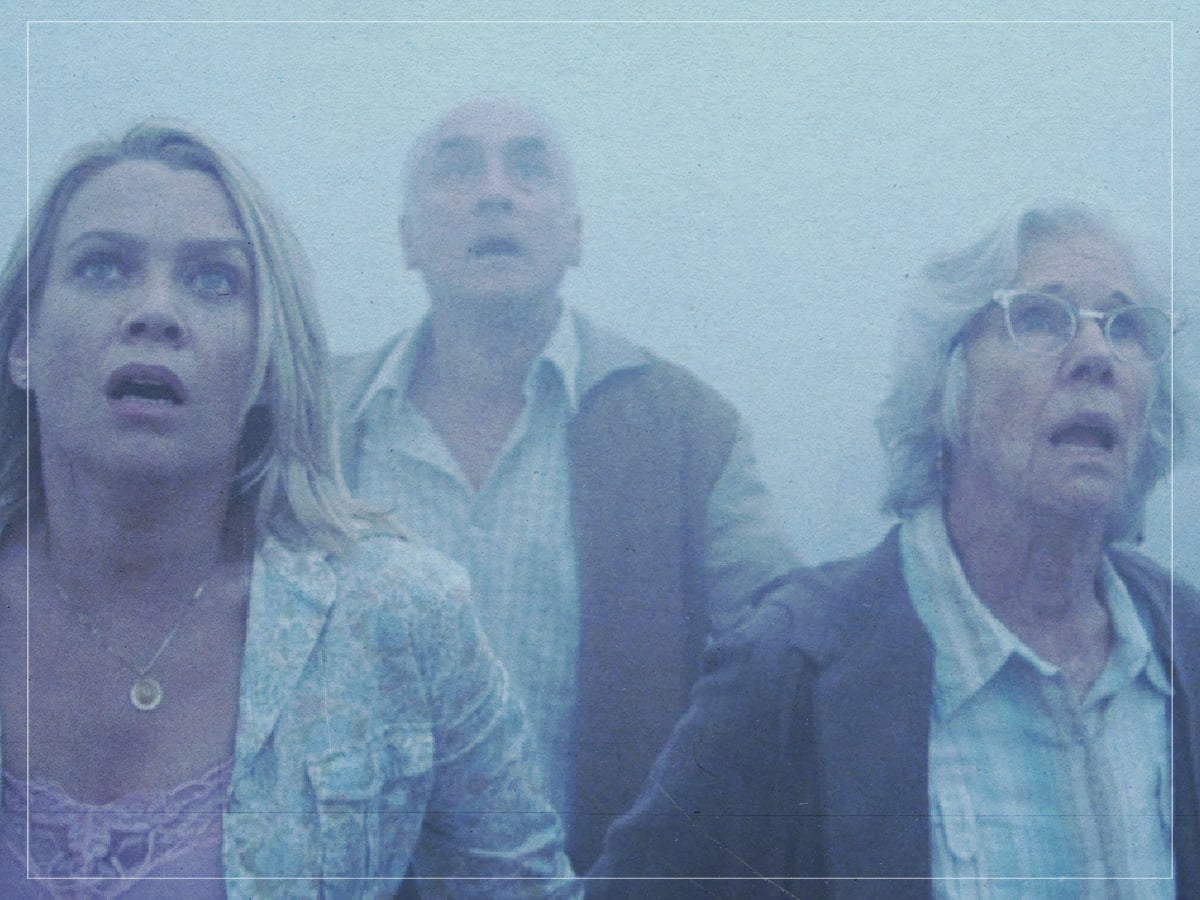
Stephen King has been fairly open about discussing his opinions on the films adapted from his novels, and he was willing to admit that The Mist directed by Frank Darabount had come up with a better ending than he had originally written. It’s after escaping with his son and allies that David, played by Thomas Jane, believes that monstrous creatures are about to find them all, causing him to shoot everyone in his car out of mercy.
It’s right before David is about to take his own life that he realises they were actually about to be rescued, leading to a horrific stroke of irony that is made even more disturbing by the amazing performance by Jane, who captures the anguish of the moment in incredible detail, complicating the subtext of the story, which suggests that mankind is wont to inflict pain on one another out of fear.
‘Brokeback Mountain’ (Ang Lee, 2005)
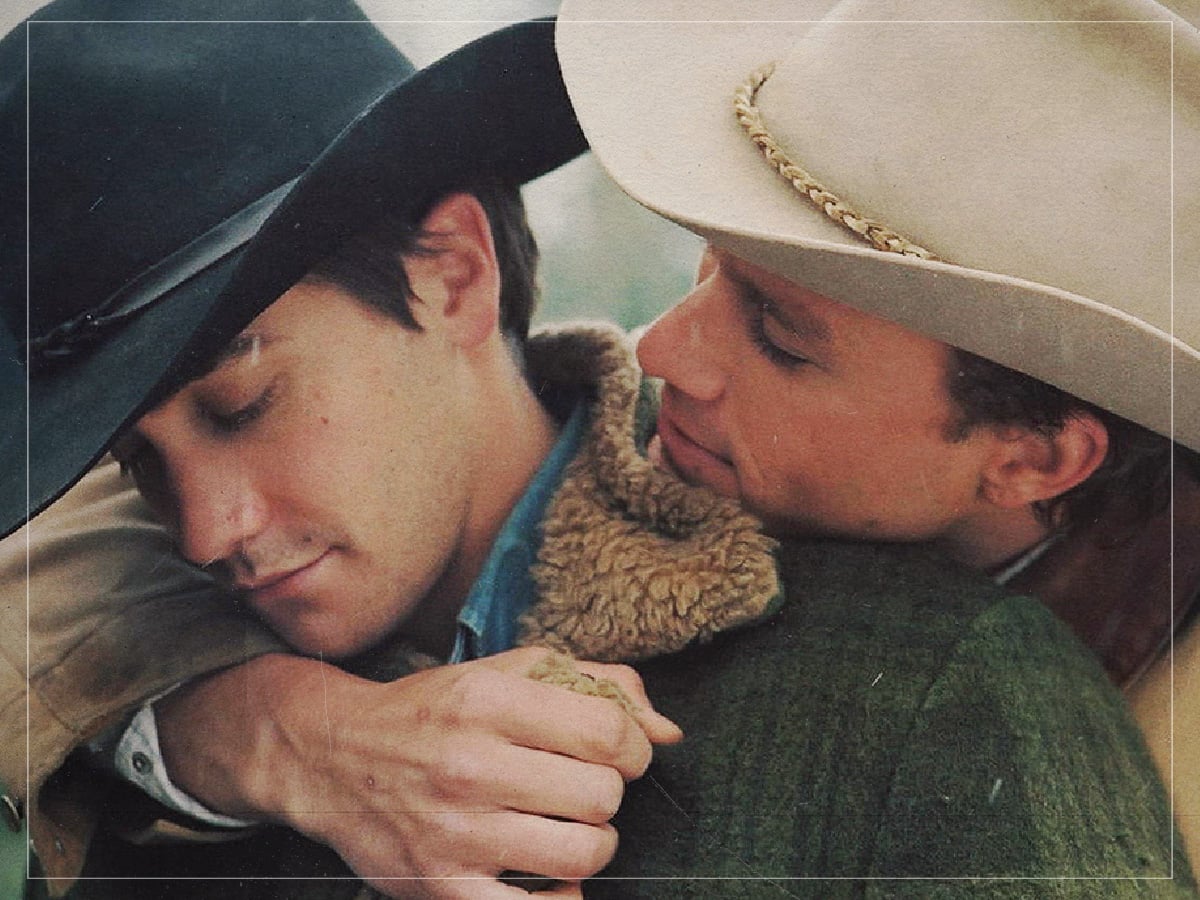
Ang Lee created one of the greatest romantic dramas of all-time with Brokeback Mountain, an adaptation of a Larry McMurtry story about the cowboys Jack Twist, played by Jake Gyllenhaal, and Ennis Del Mar, portrayed by Heath Ledger, who fall in love after working a job together. Although Jack’s death is not witnessed, the film explores the depression that Ennis feels in the aftermath, which is made all the more upsetting because he can never fully admit publicly to being in a same-sex relationship.
Remarkably, Ledger is able to play an older version of the character realistically, making it feel like he has had to live a lifetime of heartbreak after his true love was taken away from him by violent bigots. The film’s ending stings even more because of Ledger’s passing in real-life, which means he was never able to see the tremendous influence that Brokeback Mountain had on the industry, and specifically his performance, which has inspired many since.
‘No Country for Old Men’ (Coen brothers, 2007)
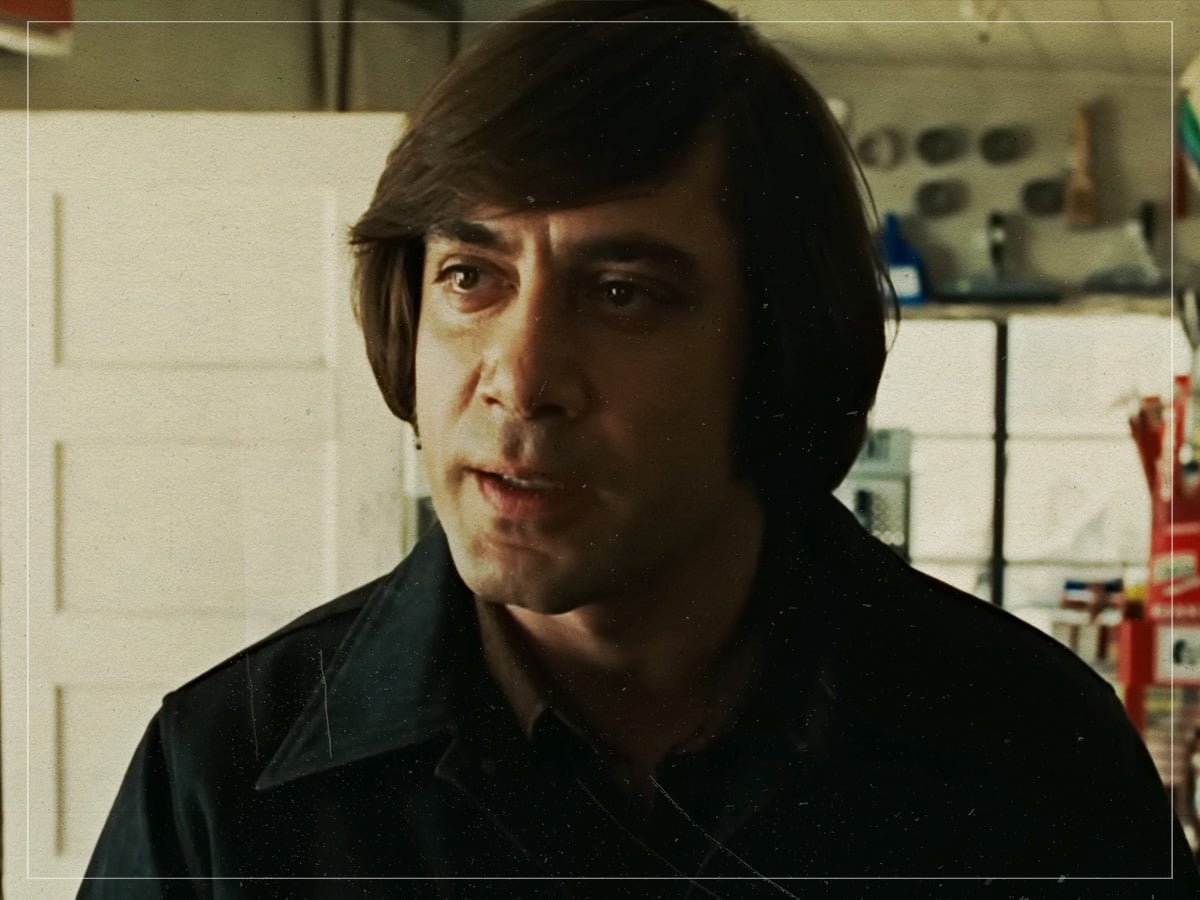
The Coen brothers are such strikingly original filmmakers that it was interesting that they chose to adapt a Cormac McCarthy novel, but it ended up being a brilliant decision, as No Country for Old Men was a brilliant study in how greed, violence, and apprehension had transformed the ‘American Dream’ into a nightmare of danger.
The death of Josh Brolin’s Llewelyn Moss isn’t witnessed, but the fact that the ruthless serial killer Anton Chigurh, played chillingly by Javier Bardem, was able to disappear like a ghost serves as a metaphor for how impossible it is to trace the root of violence. However, the film’s most devastating moment is its final scene, in which the veteran Sheriff Ed Tom Bell, played by Tommy Lee Jones, admits to being fully overwhelmed by this new generation of sadism and cannot awake from the nightmare he has found himself trapped in, making for a rather bleak note that offers no respite.
‘Gallipoli’ (Peter Weir, 1981)
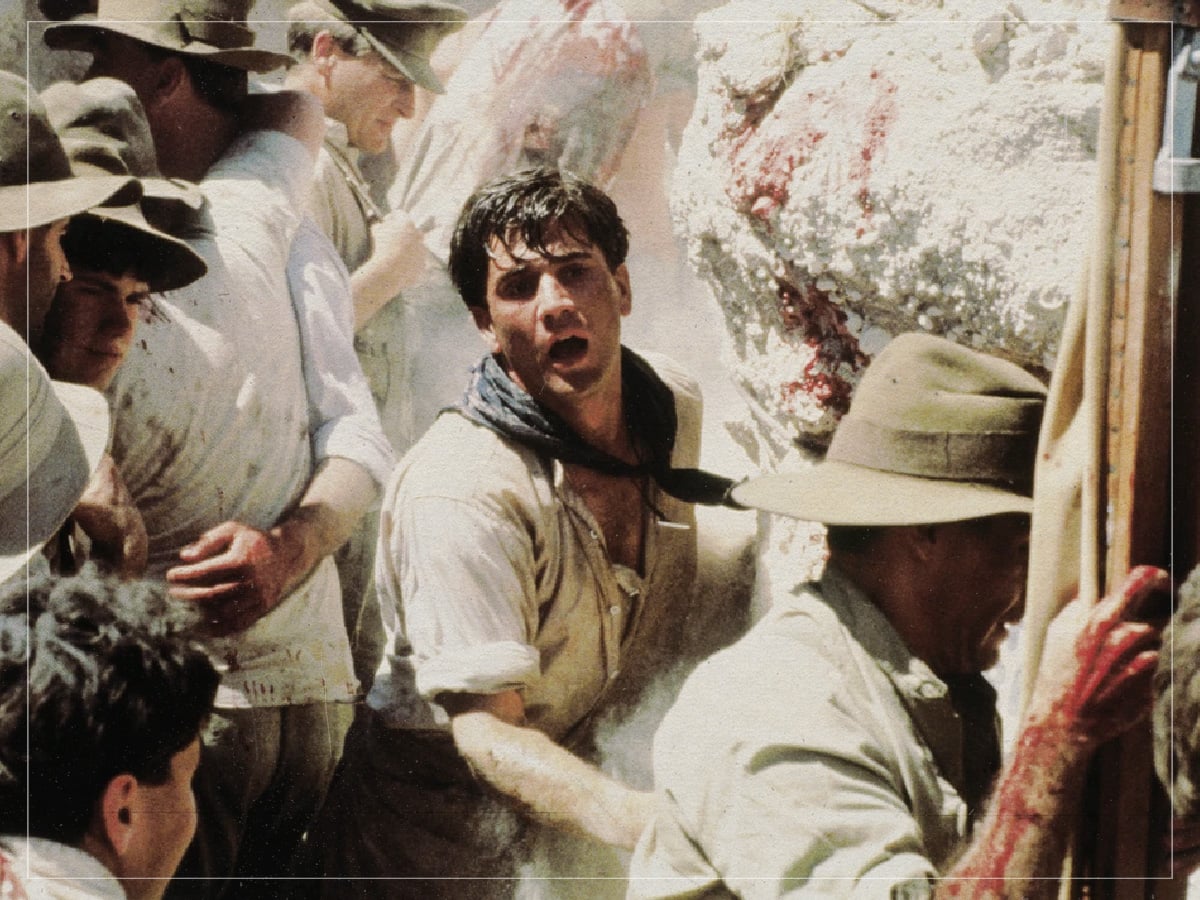
Peter Weir gained more international acclaim once he started making films in Hollywood, but his early Australian films are among the most important in the continent’s history, with Gallipoli, a historical epic about one of the most devastating military campaigns in Australian military history, told from the perspective of the two best friends Archy Hamilton, potrayed by Mark Lee, and Frank Dunne, played by Mel Gibson, standing as one of his finest and bleakest.
The film explores how these young men have their innocence lost as they serve in a war that ultimately solves nothing and only harms the framework of society. By mirroring the opening scene in which the two characters are running together, Weir pulls off a haunting ending in which Frank is once again incapable of catching up with Archy and is forced to watch him die, as Gibson’s vulnerable, bitter heartbreak makes Gallipoli impossible to forget.
‘Se7en’ (David Fincher, 1995)
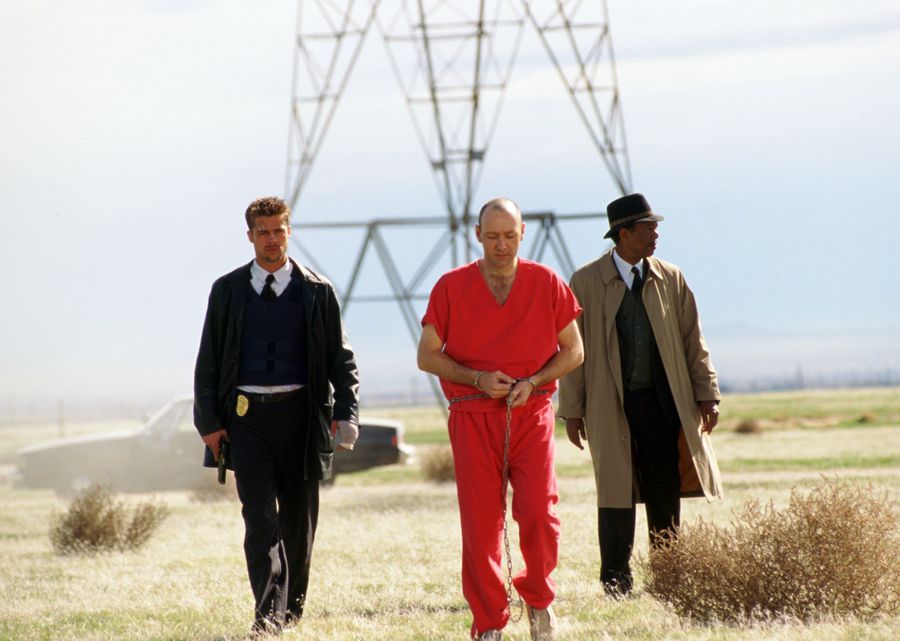
David Fincher has never had a particularly optimistic view of mankind, but Se7en is by far his most cynical film about human nature. The ominous final line of the film, delivered by Detective William Somerset, played by Morgan Freeman, who narrates that the world is worth fighting for, even if it is not “a fine place”, is a realisation prompted by his partner David Mills, played by Brad Pitt, killing the serial murderer Kevin Spacey’s John Doe after discovering the severed head of his wife in a box.
By killing the psychopath, Mills does exactly what Doe wanted and proves his point about the way people see violence as a solution. It is just as devastating for Somerset, who has to deal with another partner who has his innocence corrupted, and that Mills was also about to be a father makes the damning final moments ever more tragic.
‘Melancholia’ (Lars von Trier, 2011)

Lars von Trier may be known for creating shocking moments of violence and sexual depravity, but Melancholia is disturbing just because of its ideas and subtext. The film is set within the doldrums of the wedding of Justine, played by Kirsten Dunst, and Michael, played by Alexander Skarsgård, even though they have both expressed their personal doubts, and it’s amidst these slightly morose celebrations that the Earth is about to be consumed during a collision with a rogue planet, which would put an end to all life.
It’s not just a striking parallel to the inability of mankind to prevent the looming threat of climate change, but a metaphor for the overwhelming feelings of depression that are impossible to elude entirely. In perhaps his most striking work of genius, von Trier ensured that audiences would leave Melancholia devastated, regardless of whether they were viewing it literally or allegorically.
‘Twin Peaks: Fire Walk With Me’ (David Lynch, 1992)

David Lynch suffered the biggest disappointment of his career when ABC cancelled his brilliant television series Twin Peaks in its second season, after they forced him to reveal who killed Laura Palmer, which was the show’s central conceit. While it ended on a cliffhanger in which Agent Dale Cooper, played by Kyle MacLachlan, had been possessed by an evil spirit, Lynch continued the story by making a prequel film, Twin Peaks: Fire Walk With Me, which explored events only alluded to in the show about the last days of Laura’s life.
The show may have been limited in what it could show because it was airing on network television, but the film was explicit in its depiction of the abuse that Laura suffered at the hands of her father, Leland, played by Ray Wise, who ultimately murders her in a horrific sequence of cosmic horror
