


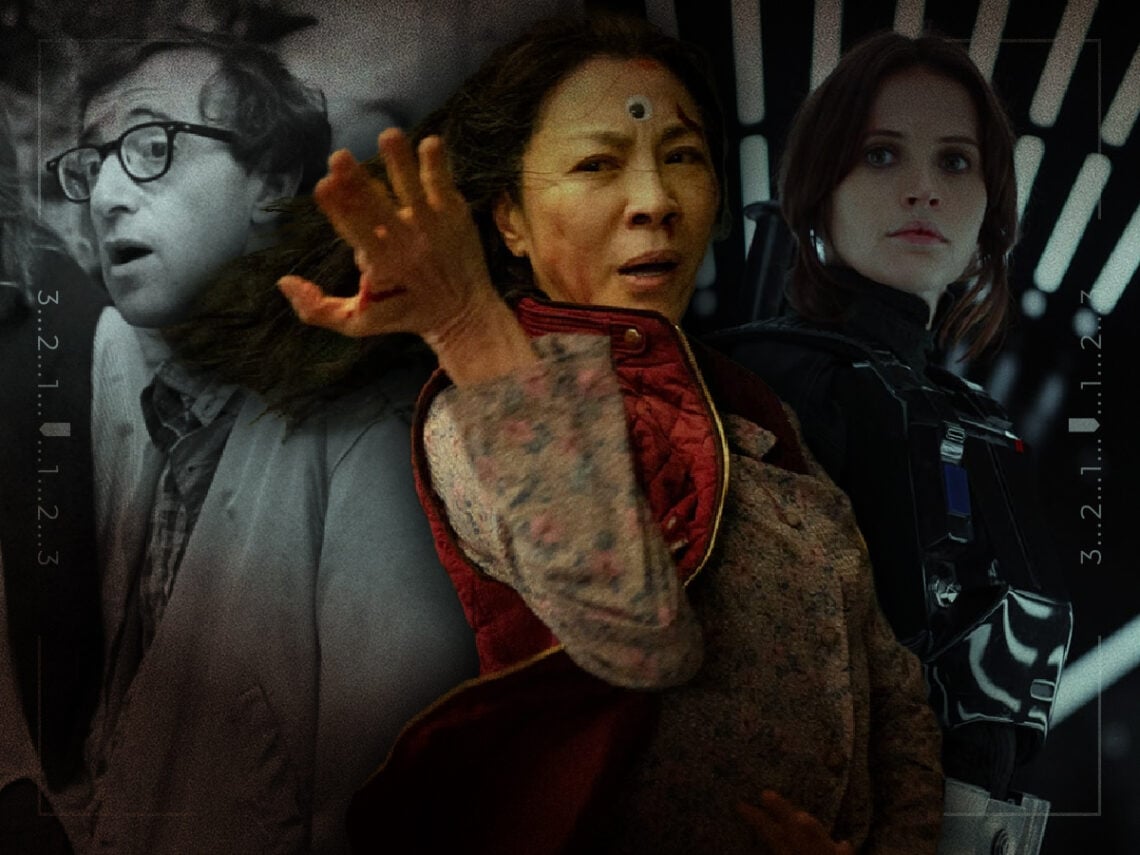
10 movies that get worse every time you watch them

Rewatchability isn’t always the most important factor in assessing a film, but it does say something about its legacy.
There are certain films so monumental that nothing will ever top the experience of seeing them for the first time, and those who saw classics like Jurassic Park or Pulp Fiction on the big screen during their youth likely carry those memories with them as an essential part of their love for movies; for younger audiences, they might have experienced a similar phenomenon when watching recent masterpieces like Oppenheimer or One Battle After Another.
While the reality is that most films will always fall a bit upon a second watch, some just worsen with each subsequent viewing, where it’s easier to pick apart the plot, themes, characters, or intentions of the filmmaker once the twist is already known. There are also exterior factors involving the production itself that could diminish a film’s legacy, such as historical inaccuracies or problematic actions from members of the cast or crew.
There are definitely some great films out there that were only ever going to work perfectly, and that’s not necessarily a bad thing, but simultaneously, any film that completely collapses upon a second viewing may not have been all that successful in the first place. In general, cinephiles would do themselves a favour by seeking out films that they haven’t yet seen and avoiding rewatching these handful of titles over and over again.
10 movies that worsen with every rewatch:
‘Lady in the Water’ (M Night Shyamalan, 2006)
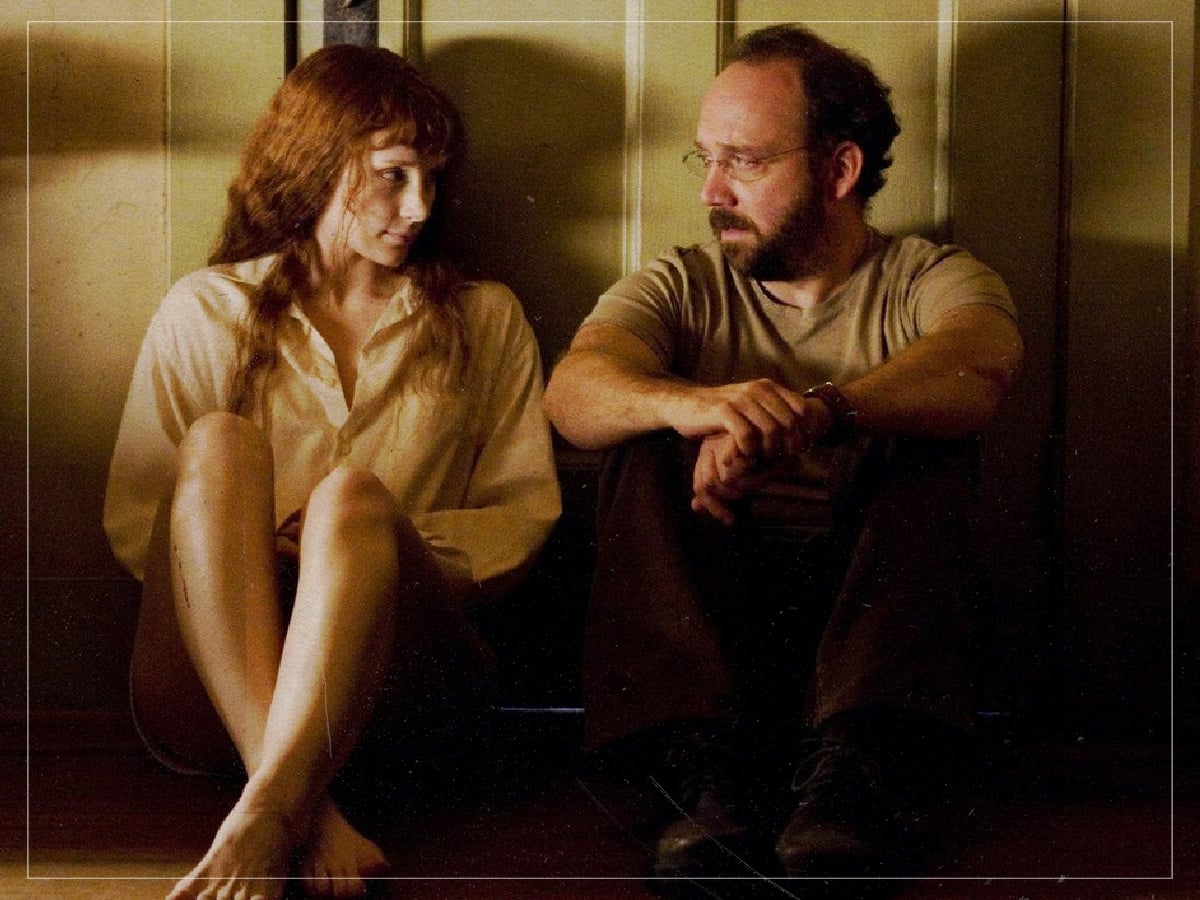
M. Night Shyamalan is a divisive filmmaker who has unquestionably made some masterpieces, like The Sixth Sense and Unbreakable, and some all-time stinkers, such as The Last Airbender or After Earth, and Lady in the Water falls somewhere in the middle, as there are some strong performances and good ideas that elevate what is ultimately a very silly fairy tale told for an adult audience.
The issue with the film, which becomes more apparent upon multiple viewings, is how thinly-veiled Shyamalan’s ego is. If it wasn’t enough for him to co-star in the film as a brilliant writer whose work will end up saving the world, he also casts Bob Balaban as a ridiculously evil film critic, where it’s hard not to see this as a response to the more divisive reviews that Shyamalan had received for his previous film, The Village.
‘Finding Dory’ (Andrew Stanton, 2016)
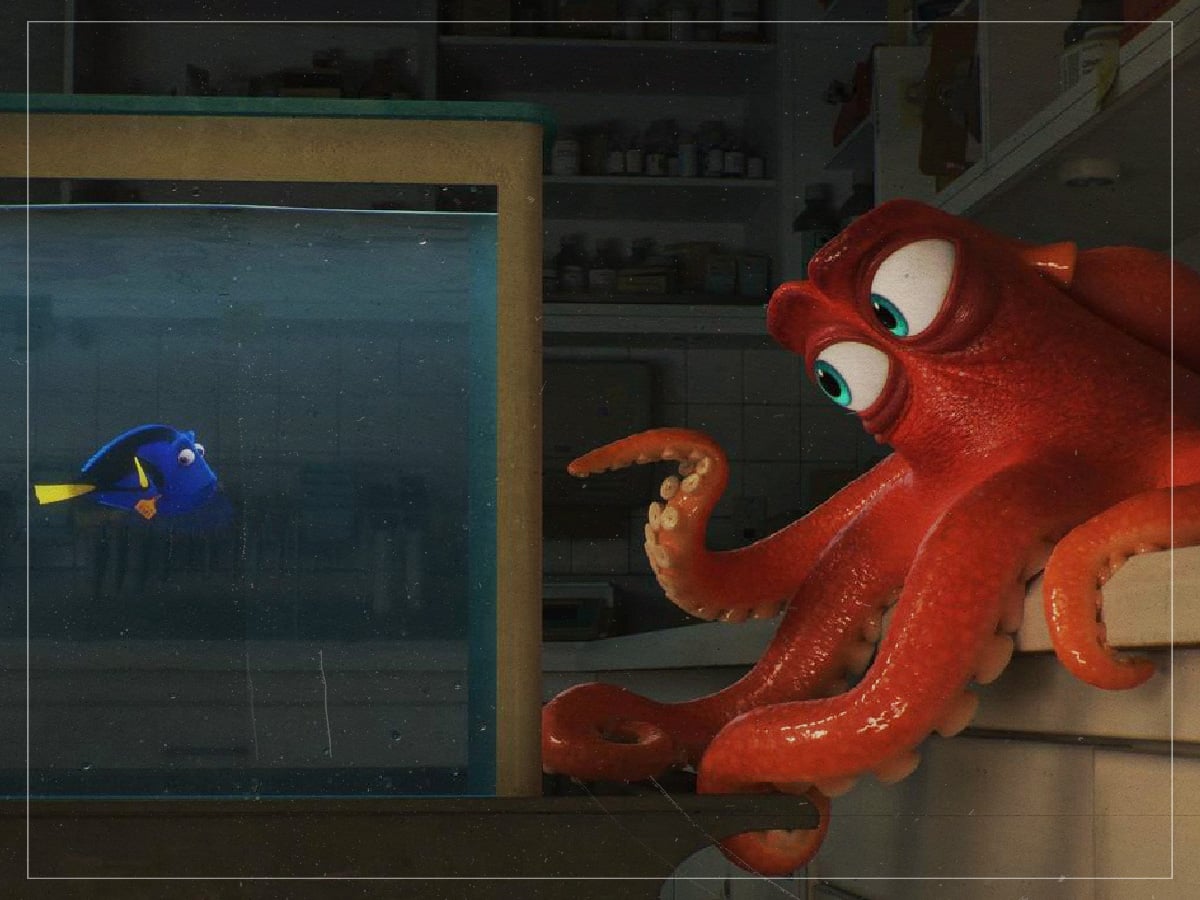
Pixar was once the most consistently brilliant film production studio in the industry, but it’s begun to lose its lustre for a number of reasons. It’s evident that they were spooked by the underperformance of some of their original titles and have thus begun aggressively making more sequels that are already established successes.
The Toy Story sequels are all brilliant and take the story in a creative new direction, Brad Bird’s Incredibles 2 boasted some of the most impressive visuals ever for an animated film, and while Finding Dory wasn’t as obviously terrible as Cars 2, it’s such a lazy recreation of the first film’s plot that it can now be seen as the moment in which Pixar would simply repeat itself for the sake of their bottom line, more so spelling out the doom to come when it made over $1billion at the box office.
‘Lucky Number Slevin’ (Paul McGuigan, 2006)
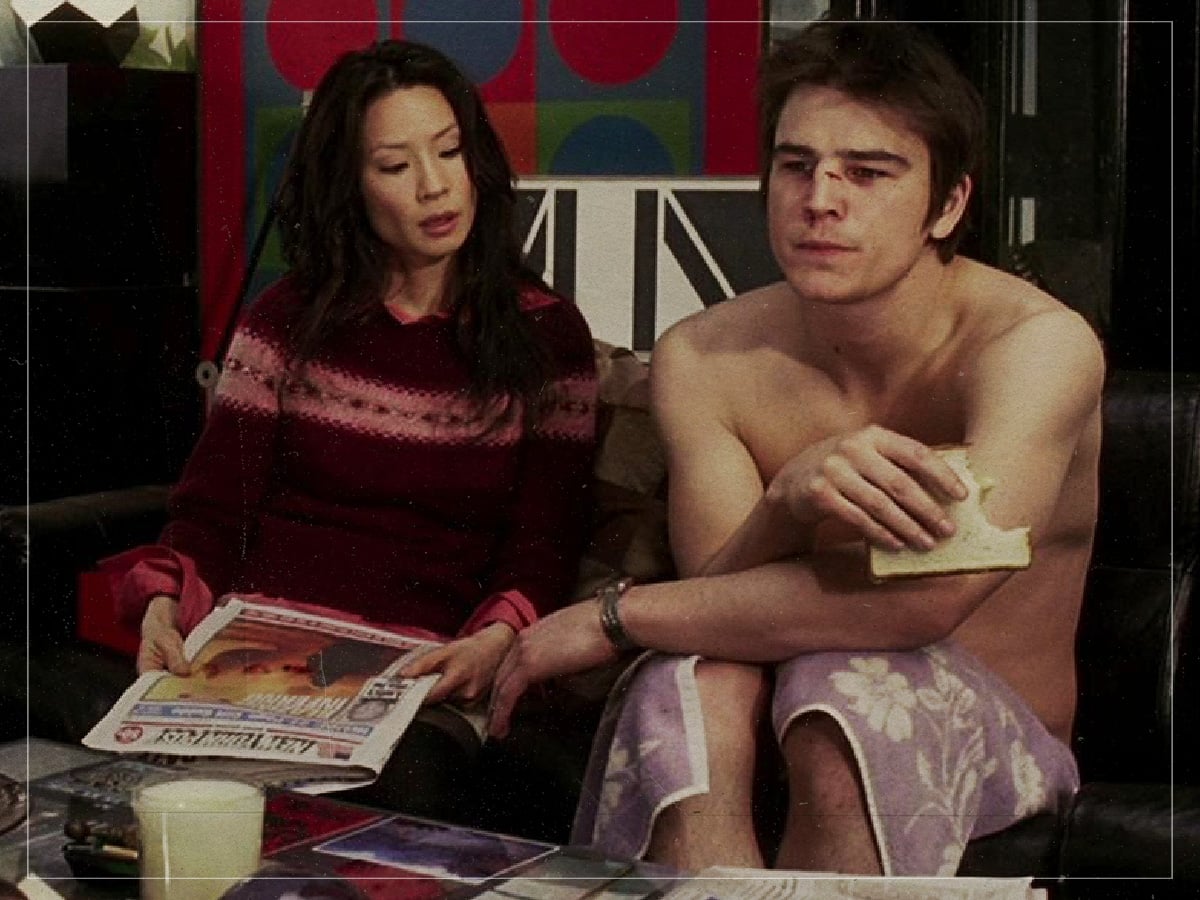
Josh Hartnett is an underrated actor who finally got his chance to be an action star with Lucky Number Slevin, a crime thriller that assembled an impressive supporting cast of Ben Kingsley, Bruce Willis, Lucy Liu, and Morgan Freeman. It’s a slick, impressive thriller with many twists and turns, but the ending goes in such an unbelievable direction that it calls the entire logic of the film into question.
Beyond the fact that the film never makes the case for why its protagonist is actually a secret mastermind, Lucky Number Slevin is far less interesting on a dramatic level if Hartnett’s character isn’t an underdog. It was yet another example of a studio film trying to replicate the snappy, non-linear style of ‘90s crime thrillers like Pulp Fiction or The Usual Suspects, but failing to map out how the story would actually function, leading to a messy conclusion.
‘Everything Everywhere All At Once’ (Daniel Scheinert, Daniel Kwan, 2022)
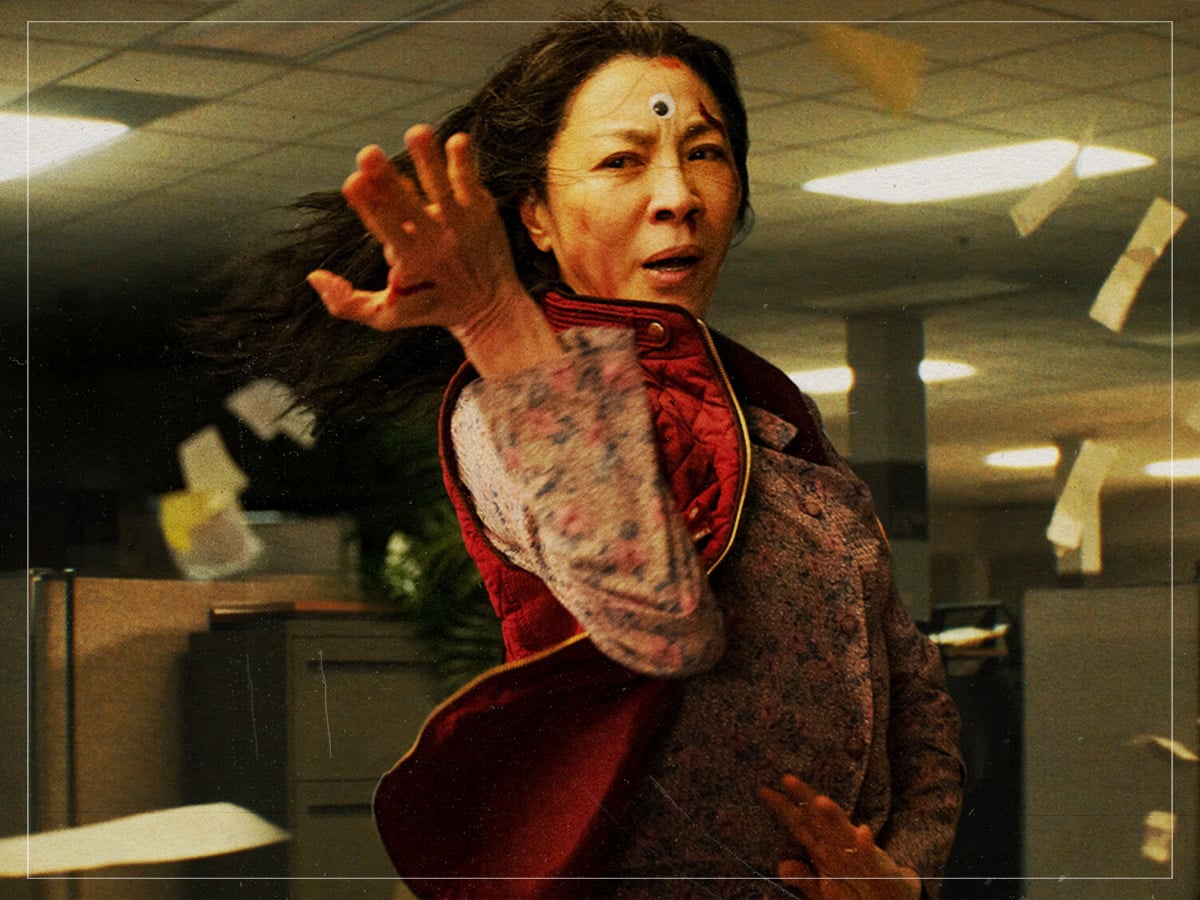
The Academy Awards are no strangers to making questionable choices when it comes to the ‘Best Picture’ prize, and the fact that Everything Everywhere All At Once won over more deserving titles like The Fabelmans, Tár, and The Banshees of Inisherin still stings. However, the biggest issue with the second feature from Daniel Kwan and Daniel Scheinert is that its philosophy about absurdism, optimism, and spontaneity isn’t much more complex than the musings of a freshman philosophy student.
The visuals in Everything Everywhere All At Once are strong enough to make for an entertaining first watch, but a second look reveals how hollow and underdeveloped the film is as a character drama and statement about existence. There are also a few performances, most notably that of Jamie Lee Curtis, that are so overcooked that they become intolerable to watch more than a few times.
‘Crash’ (Paul Haggis, 2005)
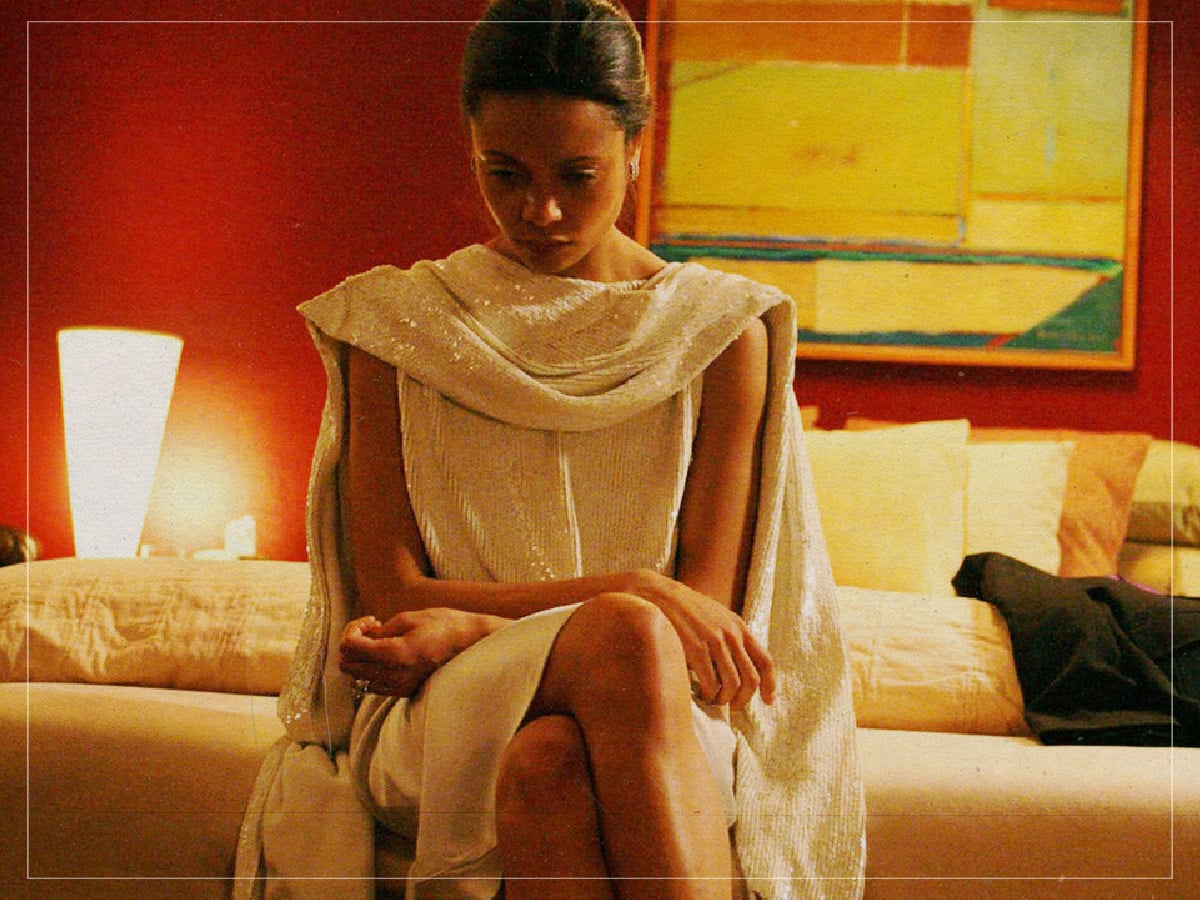
There was no bigger upset in the history of the Oscars than when Crash was announced as the ‘Best Picture’ winner over Brokeback Mountain, the trailblazing western romance that would have been the first LGBTQ winner ever. While there are great films that lose Oscars all the time, Crash was the embodiment of the worst of virtue signalling, as the film attempted to ‘solve racism’ by presenting a group of characters that all fulfilled some sort of stereotype.
The shallow nature to which Crash stigmatises people of colour and attempts to show empathy for racists has made it age poorly, especially in light of recent events that have shown the severity of these issues. It doesn’t help that director Paul Haggis, who somehow won an Oscar for writing the film, has been cancelled for a number of controversies, including his involvement with the Church of Scientology.
‘Wicked’ (Jon M Chu, 2024)
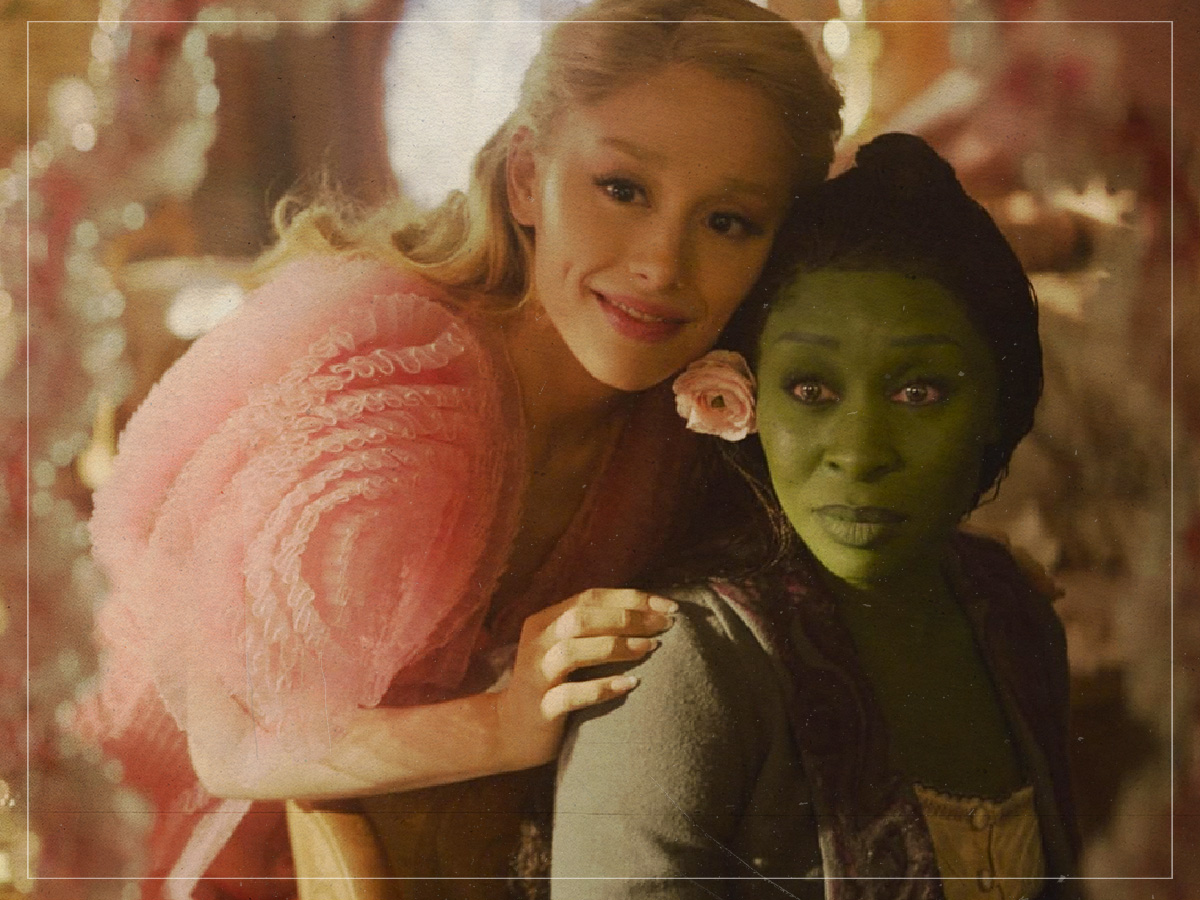
Wicked is one of the most botched movie musical adaptations of all-time, and the fact that it was treated as anything else is one of the most absurd cases of film pundits getting it wrong in recent memory. While the sequel, Wicked: For Good, is far worse in every regard, the seeds of where the musical would fail were planted in the first half.
The film hammers home its points about equality and scapegoating, yet chickens out of saying anything meaningful; it fails to make any adaptive chances to make its world feel more well-realised, yet shamelessly draws upon nostalgia for the original The Wizard of Oz. It’s truly upsetting that the 1939 film, one of the most beautiful Technicolor achievements of Hollywood’s Golden Age, is given a prequel that is marred by so much poor computer-generated imagery.
‘Manhattan’ (Woody Allen, 1979)
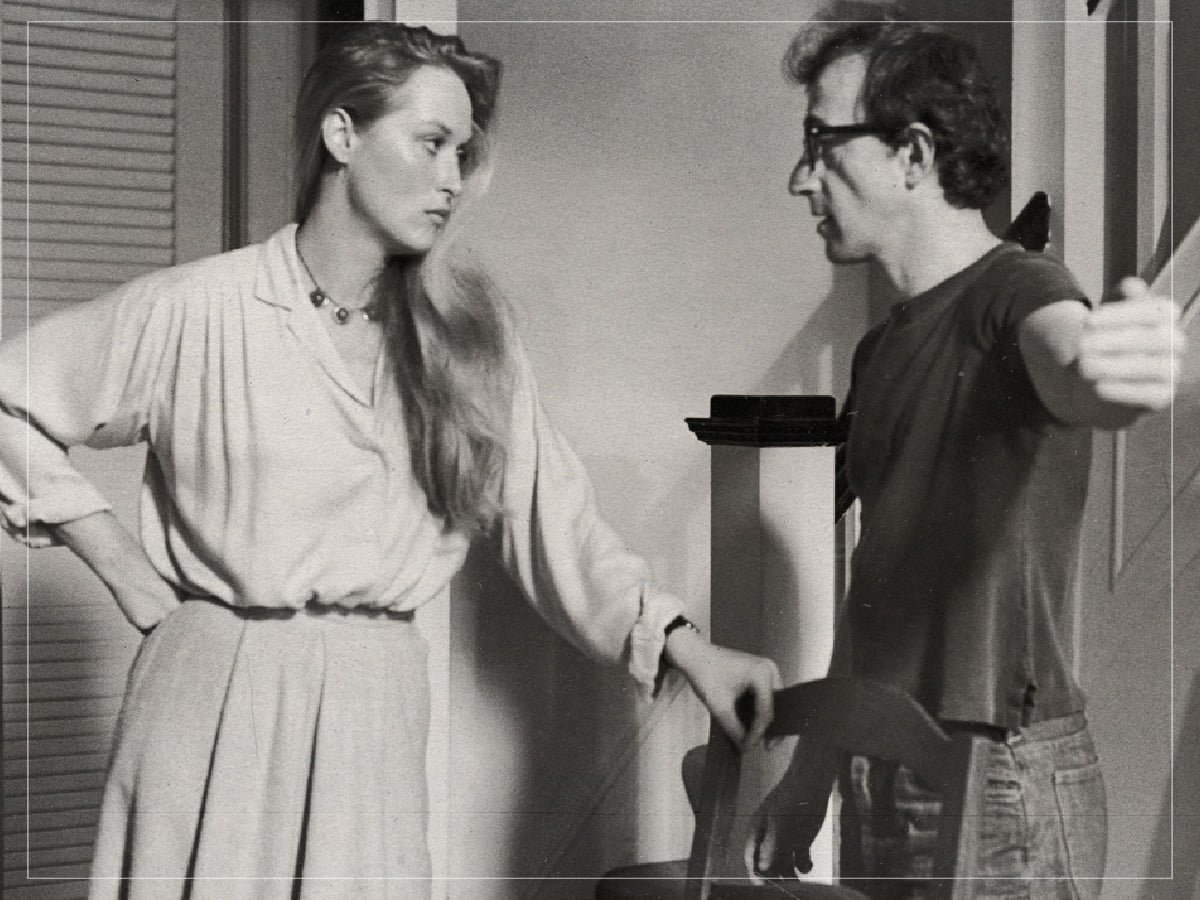
It’s tough to watch any of the films of Woody Allen in a modern context, given the overwhelming evidence stacked against him, but it is also hard to deny the fact that he’s a genius writer/director responsible for some of the most enduring characters in film history. While masterpieces like Annie Hall and Hannah and Her Sisters can at least still be appreciated because of the many other talented people involved, Manhattan makes for a tougher rewatch because of how directly it parallels Allen’s life.
His presence in his own films is usually as a stand-in, and Manhattan involves him pining for an underage girl in a way that was problematic at the time, and has become even more uncomfortable to watch in the present. There are Allen films that can be separated from his checkered legacy, but Manhattan is simply not one of them.
‘The Curious Case of Benjamin Button’ (David Fincher, 2008)
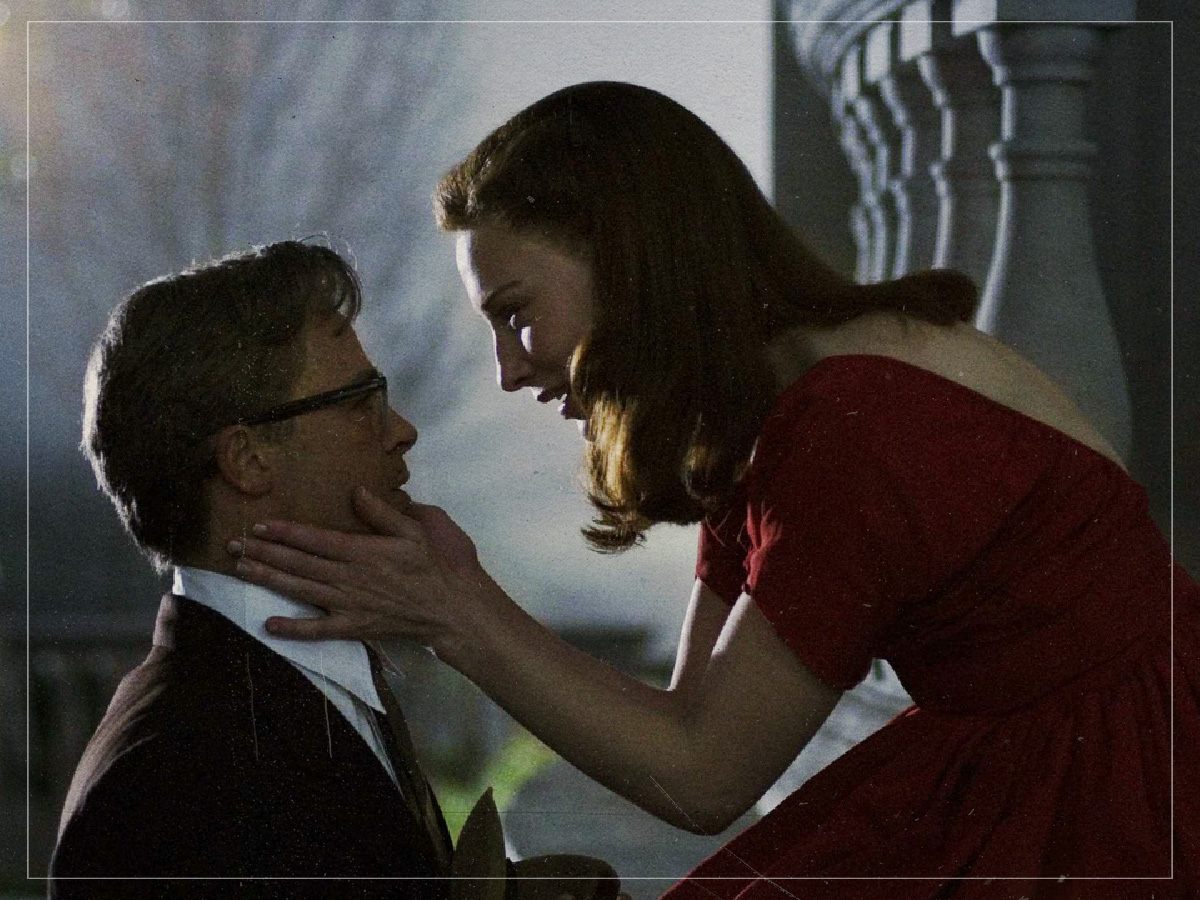
David Fincher is one of the most cynical, subversive directors out there, responsible for kickstarting a generation of dark crime thrillers, thanks to his work on Se7en and Fight Club, and thus, it makes it all the more confusing that he decided to make an adaptation of The Curious Case of Benjamin Button, a more openly emotional, borderline saccharine fantasy drama.
The Curious Case of Benjamin Button isn’t a bad film, but the use of CGI and makeup to de-age Brad Pitt’s character looked groundbreaking in 2008, and now feels a bit laughable when compared to the technical leaps that have been made since. It also felt like something Fincher wasn’t comfortable making, given that he immediately returned to making some of his most cynical films ever with The Social Network, The Girl With The Dragon Tattoo, and Gone Girl.
‘Rogue One: A Star Wars Story’ (Gareth Edwards, 2016)
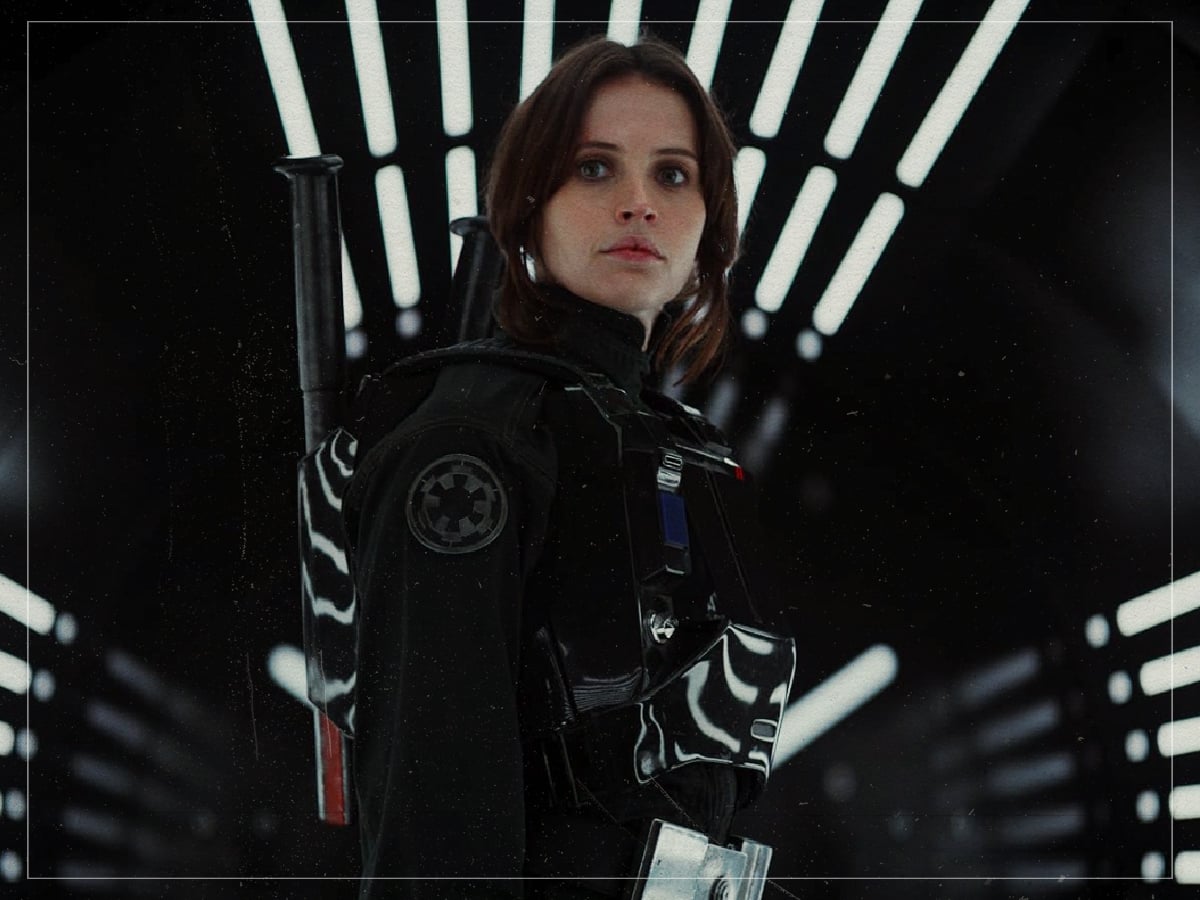
Star Wars is a franchise that has gone through innumerable setbacks recently, as nearly every film made since the acquisition of Lucasfilm by the Walt Disney Company has suffered some sort of production controversy. Rogue One: A Star Wars Story went through extensive reshoots when Tony Gilroy was brought in to clean up the rough cut that director Gareth Edwards put together, and he was given complete creative control over Andor, the Disney+ prequel series, which suggests that Rogue One would have been much stronger if he had been in charge since the beginning.
While Andor feels like a legitimately grounded science fiction political thriller, Rogue One can’t help but milk the nostalgia of fans by including dozens of references and incorporating cameos by C-3PO, R2-D2, Darth Vader, and Princess Leia in a disturbing CGI deepfake.
‘The Boondock Saints’ (Troy Duffy, 1999)
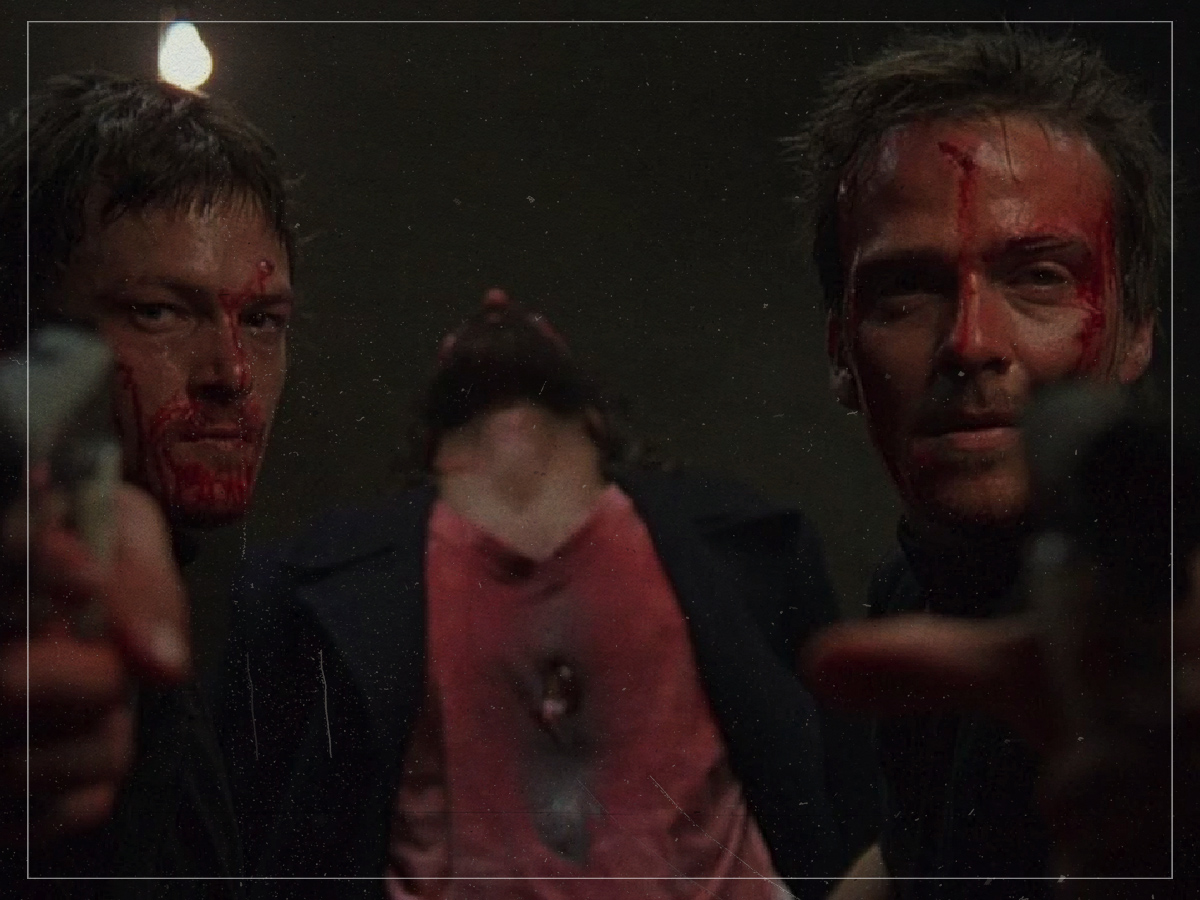
The Boondock Saints is one of the many cult films that didn’t do well theatrically, but found a second life on the home video market. Although it was initially deemed controversial because of its proximity to the Columbine shooting, it became an obsession point for many emerging film buffs who enjoyed the crass language, stylised direction, and violence. The Boondock Saints is such a blatant attempt to rip off Pulp Fiction that Quentin Tarantino could earn the right to sue; the difference is that it has none of the memorable dialogue and seems to celebrate its psychopathic characters instead of exploring them in the way that Tarantino did.
Anyone who has been to film school has met at least one obnoxious know-it-all who is obsessed with this movie, with the documentary Overnight, about director Troy Duffy, even more revelatory in discussing what the film’s legacy actually is.
