


The 10 most controversial movie sequences of 2025

2025 wouldn’t be a year for movies if there weren’t a few scenes that divided audience reactions.
There’s no better indication of a thriving cinematic ecosystem than rampant discourse on the quality of a film. While there were a few films this year that received unanimously positive raves, as well as a few that were seen as complete duds, a vast majority of 2025 releases had audiences split down the middle, such that, for everyone who came out impressed, there were some who found themselves disappointed.
The fact that these films provoke discussion is itself a good thing, as this type of critical thinking doesn’t occur if the industry is dominated by artificial intelligence. That being said, it’s almost amusing that the extreme reactions that some films have caused are ultimately the result of just one scene that people choose to interpret in different ways. Even if it would be more fair to react to the entirety of a film, it’s become easier to cut out a clip that’s removed from context and spread it on social media.
Although there were some movies in 2025 that didn’t receive the attention that they deserved, there were certainly others that got analysed far too much for their own good. While cooler heads may prevail in times, many of these features ended up inspiring emotional reactions that are unlikely to change anytime soon.
The 10 most controversial movie sequences of 2025:
The new ending: ‘Lilo & Stitch'<br>

Lilo & Stitch is the latest example of Walt Disney Studios remaking one of their classic animated films in live-action, thus removing any of the expressive qualities that would be inherent to the 2D design. While the film isn’t quite as blatantly ugly and obnoxiously similar to the original as the other Disney remake this year, Snow White, it did make the curious choice to change the ending of the story. The original animated film featured Nani choosing to continue raising Lilo, whereas the new film had the sisters parting ways so that Sydney Agudong’s Nani could go to college.
It’s unusual that this was the only major alteration from the first film, especially when considering that child protective services is essentially the villain in both versions. While it perhaps is more progressive to suggest that Nani would want to pursue her own potential, as she was never prepared for parenthood, it is an odd note to end on.
The inclusion of real footage: ‘The Voice of Hind Rajab'<br>

One of the breakout films of this year’s Venice Film Festival was The Voice of Hind Rajab, a docudrama which received a 23-minute standing ovation and won the Grand Jury Prize, telling the harrowing true story of the five-year-old Palestinian girl Hind Rajab, who was killed by Israeli forces as she communicated with members of the Red Crescent over the phone.
Although the film features dramatic recreations of these scenes featuring actors cast as the Red Crescent volunteers, it also incorporates the real audio recordings of the young girl before her death, and sure the use of real phone calls underscore how accurate the film is but it also exposes the recreated elements as being fake, which could be seen as disrespectful to frame a real tragedy within the confines of a familiar dramatic setting. Thus, by blurring the lines between documentary and drama, The Voice of Hind Rajab kick-started a debate about ethics and how far this blurring is acceptable.
Using behind-the-scenes footage: ‘Warfare'<br>

Alex Garland provoked extreme reactions with last year’s speculative thriller Civil War, but this year’s Warfare was a different type of military story, which involved working alongside co-director Ray Mendoza, a veteran of the Iraq War, to recreate a key standoff between American soldiers and members of Al-Qaeda that occurred in 2006, which involved removing the score and presenting what happened.
Without tipping his hand, Garland was able to make a film that showed the blatant inhumanity of war without feeling like he was being manipulative; however, the ending of Warfare curiously includes a moment that shows how the film was created, including the ways in which the real veterans participated, suggesting that the director was sympathetic towards the soldiers.
Even if the film doesn’t take a stance on what they did, this somewhat betrays the notion that he was being completely unbiased, such that, if the actual men being depicted were involved, it colours what Garland chose to show in a different light, making the film hypocritical in its essence.
The attack by crisis actors: ‘Eddington'<br>
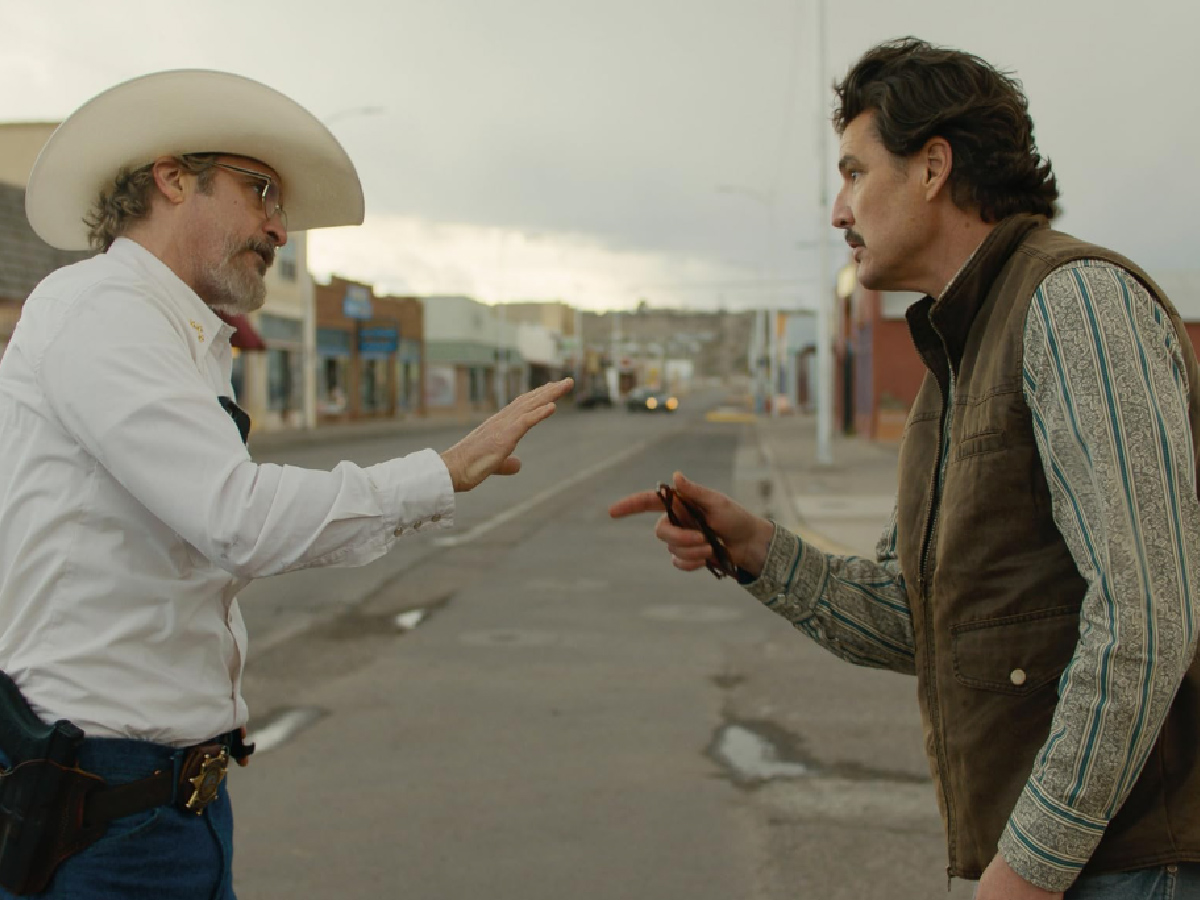
Ari Aster has a habit of making films that incite anger and discourse, and Eddington is perhaps his most inflammatory project thus far. Although it explored the early days of the Covid-19 pandemic and exposed the hypocrisy of those who tried to impose their views on others, the film’s incendiary depiction of groupthink was destined to rub people the wrong way.
One of the more confusing aspects of the film involves a moment where the city is attacked by terrorists who are disguised to look like Antifa soldiers, which provides an excuse for gunfire to break out. Aster may have been trying to satirise far-right conspiracy theorists, especially given how Cameron Mann’s Brian becomes a blowhard conservative mouthpiece, but the scene has been misinterpreted as endorsing the idea that there are far-left radicals looking to take advantage of the situation.
Notwithstanding the criticism faced by the film from many pundits, it was praised as being brilliant by none other than Martin Scorsese.
The leg surgery revelation: ‘Materialists'<br>
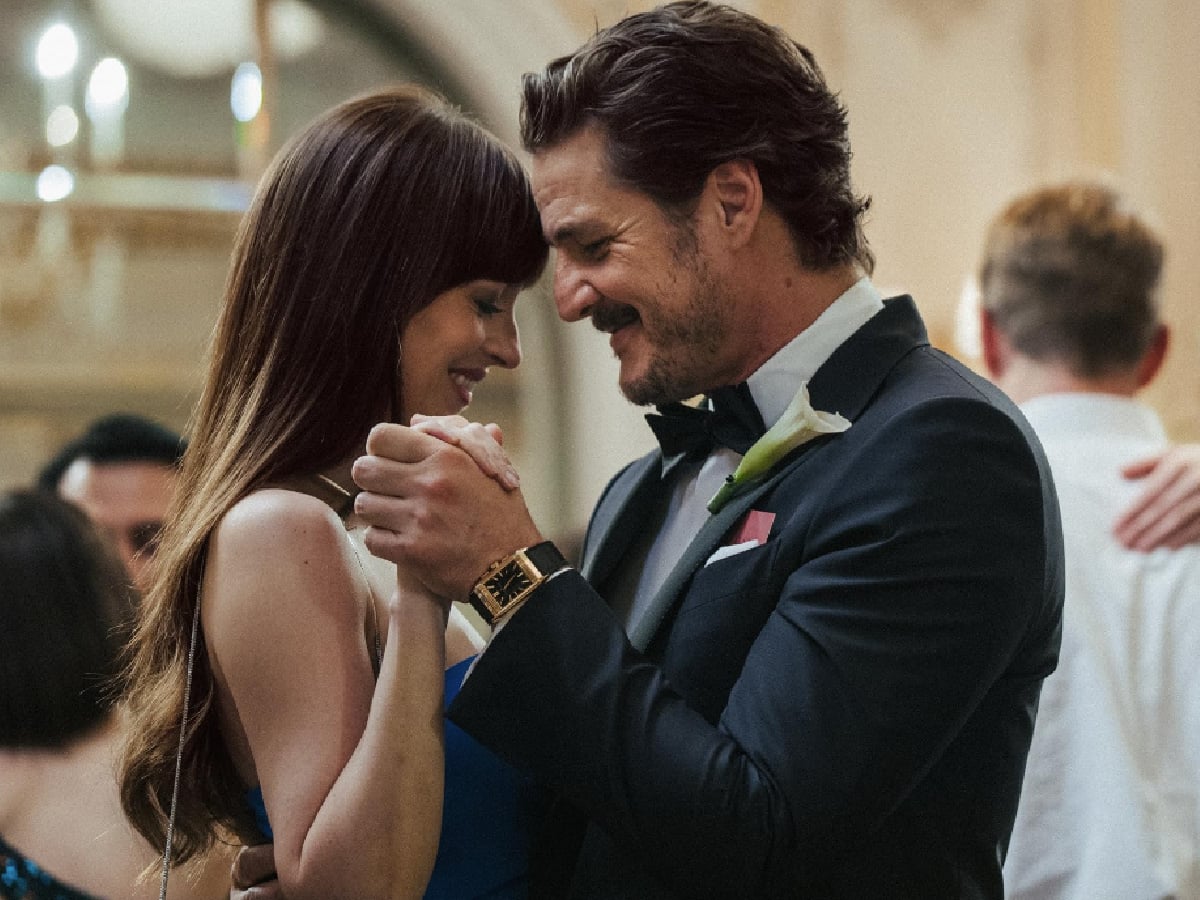
Materialists was a film that inspired controversy from the moment that it debuted, as the trailers had tried to market it as an old-fashioned romantic comedy, where, in actuality, it was a more dramatic film that had a subplot centring sexual assault. In this, whether Celine Song was willing to balance the disparate tones of the film came up during a critical scene between the matchmaker Lucy Mason, played by Dakota Johnson, and her wealthy boyfriend Henry Castillo, played by Pedro Pascal, who reveals that he underwent surgery to extend his legs to be taller, and thus more confident.
It’s a funny moment, but it’s unclear if Song was in on the joke; Materialists itself seemed to have mixed messages on the role that wealth played in relationships, and what people should value themselves as, and beyond how silly the twist was, critics seemed to be more eager to debate whether Johnson and Pascal had any chemistry with one another.
The supermarket standoff: ‘One Battle After Another'<br>
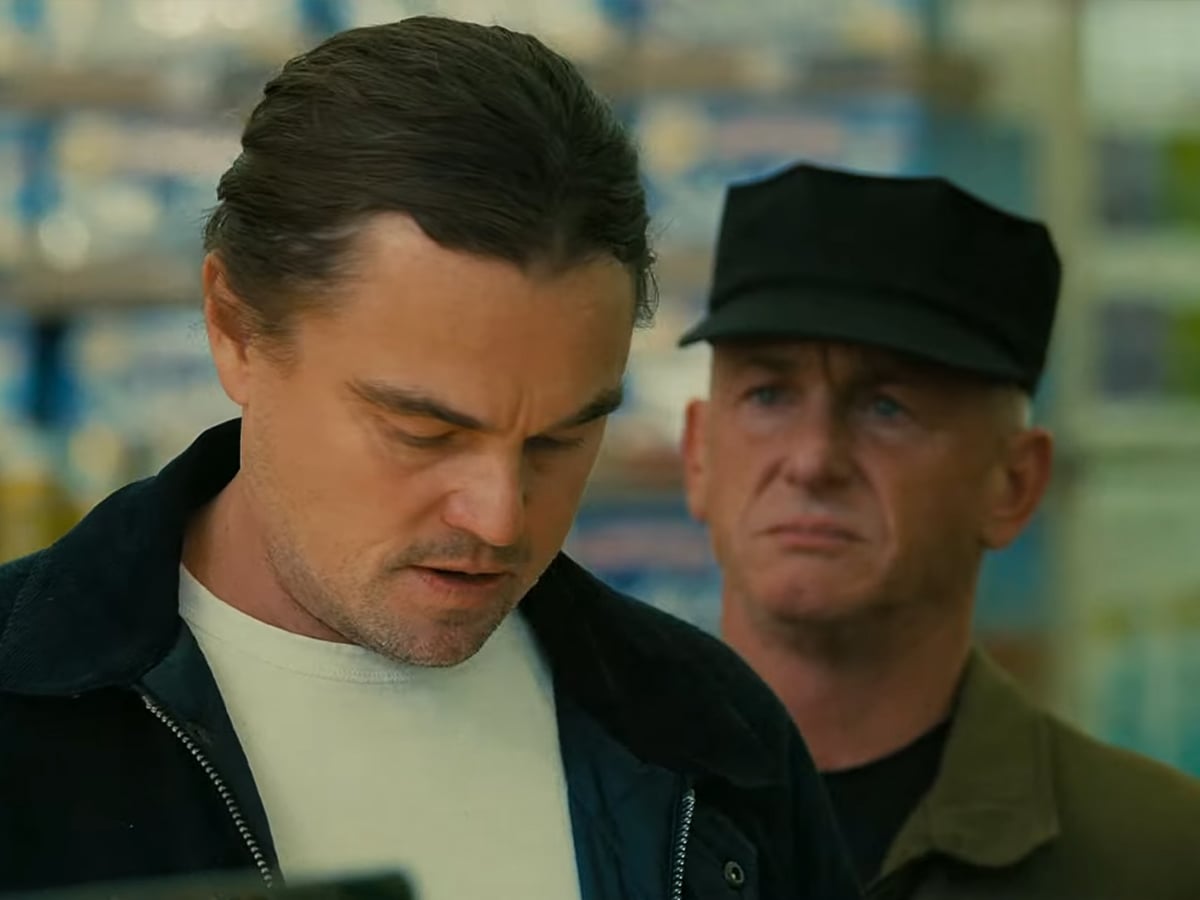
One Battle After Another is hands down the best film of 2025 and has been receiving nothing but rave reviews as it sweeps through every award show and assessment by critical bodies. Although there aren’t many dissenters who wouldn’t claim that it is a masterpiece, a scene that began to circulate once the film became available on video-on-demand, that involved Sean Penn’s Colonel Lockjaw cornering Leonardo DiCaprio’s Bob Ferguson in a supermarket and talking about how much he loved Black women.
The implication of the moment was hotly discussed; is this a scary scene where Lockjaw is trying to intimidate Bob, or is it a moment of dark comedy that reveals that the racist main villain is a hypocrite?
While there were fans of the film who spoke on both sides of the debate, the answer, in all likelihood, is that One Battle After Another is a brilliant enough film that it can include a moment that is simultaneously hilarious and horrifying.
The use of ‘On The Nature of Daylight’: ‘Hamnet'<br>

Chloe Zhao’s Hamnet seemed to have been getting unanimous raves when it won the People’s Choice Award at the Toronto International Film Festival, but it’s begun to spark more divisive responses within its wide release, with everyone that found the film to be a remarkable encapsulation of grief, others found it to be a grossly manipulative attempt to create an atmosphere of realism that was ultimately inauthentic.
The climactic scene of Hamnet involves Jessie Buckley’s Agnes watching a production of Hamlet that involves an actor, played by Noah Jupe, embodying a character inspired by her son, where even when ignoring the fact that Agnes has no agency, the scene includes the use of the Max Richter track ‘On The Nature of Daylight’, which may have felt far too familiar when considering that it has also been used in Arrival, Stranger Than Fiction, Shutter Island, and a key episode of The Last of Us.
The non-conclusive ending: ‘A House of Dynamite<br>
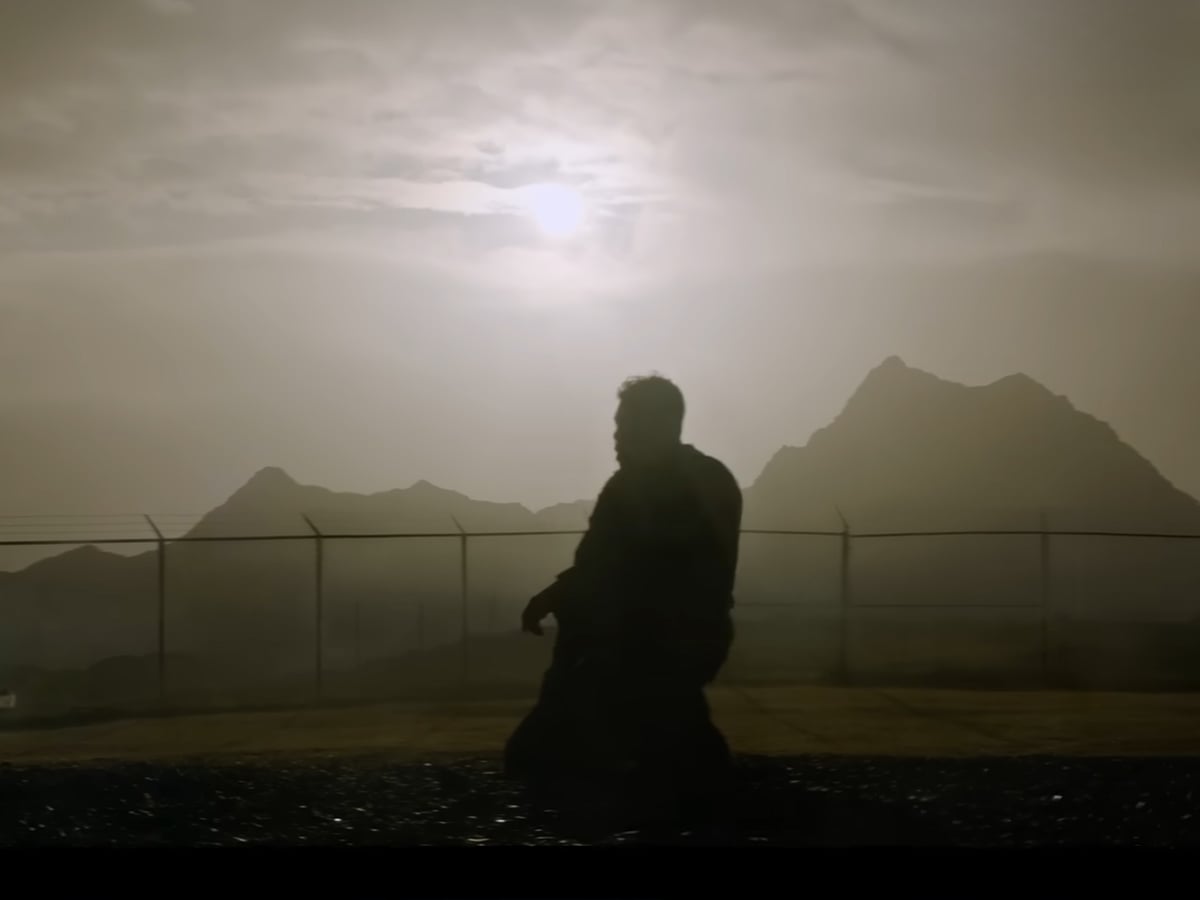
Kathryn Bigelow’s latest film examined what the real fallout would be if a missile attack from an unknown source was set to impact the United States, and how the military and government would respond to the crisis, which earned a mixed reception because of how it was constructed.
A House of Dynamite is divided into three segments that explore the same period of time from different perspectives, but whether or not this structural choice curtailed the dramatic inertia wasn’t as controversial as where Bigelow chose to end the story.
After it’s seen that the US president, played by Idris Elba, has considered many options, the film ends by not showing what his decisions end up entailing, and concludes with a montage of characters kneeling and crying as explosions are heard in the background. While Bigelow’s intention was to point out how none of the options available would be ideal, it’s hard not to feel like the ending of A House of Dynamite is the ultimate cop-out.
The montage: ‘Jay Kelly'<br>
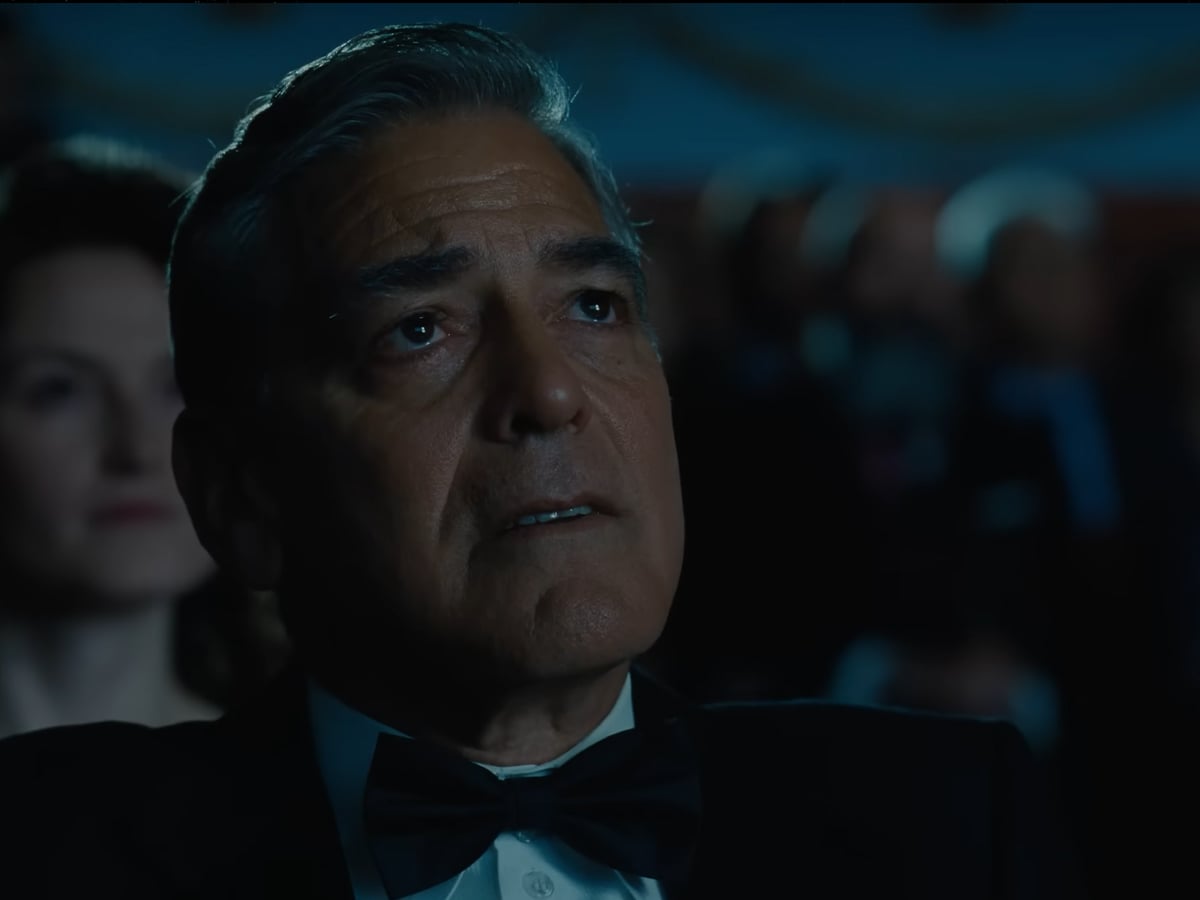
Jay Kelly, the latest film from Noah Baumbach, stars George Clooney as a famous movie star who reflects upon his past and tries to reconnect with his children as he prepares to receive a tribute at a film festival, exploring a character who is beloved and successful, even if he ironically feels lonelier than ever.
The ending of Jay Kelly is deceptively sad; it’s after his entire family has skipped the festival that Jay sits in the audience with his manager, Adam Sandler’s Ron, and watches a montage of all the movies that he’s appeared in, which include clips from Clooney’s actual body-of-work, further suggesting that the character of Jay was inspired by the actor playing him.
The final moment involves him seemingly breaking the fourth wall by asking for another take, as he does at the beginning of the film, and whether this is Jay understanding the plasticity of his life, Clooney directly addressing the audience, or Baumbach just making a clever joke remains unsatisfyingly ambiguous.
The Jimmy Savile twist: ’28 Years Later’ <br>
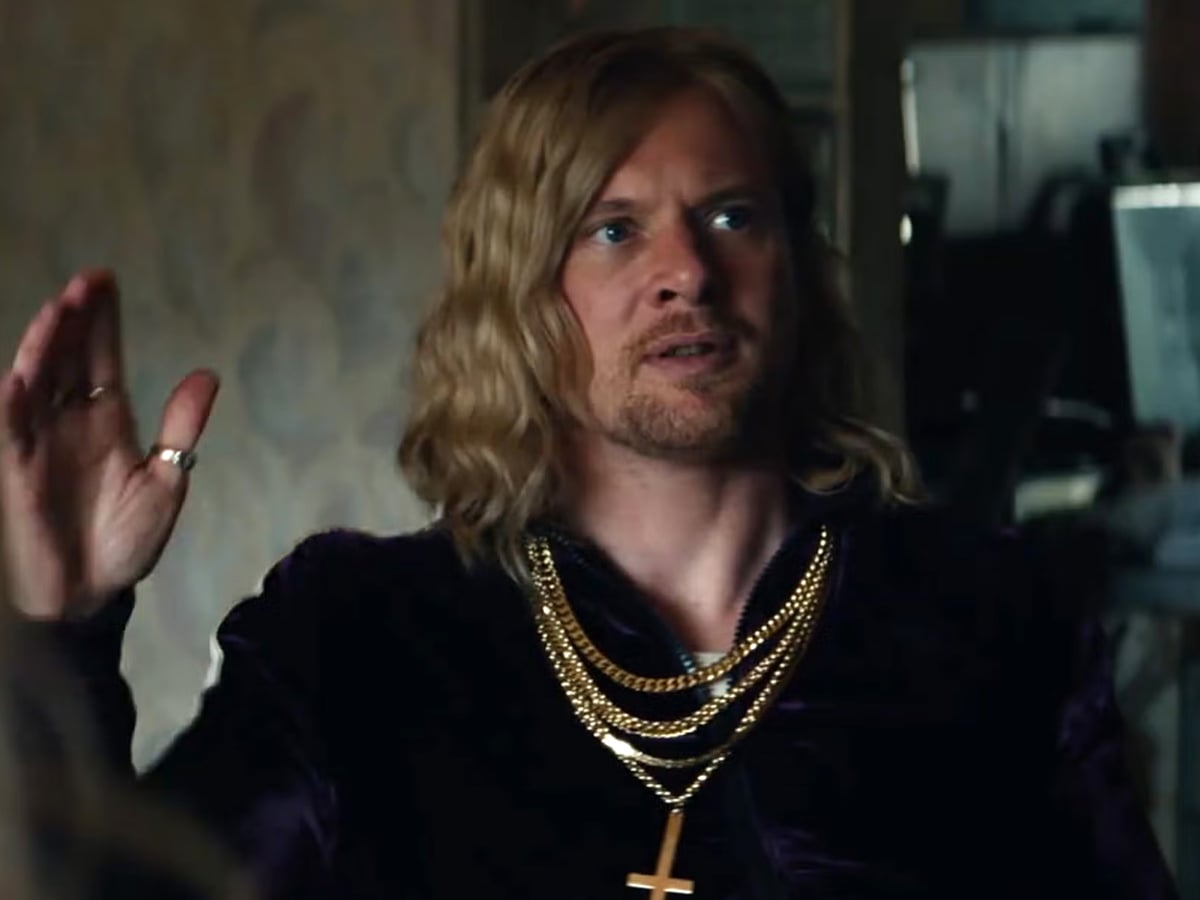
Danny Boyle’s long-anticipated follow-up to his groundbreaking zombie masterpiece 28 Days Later ended with a shocking appearance by Jack O’Connell as a mysterious cult leader who goes by the name Sir Jimmy Crystal, with the revelation that it was his father, the priest, in the opening scene who let himself be eaten alive by zombies, as he saw it as an act of God.
While the presence of O’Connell with a goofy blond wig may have baffled American viewers, he’s clearly intended to be styled like Jimmy Saville, the British media personality who was revealed to be a dangerous sexual predator.
The fact that O’Connell’s character is surrounded by other cult members dressed like Saville within an alternate version of reality in which his crimes may not have been revealed ends 28 Years Later on a disturbing note that questions what British society has become in order to survive.
Anyone familiar with the case of Saville may have been shocked and disturbed, but those with no knowledge of his horrific abuses may have found the ending to be strange and distracting.
