



The 10 best movies you might have missed in 2025

The year’s box office has been saved by a few massive franchise films, but there are a number of smaller titles that are just as worthy of consideration.
Despite the tension that the movie industry has felt about the looming acquisition of Warner Bros by Netflix, which could signal a decline in theatrical releases, 2025 has been a rather extraordinary year for cinema.
Although there’s been concern about whether the box office will ever be normalised in the aftermath of Covid-19, the incredible grosses of films like Zootopia 2 and the impending Avatar: Fire and Ash seem to confirm that audiences are still ready to embrace the type of cinematic events that can only be experienced on the big screen.
There’s been no shortage of critically acclaimed titles either, as Paul Thomas Anderson’s latest masterpiece, One Battle After Another, has been sweeping early critics’ awards and seems more than likely to take home the Academy Award for ‘Best Picture’. However, the competition is fierce when there are so many other beloved titles that built buzz during their festival runs, including Sentimental Value, Hamnet, Marty Supreme, Jay Kelly, Train Dreams, and Frankenstein.
While every year has films that are at the top of every cinephile’s mind, there are also more than a few titles that simply don’t attract the attention that they deserve. Whether it’s a matter of insignificant marketing, limited commercial appeal, or not being distributed to a wide enough audience, underrated films could use some love in end-of-year wrap-ups.
The 10 best movies you might have missed in 2025
‘Magellan’ (Lav Diaz)
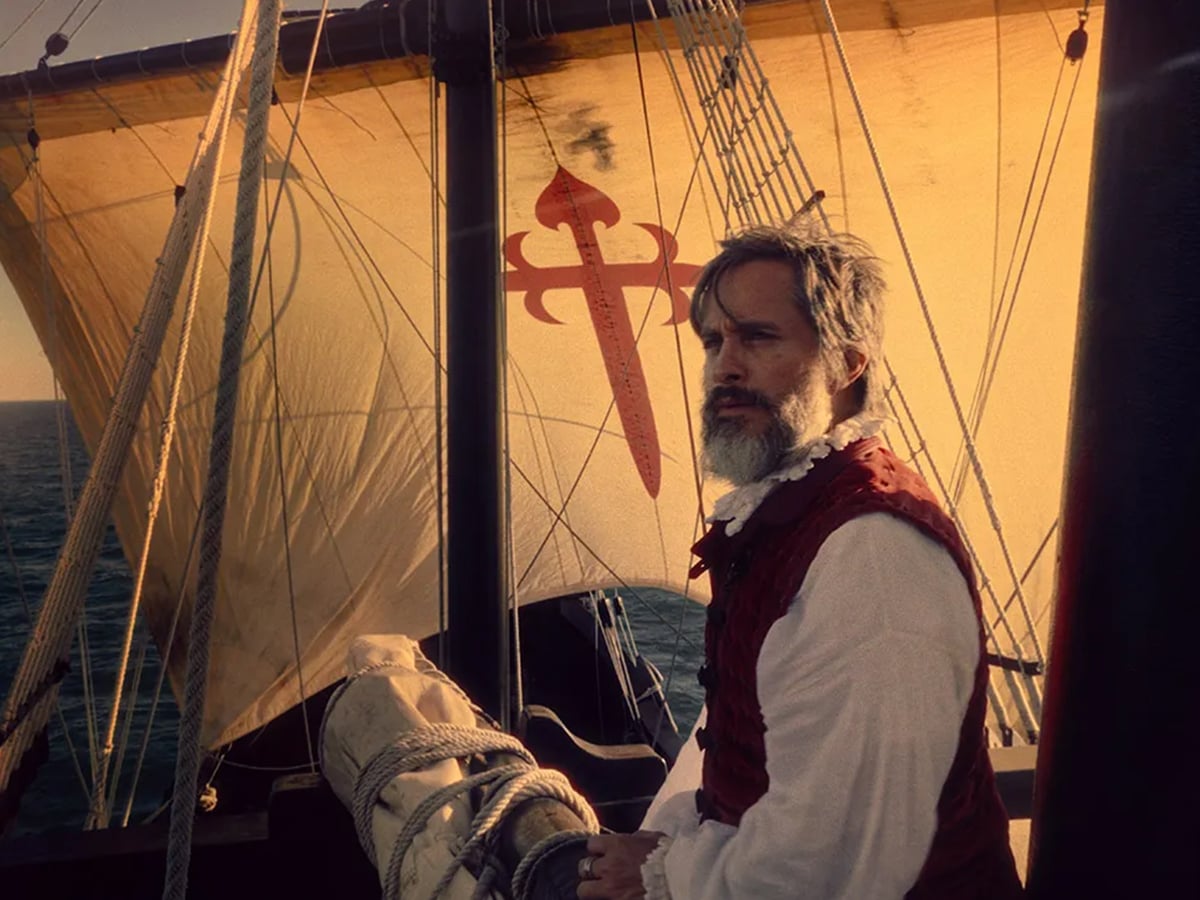
While there have been a few attempts in recent decades to present a more grounded, incendiary portrayal of the evils of colonialism, the epic biopic Magellan is by far the most direct and uncomfortable to watch.
Loosely based on the true story of the Portuguese explorer Ferdinand Magellan, played brilliantly by Gael Garcia Bernal, Magellan follows a troop of colonists as they venture into misery and madness during their attempts to conquer Southeast Asia towards the end of the Medieval Ages.
Those expecting a bold, action-packed epic in the vein of Ridley Scott may be disappointed to find that Magellan is an exercise in slow cinema that analyses the painstaking process taken by these foreign invaders as they find themselves ill-prepared to take control of a different nation and culture. Although there are certainly some beautiful shots that capture the stillness of nature and the wondrousness of native rituals, the film embodies a dark chapter in history in highly visceral ways.
‘The Surfer’ (Lorcan Finnegan)
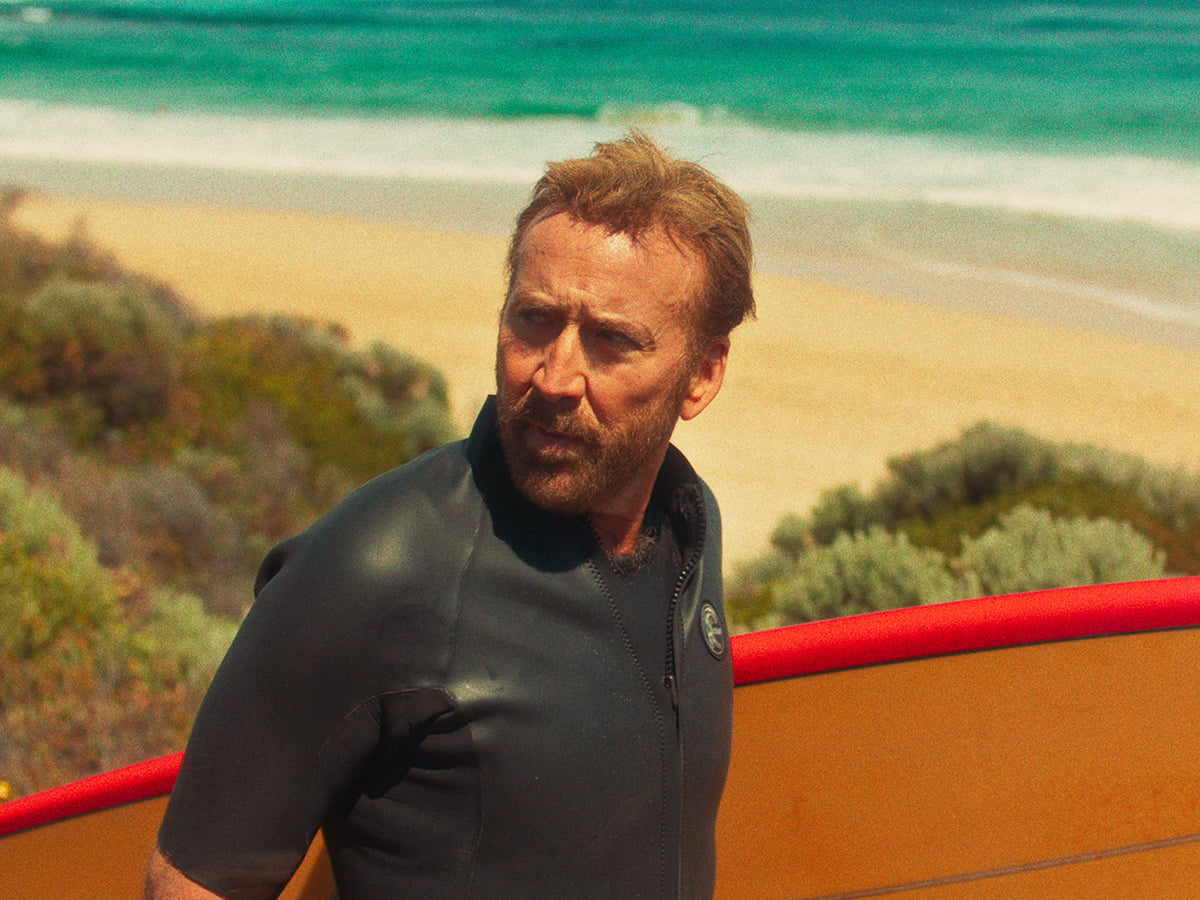
Nicolas Cage has made so many bizarre career decisions that it has become difficult to determine whether he’s taking something seriously or if he’s just popping up in a cheap B-movie for the sake of a paycheck and a laugh.
While the premise of ‘a man does battle with a group of aggressive beach bros’ may seem like the type of schlock Cage has starred in far too often, The Surfer is actually a compelling psychological thriller that captures the messy, trippy style of the Australian New Wave films of the 1970s.
There’s certainly a lot of great moments where the actor gets to chew the scenery and be over-the-top, but The Surfer also allows him to give a sobering portrayal of a struggling father who feels that he has not set a good example. Moreover, the film also boasts of the late Julian McMahon, who goes toe-to-toe with Cage with his remarkable performance as an aggressive surfer who claims dominance over the beach.
‘La Grazia’ (Paolo Sorrentino)
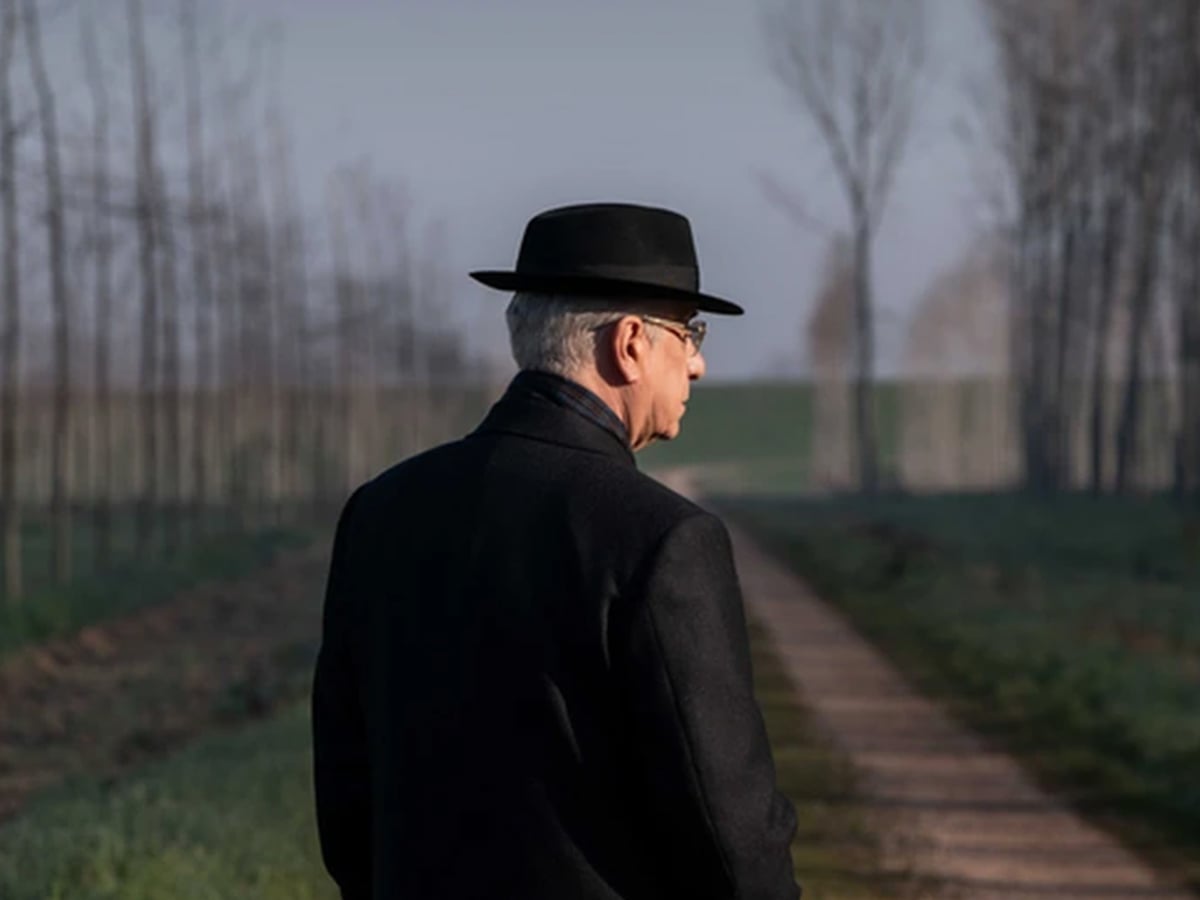
Paolo Sorrentino is a filmmaker whose work has always been divisive, wherein, as much praise as films like The Great Beauty and This Must Be The Place have earned from arthouse cinephiles, there has been an equal degree of criticism from those who found them unbearably pretentious.
That said, the director released two films in 2025, and while Parthenope was a minor effort that had little more than style, La Grazia is a powerful drama about a fictional Italian president played by Toni Servillo who considers whether to sign a bill into law that would legalise euthanasia.
Despite the controversial subject material and political complexity, La Grazia is an open-hearted, entertaining film that includes the sort of bold colours and music choices that Sorrentino is known for. While it may be hard to root for a politician as a protagonist in 2025, Servillo turns in an endearing, surprisingly sensitive performance that ranks among the best that he’s ever given within his longstanding working relationship with the filmmaker.
‘The Plague’ (Charlie Polinger)
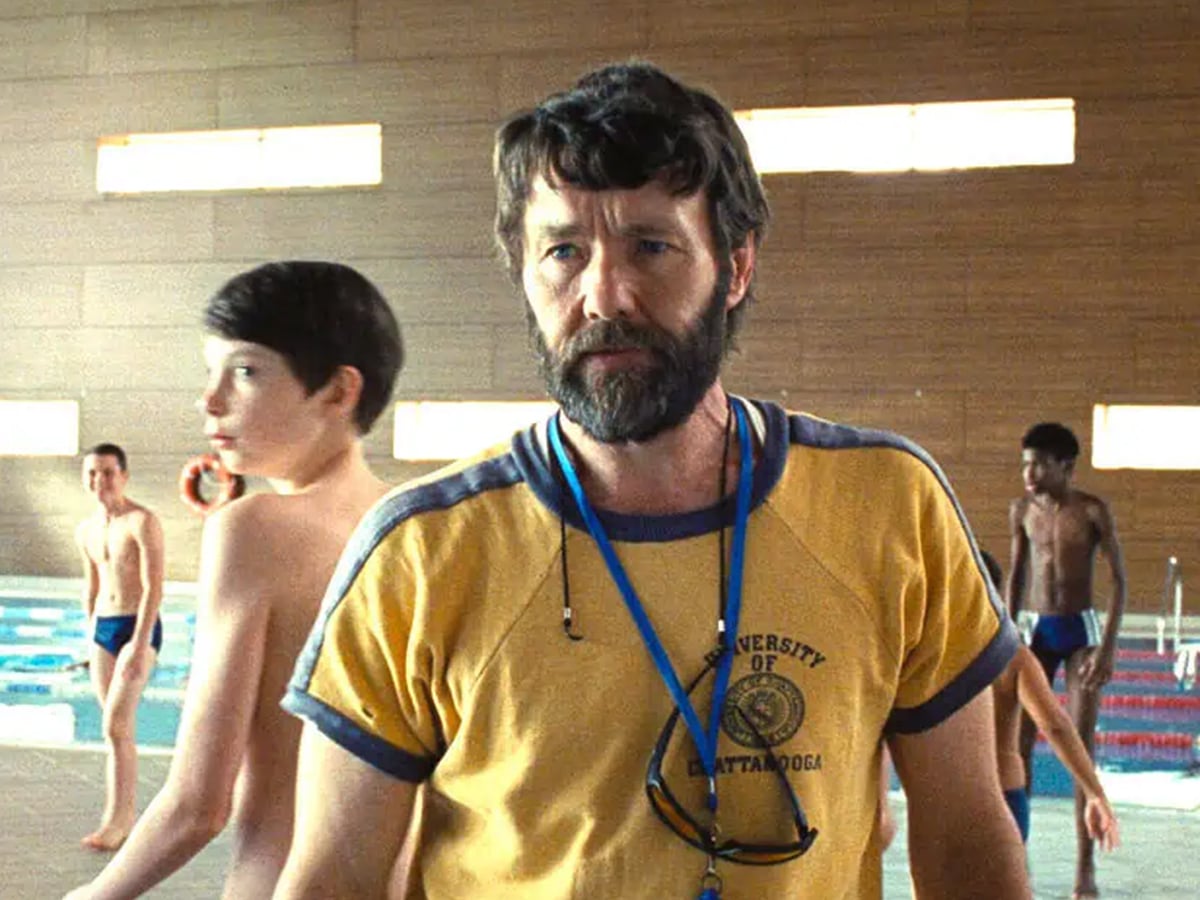
There are few issues that are more terrifying and seemingly unsolvable than childhood bullying, and The Plague is among the best depictions of just how cruel adolescent boys can be to one another.
This Australian drama is set at an all-boys water polo camp during the summer of 2003, and follows the sensitive 12-year-old Ben, played by Everett Blunck, as he tries to avoid being picked on by the senior players. More than anything, The Plague is a miracle of casting, as the ensemble is composed of many young actors who show wisdom and nuance beyond their years.
The film understands that maintaining status and respectability is of the utmost importance to pubescent kids, all of whom are dealing with changes in their life that make them emotionally unstable, and although it is highly realistic in how it depicts the casual cruelty within social interactions, director Charlie Polinger incorporates more than a few clever stylistic tricks that give the film an atmosphere of suspense and horror.
‘Lurker’ (Alex Russell)
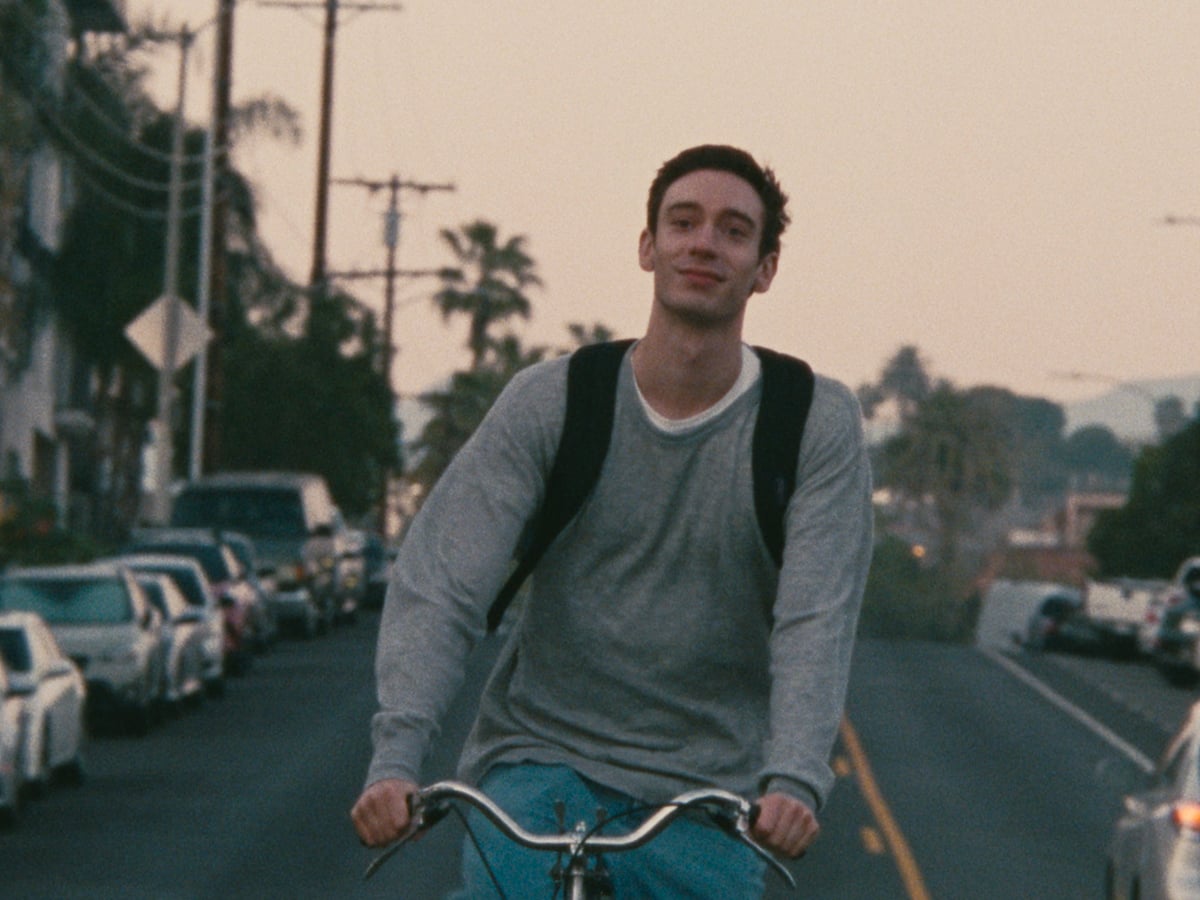
It can often be challenging to depict social media in a way that does not feel antiquated, as developments in technology occur so quickly that earlier incarnations soon become irrelevant.
However, the fascinating psychological thriller Lurker does a great job at showing how dangerous the celebrity-obsessed culture has become for fans who begin to feel entitled to the people that they follow on social media, cultivating what is known as a parasocial relationship with them.
Lurker stars Théodore Pellerin as a reserved retail worker who develops advanced research on the life and interests of his favourite young pop artist, Oliver, played by Archie Madekwe, which allows him to develop a one-sided friendship that becomes increasingly toxic. By depicting both characters as flawed young people who don’t recognise the selfishness of what they’re doing, director Alex Russell is able to delve deep into the thwarted means of interaction that social media has bred.
While Lurker is an original story, the realism with which it examines the social bubble surrounding pop stars and the obsession that they curate from vulnerable fans feels entirely realistic and timeless.
‘Eleanor the Great’ (Scarlett Johansson)
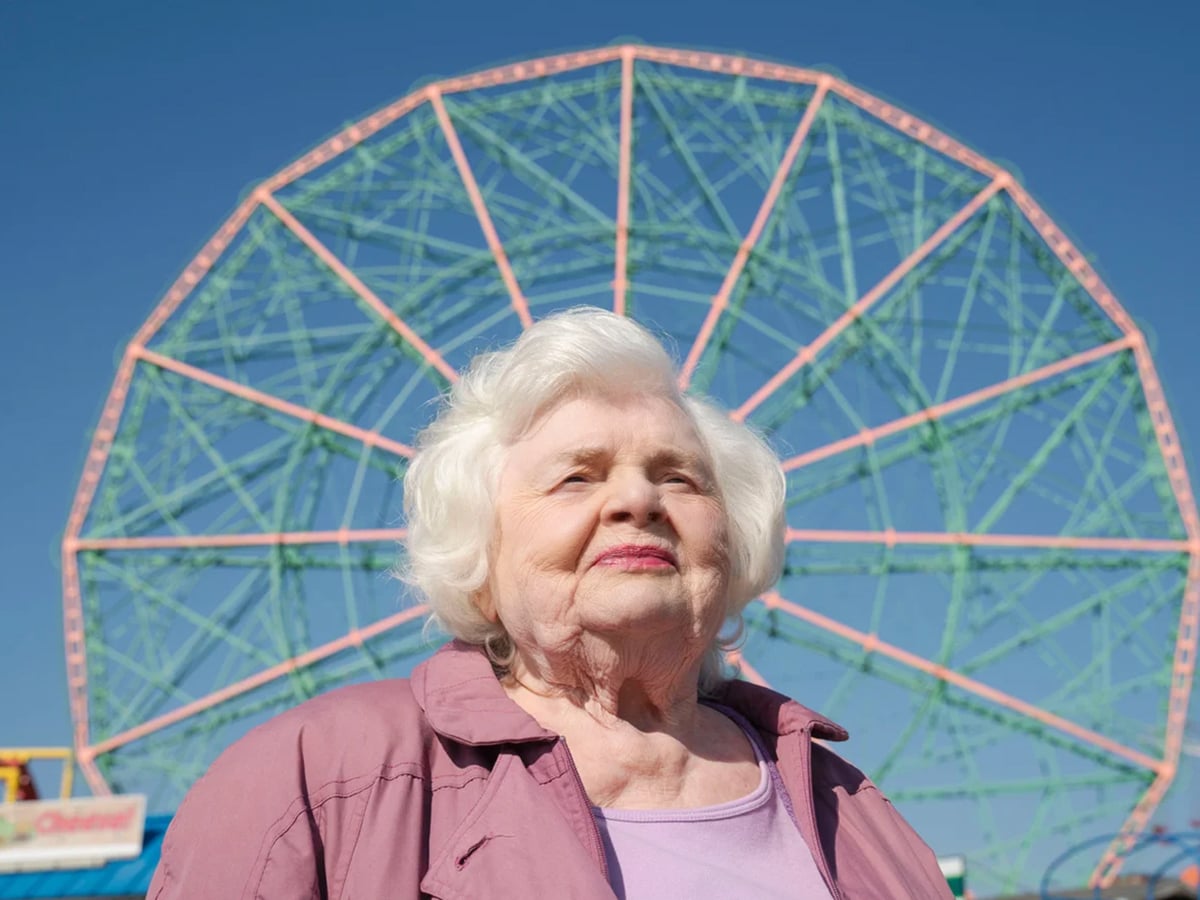
2025 has seen many great actors making their directorial debuts, and Scarlett Johansson finally stepped behind the camera for her debut feature Eleanor the Great, and rather than using it as a star vehicle for herself, she cast June Squibb as a former New Yorker who returns to the heart of the city and strikes up an unusual relationship with a widowed news anchor in the form of Chiwetel Ejiofor and his college-aged daughter played by Erin Kellyman.
What begins as a charming story about an older character trying new things late in life becomes a more complex analysis of the way that compassion can be weaponised, even if good intentions are being applied, and while the film could have been uncomfortable due to some of the thorny issues that it tackles, Squibb is just so charming in the titular role that it’s hard to not have a soft corner for her character throughout.
Johansson also shows a lot of maturity in her first directorial effort, as there is a patience to her filmmaking that allows for quieter moments with each of her characters to really shine.
‘The History of Sound’ (Oliver Hermanus)
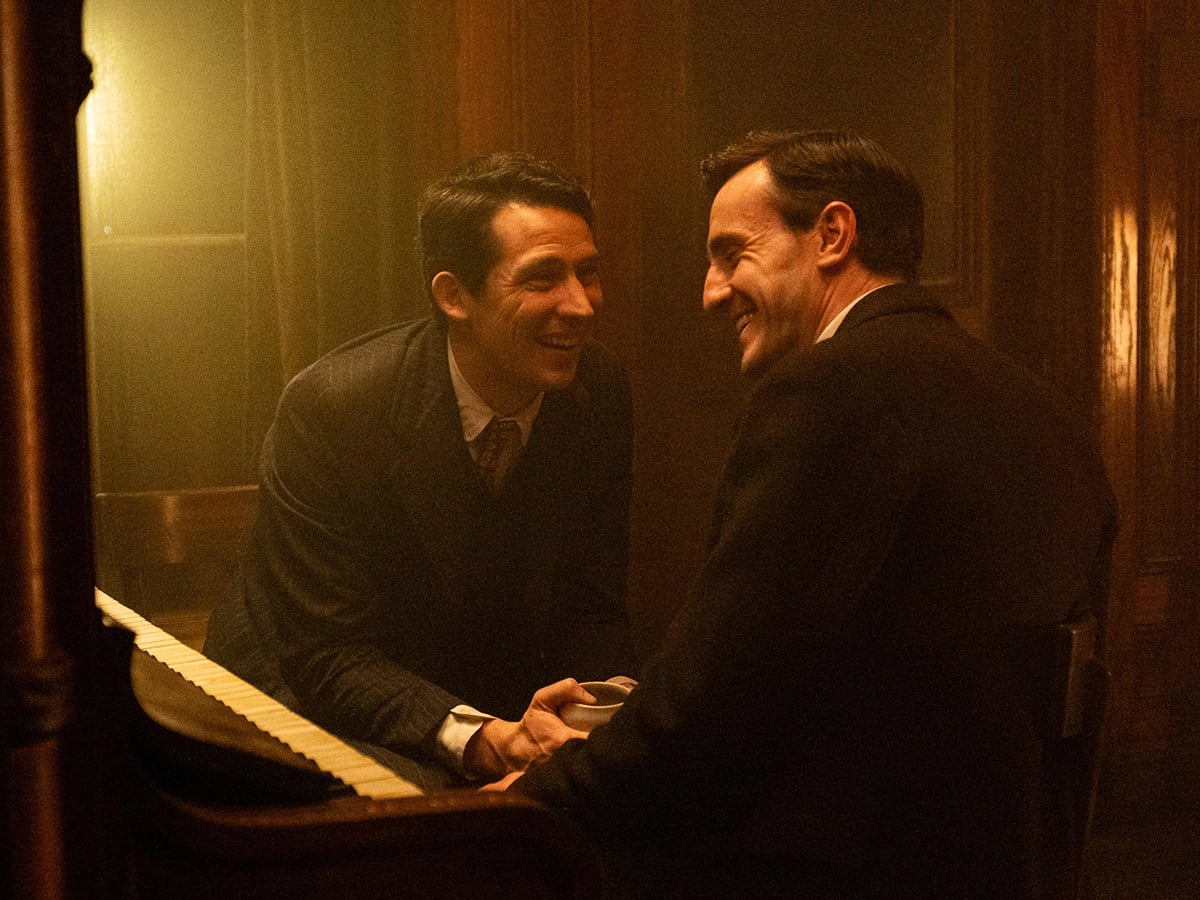
Although both the aforementioned Josh O’Connor and Paul Mescal may be in this year’s awards race for different performances, they also did exquisite work in the underseen queer romance The History of Sound, which tells the true story of two young men from the Boston Conservatory who collected recordings of folk music in the years following World War I.
It’s as old-fashioned and straightforward a period romance as one might expect, but the vulnerability that both actors bring to their roles ensures that The History of Sound never feels stodgy.
The window into history that the film unpacks is a compelling one, as it examines a slowly globalising world that has just witnessed what international destruction could look like. Even though the pain of war and the conservative social attitudes of the time hang like a black cloud over the events of The History of Sound, the purity of the central relationship makes it an ultimately uplifting experience.
‘The Baltimorons’ (Jay Duplass)
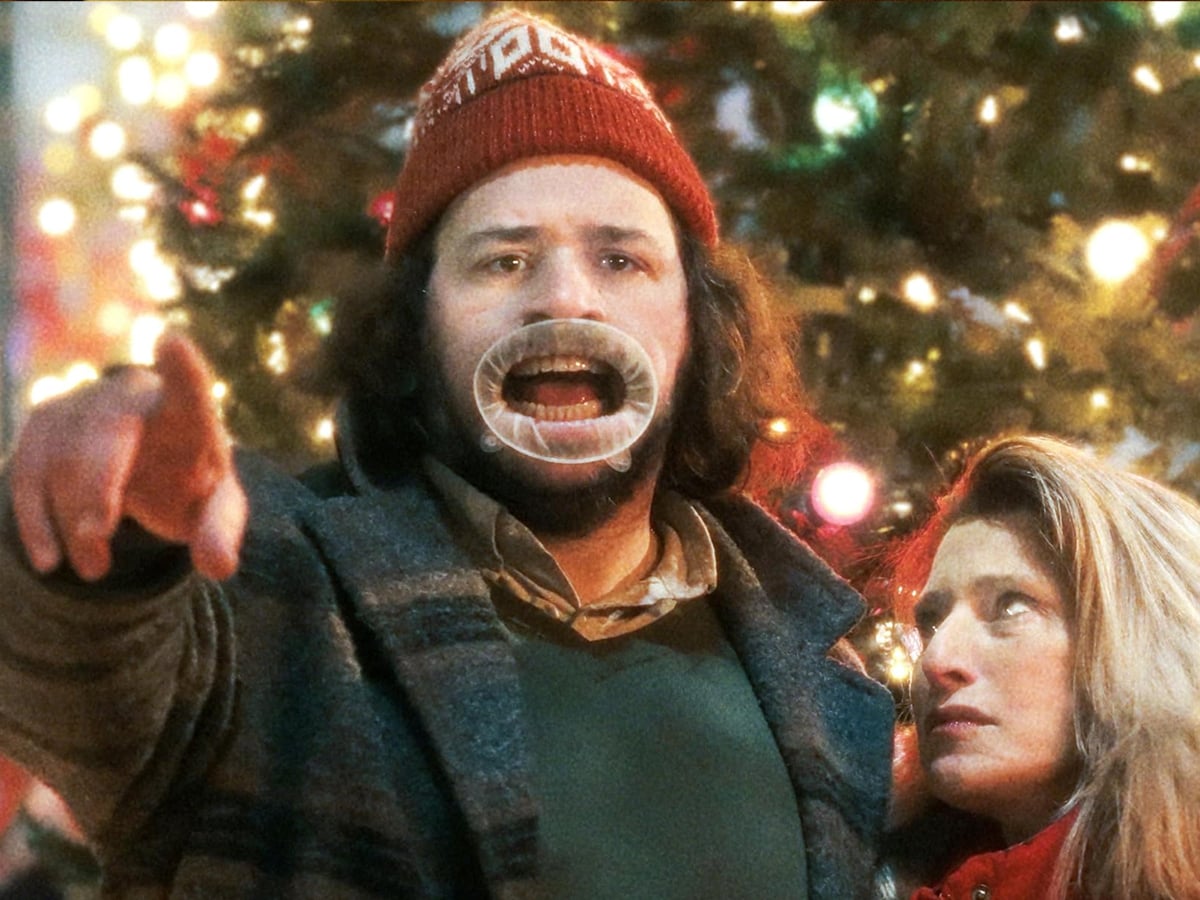
The mumblecore movement that began a little over a decade ago was divisive, as the notion of a highly improvised, scattershot style of filmmaking had many detractors who considered it low-effort.
While many of the early innovators of mumblecore have receded from the genre, Jay Duplass offers a compelling argument for its existence with his charming holiday dramedy The Baltimorons, which works like a love letter to the city.
The film stars Michael Strassner as Cliff, a man struggling with mental health issues, who strikes up a relationship with Liz Larsen’s dentist, Didi, on Christmas Eve. The film finds naturalistic chemistry within the two characters’ fun dialogue with one another, and then moves into more profound territory when it explores their respective family lives and insecurities.
Mainstream studio films often try to undercut any moments of sincerity with some form of subversion or sarcastic remark, but The Baltimorons is unyielding in its sincerity and could very well become a cult holiday classic in the coming years.
‘A Little Prayer’ (Angus MacLachlan)

A Little Prayer debuted at the Sundance Film Festival way back in January of 2023, but wasn’t finally released in theatres until this past summer. A type of quiet, understated family drama that could easily be overlooked, A Little Prayer nonetheless has very deep insights into the degree to which families should forgive one another, and raises enough interesting questions to provoke discussions that could run long after the credits wrap.
David Strathairn is an actor who has long been underrated, and he gives what may be the best performance of his entire career in the film as a kind-hearted patriarch who realises that his son, played by Will Pullen, may be being disloyal to his beloved daughter-in-law, played by Jane Levy.
Instead of scandalising the situation through melodramatic moments, writer/director Angus MacLachlan looks at moments of contemplation within his characters, making it feel all the more authentic, such that the phrase ‘slice of life’ feels like it was used to describe films like A Little Prayer.
‘Rebuilding’ (Max Walker-Silverman)
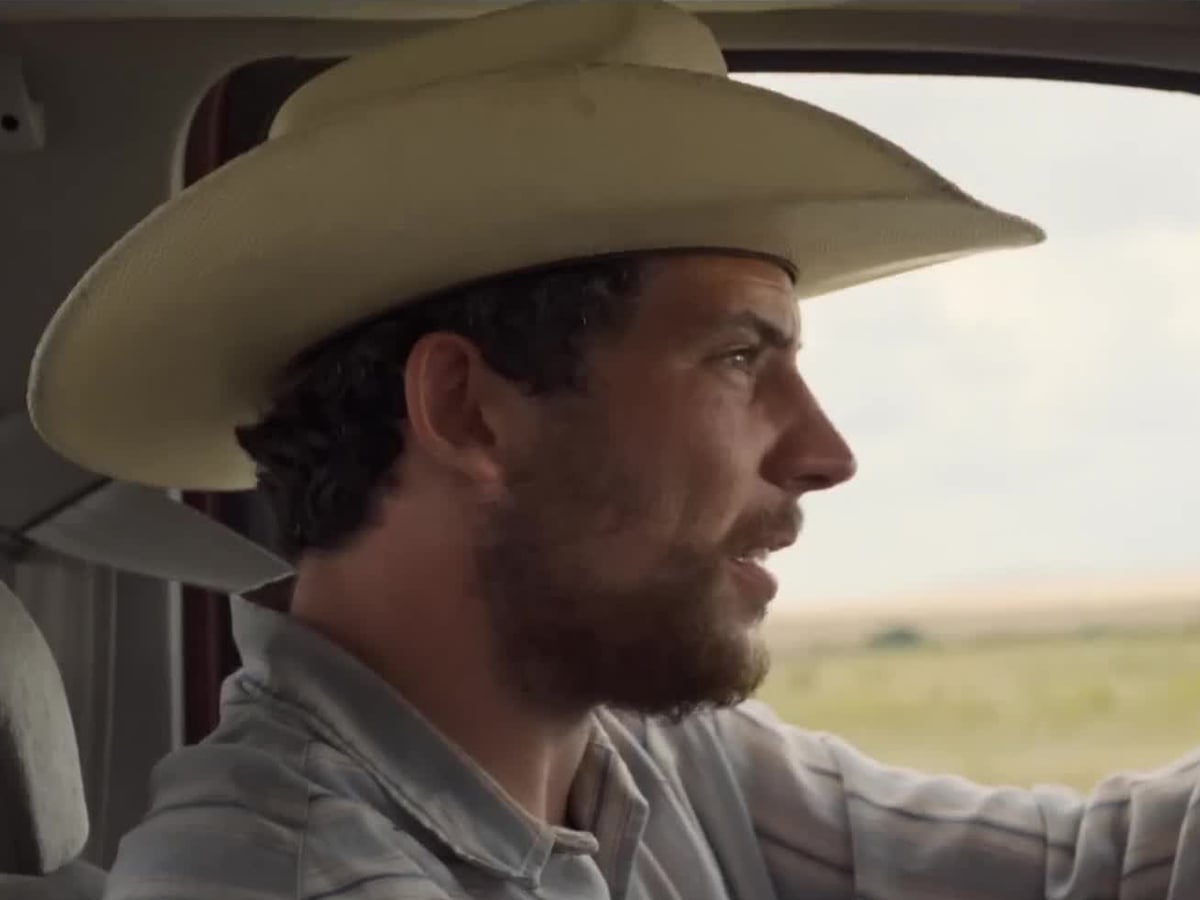
Josh O’Connor earned a lot of praise this year for his work in Kelly Reichardt’s quirky heist thriller The Mastermind and the highly anticipated sequel Wake Up Dead Man: A Knives Out Mystery, but he gives a far richer, more subtle performance in Rebuilding.
This western-set drama explores the life of a cowboy in Arizona who struggles to take care of his community in the aftermath of a devastating series of wildfires that destroyed property, and O’Connor is joined in the cast by The White Lotus star Meghann Fahy, who gives a charming, surprisingly subdued performance as his compassionate ex-wife.
Although Rebuilding feels all the more relevant given the actual wildfires that devastated Los Angeles earlier in the year, the film is unusually wise about the cycle of nature and the importance of preserving memories. While the methodical, nuanced approach taken by director Max Walker-Silverman isn’t particularly flashy, Rebuilding builds to an exhilarating climax that reaches profound conclusions about love, loss, and family.
