


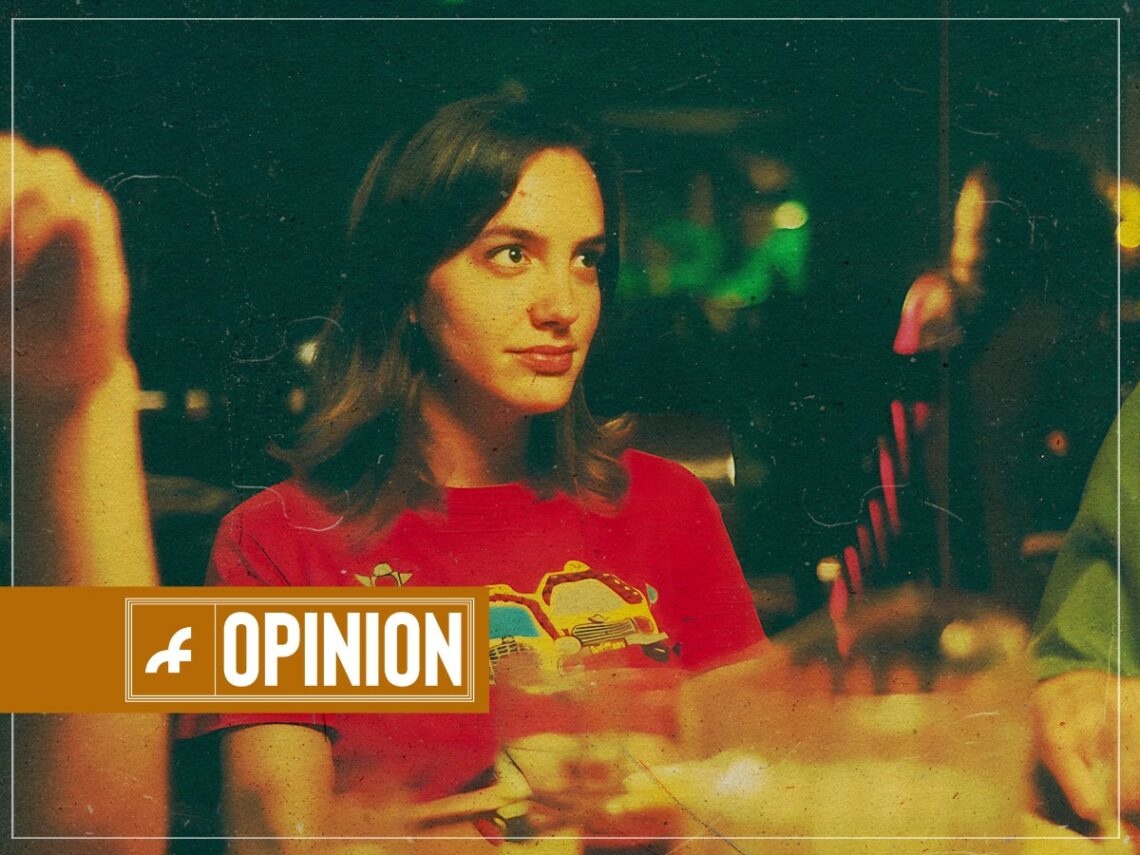
Was mumblecore a blessing or a curse for independent cinema?

For filmmakers with a vision and very little money, all they need is a rambunctious crew, an enthusiastic cast of Hollywood rebels, and a working camera. These later became the defining principles of the mumblecore movement, created for misfits by misfits.
For those who have been living under a rock, the mumblecore movement was a glorious era of independent filmmaking in which emerging directors would assemble a skeleton crew and string together a movie with hardly any budget, with naturalistic and dialogue-heavy stories that usually focused on the qualms and dilemmas of people in their 20s, usually struggling to adapt to adult life and relishing in the turmoil of their messy relationships. The movement made stars out of Jay Duplass, Greta Gerwig and Joe Swanberg, who all began as eager younglings with nothing but a dream and a camera, making the most of (arguably) the most accessible era for filmmaking.
The process of making movies had never been more obtainable, with an influx of new technology that meant cameras were lighter and cheaper, and DIY filmmaking had never been easier. Film festivals hadn’t yet been corrupted by an oversaturation of applicants, meaning people could actually have their work seen by other people and be swept up into the arms of the industry if their film was enjoyed.
Films like Baghead, Funny Ha Ha, Hannah Takes the Stairs, and Frances Ha are all the golden children of the mumblecore movement, despite the many criticisms that have since formed against this sub-genre, with people highlighting the lack of diversity in the characters (with many of them being very privileged, middle-class white people) and expressing annoyance at the self-indulgence of the characters as they revel in their inconsequential problems and smug sense of hipster superiority.
Since its inception, public opinion toward the mumblecore movement has evolved, going from being a harmless and endearing ode to creative resilience to a source of contention. While I agree that the scope of these films is limited, and the characters are, at best, annoying and self-absorbed, I genuinely believe that the mumblecore movement was a one-of-a-kind historical era and one that we may not see the likes of again.
The film industry is perhaps the most inaccessible it’s ever been, with a lack of entry points, fair wages and an increasing wealth gap that only makes it a sustainable career path for those who come from money or have pre-existing connections in the industry, and the mumblecore movement was perhaps the last time in which independent filmmaking briefly became accessible again, with the rise of inexpensive digital technology and a less impenetrable industry that had more entry points for emerging filmmakers.
Nowadays, acquiring the resources to make a film has become increasingly hard, and there is no such thing as being able to make a movie cheaply anymore, with independent filmmaking in general at an all-time low after the rise of streaming platforms and studio projects that dominate the entire industry. Independent filmmaking isn’t dead, but it is slowly dying.
And so, when I think about the people who endlessly mock the mumblecore movement and dismiss its achievements, I wonder why they are so quick to judge. Are they critical of the work itself or simply jealous of a time in which this was possible? For many filmmakers, the dream of low-budget filmmaking is no longer attainable, and the mumblecore movement represents a time in which nearly anyone could pick up a camera and put their work out into the world, an opportunity that many emerging filmmakers are endlessly pining for, with no real way of getting started.
